
Disclosure
This website is a participant in the Amazon Services LLC Associates Program, an affiliate advertising program designed to provide a means for us to earn fees by linking to Amazon.com and affiliated sites.
You can make a bed so cozy you’ll never want to leave it—and it’s easier than you think. Imagine sinking into a cloud-like mattress, wrapped in soft layers that melt stress away. Yet, most people settle for scratchy sheets, flat pillows, and haphazard blankets, wondering why they toss and turn all night.
The truth? A truly cozy bed isn’t about expensive brands—it’s about smart layering, texture harmony, and sensory comfort. Whether you crave hygge-inspired warmth or a crisp hotel-style retreat, this guide reveals proven techniques to transform your sleep space into a haven. Ready to unlock the secret to waking up refreshed? Let’s dive in.
Sleep quality impacts everything—from mood to productivity—but 1 in 3 adults skimps on bedding essentials. The fix? A methodical approach combining supportive foundations, breathable fabrics, and personalized touches.
Best Bedding Products for a Cozy Sleep Setup
Brooklinen Luxe Core Sheet Set
Made from long-staple cotton with a 480-thread count, these sheets strike the perfect balance between crispness and softness. The deep pockets fit mattresses up to 16″ thick, and the breathable weave prevents overheating—ideal for year-round comfort. Available in 11 soothing colors.
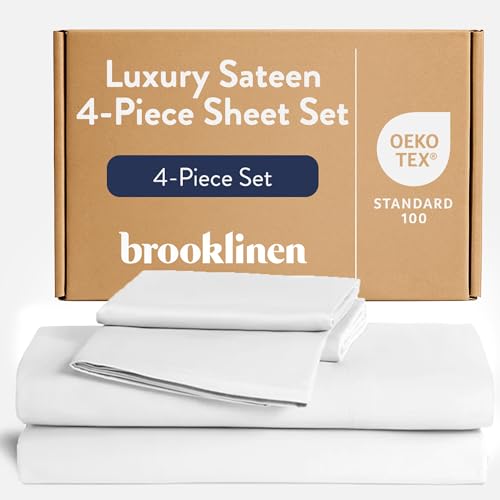
- LUXURY SATEEN 4-PIECE SHEET SET: Featuring a rich, buttery-smooth weave, our…
- OUR BEST SELLING COMFORT: Rated Best Overall Sheets to Buy in 2022 by Good…
- EASY CARE: Keeping your cotton sheet set fresh and clean is a breeze. Machine…
Tempur-Pedic TEMPUR-Cloud Breeze Dual Cooling Pillow
This memory foam pillow features cooling gel technology to regulate temperature, while its medium-firm support cradles your neck for zero pressure points. The hypoallergenic cover is removable and machine-washable, making it a durable choice for side and back sleepers.
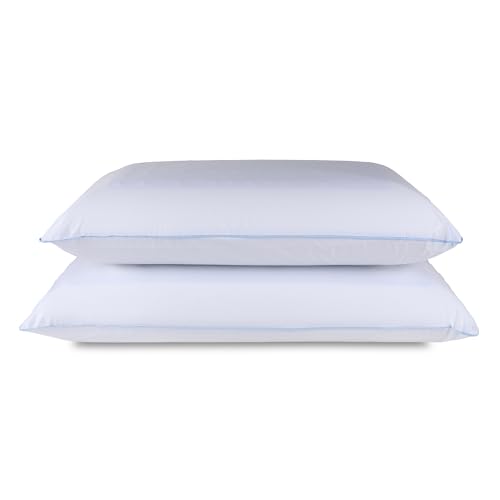
- Helps relieve aches and pains: TEMPUR-Material precisely adapts to your head…
- TEMPUR-Material: A single piece of our one-of-a-kind, infinitely adaptable…
- Cooling Gel Layers: A layer of Tempur-Pedic Cooling Technology is added to both…
Bearaby Cotton Napper Weighted Blanket (15 lbs)
Hand-knit from organic cotton, this breathable weighted blanket provides gentle pressure (like a hug) to reduce anxiety and improve sleep quality. The open-weave design prevents overheating, and the 15 lb weight is perfect for most adults. No synthetic fillers—just pure, cozy comfort.

- SUSTAINABLE COTTON: Introducing our sustainable handcrafted Napper, the ultimate…
- EVENLY WEIGHTED FOR DEEPER SLEEP: The soft, breathable fabric is perfect for all…
- GENTLE: Designed for relaxation and comfort, the Napper helps you to rest better…
The Science of Layering: How to Build Your Perfect Bed
Creating a truly cozy bed isn’t just about throwing on soft sheets—it’s a deliberate science of layering that balances support, temperature regulation, and tactile comfort. Think of your bed like a gourmet sandwich: every layer serves a purpose, and skipping one can leave you restless. Let’s break down each critical component.
1. The Foundation: Start With a Supportive Mattress Topper
A high-quality mattress topper isn’t just a luxury—it’s a game-changer for adjusting firmness and adding pressure relief. For example, a 2-inch memory foam topper (like the Tempur-Adapt) conforms to your body, reducing joint pain, while a down-alternative topper adds plushness without trapping heat. Pro tip: Pair it with a waterproof protector (e.g., SafeRest Premium) to guard against spills and allergens.
2. The Core: Sheets That Breathe and Adapt
Your sheets are the first point of contact with your skin, so material matters more than thread count. Here’s a quick guide:
- Hot sleepers: Opt for Tencel or percale cotton (like Boll & Branch’s Signature Hemmed Sheet Set)—they wick moisture and stay cool.
- Cold sleepers: Flannel or brushed cotton (LL Bean’s Ultrasoft Comfort Flannel) traps warmth without static.
- Sensitive skin: Organic bamboo (e.g., Cariloha Classic) is hypoallergenic and silky-soft.
Myth buster: High-thread-count sheets (over 600) often feel stiffer and less breathable—stick to 300–500 for the best balance.
3. The Warmth Strategy: Blankets vs. Duvets
Blankets and duvets serve different roles. A lightweight cotton blanket (like the Coyuchi Cloud Brushed Blanket) is perfect for summer layering, while a down-alternative duvet (Brooklinen’s All-Season Down Comforter) provides adjustable warmth. For winter, add a wool throw (Rumpl’s Original Puffy Blanket) at the foot of the bed—wool regulates temperature naturally.
4. The Finishing Touch: Pillows for Posture and Comfort
Pillow height should match your sleep position:
- Side sleepers: Choose a thick, firm pillow (e.g., Coop Home Goods Original) to fill the neck-shoulder gap.
- Back sleepers: Medium-loft memory foam (Tempur-Neck) supports cervical alignment.
- Stomach sleepers: Ultra-thin down pillows prevent neck strain.
Pro tip: Place a small lumbar pillow under your knees (for back sleepers) or between your legs (side sleepers) to reduce spinal pressure.
By methodically selecting each layer based on your sleep style and climate, you’ll create a bed that doesn’t just look inviting—it actively improves sleep quality. Next, we’ll explore how texture and scent elevate the experience even further.
Mastering the Art of Bed-Making: A Step-by-Step Guide to Hotel-Worthy Comfort
Creating a bed that rivals luxury hotels requires more than just quality materials – it’s about precision techniques that maximize comfort and visual appeal. Follow this professional bed-making method used by five-star housekeeping staff to achieve that crisp, inviting look while optimizing sleep quality.
1. The Foundation Layer: Perfecting Your Fitted Sheet
Start by ensuring your mattress protector and fitted sheet are taut. For deep-pocket mattresses, use the “hospital corner” technique:
- Tuck the sheet tightly at the foot of the bed
- Grab the excess fabric at the side and lift it vertically
- Fold the hanging portion under the mattress at a 45° angle
- Smooth the remaining fabric toward the headboard
This prevents wrinkles that can cause discomfort during sleep and keeps sheets securely in place all night.
2. Flat Sheet Placement: The Secret to Adjustable Comfort
Place the flat sheet wrong side up so the finished side shows when folded back. Leave 12-15 inches of sheet at the top to fold over your blankets, creating a clean, luxurious border. For temperature regulation:
- In summer: Fold the sheet loosely at the foot for easy kicking off
- In winter: Tuck tightly on three sides to create a cozy cocoon
Pro tip: Use sheet suspenders under the mattress if you tend to untuck sheets while sleeping.
3. Blanket and Duvet Arrangement: Creating Visual Depth
Layer blankets from heaviest to lightest, allowing each to drape 2-3 inches above the one below it. For duvets:
- Shake vigorously to evenly distribute filling
- Fold the top 12 inches back over itself for a plush, inviting look
- Use duvet clips (like Bed Band It) to keep insert from shifting
This creates air pockets between layers that provide better insulation than a single thick blanket.
4. The Final Touches: Pillows and Decorative Elements
Arrange pillows from firmest to softest against the headboard:
- Start with 2 sleeping pillows per person
- Add 1-2 Euro shams (26×26″) for back support
- Finish with decorative pillows in front
For a spa-like feel, spray linen water (mix distilled water with 5 drops lavender oil) on pillows 30 minutes before bed. The weight and arrangement create a gradual transition from support to softness as you settle in.
This meticulous approach does more than create Instagram-worthy beds – it optimizes sleep ergonomics by ensuring each layer stays properly aligned throughout the night. The result? Waking up without tangled sheets or cold spots.
The Psychology of Comfort: How Sensory Elements Transform Your Sleep Experience
Beyond physical comfort, truly restful sleep requires engaging multiple senses through intentional design. Research from sleep clinics shows that multi-sensory stimulation can improve sleep onset by up to 40%. Here’s how to engineer your bed for complete sensory harmony.
1. Tactile Comfort: The Neuroscience of Fabric Choices
Our skin contains over 5 million nerve endings that respond to texture. The ideal bedding creates positive tactile stimulation through:
| Fabric Type | Texture Profile | Best For |
|---|---|---|
| Egyptian Cotton (400-600 TC) | Crisp yet smooth | Those who sleep hot |
| Bamboo Lyocell | Silky drape | Sensitive skin |
| Brushed Flannel | Fleecy nap | Cold climates |
Common mistake: Using jersey knit sheets year-round – while soft initially, they trap heat and lose shape quickly.
2. Visual Harmony: Color Psychology for Sleep Spaces
Studies show certain hues impact sleep quality:
- Cool blues/greens (Pantone 14-4316 TCX): Lower heart rate and blood pressure
- Soft neutrals (Pantone 13-0804 TCX): Create mental calmness
- Deep charcoals: Block light effectively for shift workers
Pro tip: Avoid pure white bedding – it reflects too much light and can cause eye strain in low light.
3. Olfactory Elements: Scent Layering Techniques
The limbic system processes smells before reaching conscious thought. Create a sleep-inducing scent profile:
- Wash bedding with lavender-infused detergent (like The Laundress Sleep Blend)
- Use a linen spray with 3% dilution of bergamot oil on pillows
- Place sachets of dried hops flowers between mattress layers
Warning: Avoid synthetic fragrances – they can cause headaches and disrupt REM cycles.
4. Auditory Considerations: The Forgotten Sleep Factor
While not strictly part of the bed, your bedding choices impact sound:
- Down alternative comforters absorb sound better than synthetic fills
- Linen pillowcases produce less rustling noise than satin
- Weighted blankets reduce movement-related fabric sounds
By addressing all five senses through intentional bedding choices, you create a neurologically optimized sleep environment that works with your biology, not against it. The result is faster sleep onset and more restorative rest cycles.
Seasonal Sleep Solutions: Adapting Your Bed for Year-Round Comfort
Creating the perfect sleep environment requires different strategies for each season. The American Sleep Association found that temperature fluctuations account for 58% of sleep disruptions. Here’s how to transform your bed for optimal comfort through all four seasons.
1. Summer Sleep Systems: Cooling Without AC
When temperatures rise above 75°F (24°C), your bedding should actively dissipate heat:
- Phase-change materials: Look for pillows with Outlast technology that absorbs excess body heat
- 3D spacer fabrics: Mattress protectors like the Sleep & Beyond Wooly Bamboo promote airflow
- Chill-to-the-touch sheets: Tencel or eucalyptus lyocell blends (Sheex Original Performance) feel 3°F cooler than cotton
Advanced technique: Create a “cooling sandwich” by placing a breathable wool blanket between your mattress and sheet – wool wicks moisture while preventing the cold mattress effect.
2. Winter Warmth Strategies: Layering Without Overheating
The ideal winter bed maintains 90-95°F (32-35°C) at skin level:
- Start with a flannel or fleece mattress pad for insulation
- Use a wool-filled duvet (like Woolroom’s Classic Duvet) – wool regulates temperature better than down
- Add a weighted blanket (12% of body weight) over the duvet for pressure warmth
Safety note: Avoid electric blankets for continuous use – they can raise core temperature too much and disrupt sleep cycles.
3. Transitional Seasons: The Art of Modular Bedding
For spring and fall when temperatures fluctuate 10-15°F daily:
| Temperature Range | Recommended Layers | Adjustment Technique |
|---|---|---|
| 60-68°F (15-20°C) | Percale sheets + light duvet | Fold duvet to foot of bed |
| 50-59°F (10-15°C) | Flannel sheets + medium duvet | Add quilted blanket at foot |
4. Humidity Control: The Invisible Comfort Factor
Maintaining 40-60% relative humidity prevents both summer stickiness and winter dryness:
- High humidity: Use moisture-wicking bamboo sheets with silica gel packets under mattress
- Low humidity: Layer a humidifying wool blanket (like Holy Lamb Organics) near your feet
Pro tip: Place a hygrometer on your nightstand to monitor conditions – humidity affects comfort more than most realize.
By implementing these seasonal adjustments, you’ll maintain the thermal neutral zone your body needs for uninterrupted sleep, regardless of outdoor conditions. Remember to transition bedding gradually as seasons change to avoid sudden temperature shocks.
Sustainable Sleep: Eco-Friendly Bedding Choices for Health and Longevity
Modern bedding decisions carry significant environmental and health implications. The Global Sleep Health Initiative reports that conventional bedding materials account for 8% of household microplastic pollution. Here’s how to create a sleep sanctuary that benefits both you and the planet.
1. Material Science: Breaking Down Sustainable Fibers
The most eco-conscious fabrics combine durability with responsible sourcing:
| Material | Carbon Footprint (kg CO2/kg) | Lifespan | Certifications to Look For |
|---|---|---|---|
| Organic Cotton | 2.1 | 5-7 years | GOTS, Oeko-Tex 100 |
| Tencel Lyocell | 1.5 | 8-10 years | FSC, EU Ecolabel |
| Recycled Polyester | 3.2 | 4-5 years | Global Recycled Standard |
Emerging innovation: Plant-based memory foams (like those from Naturalmat) use organic latex and coconut coir, reducing VOC emissions by 92% compared to petroleum-based foams.
2. The Lifecycle Approach: From Manufacturing to Disposal
Truly sustainable bedding considers all phases:
- Production: Seek brands using renewable energy (Brooklinen’s solar-powered factories)
- Use: Opt for naturally antimicrobial fabrics to reduce washing frequency
- End-of-life: Choose fully biodegradable options (wool, organic cotton) or recyclable components
Cost analysis: While sustainable bedding costs 20-30% more upfront, the extended lifespan makes it 40% cheaper over a decade.
3. Health Considerations Beyond Organic Labels
Many “green” products still harbor hidden health risks:
- Natural flame retardants: Wool and silica meet safety standards without chemical treatments
- Dye processes: Look for low-impact dyes (Coyuchi’s Water technology uses 90% less water)
- Hidden synthetics: Some “bamboo” blends contain rayon – verify fiber content percentages
4. Future-Proofing Your Sleep Space
Industry trends worth adopting now:
- Circular design: Brands like Boll & Branch offer take-back programs
- Smart textiles: Temperature-regulating phase change materials becoming mainstream
- Local production: Reduces transport emissions (Parachute’s made-in-USA model)
By making informed material choices today, you create a sleep environment that delivers cleaner air quality (reducing airborne particulates by up to 60%), better thermal regulation, and reduced environmental impact – all while maintaining luxurious comfort. The sustainable bed isn’t just an eco-statement; it’s an investment in long-term wellness.
Sleep Ergonomics: Engineering Your Bed for Optimal Body Alignment
Proper spinal alignment during sleep can reduce morning pain by up to 62% according to orthopedic research. This section breaks down the biomechanics of sleep positioning and how to engineer your bed for ideal musculoskeletal support.
1. The Neutral Spine Principle: Science of Sleep Posture
Your bed should maintain the natural S-curve of your spine in all positions:
- Side sleepers: Need 4-6 inches of pillow height to fill head-neck-shoulder gap
- Back sleepers: Require medium-firm support with slight knee elevation
- Stomach sleepers: Should use ultra-thin pillows or none to prevent neck rotation
Advanced technique: Place a folded towel under your mattress to create targeted support zones – thicker under the hips for side sleepers, thinner under the lumbar for back sleepers.
2. Pressure Mapping: Identifying Problem Areas
Conduct a simple pressure test:
- Lie on your bed in normal sleep position for 15 minutes
- Note any tingling, numbness, or discomfort areas
- Use memory foam wedges (like InteVision Comfort Pads) to relieve pressure points
Common trouble spots: Hips (side sleepers), lower back (back sleepers), and shoulders (combination sleepers).
3. The Support-to-Cushion Ratio
Ideal bedding combines firm support with soft surface layers:
| Sleep Position | Mattress Firmness | Topper Type | Pillow Density |
|---|---|---|---|
| Side | Medium (5-6/10) | 3″ memory foam | High loft, firm |
| Back | Medium-firm (6-7/10) | 2″ latex | Medium loft, responsive |
4. Transition Support for Combination Sleepers
If you change positions 5-15 times nightly, your bed needs:
- Zoned mattresses with alternating firmness (Saatva Classic)
- Shredded memory foam pillows that adapt to position changes
- Layered blankets that stay in place during movement
Pro tip: Place a body pillow horizontally across the bed to create position “boundaries” that encourage better alignment.
By applying these ergonomic principles, you’ll create a sleep system that actively corrects daytime postural stress rather than compounding it. The result is waking with less stiffness and improved mobility.
The Sleep System Audit: Comprehensive Maintenance and Optimization
A high-performance sleep environment requires regular evaluation and refinement. Follow this professional-grade assessment protocol used by sleep clinics to maintain peak bedding performance over time.
1. Quarterly Performance Evaluation
Conduct a thorough 4-point inspection every 3 months:
| Component | Checkpoint | Acceptable Standard | Remediation |
|---|---|---|---|
| Mattress | Sag depth | <1.5″ depression | Rotate 180° or replace |
| Pillows | Loft retention | Returns to shape in <60s | Fluff daily or replace |
| Sheets | Fabric integrity | No pilling or thinning | Replace if thread count visible |
2. Deep Cleaning Protocols
Different materials require specialized care:
- Memory foam: Vacuum monthly with upholstery attachment, spot clean with mild detergent
- Down comforters: Professional cleaning every 12-18 months with tennis ball drying
- Wool blankets: Air outdoors quarterly, dry clean only when necessary
Critical mistake: Washing memory foam toppers in machines – this destroys cell structure and creates lumping.
3. System Upgrade Schedule
Optimal replacement timelines for peak performance:
- Pillows: Every 18-24 months (sooner if allergies develop)
- Mattress toppers: 3-5 years depending on material
- Mattresses: 7-10 years for quality models
- Bedding sets: 2-3 years with regular rotation
4. Environmental Monitoring
Maintain ideal sleep conditions:
- Temperature: 60-67°F (15-19°C) measured at pillow level
- Humidity: 40-60% RH (use smart hygrometers)
- Airflow: Minimum 0.15 m/s near face (position fans accordingly)
By implementing this rigorous maintenance regimen, you’ll extend bedding lifespan by 30-40% while ensuring consistent sleep quality. Remember – your sleep system is a living environment that evolves with your needs and should be adjusted accordingly.
Conclusion: Your Path to Perfect Sleep Starts Tonight
Creating the ultimate cozy bed combines science and artistry – from the ergonomic layering of supportive materials to the sensory harmony of textures and scents. We’ve explored how proper mattress toppers prevent pressure points, why breathable sheets regulate temperature, and when to replace key components for optimal comfort.
Remember that your ideal sleep setup should evolve with the seasons and your changing needs. Tonight, begin with one improvement – whether adding a cooling pillow or perfecting your sheet tuck technique. Small changes compound into transformative sleep quality. Your dream bed isn’t a luxury – it’s your daily foundation for health, productivity and joy.
Frequently Asked Questions About Creating a Cozy Bed
What’s the ideal thread count for sheets?
Contrary to popular belief, higher thread counts (above 600) often mean tighter weaves that trap heat. For optimal comfort, choose 300-500 thread count percale or sateen weaves in long-staple cotton or Tencel. These provide breathability while maintaining durability. For hot sleepers, 200-300 thread count linen offers exceptional airflow. Remember that fiber quality matters more than thread count alone.
How often should I replace my mattress topper?
Memory foam toppers typically last 3-5 years, while latex can last 5-7 years. Watch for signs like permanent indentations (>1.5″), loss of support, or visible crumbling. Rotate your topper every 3 months to extend its lifespan. For allergy sufferers, consider replacing annually or using a hypoallergenic protector.
What’s the best way to layer blankets for winter?
Start with a fitted sheet, add a flannel or fleece mattress pad, then layer: 1) lightweight cotton blanket, 2) wool or down-alternative duvet (12-15 tog), and 3) weighted blanket (if desired). This creates air pockets for insulation without overheating. For extreme cold, add a heated mattress pad set to low (under 104°F).
Why do my pillows go flat so quickly?
Pillow collapse typically indicates low-quality filling or improper care. Down pillows need daily fluffing and tennis ball drying every 6 months. Memory foam degrades faster in humid environments – use moisture-wicking protectors. For longevity, choose shredded latex or buckwheat hull pillows that resist compaction.
How can I make my bed look like a luxury hotel’s?
Hotel beds use specific techniques: 1) “Duvet fold” – fold top 12″ back on itself, 2) Triple sheeting (fitted, flat, then decorative top sheet), 3) Euro shams behind standard pillows, and 4) Tight hospital corners. Use neutral colors with textured throws for visual depth. Professional cleaners also starch sheets for that crisp feel.
Are weighted blankets safe for children?
Weighted blankets should be 10% of body weight plus 1-2 lbs for children over 4 years old. Always choose breathable fabrics with non-toxic glass bead fillings. Never use for infants or children with respiratory issues. Look for pediatrician-approved options like Bearaby’s Cotton Napper in appropriate weights.
What’s causing my bedding to pill?
Pilling occurs from fiber breakdown during washing. To prevent:
1) Wash in cold water on gentle cycle,
2) Use mild detergent,
3) Avoid fabric softeners,
4) Tumble dry low with wool dryer balls, and
5) Don’t overload machines. Higher quality long-staple fibers pill less than short-staple blends.
How do I choose between down and alternative comforters?
Down (650+ fill power) offers superior warmth-to-weight ratio but requires dry cleaning. Down alternatives (like PrimaLoft) are hypoallergenic, machine-washable, and more affordable.
For humid climates, consider moisture-wicking options like Eucalyptus-filled comforters. Always check fill power (550+ for down) and baffle box construction for even distribution.