
Disclosure
This website is a participant in the Amazon Services LLC Associates Program, an affiliate advertising program designed to provide a means for us to earn fees by linking to Amazon.com and affiliated sites.
You can make your bed look effortlessly neat and inviting—no professional decorator required. A well-made bed isn’t just about aesthetics; it sets the tone for your entire bedroom, boosts relaxation, and even improves sleep quality.
Yet, many struggle with lumpy pillows, uneven layers, or sheets that never stay put. You might think expensive linens are the solution, but the secret lies in mastering simple techniques used by luxury hotels.
Imagine walking into a bedroom where the bed looks so pristine you hesitate to disturb it—crisp folds, plush textures, and artful layers that whisper “relax here.”
Best Bedding Products for a Neat and Inviting Bed
Brooklinen Luxe Core Sheet Set
Made from long-staple cotton with a 480-thread count, these sheets offer a crisp yet soft feel that resists wrinkles. The deep pockets (up to 17″) fit thick mattresses securely, while reinforced stitching ensures durability. Available in 11 minimalist colors to match any decor.
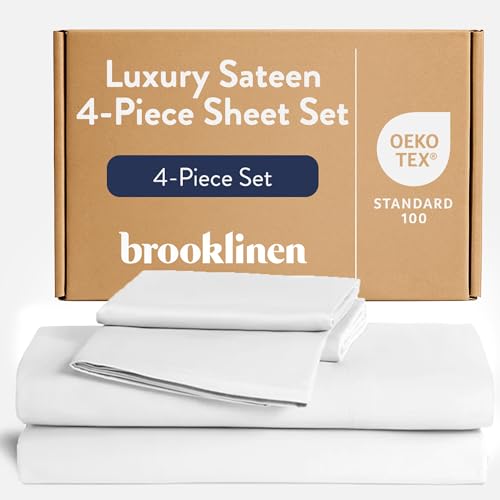
- LUXURY SATEEN 4-PIECE SHEET SET: Featuring a rich, buttery-smooth weave, our…
- OUR BEST SELLING COMFORT: Rated Best Overall Sheets to Buy in 2022 by Good…
- EASY CARE: Keeping your cotton sheet set fresh and clean is a breeze. Machine…
Boll & Branch Signature Hemmed Duvet Cover
This organic cotton duvet cover features a subtle textured weave for a luxe hotel aesthetic. The interior ties keep inserts from shifting, and the button closure is both elegant and functional. OEKO-TEX certified for chemical-free safety and breathability.

- SIGNATURE HEMMED DUVET SET: This luxurious duvet cover and 2 shams are…
- 100% ORGANIC COTTON: Made from premium long-staple 100% certified organic…
- SOFT SIGNATURE FABRIC: The duvet set’s high quality threads are woven in a…
Everlasting Comfort Cooling Blanket – Dual-Sided Comfort
This lightweight, dual-sided throw features thermal-regulating Japanese Icy-Cool fibers on one side and soft cotton on the other. With a Q-max of 0.45, it quickly wicks away heat and moisture—cooling you within minutes while staying breathable and cozy year-round.
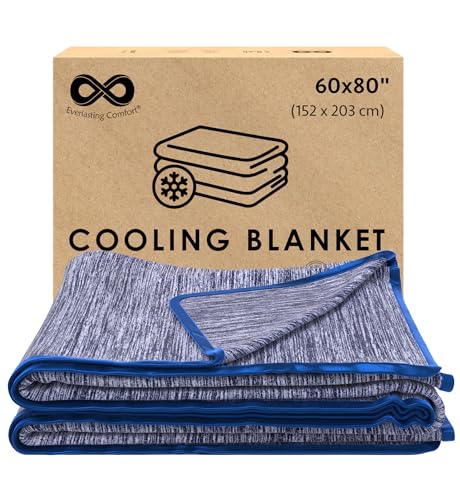
- Effective cooling blanket
- Dual sided design
- Queen size cooling blanket
The Foundation: How to Properly Layer Your Bedding
A perfectly made bed starts with strategic layering—a technique that combines function with aesthetics. Unlike simply throwing on sheets and blankets, professional layering creates structure, depth, and adaptability for different seasons. The key is building from the mattress outward, with each layer serving a specific purpose.
Start With a Smooth Base
Begin with a fitted sheet that fits snugly—no wrinkles or loose corners. For mattresses thicker than 15″, look for deep-pocket designs with elasticized edges (like the Brooklinen Luxe Core). Pro tip: Pull diagonally at the corners for maximum tautness. This prevents the sheet from slipping during sleep, which disrupts your top layers.
Add Dimension With Flat Sheets
The flat sheet isn’t just decorative—it protects your duvet from body oils and reduces washing frequency. For a polished look:
- Place it upside down (pattern facing the mattress) so the fold-over reveals the right side
- Leave 12-18″ of overhang at the top for an easy fold-back
- Tuck sides and foot tightly using hospital corners (fold excess fabric into 45° triangles before tucking)
Master the Duvet or Comforter
Your top layer should appear fluffy yet structured. For duvets:
- Shake the insert vigorously to evenly distribute filling
- Align corners perfectly inside the cover (use interior ties if available)
- Fold the top 6-8″ backward to showcase the sheet beneath—this adds visual contrast
Down-alternative inserts (like Buffy Cloud) maintain loft without clumping, while lightweight wool options (Riley’s All-Season) regulate temperature year-round.
Common Mistakes to Avoid
Most DIY bed-makers underestimate these details:
- Over-tucking: Creates tension that causes sheets to pull loose
- Mismatched proportions: A queen duvet on a full bed looks sloppy; always size up for drape
- Ignoring fabric weights: Pair heavy linen sheets with lightweight quilts to prevent a “squashed” look
Hotels often add a bed scarf (a thin decorative throw) across the foot for texture. Try this with a 20″x60″ linen runner in a contrasting color—it hides minor wrinkles while adding designer flair.
Pillow Arrangement: The Art of Creating a Luxurious Headboard Display
Professional pillow placement transforms a flat bed into a dimensional masterpiece while providing practical comfort. Unlike haphazard stacking, strategic arrangement follows visual hierarchy principles that five-star hotels have perfected over decades. This system balances aesthetics with functionality.
The Essential Pillow Types and Their Roles
Every well-dressed bed uses three key pillow categories:
- Sleeping pillows (2 standard/queen): Choose medium-firm fills that maintain shape when upright. Down-alternative (like Casper Hybrid) resists flattening better than feather.
- Euro shams (26″x26″): These large square pillows create depth against the headboard. Use two for queen beds, three for kings.
- Decorative accents (12″x20″ lumbar or 16″x16″ boudoir): Adds final texture layers. Velvet or embroidered covers work best.
Step-by-Step Professional Arrangement
Follow this industry-standard sequence for magazine-worthy results:
- Anchor with Euro shams: Place vertically against the headboard, edges touching. For king beds, add a third centered pillow.
- Layer sleeping pillows: Stack two horizontally in front of Euros. Tuck them 3″ behind the shams to create dimension.
- Add decorative pieces: Place a lumbar pillow horizontally across the front, or angle two boudoir pillows in opposite directions.
- Final adjustments: Plump all pillows by grabbing opposite corners and shaking gently. Smooth covers to eliminate wrinkles.
Advanced Styling Techniques
Elevate your arrangement with these designer tricks:
- Vary textures: Pair crisp cotton shams with a nubby linen lumbar pillow for contrast
- Use the rule of thirds: Leave 1/3 of each underlying pillow visible for balanced proportions
- Rotate seasonally: Swap heavy velvet covers for lightweight percale in summer
For beds without headboards, lean Euro shams against the wall at a slight angle (about 15°) and use a bed wedge pillow underneath for support. This creates the illusion of built-in structure while preventing pillows from sliding down during the night.
Fabric Selection: The Science Behind Textures and Temperature Regulation
The materials you choose for bedding significantly impact both aesthetics and sleep quality. Understanding textile properties helps create beds that look inviting while maintaining ideal thermal comfort throughout the night. This section breaks down fabric characteristics at a textile engineer’s level.
Thread Count and Weave: Beyond the Marketing Hype
While many focus solely on thread count, the weave type determines actual performance:
| Weave Type | Thread Count Range | Best For | Maintenance Tip |
|---|---|---|---|
| Percale | 200-400 | Hot sleepers (breathable) | Iron while slightly damp |
| Sateen | 300-600 | Cold sleepers (heat-retentive) | Wash in cold to prevent pilling |
| Linen | 80-150 | Humid climates (moisture-wicking) | Air dry to preserve fibers |
Thermodynamic Properties of Common Bedding Materials
Different fabrics interact uniquely with body heat:
- Cotton: Conducts heat at 0.04 W/mK – ideal for temperature neutrality
- Bamboo: 30% more breathable than cotton due to micro-gaps in fibers
- Tencel: Absorbs 50% more moisture than cotton before feeling damp
- Wool: Naturally thermoregulates due to crimped fiber structure
For year-round comfort, layer a breathable base (percale) with adaptable top layers (wool duvet).
Advanced Fabric Combinations
Professional designers use these proven pairings:
- Winter luxury: Flannel fitted sheet + sateen flat sheet + down-alternative duvet
- Summer cooling: Tencel fitted sheet + percale flat sheet + linen quilt
- All-season: Bamboo fitted sheet + cotton-linen blend flat sheet + wool comforter
Common mistake: Using high-thread-count sateen in tropical climates creates a “sticky” sleep surface. Instead, opt for 200-300 TC percale with moisture-wicking properties. For those with allergies, look for OEKO-TEX certified fabrics with pore sizes smaller than 10 microns to block dust mites.
Professional Finishing Touches: Mastering the Details That Elevate Your Bed
The difference between a well-made bed and a truly exceptional one lies in the final details. These professional techniques used by interior designers and luxury hotels add polish and personality to your bedding ensemble while solving common practical challenges.
Precision Folding Techniques for Various Bed Types
Different bed sizes and styles require tailored approaches:
- Queen/King beds: Create a “knife-edge” duvet fold by pulling fabric taut and smoothing from center outward. Leave 12-18″ of sheet visible at the top.
- Twin/Daybeds: Use hospital corners with 45° folds at the foot, tucking sheets 6-8″ under the mattress for a crisp finish.
- Canopy beds: Allow duvets to pool slightly at the sides (2-3″ of drape) to complement the dramatic frame.
For adjustable beds, use fitted sheets with 18″ pockets and secure flat sheets with sheet suspenders under the mattress.
Strategic Throw Placement for Visual Impact
Throws should appear casually elegant, not messy:
- Fold a 50″x70″ throw in thirds lengthwise
- Drape diagonally across one corner of the foot
- Allow 12-15″ to cascade naturally to the floor
- Pinch the center of the draped section to create a slight “break”
For a contemporary look, try the “waterfall” technique – fold in half, then drape with the fold at the foot edge.
Lighting and Accessory Considerations
Complement your bed with these designer tricks:
- Bedside lighting: Choose lamps with shades that hit at pillow-top height (typically 24-28″ from mattress)
- Bench styling: Place folded blankets in complementary colors at the foot
- Wall decor: Hang artwork 8-10″ above the headboard to create visual balance
Professional tip: Keep a handheld steamer nearby to quickly remove wrinkles from duvet covers before guests arrive. For beds that need to stay pristine all day, spray a light mist of fabric starch on sheets during ironing – this helps maintain crispness for 8-10 hours. Always test on an inconspicuous area first.
Long-Term Bed Maintenance: Preserving Your Investment and Sleep Quality
Proper bedding care extends far beyond daily making – it’s a systematic approach that preserves fabric integrity, maintains hygienic standards, and ensures lasting comfort. This comprehensive guide covers professional maintenance protocols used by luxury hotels and textile conservators.
Fabric-Specific Care Schedule
Different materials require tailored maintenance approaches:
| Material | Washing Frequency | Optimal Water Temp | Drying Method | Expected Lifespan |
|---|---|---|---|---|
| Egyptian Cotton | Every 7-10 uses | 40°C (104°F) | Tumble dry low + iron damp | 5-7 years |
| Linen | Every 10-14 uses | 30°C (86°F) | Air dry + steam iron | 10+ years |
| Bamboo Rayon | Every 5-7 uses | Cold | Low heat + remove damp | 3-5 years |
Professional Deep-Cleaning Techniques
Quarterly maintenance preserves fabric quality:
- Stain treatment: Use enzyme-based cleaners for protein stains (sweat), oxygen bleach for organic stains
- Mattress care: Vacuum monthly with upholstery attachment, rotate 180° seasonally
- Pillow refresh: Dry clean down pillows annually, wash synthetics every 3 months
- Storage protocol: Store seasonal bedding in cotton bags with silica gel packets
Environmental and Health Considerations
Modern bedding maintenance balances efficacy with sustainability:
- Water conservation: Front-loading machines use 50% less water – ideal for frequent washing
- Allergen control: Wash in 130°F+ water weekly if dust mite allergies exist
- Chemical safety: OEKO-TEX certified detergents prevent chemical retention in fibers
- Energy efficiency: Heat-pump dryers reduce energy use by 60% versus conventional models
Emerging trend: Professional textile services now offer probiotic cleaning that introduces beneficial bacteria to outcompete odor-causing microbes. This extends freshness between washes while maintaining fabric pH balance. For heirloom-quality linens, consider annual professional wet cleaning – a water-based alternative to dry cleaning that preserves natural fibers.
Ergonomic Considerations: Optimizing Bed Design for Comfort and Health
Creating a truly inviting bed requires more than aesthetic appeal – it demands scientific understanding of human biomechanics and sleep physiology. This section explores how professional designers engineer bedding systems that support proper spinal alignment and reduce pressure points while maintaining visual harmony.
Pressure Distribution and Support Systems
The ideal bed setup balances softness with structural support through strategic layering:
- Base layer: A medium-firm mattress (5-7 on the firmness scale) provides foundational support for 97% of sleepers
- Transition layer: 2-3″ memory foam topper (4-5lb density) conforms to body contours without bottoming out
- Surface layer: Breathable natural fiber sheets with slight texture prevent “sticking” during movement
For side sleepers, add a knee pillow to maintain hip alignment; back sleepers benefit from a lumbar support roll.
Thermal Zone Engineering
The human body regulates temperature differently across zones:
- Head/shoulders: Use moisture-wicking pillowcases (Tencel or bamboo) to prevent night sweats
- Torso: Layer a lightweight wool blanket in this area for temperature regulation
- Feet: Place a down-filled foot blanket for localized warmth without overheating
This zoned approach maintains an ideal 60-67°F (15.5-19.5°C) microclimate throughout the night.
Professional Sleep Position Optimization
Tailor your bedding to your dominant sleep position:
| Sleep Position | Pillow Height | Duvet Weight | Special Considerations |
|---|---|---|---|
| Back | 3-5″ (medium) | Light (4.5-7 tog) | Extra pillow under knees |
| Side | 5-7″ (high) | Medium (7-10.5 tog) | Body pillow for alignment |
| Stomach | 1-3″ (low) | Light (4.5-7 tog) | Flat pillow under hips |
Advanced technique: Hotels often use “dual climate” beds with different duvet weights on each side for couples with different temperature preferences. Achieve this at home by overlapping two twin duvets on a king bed, secured with hidden duvet clips along the center seam.
Professional Bed Styling Systems: Creating Cohesive Designs for Different Decor Styles
Mastering bed aesthetics requires understanding how textile choices interact with room architecture and lighting conditions. This professional framework helps create harmonious designs that work with your existing decor while optimizing both form and function.
Design Style Matrix
Each decor style demands specific bedding elements:
| Style | Fabric Choices | Layering Technique | Signature Details | Color Palette |
|---|---|---|---|---|
| Modern Minimalist | Percale cotton, matte sateen | Single duvet with knife-edge fold | Contrast piping, hidden seams | Monochrome + 1 accent |
| Bohemian | Linen, velvet, macramé | Asymmetric throw stacking | Pom-pom trim, mixed patterns | Earthy tones + jewel tones |
| Traditional | Damask, embroidered cotton | Triple sham arrangement | Bullion fringe, corded edges | Neutrals + muted pastels |
Lighting Integration Strategies
Bedding materials interact differently with light sources:
- North-facing rooms: Use sateen or velvet to reflect available light
- South-facing rooms: Matte fabrics prevent glare from abundant sunlight
- Artificial lighting: 2700K-3000K bulbs enhance warm tones in bedding
- Accent lighting: LED strip under bed frame creates floating effect with light-colored linens
Professional Color Transition Techniques
Create seamless visual flow from walls to bedding:
- Match sheet color to wall tone (2-3 shades lighter or darker)
- Coordinate duvet with largest furniture piece
- Use throw pillows to bridge color gaps between elements
- Incorporate metallic accents that reflect room’s hardware finishes
Advanced application: For rooms with challenging proportions, use bedding to optically rebalance space. In narrow rooms, horizontal stripes on duvets widen appearance; in low-ceilinged rooms, vertical pillow arrangements draw the eye upward. Always test fabric swatches under both natural and artificial light before finalizing selections.
Conclusion
Creating a bed that looks both neat and inviting is an art form combining precise layering techniques, thoughtful fabric selection, and ergonomic considerations.
From mastering hospital corners to understanding how weave types affect sleep temperature, we’ve explored the professional methods that transform ordinary beds into luxurious retreats.
Remember that proper pillow arrangement and strategic finishing touches elevate your bed from functional to exceptional. Whether you prefer minimalist elegance or cozy maximalism, these principles adapt to any style.
Tonight, apply just one technique from this guide – perhaps perfecting your duvet fold or experimenting with textured throws – and experience how small changes create dramatic results. Your dream bed awaits.
Frequently Asked Questions About Making a Bed Look Neat and Inviting
What’s the best way to keep sheets from coming undone at the corners?
For a secure fit, use deep-pocket sheets with reinforced elastic all around (not just at corners). Apply the “hospital corner” technique: tuck sheet tightly at foot, lift side edge to form 45° triangle, tuck hanging fabric under mattress, then fold triangle down. For extra hold, sheet suspenders ($10-15) clip underneath the mattress. This works especially well for adjustable beds or thicker mattresses.
How often should I replace my bedding for optimal appearance?
Quality bedding has specific lifespans: pillows (2-3 years), down comforters (5-7 years), sheets (2-5 years depending on material). Replace when you notice permanent wrinkles, thinning fabric, or filling clumping. Rotate between 2-3 sets to extend longevity. For hotel-quality crispness, professional laundering refreshes linens better than home washing – consider this service annually for premium bedding.
What’s the secret to achieving perfect pillow fluffiness?
Start with quality fills: down clusters (not feathers) for luxury, buckwheat hulls for support, or latex for hypoallergenic options. Daily maintenance involves “punching” pillows from the center outward to redistribute fill. For down pillows, tumble dry weekly with tennis balls to break up clumps. Professional fluffing services use industrial steamers to restore loft to flattened pillows.
How can I make my bed look luxurious without spending much?
Focus on presentation rather than price: iron pillowcases for crispness, fold duvet covers to show contrasting interior fabric, and use decorative “faux” pillows in front of everyday ones. A $20 bed scarf draped diagonally hides worn areas. For instant luxury, spray linen water (distilled water + 2 drops essential oil) for subtle scent and sheen.
What’s the ideal bedding combination for hot sleepers?
Create a cooling system: moisture-wicking Tencel or bamboo fitted sheet (not sateen), lightweight percale flat sheet, and a breathable wool or eucalyptus fiber blanket instead of traditional comforters. Layer a chilled gel pad under the sheet for extreme heat. Keep bedroom temperature at 65°F (18°C) and use ceiling fans to circulate air above the bed.
Why do hotel beds look better than home beds?
Hotels use professional techniques: triple sheeting (flat sheet + blanket + another flat sheet), bed boards under mattresses for firmness, and custom-sized linens that drape perfectly. They steam rather than iron for wrinkle removal and use 10-12″ thick mattress toppers. You can replicate this with a mattress enhancer and learning the “military tuck” for ultra-tight sheets.
How do I choose the right duvet size for my bed?
Always size up: Twin beds need full/queen duvets, queens need kings, and kings need oversized (120″x120″) covers. This creates lavish drape on sides (15-20″ drop) and prevents “bare mattress” exposure when moving. For duvet inserts, match exact bed size to prevent shifting. European-style duvets are 10-12″ longer than American versions for better coverage.
What’s the best way to store seasonal bedding?
Clean thoroughly before storing in breathable cotton bags (not plastic). Include silica gel packets to control moisture and cedar blocks to deter pests. Store in climate-controlled areas – attic heat damages elastic, basement dampness causes mildew. For down items, avoid compression; instead use oversized containers. Refresh stored bedding quarterly with 20-minute air fluff in dryer on no-heat setting.