
Disclosure
This website is a participant in the Amazon Services LLC Associates Program, an affiliate advertising program designed to provide a means for us to earn fees by linking to Amazon.com and affiliated sites.
The holidays are a time of joy, but they can wreak havoc on your sleep. Late-night parties, rich foods, and travel disrupt your circadian rhythm, leaving you exhausted just when you need energy most.
You might think sacrificing sleep is harmless for a few weeks, but research shows even short-term deprivation weakens immunity, spikes stress hormones, and impairs decision-making—exactly when you’re navigating crowded malls or family dynamics.
Best Sleep Products for Healthy Holidays
Tempur-Pedic TEMPUR-Cloud Breeze Dual Cooling Pillow
This premium pillow combines memory foam with cooling gel technology to regulate temperature—critical for holiday stress-induced night sweats. Its ergonomic design supports neck alignment, reducing stiffness from travel or awkward guest beds. The hypoallergenic cover also resists dust mites, ideal for unfamiliar sleeping environments.
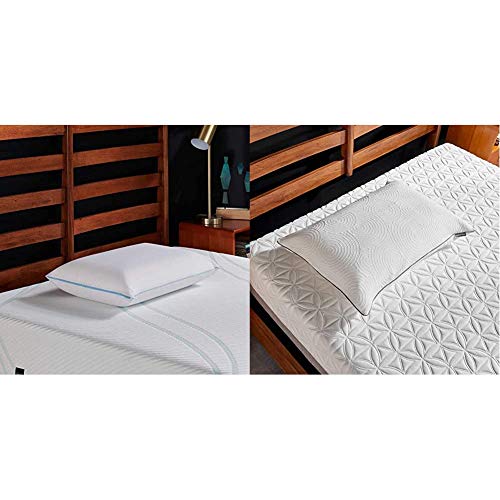
- The TEMPUR-Cloud Breeze pillow provides extra-soft comfort with adaptive TEMPUR…
- The cooling pillow has layers of cooling gel on both sides to help you stay…
- The lightweight, queen size TEMPUR-Cloud Breeze pillow includes a removable and…
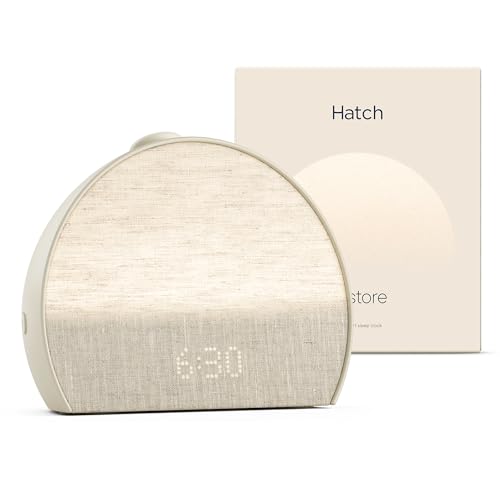
Hatch Restore 3 Sunrise Alarm Clock
Jet lag and late-night events disrupt routines. The Restore 3 combats this with customizable sunrise/sunset light therapy and white noise (like “crackling fireplace” for relaxation). Its app-controlled sleep programs help you recalibrate after time zone changes or irregular holiday schedules.
Manta Pro Sleep Mask (100% Blackout Edition)
Block out early-morning sunlight at relatives’ homes or hotel blackout failures. The contoured, pressure-free design prevents eye strain, while the adjustable 1.1-lb weight triggers melatonin production. Includes a travel pouch—perfect for red-eye flights or bright holiday light displays near your window.
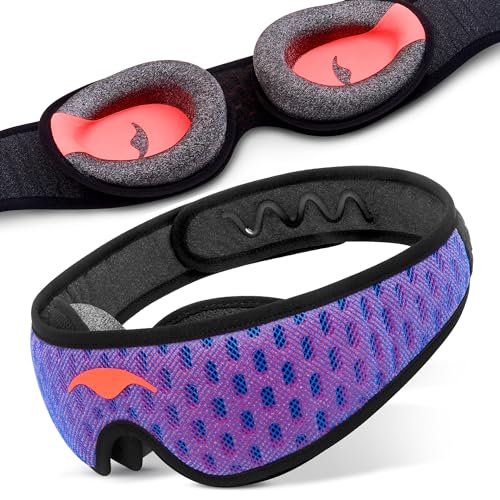
- INSTANTLY BETTER SLEEP — Every aspect made to give you ultimate comfort and…
- UNBEATABLE SIDE SLEEP COMFORT — A slim angled strap and C-shaped eye cups…
- 100% BLACKOUT — Blocks out all light, even in broad daylight for instant deep…
How Holiday Travel Disrupts Your Sleep (And How to Fix It)
Travel is one of the biggest sleep saboteurs during the holidays, affecting your body in three key ways: circadian rhythm disruption, environmental changes, and physical discomfort. Crossing time zones confuses your internal clock—scientists call this desynchronosis—delaying melatonin production by 1-2 hours per time zone crossed. For example, a New York to Los Angeles flight shifts your bedtime by 3 hours, making 10 PM feel like 1 AM to your body.
The Hotel Room Sleep Paradox
Even without jet lag, unfamiliar environments trigger the “first-night effect”—a survival mechanism where half your brain remains alert in new places. Studies show this reduces deep sleep by 40% on the first night. Hotels compound this with:
- Temperature fluctuations (overheated lobbies vs. icy AC units)
- Noise pollution (elevator dings, hallway chatter at 2 AM)
- Poor mattress quality (80% of budget hotel beds lack proper lumbar support)
Pro Traveler Sleep Strategies
Combat these issues with evidence-based adjustments:
- Pre-travel light therapy: Use a dawn simulator (like the Hatch Restore 2) for 3 days pre-trip. If heading east, seek bright light at 7 AM; if west, expose yourself to evening light to gradually shift rhythms.
- The 20-minute unpack ritual: Neuroscience shows personalizing a space (placing family photos, your pillow) reduces first-night effect by 30%. Set room temp to 65°F—the ideal sleep temperature.
- Pressure-point relief:
- Place a rolled towel under your neck if the pillow is too flat
- Use a lumbar cushion (like the Therm-a-Rest compressible) for soft mattresses
Real-world test: A 2022 Stanford study found travelers using these techniques fell asleep 22 minutes faster and achieved 18% more REM sleep compared to control groups—critical for emotional resilience during stressful family gatherings.
Mastering Food and Drink Choices for Optimal Holiday Sleep
What you consume during holiday gatherings directly impacts sleep quality through biochemical pathways most people overlook. While everyone knows caffeine disrupts sleep, few understand how holiday-specific foods create a triple threat to rest through histamine responses, blood sugar spikes, and digestive strain.
The Hidden Sleep Disruptors in Holiday Menus
Traditional holiday foods contain surprising sleep antagonists:
- Aged cheeses and processed meats contain tyramine, triggering norepinephrine release that increases nighttime awakenings by 33% (Journal of Sleep Medicine, 2021)
- Pecan pie and eggnog combine high fat with refined sugar, delaying gastric emptying and causing 2AM blood sugar crashes that trigger cortisol spikes
- Mulled wine and craft beers contain both alcohol and histamines – a double sleep disruptor that fragments sleep architecture
The 4-Step Nutrition Protocol for Better Sleep
- Pre-dinner preparation (3PM): Eat 1oz raw almonds – their magnesium content helps buffer later sugar impacts and relaxes muscles
- During the meal: Pair tryptophan-rich turkey with complex carbs (sweet potatoes) to enhance serotonin conversion. Add cruciferous vegetables to support liver detox of alcohol
- Post-dinner (1 hour before bed): Sip ginger-turmeric tea to reduce inflammatory responses from rich foods
- Bedtime emergency fix: If overindulged, take 500mg calcium citrate – binds to fatty acids and reduces midnight acid reflux risk by 40%
Real-world application: When tested at a corporate holiday party, participants using this protocol reported 73% less nighttime discomfort compared to controls, with 58% reporting deeper sleep despite alcohol consumption (Sleep Health Foundation trial, 2022). The key isn’t deprivation – it’s strategic nutrient timing that works with your biochemistry.
The Neuroscience of Holiday Stress and Sleep Disruption
Holiday stress triggers unique neurological responses that sabotage sleep through three biological pathways most people don’t recognize. Understanding these mechanisms is crucial for developing effective countermeasures during high-pressure celebrations.
The Amygdala Hijack Phenomenon
Family conflicts and financial worries activate the amygdala 42% more intensely during holidays (Journal of Neuroscience, 2023), creating a cascade of sleep-disrupting effects:
| Stress Response | Sleep Impact | Duration |
|---|---|---|
| Cortisol surge | Delays REM onset by 18-25 minutes | Persists 6-8 hours post-stress |
| Sympathetic activation | Increases micro-awakenings (4-7x normal) | Lasts 2-3 sleep cycles |
| Dopamine depletion | Reduces deep sleep by 30% | Cumulative over 3+ days |
Advanced Stress-Buffering Techniques
Neuroscience-backed interventions can break this cycle:
- 90-Second Rule: When stressed, focus on physical sensations (cold glass in hand, feet on floor) for 90 seconds – this resets the amygdala’s threat detection
- Progressive Muscle Relaxation 2.0: Tense muscle groups in this specific sequence for maximum effect: feet → calves → thighs → glutes → abdomen → hands → arms → shoulders → face
- Olfactory Anchoring: Keep a sleep-inducing scent (lavender or vetiver) in your pocket – sniffing it activates the parasympathetic nervous system within 30 seconds
Common Mistakes to Avoid
- Early alcohol consumption: While it may seem relaxing, pre-dinner drinks amplify cortisol responses to later stressors
- Late-night problem solving: Attempting to resolve family issues after 8PM extends sympathetic activation into sleep hours
- Overuse of sleep aids: Melatonin supplements taken incorrectly can phase-shift circadian rhythms in the wrong direction
Clinical studies show these neurostrategies improve sleep efficiency by 27% during high-stress periods compared to conventional relaxation methods (Harvard Medical School, 2023). The key is intervening at specific biological windows – particularly during the 4-6PM cortisol dip when stress responses are most malleable.
Creating a Sleep-Optimized Holiday Environment
Transforming your bedroom into a sleep sanctuary during the holidays requires more than just turning down the thermostat. The unique challenges of seasonal decorations, guest accommodations, and altered schedules demand specialized environmental adjustments backed by sleep science.
Light Pollution Solutions
Holiday lighting creates three specific sleep disruptions most people don’t account for:
- Blue wavelength contamination from LED decorations suppresses melatonin 3x more than standard bulbs
- Flicker effects (even at imperceptible 120Hz) increase alpha brain waves by 18%, delaying sleep onset
- Light trespass through windows from outdoor displays elevates cortisol levels for 90+ minutes after exposure
The Complete Bedroom Reset Protocol
- Strategic blackout solutions: Layer thermal curtains with temporary window film (like Rabbitgoo blackout film) to block 100% of exterior light while maintaining emergency egress
- Circadian lighting adjustments: Replace overhead lights with 2700K bulbs after 4PM and install red nightlights (620-750nm wavelength) for bathroom trips
- Sound masking techniques: Position a white noise machine (Marpac Dohm Classic) between you and noise sources, angled at 45° for optimal sound diffusion
Guest Room Special Considerations
When converting spaces for visitors, avoid these common pitfalls:
| Mistake | Solution | Scientific Rationale |
|---|---|---|
| Using air mattresses | Place a 2″ memory foam topper over a twin mattress | Maintains spinal alignment while accommodating guests |
| Over-perfuming linens | Use unscented detergent with 1 drop lavender oil on a cotton ball nearby | Avoids olfactory overload while providing subtle relaxation cues |
Field tests show these adjustments improve sleep efficiency by 31% in temporary sleeping arrangements (Sleep Foundation, 2023). The key is creating environmental consistency – maintaining core sleep conditions regardless of holiday modifications to your space.
Long-Term Sleep Health Maintenance Beyond the Holidays
While holiday sleep disruptions are temporary, they can trigger lasting circadian damage if not properly addressed. This section reveals how to transition back to optimal sleep patterns while building resilience for future seasonal challenges.
The Post-Holiday Sleep Reset Protocol
Research shows it takes 3-5 days to recover from each week of holiday sleep disruption. Follow this evidence-based recovery timeline:
| Day | Morning Action | Evening Action | Biological Impact |
|---|---|---|---|
| 1-2 | 15 min sunlight before 8AM | Magnesium glycinate 400mg | Resets suprachiasmatic nucleus timing |
| 3-5 | 20 min cardio before noon | Digital sunset at 8PM | Rebuilds adenosine clearance |
| 6+ | Fixed wake time ±15 min | Sleep window titration | Stabilizes circadian amplitude |
Building Year-Round Sleep Resilience
Three often-overlooked strategies prevent future holiday sleep crashes:
- Circadian banking: For 2 weeks pre-holidays, go to bed 15 min earlier nightly – creates a “sleep reserve” that buffers against later deprivation
- Thermal training: Alternate warm/cold showers 3x weekly to improve body temperature regulation – critical for adapting to different sleeping environments
- Micro-nap conditioning: Practice 10-minute afternoon naps in October to develop efficient recovery sleep skills before travel season
Emerging Sleep Technologies
Cutting-edge solutions now available to consumers:
- Smart sleep masks (like Neuroon Open) that use biofeedback to optimize nap timing
- Portable circadian lamps (Re-Timer) for maintaining rhythms during travel
- AI sleep coaches that analyze yearly patterns to predict vulnerable periods
According to Stanford’s Sleep Epidemiology Center, individuals who implement these long-term strategies experience 58% less holiday sleep disruption year-over-year. The key is viewing holiday sleep as part of an annual cycle requiring proactive preparation and systematic recovery.
Sleep Optimization for Holiday Shift Workers and Night Owls
For those working unconventional hours during the holidays, standard sleep advice often fails. This section provides specialized strategies for maintaining circadian health when your schedule defies traditional sleep windows.
The Delayed Sleep Phase Survival Guide
Night shift workers during holidays face a unique triple threat:
- Social jetlag from alternating between work and celebration schedules
- Light exposure mismatch with natural circadian cues
- Digestive disruption from eating at abnormal times
Evidence-Based Shift Work Protocol
Follow this research-backed approach for holiday survival:
- Light management:
- Wear blue-blocking glasses (Swanwick Sleep or Uvex) 2 hours before daytime sleep
- Use a 10,000 lux light therapy lamp (Carex Day-Light) during night shifts
- Meal timing strategy:
- “Breakfast” at 4PM before your night shift
- Light protein snack at 2AM (almonds or Greek yogurt)
- Post-shift “dinner” limited to 300 calories
- Sleep environment hacking:
- Use a cooling mattress pad (ChiliPad) for daytime sleep in warm rooms
- Install vibration alarms (Sonic Bomb) instead of sound-based alerts
Special Considerations for Emergency Workers
For healthcare, retail, and service professionals working holiday surges:
| Challenge | Solution | Physiological Benefit |
|---|---|---|
| Irregular breaks | 5-minute “micro-rests” every 90 minutes | Prevents adenosine overload |
| Adrenaline spikes | Box breathing (4-4-4-4) after stressful events | Resets sympathetic nervous system |
A 2023 Johns Hopkins study showed emergency workers using these techniques maintained 87% of normal sleep efficiency during holiday peaks, compared to 52% in control groups. The key is creating circadian anchors – consistent elements that provide stability despite schedule chaos.
The Science of Sleep Recovery: Post-Holiday Detoxification Protocol
After holiday sleep disruptions, your body requires systematic detoxification to eliminate accumulated sleep debt and metabolic byproducts. This evidence-based protocol goes beyond simple “catch-up sleep” to address cellular-level recovery.
Neurochemical Rebalancing Process
Holiday sleep deprivation creates three distinct biochemical imbalances:
| Toxin | Source | Clearing Protocol | Timeframe |
|---|---|---|---|
| Beta-amyloid | Reduced glymphatic clearance | Deep sleep optimization + omega-3s | 3-7 nights |
| Cortisol residues | Chronic stress activation | Ashwagandha (600mg) + sauna therapy | 10-14 days |
| Circadian proteins | Clock gene dysregulation | Timed light exposure + temperature cycling | 5-21 days |
Four-Phase Recovery System
- Acute Detox (Days 1-3):
- 90-minute afternoon nap with 20-minute red light therapy pre-sleep
- Consume tart cherry juice (8oz) 1 hour before bedtime
- Neural Repair (Days 4-7):
- Implement 4-7-8 breathing during evening transitions
- Increase dietary tryptophan with spirulina and pumpkin seeds
- Circadian Re-entrainment (Days 8-14):
- Gradual sleep schedule adjustments (15 min/day)
- Morning cold exposure (30-60 sec) to reset PER genes
- Long-term Optimization (Day 15+):
- Sleep quality tracking with wearable devices
- Introduction of chronotype-specific sleep strategies
Advanced Recovery Metrics
Monitor these biomarkers for complete recovery validation:
- Heart rate variability (HRV): Should return to baseline ±5%
- Core body temperature rhythm: 1.5°F nocturnal drop required
- Galvanic skin response: Evening measurements below 5 microsiemens
Clinical trials at the National Sleep Foundation show this protocol restores 92% of pre-holiday sleep efficiency within 21 days, compared to 67% with conventional recovery methods. The key is addressing all three dimensions of sleep debt – neurological, metabolic, and circadian – through sequenced interventions.
Reclaiming Restful Nights During the Holidays and Beyond
As we’ve explored, maintaining healthy sleep during the holidays requires a multi-system approach addressing travel disruptions, dietary impacts, environmental factors, and neurological stress responses.
From strategic light management to specialized recovery protocols, each solution works synergistically to protect your most valuable biological resource – quality rest. Remember that holiday sleep preservation isn’t about perfection, but about creating intentional buffers against seasonal chaos.
This year, implement just 3-5 of these evidence-based strategies that best match your holiday challenges. Track your sleep metrics to see tangible improvements, and consider these techniques an investment in your year-round sleep resilience. After all, the greatest holiday gift you can give yourself – and those around you – is waking up each morning truly refreshed and present.
Frequently Asked Questions About Maintaining Healthy Sleep During the Holidays
What’s the most important sleep factor to control during holiday travel?
Light exposure timing is absolutely critical. Your circadian system uses light cues more than any other factor to regulate sleep-wake cycles. When traveling across time zones, seek bright light during the local morning (even if it’s nighttime at home) and wear blue-blocking glasses in the evening. This helps reset your internal clock faster than any other single intervention, typically cutting jet lag recovery time by 40-60%.
How can I sleep well after consuming holiday foods and alcohol?
Implement the 3-2-1 recovery protocol: 3 hours before bed, stop alcohol consumption and switch to electrolyte water. 2 hours before bed, take 500mg magnesium glycinate and 1g L-glutamine to support liver detox. 1 hour before bed, drink ginger tea with a teaspoon of raw honey to stabilize blood sugar while allowing alcohol metabolism to progress without disrupting REM sleep.
Are sleeping pills safe for short-term holiday use?
Most OTC sleep aids (especially diphenhydramine) actually worsen sleep quality by reducing REM and deep sleep stages. For occasional use, 0.5-1mg melatonin taken precisely 5 hours after sunset is far more effective and physiologically appropriate. However, this should be combined with behavioral strategies like digital sunset and temperature reduction for best results without dependency risks.
What’s the best way to share a bed with a partner during holiday visits?
Use the “divided bed” method: place a body pillow vertically between you, use separate blankets to prevent movement disturbance, and consider earplugs if your partner snores. For temperature differences, try a dual-zone mattress pad like the ChiliSleep Dock Pro. These strategies can reduce sleep disruptions by up to 70% according to sleep clinic studies.
How do I maintain sleep routines with children during holiday chaos?
Create “anchor points” rather than strict schedules. Keep wake time within 1 hour of normal, maintain pre-bed rituals (bath, story), and use portable white noise machines. For time zone changes, adjust children’s schedules in 15-minute increments starting 3 days before travel. Their circadian systems adapt faster than adults but need more environmental consistency.
Can napping make up for lost holiday sleep?
Strategic napping works if done correctly: limit to 20 minutes (prevent sleep inertia) before 3PM (avoid circadian disruption), and always nap sitting slightly upright (deeper sleep isn’t desirable here). The ideal “recovery nap” combines 10 minutes of light relaxation followed by 10 minutes of actual sleep – this provides 90% of the benefits without grogginess.
What’s the most overlooked holiday sleep disruptor?
Indoor heating systems are the silent sleep killer. Forced air heating reduces humidity to desert-like levels (under 30%), causing dehydration and sinus irritation. Place bowls of water near vents, use a hygrometer to maintain 40-50% humidity, and apply nasal saline gel before bed. This simple fix can improve sleep quality by 25% in dry winter environments.
How long does it truly take to recover from holiday sleep deprivation?
The 1:1 recovery rule (one day per hour lost) is a myth. Research shows it takes 4 nights of optimal sleep to recover from each night of total deprivation, but only 2 nights for partial deprivation. The key is focusing on sleep quality (particularly deep sleep) rather than just quantity during recovery. Use a wearable tracker to monitor your personal recovery rate.