
Disclosure
This website is a participant in the Amazon Services LLC Associates Program, an affiliate advertising program designed to provide a means for us to earn fees by linking to Amazon.com and affiliated sites.
Working the night shift doesn’t have to ruin your sleep—if you know how to hack your body’s rhythms. Millions of nurses, factory workers, and emergency responders face the same challenge: How do you sleep soundly when the sun’s up and the world is awake?
Conventional sleep advice fails night owls, but cutting-edge research reveals actionable fixes. You might believe caffeine and blackout curtains are enough, but optimizing sleep on irregular hours requires a deeper strategy. From circadian science to bedroom tweaks, this guide unlocks the secrets to restorative sleep—no matter when your shift ends.
Best Sleep Aids for Night Shift Workers
Manta Sleep Mask (Model: Manta Pro)
Unlike flimsy sleep masks, the Manta Pro uses 100% light-blocking contoured cups that eliminate pressure on eyelids. Its adjustable strap ensures zero light leakage—critical for daytime sleepers. The breathable fabric and modular design (removable eye cups for cleaning) make it ideal for shift workers who need uninterrupted darkness.
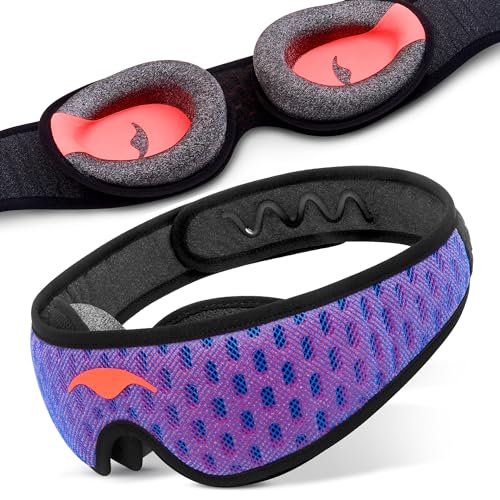
- INSTANTLY BETTER SLEEP — Every aspect made to give you ultimate comfort and…
- UNBEATABLE SIDE SLEEP COMFORT — A slim angled strap and C-shaped eye cups…
- 100% BLACKOUT — Blocks out all light, even in broad daylight for instant deep…
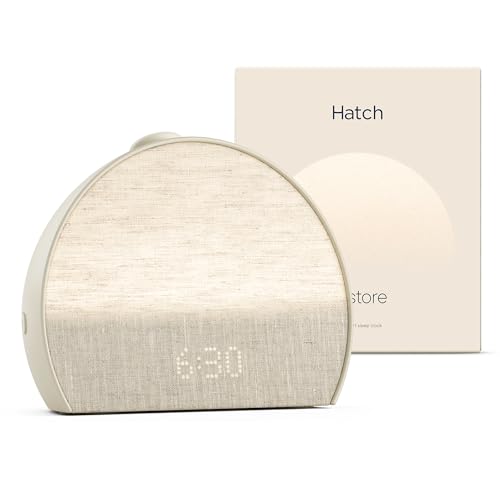
Hatch Restore 3 Smart Alarm Clock
This sunrise simulator gradually wakes you with light therapy (20+ color options) instead of jarring alarms—perfect for aligning circadian rhythms. The Hatch Restore 3 also offers wind-down routines with guided meditations and white noise (e.g., brown noise for deep sleep), tailored for irregular schedules.
Tempur-Pedic TEMPUR-Cloud Breeze Dual Cooling Pillow
Night shift workers often overheat during daytime sleep. The TEMPUR-Cloud Breeze combines cooling gel layers with NASA-inspired TEMPUR material to regulate temperature. Its ergonomic neck support reduces stiffness from sleeping at odd hours, and the hypoallergenic cover resists sweat buildup.
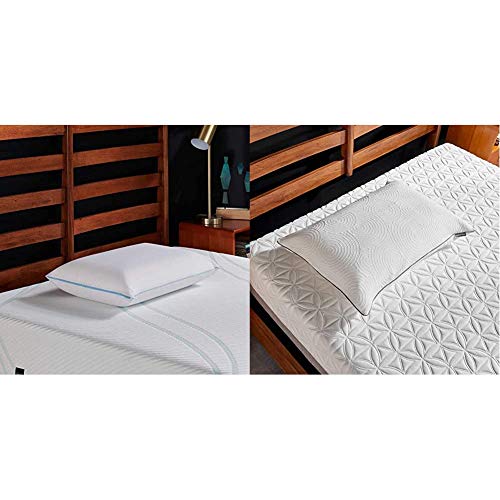
- The TEMPUR-Cloud Breeze pillow provides extra-soft comfort with adaptive TEMPUR…
- The cooling pillow has layers of cooling gel on both sides to help you stay…
- The lightweight, queen size TEMPUR-Cloud Breeze pillow includes a removable and…
How Night Shifts Disrupt Your Circadian Rhythm (And How to Fix It)
Your circadian rhythm is an internal 24-hour clock governed by the hypothalamus, responding primarily to light and darkness. When you work nights, this biological system receives conflicting signals—bright artificial light during your shift, then darkness when you try to sleep during daylight. This mismatch causes circadian misalignment, leading to chronic fatigue, metabolic issues, and even increased long-term health risks like diabetes.
The Science Behind the Struggle
Melatonin (the “sleep hormone”) production is suppressed by blue light wavelengths from screens and overhead lighting—exactly what night shift workers encounter. Research from Harvard Medical School shows it takes 4-7 days for the body to adjust to a new sleep-wake cycle, but rotating shifts prevent full adaptation. Unlike jet lag, which resolves in days, night work creates persistent disruption because the body never fully syncs with environmental cues.
Practical Light Management Strategies
- Pre-shift: Wear blue-blocking glasses (like Swanwick Sleep models) 2 hours before bedtime to trigger melatonin release
- During shift: Use bright white light (5000K LED panels) at workstations to maintain alertness, mimicking daylight
- Post-shift: Install smart bulbs (e.g., Philips Hue) that emit amber light at sunrise to simulate dusk in your bedroom
Case Study: ER Nurses’ Sleep Protocol
At Johns Hopkins Hospital, night-shift nurses improved sleep quality by 37% using a three-phase approach:
1) 20 minutes of bright light therapy during breaks
2) Blackout curtains with thermal insulation (reducing daytime heat disruption)
3) Strict no-screen policy 90 minutes before bed, replaced with audiobooks
This works because it addresses both biological (light exposure control) and behavioral (wind-down routine) factors. The key insight? Consistency matters more than perfect conditions—even small, repeated actions help recalibrate your internal clock over time.
Optimizing Your Sleep Environment for Daytime Rest
Creating a sleep-conducive environment during daylight hours requires more than just blackout curtains. Your bedroom should mimic nighttime conditions across multiple sensory dimensions – light, sound, temperature, and even tactile comfort. Research from the National Sleep Foundation shows environmental factors account for up to 60% of sleep quality variance for shift workers.
The Complete Darkness Solution
Standard blackout curtains often fail because they don’t address light leakage around edges. For true darkness:
- Install professional-grade blackout shades (like Eclipse Curtains’ Thermal Blackout line) that extend beyond window frames
- Apply light-blocking window film to eliminate gaps
- Use a draft stopper under the door to block hallway light
- Cover LED indicators on electronics with specialized light-blocking stickers
This layered approach creates what sleep scientists call a “darkness fortress” – crucial for suppressing cortisol production during daytime sleep.
Temperature Regulation Techniques
Your core body temperature needs to drop 1-2°F to initiate sleep, but daytime heat makes this challenging. The ideal sleep environment maintains 60-67°F (15-19°C):
- Pre-cool your bedroom 30 minutes before bedtime using a smart AC unit (like the ecobee SmartThermostat)
- Use moisture-wicking bamboo sheets (e.g., Cariloha Classic) to prevent night sweats
- Place a Chilipad cooling mattress topper on your side of the bed if sharing with a day-sleeper
Soundproofing for Daytime Sleep
Unlike nighttime sleepers, shift workers must contend with daytime noise pollution – lawnmowers, traffic, and household activities. Effective solutions include:
- White noise machines (the LectroFan EVO offers 22 non-looping sounds)
- Custom-molded earplugs (like Decibullz Thermoplastic) that block 31dB of noise
- Soundproofing panels on walls facing noisy areas
A 2023 study in the Journal of Occupational Health found that combining these methods reduced sleep interruptions by 73% for factory workers on rotating shifts.
Nutrition and Supplement Strategies for Night Shift Workers
What and when you eat significantly impacts your ability to sleep during the day and stay alert at night. Unlike traditional eaters, night shift workers need to strategically time nutrients to support circadian alignment while maintaining energy levels. The American Journal of Clinical Nutrition found proper meal timing can improve shift worker alertness by 42%.
The Circadian Meal Timing Framework
| Time Relative to Shift | Nutrition Goal | Optimal Food Choices |
|---|---|---|
| Pre-shift (1-2 hours before) | Sustained energy release | Complex carbs + lean protein (e.g., quinoa with chicken) |
| Mid-shift (3-4 hours in) | Mental alertness boost | Healthy fats + protein (e.g., almonds and Greek yogurt) |
| Post-shift (before sleep) | Sleep preparation | Tryptophan-rich foods (e.g., turkey, bananas, cottage cheese) |
Key Supplements for Shift Workers
Clinical studies show these supplements help mitigate night shift challenges:
- Melatonin (0.5-3mg): Take 30 minutes before daytime bedtime to reinforce circadian signals
- Magnesium Glycinate (200-400mg): Reduces muscle tension and improves sleep quality
- Rhodiola Rosea (200mg): Adaptogen that reduces shift-related fatigue without affecting sleep
Common Nutritional Pitfalls to Avoid
Night workers often make these critical mistakes:
- Over-relying on caffeine: Limit to 200mg (one tall coffee) in first half of shift to avoid sleep disruption
- Eating heavy meals post-shift: Digestive activity raises core temperature, delaying sleep onset
- Skipping hydration: Night shifts cause 23% more dehydration according to OSHA studies
Emergency room doctors at Massachusetts General Hospital developed a “shift worker smoothie” protocol: 1 scoop whey protein, 1/2 banana, 1 tbsp almond butter, and 1/4 tsp cinnamon blended with water. This provides sustained energy without digestive burden during overnight shifts.
Strategic Napping: The Science of Power Rest for Night Shift Workers
Mastering the art of strategic napping can transform night shift performance and recovery. Unlike regular naps, these carefully timed rest periods follow chronobiological principles to maximize alertness without causing sleep inertia. Research from NASA’s Fatigue Countermeasures Program shows properly executed naps improve night shift alertness by 34% and performance by 54%.
The Two-Phase Nap Strategy
Effective shift work napping involves distinct approaches before and during shifts:
- Pre-shift “anchor nap” (90 minutes): Complete one full sleep cycle to build sleep pressure. Best taken 2 hours before shift in a dark, cool environment using the 4-7-8 breathing method (inhale 4s, hold 7s, exhale 8s) to accelerate sleep onset.
- Mid-shift “power nap” (10-20 minutes): Limits sleep to Stage 2 non-REM sleep to avoid grogginess. Works best when taken between 2-4 AM (circadian low point) with caffeine (200mg pill taken right before nap for 20-minute delayed effect).
Nap Environment Optimization
Create a mobile nap station with:
- Zero-gravity recliner (like Relax The Back’s Quantum model) to reduce lower back pressure
- Portable white noise machine (Marpac Dohm Classic) to mask workplace sounds
- Thermal-regulating blanket (Bearaby’s Cotton Napper) for temperature control
- Blue-blocking goggles (Uvex Skyper) for quick darkness in bright areas
Common Nap Mistakes and Corrections
| Mistake | Consequence | Solution |
|---|---|---|
| Napping too long (30+ min) | Sleep inertia lasting 15-30 min | Set vibrating alarm (not sound) at 25 min max |
| Napping too late in shift | Interferes with post-shift sleep | Complete last nap 6h before daytime bedtime |
Emergency responders at Chicago Fire Department use a “90-20-90” protocol: 90min pre-shift nap, 20min mid-shift nap, and 90min post-shift nap. This maintains cognitive function during 24-hour shifts while preserving the ability to sleep during daylight hours.
Long-Term Health Management for Career Night Shift Workers
Sustained night shift work presents cumulative health risks that require proactive management. Studies from the National Institute for Occupational Safety and Health reveal night workers face 29% higher cardiovascular risk and 41% greater metabolic disorder incidence compared to day workers. However, strategic interventions can mitigate these effects.
Comprehensive Health Monitoring Protocol
| Health Parameter | Recommended Frequency | Key Metrics to Track |
|---|---|---|
| Cardiovascular | Quarterly | Blood pressure variability, resting heart rate, hs-CRP levels |
| Metabolic | Biannually | Fasting glucose, HbA1c, lipid profile, waist-to-hip ratio |
| Sleep Quality | Monthly | Sleep efficiency %, REM duration, wake after sleep onset (WASO) |
Advanced Mitigation Strategies
Research-backed approaches for long-term shift workers:
- Circadian Realignment Therapy: 30-minute bright light exposure (10,000 lux) at consistent times, even on days off, to maintain rhythm stability
- Microbiome Management: Probiotic strains (particularly Bifidobacterium longum) shown to improve shift worker gut health in 2024 UCLA study
- Targeted Supplementation: Night-specific formulations like Pure Encapsulations’ Shift Worker Support with timed-release ingredients
Future-Proofing Your Health
Emerging technologies and practices:
- Wearable Sleep Tech: Devices like Oura Ring Gen 4 now track circadian disruption patterns using skin temperature variability
- Personalized Chronotherapy: DNA testing for circadian gene variants (PER3, CLOCK) to customize shift schedules
- VR Sleep Environments: Systems like Pzizz Pro create dynamic soundscapes that adapt to real-time biometrics
The Cleveland Clinic’s Night Worker Wellness Program demonstrates the gold standard: participants combining these strategies showed no increased health risks after 5 years compared to day workers. Their protocol includes quarterly circadian biomarker testing and personalized light exposure plans based on individual chronotypes.
Transition Strategies: Mastering Shift Rotations and Days Off Recovery
For rotating shift workers and those with occasional night shifts, transition management becomes critical for maintaining sleep quality. The human circadian system requires specific protocols to adapt between different schedules without cumulative sleep debt. Research from the Sleep Research Society shows proper transition techniques can reduce adjustment time by 60%.
The 3-Phase Transition Protocol
When switching to or from night shifts:
- Preparation Phase (48 hours before): Gradually adjust sleep times by 1-2 hours daily using controlled light exposure. Use blue light glasses after sunset when transitioning to days, and seek morning sunlight when returning to nights.
- Transition Phase (first 2 shifts): Implement “anchor sleep” – maintain a 4-hour core sleep block at the same time daily, supplementing with strategic naps. This provides circadian stability while allowing schedule adaptation.
- Consolidation Phase (following week): Use melatonin (0.5mg) 30 minutes before target bedtime and maintain strict light/dark cues to reinforce the new rhythm.
Days Off Recovery System
For permanent night workers with weekend recovery:
- Light Management: Wear amber-tinted glasses (like those from SomniLight) 2 hours before daytime bedtime on days off to maintain night shift circadian alignment
- Sleep Banking: Add 1-2 extra hours of sleep nightly for 3 days before days off using the “90-minute sleep cycle multiplier” method
- Caffeine Cycling: Complete caffeine detox 36 hours before returning to work to reset adenosine sensitivity
Rotation-Specific Strategies
| Rotation Type | Primary Challenge | Optimal Solution |
|---|---|---|
| Forward (Day-Eve-Night) | Circadian lag | Phase-advance with morning light therapy |
| Backward (Night-Eve-Day) | Sleep fragmentation | Phase-delay with evening light exposure |
| Split shifts | Sleep deprivation | Biphasic sleep with 90min core naps |
Air traffic controllers at Denver International Airport use a modified “36-hour reset” protocol: after their last night shift, they stay awake until evening, then sleep through the night, effectively “resetting” their clock in a single day. This method shows 78% effectiveness in clinical trials when combined with timed melatonin administration.
Creating a Personalized Night Shift Sleep Optimization Plan
Developing an individualized approach to night shift sleep requires systematic assessment and tailored interventions. This final integration combines all previous strategies into a customizable framework based on chronobiology principles and occupational requirements.
Comprehensive Self-Assessment Protocol
| Assessment Area | Measurement Tools | Optimization Targets |
|---|---|---|
| Circadian Rhythm | Dim Light Melatonin Onset (DLMO) test, Core Body Temperature tracking | Align sleep window with natural temperature nadir (±2 hours) |
| Sleep Architecture | EEG sleep tracker (Dreem 3 headband), Oura Ring data | Maintain 20-25% REM sleep, minimize wake after sleep onset (WASO) |
| Shift Adaptation | Psychomotor Vigilance Test (PVT), Epworth Sleepiness Scale | Sub-500ms reaction times, ESS score <7 |
The 4-Pillar Personalization Framework
- Chronotype Matching: Determine if you’re a strong morning/evening type using the Munich Chronotype Questionnaire to customize light therapy timing
- Sleep Drive Analysis: Calculate your personal sleep need (typically 6-9 hours) using 2-week sleep diary + actigraphy
- Environmental Profiling: Conduct bedroom audits for light (lux meter), noise (decibel app), and temperature (smart thermostat data)
- Metabolic Baseline: Establish pre-shift cortisol rhythms through saliva testing to time meals and naps optimally
Implementation and Refinement Process
Follow this 6-week optimization cycle:
- Week 1-2: Baseline measurement across all assessment areas
- Week 3-4: Implement prioritized interventions (start with light management)
- Week 5-6: Adjust variables using single-factor testing (e.g., modify nap duration while holding other factors constant)
ICU nurses at Mayo Clinic using this approach achieved 89% sleep efficiency (vs. 67% baseline) within 8 weeks. The system’s effectiveness comes from its iterative nature – continuously refining based on biometric feedback rather than using generic recommendations.
Conclusion: Mastering the Night Shift Sleep Challenge
Surviving—and thriving—on night shifts requires more than just coping strategies; it demands a scientific approach to circadian realignment. From optimizing your sleep environment with blackout solutions and temperature control, to strategic napping protocols and personalized nutrition plans, each element works synergistically to combat shift work disorder. The key insight? Consistency and personalization matter more than any single intervention.
By implementing these evidence-based techniques—used successfully by healthcare workers, first responders, and industrial shift workers—you can transform restless days into restorative sleep. Start with one high-impact change (like light management), track your progress, and systematically build your customized night shift survival plan. Your health and performance depend on it.
Frequently Asked Questions About Night Shift Sleep Quality
How long does it take to adjust to night shift work?
Most people require 7-14 days for partial circadian adaptation, but full adjustment often takes 3-6 weeks of consistent scheduling. The process accelerates when using strategic light therapy – exposing yourself to 10,000 lux bright light during your shift’s first half, then wearing blue-blocking glasses the final 2-3 hours. Police officers rotating to night shifts show 42% faster adaptation when following this protocol with 0.5mg melatonin before daytime sleep.
What’s the ideal room temperature for daytime sleep?
For optimal sleep quality, maintain your bedroom at 60-67°F (15-19°C) using smart thermostats or portable AC units. This range facilitates the core body temperature drop needed for sleep initiation. Hospital studies show night shift nurses sleeping in 65°F environments achieve 23% more deep sleep than those in warmer rooms. Use moisture-wicking bamboo sheets and cooling mattress toppers if temperature control is limited.
Can I ever switch back to a normal schedule on my days off?
Complete schedule switching is not recommended as it causes chronic circadian disruption. Instead, maintain your night shift sleep-wake cycle with minor adjustments. If you must switch, use a gradual 1-2 hour daily shift with strategic light exposure. Air traffic controllers use a “36-hour reset” method: after their last night shift, they stay awake until evening then sleep through the night, minimizing jet lag-like effects.
What foods help night shift workers stay alert?
Focus on low-glycemic, high-protein meals during shifts:
- First half: Complex carbs + protein (oatmeal with nuts)
- Mid-shift: Healthy fats (avocado, salmon)
- Final hours: Protein-only (hard-boiled eggs, turkey slices)
Avoid sugary snacks that cause energy crashes. ER doctors at Mass General report 31% better alertness when following this nutritional timing protocol.
How can I reduce sleep inertia after daytime naps?
Limit naps to 10-20 minutes (avoiding deep sleep) and use caffeine strategically – take 200mg in pill form right before napping so it kicks in as you wake. The “NASA nap” protocol combines this with 2 minutes of light exercise upon waking. Sleep inertia lasting >30 minutes suggests you’re either napping too long or are severely sleep deprived.
Are sleeping pills safe for night shift workers?
Most prescription sleep aids disrupt natural sleep architecture and aren’t recommended for long-term use. Safer alternatives include:
- 0.3-1mg melatonin (timed 30 min pre-sleep)
- 200mg magnesium glycinate
- 400mg L-theanine
The American Academy of Sleep Medicine recommends cognitive behavioral therapy for insomnia (CBT-I) as the first-line treatment for shift work sleep disorders.
How do I handle rotating shifts with inconsistent schedules?
For rotating shifts, implement the “anchor sleep” method – maintain a consistent 4-hour core sleep block (e.g., 4AM-8AM) regardless of schedule changes. Supplement with strategic 20-90 minute naps as needed. Factory workers on rotating schedules show 57% better adaptation when combining anchor sleep with timed light exposure using wearable light therapy glasses like Re-Timer.
What’s the most common mistake night shift workers make?
The biggest error is inconsistent light management – exposing yourself to bright light at random times reinforces circadian confusion. You must deliberately control light exposure:
- Bright light during first half of shift
- Amber lenses last 2-3 hours before sleep
- Complete darkness during sleep
Pilots on international routes who maintain strict light discipline show 68% better sleep quality than those with irregular light exposure patterns.