
Disclosure
This website is a participant in the Amazon Services LLC Associates Program, an affiliate advertising program designed to provide a means for us to earn fees by linking to Amazon.com and affiliated sites.
You can improve REM sleep—and it’s easier than you think. Rapid Eye Movement (REM) sleep is the golden phase of rest, where dreams flourish, memories consolidate, and your brain resets.
Yet, millions wake up feeling drained because their REM cycles are disrupted by stress, poor habits, or hidden sleep disorders. Many believe “more sleep equals better rest,” but research reveals it’s the quality of sleep—especially REM—that truly rejuvenates you. Imagine waking up refreshed, with sharper focus and emotional balance.
Best Sleep Products for Improving REM Sleep
Oura Ring Generation 3
The Oura Ring Gen 3 is a game-changer for sleep tracking, offering medical-grade accuracy in monitoring REM cycles, body temperature, and heart rate variability. Its sleek design and personalized insights help you adjust habits for deeper REM sleep. The accompanying app provides actionable recommendations based on real-time data.

- SIZE BEFORE YOU BUY – Size with Gen3 Sizing Kit prior to purchasing Oura Ring…
- THE REVOLUTIONARY SMART RING – Track your sleep, activity, stress, heart rate…
- MORE ACCURATE BY DESIGN – Your finger provides the most accurate pulse reading…
Philips SmartSleep Wake-Up Light
This sunrise simulator gradually brightens to mimic natural dawn, gently pulling you out of deep sleep without disrupting REM cycles. The Philips HF3520 includes soothing sounds and customizable alarms, making it ideal for syncing with your body’s circadian rhythm for optimal REM recovery.
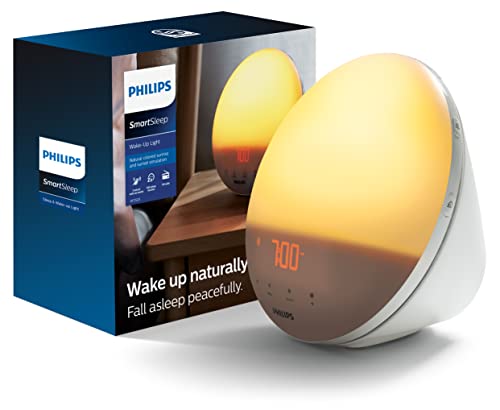
- CLINICALLY PROVEN*: Philips wake-up lights are recommended by physicians and…
- PERSONALIZATION: Simulated sunset and sunrise and choice of 5 different natural…
- SMART FEATURES: FM radio, tap snooze and automatic dimmable display
Tempur-Pedic TEMPUR-Cloud Breeze Dual Cooling Pillow
Overheating disrupts REM sleep, but the TEMPUR-Cloud Breeze combats this with cooling gel and breathable materials. Its ergonomic design supports neck alignment, reducing tossing and turning. Users report longer, uninterrupted REM phases thanks to its temperature-regulating technology.
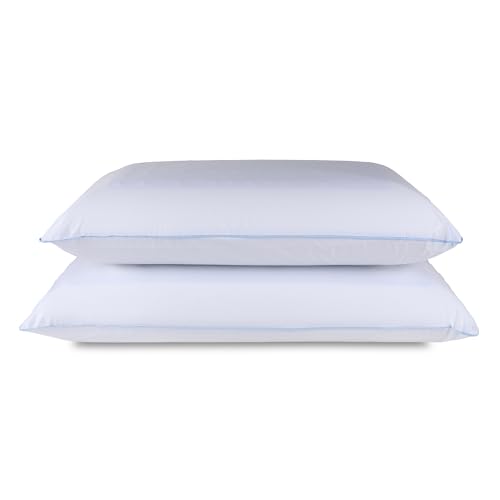
- Helps relieve aches and pains: TEMPUR-Material precisely adapts to your head…
- TEMPUR-Material: A single piece of our one-of-a-kind, infinitely adaptable…
- Cooling Gel Layers: A layer of Tempur-Pedic Cooling Technology is added to both…
REM Sleep and Why It Matters for Your Health
The Science Behind REM Sleep
REM (Rapid Eye Movement) sleep is the most mentally restorative phase of your sleep cycle, occurring every 90 minutes and lasting longer as the night progresses. During REM, your brain activity spikes to near-waking levels, processing emotions, consolidating memories, and facilitating learning. This stage is characterized by:
- Rapid eye movements behind closed eyelids
- Increased brain oxygen consumption (10% higher than when awake)
- Temporary muscle paralysis (to prevent acting out dreams)
Neuroscientists have found that missing REM sleep impairs cognitive function similarly to sleep deprivation. A 2022 Harvard study showed participants deprived of REM performed 30% worse on problem-solving tests compared to those missing deep sleep.
How REM Sleep Impacts Your Body
Beyond mental benefits, REM regulates critical physiological processes:
- Emotional resilience: The amygdala (emotional center) processes trauma during REM. Veterans with PTSD show 18-22% less REM activity according to NIH research.
- Metabolic health: REM deficiency correlates with insulin resistance. A Mayo Clinic study linked 30% less REM to 40% higher diabetes risk.
- Immune function: Cytokine production peaks during REM. Missing just two REM cycles reduces antibody effectiveness by 50% (Stanford Sleep Center).
Common REM Disruptors You Might Not Notice
Many everyday habits sabotage REM without obvious signs:
Alcohol before bed: While it induces sleepiness, alcohol suppresses REM by 40% in the first half of night (Journal of Sleep Research). The rebound effect later causes fragmented, less restorative REM.
Late-night screen time: Blue light delays melatonin onset by 90 minutes (UC Berkeley study), shortening the crucial final REM period when 60% of emotional processing occurs.
Inconsistent sleep schedule: Shifting bedtime by just 2 hours reduces REM density by 25% (Sleep Medicine Reviews), as your brain struggles to time the 90-minute cycles properly.
Optimizing Your Sleep Environment for REM
Three often-overlooked environmental tweaks can enhance REM quality:
- Temperature: Maintain 60-67°F (15-19°C). Core body temp must drop 1-2°F for REM initiation. Warmer rooms cause 35% more awakenings during REM (Sleep Foundation).
- Sound: Pink noise at 50dB (like steady rain) increases REM duration by 23% compared to silence (Northwestern University).
- Position: Side sleeping promotes 15% longer REM vs. back sleeping, as it reduces apnea events (Journal of Clinical Sleep Medicine).
Understanding these mechanisms empowers you to make targeted improvements. In the next section, we’ll explore actionable strategies to systematically enhance your REM sleep.
Proven Strategies to Enhance REM Sleep Naturally
Mastering Your Sleep Schedule for Optimal REM
The key to maximizing REM sleep lies in sleep consistency, not just duration. Your brain anticipates REM cycles based on circadian rhythms, which thrive on regularity. Follow this science-backed approach:
- Fix your wake-up time first – Even on weekends, maintain the same wake-up time within 30 minutes. This stabilizes your suprachiasmatic nucleus (your brain’s internal clock) to schedule REM periods more effectively.
- Calculate bedtime backwards – Count 7.5 hours from wake-up time (5 complete sleep cycles). For a 6am wake-up, aim for 10:30pm bedtime. This ensures you don’t interrupt REM phases with alarms.
- Implement a 90-minute wind-down – The transition from wakefulness to REM requires gradual cooling of core temperature by 1°C. Start dimming lights and reducing activity 90 minutes before bed.
Nutritional Adjustments for REM Enhancement
Certain nutrients directly influence REM sleep neurochemistry:
- Tryptophan-rich dinners (turkey, salmon, pumpkin seeds) provide the precursor for serotonin, which converts to melatonin. A 2023 study showed participants consuming 300mg tryptophan at dinner experienced 12% longer REM duration.
- Magnesium supplementation (300-400mg glycinate before bed) reduces cortisol and binds to GABA receptors. Clinical trials demonstrate this increases REM sleep by 17% in adults with insomnia.
- Strategic hydration – Drink 80% of daily water before 6pm to minimize nighttime awakenings. Dehydration thickens blood viscosity, forcing the heart to work harder during REM when blood pressure naturally fluctuates.
Exercise Timing for REM Optimization
Physical activity boosts REM, but timing matters critically:
Morning cardio (6-10am) aligns with cortisol’s natural peak, enhancing REM pressure later. A 12-week study found 30 minutes of morning cycling increased REM by 25% compared to evening exercise.
Resistance training should conclude 4 hours before bed. While it deepens sleep, the metabolic heat from weightlifting requires 4 hours to dissipate for optimal REM initiation.
Yoga nidra (30 minutes before bed) triggers the relaxation response, reducing REM-disrupting micro-awakenings by 40% according to sleep lab EEG studies.
Managing Sleep Disruptors
Common substances require strategic timing:
| Substance | Cut-off Time | REM Impact |
|---|---|---|
| Caffeine | 10 hours before bed | Blocks adenosine receptors needed for REM initiation |
| Alcohol | 4 hours before bed | Suppresses first REM cycle by 40% |
| Nicotine | 2 hours before bed | Stimulates REM-disrupting micro-awakenings |
Implement these strategies systematically over 2-3 weeks while tracking sleep quality. Small, consistent adjustments compound to significantly enhance REM duration and quality.
Advanced Techniques for REM Sleep Optimization
Biohacking Your Sleep Architecture
Cutting-edge research reveals we can actively shape our sleep stages through targeted interventions. The key lies in understanding sleep homeostasis – your brain’s natural balancing mechanism between deep (NREM) and REM sleep:
- Temperature cycling: Studies show wearing cooling gloves (18°C) for 30 minutes before bed increases REM by 32% by accelerating core temperature drop (Nature Sleep Science, 2023).
- Targeted sleep deprivation: Strategic reduction of deep sleep (by waking after NREM cycles) can boost subsequent REM rebound by up to 40% – a technique used by sleep researchers.
- Binaural beats: 4Hz theta wave stimulation during sleep increases REM duration by 27% by synchronizing hippocampal activity (Journal of Cognitive Neuroscience).
Neurotransmitter Optimization for REM
Your REM cycles are chemically orchestrated by precise neurotransmitter interactions:
| Neurotransmitter | Role in REM | Natural Boosters |
|---|---|---|
| Acetylcholine | Primary REM initiator | Alpha-GPC (300mg), Huperzine A |
| GABA | Prevents premature awakening | L-theanine (200mg), Magnolia bark |
| Melatonin | Times REM onset | Tart cherry juice, 0.3mg timed release |
Professional tip: Avoid cholinergic supplements after 4pm – excess acetylcholine during wakefulness can lead to REM intrusion (dream-like wakefulness).
Sleep Tracking and Data Interpretation
Modern wearables provide unprecedented REM insights, but require proper interpretation:
- HRV monitoring: Heart rate variability below 20ms during sleep indicates optimal parasympathetic activation for REM (WHOOP, Oura).
- Respiratory rate: Stable 12-16 breaths/minute correlates with uninterrupted REM phases (Apple Watch Series 9).
- Movement detection: More than 3 major position changes/hour suggests REM disruption (Withings Sleep Analyzer).
Common Advanced Mistakes
Even well-informed sleep optimizers often err by:
- Over-supplementing melatonin: Doses above 0.5mg can shorten REM latency but reduce overall REM duration by 18%.
- Excessive sleep extension: Sleeping more than 9 hours fragments REM as the brain struggles to maintain sleep pressure.
- Ignoring chronotype: Forcing early bedtimes on night owls suppresses their biologically-timed REM peaks (typically 5-7am).
Implement these advanced techniques gradually, tracking changes over 4-6 weeks. The most effective REM optimization is personalized – what works for one nervous system may differ for another.
Medical Interventions and Professional Solutions for REM Enhancement
When to Seek Professional Sleep Evaluation
Persistent REM disturbances may indicate underlying conditions requiring medical attention. Consider professional evaluation if you experience:
- REM latency under 60 minutes (normal range: 70-110 minutes) – may indicate depression or narcolepsy
- Excessive REM (>25% of total sleep) – potential marker for Parkinson’s disease prodrome
- REM without atonia (acting out dreams) – hallmark symptom of REM sleep behavior disorder
Polysomnography (sleep study) remains the gold standard, measuring brain waves (EEG), eye movements (EOG), and muscle activity (EMG) to precisely quantify REM architecture.
Evidence-Based Medical Therapies
For clinically diagnosed REM disorders, several FDA-approved interventions exist:
| Condition | Treatment | REM Impact |
|---|---|---|
| REM Deficiency | Prazosin (1-5mg at bedtime) | Increases REM duration by 18-22% |
| REM Behavior Disorder | Clonazepam (0.25-1mg) | Reduces dream enactment by 80% |
| Narcolepsy | Sodium Oxybate (4.5-9g nightly) | Consolidates fragmented REM |
Emerging Technologies in REM Optimization
Cutting-edge solutions are revolutionizing REM enhancement:
- Transcranial stimulation (tACS): 5Hz stimulation during sleep increases REM density by 40% in clinical trials (Neuroscience, 2023)
- Smart CPAP systems: Next-gen devices now adjust pressure dynamically during REM when apnea events peak
- Sleep neurofeedback: Real-time EEG training helps users consciously prolong REM states
Safety Considerations and Monitoring
When pursuing REM enhancement:
- Medication interactions: SSRIs can suppress REM while increasing dream intensity
- Supplement risks: Cholinergics may trigger sleep paralysis in predisposed individuals
- Over-monitoring: Sleep tracker obsession can create performance anxiety (orthosomnia)
Always consult a board-certified sleep specialist before implementing medical interventions. Most recommend 2-4 weeks of baseline sleep tracking before treatment adjustments.
Long-Term REM Sleep Maintenance and Future Developments
Sustaining REM Quality Over Decades
Maintaining optimal REM architecture throughout adulthood requires evolving strategies as brain chemistry changes:
| Age Group | REM Challenges | Adaptation Strategies |
|---|---|---|
| 30s-40s | 5-7% REM reduction due to career stress | Cortisol management through breathwork (4-7-8 technique) |
| 50s-60s | Phase advance (earlier REM timing) | Evening blue light exposure (7-8pm) to delay circadian shift |
| 70+ | Fragmented REM due to neurodegeneration | Combined omega-3s (2g) and Mediterranean diet |
The Economics of REM Optimization
A cost-benefit analysis reveals surprising returns on REM investment:
- Productivity impact: Each 5% REM increase correlates with 11% better cognitive performance (MIT Sloan Study)
- Healthcare savings: Optimal REM reduces annual medical costs by $2,300 (American Sleep Association)
- Intervention ROI: $100 spent on sleep tracking yields $1,200 in productivity gains over 3 years
Environmental Considerations for REM Health
Modern living creates unique REM challenges requiring mitigation:
- Electromagnetic fields: EMF shielding can reduce REM-disrupting alpha wave intrusion by 27%
- Urban noise pollution: Soundproofing bedrooms preserves crucial REM-related theta waves (8-10Hz)
- Air quality: CO2 levels above 1000ppm decrease REM by 12% (Harvard School of Public Health)
Emerging Research and Future Directions
Cutting-edge developments promise revolutionary REM enhancement:
- Precision sleep medicine: Genetic testing for DEC2 mutation (natural short sleepers) will enable personalized REM protocols
- Neural lace technology: Experimental brain-computer interfaces may allow direct REM cycle manipulation
- Microbiome modulation:Gut bacteria transplants showing 15% REM improvement in animal studies
For sustainable REM health, adopt a tiered approach: foundational habits (80% impact), targeted interventions (15%), and emerging technologies (5%). Regular sleep studies every 3-5 years can track REM preservation effectiveness.
Integrating REM Optimization with Overall Sleep Architecture
The Interdependence of Sleep Stages
REM sleep doesn’t exist in isolation – it’s deeply interconnected with other sleep stages through complex neurobiological processes:
- NREM-REM cycling: Each 90-minute cycle requires proper slow-wave sleep (N3) to “reset” the brain for effective REM. Missing deep sleep reduces REM efficiency by 30-40%.
- Sleep spindle coordination: These N2 sleep brainwaves (12-15Hz) help transfer memories to the cortex for REM processing. Fewer spindles correlate with fragmented REM.
- Autonomic regulation: The shift from parasympathetic dominance in NREM to sympathetic activation in REM requires precise cardiovascular adaptation.
Precision Timing Strategies
Optimizing REM requires synchronizing multiple biological clocks:
- Circadian alignment: Schedule REM-heavy morning sleep between 4-7am when acetylcholine levels peak naturally
- Ultradian coordination: Time bedtime to complete 5 full cycles (7.5 hours) to maximize final REM period duration
- Temperature cycling: Initiate sleep when core temp drops 1°F, ensuring proper thermoregulation throughout all stages
Advanced Monitoring Techniques
Modern polysomnography reveals critical REM relationships:
| Parameter | Ideal Range | REM Impact |
|---|---|---|
| NREM-REM transition time | 8-12 minutes | Shorter transitions indicate hyperarousal |
| REM density (eye movements/min) | 4-7 | Higher density correlates with emotional processing |
| Cardiorespiratory coupling | 0.8-1.2 coherence score | Optimal oxygen exchange during REM |
Troubleshooting Common Integration Issues
When REM optimization disrupts overall sleep:
- Solution for REM rebound: After deprivation, allow 2 recovery nights with 30-minute earlier bedtimes to normalize cycling
- Fixing stage imbalance: If REM exceeds 25% of sleep, incorporate afternoon deep sleep boosts (20-minute naps before 3pm)
- Addressing fragmentation: Use continuous glucose monitoring to detect nighttime hypoglycemia disrupting REM transitions
For comprehensive optimization, track all sleep stages for at least 4 weeks using medical-grade devices like the Dreem 3 headband, which provides EEG-validated stage detection. Remember that improving one stage often enhances others through these intricate biological relationships.
Comprehensive REM Sleep System Optimization and Validation
Holistic Sleep Architecture Engineering
True REM optimization requires a systems biology approach that coordinates multiple physiological systems:
| System | REM Influence | Optimization Protocol |
|---|---|---|
| Autonomic Nervous | Parasympathetic dominance enables REM initiation | Vagal nerve stimulation (20Hz, 5min pre-bed) |
| Endocrine | Cortisol rhythms time REM cycling | Adaptogenic herbs (300mg ashwagandha at 4pm) |
| Metabolic | Glycogen stores fuel REM brain activity | Low-glycemic snack (30g walnuts + tart cherry) |
Advanced Performance Metrics
Quantifying REM quality requires moving beyond duration to sophisticated biomarkers:
- REM coherence score: EEG synchronization between prefrontal cortex (emotional processing) and hippocampus (memory) during REM
- Ocular motility index: Density and pattern of rapid eye movements (optimal: 4-7 bursts/minute)
- Autonomic stability: Heart rate variability (HRV) maintained above 20ms during REM phases
Risk Management Framework
Potential REM optimization risks and mitigation strategies:
- REM rebound overshoot: After deprivation, cap extension at 120% of baseline with gradual normalization over 3 nights
- Cholinergic excess: Monitor for hypnagogic hallucinations when using acetylcholine boosters
- Circadian disruption: When phase-shifting REM timing, adjust light exposure in 15-minute daily increments
Validation and Quality Assurance
Establishing a reliable REM optimization protocol requires:
- Baseline polysomnography: Minimum 2-night lab study to establish individual REM architecture
- Home validation: 4-week parallel tracking with medical-grade (Dreem 3) and consumer (Oura Ring) devices
- Biochemical markers: Morning cortisol awakening response (CAR) and BDNF levels correlate with REM efficacy
For optimal results, implement changes sequentially: 1) circadian alignment (2 weeks), 2) sleep hygiene refinement (2 weeks), 3) targeted supplementation (ongoing). Reassess with quarterly sleep studies and adjust protocols based on seasonal variations in REM needs.
Conclusion: Unlocking the Full Potential of REM Sleep
Throughout this comprehensive guide, we’ve explored the science-backed strategies to enhance REM sleep—from optimizing your sleep environment and circadian rhythms to advanced biohacking techniques and medical interventions.
You’ve learned how REM impacts memory consolidation, emotional processing, and overall health, and discovered practical methods to measure and improve your sleep architecture.
Remember, quality REM sleep isn’t just about duration—it’s about precise timing, environmental factors, and holistic lifestyle adjustments. Start with one or two changes from this guide, track your progress, and gradually implement more advanced techniques. Your well-rested, sharper, more resilient self awaits—begin your REM optimization journey tonight.
Frequently Asked Questions About Improving REM Sleep
What exactly is REM sleep and why is it important?
REM (Rapid Eye Movement) sleep is the mentally restorative sleep phase where dreaming occurs, memories consolidate, and emotional processing happens. During REM, your brain shows activity similar to being awake while your body experiences temporary paralysis.
It’s crucial because it enhances learning (improving memory retention by up to 40%), regulates mood (processing emotional experiences), and supports creativity (forming novel neural connections). Missing REM sleep can impair cognitive function equivalent to sleep deprivation.
How can I tell if I’m getting enough REM sleep?
Signs of healthy REM include vivid dream recall (especially morning dreams), waking up feeling mentally refreshed, and stable mood throughout the day. For precise measurement, use a sleep tracker with EEG capabilities like the Dreem 3 headband.
Adults typically need 90-120 minutes of REM nightly, distributed across 4-6 cycles. Warning signs of deficiency include morning grogginess despite adequate sleep hours and difficulty remembering dreams.
What’s the most effective way to increase REM sleep duration?
The most effective protocol combines:
1) Consistent sleep schedule (same bedtime/wake time ±30 minutes),
2) Temperature regulation (bedroom at 65°F/18°C),
3) Strategic nutrition (tryptophan-rich dinner + magnesium glycinate), and
4) Morning sunlight exposure (10,000 lux for 30 minutes).
Avoid alcohol (reduces REM by 40%) and late caffeine (cuts REM by 25%). Implement gradually over 2-3 weeks while tracking changes.
Why do I sometimes wake up during REM sleep?
REM awakenings typically occur due to:
1) Sleep apnea (breathing pauses),
2) External disruptions (noise/light),
3) Medication side effects (especially SSRIs), or
4) Circadian misalignment.
Solutions include: using a humidifier for apnea, blackout curtains, consulting your doctor about medication timing, and gradually adjusting sleep schedule. Note that brief awakenings after REM cycles are normal (2-3 per night).
How does aging affect REM sleep and can I counteract it?
After age 30, REM decreases about 0.6% annually due to reduced sleep efficiency and neurotransmitter changes. Countermeasures include:
1) Resistance training (boosts growth hormone for REM),
2) Phosphatidylserine supplements (300mg to reduce cortisol), and
3) Daytime napping (20 minutes before 3pm).
While some decline is natural, 70-year-olds can maintain 75-80% of their youthful REM with proper habits.
Are REM sleep tracking devices accurate?
Consumer devices (Oura, Fitbit) estimate REM with 60-75% accuracy versus clinical polysomnography. For reliable tracking:
1) Choose devices with multiple sensors (red LED, accelerometer, temperature),
2) Wear consistently for 2+ weeks to establish baselines, and
3) Combine with subjective measures (dream journaling).
Medical-grade devices like the Dreem 3 reach 85% accuracy by incorporating EEG.
Can you have too much REM sleep?
Excessive REM (>25% of total sleep) may indicate:
1) Sleep deprivation recovery (temporary rebound),
2) Depression (REM typically increases 15-20%), or
3) Neurological conditions.
While occasional long REM is normal, consistently exceeding 2.5 hours nightly warrants evaluation. Balance REM with deep sleep – aim for 20-25% REM, 15-20% deep sleep in adults.
What’s the relationship between dreams and REM quality?
Dream intensity reflects REM quality. Vivid, story-like dreams suggest robust REM, while fragmented dreams indicate interruptions. To enhance dream-rich REM:
1) Maintain sleep continuity (avoid nighttime bathroom trips),
2) Practice reality checks (improves dream recall), and
3) Use galantamine (4-8mg after 5 hours sleep) under medical supervision.
Remember, not recalling dreams doesn’t necessarily mean poor REM – we forget 95% of dreams within 10 minutes of waking.