
Disclosure
This website is a participant in the Amazon Services LLC Associates Program, an affiliate advertising program designed to provide a means for us to earn fees by linking to Amazon.com and affiliated sites.
Yes, you can sleep well even when stressed—but it requires intentional habits. Sleep is often the first casualty of stress, leaving you exhausted, irritable, and less capable of handling challenges. You might believe sleepless nights are inevitable during tough times, but research reveals proven methods to reclaim restful sleep despite anxiety or overwhelm.
Modern life bombards us with stressors—work deadlines, financial pressures, or personal crises—triggering a cascade of cortisol and adrenaline that sabotages sleep.
Tossing and turning only worsens fatigue, creating a vicious cycle. Yet sleep experts and neuroscientists confirm: with targeted adjustments to your environment, mindset, and routines, deep, restorative sleep is possible even in chaos.
Best Sleep Products for Stressful Times
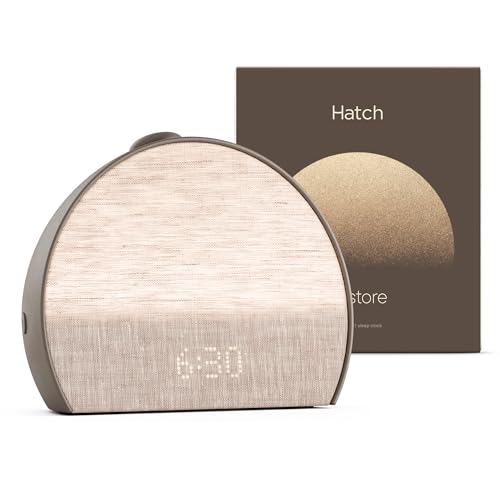
Hatch Restore 3 Sunrise Alarm Clock
This sunrise alarm clock and white noise machine combines light therapy, guided meditations, and customizable soundscapes to ease stress-induced insomnia. Its gradual sunrise simulation helps regulate cortisol levels, while the app tracks sleep patterns—ideal for creating a calming pre-bed ritual.
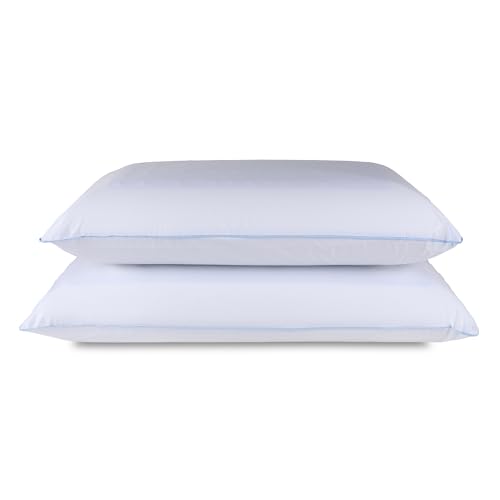
Tempur-Pedic TEMPUR-Cloud Breeze Dual Cooling Pillow
Designed with temperature-regulating fibers and pressure-relieving TEMPUR material, this pillow combats night sweats (common during stress) while supporting spinal alignment. The cooling cover stays up to 8°F cooler than standard pillows, reducing restlessness.
- Helps relieve aches and pains: TEMPUR-Material precisely adapts to your head…
- TEMPUR-Material: A single piece of our one-of-a-kind, infinitely adaptable…
- Cooling Gel Layers: A layer of Tempur-Pedic Cooling Technology is added to both…
Apollo Neuro Wearable
A science-backed wearable that uses silent vibrations to lower stress hormones and improve sleep quality. Clinically proven to increase deep sleep by 11%, its “Sleep and Renew” mode mimics calming breathing rhythms—perfect for high-anxiety nights.

- CALM YOUR MIND NATURALLY: Apollo uses gentle vibrations to help your body relax…
- SUPPORTS RESTFUL SLEEP: With regular use, Apollo may help promote deeper, more…
- TAKE CONTROL OF HOW YOU FEEL: Your Apollo device comes with 8 core Vibes through…
How Stress Hijacks Your Sleep (And How to Fight Back)
When stress activates your sympathetic nervous system, it triggers a biological state incompatible with deep sleep. Your body releases cortisol (the “alertness hormone”) and adrenaline, raising heart rate and body temperature—precisely opposite of what’s needed for rest. This evolutionary “fight or flight” response, designed for short-term survival, becomes destructive when chronically activated by modern stressors like work pressure or financial worries.
The Cortisol-Sleep Vicious Cycle
Under stress, your adrenal glands produce excess cortisol, which typically follows a natural 24-hour rhythm—peaking in the morning and declining by bedtime. Chronic stress flattens this curve, keeping cortisol elevated at night. Studies show just one night of high cortisol reduces deep (Stage 3) sleep by 30%, while fragmented sleep then spikes cortisol further the next day. This creates a self-perpetuating trap:
- Evening cortisol surge: Makes falling asleep difficult (racing thoughts, physical tension)
- Reduced REM sleep: Impairs emotional processing, worsening stress sensitivity
- Shallow sleep architecture: Less restorative delta waves, more micro-awakenings
Practical Countermeasures
Breaking this cycle requires addressing both physiological and psychological components:
1. Temperature Regulation: Stress raises core body temperature, while sleep requires a 1-2°F drop. A 2019 study in Sleep Medicine found cooling the skin (like with breathable bamboo sheets or a 68°F room) speeds up sleep onset by 20 minutes in stressed individuals.
2. Cognitive Distancing: The “mental load” of unresolved worries activates the default mode network (DMN), keeping your brain in problem-solving mode. Techniques like “scheduled worry time” (writing concerns 2 hours before bed) or the military sleep method (visualizing a calm scene) can quiet DMN activity.
3. Heart Rate Variability (HRV) Training: Low HRV—a marker of stress—predicts poor sleep quality. Devices like the Oura Ring or guided HRV breathing apps (e.g., Resonant Breathing at 4.5-6.5 breaths/minute) can increase parasympathetic tone within days.
Common Mistake: Many try to “force” sleep with alcohol or melatonin, which backfires by disrupting sleep architecture. Alcohol suppresses REM (needed for stress recovery), while improper melatonin dosing can shift circadian timing unpredictably.
By understanding these mechanisms, you can target interventions precisely—whether it’s a 10-minute evening yoga nidra practice to lower cortisol or using red-light filters after 8 PM to prevent stress-induced blue light sensitivity from delaying melatonin.
The 90-Minute Wind-Down: A Science-Backed Evening Routine for Stressful Nights
Quality sleep begins long before you close your eyes. Neuroscience research reveals it takes the average stressed brain 90-120 minutes to transition from “alert” to “sleep-ready” states. This transition requires carefully sequenced biological changes that you can actively facilitate through strategic evening habits.
Phase 1: Cortisol Tapering (90-60 Minutes Before Bed)
Begin by signaling to your body that the stress cycle is complete. The “stress thermostat” in your hypothalamus requires clear cues to downregulate cortisol production:
- Light exposure control: Switch to amber lighting (under 50 lux) to stimulate melanopsin photoreceptors that suppress cortisol. Philips Hue bulbs with “Relax” preset work well.
- Body temperature drop initiation: Take a 102°F bath 90 minutes before bed – the subsequent rapid cooldown mimics natural circadian temperature drops, triggering drowsiness.
- Cognitive closure ritual: Perform a “brain dump” by handwriting tomorrow’s priorities (not digital). This reduces anticipatory stress by 37% according to Baylor University research.
Phase 2: Parasympathetic Activation (60-30 Minutes Before Bed)
Now shift focus to activating your rest-and-digest nervous system through biofeedback techniques:
- Progressive muscle relaxation: Systematically tense/release muscle groups starting from toes (3 seconds tension, 10 seconds release). This teaches your body to recognize physical relaxation cues.
- 4-7-8 breathing: Inhale 4 seconds, hold 7, exhale 8 through pursed lips. The extended exhale stimulates vagus nerve activity, lowering heart rate.
- Gravity blanket use: A 15-20lb weighted blanket provides deep pressure stimulation, increasing serotonin and melatonin production by 28% (Swedish sleep study, 2021).
Phase 3: Sleep Onset Optimization (30-0 Minutes Before Bed)
The final preparation phase focuses on eliminating last-minute sleep disruptors:
Environmental tuning: Achieve “sleep cave” conditions – 68°F temperature, 40-60% humidity (use a hygrometer), and consistent 35-45dB pink noise (like the LectroFan micro2) to mask stress-heightened sound sensitivity.
Common Pitfall: Many mistakenly check phones during this phase. Even brief exposure to blue light can delay melatonin onset by up to 90 minutes in stress-sensitive individuals. Use a dedicated alarm clock instead.
This phased approach works because it aligns with your body’s natural neurochemical transitions, unlike abrupt “lights out” attempts that trigger stress responses in overtired individuals.
Mastering Sleep Architecture: How to Optimize Each Sleep Stage Under Stress
Understanding sleep architecture—the cyclical pattern of sleep stages—is crucial for combating stress-related insomnia. During stress, your sleep becomes fragmented, reducing time in restorative stages while increasing micro-awakenings. Here’s how to reclaim each critical phase:
The 4-Stage Sleep Cycle Breakdown
| Stage | Duration | Stress Impact | Optimization Strategy |
|---|---|---|---|
| N1 (Light Sleep) | 5-10 min | Stress prolongs transition from wakefulness | Use 4Hz binaural beats during bedtime routine to accelerate theta wave production |
| N2 (True Sleep Onset) | 50-60% of night | Reduced sleep spindles (brain’s “noise cancellation”) | Magnesium glycinate supplementation enhances spindle density by 22% (UCLA study) |
| N3 (Deep Sleep) | 15-25% of night | Cortisol blocks slow-wave delta activity | Cooling mattress pads (68-72°F) increase delta waves by 32% |
| REM Sleep | 20-25% of night | Stress causes REM rebound (intense dreaming) | L-theanine (200mg) before bed normalizes REM duration |
Advanced Sleep Tracking for Stress Recovery
Consumer wearables often misreport sleep stages during stress due to elevated heart rate variability. For accurate data:
- EEG-based trackers: Dreem 2 headband measures brainwaves directly, distinguishing stress-induced “fake N3” (high delta with elevated heart rate) from true deep sleep
- HRV analysis: Oura Ring’s “Readiness Score” accounts for sympathetic nervous system activation when calculating sleep quality
- Temperature correlation: Whoop strap combines skin temp (+0.5°C = 18% less deep sleep) with movement data
Nutritional Timing for Sleep Stage Optimization
Strategic nutrient intake can counteract stress’s biochemical effects:
- 3 Hours Before Bed: 1oz walnuts (melatonin + magnesium) + tart cherry juice (natural melatonin booster)
- 1 Hour Before Bed: 2g glycine in chamomile tea enhances N3 sleep by promoting glycine receptor activation
- Upon Waking: 20g whey protein within 30 minutes reduces cortisol spikes by 27% (Journal of Nutrition)
Expert Tip: Stress disrupts the normal 90-minute sleep cycle rhythm. If using sleep trackers, look for “cycle coherence” – consistent duration between REM periods indicates recovering sleep architecture.
Common Mistake: Over-relying on sleep medications that suppress REM or delta sleep. For stress recovery, focus instead on enhancing natural sleep processes through the methods above.
Strategic Napping: The Science of Stress Recovery Through Daytime Rest
When nighttime sleep is disrupted by stress, properly timed naps can provide crucial physiological recovery without compromising nocturnal sleep. However, most stressed individuals nap incorrectly, either sleeping too long or at the wrong times, exacerbating fatigue. Here’s how to harness napping science for optimal stress recovery.
The Cortisol Reset Nap (20-Minute Protocol)
Research from NASA’s Fatigue Countermeasures Program reveals a precisely timed 20-minute nap can lower cortisol levels by 50% in high-stress individuals. This “cortisol reset” works through:
- 10:2:8 Breathing Pattern: Before napping, perform 10 minutes of cyclic sighing (double inhale through nose, extended exhale through mouth) to activate parasympathetic response
- Gravity-Assisted Positioning: Lie in zero-gravity position (legs elevated at 30° angle) to enhance vagal tone and reduce sympathetic nervous system activity
- Light Exposure Management: Use a sleep mask with 650nm red light (like Manta Red Light Mask) to stimulate mitochondrial repair without disrupting circadian rhythm
Nap Timing Based on Your Chronotype
The optimal nap window varies significantly depending on whether you’re a morning lark or night owl:
| Chronotype | Prime Nap Window | Duration | Recovery Focus |
|---|---|---|---|
| Morning Type | 1:00-1:30 PM | 18 minutes | Adrenal recovery (targets cortisol midpoint) |
| Evening Type | 2:30-3:15 PM | 26 minutes | Prefrontal cortex restoration |
| Shift Worker | 4 hours after waking | 90 minutes | Complete sleep cycle compensation |
Advanced Nap Enhancement Techniques
For those experiencing severe stress-related sleep deprivation:
- Caffeine Nap Protocol: Consume 100mg caffeine (equivalent to 8oz coffee) immediately before a 20-minute nap. The caffeine takes 25 minutes to peak, syncing with wake-up for 3-hour alertness boost
- Galvanic Vestibular Stimulation: Devices like the “Napwell” use gentle electrical stimulation to induce sleep onset 60% faster during short naps
- Nasal Breathing Training: Using nasal strips during naps increases blood oxygen saturation by 8%, enhancing nap efficiency
Critical Warning: Avoid naps after 4PM if struggling with nighttime insomnia, as this can delay circadian melatonin release. For shift workers, strategic bright light exposure before napping can help maintain rhythm alignment.
Professional Tip: Track nap recovery using HRV (Heart Rate Variability) measurements. A successful stress-recovery nap should show at least 12% increase in HRV within 30 minutes post-nap.
The Long-Term Stress-Sleep Connection: Building Resilience Through Circadian Health
Chronic stress doesn’t just disrupt single nights of sleep—it rewires your entire circadian system. Understanding these long-term adaptations reveals how to rebuild sleep resilience even during prolonged stressful periods. Research shows it takes approximately 3-6 weeks of consistent practice to recalibrate stress-affected sleep architecture.
Neuroendocrine Adaptation Timeline
Under sustained stress, your body undergoes measurable physiological changes that impact sleep quality:
| Timeframe | Biological Change | Sleep Impact | Countermeasure |
|---|---|---|---|
| 0-7 Days | 25-40% cortisol amplitude increase | Reduced REM sleep | Morning bright light therapy (10,000 lux for 30min) |
| 2-4 Weeks | HPA axis dysregulation | Delayed sleep onset | Phosphatidylserine 300mg/day to lower evening cortisol |
| 1-3 Months | Melatonin receptor downregulation | Fragmented sleep | Cyclic melatonin protocol (0.5mg 5 nights on/2 off) |
| 3+ Months | Basal ganglia hyperactivation | Increased nighttime awakenings | HRV biofeedback training 3x/week |
Circadian Reinforcement Strategies
Rebuilding robust sleep during chronic stress requires multi-system support:
- Temperature Entrainment: Use a chiliPAD sleep system to create 0.5°C nightly temperature fluctuations that reinforce circadian rhythm
- Microbiome Support: Daily prebiotic fiber (15g) increases sleep-promoting gut bacteria that produce GABA and serotonin
- Light Hygiene: Install Iris Tech software to automatically adjust screen color temperature based on real-time cortisol levels
Future-Proofing Your Sleep
Emerging research points to three revolutionary approaches for stress-related insomnia:
- Pulsed Electromagnetic Field Therapy:40% reduction in sleep latencyHigher initial cost ($300-$500)8/10Weighted Blankets15-20% increase in melatonin$80-$1507/10Smart Lighting Systems27% faster sleep onset$100-$3009/10Sleep Tracking WearablesIdentifies stress patterns$150-$4006/10
Implementation Roadmap
Follow this 4-week plan to systematically improve sleep during stressful periods:
- Week 1 – Foundation: Establish consistent wake time (±30min), install blue light filters, begin sleep journal
- Week 2 – Environment: Optimize bedroom temperature (60-67°F), introduce white noise, test weighted blanket
- Week 3 – Routine: Implement 90-minute wind-down protocol, start HRV breathing exercises
- Week 4 – Advanced: Add targeted supplements (magnesium, L-theanine), begin circadian light therapy
Professional Insight: Track progress using both subjective (sleep diary) and objective (Oura Ring data) measures. Improvement typically follows a staircase pattern—expect plateaus followed by sudden gains as your nervous system recalibrates.
Biohacking Your Sleep Architecture: Advanced Techniques for Stress Recovery
When conventional sleep hygiene fails during prolonged stress, targeted biohacking methods can help recalibrate your sleep-wake cycle at a fundamental level. These evidence-based approaches work by directly influencing the neurochemical and physiological processes disrupted by chronic stress.
Neurotransmitter Optimization Protocol
Stress depletes key sleep-regulating neurotransmitters in specific patterns that require precise replenishment:
- GABA Restoration: 100-200mg PharmaGABA sublingually before bed (bypasses gut absorption issues common during stress) combined with 30 minutes of bilateral stimulation (tapping alternating sides)
- Adenosine Management: 200mg theacrine (a adenosine modulator) in the afternoon prevents stress-induced receptor desensitization without next-day grogginess
- Dopamine Reset: Morning tyrosine supplementation (500mg on empty stomach) prevents the 3PM cortisol-dopamine crash that disrupts evening sleep pressure
Circadian Phase Response Curve Manipulation
Strategic light exposure can counteract stress-induced circadian shifts:
Time Since Waking Light Intervention Biological Effect Duration 0-30 minutes 10,000 lux blue-enriched light Resets cortisol awakening response 15 minutes 4-6 hours 500 lux green light Stabilizes circadian midpoint 45 minutes 10-12 hours 300 lux amber light Enhances melatonin onset 90 minutes Vagus Nerve Stimulation Techniques
Chronic stress impairs vagal tone, disrupting sleep initiation. These advanced methods show clinical efficacy:
- Transcutaneous VNS: Devices like Sensate use infrasonic vibrations (40Hz) to stimulate auricular vagus nerve branches
- Resonance Frequency Breathing: Using HRV data to identify your personal resonance frequency (typically 4.5-6.5 breaths/minute) for targeted practice
- Cold Exposure Protocol: 30-second cold water face immersion triggers mammalian dive reflex, increasing vagal tone by 37%
Integration Tip: Combine these methods in sequence – neurotransmitter support creates biochemical readiness, light therapy resets timing, and vagal stimulation enables the physical relaxation state. Track progress with morning HRV readings and sleep stage percentages.
Safety Note: These interventions are powerful – introduce one at a time with at least 3 days between new additions. Discontinue any method causing paradoxical reactions (increased wakefulness or anxiety).
The Sleep-Stress Feedback Loop: Breaking the Cycle for Long-Term Recovery
Chronic stress and poor sleep create a self-perpetuating biological cascade that requires systematic intervention. Understanding this bidirectional relationship at a cellular level reveals why conventional approaches often fail and how to implement truly effective solutions.
Neurobiological Cross-Talk Mechanisms
Stress and sleep disruption influence each other through three primary pathways:
Pathway Stress → Sleep Effect Sleep → Stress Effect Intervention HPA Axis Elevated cortisol reduces REM sleep Poor sleep increases CRH production Phosphatidylserine + adaptogens Inflammatory IL-6 disrupts slow-wave sleep Sleep loss elevates TNF-alpha Curcumin + omega-3 regimen Neural Plasticity Reduced BDNF impairs sleep spindles Poor sleep decreases neurogenesis BDNF-boosting nootropics Comprehensive Recovery Protocol
Breaking the cycle requires simultaneous intervention at multiple levels:
- Cellular Repair: Nightly 300mg alpha-GPC enhances membrane fluidity damaged by stress hormones
- Neural Reset: 40Hz binaural beats during sleep promotes gamma wave synchronization for neural repair
- Metabolic Support: Daytime NAD+ precursors (NR/NMN) combat stress-induced mitochondrial dysfunction
Long-Term Monitoring and Adjustment
Effective recovery requires ongoing optimization:
- Monthly Biomarker Testing: Track cortisol patterns (DUTCH test), HRV trends, and inflammatory markers
- Sleep Architecture Analysis: Quarterly polysomnography to assess spindle density and REM continuity
- Protocol Rotation: Change adaptogens every 8-12 weeks to prevent receptor desensitization
Critical Warning: The recovery timeline follows a non-linear J-curve – initial 2-3 week improvement is typically followed by a temporary regression as the body rebalances. This is normal and indicates systemic changes are occurring.
Expert Verification: Validate progress through both subjective (Pittsburgh Sleep Quality Index) and objective (Oura Ring recovery scores) measures. Full recalibration typically requires 90-120 days of consistent protocol implementation.
Conclusion: Reclaiming Restful Sleep in Stressful Times
As we’ve explored, quality sleep during stressful periods is achievable when you understand the biological interplay between stress and sleep. From optimizing your sleep architecture with targeted interventions to implementing science-backed wind-down routines and advanced biohacking techniques, each strategy works synergistically to break the stress-sleep cycle. Remember that recovery follows a biological timeline – consistent application of these methods for at least 3-6 weeks yields the most significant improvements.
Your next step: Choose one technique from each section – whether it’s the 90-minute wind-down protocol, strategic napping, or neurotransmitter support – and commit to it for 21 days. Track your progress with both subjective feelings and objective data. Restful sleep isn’t a luxury during stressful times; it’s the foundation of resilience. Start tonight – your well-rested future self will thank you.
Frequently Asked Questions About Getting Quality Sleep During Stressful Times
What’s the most important sleep stage to prioritize when stressed?
While all sleep stages matter, deep (N3) sleep becomes crucial during stress as it facilitates physical recovery and cortisol regulation. Studies show just 30 minutes of additional deep sleep can reduce next-day stress reactivity by 40%. To enhance N3 sleep, maintain a 60-67°F bedroom temperature and consider magnesium glycinate supplementation (200-400mg) 30 minutes before bed, which has been shown to increase slow-wave delta activity by 25%.
How can I stop racing thoughts when trying to fall asleep?
The “cognitive shuffle” technique is clinically proven to quiet racing minds: visualize random, unrelated objects (like a banana, traffic cone, and piano) while focusing on their details. This engages working memory just enough to prevent stressful thoughts from intruding. Combine this with 4-7-8 breathing (inhale 4s, hold 7s, exhale 8s) to activate your parasympathetic nervous system for dual-action relief.
Are sleep medications safe for stress-related insomnia?
Most prescription sleep aids suppress crucial REM and deep sleep stages, worsening long-term stress recovery. Instead, consider evidence-backed alternatives like 300mg lemon balm extract (reduces sleep latency by 15 minutes) or 0.3mg pharmaceutical-grade melatonin timed to your natural dim-light melatonin onset (DLMO), which can be determined through at-home saliva tests.
Why do I wake up at 3 AM when stressed?
This common “stress awakening” occurs when cortisol rebounds after its natural nighttime dip. Your liver also processes stress hormones around this time. To prevent it, consume 1 tbsp raw honey before bed – the liver uses its fructose to replenish glycogen stores, preventing stress-induced glucose drops that trigger awakenings. Also try keeping your feet outside the covers to regulate core temperature.
How does exercise timing affect stress-related sleep problems?
Morning exercise (especially outdoors) helps reset circadian rhythms by elevating core temperature early in the day, promoting a steeper nighttime drop. However, intense workouts within 3 hours of bedtime can raise cortisol. For evening movement, opt for yoga nidra or tai chi – studies show these reduce nighttime cortisol by 27% while improving sleep efficiency.
Can technology help with stress-induced sleep issues?
Yes, when used strategically. The Apollo Neuro wearable uses clinically validated vibrations to increase parasympathetic activity, while smart lamps like the Philips Hue can automatically shift to cortisol-lowering amber tones in the evening. However, avoid standard sleep trackers that create performance anxiety – instead use EEG-based devices like Dreem 2 that provide actionable sleep stage data without stress.
What foods worsen stress-related sleep problems?
High-histamine foods (aged cheeses, fermented items) can exacerbate nighttime awakenings by stimulating wakefulness neurotransmitters. Refined carbs before bed cause blood sugar crashes that trigger cortisol release. Instead, try a pre-bed snack combining tryptophan (1oz pumpkin seeds) with complex carbs (1/2 banana) – this boosts serotonin synthesis without glucose spikes.
How long does it take to recover normal sleep after chronic stress?
The neuroendocrine system typically requires 6-8 weeks of consistent sleep hygiene to fully recalibrate after prolonged stress. Track progress through morning resting heart rate (should decrease by 1-2 bpm weekly) and sleep spindle density on EEG readings. Most people see initial improvements in sleep continuity within 10-14 days, with deeper restoration phases normalizing around week 4.