
Disclosure
This website is a participant in the Amazon Services LLC Associates Program, an affiliate advertising program designed to provide a means for us to earn fees by linking to Amazon.com and affiliated sites.
Eclipses are awe-inspiring celestial events, but without proper preparation, they can pose risks to your eyesight and disrupt your sleep. Many assume that glancing at the eclipse briefly is harmless, but even a few seconds of unprotected viewing can cause permanent eye damage. Similarly, the excitement and altered light conditions can throw off your sleep cycle, leaving you groggy the next day.
This guide reveals everything you need to know—from selecting certified eclipse glasses to adjusting your sleep routine—so you can enjoy the spectacle safely and wake up refreshed.
Whether you’re a first-time viewer or an astronomy enthusiast, these science-backed strategies will help you make the most of this rare event without compromising your health.
Best Eclipse Viewing and Sleep Products for a Safe Experience
Celestron EclipSmart 2x Power View Solar Binoculars
These specialized binoculars feature ISO 12312-2 certified solar filters, ensuring safe viewing at 2x magnification. The lightweight design and ergonomic grip make them ideal for extended use, while the scratch-resistant lenses provide crisp, distortion-free images of the eclipse’s partial phases.

- 2X SOLAR POWER VIEWERS: Go beyond traditional eclipse glasses. Power Viewers are…
- CONVENIENT TWO-PACK: Provides excellent views of solar eclipses for you and a…
- DOUBLE-SIDED ECLIPSE MAP POSTER: Bonus poster is packed with information to help…
Solar Eclipse Glasses AAS Aproved 2024-Made in the USA
Affordable yet reliable, these glasses block 100% of harmful UV and IR rays. Their sturdy cardboard frame fits over prescription eyewear, and the scratch-resistant polymer lenses meet international safety standards. Perfect for families or group viewing events.

- TRUSTED BY MILLIONS – Soluna Glasses are made in the USA by NASA-approved…
- CE AND ISO CERTIFIED FOR DIRECT SUN VIEWING – Our eclipse glasses have been…
- OPTIMIZED DESIGN – Soluna Glasses feature scratch-resistant Silver Polymer lens…
Philips SmartSleep Wake-Up Light
Combat post-eclipse sleep disruptions with this sunrise simulator. Its gradual 30-minute light increase mimics natural dawn, easing you awake without jarring alarms. The sunset mode also helps wind down by dimming gradually—ideal for maintaining circadian rhythms after late-night eclipse watching.
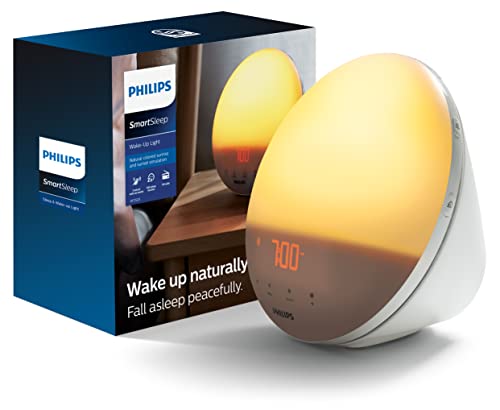
- CLINICALLY PROVEN*: Philips wake-up lights are recommended by physicians and…
- PERSONALIZATION: Simulated sunset and sunrise and choice of 5 different natural…
- SMART FEATURES: FM radio, tap snooze and automatic dimmable display
How to Safely View the Eclipse Without Damaging Your Eyes
Viewing a solar eclipse without proper protection can cause permanent retinal damage, known as solar retinopathy. Unlike sunburns, this injury doesn’t cause immediate pain—symptoms like blurred vision or blind spots may appear hours later. The sun’s intense UV and infrared rays overwhelm the retina’s light-sensitive cells, effectively burning them. Even during a partial eclipse, when the sun appears dimmer, its invisible radiation remains just as dangerous.
Certified Eye Protection: Non-Negotiable Safety
Only use eclipse glasses or viewers that meet the ISO 12312-2 international safety standard. Cheap knockoffs or DIY filters (like sunglasses, exposed film, or smoked glass) do not block harmful wavelengths. For example:
- Legitimate filters reduce sunlight to 0.0001% of its normal intensity—10,000 times darker than regular sunglasses.
- Inspect glasses before use: Scratches or punctures compromise protection. Hold them up to a light bulb—if you see anything but the faintest glow, discard them.
Special Cases: Cameras, Telescopes, and Binoculars
Optical devices magnify sunlight, increasing the risk of eye injury. Never look through a camera lens or telescope unless it has a proper solar filter attached to the front (not the eyepiece). For DSLR cameras, use a neutral density (ND) filter with a minimum ND5 rating. Eclipse-specific tools like the Thousand Oaks Optical Solar Filter are designed for this purpose.
Indirect Viewing: A Safe Alternative
If you lack certified glasses, use a pinhole projector to observe the eclipse indirectly. This simple device projects the sun’s image onto a surface (e.g., cardboard or the ground) through a tiny hole. For a clearer view, try a colander or perforated spoon—their multiple holes create duplicate eclipse images. This method is ideal for children or groups, eliminating accidental direct viewing.
Pro Tip: During totality (if applicable to your location), you can briefly view the sun without filters—but the moment sunlight reappears, immediately resume protection. Misjudging this window is a leading cause of eye injuries.
Optimizing Your Sleep Before and After the Eclipse Event
Eclipse excitement often leads to disrupted sleep patterns, whether from late-night viewing or the physiological effects of altered light exposure. Your circadian rhythm – the body’s internal 24-hour clock – relies heavily on consistent light/dark cycles. An eclipse’s unnatural darkness followed by sudden brightness can confuse this system, potentially causing insomnia or daytime fatigue.
Pre-Eclipse Sleep Preparation
Begin adjusting your sleep schedule 3-4 days beforehand if you’ll be staying up late for the event. The key is gradual adaptation:
- Shift bedtime later by 15-30 minutes nightly – This gradual change is easier on your body than a sudden all-nighter
- Maximize morning light exposure – Sunlight within 30 minutes of waking helps regulate melatonin production
- Limit caffeine after 2 PM – Caffeine’s 6-hour half-life means afternoon coffee can still affect eclipse-night alertness
Managing Light Exposure During the Eclipse
The sudden darkness of totality triggers melatonin production, making you unexpectedly sleepy. Combat this with:
- Blue light glasses if using phones/tablets – These block sleep-disrupting wavelengths while allowing eclipse tracking apps
- Portable red lights for note-taking – Red light least affects night vision and circadian rhythms
- 15-minute bright light breaks if viewing late – Helps maintain alertness without ruining post-event sleep
Post-Eclipse Sleep Recovery
If your sleep was disrupted, follow these steps:
- Next-day napping – Limit to 20 minutes before 3 PM to avoid nighttime insomnia
- Evening relaxation routine – Try 4-7-8 breathing (inhale 4 sec, hold 7, exhale 8) to activate the parasympathetic nervous system
- Temperature control – Lower your bedroom to 60-67°F (15-19°C) – the optimal range for sleep onset
Professional astronomers often use these techniques during observation nights, proving their effectiveness for eclipse-related sleep disruptions.
The Science of Eclipse Photography: Capturing the Event Safely
Photographing an eclipse presents unique technical challenges that differ significantly from normal daylight photography. The sun’s intensity varies dramatically during different eclipse phases, requiring specialized techniques to avoid damaging equipment and capture stunning images.
Camera Settings for Each Eclipse Phase
| Eclipse Phase | ISO | Aperture | Shutter Speed | Notes |
|---|---|---|---|---|
| Partial Eclipse | 100-200 | f/8 to f/16 | 1/1000 to 1/4000 sec | Requires solar filter at all times |
| Diamond Ring Effect | 200-400 | f/5.6 to f/8 | 1/500 to 1/1000 sec | Remove filter 10 seconds before totality |
| Total Totality | 800-1600 | f/2.8 to f/5.6 | 1/2 to 2 sec | Shoot corona details and prominences |
Essential Equipment Considerations
Beyond standard DSLR or mirrorless cameras, eclipse photography demands:
- Telephoto lenses (400mm+) – The sun occupies only 0.5° of sky; minimum 500mm needed for detailed shots
- Sturdy equatorial mount – Tracks the sun’s movement at 15° per hour to prevent blurring
- Remote shutter release – Eliminates camera shake during long exposures in totality
Advanced Techniques for Professionals
Experienced photographers often employ these methods:
- Bracketing exposures – Capture the corona’s dynamic range by shooting at multiple exposures (±2 stops)
- Bailey’s Bead prediction – Use apps like PhotoPills to anticipate when to remove filters
- Solar tracking software – Programs like BackyardEOS automate exposure adjustments during totality
Critical Warning: Never look through an optical viewfinder at the sun, even with filters. Use live view mode exclusively to prevent accidental eye damage from improper filter use.
Planning Your Eclipse Viewing Location: A Scientific Approach
Selecting the optimal viewing location requires more than just finding an open space – it involves careful consideration of atmospheric conditions, terrain, and celestial geometry. The difference between a mediocre and spectacular eclipse experience often comes down to these scientific factors.
Atmospheric Conditions That Affect Visibility
Three key atmospheric elements dramatically impact eclipse viewing:
- Precipitable Water Vapor (PWV) – Areas with PWV below 20mm (like high deserts) provide clearer views of the corona’s delicate structures
- Boundary Layer Height – Locations above 1,500m elevation avoid the turbulent “planetary boundary layer” that distorts eclipse images
- Aerosol Optical Depth – Check NASA’s AERONET data for locations with AOD <0.15 for the sharpest views
Terrain and Geographic Considerations
The ideal eclipse site combines:
- Open sightlines – 360° unobstructed views to observe shadow bands approaching from the west
- Thermal stability – Concrete or packed earth surfaces minimize heat distortion (avoid asphalt or sand)
- Elevation advantage – Hilltops 50-100m above surrounding terrain extend totality by 1-2 seconds
Professional eclipse chasers use topographic maps with 10m contour intervals to identify these micro-locations.
Calculating Your Exact Position
Use these precise methods to maximize your totality duration:
- NASA’s Besselian Elements – Plot the central line using official eclipse coordinates (available 18 months in advance)
- Mobile apps – Eclipse Calculator 2.0 accounts for lunar limb topography to predict exact contact times
- On-site verification – Use a GPS with WAAS/EGNOS correction (accuracy <3m) to position yourself within the centerline
Being just 1km off-center can reduce totality by 10-15 seconds.
Pro Tip: For group viewing, create a 100m grid with spray paint and assign observers to specific coordinates – this scientific approach yields the most comprehensive photographic record of the event.
Long-Term Eye Health and Sleep Considerations After Eclipse Viewing
While most focus on immediate eclipse safety, few consider the lasting impacts on visual health and circadian rhythms. Proper post-event care can prevent lingering effects and establish healthy patterns for future celestial events.
Post-Eclipse Eye Health Monitoring
| Symptom | Timeframe | Action Required | Professional Evaluation |
|---|---|---|---|
| Mild light sensitivity | 24-48 hours | Rest eyes, use artificial tears | Only if persistent |
| Central vision distortion | Immediate | Cease all screen use | Emergency ophthalmology visit |
| Afterimages lasting >2 hours | Any duration | Dark room rest | Retinal specialist within 24h |
Sustaining Healthy Sleep Patterns
Eclipse-induced sleep disruptions can persist for weeks if unaddressed. Implement these evidence-based recovery strategies:
- Light therapy protocol – 30 minutes of 10,000 lux light within 30 minutes of waking for 3-5 days post-event
- Melatonin supplementation – 0.5mg taken exactly 5 hours before target bedtime for circadian reset
- Sleep efficiency tracking – Use wearable devices to monitor sleep stages until normal patterns return
Future Eclipse Preparation Framework
Build a personalized preparation system for upcoming events:
- Annual eye exams – Document baseline macular health with optical coherence tomography (OCT) scans
- Sleep bank strategy – Gradually accumulate 10-15 hours of extra sleep in the month before major astronomical events
- Equipment maintenance – Store solar filters in vacuum-sealed bags with desiccant to prevent degradation
NASA astronauts follow similar protocols before spacewalks involving bright light exposure.
Environmental Note: Properly recycle used eclipse glasses through approved programs like Eclipse Glasses USA’s recycling initiative to prevent hazardous waste accumulation from millions of disposable viewers.
Advanced Eclipse Observation Techniques for Enthusiasts and Researchers
Moving beyond basic viewing, sophisticated observation methods can transform an eclipse experience into a valuable scientific contribution while enhancing personal understanding of celestial mechanics. These techniques require careful preparation but yield extraordinary results.
Scientific Data Collection Methods
Citizen scientists can contribute meaningful research through these methodologies:
- Coronal Temperature Mapping – Using DSLR cameras with narrowband hydrogen-alpha filters to capture plasma temperatures (typically 1-3 million Kelvin)
- Baily’s Bead Timing – Precise GPS-synchronized recording of bead durations to refine lunar limb topography data (accuracy to ±0.001s required)
- Shadow Band Spectroscopy – Analyzing the diffraction pattern wavelengths (typically 400-700nm) using diffraction grating setups
Specialized Equipment Configurations
Advanced setups require specific technical configurations:
- Dual-camera rigs – One with white light filter for photosphere, another with coronagraph for inner corona (requires precise time synchronization)
- Automated tracking mounts – Equatorial mounts with periodic error correction (PEC) trained for solar tracking rates
- Spectroheliograph setups – For analyzing elemental composition of prominences (calcium-K line at 393.4nm particularly valuable)
The American Astronomical Society provides detailed technical specifications for each configuration.
Integration With Meteorological Data
Correlating eclipse observations with atmospheric conditions enhances scientific value:
- Temperature logging – Document the characteristic 3-5°C drop during totality using calibrated thermometers
- Wind pattern analysis – Note changes in wind direction/speed (often shifts 10-15° during totality)
- Animal behavior tracking – Systematic documentation of circadian rhythm disruptions in local wildlife
Professional observatories combine these datasets with solar imaging for comprehensive analysis.
Safety Protocol: All advanced techniques must maintain ISO 12312-2 eye protection standards, with automated systems handling unfiltered observation during totality. Never compromise safety for data quality – damaged eyes can’t contribute to future research.
Comprehensive Eclipse Preparedness System: From Planning to Post-Event Analysis
Developing a complete eclipse preparedness system transforms a one-time event into a repeatable scientific process. This framework ensures safety, maximizes data collection, and establishes protocols for future celestial observations.
Integrated Planning Timeline
| Time Before Eclipse | Critical Actions | Quality Checkpoints |
|---|---|---|
| 6-12 months | Site selection using NASA ephemeris data | Verify coordinates against Besselian elements |
| 3 months | Equipment stress testing | Conduct solar filter integrity tests |
| 1 month | Sleep cycle adjustment begins | Baseline polysomnography if available |
| 72 hours | Final weather pattern analysis | Compare 3+ forecast models |
Advanced Risk Mitigation Strategies
Professional eclipse chasers implement these layered protections:
- Optical redundancy – Carry 3x certified filters per device (primary, backup, emergency)
- Circadian reinforcement – Use dawn simulator lights 5 days pre-event to phase-advance rhythms
- Data validation protocols – Shoot calibration frames (dark, flat, bias) for all imaging equipment
Conclusion: Prepare, Experience, and Learn from Nature’s Grand Spectacle
From selecting ISO-certified eye protection to optimizing your sleep patterns and choosing the perfect observation site, preparing for an eclipse requires careful scientific planning.
We’ve explored advanced photography techniques, long-term health considerations, and professional observation methods that transform a casual viewing into a meaningful scientific experience. Remember that eclipse safety extends beyond the event itself – proper eye monitoring and sleep recovery are equally crucial.
Your Next Steps: Begin implementing these strategies now, whether you’re preparing for the upcoming 2024 eclipse or future celestial events. Document your observations, refine your techniques, and consider contributing to citizen science projects. The universe offers these rare moments of wonder – with proper preparation, you can enjoy them safely while advancing our collective understanding of these extraordinary astronomical phenomena.
Frequently Asked Questions About Eclipse Preparation and Safety
Can I use regular sunglasses to view the eclipse?
No, standard sunglasses are completely inadequate for solar viewing. They only block 40-60% of visible light but zero harmful infrared (IR) and ultraviolet (UV) radiation.
Certified eclipse glasses use specialized polymer or metal-coated filters that block 99.999% of visible light and 100% of IR/UV. For reference, the sun through proper filters appears about as bright as the full moon – safe for continuous viewing.
How can I photograph the eclipse without damaging my camera?
DSLR and mirrorless cameras require front-mounted solar filters (never eyepiece filters) during partial phases. Use a neutral density filter with ND5 rating (0.00001% light transmission) or specialized solar film.
During totality’s 2-3 minute window, you can safely remove filters to capture the corona. Always use live view instead of optical viewfinder to prevent accidental eye exposure.
Why does the eclipse affect sleep patterns?
The sudden darkness during totality tricks your pineal gland into producing melatonin, while the abrupt return of sunlight disrupts circadian rhythms. This dual shock is equivalent to jet lag from crossing 3 time zones. High-adrenaline viewing excitement compounds the effect. Plan for 1-2 nights of recovery sleep with reduced blue light exposure post-event.
What’s the safest way to view the eclipse with children?
Use indirect methods like pinhole projectors made from cardboard boxes, which eliminate any risk of accidental direct viewing. For groups, create a “projection station” using a telescope to cast an enlarged image onto a whiteboard. Always supervise children using eclipse glasses – ensure they keep them on continuously during partial phases.
How do I know if my eclipse glasses are legitimate?
Genuine glasses will have:
- ISO 12312-2 certification printed on them
- Manufacturer contact information
- Undamaged lenses with no scratches or punctures
Test them by looking at bright indoor lights – you should only see very faint glow. The American Astronomical Society maintains a vetted list of reputable suppliers.
Can eclipse viewing cause permanent eye damage?
Yes, solar retinopathy from unprotected viewing causes permanent blind spots by literally burning retinal tissue. The damage is painless (retinas lack pain receptors) and symptoms may not appear for hours. There’s no treatment – prevention is critical. Even 99% coverage during partial phases leaves enough intense light to cause injury.
What should I do if I experience vision problems after viewing?
Seek immediate ophthalmological care if you notice:
- Central vision blurring or distortion
- Persistent afterimages lasting >2 hours
- Increased light sensitivity
Early intervention can sometimes limit damage. Bring details of your viewing duration and protection methods used to help doctors assess potential injury severity.
How does eclipse timing affect sleep preparation?
For evening eclipses, gradually shift bedtime 15 minutes later over 4-5 nights beforehand. Morning events require earlier rising with bright light therapy upon waking. The key is adjusting your circadian rhythm gradually – sudden changes of more than 1 hour disrupt sleep quality. NASA astronauts use similar techniques before mission-critical events.