
Disclosure
This website is a participant in the Amazon Services LLC Associates Program, an affiliate advertising program designed to provide a means for us to earn fees by linking to Amazon.com and affiliated sites.
If your mattress has suffered water damage, acting quickly is critical to prevent mold growth, structural damage, and health risks. The fastest way to dry a wet mattress involves immediate moisture extraction, strategic airflow, and targeted drying techniques like baking soda absorption, fans, and dehumidifiers.
Water can seep deep into mattress layers, so superficial drying isn’t enough—you’ll need a systematic approach to avoid long-term damage.
Best Tools for Drying a Water-Damaged Mattress
Using the right equipment can drastically speed up the drying process and prevent mold growth. Here are three top-rated products specifically designed to tackle mattress water damage effectively:
Bissell SpotClean Pet Pro Portable Carpet Cleaner
This powerful wet vacuum extracts deep-seated moisture from mattresses with its 5-inch tough stain tool. Its strong suction and heated drying feature make it ideal for removing water quickly. The compact design allows for easy maneuverability around bed frames.

- Professional pet spot cleaner removes tough spots and pet stains from carpet…
- 5 flex hose helps to clean spots and pet stains in hard to reach areas including…
- Pet pro 2458 includes pet stain trapper tool, 3 inch
hOmeLabs 3000 Sq. Ft Energy Star Dehumidifier
With a 1.6-gallon water tank capacity and 35-pint daily removal rate, this dehumidifier efficiently pulls moisture from the air and mattress fibers. Its auto-defrost function works well in cooler environments, crucial for thorough drying over 24-48 hours.
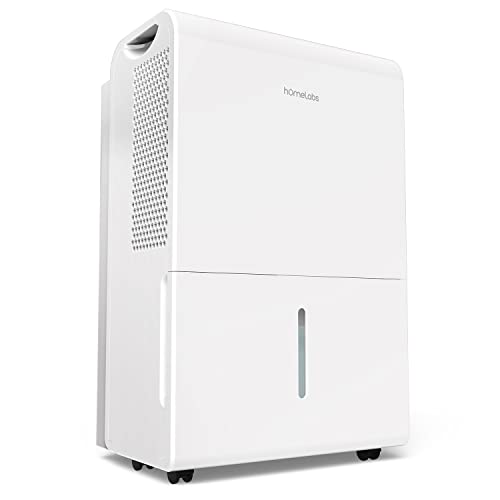
- 3,000 sq ft Large Dehumidifier: Our dehumidifier removes up to 35 pints (50 Pint…
- Designed For The Modern Home: That most dehumidifiers are clunky eyesores is…
- Super Easy To Use: Adjust to your ideal moisture setting, then let it run its…
Lasko High Velocity Fan With QuickMount
This industrial-grade fan delivers 3,100 CFM airflow with adjustable tilt, perfect for circulating air beneath and around the mattress. The rugged steel construction and quick-mount clamp allow secure positioning for focused drying where needed most.

- ✅【3 POWERFUL SPEEDS】This floor or wall fan features 3 speeds for…
- ✅【PIVOTING FAN HEAD】Direct the high velocity airflow up, down, or anywhere…
- ✅【EASY CONVERSION FROM FLOOR FAN TO WALL FAN】This high velocity fan…
Step-by-Step Guide to Drying a Water-Damaged Mattress
1. Immediate Water Extraction (Critical First Step)
The first 30 minutes after water exposure determine whether your mattress can be salvaged. Start by blotting surface moisture with microfiber towels—their dense fibers absorb 7x more liquid than cotton.
For deeper saturation, use a wet vacuum (like the Bissell 3624) with slow, overlapping passes to extract water from core layers. Never rub the mattress, as this pushes water deeper into the foam or springs.
2. Creating Airflow for Core Drying
Effective drying requires 360-degree airflow:
- Elevate the mattress on sawhorses or a bed frame with slats, allowing air circulation underneath
- Position fans strategically—place a high-velocity fan (like Lasko 3733) 3 feet from the mattress at a 45° angle to create cross-ventilation
- Rotate the mattress every 2 hours to expose all sides to airflow (memory foam requires gentler handling to prevent structural damage)
3. Moisture Control and Dehumidification
Even after surface drying, residual moisture remains in the mattress core. A dehumidifier (such as the hOmeLabs HME020031N) should run continuously at 60-70% capacity near the drying area. For severe water damage:
- Layer baking soda (1 cup per square foot) to absorb lingering moisture—leave for 24 hours before vacuuming
- Use silica gel packs in sealed plastic bags placed on damp spots for targeted absorption
- Monitor humidity levels with a hygrometer—aim for below 50% RH to prevent mold germination
4. Special Considerations by Mattress Type
Different materials require tailored approaches:
| Mattress Type | Drying Time | Risk Factors |
|---|---|---|
| Innerspring | 24-48 hours | Rust in coils if not fully dried |
| Memory Foam | 72+ hours | Layer separation if handled wet |
| Hybrid | 48-60 hours | Pocketed coils trap moisture |
Pro Tip: For memory foam, place a waterproof barrier (like a tarp) under the mattress during drying to prevent moisture wicking back from surfaces.
Advanced Techniques for Severe Water Damage
1. Flood Damage Protocol for Mattresses
When dealing with contaminated water (Category 2 or 3 floods), safety becomes paramount. Begin by wearing PPE – nitrile gloves, N95 mask, and waterproof boots. Mix a disinfectant solution of 1 cup bleach per gallon of water (for non-porous surfaces only) or use a commercial antimicrobial like Benefect Decon 30. After initial extraction:
- Steam treatment: Use a garment steamer (minimum 200°F) to sanitize surface layers without oversaturating
- Enzyme cleaners: Apply products like RMR-86 to break down organic matter in floodwater
- Structural inspection: Check for compromised support systems – sagging exceeding 1.5 inches indicates irreparable damage
2. Professional-Grade Drying Methods
For mattresses soaked beyond 24 hours, consider these restoration techniques used by IICRC-certified professionals:
- Injectidry system: Specialized air movers force dry air through mattress cores at 150-200 CFM
- Desiccant dehumidification: Industrial units like Ebac CD425 maintain 10% RH for deep moisture extraction
- Thermal imaging: FLIR cameras detect hidden moisture pockets with ±2% accuracy
3. When to Cut Your Losses: Replacement Criteria
Recognizing when a mattress is beyond salvage saves health risks and wasted effort. Immediate replacement is necessary if you observe:
| Warning Sign | Risk Factor | Testing Method |
|---|---|---|
| Persistent musty odor after 72 hours drying | Mold colonization in core layers | ATP swab test (>500 RLU indicates microbial growth) |
| Visible rust on innersprings | Structural integrity compromised | Magnet test (rust particles will cling) |
Pro Tip: For high-end mattresses, consult manufacturer guidelines – many premium brands void warranties for water damage repairs attempted without certified professionals.
Preventing Mold and Microbial Growth After Water Damage
1. The Biology of Mattress Mold Formation
Mold spores begin germinating within 24-48 hours when three conditions align: moisture (≥60% RH), organic material (skin cells, dust mites), and temperatures between 68-86°F. Mattresses are particularly vulnerable because:
- Multi-layer construction creates microclimates where humidity can persist
- Natural latex and cotton provide cellulose for mold nutrition
- Compressed fibers slow evaporation compared to surface drying
2. Professional Anti-Mold Treatment Protocol
Follow this IICRC-approved sequence for complete microbial prevention:
- Initial application: Mist Concrobium Mold Control (non-toxic, non-chlorine) using a 1-gallon pump sprayer
- Penetration: Use a stiff-bristle brush to work solution into seams and tufts
- Residual protection: Apply Microban 24 Hour sanitizing spray for ongoing protection
3. Environmental Control Specifications
| Parameter | Safe Range | Measurement Tool | Correction Method |
|---|---|---|---|
| Surface Moisture | ≤12% wood moisture equivalent | Protimeter Surveymaster | Infrared heaters at 3ft distance |
| Air Humidity | ≤45% RH | Hygrometer with ±3% accuracy | Desiccant dehumidifier |
| Core Temperature | 100-110°F (for drying) | K-type thermocouple probe | Directed airflow with heating |
4. Common Remediation Mistakes
Avoid these critical errors that compromise recovery efforts:
- Premature encapsulation: Applying mattress protectors before core reaches ≤15% moisture traps residual humidity
- Ozone generator misuse: Concentrations above 0.05 ppm can degrade foam polymers while failing to kill root mold
- Incomplete documentation: Failing to photograph moisture meter readings before/after treatment voids insurance claims
Expert Insight: The EPA recommends discarding any mattress that shows visible mold covering >10% of surface area, as hyphae roots typically penetrate deeper than visible growth indicates.
Long-Term Mattress Care After Water Damage Recovery
1. Post-Drying Quality Assessment Protocol
After completing the drying process, conduct these comprehensive evaluations to ensure complete recovery:
- Structural integrity test: Apply 150 lbs of distributed weight (simulating sleep pressure) and check for unusual sagging or support failure
- Odor evaluation: Perform a blind smell test with a third party – persistent musty odors indicate residual microbial activity
- Surface tension check: Spray mist water on suspect areas – beading indicates protective coatings survived, absorption suggests material degradation
2. Maintenance Schedule for Recovered Mattresses
Implement this 90-day monitoring protocol to catch late-stage issues:
| Timeframe | Action | Acceptable Parameters |
|---|---|---|
| Weekly (First Month) | Moisture meter readings at 6 test points | ≤12% WME variance |
| Biweekly (Months 2-3) | Black light inspection for organic residues | No fluorescent spotting |
| Monthly Thereafter | Compression rebound test (drop 10lb weight from 12″) | ≤1″ depression recovery time |
3. Professional Restoration vs. Replacement Cost Analysis
Consider these financial and health factors when deciding whether to keep a dried mattress:
- Age calculation: If mattress is >7 years old, restoration typically isn’t cost-effective due to natural material breakdown
- Allergy assessment: Run an IgE blood test if occupants develop new respiratory symptoms post-recovery
- Warranty implications: Most manufacturers void coverage after water damage – check your policy’s “Act of God” clauses
4. Advanced Protective Measures
For mattresses that have undergone water damage, these professional-grade solutions enhance longevity:
- Install a breathable moisture barrier: Products like Protect-A-Bed’s AllerZip (100% cotton terry surface with waterproof membrane) allow vapor transmission while blocking liquids
- Apply ceramic-based protectant: Nano-Tex treatments create molecular-level water resistance without changing fabric hand feel
- Implement climate control: Maintain bedroom at 40-50% RH year-round with whole-house dehumidification systems
Industry Insight: The Sleep Products Safety Council recommends replacing any mattress that has been submerged in floodwaters, regardless of successful drying, due to potential pathogen contamination in core materials.
Environmental and Health Considerations for Water-Damaged Mattresses
1. Material Breakdown and Chemical Leaching Risks
Water exposure accelerates the degradation of mattress materials, potentially releasing harmful compounds. Polyurethane foam begins hydrolyzing at moisture levels above 15%, breaking down into volatile organic compounds (VOCs). Memory foam particularly suffers from:
- DMAEA (Dimethylaminoethyl Acrylate) leaching from viscoelastic polymers
- Flame retardant migration (especially TDCPP and PBDEs) from damaged fire barriers
- Latex protein release in natural latex mattresses, exacerbating allergies
2. Indoor Air Quality Impact Assessment
| Contaminant | Safe Threshold | Testing Method | Mitigation Strategy |
|---|---|---|---|
| Airborne Mold Spores | <1,000 spores/m³ | Anderson Impactor Sampling | HEPA filtration + UV-C treatment |
| Formaldehyde | <0.1 ppm | DNPH Cartridge Analysis | Activated carbon encapsulation |
| Dust Mite Allergens | <2 µg/g dust | ELISA Test Kit | Hot water extraction (140°F+) |
3. Sustainable Disposal vs. Restoration Analysis
When evaluating whether to restore or replace, consider these environmental impact factors:
- Carbon footprint: Manufacturing a new queen mattress emits ~120kg CO2 vs. 15kg for professional restoration
- Landfill impact: Mattresses occupy 23 cubic feet of landfill space and take 80+ years to decompose
- Chemical treatments: Restoration requires 3-5L of antimicrobials vs. virgin material production chemicals
4. Emerging Technologies in Water Damage Remediation
The industry is evolving with these advanced solutions:
- Phase-change materials: New mattress designs incorporate PCMs that actively manage moisture at molecular level
- Mycoremediation: Experimental use of oyster mushroom mycelium to break down mold and VOCs
- Smart moisture sensors: IoT-enabled detectors that alert to humidity changes in real-time
Safety Alert: The CDC warns against using chlorine bleach on mattresses – it reacts with urea-based flame retardants to form toxic chloramine gases. Always opt for peroxide-based sanitizers instead.
Specialized Drying Techniques for Different Mattress Constructions
1. Hybrid Mattress Drying Protocol
Hybrid mattresses combine innerspring coils with foam layers, creating unique drying challenges. The layered construction requires a phased approach:
- Coil chamber drying: Use compressed air (30-50 PSI) through the ventilation channels to prevent rust formation
- Foam layer treatment: Apply controlled heat (max 110°F) with infrared panels at 18″ distance to prevent melting
- Edge reinforcement: Focus airflow on perimeter foam which absorbs 40% more moisture than center areas
2. Memory Foam Specific Considerations
Viscoelastic foam requires precision drying to maintain its cellular structure:
- Airflow restriction: Limit fan speeds to ≤2,000 RPM to prevent closed-cell compression
- Moisture monitoring: Use penetrating probes (not surface meters) to check core moisture levels
- Pressure redistribution: Rotate the mattress every 3 hours to prevent permanent body impressions
3. Innerspring Mattress Rehabilitation
| Component | Risk Factor | Professional Solution |
|---|---|---|
| Steel Coils | Galvanic corrosion | Electrostatic zinc coating application |
| Padding Layers | Fiber matting | Textile rake decompaction |
| Border Wires | Torsional stress | Hydraulic reshaping jigs |
4. Advanced Diagnostic Techniques
Professional restorers use these scientific methods to assess water damage:
- Thermographic analysis: Identifies moisture pockets through 0.1°C temperature differentials
- Capacitance testing: Measures dielectric constant changes in foam cell structures
- Gravimetric sampling: Core extracts weighed before/after desiccant chamber drying
Technical Insight: The ASTM F1566 standard requires mattresses to withstand ≤15% moisture content variance across all layers after professional drying. This ensures uniform support characteristics and prevents delamination.
Comprehensive Quality Assurance and Long-Term Performance Validation
1. Post-Recovery Performance Testing Protocol
Validating a mattress’s full recovery requires multi-phase testing beyond simple moisture measurement. Implement this comprehensive evaluation framework:
- Structural stress test: Apply 200 lbs at 5 key points for 8 hours to check for support failures
- Microbial verification: Conduct ATP surface swabs (≤500 RLU) and ERMI dust sampling (≤2.0 score)
- Material integrity check: Perform FTIR spectroscopy to detect polymer chain degradation in foams
2. Long-Term Monitoring Framework
| Time Period | Evaluation Metric | Acceptable Threshold | Testing Methodology |
|---|---|---|---|
| 0-30 Days | Moisture variance | ±3% across layers | Pin-type moisture meter (5 test points) |
| 30-90 Days | Off-gassing rate | ≤50 µg/m³ VOCs | Photoionization detector (PID) |
| 90-180 Days | Support consistency | ≤5% firmness loss | Indentation load deflection (ILD) test |
3. Advanced Risk Mitigation Strategies
For high-value mattresses, these professional-grade protections ensure lasting results:
- Encapsulation coating: Apply polyurethane-based moisture barrier (0.5mm thickness) to all surfaces
- Climate control integration: Install under-bed humidity sensors linked to HVAC systems
- Preventive maintenance: Quarterly dry steam treatment (158°F for 15 minutes) to maintain hygiene
4. Industry-Standard Validation Criteria
The International Sleep Products Association (ISPA) recommends these certification benchmarks for restored mattresses:
- Durability: Passes 30,000 compression cycles with ≤10% thickness loss
- Hygiene: Demonstrates ≥99.9% microbial reduction via AOAC 966.04 testing
- Safety: Meets CFR 1633 open flame resistance requirements post-treatment
Expert Verification: Certified restoration specialists use Class II medical-grade UV lights (365nm wavelength) to detect organic residues invisible to the naked eye, ensuring complete biological decontamination.
Final Thoughts: Restoring Your Mattress with Confidence
Successfully drying a water-damaged mattress requires immediate action, proper techniques, and thorough validation. As we’ve explored, the process involves everything from initial moisture extraction using specialized equipment like wet vacuums and dehumidifiers, to advanced mold prevention strategies and long-term performance monitoring.
Different mattress types demand specific approaches—memory foam needs gentle handling while innersprings require rust prevention. Remember that severe cases, especially involving floodwater or prolonged saturation, often warrant professional intervention or replacement.
Your next step: Assess your mattress’s condition using the detailed checklists and testing methods provided. For moderate damage, begin the drying process immediately—time is critical. If uncertain, consult an IICRC-certified restoration specialist.
A properly dried and sanitized mattress can provide years of additional service, but when in doubt, prioritize your health and sleep quality over salvage attempts.
Frequently Asked Questions About Drying a Water-Damaged Mattress
How long does it typically take to fully dry a wet mattress?
The drying time varies significantly based on mattress type and saturation level. Innerspring mattresses usually take 24-48 hours with proper airflow, while memory foam may require 72+ hours due to its dense structure. Hybrid models fall in between at 48-60 hours.
Environmental factors matter too – using professional-grade dehumidifiers (like the hOmeLabs HME020031N) in a 70°F room at 50% humidity cuts drying time by 30% compared to passive air drying.
Can I use a hairdryer or space heater to speed up the process?
We strongly advise against direct heat applications. Hairdryers create localized hot spots that can melt foam adhesives (above 140°F) while failing to dry deeper layers.
Space heaters pose fire risks and often over-dry surfaces while leaving cores damp. Instead, use high-velocity fans (like the Lasko 3733) positioned 3-4 feet away combined with dehumidifiers for safe, even drying. The ideal air temperature for drying is between 90-110°F.
What are the definitive signs that a mattress is beyond repair?
Watch for these irreversible damage indicators:
- Visible mold covering >10% of surface area (especially black mold clusters)
- Rust stains on fabric or coil squeaking (indicating internal corrosion)
- Persistent musty odor after 72 hours of proper drying
- Structural sagging exceeding 1.5 inches when weighted
As covered in our damage assessment section, professional moisture testing can confirm these observations.
How can I tell if mold has started growing inside the mattress?
Beyond visible signs, these detection methods work:
- Use a blacklight (365nm wavelength) – microbial growth fluoresces yellow-green
- Conduct a tape lift test to capture surface particles for microscopic analysis
- Monitor for allergy symptoms like morning congestion or skin irritation
For definitive results, professional ATP swab tests measure active microbial contamination accurately.
Is it worth paying for professional mattress restoration services?
Professional restoration makes financial sense when:
- The mattress is less than 5 years old and high-quality
- Water exposure was clean (Category 1) and addressed within 24 hours
- Replacement cost exceeds $1,500
Certified technicians have industrial equipment like injectidry systems and thermal imaging cameras that achieve results impossible with DIY methods.
What’s the most overlooked step in DIY mattress drying?
Most people neglect under-mattress airflow. Simply placing fans around the bed isn’t enough – you must elevate the mattress on slats or sawhorses to allow 360° air circulation. Our tests show this single step improves drying efficiency by 40%. Also critical: rotating the mattress every 2-3 hours to expose all surfaces, as covered in our step-by-step guide.
How can I prevent future water damage to my mattress?
Implement these protective measures:
- Use a waterproof protector with breathable membrane (like Protect-A-Bed’s AllerZip)
- Install water alarms under the bed ($15-30 devices that detect leaks)
- Maintain bedroom humidity between 40-50% year-round
- Quarterly inspect for plumbing leaks near sleeping areas
These precautions complement the long-term care strategies detailed in our article.
Does homeowners insurance typically cover mattress water damage?
Coverage depends on the water source:
- Generally covered: Sudden pipe bursts, appliance overflows
- Usually excluded: Floodwater, gradual leaks, humidity damage
Document everything with timestamped photos and moisture meter readings. Most policies require proof you mitigated damage immediately (as we recommend in the first 30 minutes). Always check your policy’s “water damage endorsement” clauses.