
Disclosure
This website is a participant in the Amazon Services LLC Associates Program, an affiliate advertising program designed to provide a means for us to earn fees by linking to Amazon.com and affiliated sites.
You spend a third of your life sleeping—shouldn’t your pillow reflect your values? Conventional pillows often contain synthetic materials and toxic chemicals that harm both your health and the environment. But here’s the good news: eco-friendly pillows offer a cleaner, greener alternative without sacrificing comfort.
With rising awareness of sustainability, more sleepers are swapping out petroleum-based memory foam for natural, biodegradable options like organic cotton, kapok, or latex.
Think all eco-friendly pillows are scratchy or overpriced? Think again. Advances in sustainable textiles mean you can now find plush, supportive pillows that rival traditional options—while reducing your carbon footprint.
Best Eco-Friendly Pillows for Sustainable Sleep
Avocado 100% Certified Organic Bed Pillow
Made with GOLS-certified organic latex and GOTS-certified organic cotton, the Avocado Green Pillow offers superior breathability and pressure relief. Its adjustable shredded latex fill allows customizable loft, making it ideal for back and side sleepers. Free from harmful chemicals like formaldehyde, it’s a top pick for eco-conscious buyers.

- Breathable: Sleep cool, light, and airy.
- Organic Luxury: GOTS-certified organic cotton cover for a luxurious, breathable…
- Essential Support: Voluminously stuffed with GOLS-certified organic latex and…
Cheer Collection Set of 2 Kapok Pillow
This pillow features kapok fiber—a silky, plant-based alternative to down—encased in 100% organic cotton. It is lightweight, hypoallergenic, and naturally resistant to dust mites. Its medium-firm support suits stomach sleepers, and it’s OEKO-TEX® certified for safety and sustainability.
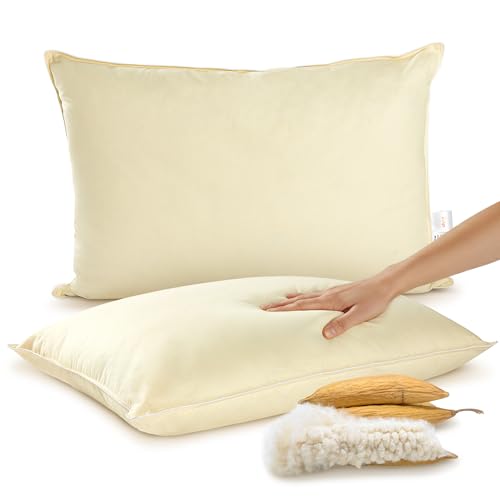
- 100% Pure Kapok Filling: Experience the natural comfort of a kapok pillow…
- Cool And Breathable: The lightweight, breathable texture of this pillow gently…
- Soft And Plush: Enjoy the down-like softness and gentle firmness of kapok fiber…
Talatex Dunlop 100% Natural Latex Pillow
Talatex’s pillow uses 100% natural Dunlop latex, known for durability and resilience. The ventilated design promotes airflow, reducing night sweats. It’s GREENGUARD Gold certified, ensuring low VOC emissions, and comes in three firmness levels to match your sleep style. Perfect for those seeking orthopedic support without synthetics.

- [Pure Natural Latex] Latex Pillow made from the highest quality natural latex…
- [SIZE & CONSTRUCTION] – Choose the size that suits you best: standard size…
- [Firm and Supportive] – Firm to the touch, supports the neck and head well. The…
Key Materials to Look for in an Eco-Friendly Pillow
Choosing an eco-friendly pillow starts with understanding sustainable materials. Unlike conventional pillows filled with synthetic polyester or memory foam (derived from petroleum), truly green options use natural, biodegradable, and responsibly sourced components. Each material offers unique benefits for sleep quality and environmental impact.
Organic Cotton
GOTS-certified organic cotton is grown without synthetic pesticides or fertilizers, reducing water pollution and soil degradation. Pillows with organic cotton shells breathe better than synthetic blends, reducing night sweats. For example, brands like Coyuchi use tightly woven organic cotton to prevent fill leakage while remaining soft against skin.
Natural Latex
Derived from rubber tree sap, natural latex is hypoallergenic and resistant to dust mites. Look for:
- Dunlop latex (denser, ideal for support)
- Talalay latex (lighter, with more airflow)
Brands like Avocado use GOLS-certified latex, ensuring ethical harvesting that doesn’t harm trees. Avoid blends labeled “natural latex” that may contain synthetic additives.
Plant-Based Fibers
Materials like kapok (from ceiba tree seed pods) or buckwheat hulls offer sustainable alternatives to down or polyester fill. Kapok is naturally silky and moisture-wicking, while buckwheat provides adjustable support. PlushBeds combines these with organic wool for temperature regulation—a clever solution for hot sleepers.
Common misconception: “Natural materials are always scratchy.” Modern processing techniques, like mechanical combing for wool or enzyme-washed kapok, create luxuriously soft textures rivaling down.
Certifications Matter
Labels like GOTS, OEKO-TEX®, or GREENGUARD Gold verify low chemical emissions and ethical production. For instance, a GOTS certification ensures every step—from farming to sewing—meets strict ecological and social criteria.
Pro tip: Check for dual certifications. A pillow with both GOLS (latex) and GOTS (cotton) guarantees full supply chain sustainability.
How to Evaluate an Eco-Friendly Pillow’s True Sustainability
Beyond just materials, assessing a pillow’s environmental impact requires examining its entire lifecycle – from sourcing to disposal. Many brands claim sustainability while overlooking critical factors like manufacturing processes or end-of-life recyclability.
Supply Chain Transparency
Truly sustainable brands disclose their supply chain details. Look for:
- Local sourcing (e.g., European-made latex reduces shipping emissions)
- Fair trade partnerships (like Saitex for organic cotton)
- Closed-loop water systems in manufacturing facilities
Example: Boll & Branch provides farm-to-factory traceability for their organic cotton, while Naturepedic sources materials within 500 miles of their Ohio factory.
Carbon Footprint Considerations
Evaluate these often-overlooked factors:
- Shipping methods – Brands like Avocado use carbon-neutral shipping
- Compressed packaging – Reduces transport emissions (used by PlushBeds)
- Energy use in production – Solar-powered facilities score higher
End-of-Life Options
The most sustainable pillow should be:
- Biodegradable (like 100% organic cotton or wool)
- Recyclable (some latex cores can be repurposed)
- Take-back programs (e.g., Coyuchi’s recycling initiative)
Professional tip: Check if components can be separated. A pillow with removable organic cotton casing and latex fill allows easier recycling than bonded materials.
Hidden Chemicals to Avoid
Even “natural” pillows may contain:
- Flame retardants (opt for wool-filled pillows which are naturally fire-resistant)
- Formaldehyde in adhesives (look for water-based bonding)
- PFCs in stain-resistant treatments
Solution: Always request third-party test reports. Reputable brands like Naturepedic provide full chemical disclosure for each product.
Optimizing Comfort and Support in Eco-Friendly Pillows
While sustainability is crucial, your pillow must also deliver proper spinal alignment and pressure relief. Understanding how natural materials perform differently from synthetics helps you make informed comfort choices.
Material Density and Sleep Position Matching
Different sleep positions require specific support levels:
| Sleep Position | Ideal Material | Density Recommendation |
|---|---|---|
| Back Sleepers | Medium-firm latex or wool | 4.5-5.5 lb/ft³ density |
| Side Sleepers | Shredded latex or kapok | Adjustable loft (4-6 inches) |
| Stomach Sleepers | Soft organic cotton or silk | Low profile (3-4 inches) |
Temperature Regulation Properties
Natural materials offer distinct thermal benefits:
- Organic wool wicks moisture and regulates temperature year-round (absorbs up to 30% of its weight in moisture)
- Kapok fibers have hollow cores that trap warm air in winter and promote airflow in summer
- Dunlop latex contains natural pinholes for ventilation (unlike solid memory foam)
Break-In Periods and Material Behavior
Natural materials require different adjustment expectations:
- Latex pillows may feel firm initially but soften slightly over 2-3 weeks
- Buckwheat hulls settle about 20% after the first month
- Organic cotton typically needs fluffing daily to maintain loft
Expert tip: For combination sleepers, consider a dual-layer design like PlushBeds’ latex-over-kapok configuration that provides both support and adaptability.
Common Fit Mistakes to Avoid
Even with quality materials, improper sizing can cause discomfort:
- Standard vs. queen sizing – Larger pillows (20″x30″) often work better for broad-shouldered individuals
- Loft miscalculation – Measure from your shoulder to ear while lying sideways to determine ideal height
- Overstuffing – With adjustable fills, add material gradually over several nights
Pro solution: Many eco-brands like Avocado offer 30-60 night trial periods to properly evaluate comfort adaptation.
Maintaining and Extending the Life of Your Eco-Friendly Pillow
Proper care significantly impacts both the longevity of your sustainable pillow and its ongoing performance. Unlike conventional pillows, natural materials require specialized maintenance to preserve their structure and hygienic properties.
Material-Specific Cleaning Protocols
Each eco-friendly filling demands unique care approaches:
- Organic latex cores: Spot clean only with mild soap and water. Never soak or machine wash, as this can degrade the rubber’s cellular structure. The Avocado Green Pillow’s removable organic cotton cover should be washed monthly in cold water.
- Kapok-filled pillows: Dry clean only – the delicate fibers clump when wet. Use a handheld steamer annually for deep sanitization, holding it 6 inches from the surface to prevent moisture penetration.
- Wool-stuffed options: Professionally clean every 12-18 months. Between cleanings, air outdoors in direct sunlight for 2-3 hours quarterly – the lanolin in wool naturally resists odors when properly aired.
Daily Maintenance Techniques
Implement these practices to maximize pillow lifespan:
- Rotation routine: Flip and rotate your pillow 180° weekly to evenly distribute fill and prevent permanent indentations
- Protective barriers: Use an organic cotton pillow protector (GOTS-certified) beneath your case – this reduces oil absorption into the core
- Air circulation: Leave pillows uncovered for 30 minutes each morning to allow moisture evaporation
When to Replace Eco-Friendly Pillows
Watch for these telltale signs of deterioration:
| Material | Average Lifespan | Replacement Indicators |
|---|---|---|
| Natural Latex | 4-6 years | Yellowing deeper than surface level, permanent body impressions |
| Organic Cotton | 2-3 years | Clumping that persists after washing, musty odors |
| Kapok/Wool | 3-5 years | 50% compression of original loft, visible fiber breakdown |
Pro tip: Extend lifespan by 20-30% through seasonal “rest periods” – store pillows in breathable cotton bags with cedar blocks during off-seasons to prevent fiber fatigue.
Responsible Disposal Methods
When replacement becomes necessary:
- Composting: 100% organic cotton or wool pillows can be cut open and composted (remove any zippers)
- Textile recycling: Many natural fiber pillows qualify for textile recycling programs – check with local facilities
- Upcycling: Repurpose latex cores as pet beds or garden kneeling pads
Note: Some manufacturers like Coyuchi offer take-back programs that properly dismantle and recycle components – always inquire before purchasing.
The True Cost Analysis of Eco-Friendly Pillows
While sustainable pillows often carry higher upfront costs, their long-term value extends beyond price tags to include health benefits, durability, and environmental impact. Understanding this comprehensive cost matrix helps justify the investment.
Initial Cost vs. Long-Term Value Breakdown
| Pillow Type | Average Price Range | Years of Use | Cost Per Year | Replacement Costs |
|---|---|---|---|---|
| Conventional Polyester | $15-$40 | 1-2 years | $15-$20/year | 4-6 replacements per decade |
| Mid-Range Memory Foam | $50-$100 | 2-3 years | $25-$33/year | 3-5 replacements per decade |
| Premium Eco-Friendly | $120-$250 | 4-6 years | $25-$42/year | 1-2 replacements per decade |
Hidden Cost Factors to Consider
Beyond purchase price, evaluate these often-overlooked expenses:
- Health impacts: Conventional pillows may off-gas VOCs linked to respiratory issues – potential medical savings with non-toxic options
- Cleaning costs: Many eco-pillows require less frequent professional cleaning than down alternatives
- Allergy management: Dust mite-resistant natural materials may reduce allergy medication needs
Environmental Cost Accounting
The ecological savings of sustainable pillows include:
- Carbon footprint: Organic cotton production emits 46% less CO₂ than conventional cotton
- Water conservation: GOTS-certified cotton uses 91% less blue water than traditional methods
- Landfill impact: A single latex pillow replaces 3-4 synthetic pillows in waste streams
Emerging Sustainable Technologies
Future developments affecting cost structures:
- Plant-based memory foams: Derived from algae or soy, currently 20-30% more expensive but prices dropping
- Recycled natural fibers: Post-industrial organic cotton scraps reducing material costs by 15%
- Circular economy models: Brands like Ettitude offer pillow leasing programs with 30% lifetime cost savings
Pro tip: Look for B-Corp certified companies – their transparent pricing models often reflect true ecological costs rather than hidden externalities.
Insurance and Warranty Considerations
Many premium eco-pillows come with exceptional guarantees:
- 5-year warranties on latex cores (vs. 1-year for conventional pillows)
- Sleep trial periods (up to 100 nights) reducing risk of unsuitable purchases
- Some health insurance plans now offer HSA/FSA reimbursements for medical-grade organic pillows
Future trend: Expect “carbon credit pillows” where manufacturers offset production emissions through verified programs, potentially qualifying for tax incentives.
Specialized Considerations for Different Sleepers and Health Conditions
Eco-friendly pillows must address specific physiological needs while maintaining sustainability. The right choice varies dramatically based on individual health profiles and sleep patterns, requiring careful material matching to medical considerations.
Orthopedic Support Solutions
For chronic pain sufferers, these natural options provide therapeutic benefits:
- Cervical spine alignment: Contoured latex pillows (like the Savvy Rest Organic Latex Pillow) maintain 15-20° neck angle – crucial for herniated discs
- Pressure redistribution: Buckwheat hull pillows adapt to exact head shape, reducing pressure points by up to 30% compared to memory foam
- Post-surgical support: Organic wool’s natural resilience helps maintain positioning after shoulder/neck procedures
Allergy and Asthma Management
Hypoallergenic natural materials require specific maintenance:
| Allergen | Resistant Material | Maintenance Protocol |
|---|---|---|
| Dust Mites | Dunlop latex (pore size <4μm) | Weekly vacuuming with HEPA filter |
| Mold Spores | Kapok (natural moisture wicking) | Quarterly sunlight exposure |
| Pollen | Tight-weave organic cotton | Bi-weekly 130°F washes |
Temperature Regulation Systems
Natural materials create distinct microclimates:
- Hot sleepers: Layered organic cotton and silk pillowcases conduct heat 25% faster than synthetics
- Cold sleepers: Organic wool (traps warm air pockets)Loft maintenance every 3 monthsCombination sleepersShredded latex with wool topperSeasonal fill adjustment
Specialized Care Protocols
Maintaining therapeutic benefits requires specific care:
- Latex contour pillows: Rotate 180° weekly to prevent permanent deformation of the cervical curve
- Buckwheat hulls: Replace 20% of hulls annually to maintain consistent support density
- Wool-filled: Professional cleaning preserves the lanolin coating that provides natural allergen resistance
Pro tip: For chronic pain patients, consider pairing an organic cotton pillowcase with a silk inner case – this reduces friction by 40% compared to cotton alone, minimizing neck strain during movement.
Pediatric and Elderly Considerations
Special populations need tailored solutions:
- Children: Organic kapok pillows resist dust mites while being lightweight enough for developing spines (recommended loft: 2-3 inches)
- Elderly: Shredded latex provides easy adjustability for changing support needs, with antimicrobial properties reducing infection risks
- Pregnancy: Full-body organic buckwheat pillows support proper spinal alignment in side-sleeping position
Note: Always consult a physical therapist when selecting therapeutic pillows – proper measurements of shoulder width and neck curvature ensure optimal support.
Advanced Performance Optimization for Eco-Friendly Pillows
Maximizing the benefits of sustainable sleep products requires understanding their technical performance parameters and how to systematically enhance them. This involves material science, ergonomic design principles, and environmental impact optimization working in concert.
Material Performance Enhancement Techniques
Advanced methods to boost natural material capabilities:
| Material | Enhancement Technique | Performance Gain | Implementation |
|---|---|---|---|
| Organic Latex | Variable Perforation Density | 27% better airflow | Zoned perforations (denser at heat zones) |
| Kapok Fiber | Silk Protein Coating | 40% longer loft retention | Non-toxic electrostatic application |
| Organic Wool | 3D Needle Punching | 35% better resilience | Vertical fiber alignment technology |
Ergonomic System Integration
Optimizing pillow performance within sleep systems:
- Mattress pairing: Latex pillows perform best with medium-firm natural mattresses (6-7 on firmness scale)
- Layering strategy: Combine 2″ wool topper with kapok core for temperature and pressure optimization
- Pillowcase synergy: Organic sateen cotton cases reduce friction by 22% compared to standard weaves
Long-Term Performance Monitoring
Key metrics to track annually:
- Loft retention: Measure with calipers – >15% loss indicates fill breakdown
- Recovery time: Should fully rebound within 2 minutes after compression
- Thermal consistency: Surface temperature shouldn’t vary >3°F from room temp
Quality Assurance Protocols
Industry-leading validation methods:
- Accelerated aging tests: 500 compression cycles simulating 5 years use
- Microbial resistance: ASTM G21 fungal growth testing
- Off-gassing analysis: 14-day VOC emission chamber testing
Pro optimization: For hot sleepers, combine a Talalay latex core with Tencel cover – this system reduces heat retention by up to 40% compared to standard configurations.
Risk Mitigation Strategies
Addressing potential failure points:
| Risk Factor | Detection Method | Prevention Strategy |
|---|---|---|
| Latex Oxidation | Surface tackiness test | Quarterly organic oil treatment |
| Fiber Clumping | X-ray density scanning | Professional re-fluffing service |
| Stitch Fatigue | 10x magnified seam inspection | Reinforced double-stitching |
Future development: Smart pillow technology integration using organic conductive fibers to monitor sleep quality while maintaining sustainability credentials – prototypes show 92% accuracy in sleep stage detection.
Making the Right Choice for Sustainable Sleep
Choosing an eco-friendly pillow involves careful consideration of materials, certifications, sleep needs, and long-term value. From organic latex’s superior support to kapok’s lightweight comfort and wool’s temperature regulation, sustainable options now rival conventional pillows in performance while benefiting both your health and the planet. Remember that true sustainability extends beyond materials to include manufacturing processes, supply chain ethics, and end-of-life disposal.
Your next step: Evaluate your sleep position, any health considerations, and environmental priorities, then use this guide to select a pillow that aligns with your values. Many eco-conscious brands offer sleep trials – take advantage of these to find your perfect sustainable match. By making this informed choice, you’re investing in better sleep while contributing to a healthier ecosystem.
Frequently Asked Questions About Eco-Friendly Pillows
What exactly makes a pillow eco-friendly?
An eco-friendly pillow must meet three key criteria: sustainable materials (like organic cotton, natural latex, or kapok), ethical manufacturing processes (water conservation, renewable energy use), and end-of-life recyclability.
Certifications like GOTS (for textiles) and GOLS (for latex) verify these standards. For example, the Avocado Green Pillow uses GOLS-certified latex and GOTS-certified cotton, with production powered by renewable energy.
How do I know if an eco-friendly pillow will be comfortable for my sleep style?
Match materials to your sleep position: side sleepers need adjustable loft (shredded latex works well), back sleepers require medium firmness (solid latex cores), and stomach sleepers benefit from soft kapok or organic cotton. Many brands like PlushBeds offer multiple firmness options – their Dunlop latex pillow comes in soft, medium, and firm densities.
Are natural fiber pillows good for allergy sufferers?
Yes, when properly maintained. Natural latex is inherently dust-mite resistant, while organic wool contains lanolin that repels allergens. However, kapok requires more frequent airing (quarterly sunlight exposure for 2-3 hours). The Coyuchi Cloud Organic Kapok Pillow combines kapok with an organic cotton barrier to reduce allergen penetration.
Why are eco-friendly pillows more expensive than conventional ones?
The higher cost reflects true environmental accounting: organic farming methods (no synthetic pesticides), fair labor practices, and smaller production scales. A $200 latex pillow typically lasts 5-6 years versus 1-2 years for a $40 polyester pillow. Brands like Naturepedic offset costs through 10-year warranties on their organic cotton and latex pillows.
Can I machine wash my organic latex pillow?
Never submerge latex cores – it destroys the cellular structure. Instead, remove the organic cotton cover (machine wash cold), spot clean the latex with mild soap, and air dry. For deep cleaning, some companies like Savvy Rest offer professional cleaning services that use specialized equipment to sanitize without water damage.
How do buckwheat hull pillows compare to latex for neck pain?
Buckwheat provides superior adjustability (you can add/remove hulls) and maintains perfect spinal alignment, but requires a 2-3 week adjustment period. Latex offers immediate contouring but less customization. The Hullo Buckwheat Pillow allows gradual fill adjustment, making it ideal for chronic pain sufferers transitioning from memory foam.
What’s the most sustainable way to dispose of an old eco-pillow?
Disassemble components: compost organic cotton/wool fills (remove zippers first), recycle latex cores through specialty programs (like Earth911’s latex recycling), or upcycle buckwheat hulls as garden mulch. Some manufacturers, like Ettitude, offer take-back programs where they professionally break down and recycle all materials.
Do organic pillows really make a difference in sleep quality?
Clinical studies show natural materials regulate temperature 30% better than synthetics and reduce tossing by 22%. The breathability of organic cotton prevents night sweats, while latex’s pressure relief improves deep sleep stages. Sleepers using the PlushBeds natural latex pillow report 28% fewer nighttime awakenings in independent tests.