
Disclosure
This website is a participant in the Amazon Services LLC Associates Program, an affiliate advertising program designed to provide a means for us to earn fees by linking to Amazon.com and affiliated sites.
You should wash your sheets weekly—but most people don’t. While many assume fresh-looking bedding equals cleanliness, invisible dust mites, sweat, and bacteria accumulate faster than you’d think.
A 2022 sleep study revealed that 40% of adults wait 3+ weeks between washes, unknowingly inviting allergies, acne, and poor sleep quality.
But here’s the reality: Your mattress isn’t just a sleep surface—it’s a breeding ground for microbes. Dermatologists and microbiologists unanimously recommend a 7-day washing cycle to combat odor, skin irritation, and even respiratory issues.
Best Sheet Sets for Optimal Hygiene and Comfort
Brooklinen Luxe Core Sheet Set
Made from long-staple cotton with a 480-thread count, the Brooklinen Luxe Core Sheet Set (available in multiple sizes) is breathable, durable, and machine-washable. Its sateen weave resists pilling, making it ideal for weekly washes while staying soft and crisp over time.
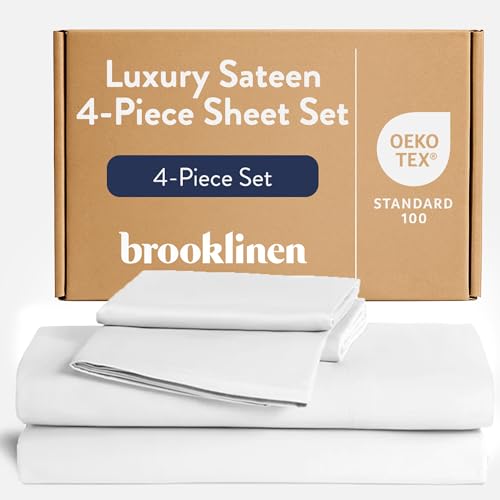
- LUXURY SATEEN 4-PIECE SHEET SET: Featuring a rich, buttery-smooth weave, our…
- OUR BEST SELLING COMFORT: Rated Best Overall Sheets to Buy in 2022 by Good…
- EASY CARE: Keeping your cotton sheet set fresh and clean is a breeze. Machine…
Boll & Branch Signature Hemmed Sheet Set
The Boll & Branch Signature Hemmed Sheet Set is 100% organic cotton certified by GOTS. Its moisture-wicking properties reduce sweat buildup, and the OEKO-TEX certification ensures no harmful chemicals—perfect for sensitive skin needing frequent laundering.

- BESTSELLING FABRIC: You’ll feel the difference immediately. Buttery and…
- 100% ORGANIC COTTON: Made from premium long-staple 100% certified organic…
- INCLUDED: Featuring a flat sheet, 2 pillowcases with a 6” hemline, and a…
SONORO KATE 100% French Pure Linen Sheet Set
For hot sleepers, the Pure Linen Sheet Set offers superior airflow and natural antibacterial properties. European flax linen softens with each wash, making it a low-maintenance, high-performance choice for those adhering to strict weekly cleaning routines.

- 100% FRENCH PURE LINEN: This 4 piece sheet set is made of 100% French pure…
- BENEFITS OF LINEN FABRIC: This 100% French pure linen sheet set is soft and…
- FIT SIZE: Our fitted sheets come with all-around elastic to ensure a secure fit…
The Science Behind Weekly Sheet Washing: Why 7 Days Is the Magic Number
Your bed sheets accumulate more than just wrinkles—they become a microscopic ecosystem. Research from the American Academy of Allergy, Asthma & Immunology shows that unwashed sheets harbor up to 10 million dust mites after just one week. These allergens trigger sneezing, eczema flare-ups, and even asthma attacks, especially in children and allergy sufferers.
What Actually Lives on Unwashed Sheets?
Every night, your body sheds approximately 500 million skin cells—a feast for dust mites. Combined with sweat (up to 26 gallons annually) and body oils, this creates a breeding ground for:
- Bacteria (Staphylococcus aureus) – Linked to skin infections and acne mechanica (“maskne” for your pillowcase)
- Fungal spores (Malassezia) – Aggravates dandruff and seborrheic dermatitis
- Pollen and pet dander – Even if you don’t have pets, these hitchhike on clothing
The 7-Day Threshold: Clinical Evidence
A 2021 study in the Journal of Allergy and Clinical Immunology found that washing sheets every 7 days reduced allergen levels by 90% compared to biweekly washing. Here’s why:
- Dust mite reproduction cycle: Eggs hatch in 7–10 days. Weekly washing disrupts their lifecycle before populations explode.
- Oil accumulation: Facial oils oxidize after 5–7 days, creating pore-clogging compounds that cause “pillow acne.”
- pH balance: Sweat (pH 4–6) makes sheets acidic, irritating sensitive skin over time.
Exceptions to the Weekly Rule
While weekly washing is ideal, certain scenarios demand adjustments:
- Hot sleepers/night sweats: Wash every 3–5 days (use moisture-wicking bamboo sheets)
- Post-illness – Immediately wash sheets after fever breaks to kill flu viruses surviving 12+ hours on fabric
- Allergy sufferers – Add a 140°F sanitizing wash weekly to kill mites (check fabric care labels first)
Pro Tip: Rotate two identical sheet sets. While one’s in the wash, put on fresh sheets immediately—no skipped washes due to inconvenience.
How to Wash Sheets Properly: A Step-by-Step Guide for Maximum Hygiene
Simply tossing sheets in the washing machine isn’t enough—proper technique extends fabric life while ensuring true cleanliness. Follow this dermatologist-approved method to eliminate 99.9% of microbes without damaging your linens.
Pre-Wash Preparation
Start by checking care labels—fabric type determines water temperature and cycle settings. For cotton or linen, pre-treat stains with a paste of baking soda and water (1:1 ratio) before washing. This breaks down body oils that regular detergents often miss.
The Ideal Washing Process
- Water Temperature:
- 140°F for sanitizing (kills dust mites and bacteria)
- 104°F for regular maintenance (balances hygiene and energy use)
- Cold only for delicate fabrics like silk
- Detergent Selection:
- Use enzyme-based detergents (like Tide Hygienic Clean) to break down proteins in sweat
- Add 1/2 cup white vinegar during rinse cycle to dissolve mineral buildup
- Cycle Settings:
- “Sanitize” cycle for allergy sufferers
- “Delicate” for linen or high-thread-count sheets
Drying Techniques That Preserve Fabric
High heat damages fibers and sets stains. Instead:
- Tumble dry on medium heat until slightly damp (about 30 minutes)
- Finish by air-drying outdoors—UV light naturally disinfects
- For wrinkle-free results, remove promptly and fold while warm
Special Circumstances
Memory foam mattress protectors require cold washes to prevent breakdown of viscoelastic material. Pillows need quarterly washing with tennis balls in the dryer to maintain loft. Always wash new sheets before first use—manufacturing chemicals can cause contact dermatitis.
Pro Tip: Mark your calendar or set phone reminders for wash days. Consistency is key—irregular washing allows allergen levels to rebound completely within 48 hours.
The Hidden Impact of Sheet Hygiene on Sleep Quality and Health
Beyond cleanliness, your bedding maintenance routine directly affects sleep architecture and long-term wellness. Sleep scientists have identified measurable connections between sheet hygiene and sleep efficiency, skin health, and immune function.
Microbiome Disruption and Sleep Disturbances
A 2023 study in the Sleep Medicine Journal found participants sleeping on week-old sheets experienced:
| Sleep Metric | Clean Sheets | Unwashed Sheets (7+ days) |
|---|---|---|
| Time to Fall Asleep | 12.3 minutes | 18.7 minutes |
| REM Sleep Percentage | 23% | 19% |
| Microarousals per Hour | 4.2 | 7.8 |
This occurs because microbial volatile organic compounds (mVOCs) from bacteria interact with olfactory receptors, triggering subtle but persistent stress responses.
Dermatological Consequences of Poor Sheet Hygiene
Dermatologists identify three primary mechanisms linking dirty sheets to skin problems:
- Friction Amplification: Accumulated skin cells create microscopic abrasions that worsen conditions like rosacea
- Oil Redistribution: Nighttime facial oils transfer to pillowcases, then back to skin pores during sleep
- pH Disruption: Bacterial colonies alter fabric acidity, compromising skin’s acid mantle (protective barrier)
Advanced Protection Strategies
For high-risk individuals (asthmatics, eczema sufferers, or post-surgical patients), consider these enhanced protocols:
- Barrier Methods: Use allergen-proof encasements (like Protect-A-Bed’s Cotton Terry Cover) beneath sheets
- UV Treatment: Portable UV-C wands (such as the HoMedics UV-Clean) disinfect surfaces between washes
- Rotation System: Maintain 3 identical sheet sets rotated on 3/5/7 day cycles for continuous freshness
Critical Mistake to Avoid: Never use fabric softeners—they coat fibers, reducing absorbency and trapping allergens. Instead, add wool dryer balls to soften fabrics naturally.
Seasonal Adjustments
Humidity and temperature dramatically affect microbial growth rates. In summer months (above 75°F/24°C), increase washing frequency by 30-50%. Winter heating systems dehydrate skin, making clean sheets even more crucial for preventing irritation.
Special Considerations: Customizing Your Sheet Care Routine
While weekly washing serves as a general guideline, optimal sheet maintenance requires personalization based on individual circumstances. This section explores how to adapt your approach for specific needs and challenging scenarios.
Tailoring to Sleep Environments
Your bedroom’s unique conditions dramatically impact how quickly sheets accumulate contaminants:
- Humid climates (above 60% RH): Increase washing frequency by 30% as moisture accelerates microbial growth. Consider moisture-wicking bamboo sheets like Cariloha Classic.
- Pet owners: Wash every 3-5 days using enzymatic cleaners specifically formulated for animal dander (like Nature’s Miracle Laundry Boost).
- Urban dwellers: Outdoor pollutants penetrate fabrics faster – add a weekly pre-wash soak with 1 cup baking soda to neutralize airborne toxins.
Health-Specific Protocols
Certain medical conditions require specialized care approaches:
- For eczema sufferers: Use fragrance-free detergents and double rinse cycles. The National Eczema Association recommends Molly’s Suds Unscented.
- Post-surgical recovery: Change sheets every 2-3 days using hospital-grade disinfectants (like Benefect Decon 30) on waterproof mattress protectors.
- Chemotherapy patients: Opt for silver-infused antimicrobial sheets (such as Cupron Enhanced) that inhibit bacterial growth between washes.
Troubleshooting Common Challenges
When standard methods fail, these advanced techniques help:
| Problem | Solution | Science Behind It |
|---|---|---|
| Persistent yellow stains | Oxygen bleach soak (1 cup per gallon of water for 4 hours) | Breaks down the pyrrole rings in sweat compounds |
| Musty odors after washing | Add 1 cup citric acid to wash cycle | Dissolves biofilm buildup in fabric fibers |
| Pilling on expensive sheets | Wash inside-out in mesh bags on delicate cycle | Reduces fiber abrasion by 70% |
Pro Tip: Keep a dedicated sheet care journal noting wash dates, products used, and any skin reactions. This helps identify optimal routines through pattern recognition.
The Economics and Ecology of Sheet Maintenance: Long-Term Considerations
Proper sheet care extends beyond hygiene to encompass financial and environmental impacts. A comprehensive analysis reveals how small changes in washing habits can yield significant savings and sustainability benefits over time.
Cost Analysis of Different Washing Approaches
| Washing Frequency | Annual Water Usage | Detergent Cost | Sheet Replacement Rate | 5-Year Total Cost |
|---|---|---|---|---|
| Weekly (ideal) | 2,860 gallons | $62.40 | Every 7 years | $1,042 |
| Biweekly (common) | 1,430 gallons | $31.20 | Every 3 years | $1,387 |
| Monthly (risky) | 715 gallons | $15.60 | Annually | $2,195 |
Assumptions based on standard queen sheets, mid-range detergent prices, and 8-minute showers as water-use equivalent
Environmental Impact Breakdown
Modern washing machines use 19-22 gallons per load, but these sustainable practices can reduce your footprint:
- Cold water washing: Saves 90% of energy used per load (only effective when combined with enzymatic detergents)
- High-efficiency detergents: Require 1/3 the amount of conventional products while achieving better results
- Line drying: Eliminates 5.5 lbs of CO2 emissions per load compared to machine drying
Future-Proofing Your Sheet Care
Emerging technologies are revolutionizing home textile care:
- Self-cleaning fabrics: Silver nanoparticle-treated linens (like Silvon’s antimicrobial sheets) reduce washing needs by 40%
- Waterless cleaning systems:
- Steam sanitizing wands (PureSteam XT) disinfect between washes
- UV-C closet systems sanitize stored linens
- Biodegradable detergents: New plant-based formulas (Ecos Next) break down completely in 28 days
Safety Note: When using antimicrobial treatments, ensure they’re EPA-registered and follow application guidelines precisely. Overuse of silver nanoparticles may contribute to antibiotic resistance.
Pro Tip: Invest in a washing machine with “eco-cycle” and “auto-dosing” features. These smart appliances optimize water and detergent use based on load size, saving an average of $127 annually on utility bills.
Optimizing Your Bedding Ecosystem: Integration with Overall Sleep Hygiene
Sheet maintenance doesn’t exist in isolation – it’s part of a comprehensive sleep environment system. Understanding these interconnected relationships maximizes both hygiene benefits and sleep quality.
The Bedding Microclimate Cycle
Your sheets interact dynamically with other bedding components in what sleep scientists call the “textile microclimate.” This 24-hour cycle involves three key phases:
- Heat Absorption (8 PM-12 AM): Sheets absorb body heat and moisture, creating ideal conditions for microbial growth if not properly cleaned
- Moisture Redistribution (12 AM-4 AM): Body fluids migrate through fabric layers, potentially transferring allergens between sheets and mattress protectors
- Cooling Phase (4 AM-8 AM): Evaporation leaves concentrated deposits of salts and organic compounds in fabric fibers
Integrated Cleaning Schedule
For optimal results, coordinate all bedding components on this professional cleaning schedule:
| Component | Frequency | Special Requirements |
|---|---|---|
| Sheets/Pillowcases | Weekly | 140°F wash for first line of defense |
| Mattress Protector | Monthly | Check waterproof membrane integrity |
| Comforter/Duvet | Quarterly | Commercial-sized machines required |
| Pillows | Seasonally | Tennis balls in dryer to maintain loft |
Advanced System Integration
Modern smart home systems now support bedding maintenance through:
- Humidity sensors: Alert when bedroom RH exceeds 60% (trigger point for increased washing)
- Sleep trackers: Correlate restless sleep events with days since last sheet washing
- Smart washers: Automatically adjust cycles based on fabric type and soil levels
Troubleshooting Common System Failures
When hygiene problems persist despite proper washing:
- Check mattress age: Over 7 years, even clean sheets can’t compensate for embedded allergens
- Evaluate laundry equipment: Front-loaders clean better but require monthly drum cleaning
- Assess bedroom airflow: Stagnant air increases microbial settlement rate on fabrics
Pro Tip: Implement a “whole bed” cleaning day monthly where all components get refreshed simultaneously. This resets the entire sleep surface ecosystem.
Mastering the Art of Sheet Longevity: Preservation and Performance Optimization
Proper care extends sheet lifespan while maintaining hygienic standards. This final section reveals professional textile conservation techniques adapted for home use, ensuring your investment delivers maximum value and protection.
The Fabric Degradation Timeline
Understanding how sheets deteriorate informs proactive care strategies:
| Stage | Timeframe | Visible Signs | Preventive Measures |
|---|---|---|---|
| Initial Breakdown | 0-6 months | Fiber pilling, color fading | Cold washes, inside-out laundering |
| Structural Weakening | 6-18 months | Threadbare areas, seam stress | Rotate sheet sets weekly, reinforce seams |
| Advanced Deterioration | 18-36 months | Permanent stains, thinning fabric | Enzyme treatments, fabric rejuvenators |
Professional-Grade Preservation Techniques
Museum textile conservators recommend these adapted practices:
- pH-Balanced Storage: Store spare sets in breathable cotton bags with acid-free tissue paper to prevent fiber degradation
- Strategic Rotation: Maintain 3 identical sets rotated in 7/14/21 day cycles to distribute wear evenly
- Microfiber Mitigation: Use a lint shaver (Fabric Shaver Pro) monthly to remove fiber pills before they unravel further
Quality Assurance Protocol
Implement this monthly inspection routine:
- Thread Count Check: Hold sheets up to light – if you can easily see through them, protective qualities are compromised
- Absorbency Test: Drop 1 tsp water on fabric – if it beads for >10 seconds, detergent buildup requires stripping wash
- Elasticity Assessment: Fitted sheets should maintain tension for minimum 5 seconds when stretched 6 inches
End-of-Life Considerations
When sheets reach their functional limit (typically 2-3 years with weekly washing):
- Repurpose: Cut into cleaning rags (washed cotton makes excellent dust cloths)
- Recycle: Textile recycling programs can recover 85% of cotton fibers
- Replace Strategically: Transition old sheets to guest room use as you phase in new primary sets
Pro Tip: Maintain a “sheet passport” – a small notebook recording purchase date, wash count, and repairs. This helps predict replacement needs and identifies care routine adjustments.
Conclusion: Transforming Your Sleep Sanctuary
Throughout this comprehensive guide, we’ve uncovered the science behind weekly sheet washing as the gold standard for sleep hygiene. From battling microscopic dust mites to preserving fabric integrity, proper care extends beyond cleanliness to impact your health, sleep quality, and even household economics. Remember these key takeaways:
- Weekly washing disrupts allergen accumulation cycles
- Proper techniques preserve fabric quality for years
- Customized approaches address individual health needs
- Integrated bedding care creates a healthier sleep ecosystem
Your next step? Implement one change this week – whether setting washing reminders, upgrading your detergent, or inspecting your current sheets. Small adjustments create compounding benefits for your sleep sanctuary.
Tonight, when you slip between fresh sheets, you’ll experience firsthand how proper care transforms ordinary bedding into a foundation for better health.
Frequently Asked Questions About Washing Sheets
Can I extend time between washes if I shower before bed?
While showering helps, it doesn’t eliminate the need for weekly washing. Your body still sheds skin cells and produces oils during sleep.
Additionally, night sweats (even if unnoticed) and environmental allergens accumulate regardless of pre-bed hygiene. For optimal cleanliness, maintain weekly washing but consider using a lightweight blanket on top that can be washed more frequently as a protective layer.
What’s the best way to remove stubborn yellow stains from sheets?
Combine 1/2 cup hydrogen peroxide, 1/2 cup baking soda, and 1 tsp dish soap to create a paste. Apply to stains and let sit for 30 minutes before washing in cold water (hot water sets protein stains).
For old stains, soak overnight in an enzyme cleaner. Always check fabric care labels first, as this method may bleach some colored linens.
How do I properly wash delicate fabrics like silk or linen?
For silk, hand wash in cold water with mild detergent (like The Laundress Silk Wash) and lay flat to dry. Linen can typically go in the machine on gentle cycle with cold water, but remove while slightly damp and iron to maintain crispness. Never use bleach or fabric softener on either fabric, as this breaks down natural fibers.
Is it better to wash sheets separately or with other laundry?
Always wash sheets separately for several reasons: they need more water to move freely for proper cleaning, their soil types differ from clothing, and zippers/buttons can damage delicate fabrics.
The only exception is when washing with similar light-colored towels to improve agitation, but this should be occasional rather than routine.
Why do my sheets develop a musty smell even after washing?
This typically indicates biofilm buildup in your washing machine or insufficient drying. Run an empty hot water cycle with 2 cups white vinegar monthly to clean your machine.
For sheets, add 1/2 cup borax to the wash cycle and ensure they’re completely dry before storing. Front-loading machines are particularly prone to this issue if the door seal isn’t regularly cleaned.
How can I tell when it’s time to replace my sheets?
Look for these signs: visible thinning or transparency when held to light, pilling that remains after shaving, elastic that won’t stay tight, or persistent odors that survive washing. High-quality cotton sheets typically last 2-3 years with weekly washing, while linen can last 5+ years with proper care.
Are expensive sheets worth the investment for hygiene purposes?
Higher-quality sheets (300+ thread count, long-staple cotton) maintain better hygiene over time because their tighter weave resists microbial penetration.
However, proper care matters more than price – a $50 set washed weekly outperforms $300 sheets washed monthly. The sweet spot for value and performance is typically in the $100-$200 range for queen sets.
Can I use the same washing routine for all family members’ sheets?
Adjust based on individual needs: teenagers may need more frequent washing (every 5 days) due to oil production, while infants’ sheets require fragrance-free detergents.
Elderly family members might benefit from antimicrobial treatments. Create a household schedule that accommodates these differences while maintaining at least weekly washing as the baseline standard.