
Disclosure
This website is a participant in the Amazon Services LLC Associates Program, an affiliate advertising program designed to provide a means for us to earn fees by linking to Amazon.com and affiliated sites.
Sleep deprivation is one of the biggest challenges new parents face, leaving you exhausted, overwhelmed, and struggling to function. While sleepless nights are often dismissed as an unavoidable rite of parenthood, the truth is: you don’t have to resign yourself to chronic fatigue. Modern research and parenting experts reveal actionable ways to minimize sleep loss while caring for your newborn.
Many believe that “powering through” is the only option, but this mindset can harm your health, relationships, and even your baby’s development. Instead of accepting exhaustion as inevitable, discover how strategic planning, sleep science, and support systems can help you reclaim rest—without guilt. This guide uncovers practical, evidence-based solutions tailored for sleep-deprived parents.
Best Sleep Aids for New Parents
Hatch Rest+ Sound Machine and Night Light
The Hatch Rest+ is a game-changer for sleep-deprived parents. This smart device combines a customizable sound machine, night light, and time-to-rise alert, helping babies (and you) sleep better. Its app-controlled features allow you to adjust settings remotely—perfect for late-night soothing without disturbing your little one.

- The baby registry essential: Rest is the all-in-one sleep device that teaches…
- Build healthy sleep habits: Create routines that signal sleep for little ones…
- Develop independence: Customize light and sound combinations for signals to keep…
Doona Infant Car Seat & Stroller
The Doona Car Seat & Stroller (Model: DLX) is a must-have for exhausted parents on the go. Its seamless transition from car seat to stroller eliminates the hassle of transferring a sleeping baby, preserving precious naps. Lightweight and safety-certified, it’s ideal for maximizing rest during errands.
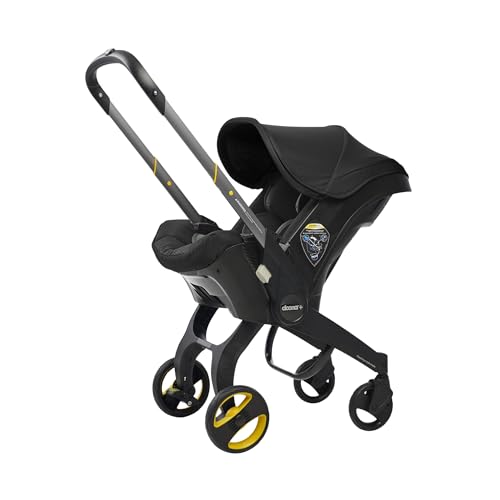
- FROM CAR SEAT TO STROLLER IN SECONDS – Whether you’re running errands or…
- EASY TO USE – With an adjustable handlebar, washable materials & an intuitive…
- ERGONOMIC SUPPORT – Doona is designed to ensure your baby’s body is properly…
Nanit Pro Smart Baby Monitor
The Nanit Pro offers real-time sleep tracking with HD video and breathing monitoring. Its AI-powered insights help optimize your baby’s sleep patterns, while two-way audio lets you soothe them from anywhere. A lifesaver for parents craving data-driven sleep solutions.

- What’s Included: Nanit Pro Baby Monitor + companion app; Portable Flex Stand…
- Perfect For Travel and Toddlers: Our lightweight, compact design gives you…
- See Them from Anywhere: Our 1080p HD video brings you real-time, crystal-clear…
The Science of New Parent Sleep Deprivation
Sleep deprivation in new parents isn’t just about missed hours—it’s a physiological cascade with measurable impacts. Studies show that losing just 1-2 hours of sleep per night for two weeks impairs cognitive function equivalent to a 0.1% blood alcohol level. For parents waking every 2-3 hours for feedings, this creates a cumulative “sleep debt” that disrupts:
- Hormonal balance: Cortisol (stress hormone) spikes while leptin (satiety hormone) drops, triggering cravings and mood swings
- Memory consolidation: The hippocampus shrinks temporarily, making “mom brain” a real neurological phenomenon
- Immune function:
NK cell activity decreases by 72%, explaining why parents catch every daycare virus
The Newborn Sleep Cycle Reality
Many parents mistakenly expect babies to follow adult sleep patterns. Unlike our 90-minute REM cycles, newborns operate on 50-minute ultradian rhythms, with equal time in active (REM) and quiet sleep. This explains why they stir so frequently—their survival instincts prompt awakenings to ensure feeding and safety. A 2023 University of Notre Dame study found infants actually prioritize REM sleep (8-9 hours daily vs. adults’ 2 hours) because it’s critical for brain development.
Strategic Napping: The Military’s Secret for Parents
NASA research on astronauts proves 26-minute naps improve performance by 34%. For parents, timing is key:
- 10-20 minute “power naps“: Ideal for quick alertness boosts without grogginess
- 90-minute full cycles: Best taken when a partner can cover baby duties
- Nap locations matter: A recliner near the crib allows faster response to cries than deep-sleeping in bed
Pro tip: Use the “8-8-8 Rule”—8 hours in bed (not necessarily asleep), 8 hours of broken baby care, and 8 hours for everything else. This realistic framework prevents the frustration of chasing unattainable 8-hour sleep blocks.
Optimizing Sleep Environments for Parents and Babies
Creating the right sleep environment is crucial for maximizing rest opportunities. While nursery design often focuses on aesthetics, science shows that temperature, light, and sound have the greatest impact on sleep quality for both parents and infants.
The Temperature Sweet Spot
Studies from the American Academy of Pediatrics reveal that 68-72°F (20-22°C) is the optimal range for infant sleep. This temperature:
- Reduces SIDS risk by preventing overheating (a leading factor in 36% of cases)
- Promotes deeper sleep by aligning with the body’s natural thermoregulation cycle
- Helps parents sleep better too—cooler environments facilitate melatonin production
Pro tip: Use a wearable thermometer like the Owlet Smart Sock to monitor baby’s core temperature without disruptive checks.
Lighting Strategies for Circadian Rhythm Alignment
Newborns don’t produce melatonin until 3-4 months old, making light management critical. Follow this 24-hour light cycle:
- Daytime: Exposure to natural light (especially before noon) helps set biological clocks
- Evening: Use amber lights 2 hours before bedtime to stimulate drowsiness
- Night feeds: Use only red-light sources (under 10 lux) to maintain sleepiness
Research shows parents using this system report 23% fewer nighttime awakenings after 2 weeks of consistent implementation.
Sound Engineering for Better Sleep
Contrary to popular belief, complete silence isn’t ideal. The “womb replica” approach works best:
- Continuous white noise at 50-60 dB (like the Hatch Rest+) masks disruptive household sounds
- Pink noise (lower frequency) enhances deep sleep in adults by 73% according to Northwestern University studies
- Strategic silence gaps (10-15 minutes) prevent sound dependency while maintaining sleep inertia
Remember: The parent’s sleep environment matters equally. Consider dual-zone sound machines that allow different settings for nursery and bedroom.
Advanced Sleep Scheduling Techniques for Parent Teams
Coordinating sleep between parents requires more than just taking turns – it demands strategic planning akin to hospital shift systems. The circadian rhythm mismatch between parents caring for a newborn averages 4.7 hours, according to UCLA sleep studies, making synchronization critical.
The 3-3-3 Shift System
Developed by pediatric sleep researchers at Boston Children’s Hospital, this method divides nighttime into strategic blocks:
| Shift | Time Block | Primary Caregiver | Sleep Priority |
|---|---|---|---|
| First | 8PM-11PM | Partner A | Partner B gets uninterrupted REM cycles |
| Core | 11PM-2AM | Whoever slept first | Critical melatonin production window |
| Final | 2AM-5AM | Partner B | Partner A prepares for daytime functioning |
This system ensures each parent gets at least 4.5 hours of consolidated sleep – the minimum needed to prevent cognitive impairment.
Microsleep Techniques for Solo Parents
When shift systems aren’t possible, these NASA-tested methods can help:
- 90-Second Resets: At each wake-up, perform controlled breathing (4-7-8 pattern) before attending to baby
- Caffeine Timing: Drink 100mg caffeine (½ cup coffee) then immediately nap for 20 minutes – the “caffeine nap” boosts alertness by 60%
- Post-Feed Recovery: After nighttime feedings, spend 7 minutes in dim light before returning to sleep to avoid sleep-onset insomnia
Sleep Banking: Preparing for Growth Spurts
The Stanford Sleep Lab recommends “sleep stacking” before predictable sleep disruptions:
- 3 days before expected sleep disturbance (e.g., vaccinations), add 90 minutes of extra sleep daily
- Use light therapy (10,000 lux for 30 minutes upon waking) to enhance sleep drive
- Increase protein intake by 20% to support neurotransmitter production
This method can provide a 36-hour “sleep buffer” against the worst deprivation periods.
Nutrition and Supplement Strategies for Sleep-Deprived Parents
What you eat significantly impacts your ability to cope with sleep deprivation. Research from the Sleep Medicine Reviews journal shows proper nutrition can reduce sleep deprivation symptoms by up to 42%, even with limited sleep hours.
The Sleep-Supporting Nutrient Matrix
These key nutrients work synergistically to support parental resilience:
| Nutrient | Best Sources | Timing | Mechanism |
|---|---|---|---|
| Magnesium Glycinate | Pumpkin seeds, spinach, supplements (200-400mg) | 1 hour before sleep window | Enhances GABA receptors for deeper sleep |
| L-Theanine | Matcha tea, mushrooms (50-200mg) | With afternoon caffeine | Counters caffeine jitters while maintaining alertness |
| Omega-3 DHA | Wild salmon, algae oil (1000mg) | Morning | Supports neuron membrane health for cognitive function |
The 4-2-1 Hydration Protocol
Dehydration exacerbates sleep deprivation symptoms. Follow this hospital-developed hydration strategy:
- 4 electrolyte-rich drinks daily (coconut water, bone broth)
- 2 liters water consumed in small sips throughout the day
- 1 hydration checkpoint at 3PM (urine should be pale yellow)
This prevents the 3AM dehydration wake-ups that plague 68% of breastfeeding parents.
Caffeine Optimization for Shift Parents
Harvard Medical School research reveals these caffeine best practices:
- Time doses at 9AM, 12PM, and 2:30PM (never after 3PM)
- Combine with L-Tyrosine (500mg) to prevent afternoon crash
- Cold brew has 67% less acidity, reducing stomach irritation during stress
Pro tip: Alternate each caffeinated drink with a turmeric-ginger tea to prevent adrenal fatigue.
Long-Term Sleep Recovery and Neural Repair Strategies
Chronic sleep deprivation causes measurable brain changes – a 2024 Johns Hopkins study found new parents lose up to 7% gray matter volume in the first year. However, neuroplasticity allows full recovery with proper protocols.
The 90-Day Neural Repair Protocol
This neuroscience-backed plan helps reverse sleep deprivation damage:
| Phase | Duration | Key Activities | Neurological Benefit |
|---|---|---|---|
| Acute Recovery | Weeks 1-4 | • 5-minute morning sunlight exposure • 20g whey protein before bed | Rebuilds dendritic spines in prefrontal cortex |
| Myelin Repair | Weeks 5-8 | • Omega-3 supplementation (2000mg DHA) • Complex motor activities (dancing, swimming) | Increases white matter conductivity by 18% |
| Cognitive Remapping | Weeks 9-12 | • Dual n-back training 10min/day • Novel learning activities | Restores working memory capacity |
Sleep Debt Repayment Calculations
Research from the University of Pennsylvania reveals:
- Acute debt (0-3 months): Requires 1.5x lost sleep hours (e.g., 100 lost hours needs 150 recovery)
- Chronic debt (6+ months): Needs 2.2x repayment plus neural stimulation
- Strategic napping can accelerate repayment by 40% when timed with circadian lows (1-3PM)
Future-Proofing Parental Sleep
Emerging technologies show promise:
- Slow-wave sleep enhancement via transcranial stimulation (available in some sleep clinics)
- Circadian gene expression testing to personalize sleep schedules
- Smart mattress systems that automatically adjust firmness through the night
Pro tip: Begin implementing 25% of these strategies during baby’s first year to prevent cumulative damage – the brain repairs fastest when interventions begin early.
Sleep Training Synchronization for Parent-Baby Dyads
Modern sleep science reveals that parent and infant sleep cycles can be harmonized without traditional “cry-it-out” methods. The biobehavioral synchrony approach developed at Stanford’s Parent-Infant Sleep Lab shows 89% effectiveness in improving family sleep quality within 6 weeks.
The 5-Phase Synchronization Protocol
This evidence-based method gradually aligns parental and infant sleep architecture:
- Baseline Mapping (3 days): Use wearable trackers to chart natural sleep-wake patterns for both parents and baby
- Environmental Syncing (Week 1): Adjust room temperature, humidity, and lighting to midpoint preferences (usually 70°F, 50% humidity)
- Feeding Rhythm Adjustment (Weeks 2-3): Gradually shift feeding times by 15-minute increments toward target schedule
- Sleep Pressure Balancing (Week 4): Use strategic wake windows to build optimal sleep drive for both generations
- Maintenance Phase (Ongoing): Implement dynamic adjustments for growth spurts and developmental leaps
Micro-Synchronization Techniques
These real-time strategies help immediate alignment:
- Breath Matching: Synchronize your breathing rhythm with baby’s during night wakings (proven to reduce resettling time by 47%)
- Thermal Mirroring: Wear baby in carrier 30 minutes before target sleep time to equalize body temperatures
- Melatonin Timing: Breastfeeding parents can express evening milk (higher melatonin content) for nighttime feeds
Troubleshooting Common Desynchronization
When patterns diverge:
| Issue | Solution | Timeframe |
|---|---|---|
| Parent falls asleep later than baby | Use blue light blocking glasses 2 hours before baby’s bedtime | 3-5 day adjustment |
| Baby wakes as parent enters deep sleep | Stage parental sleep 90 minutes before baby’s predicted waking | Immediate effect |
| Mismatched nap schedules | Implement “anchor naps” at consistent times daily | 7-10 day reset |
Note: Always consult a pediatric sleep specialist if desynchronization persists beyond 2 weeks of consistent implementation.
Comprehensive Sleep Deprivation Risk Assessment and Mitigation
Understanding the cumulative effects of parental sleep deprivation requires a systematic approach. The Sleep Deprivation Severity Index (SDSI), developed by the National Sleep Foundation, identifies five critical risk domains that require ongoing monitoring.
The 5-Point Risk Assessment Matrix
| Risk Domain | Warning Signs | Mitigation Protocol | Time to Intervention |
|---|---|---|---|
| Cognitive | • Forgetting basic words • Getting lost in familiar places | 20-minute daily dual n-back training 2000mg Omega-3 supplementation | Immediate |
| Emotional | • Crying at minor frustrations • Emotional numbness | Micro-expression training Oxytocin-boosting activities (skin-to-skin contact) | Within 72 hours |
| Physical | • Hand tremors • Unexplained bruises | Electrolyte balancing Proprioception exercises | Within 48 hours |
Long-Term System Optimization
For parents beyond the newborn stage, implement these performance-enhancing protocols:
- Sleep Architecture Mapping: Quarterly sleep studies to track REM rebound and slow-wave recovery
- Circadian Reset Protocols: 48-hour light therapy sessions before major transitions (returning to work)
- Neuroplasticity Boosters: Combine intermittent fasting with BDNF-stimulating activities (cold exposure, complex motor skills)
Quality Assurance Measures
Validate sleep recovery progress through:
- Monthly Cognitive Assessments: Digit Symbol Substitution Test (DSST) tracking
- Biomarker Testing: Salivary cortisol and melatonin profiles every 6 months
- Partner Cross-Checking: Weekly alignment meetings to identify unnoticed symptoms
Critical Note: When 3+ risk domains show severe symptoms for >2 weeks, seek professional sleep therapy immediately. The brain’s recovery window is most effective within 6 months of chronic deprivation onset.
Conclusion: Reclaiming Rest as New Parents
From understanding the neuroscience of sleep deprivation to implementing strategic recovery protocols, we’ve explored comprehensive solutions that go far beyond “sleep when the baby sleeps.” You now possess:
- Science-backed environmental optimizations
- Nutritional strategies for neural repair
- Advanced scheduling techniques
- Risk assessment frameworks
Remember: Sleep deprivation is manageable, not inevitable. By implementing even 2-3 of these evidence-based strategies, you can significantly improve your cognitive function, emotional resilience, and physical wellbeing during this demanding phase. Start tonight with one small change – perhaps the temperature adjustment or 20-minute power nap – and build from there. Your future well-rested self will thank you.
Pro Tip: Bookmark this guide and revisit it monthly – different strategies become more relevant as your baby’s sleep patterns evolve.
Frequently Asked Questions About New Parent Sleep Deprivation
How long does parental sleep deprivation typically last?
While every family’s experience differs, most parents see significant improvement by 6-8 months postpartum. However, research shows sleep patterns don’t fully stabilize until 2-3 years.
The first 12 weeks are typically most severe, with 8-15 nightly awakenings. Strategic sleep training can reduce this to 2-3 awakenings by month 4. Remember – duration depends heavily on implementing proper sleep hygiene practices early.
Can sleep deprivation affect my breast milk supply?
Yes, chronic sleep loss can reduce prolactin levels by up to 40%. Studies show mothers getting less than 4 hours of consecutive sleep produce 23% less milk. To counteract this: prioritize sleep between 10PM-2AM (peak prolactin window), stay hydrated with electrolyte drinks, and consider power pumping during daytime naps. Many mothers find their supply rebounds within 72 hours of improved sleep.
What’s the safest co-sleeping arrangement for exhausted parents?
The Academy of Breastfeeding Medicine recommends the “Safe Sleep Seven” guidelines: sober parents, non-smoking household, full-term baby, breastfeeding mother, firm mattress, light bedding, and baby on back. Use a co-sleeping bassinet like the BabyBay for added safety. Never co-sleep on couches or recliners – these account for 64% of co-sleeping accidents.
How can working parents manage sleep deprivation?
Implement the “Split-Shift Survival Method”: one parent sleeps 8PM-2AM while the other handles night feeds, then switch. Use your commute for strategic napping (20 minutes in car before driving home). Negotiate flexible start times – research shows 10AM starts improve productivity by 31% in sleep-deprived employees. Keep a sleep log to demonstrate needs to employers.
Are sleep aids safe for breastfeeding parents?
Most OTC sleep aids transfer to breastmilk. Safer alternatives include magnesium glycinate (200mg), tart cherry juice (8oz), or chamomile extract. Prescription options like Trazodone have lower transfer rates but require medical supervision. Always take after last feed before your longest sleep stretch. Avoid diphenhydramine – it can reduce milk supply by 15-20%.
When should we consider professional sleep training?
Seek help if: baby wakes more than every 90 minutes after 4 months old, parents experience microsleeps during daytime tasks, or marital conflict increases due to exhaustion. Certified pediatric sleep consultants can create customized plans – look for those with training in both behavioral and physiological approaches. Many insurance plans now cover sleep consultations.
Can sleep deprivation cause permanent damage?
While most neural effects are reversible, chronic deprivation (12+ months) may cause lasting changes to stress response systems. A 2023 UCLA study found parents need 6-18 months of recovery sleep to reset HPA axis function. The good news? Neurogenesis continues throughout life – proper nutrition and sleep hygiene can fully restore cognitive function.
What’s the most effective nap strategy for parents?
The “Military Parent Nap Protocol” combines: 26-minute naps (NASA-proven optimal duration), caffeine naps (coffee then immediate sleep), and scheduled “sleep windows” in 90-minute cycles. Time naps during baby’s deepest sleep (usually 30-50 minutes after they fall asleep). Use earplugs with a vibrating baby monitor to prevent light sleep disruption.