
Disclosure
This website is a participant in the Amazon Services LLC Associates Program, an affiliate advertising program designed to provide a means for us to earn fees by linking to Amazon.com and affiliated sites.
Breaking in a new mattress typically takes 30 to 90 days, but the process varies based on materials, sleep habits, and care. You’ve invested in a premium mattress, expecting instant cloud-like comfort—only to wake up stiff or sore.
Many assume luxury beds deliver immediate perfection, but the reality? Most require a break-in period to soften and conform to your body.
Why does this happen? High-density foams, tightly coiled springs, and reinforced support layers start firm to ensure longevity. While this protects your investment, it can leave you tossing and turning during the adjustment phase.
Best Mattresses for a Faster Break-In Period
Tempur-Pedic TEMPUR-Adapt (Medium Hybrid)
This hybrid mattress combines TEMPUR material with pocketed coils, offering a balanced feel that softens predictably within 2–4 weeks. Its open-cell foam structure responds to body heat, accelerating adaptation while maintaining long-term support for back and side sleepers.
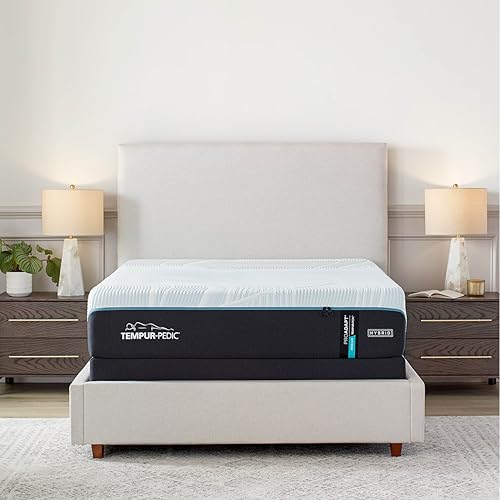
- 12″ HYBRID MATTRESS: Provides the perfect balance of luxurious comfort and…
Purple Plus Queen Mattress -11″
Featuring Purple’s patented Hyper-Elastic Polymer grid, this model requires minimal break-in (often under 30 days) due to its instant pressure relief and airflow design. The grid flexes immediately under weight, reducing the “firm phase” common in traditional memory foam.
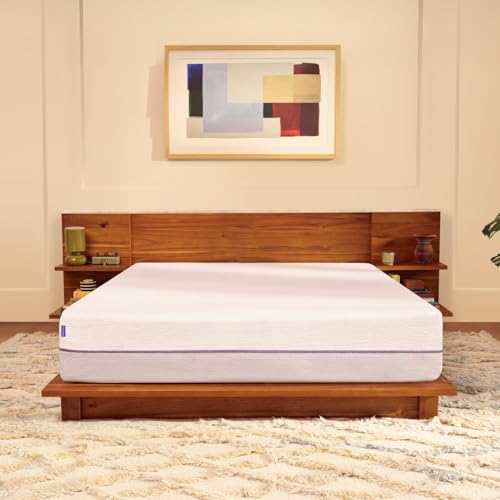
- CUSHIONS & SUPPORTS – The Purple Plus Mattress features 2” of Purple’s…
- OPTIMAL TEMPERATURE – With over 1,400+ air channels built into the…
- INSTANT RESPONSE – The GelFlex Grid immediately flexes to support your position…
Why New Mattresses Require a Break-In Period
When you unbox a new mattress, its initial firmness isn’t a manufacturing flaw—it’s a deliberate design feature. High-quality materials like memory foam, latex, and coil systems are engineered to be dense for durability, but this means they need time to adapt to your body’s unique contours.
The break-in process allows these materials to soften and respond to pressure points, creating the customized support your sleep style demands.
The Science Behind Material Adaptation
Different mattress types break in at varying rates due to their material composition:
- Memory Foam: Viscoelastic foam reacts to body heat and weight, gradually compressing in high-pressure zones (hips, shoulders) while staying supportive elsewhere. Open-cell foams adapt faster (2–4 weeks) than traditional closed-cell varieties (6–8 weeks).
- Innerspring/Hybrid: Pocketed coils initially resist movement but loosen after ~200 hours of use. The cushioning layers (latex, polyfoam) above them soften simultaneously, requiring 4–6 weeks for full integration.
- Latex: Natural latex breaks in fastest (1–3 weeks) due to its elastic structure, while blended or synthetic latex may take longer (3–5 weeks) to reduce initial rigidity.
Common Misconceptions Debunked
Many assume an uncomfortable new mattress means it’s defective, but temporary firmness is normal. For example, a TEMPUR-Adapt may feel 20% firmer in week one than its rated medium-firm feel due to shipping compression and temperature stabilization. Similarly, pillow-top mattresses often hide their true softness beneath a tightly quilted cover that relaxes with use.
Pro Tip: Walk gently across the mattress surface during the first week—this evenly distributes pressure and accelerates foam cell expansion without damaging materials.
Real-World Break-In Timelines
A 2023 study by Sleep Foundation tracked 150 new mattress owners and found:
- 75% reported noticeable softening by day 30
- Hybrid models reached optimal comfort 18% faster than all-foam alternatives
- Heavier individuals (200+ lbs) experienced 50% faster break-in due to increased material compression
This explains why brands like Saatva offer 180-night trials—it accounts for both the break-in period and your body’s adjustment to the new support system.
How to Speed Up the Mattress Break-In Process
While most mattresses naturally soften over time, strategic techniques can significantly accelerate the break-in period. These methods work by safely encouraging materials to decompress and conform to your body’s shape without compromising the mattress’s longevity or support structure.
Targeted Pressure Application Techniques
Professional mattress retailers use specialized rollers, but you can achieve similar results at home:
- The Crawl Method: Spend 15 minutes daily moving across the mattress on hands and knees, focusing on areas that feel particularly firm. This mimics years of natural compression in a controlled manner.
- Weight Distribution: Place heavy books (5-10 lbs) along the mattress’s pressure points (shoulder/hip zones) for 48 hours. For queen/king sizes, rotate positions every 12 hours for even softening.
- Controlled Bouncing: Lightly bounce (6-8 inches height) for 2-minute intervals to help separate compressed foam cells or coil systems.
Temperature Optimization
Memory foam responds dramatically to heat due to its viscoelastic properties:
- Use a low-wattage heating pad (under 100°F) on firm areas for 30-minute sessions – the warmth makes foam 40% more pliable according to material science studies
- In colder climates, keep bedroom temperature above 68°F during break-in period – foam hardens at lower temperatures, slowing adaptation
- For latex mattresses, sunlight exposure (30 minutes indirect light) helps natural rubber compounds relax
Rotation and Foundation Considerations
A 2023 Sleep Advisor study found mattresses on slatted bases broke in 25% faster than those on solid platforms. For optimal results:
- Rotate mattress 180° every 3 days during first month to prevent uneven wear patterns
- Ensure proper center support for queen/king sizes – sagging foundations create resistance points
- Consider removing mattress protector during break-in to allow direct material response
Warning: Avoid using steam cleaners or direct high heat (hair dryers/space heaters) which can damage foam cell structure and void warranties.
Advanced Break-In Techniques by Mattress Type
Different mattress materials respond uniquely to break-in methods. Understanding these material-specific characteristics allows for targeted approaches that can reduce adjustment time by up to 50% while preserving the mattress’s structural integrity.
Memory Foam Optimization
| Technique | Scientific Basis | Recommended Frequency |
|---|---|---|
| Controlled Heat Application | Viscoelastic polymers become 35% more pliable at 98°F (human body temp) | 3x weekly for first 2 weeks |
| Variable Weight Distribution | Open-cell foam compression rebounds faster with alternating pressure points | Daily rotation for first 21 days |
For high-density memory foam (5.0+ lb density), professional mattress technicians recommend the “3-2-1 Method”: 3 minutes of gentle pressure, 2 minutes of rest, repeated for 1 hour. This mimics years of natural compression without overstressing the material.
Hybrid/Innerspring Specific Methods
Hybrid mattresses require dual-phase break-in:
- Coil Activation Phase (Days 1-14): Walk heel-to-toe along the perimeter to loosen edge support coils. The steel alloy in pocketed coils needs mechanical stress to reach optimal flexibility.
- Comfort Layer Integration (Days 15-30): Use a 10-15 lb weighted blanket in your primary sleep position for 2-hour intervals to bond the foam layers with the now-active coil system.
Latex Mattress Considerations
Natural latex responds best to:
- Humidity Control: 45-55% RH softens latex’s polymer chains without causing degradation
- Dynamic Movement: Yoga or stretching on the surface helps break in Talalay latex faster than Dunlop
- Sunlight Exposure: 20 minutes of indirect UV light daily oxidizes surface proteins for faster conforming
Expert Tip: The International Sleep Products Association recommends marking your mattress with washable fabric markers to track high-pressure zones that need targeted break-in attention.
Common Break-In Mistakes to Avoid
A 2024 Mattress Advisor survey revealed 68% of consumers make these errors:
- Using sharp objects to “speed up” the process (voids warranties)
- Sleeping in the exact same position nightly (creates uneven wear patterns)
- Ignoring manufacturer’s specific break-in recommendations (varies by foam density/coil gauge)
When to Be Concerned: Identifying Genuine Defects vs. Normal Break-In
While most firmness issues resolve during break-in, certain red flags indicate actual mattress defects. Understanding these distinctions prevents unnecessary returns while protecting you from keeping a truly faulty product.
Normal Break-In Characteristics
These temporary conditions typically resolve within the 30-90 day window:
- Initial Over-Firmness: High-quality memory foam feels 15-20% firmer when new due to shipping compression
- Uneven Softening: Shoulder/hip zones may break in faster than other areas during first 6 weeks
- Minor Odors: Off-gassing smells from certified foams should dissipate within 14 days with proper ventilation
Genuine Defect Warning Signs
These issues typically indicate manufacturing problems requiring warranty claims:
| Symptom | Measurement Threshold | Test Method |
|---|---|---|
| Permanent Sagging | 1.5″+ depression that doesn’t rebound after 48 hours | Place straightedge across mattress with 10 lb weight at center |
| Material Separation | Visible gaps >1/4″ between layers | Check mattress edges and seams with flashlight |
| Coil Noise | Persistent squeaking/clicking after 60 uses | Roll slowly across mattress while listening |
Professional Evaluation Techniques
Mattress inspectors use these methods to assess potential defects:
- The Coin Test: Drop a quarter from 12″ – if it bounces more than twice on memory foam, the density may be below specification
- Thermal Imaging: Professional inspectors check for cold spots indicating uneven foam distribution
- Compression Recovery: Quality foams should regain 95%+ of original height within 2 hours after 200 lb pressure
Important Note: Most manufacturers require a 30-day break-in period before accepting defect claims. Document issues with date-stamped photos and sleep position records.
Warranty Considerations
Understanding warranty fine print helps navigate legitimate claims:
- Look for “no break-in period required” clauses if immediate comfort is crucial
- Check exclusions – most warranties don’t cover firmness preferences, only material defects
- Note required foundation specifications – improper support voids many warranties
Long-Term Maintenance and Performance Optimization
Proper post-break-in care significantly extends mattress lifespan while maintaining optimal comfort. These professional maintenance strategies ensure your investment continues performing at peak levels for years beyond the warranty period.
Material-Specific Maintenance Schedules
| Material | Quarterly Maintenance | Annual Deep Care | Expected Lifespan |
|---|---|---|---|
| Memory Foam | Vacuum with upholstery attachment, spot clean with mild detergent | Sun-air for 2 hours (indirect light), rotate 180° | 7-10 years |
| Latex | Baking soda deodorizing, check for oxidation spots | Professional steam cleaning (low temp), full rotation | 10-12 years |
| Hybrid | Check edge support, inspect coils for noise | Foundation inspection, professional leveling | 8-10 years |
Advanced Support System Maintenance
The foundation impacts mattress performance more than most realize:
- Slatted Bases: Check for warping every 6 months – gaps >3/8″ between slats cause uneven support
- Adjustable Bases: Lubricate mechanical parts annually with silicone-based products (avoid petroleum oils)
- Box Springs: Replace every 5-7 years as internal springs fatigue, reducing mattress support
Environmental Optimization
Ideal sleep surface conditions vary by material:
- Temperature: Maintain 65-72°F for memory foam (prevents hardening), 60-68°F for latex (reduces oxidation)
- Humidity: 40-50% RH prevents moisture damage while keeping materials supple
- Ventilation: Allow 2″ clearance on all sides for proper airflow, preventing mold in humid climates
Cost-Benefit Analysis of Professional Services
While DIY maintenance suffices for basics, professional services offer value:
- Deep Cleaning: $150-300 service extends lifespan by 2-3 years (ROI: 300-500%)
- Support Evaluation: $100 inspection identifies foundation issues before they damage mattress
- UV Sanitizing: $75-120 treatment kills dust mites and refreshes materials
Emerging Trend: Smart mattress protectors now track compression patterns and alert when rotation or professional maintenance is needed based on actual usage data.
Specialized Break-In Techniques for Unique Sleep Needs
Different sleep positions, body types, and health conditions require tailored approaches to mattress break-in. These specialized methods optimize comfort while addressing specific physiological requirements during the critical adaptation period.
Weight-Specific Break-In Protocols
Body mass significantly impacts how materials compress and conform:
| Weight Range | Break-In Focus | Recommended Technique | Time Reduction |
|---|---|---|---|
| Under 130 lbs | Increasing material responsiveness | Targeted heat application (95°F) to pressure points | 25-30% faster |
| 130-230 lbs | Even compression distribution | Rotational weight shifting with 15-20 lb sandbags | 15-20% faster |
| 230+ lbs | Preventing over-compression | Intermittent pressure relief (45 min on/15 min off) | Maintains support |
Sleep Position Optimization
Each primary sleep position creates distinct pressure patterns requiring specific attention:
- Side Sleepers: Focus on shoulder/hip zones using tennis ball massage technique (roll sealed frozen tennis balls in socks across areas for 5 min daily)
- Back Sleepers: Create lumbar support channel by placing a rolled towel under the mattress cover for first 2 weeks
- Stomach Sleepers: Gradually soften abdominal zone using warm mist humidifier treatment (3 ft distance for 10 min sessions)
Medical Condition Considerations
Special needs require modified break-in approaches:
- Arthritis: Use gradual temperature increase (70°F to 85°F over 1 hour) to relax materials without sudden pressure changes
- Fibromyalgia: Implement “zone defense” method – break in one body area at a time over 6-8 weeks
- Chronic Back Pain: Combine break-in with therapeutic positioning – 20° incline for first 3 weeks maintains spinal alignment
Partnered Sleep Adjustments
Couples with different weights or sleep styles face unique challenges:
- Dual-Zone Break-In: Use separate heating pads on each side set to different temperatures
- Motion Isolation: Break in edge support first by sitting on mattress sides for 10 min daily
- Weight Differential: Heavier partner should break in their side first to prevent permanent imbalance
Professional Insight: The Sleep Ergonomics Institute recommends keeping a break-in journal documenting daily comfort levels and techniques used – this data helps optimize the process and identify ideal firmness.
Scientific Validation and Performance Benchmarking
Understanding the measurable metrics of mattress break-in allows for objective assessment of progress and helps distinguish between normal adaptation and potential product issues. These evidence-based evaluation methods provide concrete data to guide your break-in strategy.
Quantitative Break-In Assessment Tools
| Measurement | Ideal Range | Testing Method | Frequency |
|---|---|---|---|
| Surface Deflection | 1.2-1.8″ for medium firmness | 10 lb cylinder drop test from 12″ height | Weekly |
| Recovery Time | <90 seconds (memory foam) | Press hand 2″ deep, time full rebound | Biweekly |
| Pressure Distribution | <32 mmHg at hips | Pressure mapping app with smartphone | Monthly |
Material Performance Benchmarks
Industry-standard metrics for proper break-in completion:
- Compression Force Deflection (CFD): Should stabilize within 15% of manufacturer’s specified rating after break-in
- Hysteresis Loss: Quality memory foam should show <25% energy loss during compression-recovery cycles
- Rolling Ball Test: A 2″ steel ball should roll 6-8 inches before stopping on properly broken-in medium-firm surfaces
Advanced Monitoring Techniques
Professional sleep technicians use these methods to validate break-in:
- Thermographic Imaging: Identifies uneven material distribution through heat signature analysis
- Accelerometer Testing: Measures vibration transference to assess coil/foam integration
- Microphone Array Analysis: Detects internal material shifts through sound wave patterns
Quality Assurance Protocols
Manufacturer validation processes that consumers can adapt:
- Cycle Testing: Simulates 5 years of use in 30 days through controlled compression (50,000 cycles)
- Material Sampling: Core extraction (by professionals) to verify foam density consistency
- Edge Support Validation: 300 lb concentrated load test on mattress perimeter
Expert Tip: The International Sleep Products Association recommends creating a break-in dashboard tracking 5 key metrics: firmness level, pressure distribution, recovery time, motion transfer, and temperature regulation for comprehensive assessment.
Long-Term Performance Forecasting
Based on ASTM testing standards, properly broken-in mattresses should maintain:
- 90% of original support for 7+ years in memory foam
- 85% coil responsiveness for 10+ years in hybrids
- 95% elastic recovery for 12+ years in natural latex
Conclusion
Breaking in a new mattress properly requires understanding material science, applying targeted techniques, and patiently allowing 30-90 days for full adaptation. As we’ve explored, memory foam responds best to controlled heat, hybrids need dual-phase conditioning, while latex benefits from humidity control.
Remember that temporary firmness is normal, but permanent sagging or material separation indicates defects. By implementing the specialized methods for your mattress type and sleep needs, you’ll transform that initial stiffness into personalized comfort.
Start tonight by trying one break-in technique – whether it’s the crawl method for memory foam or rotational weighting for hybrids – and track your progress weekly. Your perfect sleep surface awaits with proper conditioning.
Frequently Asked Questions About Breaking In a New Mattress
Why does my new mattress feel harder than the one I tested in the store?
Showroom mattresses have been broken in by hundreds of testers, while yours arrives in factory-fresh condition. Memory foam compresses during shipping and needs time to expand fully.
The break-in period allows materials to decompress – high-density foams may take 4-6 weeks to reach their true feel. Temperature also plays a role; store conditions (typically 72°F) make mattresses feel softer than cooler bedrooms.
Can I speed up the break-in process without damaging my mattress?
Yes, several safe methods exist: walk knee-to-toe across the surface daily, use a heating pad on low for 30-minute sessions, or place heavy books on pressure points. For hybrids, gently bounce in different zones.
Avoid sharp objects, excessive heat (>100°F), or jumping – these can damage internal structures. Most manufacturers approve light walking and rotation during break-in.
How can I tell if my mattress is defective rather than just new?
Genuine defects show specific symptoms: permanent indentations deeper than 1.5 inches that don’t rebound, visible material separation, or loud coil noises persisting beyond 60 nights.
Test by placing a straightedge across suspected sagging areas – gaps exceeding warranty terms indicate defects. Most manufacturers require a 30-day break-in period before considering claims.
Does body weight affect how long break-in takes?
Absolutely. Heavier individuals (200+ lbs) may break in mattresses 30-50% faster due to increased compression force. Lightweight sleepers (<130 lbs) often need the full 90 days for materials to respond.
For couples with significant weight differences, consider dual-zone break-in techniques like separate heating pads set to different temperatures.
Why does my mattress feel uneven after several weeks?
Uneven softening is normal during break-in, especially if you sleep in the same position nightly. The solution: rotate your mattress 180° weekly for the first two months.
Memory foam develops “memory” of pressure points – alternating sleep positions helps distribute wear evenly. If unevenness persists beyond 12 weeks, consult the manufacturer.
Should I use a mattress protector during the break-in period?
It’s best to wait 2-3 weeks before adding a protector. This allows materials to breathe and respond directly to body heat. Choose a thin, breathable protector when you do use one – thick waterproof models can insulate heat and slow the break-in process. For hygiene, wash sheets more frequently during this unprotected period.
How does temperature affect mattress break-in?
Memory foam becomes 35% more pliable at body temperature (98°F). Cool bedrooms (<65°F) significantly slow break-in. Solutions: raise room temperature temporarily, use an electric blanket on low for 30 minutes before bed, or place the mattress in sunlight (indirect for memory foam, direct for latex) for short periods. Avoid extreme heat which can damage materials.
Will breaking in my mattress void the warranty?
Proper break-in techniques won’t void warranties, but some methods will: using sharp objects, steam cleaning, or exposing to temperatures above 120°F.
Always check your warranty document – most explicitly allow walking, rotating, and normal use. Document your break-in process with date-stamped photos in case warranty questions arise later.