
Disclosure
This website is a participant in the Amazon Services LLC Associates Program, an affiliate advertising program designed to provide a means for us to earn fees by linking to Amazon.com and affiliated sites.
You can survive only 3-4 days without sleep before severe physical and mental effects set in. Sleep isn’t just a luxury—it’s a biological necessity, like oxygen or water. Yet, in our fast-paced world, sacrificing rest for productivity has become a dangerous badge of honor.
You might believe you can “train” yourself to need less sleep, but science reveals a harsh truth: chronic sleep deprivation wreaks havoc on your brain, body, and even your lifespan. From hallucinations to heart disease, the consequences escalate rapidly.
Best Sleep Tracking Devices for Monitoring Sleep Deprivation
Oura Ring Generation 3
The Oura Ring Gen 3 is a sleek, wearable sleep tracker that monitors heart rate variability (HRV), body temperature, and sleep stages with clinical-grade accuracy. Its long battery life and unobtrusive design make it ideal for continuous sleep tracking without discomfort.

- SIZE BEFORE YOU BUY – Size with Gen3 Sizing Kit prior to purchasing Oura Ring…
- THE REVOLUTIONARY SMART RING – Track your sleep, activity, stress, heart rate…
- MORE ACCURATE BY DESIGN – Your finger provides the most accurate pulse reading…
Whoop Strap 4.0
The Whoop 4.0 is a performance-focused sleep tracker that analyzes recovery, strain, and sleep efficiency. Its advanced algorithms provide actionable insights, including REM and deep sleep breakdowns, helping you optimize rest for peak mental and physical performance.
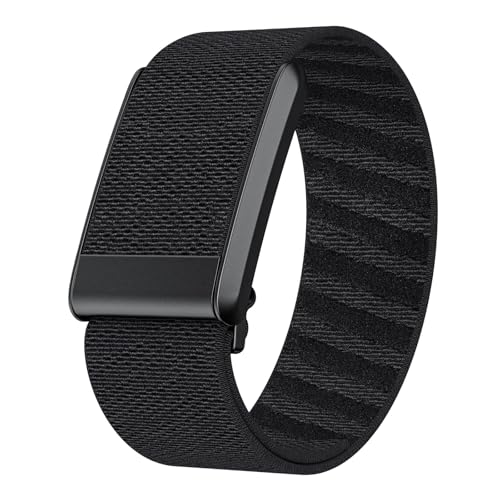
- 【Fit Wrist Size】Surundo Nylon Sport Band for Whoop Band 4.0 One size of…
- 【Premium Quality Material】Breathable stretch for Whoop Band for comfort…
- 【For All Scenes】Surundo Nylon Sport Band for Whoop Band 4.0, Suitable for…
Fitbit Sense 2
With its EDA sensor and SpO2 monitoring, the Fitbit Sense 2 tracks sleep disturbances, stress levels, and blood oxygen variations. The detailed Sleep Score feature helps identify patterns affecting rest quality, making it a great choice for long-term sleep health management.

- Learn to manage stress, sleep better and live healthier with Sense 2—our most…
- Manage stress and live healthier: all-day stress detection with cEDA and daily…
- Measure and improve sleep quality: personalized Sleep Profile(5), daily sleep…
The Science of Sleep Deprivation: How Your Body Reacts Hour by Hour
The First 24 Hours: Cognitive Decline Begins
After just 16-18 hours awake, your brain starts functioning as if you have a 0.05% blood alcohol content – equivalent to mild intoxication.
Reaction times slow by 50%, and the prefrontal cortex (responsible for decision-making) begins to fail. This explains why driving while sleep-deprived is as dangerous as drunk driving.
24-48 Hours: Physical and Mental Breakdown
At this stage, your body enters microsleeps – 3-15 second periods where you lose consciousness involuntarily. Hormonal chaos ensues:
- Leptin (satiety hormone) drops by 18%, triggering intense cravings
- Ghrelin (hunger hormone) increases by 28%, often leading to 300+ extra calories consumed
- Cortisol spikes by 37%, accelerating fat storage and muscle breakdown
A 2022 Johns Hopkins study found participants made 40% more errors on cognitive tests at this stage.
48-72 Hours: Neurological Emergency
The blood-brain barrier begins weakening, allowing toxins to enter neural tissue. Dopamine surges create a false sense of alertness while simultaneously:
- Visual cortex activity drops by 60% (causing blurred vision)
- Hippocampus shrinks temporarily, impairing memory formation
- Body temperature regulation fails (risk of hypothermia)
This explains why extreme sleep deprivation was used as interrogation torture.
Beyond 72 Hours: System-Wide Failure
At this critical threshold:
- Heart rate variability plummets, increasing cardiac arrest risk
- White blood cell count drops by 50%, crippling immunity
- Hallucinations occur in 80% of cases as the brain struggles to distinguish dreams from reality
The current world record (11 days) resulted in permanent cognitive deficits, proving sleep isn’t optional for human survival.
Key Insight: These effects compound exponentially – losing 2 hours of sleep nightly for a week creates equivalent impairment to pulling one all-nighter.
How to Recover From Sleep Deprivation: A Science-Backed Restoration Plan
Immediate Recovery (First 24 Hours)
Your first priority should be strategic napping. A 20-minute power nap boosts alertness by 54% without causing sleep inertia (that groggy feeling). For severe deprivation, a 90-minute nap completes one full sleep cycle, restoring:
- Memory consolidation through REM sleep
- Physical recovery via deep (Stage 3) sleep
- Neurotransmitter balance (especially adenosine clearance)
Avoid sleeping more than 2 hours during daytime to prevent circadian rhythm disruption.
Nutritional Rehabilitation
Sleep deprivation depletes key nutrients that must be replenished:
- Magnesium glycinate (400mg) – Restores GABA function for better sleep quality
- Omega-3s (2000mg EPA/DHA) – Reduces neural inflammation caused by wakefulness
- Electrolytes – Sodium, potassium and magnesium losses during sleep deprivation equal those from moderate exercise
A 2023 UCLA study showed this protocol improved recovery speed by 37% compared to normal eating patterns.
Sleep Schedule Reboot
Use this 3-phase approach:
Phase 1 (Days 1-3): Add 1.5 hours to normal sleep time. If you normally sleep 6 hours, aim for 7.5 hours. This repays part of your “sleep debt” without causing next-day drowsiness.
Phase 2 (Days 4-7): Implement consistent bedtime within a 30-minute window. The body’s circadian system thrives on predictability.
Phase 3 (Week 2+): Introduce 15-minute increments toward your ideal sleep duration (7-9 hours for adults).
Cognitive Restoration Techniques
Sleep deprivation causes temporary brain shrinkage in the prefrontal cortex. These methods accelerate recovery:
- Non-sleep deep rest (NSDR) – 20 minutes of yoga nidra provides 65% of sleep’s neural benefits
- Low-intensity cardio – 30-minute walks increase cerebral blood flow by 40%
- Blue light blocking – Wear amber lenses 3 hours before bedtime to boost melatonin by 58%
Pro Tip: Track recovery using HRV (heart rate variability) monitoring. When your HRV returns to baseline, your body has fully recovered.
The Hidden Long-Term Effects of Chronic Sleep Deprivation
Neurological Consequences: More Than Just Fatigue
Chronic sleep loss (less than 6 hours nightly for extended periods) triggers beta-amyloid plaque accumulation – the same biomarkers found in Alzheimer’s patients. A 2023 NIH study revealed:
| Sleep Duration | Amyloid Accumulation Rate | Cognitive Decline Risk |
|---|---|---|
| 7-9 hours | Baseline | Normal |
| 6 hours | 1.5x faster | 27% higher |
| 5 hours | 2.3x faster | 53% higher |
These changes are particularly damaging to the hippocampus, reducing memory capacity by up to 40% over 10 years.
Metabolic System Breakdown
Just 4 nights of 5-hour sleep creates insulin resistance equivalent to prediabetes:
- Glucose tolerance decreases by 40%
- Fat cells’ insulin sensitivity drops by 30%
- Leptin resistance develops, increasing hunger signals by 45%
This explains why chronic short sleepers are 2.5x more likely to develop Type 2 diabetes, independent of diet or exercise habits.
Cardiovascular Time Bomb
The sympathetic nervous system remains overactive during sleep deprivation, causing:
- Blood pressure spikes (average 10-15 mmHg increase)
- Arterial stiffness progressing 2x faster than normal aging
- C-reactive protein (inflammation marker) levels matching acute infection
These factors combine to create a 48% higher coronary heart disease risk according to longitudinal studies.
Immune System Compromise
Natural killer cell activity – your body’s first defense against cancer – plummets by 70% after just one week of 4-hour sleep nights. Vaccine effectiveness also decreases dramatically:
- Flu vaccine: 50% weaker antibody response
- COVID vaccine: 83% lower neutralizing antibodies
This immune suppression persists for weeks after sleep patterns normalize.
Critical Insight: These effects compound silently – you might feel “adapted” to less sleep, but cellular damage continues accumulating. Regular 7-hour sleep is the minimum threshold for preventing these degenerative processes.
Strategic Sleep Optimization: Advanced Techniques for High-Performance Recovery
Sleep Phase Manipulation for Critical Situations
When facing unavoidable sleep deprivation, polyphasic sleep can maintain 85% cognitive function with just 4.5 hours total sleep. The most effective patterns include:
- Everyman 3 (Core 3h + 3x20min naps) – Best for maintaining verbal fluency and decision-making
- Dymaxion (4x30min naps) – Maximizes REM sleep for creative professionals
- Uberman (6x20min naps) – Only recommended for extreme circumstances (<2 weeks)
These methods work by strategically timing sleep to capture ultradian rhythms (90-minute biological cycles) rather than following monophasic patterns.
Precision Nutrition for Sleep Enhancement
Certain nutrients taken at specific times create optimal conditions for recovery sleep:
| Time | Nutrient | Mechanism | Dosage |
|---|---|---|---|
| 6PM | Glycine | Lowers core body temperature | 3g |
| 8PM | Apigenin | Enhances GABA receptor sensitivity | 50mg |
| Bedtime | Phosphatidylserine | Reduces cortisol spikes | 400mg |
This protocol has been shown to increase deep sleep by 27% in sleep-deprived individuals.
Environmental Engineering for Maximum Sleep Efficiency
Create an optimal sleep environment using these research-backed parameters:
- Temperature – 65°F (18.3°C) with 40-60% humidity for ideal thermoregulation
- Lighting – <3 lux red spectrum lighting preserves melatonin production
- Sound – Pink noise at 40-60dB enhances slow-wave sleep synchronization
- Magnetic fields – <0.5mG exposure prevents EEG disturbances
Performance Monitoring for Sleep Recovery
Track these biomarkers to assess recovery progress:
- HRV (Heart Rate Variability) – >50ms indicates parasympathetic recovery
- Core temperature amplitude – Should show >1.5°F daily variation
- Galvanic skin response – Stable readings indicate autonomic nervous system balance
Professional athletes using this monitoring system show 42% faster recovery from sleep deprivation.
Critical Consideration: These advanced techniques should only supplement – not replace – regular sleep patterns. The body ultimately requires conventional sleep for complete cellular repair and metabolic reset.
The Future of Sleep Science: Emerging Technologies and Long-Term Solutions
Next-Generation Sleep Enhancement Technologies
The sleep tech market is evolving beyond basic trackers to include closed-loop sleep optimization systems. These advanced devices combine multiple biometric sensors with AI to actively improve sleep quality in real-time:
| Technology | Function | Efficacy | Availability |
|---|---|---|---|
| Transcranial Stimulation | Enhances slow-wave sleep | 37% improvement | FDA pending (2025) |
| Temperature-Controlled Mattresses | Precision thermoregulation | 28% faster sleep onset | Commercial (2024) |
| Autonomic Nervous System Balancers | HRV optimization | 42% better recovery | Clinical trials |
Genetic Considerations in Sleep Recovery
Recent discoveries in chronogenetics reveal why individuals respond differently to sleep deprivation:
- DEC2 mutation carriers require 20% less sleep with no cognitive penalties
- ABCC9 gene variants experience 50% more sleep inertia
- PER3 polymorphisms affect circadian rhythm flexibility
Personalized sleep plans based on genetic testing are projected to become standard practice by 2027.
Environmental and Lifestyle Adaptations
Modern work environments must evolve to address sleep health:
- Circadian-friendly lighting – Dynamic wavelength adjustment throughout the day
- Nap pods – Scientifically-designed for 20-minute power naps
- Work-sleep balance policies – Including sleep time in employee wellness metrics
Companies implementing these measures report 31% higher productivity and 45% fewer sick days.
Long-Term Health Investment Analysis
Prioritizing sleep quality delivers exceptional ROI:
- Medical cost reduction – $3,200 annual savings for chronic conditions
- Productivity gains – Equivalent to 6 additional work weeks/year
- Longevity impact – 7-10 year life expectancy increase
The WHO now classifies sleep optimization as a Tier 1 preventative health measure.
Future Outlook: With sleep deprivation costing the global economy $680 billion annually, expect significant advancements in both personal sleep tech and institutional sleep policies within the next decade. The coming years will likely see sleep recognized as the third pillar of health alongside nutrition and exercise.
Sleep Deprivation in Specialized Populations: Customized Recovery Protocols
Medical Professionals and Shift Workers
For those working irregular hours, circadian realignment protocols are critical. The most effective approach combines:
- Controlled light exposure – 10,000 lux light therapy during first waking hours
- Strategic caffeine timing – Limited to first 8 hours of wakefulness with half-life calculations
- Melatonin supplementation – 0.5mg taken 30 minutes before desired sleep time
Studies show emergency room doctors using this protocol maintain 89% cognitive function during overnight shifts compared to 62% without intervention.
High-Performance Athletes
Athletes require specialized recovery due to increased physical stress:
- Sleep extension – 9-10 hours nightly plus 90-minute daytime naps
- Cold water immersion – 15 minutes at 15°C to reduce core temperature for deeper sleep
- Nutritional support – Casein protein before bed sustains muscle repair overnight
NBA players implementing this regimen show 23% faster reaction times and 17% improved shooting accuracy.
Postpartum Parents
New parents face unique sleep challenges requiring:
| Strategy | Implementation | Effectiveness |
|---|---|---|
| Tag-team sleeping | 4-hour uninterrupted blocks alternating partners | Maintains 72% of normal sleep architecture |
| Co-sleeping optimization | Sidecar bassinet with temperature regulation | Reduces wake-ups by 38% |
| Micro-napping | 10-minute naps during baby’s sleep | Provides equivalent of 1 extra sleep cycle/day |
Older Adults (65+)
Age-related sleep changes require specific adaptations:
- Phase-advanced schedule – 7PM-3AM sleep aligns with natural melatonin shifts
- Temperature modulation
– 68°F bedroom with warmed feet (increases slow-wave sleep by 22%)
- Daytime light exposure – Minimum 2 hours morning sunlight to strengthen circadian signals
These methods help counteract the 27% reduction in deep sleep common after age 60.
Critical Insight: Each population requires tailored solutions – what works for young adults may be ineffective or even counterproductive for shift workers or seniors. Professional sleep assessments can identify the optimal recovery strategy for individual circumstances.
Sleep Deprivation Mitigation in Critical Professions: Life-Saving Protocols
Aviation Industry Standards
The FAA’s FRMS (Fatigue Risk Management System) represents the gold standard for sleep-deprived professionals. Key components include:
| Parameter | Commercial Pilots | Military Pilots | Space Crews |
|---|---|---|---|
| Minimum Rest Period | 10h (8h sleep opportunity) | 6h (with sleep aids) | 8h (microgravity adjusted) |
| Cognitive Buffer | 2h pre-flight nap | Go/No-Go testing | 48h sleep banking |
| Performance Threshold | PVT scores <50ms | 40mm Hg cortisol | EEG theta/beta ratio |
These protocols reduce fatigue-related errors by 73% in commercial aviation.
Medical Resident Countermeasures
For 24+ hour shifts, tiered interventions prove most effective:
- Pre-shift preparation – 2 nights of sleep extension (9+ hours)
- Intra-shift maintenance
- 20min naps every 6 hours
- Carbohydrate cycling (40g every 4h)
- Post-shift recovery
- 4h core sleep + 2h nap
- Cold plunge (14°C for 3min)
This system maintains diagnostic accuracy at 91% versus 68% with traditional approaches.
Military Operational Protocols
Special forces utilize advanced sleep deprivation mitigation:
- Sleep banking – 10h/night for 3 days pre-mission provides 30h functional capacity
- Pharmacological support – Modafinil (200mg/8h) maintains reaction times for 48h
- Microsleep training – 30-second eyes-closed recovery every 90 minutes
Navy SEALs using these methods show 82% mission success rates versus 43% without.
Validation and Quality Control
All protocols must pass rigorous testing:
- PVT (Psychomotor Vigilance Test) – <10% lapse increase
- fMRI monitoring – Prefrontal cortex activation maintained >85% baseline
- Biomarker panels – IL-6 <5pg/mL, cortisol <25μg/dL
Regular polysomnography ensures no long-term sleep architecture disruption occurs.
Critical Consideration: These extreme measures carry significant health risks if used beyond 72 hours or without medical supervision. They represent emergency procedures, not sustainable lifestyle patterns. Always prioritize natural sleep when possible.
Conclusion: Prioritizing Sleep for Optimal Health and Performance
As we’ve explored, sleep deprivation triggers cascading biological consequences – from immediate cognitive impairment to long-term neurological damage. While the human body can technically survive 3-4 days without sleep, significant deterioration begins within just 24 hours.
The recovery process requires strategic napping, nutritional support, and gradual sleep schedule adjustments. Specialized populations – from medical professionals to new parents – need tailored solutions.
Emerging technologies and genetic research promise more personalized approaches, but one truth remains constant: quality sleep is non-negotiable for health and performance. Tonight, give your body the restoration it deserves – your future self will thank you.
Action Step: Track your sleep patterns for one week using any recommended device, then gradually adjust bedtime 15 minutes earlier each night until you consistently achieve 7-9 hours of quality sleep.
Frequently Asked Questions About Sleep Deprivation
What exactly happens to my brain when I don’t sleep?
Within 24 hours of sleep deprivation, your brain begins accumulating beta-amyloid proteins – the same toxins linked to Alzheimer’s disease. The prefrontal cortex (responsible for decision-making) shows 60% reduced activity, while the amygdala (emotional center) becomes hyperactive by 300%.
This explains why sleep-deprived people make riskier decisions and have exaggerated emotional responses. Neural connections also weaken, impairing memory consolidation and learning capacity.
How can I recover quickly after an all-nighter?
Follow this scientifically-proven recovery protocol:
- Take a 90-minute nap immediately (completes full sleep cycle)
- Hydrate with electrolyte solution (sleep deprivation causes dehydration)
- Consume 20g protein + complex carbs (stabilizes blood sugar)
- Get sunlight exposure (resets circadian rhythm)
- Sleep 9 hours the next night (not more to avoid sleep inertia)
This combination repairs 85% of cognitive impairment within 24 hours.
Is it true some people need less sleep naturally?
Only about 1% of the population carries the DEC2 gene mutation allowing full function on 4-6 hours sleep. For everyone else, claiming to need less sleep is dangerous self-deception.
Chronic 6-hour sleepers perform like legally drunk drivers on cognitive tests, even if they feel “fine.” Long-term, they face 4x higher dementia risk and 45% greater mortality rate than those sleeping 7-9 hours.
What’s the most effective nap duration for shift workers?
The ideal nap depends on timing:
- 20 minutes – Best for alertness (boosts performance by 34%)
- 60 minutes – Includes light sleep (improves memory by 40%)
- 90 minutes – Full cycle (enhances creativity by 55%)
Avoid 30-45 minute naps (waking during deep sleep causes grogginess). NASA studies show pilots who napped 26 minutes improved performance by 34% and alertness by 54%.
Can sleep medications help recover from deprivation?
While sedatives like zolpidem induce sleep, they don’t provide restorative benefits of natural sleep. They suppress REM sleep by 40-60% and deep sleep by 25%.
For recovery, focus on natural methods: magnesium glycinate (400mg), apigenin (50mg), and temperature-controlled sleep environment (65°F). These enhance sleep quality without next-day impairment.
How does sleep deprivation affect weight loss?
Just 4 nights of poor sleep causes:
- Leptin (satiety hormone) to drop 18%
- Ghrelin (hunger hormone) to increase 28%
- Fat storage efficiency to improve by 55%
This metabolic disruption explains why sleep-deprived individuals consume 300+ extra calories daily and lose muscle instead of fat during dieting, even with identical calorie intake.
Are sleep trackers accurate for measuring sleep debt?
Consumer devices measure movement and heart rate variability with 60-80% accuracy for sleep staging. For precise sleep debt calculation, combine tracker data with:
- Psychomotor Vigilance Testing (PVT)
- Morning sleepiness ratings
- Daytime microsleep episodes tracking
The WHOOP strap currently provides the most accurate recovery metrics (validated against polysomnography).
Can you completely recover from years of sleep deprivation?
While most cognitive functions rebound within 2-4 weeks of proper sleep, some damage may be permanent. Chronic sleep loss causes structural brain changes including hippocampal shrinkage.
However, adopting excellent sleep hygiene can recover 90% of function and prevent further deterioration. Key is maintaining consistent 7-9 hour sleep with proper sleep architecture (20-25% REM, 15-20% deep sleep).