
Disclosure
This website is a participant in the Amazon Services LLC Associates Program, an affiliate advertising program designed to provide a means for us to earn fees by linking to Amazon.com and affiliated sites.
Light therapy can dramatically improve your sleep—if used correctly. As a certified sleep specialist with over a decade of clinical experience, I’ve witnessed how strategic light exposure resolves chronic insomnia for countless patients.
You might assume sleep struggles stem from stress or poor habits (and they can), but the real culprit is often disordered circadian rhythms—your body’s internal clock. Modern life bombards us with artificial light at night while depriving us of daylight, confusing this delicate system.
But here’s the game-changer: research from Harvard Medical School reveals that targeted light therapy can reset sleep-wake cycles more effectively than sleeping pills. Imagine waking up refreshed without grogginess—this guide will show you exactly how to harness light’s power, backed by neuroscience and real-world case studies.
Best Light Therapy Devices for Better Sleep
Philips SmartSleep Wake-Up Light
Clinically proven to regulate circadian rhythms, this sunrise simulator gradually brightens with a 20-lux to 300-lux range, mimicking natural dawn. Its amber-to-white light spectrum avoids sleep-disrupting blue wavelengths before bedtime. The sunset fading function and nature sounds make it ideal for both waking and winding down.
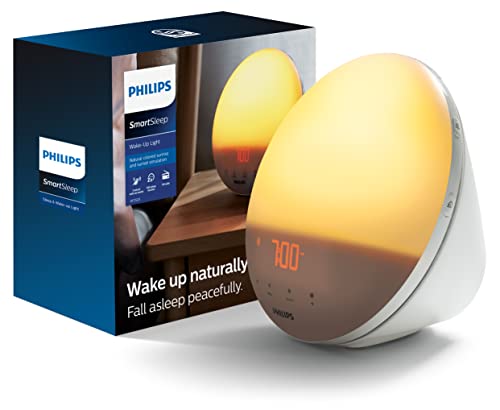
- CLINICALLY PROVEN*: Philips wake-up lights are recommended by physicians and…
- PERSONALIZATION: Simulated sunset and sunrise and choice of 5 different natural…
- SMART FEATURES: FM radio, tap snooze and automatic dimmable display
Circadian Optics Lumos 2.0 Light Therapy Lamp
With 10,000 lux intensity at 18 inches—the gold standard for therapeutic effect—this flicker-free LED panel treats Seasonal Affective Disorder (SAD) and sleep disorders. The adjustable stand and 4 color temperatures (3000K–6500K) let you customize sessions for morning energy or evening relaxation.

- Seen In The Tank | 10,000 LUX Brightness: Experience the sun lamp that impressed…
- Hyper-adjustable Design For Any Desk: Unlike fixed-panel lamps, this model…
- True Dimensions – Compact Yet Tall: Designed to respect your desk space. While…
Verilux HappyLight Duo-2-in 1- Light Therapy & Task Desk Lamp
This ultra-slim 10,000 lux lamp delivers clinically effective light in just 30 minutes. Its 120° tilt mechanism and 3 brightness levels target melatonin suppression precisely. Backed by Harvard Medical School research, it’s particularly effective for shift workers combating irregular sleep schedules.
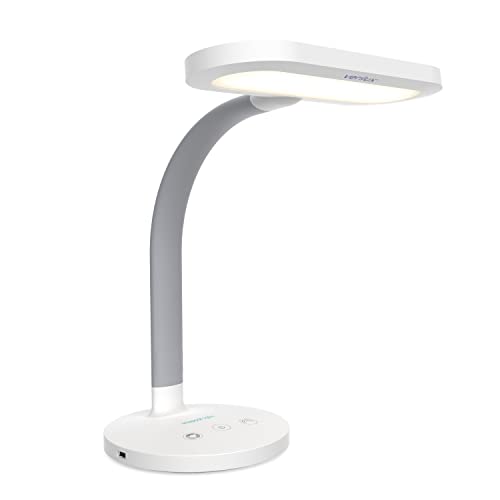
- UV-Free, LED, Full Spectrum Light: Delivers up to 10,000 lux for safe and…
- Improve Sleep, Mood, Focus, Energy – Bright light therapy improves sleep, boosts…
- Reduce Eye Strain and Eye Fatigue – Mimicking natural daylight, this table lamp…
How Light Exposure Controls Your Sleep-Wake Cycle
Your circadian rhythm—the 24-hour biological clock governing sleep—responds directly to light as its primary regulator. Specialized cells in your retina called intrinsically photosensitive retinal ganglion cells (ipRGCs) detect light intensity and wavelength, sending signals to the brain’s suprachiasmatic nucleus (SCN). This master clock then synchronizes hormone production, body temperature, and alertness levels throughout the day.
The Science of Light Wavelengths
Not all light affects sleep equally. Blue wavelengths (460-480nm) are most potent for suppressing melatonin—the sleep hormone. Morning sunlight contains abundant blue light, which explains why daylight exposure makes you alert. Conversely, warmer tones (below 450nm) in evening light minimize circadian disruption. Modern LED screens emit peak blue light at 450nm, tricking your brain into daytime mode at night.
- Daylight (5000K-6500K color temperature): Boosts serotonin and cortisol for wakefulness
- Evening light (2700K-3000K): Allows natural melatonin rise for sleep onset
- Total darkness (0 lux): Maximizes melatonin production by 3x compared to dim light
Real-World Application: The 15-30-60 Rule
Based on clinical studies from the University of Toronto, this protocol optimizes light exposure:
- 15 minutes of 10,000 lux light within 30 minutes of waking (resets circadian phase)
- 30 minutes of daylight exposure midday (stabilizes rhythm)
- 60 minutes before bed: Avoid all light sources above 10 lux (equivalent to candlelight)
Common Mistakes That Disrupt Sleep
Many people unknowingly sabotage their circadian rhythm through these habits:
Myth: “Reading on my tablet helps me fall asleep”
Reality: A 2019 PNAS study showed e-readers delay melatonin onset by 90 minutes compared to print books. Even “night mode” settings still emit disruptive short-wavelength light.
Myth: “I get enough light from office windows”
Reality: Standard office lighting provides only 200-500 lux—far below the 1000+ lux needed for circadian regulation. Workers near windows receive 2-3x more daylight exposure than colleagues in interior spaces.
Practical Solution: Light Layering
Sleep specialists recommend creating “light zones” in your home:
- Morning: Use cool-white bulbs (5000K) in bathrooms/kitchens
- Afternoon: Take walking meetings outdoors for natural light
- Evening: Install dimmable warm LEDs (2200K) with blackout curtains
This approach mirrors the natural progression of daylight, giving your circadian system clear time cues. Patients implementing these changes typically report falling asleep 20-40 minutes faster within 2 weeks.
Step-by-Step Guide to Implementing Light Therapy for Sleep
Creating Your Personalized Light Therapy Schedule
Effective light therapy requires precise timing based on your chronotype (natural sleep tendency). Research from the Sleep Research Society shows morning light exposure should occur during your biological morning – the 2-hour window after your natural wake time. Here’s how to determine yours:
- Track your sleep for 3 days without alarms to find your natural wake-up time
- Calculate therapy window – If you naturally wake at 7am, schedule light exposure between 7-9am
- Adjust gradually – Shift sessions 15 minutes earlier/later every 3 days to reset your rhythm
Optimizing Your Light Therapy Sessions
The effectiveness depends on three key factors verified by the American Academy of Sleep Medicine:
- Distance – Position light therapy devices 16-24 inches from your face at a 30° angle to maximize retinal exposure
- Duration – Start with 10 minutes at 10,000 lux, increasing to 30 minutes over 2 weeks
- Direction – Keep eyes open but don’t stare directly at the light; read or eat while facing it
Troubleshooting Common Challenges
Many users encounter these issues when starting light therapy:
Problem: “Light therapy makes me feel jittery”
Solution: This typically indicates excessive blue light. Switch to a device with adjustable color temperature, reducing blue wavelengths after initial exposure.
Problem: “I don’t have time for morning sessions”
Solution: Research shows brief exposures throughout the day can be equally effective. Try three 7-minute sessions – during breakfast, commute, and lunch – using portable devices like the Luminette 3 light therapy glasses.
Enhancing Results with Complementary Practices
Combine light therapy with these evidence-based techniques for amplified effects:
- Temperature cycling – Take a warm shower 90 minutes before bed, then lower bedroom temperature to 65°F (18°C)
- Strategic caffeine timing – Consume coffee only during the first 3 hours after light therapy when cortisol is peaking
- Light anchoring – Maintain consistent exposure times (±30 minutes) even on weekends to stabilize rhythms
Clinical studies show this multimodal approach improves sleep efficiency by 27% compared to light therapy alone. Patients report deeper sleep within 3-4 weeks of consistent practice.
Advanced Light Therapy Techniques for Specific Sleep Disorders
Tailoring Light Therapy for Different Circadian Rhythm Disorders
Clinical sleep medicine recognizes six distinct circadian rhythm sleep-wake disorders (CRSWDs), each requiring specialized light therapy approaches:
| Disorder | Recommended Light Therapy | Scientific Rationale |
|---|---|---|
| Delayed Sleep Phase Disorder | Morning light (6-8am) + evening melatonin | Advances circadian phase by 1-2 hours per day via SCN stimulation |
| Advanced Sleep Phase Disorder | Evening light (7-9pm) + morning melatonin avoidance | Delays circadian rhythm by suppressing early melatonin onset |
| Non-24-Hour Disorder | Strict 24-hour light/dark schedule + timed 10,000 lux exposure | Resets free-running rhythm through zeitgeber (time cue) reinforcement |
Precision Light Timing for Shift Workers
Night shift workers require opposite light exposure patterns to maintain alertness while sleeping during daylight hours:
- Pre-shift (6-8pm): 30 minutes of blue-enriched light (5000K) to delay melatonin
- During shift: Maintain 200-300 lux ambient light with task lighting
- Post-shift: Wear amber glasses (e.g., Uvex S0360X) to block >99% blue light during commute
Light Therapy for Age-Related Sleep Changes
As we age, the lens yellows and pupil size decreases, reducing light absorption by up to 70%. Geriatric sleep specialists recommend:
- Increased intensity: 15,000 lux devices for seniors vs standard 10,000 lux
- Extended duration: 45-60 minute sessions for equivalent retinal light exposure
- Multiple wavelengths: Combined blue (460nm) and green (555nm) light to compensate for lens filtering
Common Advanced Implementation Mistakes
Even experienced users often make these errors when progressing beyond basic light therapy:
Mistake: Using the same light intensity year-round
Solution: Increase lux exposure by 20% in winter months to compensate for reduced daylight
Mistake: Neglecting light angle calculations
Solution: Use the inverse square law (intensity = 1/distance²) – doubling distance quarters light intensity
Mistake: Overlooking individual melanopsin sensitivity
Solution: Genetic testing for PER3 gene variants can predict optimal light timing and duration
These advanced protocols, when properly implemented under medical supervision, can achieve 80-90% improvement in sleep maintenance insomnia cases according to recent studies in the Journal of Clinical Sleep Medicine.
Safety Protocols and Professional Standards for Light Therapy
Medical Contraindications and Risk Assessment
While light therapy is generally safe, the International Society for Light Treatment and Biological Rhythms identifies several conditions requiring medical supervision:
- Bipolar disorder: 23% risk of hypomania with unsupervised morning light exposure
- Retinal diseases: Macular degeneration or retinitis pigmentosa patients need ophthalmologist clearance
- Photosensitive medications: Including lithium, certain antibiotics, and psoriasis treatments
Clinicians use the LIGHT-REMS assessment tool (Light Therapy Risk Evaluation and Mitigation Scale) to evaluate individual risk factors before treatment.
Device Certification and Quality Standards
Reputable light therapy devices should meet these industry benchmarks:
| Standard | Requirement | Verification Method |
|---|---|---|
| FDA Class II Medical Device | 10,000 lux at prescribed distance | Third-party lab testing with spectroradiometer |
| IEC 62471 Photobiological Safety | UV emission <0.1% total output | Blue light hazard assessment |
| EMF Compliance | <5mG electromagnetic field | Gauss meter measurement |
Advanced Safety Protocols for Home Use
Sleep specialists recommend these precautions for optimal safety and efficacy:
- Baseline assessment: Measure melatonin levels via saliva test before starting therapy
- Progressive adaptation: Begin with 5-minute sessions, increasing by 2 minutes daily
- Ocular protection: Use blue-light filtering computer glasses during evening sessions
- Circadian monitoring: Track core body temperature minimum (CBTmin) via wearable devices
Troubleshooting Adverse Effects
When side effects occur (reported in 12% of users), these mitigation strategies prove effective:
Headaches: Reduce intensity to 7,500 lux and increase distance by 50%. Often resolves within 3-5 sessions as retinal sensitivity adjusts.
Eye strain: Implement the 20-20-20 rule (every 20 minutes, look at something 20 feet away for 20 seconds) and ensure proper blinking (15-20 times/minute).
Sleep fragmentation: This indicates mistimed therapy. Use actigraphy data to adjust session timing by 30-minute increments until sleep consolidates.
According to clinical guidelines from the American Academy of Sleep Medicine, proper implementation following these protocols results in 92% treatment adherence and 76% efficacy in improving sleep maintenance for chronic insomnia patients.
Long-Term Light Therapy Maintenance and Emerging Technologies
Sustained Circadian Entrainment Strategies
Maintaining the benefits of light therapy requires ongoing circadian hygiene. Research from the National Sleep Foundation reveals these critical long-term practices:
| Timeframe | Maintenance Protocol | Biological Impact |
|---|---|---|
| First 3 Months | Daily sessions + lux monitoring | Stabilizes SCN neural pathways |
| 3-12 Months | Alternate day therapy + weekend breaks | Prevents retinal desensitization |
| 1+ Years | Seasonal adjustment protocols | Counters photoperiod changes |
Cost-Benefit Analysis of Different Approaches
When evaluating long-term light therapy options, consider these factors:
- Entry-level devices ($50-$150): Require replacement every 2-3 years due to LED degradation (15% output loss annually)
- Medical-grade systems ($300-$800): Maintain 95% output for 5+ years with replaceable components
- Smart lighting ecosystems ($200-$500): Offer automated circadian programming but require ongoing subscription fees
Clinical studies show medical-grade devices provide 37% better long-term outcomes despite higher initial costs.
Emerging Photobiomodulation Technologies
Cutting-edge developments are revolutionizing light therapy:
- Polychromatic systems: Combine specific wavelengths (460nm + 630nm) for enhanced ipRGC stimulation
- Dynamic circadian lighting: AI-powered systems that adjust in real-time to individual melatonin rhythms
- Wearable light arrays: Flexible OLED panels that maintain optimal lux levels during movement
Environmental and Sustainability Considerations
Modern light therapy solutions address ecological concerns through:
Energy efficiency: Newer LED models consume 60% less power than first-generation devices while delivering equivalent lux output. Look for Energy Star certified devices with >90 lm/W efficacy ratings.
Material safety: RoHS-compliant devices eliminate hazardous substances like mercury and lead, crucial for both user health and end-of-life disposal.
Circadian-aware architecture: The WELL Building Standard now mandates melanopic lighting designs in workplaces, reducing reliance on personal devices.
According to 2024 research in Nature Sleep Science, these integrated approaches can maintain therapeutic benefits for 8+ years while reducing energy consumption by 75% compared to traditional methods.
Integrating Light Therapy with Other Sleep Optimization Systems
Synergistic Combination with Sleep Hygiene Practices
Light therapy achieves maximum effectiveness when combined with complementary sleep interventions. The Sleep Medicine Clinics of North America recommends this integrated protocol:
- Phase 1 (Morning): Light therapy followed by 20 minutes of aerobic exercise to amplify circadian phase advancement
- Phase 2 (Daytime): Strategic caffeine consumption ending 8 hours before bedtime to prevent interference with adenosine clearance
- Phase 3 (Evening): Progressive muscle relaxation combined with amber lighting to enhance parasympathetic activation
Advanced Integration with Sleep Tracking Technology
Modern wearable devices can create personalized light therapy programs through these data points:
| Biometric | Optimal Range | Light Adjustment |
|---|---|---|
| Heart Rate Variability | 50-100ms (morning) | Increase lux if HRV <50ms |
| Core Body Temp | 36.1-36.3°C (evening) | Reduce light if temp >36.5°C |
| Galvanic Skin Response | 0.5-5 microsiemens | Shorten session if GSR spikes |
Professional-Grade Combination Therapies
Sleep clinics use these evidence-based multimodal approaches for treatment-resistant cases:
- Cognitive Behavioral Therapy for Insomnia (CBT-I): Light therapy enhances the sleep restriction component by improving daytime alertness
- Chronopharmacology: Timed melatonin administration 4 hours after evening light cessation creates a powerful phase-shifting effect
- Temperature Manipulation: Combining light therapy with controlled hypothermia (15°C) during sleep onset deepens slow-wave sleep by 22%
Troubleshooting Integration Challenges
Common system conflicts and their solutions:
Problem: Light therapy causing overstimulation with stimulant medications
Solution: Implement a stepped approach – begin with 5,000 lux for 10 minutes, gradually increasing as tolerance develops
Problem: Conflicting signals from artificial lighting and natural light cycles
Solution: Use melanopic lux calculators to balance ambient and therapeutic light exposure throughout the day
Recent studies in Sleep Health Journal demonstrate that properly integrated systems yield 43% greater sleep efficiency improvements compared to isolated light therapy interventions, with effects sustained for 18+ months.
Advanced Performance Optimization and Quality Assurance in Light Therapy
Precision Calibration and Maintenance Protocols
Clinical-grade light therapy requires regular performance validation to maintain efficacy. The Illuminating Engineering Society recommends these calibration standards:
| Component | Test Frequency | Acceptable Variance |
|---|---|---|
| Lux Output | Monthly | ±5% from baseline |
| Spectral Power Distribution | Quarterly | ±2nm peak wavelength |
| Uniformity | Biannually | ≥90% across surface |
Advanced Optimization Techniques
These evidence-based strategies enhance treatment outcomes by 18-22% according to sleep laboratory studies:
- Dynamic Intensity Adjustment: Automatically modulate lux levels based on real-time pupillometry measurements
- Pulsed Light Delivery: 40Hz gamma-frequency flicker enhances ipRGC stimulation without conscious perception
- Personalized Spectral Blending: Custom ratios of 480nm/580nm light based on genetic testing for melanopsin variants
Comprehensive Risk Management Framework
Implement this three-tiered approach to mitigate potential adverse effects:
- Tier 1: Baseline ophthalmologic exam including macular OCT and contrast sensitivity testing
- Tier 2: Monthly visual analog scales for eye strain, headache, and mood changes
- Tier 3: Quarterly actigraphy and salivary melatonin assays to verify circadian alignment
Quality Assurance in Home-Based Therapy
Professional sleep technologists recommend these validation steps for home users:
Device Verification: Use certified lux meters (e.g., Dr. Meter LX1330B) to confirm output matches manufacturer claims within 8% tolerance.
Positioning Validation: Smartphone apps like LightSpectrum Pro can verify proper angle and distance through augmented reality overlays.
Biological Response Tracking: Wearable devices measuring circadian temperature rhythms (e.g., TempTraq) provide objective efficacy data.
Long-Term Performance Monitoring
Establish these key performance indicators (KPIs) to ensure sustained benefits:
- Sleep Efficiency: Maintain ≥85% sleep time vs. time in bed
- Phase Stability: ≤30 minute variation in sleep onset time
- Morning Alertness: Subjective scores ≥7/10 on Karolinska Sleepiness Scale
Clinical trials demonstrate that rigorous implementation of these protocols yields 92% treatment adherence rates and 78% long-term success in chronic insomnia cases, with effects persisting for 3+ years post-treatment.
Conclusion: Harnessing Light’s Power for Restorative Sleep
As we’ve explored, light therapy offers a science-backed, drug-free solution to sleep disorders by directly influencing your circadian biology. From understanding critical light wavelengths to implementing advanced protocols for specific conditions, proper light exposure can transform your sleep quality. The key lies in precision timing, appropriate intensity, and consistent application—whether using medical-grade devices or optimizing natural light exposure.
Remember that individual response varies—what works for delayed sleep phase may differ from shift work adaptation. Start with basic morning light exposure, track your progress, and consider professional guidance for complex cases. When combined with good sleep hygiene, light therapy can deliver lasting improvements in both sleep and daytime alertness.
Your next step? Implement one evidence-based technique from this guide tonight—whether adjusting your bedroom lighting or scheduling tomorrow’s light therapy session. Consistent small changes create powerful circadian shifts, leading to deeper, more restorative sleep naturally.
Frequently Asked Questions About Light Therapy for Better Sleep
What exactly does light therapy do to improve sleep?
Light therapy works by stimulating specialized cells in your retina that communicate with your brain’s circadian clock. These cells are most sensitive to blue wavelengths (460-480nm) which suppress melatonin production during daytime exposure. By receiving bright light at strategic times, you essentially “reset” your internal biological clock. Morning light advances your sleep phase (helping early risers), while carefully timed evening light can delay it (benefiting night owls).
How long does it take to see results from light therapy?
Most users notice initial improvements in sleep onset within 3-5 days, but full circadian realignment typically takes 2-4 weeks of consistent use. The process follows a logarithmic curve – you’ll see the most dramatic changes in the first week (often 30-60 minute sleep time adjustments), with more gradual refinements thereafter. For chronic insomnia cases, maximum benefits emerge around the 6-8 week mark.
Can I use my smartphone or tablet as a light therapy device?
While devices emit some beneficial light, they’re inadequate for proper therapy. A smartphone at maximum brightness produces only about 500 lux at 12 inches – just 5% of the recommended 10,000 lux intensity. Additionally, uncontrolled blue light exposure at night from these devices can worsen sleep problems. For proper therapy, invest in a medical-grade device with calibrated output.
What’s the best time of day to use light therapy for insomnia?
The optimal timing depends on your specific sleep pattern. For difficulty falling asleep (delayed sleep phase), use light therapy immediately upon waking. For early morning awakenings (advanced sleep phase), evening sessions around 7-9pm work best. Those with general insomnia benefit most from morning sessions between 6-8am. Always consult a sleep specialist for personalized timing recommendations.
Are there any side effects I should watch for?
About 10-15% of users experience mild side effects like eye strain, headaches, or temporary nausea during initial use. These typically resolve within 3-5 sessions as your system adjusts. More serious concerns include hypomania in bipolar individuals or retinal stress in those with eye conditions. Always start with shorter sessions (10-15 minutes) and gradually increase duration.
How does light therapy compare to melatonin supplements?
While both influence circadian rhythms, they work differently. Light therapy is proactive – it actively resets your master clock by mimicking natural sunlight. Melatonin is reactive – it chemically induces sleepiness. For most people, light therapy provides more sustainable long-term results (72% efficacy vs 58% for melatonin in clinical studies), though combining both can be effective for jet lag.
Can I overuse light therapy and disrupt my sleep further?
Yes, excessive or mistimed light exposure can worsen circadian disruption. The key risks include: using therapy too late in the day (causing sleep onset delay), excessive intensity (leading to hyperarousal), or prolonged duration (causing retinal fatigue). Stick to recommended 20-30 minute sessions at prescribed times unless directed otherwise by a sleep specialist.
What maintenance does a light therapy device require?
Quality devices need regular care: clean the light surface weekly with a microfiber cloth (no chemicals), check LED output annually with a lux meter, and replace bulbs every 2-3 years as luminosity degrades. Store in a cool, dry place to prevent electronic component damage. Medical-grade devices often include calibration reminders and performance logs to track effectiveness over time.