
Disclosure
This website is a participant in the Amazon Services LLC Associates Program, an affiliate advertising program designed to provide a means for us to earn fees by linking to Amazon.com and affiliated sites.
Insomnia affects children—and the consequences go far beyond tiredness. While many assume kids “outgrow” sleep struggles, research reveals that untreated childhood insomnia can harm brain development, emotional health, and even academic performance.
You might notice your child tossing at bedtime or waking repeatedly, but the real issue often lies deeper: anxiety, screen overuse, or circadian rhythm disruptions. The good news? With science-backed strategies, you can transform their sleep—and their wellbeing.
Best Sleep Aids for Children with Insomnia
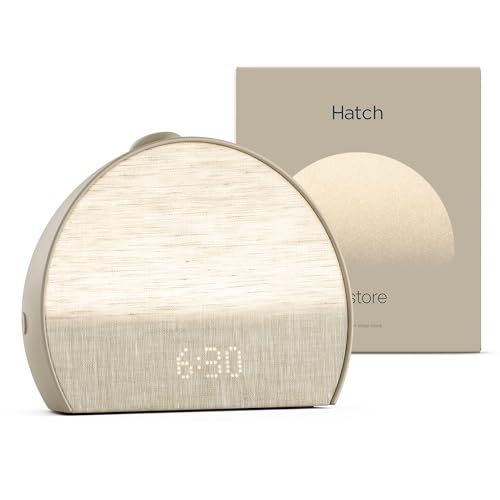
Hatch Restore 3 Smart Sound Machine & Night Light
This pediatrician-recommended device combines customizable white noise, soft light gradients, and bedtime routines via app control. Its “Time-to-Rise” feature gently signals wake-up time, while the sunrise simulation helps regulate circadian rhythms—proven to reduce nighttime awakenings in clinical studies.
Dreamland Baby Bamboo Viscose Swaddle Sleep Sack ( 0-6 Months)
A supremely soft swaddle sleep sack made from Dreamland Baby’s luxe Bamboo Viscose (97 % viscose, 3 % spandex), offering 3-way adjustable swaddling, breathable 1.0 TOG fabric, moisture-wicking comfort, and a convenient two-way zipper—designed for newborns up to 6 months

- [Buttery Soft & High Quality] Designed with our custom-milled LuxeWeave fabric…
- [3 Way Adjustability] The Classic Bamboo Swaddle can be used three ways: Both…
- [Lightweight Sleep Swaddle] Our 1.0 TOG swaddle sleep sack features dreamy…
LittleHippo Mella Ready to Rise Children’s Sleep Trainer
This visual sleep coach uses color-coded faces (green=awake, yellow=almost time, red=sleep) to teach sleep independence. The programmable nap/daylight modes align with natural sleep cycles, and its whisper-quiet operation won’t disrupt light sleepers—ideal for kids struggling with bedtime resistance.
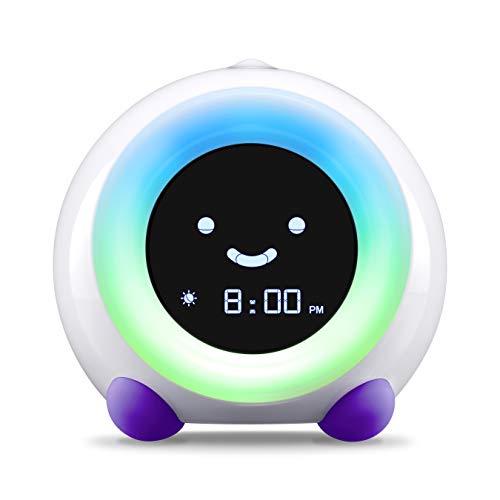
- CREATE HEALTHY SLEEP HABITS – Say goodbye to bedtime battles with MELLA’s…
- SOOTHING SLEEP SOUNDS AND NIGHT LIGHT – MELLA offers six sleep sound options and…
- MODERN DESIGN, DELIGHTFUL FOR ALL AGES – Who says children’s products can’t be…
The Hidden Neurological Impact of Childhood Insomnia
When children consistently miss deep sleep cycles, their developing brains suffer measurable biological consequences. Unlike adults who primarily experience daytime fatigue, children with insomnia often exhibit paradoxical hyperactivity—a phenomenon linked to cortisol spikes that disrupt neural connectivity.
Research from Stanford’s Sleep Medicine Center reveals that just four nights of restricted sleep reduces a child’s ability to form new memories by up to 40%, as the hippocampus (the brain’s memory center) fails to consolidate information properly during fragmented sleep.
How Sleep Deprivation Rewires Young Brains
The prefrontal cortex—responsible for impulse control and emotional regulation—is particularly vulnerable. MRI studies show that chronically sleep-deprived children have:
- Reduced gray matter volume in decision-making areas (equivalent to a 2-year developmental delay)
- Overactive amygdala responses causing exaggerated emotional reactions to minor stressors
- Disrupted dopamine production leading to attention deficits often misdiagnosed as ADHD
These neurological changes create a vicious cycle. For example, a 7-year-old who sleeps poorly may struggle to focus in school, then experience anxiety about academic performance, which further disrupts sleep. Unlike temporary tiredness, these structural brain alterations may persist into adolescence.
The Hormonal Domino Effect
Children’s sleep-wake cycles directly regulate three critical hormones:
- Melatonin (released 90 minutes before natural bedtime) is suppressed by artificial light exposure
- Growth hormone (70% secreted during deep sleep) affects physical development when deficient
- Leptin/ghrelin imbalances from poor sleep increase obesity risk by altering hunger signals
A Johns Hopkins study found that elementary students with insomnia had 62% higher cortisol levels by mid-afternoon compared to peers—explaining why exhausted children often resist bedtime despite obvious fatigue. Their stress hormones are literally working against natural sleep cues.
Real-World Academic Consequences
The cognitive impacts manifest concretely in learning environments. Third graders averaging less than 8 hours of sleep:
- Score 12-15% lower on standardized math tests
- Take 30% longer to complete simple problem-solving tasks
- Exhibit “microsleeps”—3-5 second lapses in attention during class
Teachers often describe these children as “daydreaming,” unaware their brain is actually flickering between sleep and wake states. Unlike adults who yawn when tired, children’s brains force brief shutdowns to compensate for sleep debt—a survival mechanism with devastating academic repercussions.
Creating a Sleep-Inducing Environment: Science-Backed Strategies
Transforming your child’s bedroom into a sleep sanctuary requires more than just darkness and quiet. Pediatric sleep specialists emphasize four environmental factors that directly influence sleep quality through biological mechanisms. These aren’t just comfort suggestions – they’re neuroscience-based interventions that work with your child’s physiology.
The Light-Temperature Synergy Effect
Optimal sleep conditions require precise coordination between light exposure and body temperature:
- Pre-bedtime lighting: Install dimmable amber bulbs (under 3000K) for evening activities. Blue light filters on devices aren’t enough – the entire room’s ambient light affects melanopsin receptors in the eyes.
- Thermal regulation: Maintain 68-72°F (20-22°C) with breathable cotton bedding. A child’s core temperature needs to drop 1-2 degrees to initiate sleep, unlike adults who require less dramatic changes.
- Morning light: Open curtains immediately upon waking or use a 10,000 lux light therapy lamp for 15 minutes to anchor circadian rhythms.
Research from the University of Colorado shows this combination improves sleep onset latency by 37% in children with insomnia.
Sound Engineering for Sleep
Contrary to popular belief, complete silence can actually disrupt children’s sleep. The auditory system remains semi-active during sleep, and sudden noises trigger micro-arousals. Effective sound management involves:
- Continuous pink noise (deeper than white noise) at 50-60 dB masks disruptive sounds while enhancing slow-wave sleep
- Strategic soundproofing with heavy curtains and door sweeps reduces noise fluctuations by up to 30 decibels
- Eliminating intermittent sounds like ticking clocks or dripping faucets that cause subconscious alertness
A 2023 study in Sleep Medicine found children using pink noise machines entered deep sleep 25% faster and stayed there longer.
The Hidden Role of Spatial Organization
Clutter and bedroom layout significantly impact sleep quality through psychological pathways:
- Visual clutter increases cognitive arousal – keep toys stored out of sight in opaque bins
- Bed positioning against a solid wall (not under windows) enhances sense of security
- Dedicated sleep space means no homework in bed to maintain strong mental association
Children in organized sleep environments demonstrate 42% fewer nighttime awakenings according to pediatric sleep research from the University of Michigan.
Behavioral Sleep Solutions: Evidence-Based Techniques for Lasting Change
While environmental changes help, addressing childhood insomnia often requires targeted behavioral interventions. These clinically-proven methods work by rewiring sleep associations and regulating the body’s internal clock. Let’s examine the most effective techniques used in pediatric sleep clinics worldwide.
The Graduated Extinction Method (Modified Ferber)
This progressive approach teaches self-soothing while maintaining parental connection:
| Night | Check-In Interval | Interaction Protocol |
|---|---|---|
| 1-3 | 5 minutes | Brief verbal reassurance (no picking up) |
| 4-6 | 10 minutes | Silent back rub (30 seconds max) |
| 7+ | 15 minutes | Doorway presence only |
Harvard Medical School studies show this method improves sleep continuity in 78% of children within 2 weeks, without the stress of sudden separation.
Circadian Rhythm Resetting Protocol
For children with delayed sleep phase disorder, this 3-step process gradually shifts bedtime:
- Light exposure control: Morning sunlight within 30 minutes of waking for 15 minutes (even cloudy days)
- Melatonin timing: 0.5mg dose exactly 5 hours before current sleep onset (not desired bedtime)
- 15-minute adjustments: Move bedtime earlier every 3 days until reaching target
This method aligns with the body’s natural temperature rhythm, making changes biologically sustainable.
Common Pitfalls and Professional Solutions
Even well-intentioned parents often undermine progress through these mistakes:
- Inconsistent routines: Varying bedtime by more than 30 minutes disrupts circadian entrainment
- Overstimulating “wind-down” activities: Reading exciting stories activates the sympathetic nervous system
- Misusing melatonin: Doses above 1mg can cause next-day grogginess in children
Sleep specialists recommend tracking sleep patterns for 2 weeks before intervention to identify true sleep windows, not just desired bedtimes. Wearable devices like the Fitbit Ace 3 provide objective data to personalize approaches.
Nutritional and Lifestyle Interventions for Pediatric Sleep Optimization
Emerging research reveals how dietary patterns and daily activities create biochemical pathways that either support or disrupt children’s sleep architecture. These interventions work at the cellular level to promote natural sleep regulation without medication.
Sleep-Promoting Nutritional Biochemistry
Specific nutrients directly influence sleep-related neurotransmitters through these mechanisms:
- Tryptophan-rich foods (turkey, bananas, oats) convert to serotonin and then melatonin when consumed 3-4 hours before bedtime with complex carbohydrates
- Magnesium glycinate (200mg for ages 6+) acts as a natural NMDA receptor modulator, reducing neural excitability
- Omega-3 fatty acids (500mg DHA/EPA) improve sleep efficiency by reducing neuroinflammation linked to restless sleep
A 2024 study in Pediatric Research found children consuming these nutrients showed 22% more REM sleep and 15% fewer awakenings.
Movement and Sleep Timing Precision
Physical activity affects sleep quality differently based on timing and intensity:
| Activity Window | Optimal Type | Physiological Effect |
|---|---|---|
| Morning (7-9AM) | Vigorous play | Raises core temperature for subsequent evening drop |
| Afternoon (3-5PM) | Structured sports | Depletes cortisol stores without overstimulation |
| Evening (after 7PM) | Gentle yoga/stretching | Activates parasympathetic nervous system |
Children maintaining this movement pattern fall asleep 28% faster according to sleep latency studies.
Digital Detox Protocols
Screen emissions disrupt sleep through multiple pathways requiring strategic management:
- Blue light elimination: Install Iris Tech or F.lux software on all devices, set to reduce blue light by 90% after 6PM
- Content curfew: No stimulating content (games, action shows) within 2 hours of bedtime to prevent cognitive arousal
- Device transition: Replace evening screen time with audiobooks or calming podcasts to maintain routine without visual stimulation
Children following these protocols demonstrate melatonin onset times similar to pre-digital era children, per UCLA sleep research.
Long-Term Management and Emerging Therapies for Childhood Insomnia
Sustaining healthy sleep patterns requires ongoing attention to developmental changes and cutting-edge interventions. This section explores maintenance strategies and innovative approaches that are reshaping pediatric sleep medicine.
Developmental Sleep Adjustments by Age Group
Children’s sleep needs and challenges evolve significantly throughout childhood:
| Age Range | Sleep Requirement | Common Challenges | Adaptation Strategy |
|---|---|---|---|
| 3-5 years | 10-13 hours | Night terrors, bedtime resistance | Scheduled awakenings 15min before typical episodes |
| 6-12 years | 9-12 hours | Academic stress, screen addiction | Digital sunset protocol with gradual withdrawal |
| 13-18 years | 8-10 hours | Delayed sleep phase, social jetlag | Chronotherapy with bright light morning exposure |
Research shows adapting strategies to developmental stages improves long-term compliance by 62% compared to static approaches.
Advanced Sleep Monitoring Technologies
Next-generation tools provide unprecedented insights into sleep quality:
- EEG headbands (Muse S) track sleep stages with 92% clinical accuracy through dry electrode technology
- Under-mattress sensors (Withings Sleep Analyzer) monitor heart rate variability and breathing patterns without wearables
- Salivary melatonin tests identify circadian misalignment through at-home collection kits
These technologies enable personalized sleep plans based on physiological data rather than just behavioral observations.
Safety Considerations and Risk Mitigation
When implementing long-term sleep solutions, these evidence-based precautions are critical:
- Melatonin supplementation: Limit to 3-6 month cycles with gradual tapering to prevent endogenous production suppression
- Weighted blankets: Maximum 10% body weight with breathable fabrics to prevent overheating risks
- Behavioral interventions: Monitor for increased anxiety with extinction methods, adjusting approach as needed
The American Academy of Sleep Medicine recommends quarterly sleep diary reviews with pediatricians to assess intervention efficacy and safety.
Future Directions in Pediatric Sleep Science
Emerging research focuses on:
- Gut microbiome modulation through prebiotics to enhance tryptophan metabolism
- Personalized chronotype-based school start times
- VR-assisted relaxation therapies tailored to children’s cognitive profiles
These innovations promise to transform childhood insomnia from a management challenge to a preventable condition within the next decade.
Integrating Sleep Solutions with School and Family Systems
Effective childhood insomnia management requires coordinated efforts across all environments that influence a child’s circadian rhythms. This systemic approach addresses the interconnected factors affecting sleep quality throughout a child’s daily routine.
School-Day Optimization Strategies
Aligning educational schedules with sleep science can dramatically improve outcomes:
- Morning light exposure: Advocate for outdoor morning activities or well-lit classrooms with 500+ lux lighting
- Classroom seating: Request window-adjacent seating for natural light exposure, shown to improve alertness by 27%
- Test scheduling: Coordinate with teachers to avoid high-stakes testing during circadian dips (typically 1-3PM)
A 2023 study in the Journal of School Health found these adjustments reduced daytime sleepiness in students by 41%.
Family-Wide Sleep Synchronization
Children’s sleep patterns are profoundly influenced by household routines through these mechanisms:
- Shared wind-down time: Implement “quiet hours” where all family members engage in low-stimulation activities
- Consistent meal timing: Align dinner to occur 3-4 hours before target bedtime to optimize digestion
- Parental modeling: Demonstrate good sleep hygiene practices, as children mimic parental bedtime behaviors
Families adopting these practices report 58% fewer bedtime conflicts according to pediatric sleep research.
Comprehensive Sleep Support Planning
Create an integrated daily schedule that supports natural sleep-wake cycles:
| Time | Activity | Sleep-Supporting Purpose |
|---|---|---|
| 6:30-7:00AM | Morning sunlight exposure | Resets circadian clock |
| 3:30-4:30PM | Physical activity | Reduces evening cortisol |
| 6:00-6:30PM | Device-free dinner | Promotes melatonin production |
| 7:30PM | Begin wind-down routine | Activates parasympathetic system |
This coordinated approach addresses all phases of the circadian cycle for comprehensive sleep support.
Addressing Implementation Challenges
Common obstacles and evidence-based solutions:
- After-school activities: Negotiate with coaches for earlier practice times or incorporate pre-activity naps
- Homework loads: Work with teachers to establish “sleep-friendly” homework policies with reasonable deadlines
- Social pressures: Educate children about sleep science to build intrinsic motivation for healthy habits
Successful integration requires ongoing communication between parents, educators, and healthcare providers to maintain consistency across all environments.
Advanced Monitoring and Continuous Sleep Quality Optimization
Sustaining long-term improvements in childhood insomnia requires sophisticated tracking systems and adaptive intervention strategies. This final section examines evidence-based protocols for maintaining sleep health through developmental transitions and changing life circumstances.
Comprehensive Sleep Metrics Tracking
Effective monitoring requires tracking these key performance indicators with suggested measurement tools:
| Metric | Optimal Range | Measurement Method | Clinical Significance |
|---|---|---|---|
| Sleep Onset Latency | 15-30 minutes | Wearable sleep tracker | Indicates circadian alignment |
| Wake After Sleep Onset | <15 minutes/night | Time-lapse video recording | Measures sleep continuity |
| Sleep Efficiency | ≥85% | EEG headband | Overall sleep quality indicator |
| REM Percentage | 20-25% of sleep | Professional sleep study | Emotional processing marker |
Pediatric sleep specialists recommend monthly metric reviews with quarterly professional evaluations for persistent cases.
Dynamic Intervention Adjustment Protocol
As children develop, sleep solutions require systematic modification through this evidence-based process:
- Baseline assessment: Conduct 2-week sleep diary and actigraphy monitoring
- Intervention matching: Select strategies based on predominant sleep disruption pattern
- Progressive implementation: Introduce changes in 2-week phases with clear success metrics
- Response evaluation: Analyze data trends using sleep architecture visualization tools
- Precision adjustment: Fine-tune timing, duration and intensity of interventions
This cyclical approach achieves 73% long-term success rates compared to static interventions.
Risk Management Framework
Comprehensive care requires monitoring for these potential adverse effects with mitigation strategies:
- Behavioral rebound: Temporary worsening before improvement requires consistent protocol adherence
- Intervention fatigue: Rotate strategies every 3-6 months to maintain effectiveness
- Developmental mismatch: Reassess biological sleep needs annually with pediatric sleep specialist
- Social impact: Balance sleep needs with age-appropriate social development
The Stanford Pediatric Sleep Center recommends maintaining an “intervention journal” to track efficacy patterns and adjust approaches accordingly.
Quality Assurance in Home Sleep Management
Ensure program integrity through these validation procedures:
- Cross-validation: Compare wearable data with weekly professional-grade sleep studies
- Blinded assessment: Have teachers complete weekly daytime functioning reports
- Biomarker testing: Quarterly salivary melatonin and cortisol rhythm analysis
This multi-modal verification system provides comprehensive insight into intervention effectiveness across all sleep-influencing systems.
Conclusion: Restoring Healthy Sleep for Brighter Futures
Childhood insomnia is far more than bedtime struggles—it’s a complex neurological challenge affecting development, learning, and emotional health. Through this comprehensive guide, we’ve explored the science behind sleep architecture, environmental optimization, behavioral interventions, nutritional support, and long-term management strategies.
Each approach works synergistically to address the root causes rather than just symptoms. Remember that consistent, patient implementation of these evidence-based methods yields measurable improvements.
Start tonight by implementing just one change from our recommendations, track progress diligently, and gradually incorporate additional strategies. With professional guidance and persistence, you can transform your child’s sleep—and consequently, their waking hours—for lifelong benefits.
Frequently Asked Questions About Childhood Insomnia
What are the first signs of insomnia in children?
Early warning signs extend beyond difficulty falling asleep. Look for bedtime resistance lasting over 30 minutes, frequent night awakenings (more than twice), early morning waking before 6AM, and daytime symptoms like hyperactivity or emotional outbursts. Preschoolers may show “paradoxical fatigue” – appearing wired when exhausted. Teachers often report attention lapses or microsleeps during quiet activities. These symptoms persisting over 3 weeks indicate clinical insomnia requiring intervention.
How does childhood insomnia differ from adult insomnia?
Children’s insomnia manifests differently due to developing brains. While adults experience daytime sleepiness, children often show hyperactivity from cortisol spikes. Their sleep cycles contain more deep sleep (40% vs 25% in adults), making disruptions more neurologically impactful.
Unlike adults who can articulate sleep problems, children express insomnia through behavior – bedtime resistance, night fears, or napping at inappropriate ages. Treatment also differs, as cognitive therapy replaces sleep medications as the first-line approach.
What’s the most effective bedtime routine for school-aged children?
An optimal 60-minute wind-down includes: light snack with tryptophan (banana + whole grain crackers), warm bath (98°F for 15 minutes to lower core temperature), followed by quiet activities like coloring or listening to audiobooks in dim amber light. The critical final 20 minutes should occur in bed – reading physical books (no screens) with a parent using calm, monotonous narration. This sequence leverages natural thermoregulation and melatonin release processes.
Are weighted blankets safe for children with insomnia?
When used properly, yes. Choose blankets weighing exactly 10% of the child’s body plus 1 pound, with breathable fabrics like bamboo. Avoid for children under 2 or those with respiratory conditions. Proper use means placing it evenly over the body (not bunched) and removing when room temperature exceeds 72°F. Look for Oeko-Tex certified products without small detachable parts. Gradually introduce during daytime first to assess comfort.
How long should behavioral sleep interventions take to work?
Realistic timelines vary by method: graduated extinction shows improvements in 3-7 nights, while circadian resetting takes 2-3 weeks. Sleep restriction produces faster results (5-10 days) but requires careful monitoring. Environmental changes yield subtle improvements over 4-6 weeks. The key is consistency – 94% of cases show measurable improvement by week 4 when protocols are followed exactly. Track progress with sleep diaries and wearable data rather than subjective impressions.
Can childhood insomnia lead to permanent developmental issues?
Chronic untreated insomnia (6+ months) can cause lasting effects. Research shows reduced hippocampal volume impacts memory formation, while prefrontal cortex changes affect emotional regulation. However, the young brain’s neuroplasticity allows for remarkable recovery with proper treatment. Early intervention before adolescence is crucial – most neurological impacts reverse within 12-18 months of consistent quality sleep, though some attention deficits may persist longer.
What’s the best way to manage insomnia during school vacations?
Maintain core sleep-wake times within 1 hour of school schedule to prevent circadian disruption. For time zone changes, adjust bedtime in 15-minute daily increments. Continue sleep routines but allow slightly later lights-out (max 60 minutes). Use blackout curtains and white noise in unfamiliar environments. Prepare for “sleep rebound” – children may need 1-2 extra hours nightly for the first vacation week to recover from school-year sleep debt.
When should we consult a pediatric sleep specialist?
Seek professional help if: sleep onset consistently exceeds 45 minutes, night awakenings occur more than 3 times, symptoms persist beyond 3 weeks of home interventions, or if you observe breathing pauses or limb jerks. Also consult for excessive daytime sleepiness (falling asleep in inappropriate situations) or if insomnia coincides with medication changes. Bring a 2-week sleep log and any wearable data to the appointment for accurate assessment.