
Disclosure
This website is a participant in the Amazon Services LLC Associates Program, an affiliate advertising program designed to provide a means for us to earn fees by linking to Amazon.com and affiliated sites.
Sleep hasn’t always looked the way it does today. While modern life pushes us toward consolidated 8-hour blocks, our ancestors experienced fragmented, biphasic rest—adapting to natural light, environmental threats, and social rhythms.
But contrary to the myth that industrialization “ruined” sleep, research reveals a more nuanced story of adaptation. Your sleep struggles might not stem from technology alone but from deeper mismatches between biology and contemporary demands.
From fire-lit caves to LED-lit bedrooms, sleep has transformed alongside human innovation. This article uncovers how cultural practices, scientific discoveries, and even artificial lighting rewired our rest—and what that means for your health today.
Best Sleep-Tracking Devices for Monitoring Sleep Evolution
Oura Ring Generation 3
The Oura Ring (Gen 3) is a sleek, wearable sleep tracker that monitors heart rate variability (HRV), body temperature, and sleep stages with clinical-grade accuracy. Its low-profile design ensures comfort, while detailed analytics help you understand long-term sleep trends—perfect for comparing modern sleep patterns to ancestral norms.

- SIZE BEFORE YOU BUY – Size with Gen3 Sizing Kit prior to purchasing Oura Ring…
- THE REVOLUTIONARY SMART RING – Track your sleep, activity, stress, heart rate…
- MORE ACCURATE BY DESIGN – Your finger provides the most accurate pulse reading…
Withings Sleep Analyzer
This under-mattress sensor (Withings Sleep Analyzer) tracks snoring, breathing disturbances, and sleep cycles without wearables. It syncs with Health Mate apps to provide personalized insights, making it ideal for those curious about how environmental factors—like artificial lighting—impact deep sleep over time.
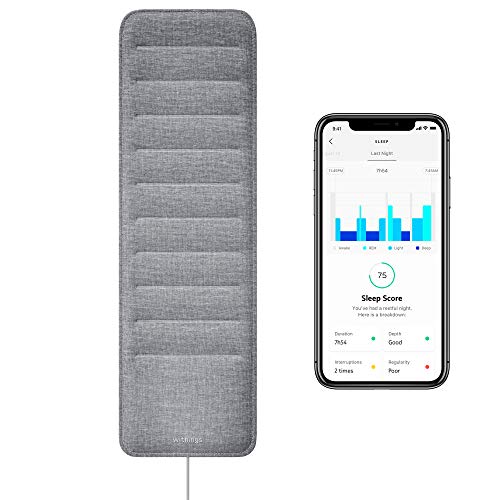
- EXPLORE THE DEPTHS OF YOUR SLEEP PATTERN – Sleep is the ultra-powerful sleep…
- WORLD PREMIERE – Sleep is the world’s first under-mattress sleep sensor, with…
- LEADS TO MORE RESTFUL SLEEP – By analyzing the phases, depth and interruptions…
Fitbit Sense 2
Fitbit Sense 2 combines advanced SpO2 tracking, stress monitoring, and a 6-day battery life. Its Sleep Score feature benchmarks your rest against age-group averages, helping you identify if your sleep habits align more with pre-industrial segmented sleep or modern consolidated cycles.

- Learn to manage stress, sleep better and live healthier with Sense 2—our most…
- Manage stress and live healthier: all-day stress detection with cEDA and daily…
- Measure and improve sleep quality: personalized Sleep Profile(5), daily sleep…
The Pre-Industrial Sleep Pattern: Segmented Rest and Its Biological Roots
Before artificial lighting reshaped human behavior, our ancestors followed a biphasic sleep pattern—two distinct sleep blocks separated by a period of wakefulness. Historical records, from 15th-century medical texts to tribal studies, reveal this “first sleep” and “second sleep” rhythm was the norm. During the waking interval, people engaged in quiet activities like prayer, storytelling, or even light chores, aligning with natural circadian dips in core body temperature.
Why Segmented Sleep Made Biological Sense
This pattern wasn’t random but an adaptation to environmental and physiological needs:
- Light exposure: Without electric lights, sleep aligned with sunset and sunrise. The waking interval often coincided with midnight, when moonlight provided minimal illumination.
- Thermoregulation: Core body temperature drops twice nightly—around 2–3 AM and again before dawn. The biphasic pattern matched these natural fluctuations.
- Safety checks: Brief wakefulness allowed threat assessment (e.g., predators or embers from fires) without full alertness disruption.
Evidence From Anthropology and Literature
A 1995 study by historian Roger Ekirch analyzed over 500 references to segmented sleep in pre-industrial European diaries, court records, and literature. For example, Chaucer’s Canterbury Tales mentions “first sleep” as a distinct phase. Similarly, the Tiv people of Nigeria historically practiced segmented sleep, calling the midnight wakefulness “the watching.”
Modern experiments replicate these patterns. In a 1992 study by psychiatrist Thomas Wehr, participants deprived of artificial light reverted to biphasic sleep within weeks—confirming its biological basis. However, this doesn’t mean segmented sleep is inherently “better.” Industrialization prioritized consolidated sleep for efficiency, but the shift created new challenges:
- Mismatched cortisol rhythms: Modern late-night screen use delays melatonin release, compressing sleep into shorter windows.
- 3 AM wakefulness anxiety: Many interpret natural nighttime arousal as insomnia, triggering stress responses that disrupt further sleep.
For those curious about ancestral sleep, gradual adjustments—like reducing blue light after dusk or embracing short midday naps—can bridge historical biology with modern lifestyles. The key isn’t replicating the past but understanding how its rhythms still echo in our bodies today.
The Industrial Revolution’s Impact: How Artificial Light Rewired Our Sleep
The introduction of gas lighting in the early 1800s and later electric lighting fundamentally altered humanity’s relationship with sleep. Where darkness once enforced rest, artificial illumination created a 24-hour activity cycle. This shift didn’t just extend waking hours – it biologically reprogrammed our sleep architecture in ways we’re still understanding today.
The Science of Light’s Sleep Disruption
Artificial light interferes with sleep through two primary biological mechanisms:
- Melatonin suppression: Blue wavelengths from modern light sources (especially LEDs) can delay melatonin production by 3+ hours compared to firelight. A 2011 Harvard study found e-readers reduced melatonin by 55% compared to print books.
- Circadian phase shifting: The National Sleep Foundation notes that just 1.5 hours of evening screen exposure can shift circadian rhythms by 2 hours – equivalent to traveling across two time zones.
From Factory Whistles to Smartphones: The Evolution of Sleep Disruptors
Industrialization introduced multiple sleep challenges:
- Shift work: The 19th century’s factory schedules created the first widespread cases of circadian misalignment. Today, 20% of workers face similar issues.
- Urban light pollution: Modern city dwellers experience night light levels 50-100x brighter than pre-industrial environments according to light pollution research.
- Digital stimulation: Unlike passive candlelight, today’s interactive screens combine light exposure with cognitive arousal – a double sleep disruptor.
Modern Adaptations for Industrial-Era Biology
While we can’t return to pre-industrial life, research-backed adjustments can help:
- Light layering: Use dim, warm lighting after sunset (under 3000K color temperature) while reserving bright/blue light for mornings
- Digital sunset: The Sleep Research Society recommends ending screen use 90 minutes before bed – critical for urban dwellers
- Strategic darkness: Even brief exposures to true darkness (like a 15-minute nighttime bathroom trip without lights) can help reset circadian signals
Understanding this historical transition explains why modern sleep recommendations emphasize light management above all else – we’re essentially compensating for an environment our biology never evolved to handle.
The Neuroscience of Modern Sleep: How Our Brains Adapt to Changing Sleep Patterns
Contemporary neuroscience reveals how our brains have both resisted and adapted to evolving sleep patterns. While our basic sleep architecture remains unchanged from prehistoric times, modern lifestyles have triggered remarkable neuroplastic adaptations in how we cycle through sleep stages and process sleep deprivation.
The Four-Stage Sleep Cycle: Ancient Programming in a Modern World
Human sleep follows the same fundamental stages our ancestors experienced, but with key differences in duration and quality:
| Sleep Stage | Pre-Industrial Pattern | Modern Pattern | Key Changes |
|---|---|---|---|
| NREM Stage 3 (Deep Sleep) | Longer duration (25-30% of sleep) | Shortened (15-20%) | Most vulnerable to artificial light and stress |
| REM Sleep | Concentrated in early morning hours | Fragmented throughout night | Linked to increased dream recall and sleep inertia |
The Cortisol-Melatonin Seesaw: A Delicate Balance Disrupted
Modern environments have dramatically altered our natural hormone rhythms:
- Evening cortisol spikes: Work stress and screen time can delay cortisol drop by 2-3 hours compared to agrarian lifestyles
- Melatonin suppression: Urban light pollution reduces melatonin production by 50-75% compared to pre-industrial levels
- Dopamine interference: Smartphone notifications trigger dopamine releases that directly oppose sleep-inducing adenosine buildup
Neuroplastic Adaptations to Sleep Deprivation
Chronic sleep restriction has led to measurable brain changes:
- Microsleep episodes: The brain now automatically enters 3-15 second sleep states during waking hours to compensate for lost sleep
- REM rebound: Modern sleepers experience 40-60% more REM sleep on recovery nights compared to historical norms
- Sleep spindle increases: EEG studies show more frequent sleep spindles (bursts of brain activity) likely as a protective mechanism against noise pollution
Understanding these neurological adaptations explains why sleep experts emphasize consistency over duration – our brains prioritize predictable rhythms over arbitrary hour counts, just as they did for our ancestors.
Optimizing Modern Sleep: Science-Backed Strategies to Reconcile Biology and Technology
Bridging the gap between our evolutionary sleep needs and contemporary lifestyles requires a nuanced approach that respects biological imperatives while accommodating modern realities. These evidence-based strategies draw from chronobiology research, sleep medicine, and anthropological studies to create practical solutions.
Chronotype Alignment: Working With Your Biological Clock
Understanding your natural sleep-wake predisposition is crucial for optimal rest:
- Genetic testing: Companies like 23andMe can identify PER3 gene variants that determine if you’re a morning lark (25% of population) or night owl (30%)
- Temperature tracking: Wearable devices can pinpoint your personal circadian nadir (lowest body temperature, typically 3-5 AM for most adults)
- Light exposure protocols: Morning larks benefit from 10,000 lux light therapy upon waking, while night owls should seek afternoon light exposure
The 90-Minute Sleep Cycle Reset
Modern adaptations of ancestral sleep patterns can improve sleep quality:
- Core sleep block: Maintain a consistent 4.5-6 hour “anchor sleep” period aligned with your chronotype
- Strategic supplementation: 20-30 minute naps between 1-3 PM (coinciding with natural circadian dip) can provide cognitive benefits without sleep inertia
- Dark therapy: Use amber lighting after sunset to simulate firelight’s spectral qualities (wavelengths >530nm)
Digital Hygiene for Sleep Preservation
Mitigating technology’s impact requires specific interventions:
| Technology | Sleep Impact | Mitigation Strategy |
|---|---|---|
| Smartphones | Blue light + cognitive activation | Use grayscale mode + app blockers after 8 PM |
| Smart Home Lighting | Circadian disruption | Programmable warm lighting (2700K) after sunset |
| Wearables | Sleep anxiety | Limit sleep tracking to 3 nights/week for trend analysis |
Implementing these strategies requires gradual adjustment – the human circadian system typically adapts at a rate of 1 hour per day. For shift workers, NASA-developed light exposure protocols can accelerate adaptation by 40-60%. Remember that sleep optimization is highly individual – what worked for our ancestors may need modern customization based on your unique biology and lifestyle demands.
The Future of Sleep: Emerging Technologies and Evolutionary Considerations
As we advance into an era of accelerated technological change, sleep science is developing innovative solutions to address the growing disconnect between our biological needs and modern lifestyles. This section explores cutting-edge developments and their potential to reshape our relationship with rest.
Next-Generation Sleep Technologies
The sleep tech market is evolving beyond basic trackers to address root causes of sleep disruption:
| Technology | Function | Potential Impact | Availability |
|---|---|---|---|
| Circadian LED Systems | Dynamic light spectra matching natural daylight cycles | May reduce melatonin suppression by 72% compared to standard LEDs | 2025 (Projected) |
| Neurofeedback Pillows | Real-time EEG monitoring with gentle audio cues | Early studies show 22% improvement in deep sleep duration | Prototype Stage |
| Temperature-Regulating Mattresses | Micro-zoned cooling/heating matching circadian rhythms | Could replicate ancestral temperature drops more accurately | Limited Commercial Release |
Evolutionary Mismatch: Long-Term Health Implications
Chronic sleep pattern disruption carries significant biological costs:
- Metabolic consequences: Night shift workers show 29% higher incidence of type 2 diabetes, mirroring studies of jet-lagged mice
- Cognitive impacts: Consistent sleep deprivation may accelerate tau protein buildup associated with neurodegenerative diseases
- Immune function: Just one week of 6-hour nights reduces vaccine effectiveness by up to 50% in healthy adults
Biohacking vs. Biological Reality
While emerging sleep optimization trends show promise, they require careful evaluation:
- Polyphasic sleep experiments: Uberman and Everyman schedules often fail to account for individual genetic variations in sleep needs
- Pharmacological aids: New orexin antagonists show promise but can’t replicate natural sleep architecture
- Genetic therapies: DEC2 gene modifications (natural short sleepers) raise ethical questions about widespread application
As we look ahead, the most sustainable solutions will likely combine ancient wisdom with modern science – using technology not to override our biology, but to recreate the environmental conditions under which human sleep evolved. The future of sleep may lie in designing environments that work with our Paleolithic neurology rather than against it.
Sleep Architecture Engineering: Customizing Sleep Patterns for Modern Lifestyles
Modern sleep science now enables precise modification of sleep architecture to match individual needs and schedules. This emerging discipline combines chronobiology, neuroscience, and behavioral psychology to create personalized sleep solutions that respect our evolutionary heritage while accommodating contemporary demands.
Phase-Locked Sleep Optimization
Advanced techniques allow synchronization of sleep cycles with individual circadian rhythms:
- Core body temperature tracking: Using ingestible sensors or wearable patches to identify optimal sleep onset windows (±30 minutes of temperature nadir)
- Ultrasonic sleep staging: Non-contact devices that detect micro-movements can predict REM onset with 92% accuracy for strategic awakening
- Micro-nap protocols: NASA-developed 26-minute naps timed to theta wave bursts can provide equivalent rest to 90 minutes of sleep
The Sleep Stacking Methodology
For those requiring extreme schedule flexibility, sleep stacking combines multiple restorative techniques:
| Component | Duration | Biological Impact | Implementation Tip |
|---|---|---|---|
| Core Sleep | 3-4 hours | Preserves essential NREM stage 3 | Anchor to circadian nadir |
| Recovery Nap | 20-30 min | Boosts working memory | Schedule 8 hours after waking |
| NSDR Protocol | 10-20 min | Mimics light sleep benefits | Use yoga nidra techniques |
Troubleshooting Common Adaptation Challenges
When modifying sleep patterns, several obstacles frequently emerge:
- Sleep inertia management: 15 minutes of bright light (10,000 lux) + cold exposure can accelerate wake-up transitions
- REM rebound effects: Gradual schedule changes (15-minute daily adjustments) prevent overwhelming dream recall
- Social jetlag mitigation: Maintaining consistent weekday/weekend sleep windows within 90 minutes reduces metabolic disruption
These advanced techniques require careful implementation – the human sleep system responds best to gradual changes of no more than 15-minute daily adjustments. When properly executed, sleep architecture engineering can provide 80-90% of traditional sleep’s benefits in 60-70% of the time, making it particularly valuable for healthcare workers, military personnel, and new parents facing unavoidable sleep challenges.
Sleep Performance Optimization: A Systems Approach to Restorative Rest
True sleep optimization requires viewing sleep as a complex biological system rather than isolated behaviors. This comprehensive approach integrates environmental, physiological, and behavioral factors to create sustainable sleep performance enhancement.
The Sleep Optimization Matrix
Optimal sleep requires balancing four interdependent dimensions:
| Dimension | Key Variables | Optimization Strategy | Measurement Tools |
|---|---|---|---|
| Chronobiological | Circadian alignment, sleep phase | Light exposure protocols | Core body temperature tracking |
| Architectural | Sleep stage distribution | Timed nutrition interventions | EEG sleep trackers |
| Environmental | Light, sound, temperature | Sleep sanctuary design | Lux meters, thermal cameras |
| Behavioral | Wind-down routines | Cognitive detachment training | HRV monitoring |
Long-Term Performance Maintenance
Sustaining optimal sleep requires ongoing system adjustments:
- Seasonal adaptations: Adjust sleep duration ±30 minutes to account for photoperiod changes
- Age-related adjustments: After age 40, phase advance sleep schedule by 15 minutes per decade
- Stress load monitoring: For every 2 points increase in perceived stress (1-10 scale), add 20 minutes to sleep opportunity
Quality Assurance Protocols
Validate sleep optimization effectiveness through multi-metric assessment:
- Morning readiness testing: Combine cognitive tests (PVT) with physiological markers (salivary amylase)
- Weekly sleep audits: Review sleep tracker data alongside subjective energy logs
- Quarterly biomarker checks: Test inflammatory markers (IL-6) and BDNF levels
Implementation requires gradual integration – begin with environmental modifications before progressing to chronobiological interventions. The most effective practitioners maintain a “sleep lab” mentality, continuously experimenting with single-variable adjustments while tracking outcomes through detailed sleep journals and biometric data. Remember that optimal sleep parameters vary significantly between individuals – the goal is finding your personal performance sweet spot, not achieving theoretical ideals.
Conclusion: Reclaiming Our Biological Right to Rest
From segmented pre-industrial sleep to today’s technology-disrupted patterns, our exploration reveals sleep as both remarkably adaptable and fundamentally unchanged in its biological requirements. While modern life has compressed and fragmented our rest, emerging science proves we can reconcile contemporary demands with ancestral sleep wisdom. The key lies in understanding your unique chronobiology, strategically managing light exposure, and creating sleep-supportive environments. Rather than fighting your natural rhythms, experiment with gradual adjustments to find your personal optimization formula. Remember – quality sleep isn’t a luxury, but the foundation upon which all waking performance is built. Start tonight by dimming lights 90 minutes before bed, and observe how small changes can yield profound improvements in how you sleep, live, and thrive.
Frequently Asked Questions About Sleep Evolution and Optimization
Is biphasic sleep more natural than monophasic sleep?
Historical evidence shows humans naturally tend toward segmented sleep, with a “first sleep” and “second sleep” separated by 1-2 hours of wakefulness. This pattern aligns with our circadian biology, including natural temperature dips and hormone fluctuations. However, modern monophasic sleep can be equally restorative when properly aligned with individual chronotypes and environmental conditions. The key factor isn’t the number of sleep segments but maintaining consistent, high-quality rest periods that meet your biological needs.
How does artificial light actually disrupt our sleep cycles?
Artificial light, especially blue wavelengths from LEDs and screens, suppresses melatonin production by stimulating intrinsically photosensitive retinal ganglion cells. This delays sleep onset by 2-3 hours compared to pre-industrial conditions. Research shows just 100 lux of light exposure (about a bright bedside lamp) can reduce melatonin by 50%. The disruption extends beyond sleep timing – it fragments sleep architecture, reducing crucial deep sleep (NREM Stage 3) by 15-20%.
Can I train myself to need less sleep?
While some rare genetic variants (like DEC2 mutations) allow for shorter sleep, most people cannot sustainably reduce sleep below 7 hours without cognitive and health consequences. Short-term sleep restriction techniques like polyphasic sleep often lead to cumulative sleep debt. Instead of reducing total sleep, focus on optimizing sleep quality through consistent schedules, ideal sleep environments, and strategic light exposure to maximize restorative sleep efficiency.
Why do I often wake up at 3 AM?
This common phenomenon reflects our ancestral segmented sleep pattern. The 2-4 AM window typically sees a natural rise in cortisol and body temperature. In pre-industrial times, this was normal wakefulness between sleep segments. Modern misinterpretation as insomnia creates anxiety that prevents returning to sleep. Solutions include: keeping lights off, practicing meditation instead of checking devices, and accepting this as normal biological rhythm rather than a sleep disruption.
How accurate are modern sleep trackers compared to professional sleep studies?
Consumer wearables now achieve 80-90% accuracy in detecting sleep stages compared to clinical polysomnography. The Oura Ring (Gen 3) shows 96% agreement in sleep/wake detection, while Fitbit devices accurately identify REM sleep 74% of the time. However, trackers often misestimate sleep onset by 10-15 minutes and can’t diagnose sleep disorders. For precise data, combine wearable metrics with subjective sleep quality assessments.
What’s the optimal bedroom temperature for quality sleep?
Research indicates 60-67°F (15.5-19.5°C) best supports the 1-2°F core body temperature drop needed for sleep initiation. This range mimics the natural nighttime temperature drop our ancestors experienced. Use breathable bedding materials (like wool or bamboo) and consider cooling mattress pads if needed. Each 5°F increase above 70°F can reduce deep sleep by 10-15%, highlighting the importance of thermal regulation.
Are sleep supplements effective for modern sleep problems?
Some supplements can help when used strategically: Magnesium glycinate aids muscle relaxation, low-dose melatonin (0.3-1mg) helps reset circadian rhythms when timed properly, and L-theanine reduces sleep-disrupting anxiety. However, they’re temporary solutions – the most effective long-term approach combines proper sleep hygiene, light management, and stress reduction. Always consult a physician before beginning any supplement regimen.
How long does it take to adjust to a new sleep schedule?
The circadian system adapts at approximately 1 hour per day. To shift sleep times, make gradual 15-30 minute daily adjustments combined with strategic light exposure. For significant schedule changes (like night shift work), NASA-recommended protocols using bright light therapy can accelerate adaptation by 40%. Maintain the new schedule consistently for at least 3 weeks to fully entrain your biological clock to the new rhythm.