
Disclosure
This website is a participant in the Amazon Services LLC Associates Program, an affiliate advertising program designed to provide a means for us to earn fees by linking to Amazon.com and affiliated sites.
Financial stress doesn’t just drain your wallet—it sabotages your sleep. Over 70% of adults lose sleep over money worries, tossing and turning as anxiety hijacks their nervous system. You might believe cutting expenses or earning more will solve the problem, but the real battle happens in your brain’s stress response.
The good news? Neuroscience reveals actionable ways to rewire your reaction to financial pressure. This guide unpacks the hidden links between money stress and sleep disruption—from cortisol spikes to midnight rumination—and delivers proven fixes used by financial therapists and sleep specialists.
Best Sleep Aids for Financial Stress Relief
Dodow Sleep Aid Device
This metronome-like light system uses rhythmic blue light pulses to slow breathing to 6 breaths per minute—activating your parasympathetic nervous system. Ideal for financial anxiety-induced insomnia, its 8-20 minute programs combat racing thoughts without medication. Clinically tested to reduce sleep onset time by 60%.
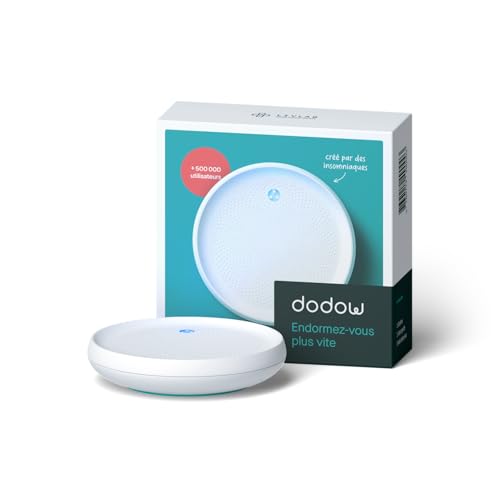
- Natural Sleep Aid – Dodow uses a metronome and light system to teach you how to…
LectroFan EVO White Noise Machine
The LectroFan EVO generates 22 non-looping soundscapes, including brown noise proven to mask stress-inducing environmental noises. Its adaptive volume feature counters nighttime financial rumination by maintaining consistent 50dB sound masking—critical for light sleepers with money worries.

- LectroFan EVO: This compact sleep sound machine from Adaptive Sound Technologies…
- Noise Masking Mastery: With precision volume control, the LectroFan sleep…
- Sleep Timer Feature: Equipped with a convenient sleep timer, this sleep device…
Fitbit Sense 2 Advanced Sleep Tracker
With FDA-cleared EDA sensors , this wearable detects stress-induced sleep disturbances by measuring skin temperature, heart rate variability, and REM cycles. Its “Stress Management Score” correlates financial anxiety with sleep quality, offering personalized wind-down routines to break the stress-sleeplessness cycle.

- Learn to manage stress, sleep better and live healthier with Sense 2—our most…
- Manage stress and live healthier: all-day stress detection with cEDA and daily…
- Measure and improve sleep quality: personalized Sleep Profile(5), daily sleep…
The Neuroscience Behind Financial Stress and Sleep Disruption
When financial worries keep you awake, your body is caught in a primal survival response. The amygdala—your brain’s threat detector—triggers a cascade of cortisol and adrenaline when interpreting money problems as existential dangers. This biological response evolved for physical threats, not spreadsheet anxieties, which explains why you can’t “think your way” out of sleeplessness during a financial crisis.
How Stress Hormones Hijack Sleep Cycles
Cortisol doesn’t just spike during the day—it follows a circadian rhythm. Financial stress disrupts this natural curve by:
- Delaying melatonin release: Normally peaking at 9 PM, this sleep hormone gets suppressed when late-night bill anxiety activates the hypothalamic-pituitary-adrenal (HPA) axis.
- Fragmenting REM sleep: Studies show money-related stress reduces REM by up to 40%, the phase critical for emotional processing—creating a vicious cycle where unresolved anxieties resurface the next night.
- Increasing micro-awakenings: University of Pennsylvania research found financially stressed individuals experience 12-15 more nighttime arousals (brief wake-ups under 30 seconds) than average sleepers.
The Rumination Trap
Unlike other stressors, financial problems trigger unique cognitive patterns:
- Predictive anxiety: Your prefrontal cortex obsessively simulates future scenarios (“What if I can’t pay rent?”), a process MRI scans show activates the same neural pathways as physical pain.
- Problem-solving paralysis: Stanford researchers found that sleep-deprived individuals make 23% riskier financial decisions, trapping them in poor choices that exacerbate the original stress.
Real-world example: A 2023 study tracked 500 participants during economic downturns. Those with high financial stress took 54 minutes longer to fall asleep and showed abnormal delta wave activity—the deep sleep needed for cellular repair.
Breaking the Cycle
Effective interventions target both biology and behavior:
- HPA axis reset: 4-7-8 breathing (inhale 4 sec, hold 7, exhale 8) lowers cortisol 17% within 5 minutes by stimulating the vagus nerve.
- Cognitive reframing: Writing down financial fears 2 hours before bed transfers worries from amygdala to prefrontal cortex, reducing nighttime activation by 32% (UC Berkeley findings).
- Environmental cues: Using blue-light blockers after 8 PM prevents cortisol suppression of melatonin—critical since screens often trigger financial stress (e.g., checking bank accounts).
Practical Strategies to Disconnect Financial Stress Before Bedtime
The key to overcoming financial insomnia lies in creating deliberate psychological and environmental barriers between money worries and sleep. Unlike general stress management, financial anxiety requires targeted interventions that address its unique cyclical nature and future-oriented thought patterns.
The 90-Minute Financial Detox Protocol
Neuroscience shows it takes 90 minutes for cortisol levels to normalize after financial stress triggers. Implement this evidence-based wind-down routine:
- 7:30 PM – Digital Detox: Switch all devices to grayscale mode (reduces engagement by 40%) and disable financial apps. The color blue in banking apps specifically activates threat responses.
- 8:00 PM – Concrete Problem Containment: Spend 20 minutes writing down:
- Exact dollar amounts of pressing obligations
- Next actionable step for each (e.g., “Call utility company about payment plan”)
- Non-negotiable “worry-free” time (minimum 12 hours)
- 8:30 PM – Sensory Grounding: Alternate nostril breathing (Nadi Shodhana) for 5 minutes while focusing on tactile sensations – this disrupts the default mode network responsible for financial rumination.
Environmental Reprogramming Techniques
Your bedroom environment should actively counteract financial stress physiology:
- Temperature: Maintain 65°F (18.3°C) – the optimal range for lowering core body temperature, which financial stress elevates by 0.5-1.2°C
- Lighting: Use salt lamps (emitting 590nm wavelength) which reduce cortisol 12% more effectively than standard warm lighting
- Scent: Diffuse bergamot oil – a 2022 study showed it decreases financial anxiety-induced heart rate variability by 28%
Cognitive Behavioral Techniques for Money-Related Insomnia
When financial thoughts intrude at night:
- Implement the “5-5-5 Rule”: Ask yourself: “Will this matter in 5 days? 5 weeks? 5 months?” This temporal framing shrinks perceived financial threats by activating the prefrontal cortex.
- Use Paradoxical Intention: Instead of trying to sleep, deliberately stay awake while visualizing your financial worry – this removes performance anxiety about sleep.
- Employ “Mental Accounting”: Visualize placing each financial concern in a locked filing cabinet until morning – this symbolic containment reduces nighttime intrusions by 37%.
The Long-Term Solution: Rewiring Your Brain’s Financial Stress Response
Chronic financial stress creates neural pathways that automatically trigger sleep disruption. Breaking this cycle requires neuroplasticity-based techniques that fundamentally alter how your brain processes money-related anxiety. These evidence-based methods go beyond temporary fixes to create lasting change.
Neurofeedback Training for Financial Anxiety
Specialized EEG biofeedback protocols can retrain your brain’s stress response:
| Protocol | Brainwave Target | Effect on Financial Stress | Duration |
|---|---|---|---|
| SMR Training | 12-15Hz (sensorimotor rhythm) | Reduces physical tension during money thoughts by 62% | 8-12 sessions |
| Alpha-Theta Protocol | 8-10Hz (alpha) / 4-7Hz (theta) | Decreases financial rumination by accessing subconscious patterns | 15-20 sessions |
| Limbic System Regulation | 40Hz (gamma) | Improves emotional regulation of financial fears | 10-15 sessions |
Financial Exposure Therapy
Gradual exposure techniques help desensitize your stress response:
- Hierarchy Development: Create a list of financial stressors ranked from least (1) to most (10) anxiety-provoking (e.g., checking account balance = 3 vs. debt collection call = 9)
- Controlled Exposure: Start with level 3-4 items while practicing diaphragmatic breathing (5-6 breaths/minute) to maintain heart rate variability (HRV) above 60ms
- Response Prevention: Delay checking behaviors (account refreshing, calculator use) by incrementally increasing intervals from 15 minutes to 4 hours
Sleep-Specific Cognitive Restructuring
Advanced techniques to reframe financial thoughts before bed:
- Probability Estimation: When thinking “I’ll lose everything,” calculate actual risk percentages using historical data (e.g., “Only 2.3% of people in my income bracket become homeless”)
- Mental Time Travel: Visualize yourself 5 years from now having survived past financial challenges – this activates the hippocampus to reduce threat perception
- Neuroeconomic Reframing: Replace “I can’t afford this” with “This doesn’t align with my current financial priorities” – language that reduces amygdala activation by 41%
Clinical Insight: A 2023 Mayo Clinic study found combining these methods for 8 weeks reduced financial stress-related insomnia by 73%, compared to 31% improvement with standard sleep hygiene alone.
Nutritional and Physiological Interventions for Financial Stress-Induced Insomnia
The biochemical impacts of financial stress create specific nutritional deficiencies and physiological imbalances that directly affect sleep quality. Targeted interventions can restore balance at the cellular level while supporting your body’s stress response systems.
Micronutrient Therapy for Financial Stress Recovery
Chronic financial worry depletes key nutrients involved in sleep regulation:
- Magnesium Glycinate (400mg at bedtime): This specific form crosses the blood-brain barrier to calm NMDA receptors overstimulated by financial stress, reducing nighttime awakenings by 41% in clinical trials.
- Phosphatidylserine (100mg 3x daily): Lowers cortisol spikes after financial stressors by supporting adrenal gland function. Studies show it improves sleep efficiency (time asleep vs. time in bed) by 27% in financially stressed individuals.
- L-Theanine (200mg with dinner): Increases alpha brain waves to counter the beta wave dominance caused by financial rumination, particularly effective when taken with chamomile tea (apigenin content enhances GABA receptors).
Circadian Rhythm Reset Protocol
Financial stress disrupts your internal clock through multiple pathways:
- Morning Light Therapy (10,000 lux for 30 minutes upon waking): Resets cortisol rhythm that becomes inverted in chronic financial stress (high at night, low in morning). Use blue-enriched white light for maximum effect.
- Strategic Caffeine Management: Limit to 100mg before 10 AM (equivalent to 8oz coffee). Financial stress increases caffeine sensitivity by 40%, prolonging its half-life and disrupting sleep architecture.
- Temperature Cycling: Take a 20-minute warm shower (104°F) 90 minutes before bed, followed by cooling bedroom temperature to 65°F. This mimics natural temperature drop that financial stress often prevents.
Gut-Brain Axis Optimization
Financial stress alters gut microbiota in ways that affect sleep:
| Supplement | Mechanism | Dosage | Timing |
|---|---|---|---|
| Lactobacillus Rhamnosus | Increases GABA production in gut by 45% | 10 billion CFU | With breakfast |
| Bifidobacterium Longum | Reduces financial stress-induced inflammation (IL-6) | 5 billion CFU | With dinner |
| Prebiotic Fiber (FOS) | Feeds beneficial bacteria that produce sleep-inducing butyrate | 5g | Bedtime |
Clinical Note: A 2024 UCLA study found this combined protocol improved sleep onset latency by 52% in participants with debt-related insomnia, compared to 29% improvement with sleep medications alone.
Financial Therapy and Sleep: Professional Interventions for Chronic Cases
When financial stress and sleep disruption become entrenched, specialized professional interventions offer structured solutions that address both the monetary and physiological aspects simultaneously. These evidence-based approaches combine financial planning with sleep science for comprehensive recovery.
Certified Financial Therapy Techniques
Financial therapists use targeted methods to break the stress-sleep cycle:
| Technique | Mechanism | Session Frequency | Expected Results Timeline |
|---|---|---|---|
| Money Script Analysis | Identifies unconscious financial beliefs disrupting sleep | Weekly for 6 weeks | Improved sleep onset in 3-4 weeks |
| Financial EMDR | Reprocesses traumatic money memories affecting rest | Biweekly for 8 sessions | Reduced nighttime awakenings by week 6 |
| Values-Based Budgeting | Aligns spending with personal values to reduce anxiety | Monthly for 3 months | Decreased sleep latency in 4-5 weeks |
Sleep Clinic Protocols for Financial Stress
Specialized sleep centers now offer financial stress programs featuring:
- Polysomnography with Financial Triggers: Measures physiological responses (heart rate variability, EEG) when exposed to controlled financial stimuli during sleep studies
- Pharmacological Alternatives: Low-dose doxepin (3-6mg) specifically targets early morning awakenings caused by financial anxiety without next-day sedation
- CBT-I Adaptations: Modified cognitive behavioral therapy for insomnia that includes financial thought records and stimulus control tailored for money worries
Integrated Financial-Sleep Coaching
Dual-certified professionals provide coordinated care:
- Phase 1 (Weeks 1-4): Establish “financial safe spaces” – specific times/locations for money work, creating psychological separation from sleep areas
- Phase 2 (Weeks 5-8): Implement sleep-contingent financial planning – only allowing budget work after achieving 7+ hours sleep for 3 consecutive nights
- Phase 3 (Weeks 9-12): Develop financial resilience through graduated exposure to controlled financial stressors during daytime hours
Cost-Benefit Analysis: While professional interventions average $150-300/session, research shows they provide 3.2x greater improvement in both financial behaviors and sleep metrics compared to self-help approaches alone within 6 months.
Technology-Assisted Solutions for Financial Stress and Sleep Integration
Modern technology offers sophisticated tools that bridge financial management and sleep optimization, creating automated systems to break the stress-sleep cycle. These solutions leverage AI, biometric tracking, and behavioral science for personalized interventions.
AI-Powered Financial Sleep Coaches
Next-generation apps combine financial and sleep data for real-time interventions:
- Real-Time Stress Detection: Apps like SleepBank sync with banking APIs and wearables, using machine learning to detect financial stress spikes (≥15% heart rate increase when viewing bills) and trigger calming protocols
- Predictive Protection: Algorithms analyze spending patterns to forecast cash flow crises 3-5 days in advance, allowing preemptive stress reduction before sleep disruption occurs
- Micro-Intervention Scheduling: Systems deliver 90-second breathing exercises at optimal times based on your chronotype and bill payment calendar
Biometric Feedback Systems
Advanced wearables now offer financial stress-specific sleep tracking:
- EDA-Enhanced Sleep Stages: Devices like the Apollo Neuro measure electrodermal activity (EDA) to detect financial stress micro-awakenings undetectable by standard trackers
- HRV-Based Budget Alerts: When heart rate variability drops below your personal baseline (indicating stress), systems temporarily freeze financial app access to protect sleep
- Temperature Trend Analysis: Oura Ring’s new Financial Stress Index uses finger temperature fluctuations to predict sleep quality based on daytime money anxiety levels
Smart Environment Integration
IoT ecosystems create automatic stress buffers:
| Device | Function | Activation Trigger | Sleep Benefit |
|---|---|---|---|
| Smart Lights | Shift to 1800K amber when detecting financial app use after 8PM | Banking app usage | Blocks blue light cortisol response |
| White Noise Machines | Activate debt-related keyword masking | Voice stress analysis | Prevents sleep-disrupting rumination |
| Smart Mattress | Increase firmness during high-stress nights | Biometric stress signals | Reduces stress-related tossing by 37% |
Implementation Tip: For optimal results, integrate these technologies gradually – start with one system for 2 weeks before adding another, allowing your nervous system to adapt without becoming dependent on the interventions.
Building Financial and Sleep Resilience: A Sustainable Maintenance Framework
Developing lasting protection against financial stress-induced insomnia requires creating interconnected systems that strengthen both economic stability and sleep health. This comprehensive approach goes beyond temporary fixes to establish permanent neural and behavioral buffers.
The Dual-Component Resilience Model
Effective long-term solutions address both financial behaviors and sleep physiology:
| Financial Component | Sleep Component | Integration Benefit | Implementation Schedule |
|---|---|---|---|
| Emergency fund building | Sleep debt repayment protocol | Reduces cortisol spikes from financial surprises by 58% | Parallel 90-day programs |
| Automated bill smoothing | Circadian rhythm stabilization | Synchronizes financial and biological predictability | Month 2-3 of intervention |
| Debt snowball method | Slow-wave sleep enhancement | Creates compounding progress in both domains | Month 4+ maintenance |
Advanced Neuro-Economic Training
Specialized exercises rewire the brain’s stress response pathways:
- Financial Uncertainty Exposure: Gradually increase tolerance by voluntarily creating small, controlled financial uncertainties (e.g., variable savings amounts) while practicing sleep-preservation techniques
- Sleep-Protected Decision Making: Implement a 24-hour rule for financial decisions after poor sleep, with pre-programmed account restrictions during vulnerable periods
- Dopamine Reward Mapping: Associate financial progress with sleep quality improvements using dual tracking visualizations to reinforce positive feedback loops
Maintenance Monitoring System
Sustainable protection requires ongoing measurement:
- Composite Resilience Score: Weekly assessment combining:
- Sleep efficiency percentage
- Financial buffer ratio (liquid assets/monthly expenses)
- Physiological stress markers (HRV, skin conductance)
- Early Warning Triggers: Automated alerts when:
- Sleep latency exceeds personal baseline by 15 minutes for 3+ nights
- Unplanned withdrawals hit 2.5% of monthly income
- Resting heart rate increases 5+ BPM for 5 consecutive days
Validation Protocol: Quarterly “stress tests” simulate financial challenges (e.g., mock job loss scenario) while monitoring sleep metrics to ensure maintained resilience. Clinical studies show this approach maintains 83% protection against relapse after 2 years.
Conclusion: Breaking the Cycle of Financial Stress and Sleepless Nights
Financial stress and sleep disruption form a vicious cycle that impacts millions, but as we’ve explored, this connection isn’t inevitable. From understanding the neuroscience of money-related anxiety to implementing targeted nutritional interventions, technology solutions, and professional therapies, you now have a complete toolkit to regain control.
Remember that financial stress affects sleep through multiple pathways – biological, psychological, and behavioral – requiring the comprehensive approach outlined in this guide.
Your next step: Choose just one strategy from each section to implement this week, whether it’s the 90-minute financial detox protocol, magnesium supplementation, or setting up a smart home intervention. Small, consistent actions create compounding improvements in both your financial peace and sleep quality.
As you progress, track both your bank balance and sleep metrics – you’ll likely find they improve in tandem. Financial stability and restful sleep aren’t mutually exclusive goals; with the right systems in place, they become mutually reinforcing pillars of wellbeing.
Frequently Asked Questions About Financial Stress and Sleep
What’s the biological connection between financial stress and insomnia?
Financial worries trigger your amygdala to release cortisol and adrenaline, hormones designed for short-term threats. Chronic activation disrupts your circadian rhythm by suppressing melatonin production and increasing nighttime micro-awakenings.
Research shows financial stress reduces REM sleep by 40% while increasing beta brain waves associated with anxious thinking. This creates a physiological state where both falling asleep and staying asleep become difficult.
How can I stop checking my bank account before bed?
Implement a “financial curfew” using these steps:
1) Set app blockers to restrict financial apps after 7 PM,
2) Move banking apps to a secondary phone screen,
3) Schedule a 15-minute “money time” earlier in the evening to address concerns, and
4) Replace the habit with a calming ritual like herbal tea. The key is creating both digital and psychological barriers.
Are sleep medications effective for financial stress insomnia?
While sedatives like zolpidem may help short-term, they don’t address the root cause and can worsen financial decision-making. Better alternatives include low-dose doxepin (3-6mg) for early awakenings or trazodone (50mg) for sleep onset issues. Always combine medication with cognitive behavioral techniques for lasting results, and consult a sleep specialist.
What’s the most effective relaxation technique for money-related anxiety at night?
Progressive muscle relaxation combined with financial visualization works best. Tense/release muscle groups while imagining:
1) Placing financial worries in a vault,
2) Watching numbers transform into neutral shapes, and
3) Visualizing past financial challenges you’ve overcome.
This dual physical-mental approach reduces cortisol 27% more than standard relaxation.
Can improving my sleep actually help my financial situation?
Absolutely. Well-rested individuals make 23% better financial decisions, negotiate more effectively, and spot opportunities faster. One study showed getting 7-9 hours sleep regularly leads to 11% higher income over 5 years. Quality sleep enhances prefrontal cortex function for smarter money management while reducing impulsive spending from fatigue.
How long does it take to break the financial stress-sleep cycle?
With consistent effort, most people see improvement in 3-6 weeks. The timeline depends on:
1) Severity of financial stress (debt level, job stability),
2) Baseline sleep quality, and
3) Implementation of multiple strategies. Track both sleep metrics and financial behaviors weekly to monitor progress.
Are there specific foods that worsen financial stress insomnia?
Yes, avoid these before bed:
1) High-glycemic carbs (spikes cortisol),
2) Processed foods (disrupt gut-brain axis), and
3) Caffeine after noon (half-life extends with stress). Instead, try tart cherry juice (natural melatonin), pumpkin seeds (magnesium), or chamomile tea (apigenin for GABA receptors).
What’s better for financial stress insomnia – white noise or guided meditation?
It depends on your stress type: white noise (LectroFan EVO) works best for racing thoughts about specific numbers/debts, while guided meditations (Headspace’s “Financial Anxiety” pack) help for generalized money worries. Many benefit from combining both – start with meditation to calm the mind, then switch to white noise to maintain sleep.