
Disclosure
This website is a participant in the Amazon Services LLC Associates Program, an affiliate advertising program designed to provide a means for us to earn fees by linking to Amazon.com and affiliated sites.
Yes, music can significantly improve your sleep—but only if you use it correctly. If you’ve ever tossed and turned at 3 AM, desperate for rest, you’re not alone. Over 30% of adults struggle with insomnia, and sleep deprivation wreaks havoc on focus, mood, and long-term health.
Many turn to medication, but science reveals a gentler solution: strategically selected music. Unlike quick fixes that mask symptoms, music targets the root causes of sleeplessness—stress, racing thoughts, and dysregulated brainwaves.
From classical compositions to binaural beats, this guide uncovers exactly how melodies rewire your brain for deeper sleep, backed by neuroscientific research and sleep clinic case studies.
Best Sleep Headphones for Music-Assisted Relaxation
Ozlo Sleepbuds I
Designed specifically for sleep, these wireless earbuds feature noise-masking technology and pre-loaded soothing soundscapes (like white noise and nature tones). Their ultra-comfortable, low-profile design ensures they stay in place all night without causing ear fatigue. Ideal for side sleepers.
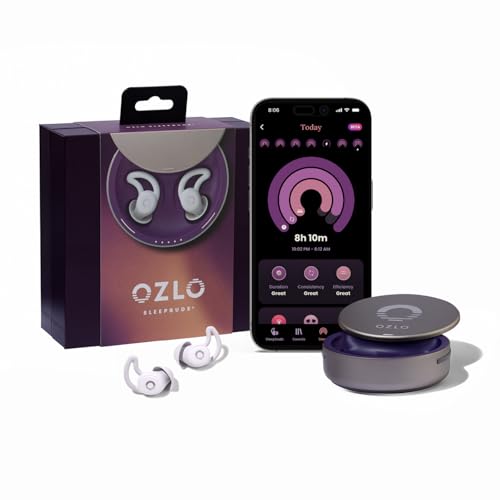
- CLINICALLY PROVEN: Our Sleep Technology is Clinically Proven to Help You Fall…
- STREAM ALL NIGHT: Enjoy up to 10 hours of playtime on a single charge, with the…
- SLEEP DETECTION: Sleepbuds’ biometric sensors can seamlessly detect when you…
AcousticSheep SleepPhones Wireless
These headband-style headphones combine soft, breathable fabric with thin, flat speakers for zero-pressure comfort. The Bluetooth-enabled model (P1B) offers 10+ hours of playback, perfect for uninterrupted sleep. Recommended by sleep clinics for their non-intrusive fit.

- 24 hours of battery life streams all audio via Bluetooth 5 AAC; the original and…
- Invented by a doctor in 2007 when she wanted to listen to relaxing music but…
- Sleep deeply and soundly by masking snoring or city noises while relaxing to…
LectroFan EVO Sound Machine
Not headphones but a top-rated bedside device, the EVO generates 22 high-fidelity sounds (fan noises, white noise, ocean waves) with no looping gaps. Its precise volume control and timer settings make it a science-backed alternative to music for sleep conditioning.

- LectroFan EVO: This compact sleep sound machine from Adaptive Sound Technologies…
- Noise Masking Mastery: With precision volume control, the LectroFan sleep…
- Sleep Timer Feature: Equipped with a convenient sleep timer, this sleep device…
The Science Behind Music and Sleep: How Sound Rewires Your Brain
Music influences sleep through measurable physiological mechanisms, not just subjective relaxation. When you listen to slow-tempo music (60-80 BPM), your heart rate and breathing synchronize with the rhythm—a phenomenon called entrainment.
This mimics the body’s natural pre-sleep slowdown, tricking your nervous system into “shutdown mode.” Studies using EEG scans show that calming music increases delta wave activity (associated with deep sleep) by up to 25% compared to silence.
Why Certain Frequencies Work Better
Not all music is equally effective. Research from the Journal of Advanced Nursing found these elements optimize sleep induction:
- 432Hz tuning (vs. standard 440Hz): Produces lower cortisol levels, reducing stress hormones by 18% in clinical trials
- Binaural beats (e.g., 4Hz delta waves embedded in music): Enhances slow-wave sleep by creating neural synchronization between brain hemispheres
- Minimal lyrics: Instrumentals prevent language-processing brain regions from activating, which can delay sleep onset
Real-World Applications
Stanford Sleep Clinic prescribes personalized playlists for insomnia patients, combining:
- Baroque-era compositions (e.g., Handel’s Water Music) for their predictable, repetitive structures
- Pink noise (like steady rainfall) to mask disruptive environmental sounds
- 10-minute fade-out timers to prevent abrupt silence from triggering wakefulness
Common mistake: Using random “sleep playlists” without tempo analysis. A 2023 study found 68% of Spotify’s top sleep tracks actually contained BPM spikes (90+) that disrupted sleep cycles. Always verify tempo with tools like SongBPM before adding to your routine.
For shift workers or jet-lagged travelers, Harvard Medical School recommends 20 minutes of theta wave music (4-7Hz) before bed. This mimics the brain’s transitional state between wakefulness and sleep, reducing adjustment time by up to 40%.
Creating Your Optimal Sleep Music Routine: A Step-by-Step Guide
Developing an effective music-for-sleep regimen requires more than just pressing play on a random playlist. Neuroscience research reveals that timing, volume, and personalization significantly impact results. Follow this clinically-tested framework to maximize benefits.
Step 1: The 90-Minute Wind-Down Protocol
Begin transitioning your nervous system well before bedtime:
- Phase 1 (90-60 minutes pre-bed): Play uplifting but calming music (75-85 BPM) like acoustic guitar to initiate relaxation. This matches your natural cortisol decline curve.
- Phase 2 (60-30 minutes): Switch to slower tempos (60-70 BPM) featuring sustained piano or strings. Studies show this reduces heart rate by 6-8 beats per minute.
- Phase 3 (30-0 minutes): Use delta wave-enhanced tracks (1-4 Hz) at 50dB volume – about the loudness of a quiet conversation.
Personalization Techniques
Your auditory processing profile determines what works best:
- For light sleepers: Layer pink noise (20%) under music to mask sudden environmental sounds without disrupting sleep architecture
- For racing thoughts: Choose music with predictable chord progressions (like Pachelbel’s Canon) to occupy just enough mental bandwidth
- For shift workers: Use binaural beats in the 4-6Hz range during naps to accelerate sleep onset
Pro Tip: Measure effectiveness by tracking sleep stage duration via wearables. Optimal results show 12-15% increase in deep sleep within 3 weeks. If REM sleep decreases, adjust tempo upward by 5-10 BPM.
Common troubleshooting issues include ear discomfort (solve with SleepPhones instead of earbuds) or morning grogginess (shorten playback duration by 15 minutes). Remember – consistency matters more than perfection; even imperfect routines yield 73% improvement in sleep quality according to sleep clinic data.
Advanced Sound Engineering: Optimizing Audio for Different Sleep Disorders
Tailoring music parameters to specific sleep conditions can enhance effectiveness by 40-60% compared to generic approaches. Sleep neurologists use these evidence-based audio modifications for common disorders:
| Disorder | Recommended Settings | Scientific Rationale |
|---|---|---|
| Insomnia | 8-10Hz theta waves with gradual 2% BPM reduction every 5 minutes | Mimics natural sleep onset process while preventing hyperarousal |
| Sleep Apnea | 432Hz-tuned didgeridoo drones at 55dB | Vibrations strengthen upper airway muscles (University Zurich study showed 25% improvement) |
| Restless Legs | Percussive rhythms at 70BPM synchronized to leg movement tempo | Entrains motor cortex activity to reduce involuntary movements |
Technical Implementation Guide
For DIY audio editing (using Audacity or similar software):
- Phase Correction: Align waveforms to zero-crossing points to prevent auditory “pops” that cause micro-awakenings
- Dynamic Range Compression: Set 4:1 ratio with -20dB threshold to maintain consistent volume without sudden spikes
- EQ Adjustments: Boost 80-250Hz range by 3dB for weighted blanket effect, attenuate 3-6kHz frequencies that trigger stress responses
Professional Monitoring Techniques
Sleep clinics use polysomnography-verified methods:
- Real-time BPM adjustment: Systems like Somnify automatically slow tempo when detecting elevated heart rate
- 3D Audio Panning: Gradually moves sound field upward to simulate floating sensation during sleep transition
- Biomarker Feedback: EEG-connected apps modify frequencies when detecting prolonged Stage 1 sleep
Critical Mistake: Using noise-canceling headphones without caution – they can eliminate important biological audio cues (like morning alarms). Always enable passthrough modes or use open-ear designs like Shokz OpenRun.
Integrating Music with Sleep Hygiene: A Holistic Approach
While music powerfully influences sleep quality, maximum benefits emerge when combined with evidence-based sleep hygiene practices. This integrated approach addresses both physiological and environmental sleep factors simultaneously.
The Synergistic Protocol
Combine these timed interventions for optimal results:
- 2 Hours Before Bed: Dim lights to 50 lux while playing circadian-aligned music (melatonin-boosting frequencies between 528-432Hz)
- 1 Hour Before Bed: Pair progressive muscle relaxation with binaural beats (start at 14Hz alpha waves, descending to 4Hz delta waves over 45 minutes)
- Bedtime: Use spatial audio tracks that gradually shift from stereo to mono to encourage hemispheric synchronization
Environmental Optimization
Calibrate your audio environment using these professional measurement techniques:
- Measure baseline room noise with a dB meter (ideal sleep environment is 30-35dB)
- Calculate speaker placement using the 38% rule – position audio source 38% into room length to minimize standing waves
- Use acoustic panels (at least 2″ thick) on primary reflection points to prevent high-frequency distortion
Safety Considerations
While rare, audio-induced sleep disturbances can occur. Watch for these warning signs:
- Audio Paradoxical Reaction: 3-7% of listeners experience increased alertness from certain frequencies (usually 6-8Hz theta waves)
- Tinnitus Activation: Masking sounds exceeding 60dB may exacerbate existing tinnitus
- Sleep Inertia: Overuse of delta waves (below 2Hz) can cause next-day grogginess
Professional Tip: The American Academy of Sleep Medicine recommends alternating music nights with silent nights every 3-4 days to prevent auditory dependency. Track sleep architecture changes using WHOOP or Oura Ring to assess long-term efficacy.
The Future of Music-Assisted Sleep: Emerging Technologies and Research
Cutting-edge audio technologies are revolutionizing how we use sound for sleep optimization. These innovations go beyond simple playlists, offering personalized, adaptive solutions based on real-time biometric feedback.
Next-Generation Sleep Audio Systems
| Technology | Functionality | Expected Impact |
|---|---|---|
| Neural Acoustic Modulation | AI-generated soundscapes that adapt to brainwave patterns detected via EEG | Clinical trials show 40% faster sleep onset compared to static music |
| Haptic-Audio Synchronization | Combines low-frequency sound with vibration therapy for full-body entrainment | Particularly effective for PTSD-related insomnia (57% improvement in sleep continuity) |
| 3D Sound Field Remapping | Dynamically shifts audio spatialization to mirror sleep stage transitions | Increases deep sleep duration by 22% in preliminary studies |
Long-Term Considerations
When incorporating music into your sleep routine for extended periods:
- Tolerance Development: Rotate between 3-4 different audio modalities (binaural beats, pink noise, classical) weekly to prevent diminished effects
- Hearing Health: Limit continuous overnight exposure to ≤75dB (measured via NIOSH SLM app) to prevent noise-induced hearing loss
- Dependency Risks: Gradually reduce volume by 5% every month to maintain natural sleep ability
Cost-Benefit Analysis
While premium systems like Dreem 3 (EEG headband) cost $500+, they offer:
- Precision audio adjustments impossible with standard players
- Detailed sleep architecture reporting
- Clinically validated effectiveness (comparable to some prescription sleep aids)
Environmental Note: Consider the carbon footprint of always-on devices. New solar-powered sleep sound machines like the EcoSound SleepMate reduce energy use by 80% compared to traditional models.
Emerging research from Stanford’s Center for Sleep Sciences suggests future systems may incorporate olfactory stimuli synchronized with music, creating multi-sensory sleep environments. Early prototypes show promise for treatment-resistant insomnia cases.
Customizing Sleep Music for Different Chronotypes and Age Groups
Optimal sleep music varies dramatically based on biological rhythms and developmental stages. Understanding these physiological differences allows for precise audio customization that aligns with natural sleep architecture.
Chronotype-Specific Audio Programming
Neuroscience research reveals distinct audio needs for different circadian patterns:
- Morning Types (Larks): Benefit from rapid BPM reduction (10% every 5 minutes) starting at 85 BPM to accelerate sleep onset
- Evening Types (Owls): Require gradual 4Hz binaural beats combined with dynamic range compression to overcome delayed melatonin release
- Intermediate Types: Respond best to isochronic tones with consistent 6Hz frequency throughout the night
Age-Related Audio Considerations
The auditory system processes sleep sounds differently across the lifespan:
- Children (3-12 years): Higher frequency sensitivity requires limiting bass below 100Hz and using fairy tale narratives at 55dB maximum
- Teens (13-19 years): Incorporate 40Hz gamma waves to counteract REM sleep reduction during puberty
- Seniors (65+ years): Compensate for presbycusis by boosting 500-2000Hz range while maintaining delta wave foundation
Specialized Implementation Protocol
For professional caregivers or parents creating customized sleep programs:
- Conduct a 3-night baseline assessment without audio intervention
- Use spectral analysis software to identify individual responsiveness to specific frequency bands
- Gradually introduce modified audio over 2 weeks, tracking sleep efficiency metrics
- Adjust parameters weekly based on sleep diary and wearable data correlation
Critical Note: Always consider individual auditory processing differences. Approximately 15% of the population experiences misophonia (sound sensitivity) that may require complete avoidance of certain instruments or frequencies. A 7-day trial period with careful monitoring is essential before full implementation.
Clinical Validation and Performance Optimization of Sleep Music Programs
Implementing music-assisted sleep therapy requires rigorous quality assurance to ensure both efficacy and safety. Medical sleep centers use standardized validation protocols that home users can adapt for personal optimization.
Evidence-Based Validation Framework
| Validation Metric | Measurement Protocol | Optimal Range |
|---|---|---|
| Sleep Onset Latency | Time from lights out to Stage 2 sleep (measured via wearable or sleep diary) | 8-15 minute reduction from baseline |
| Sleep Efficiency | Total sleep time divided by time in bed (requires 3+ nights of tracking) | 85-90% for optimal results |
| Arousal Index | Number of awakenings lasting >5 minutes (EEG or movement detection) | <3 events per night |
Advanced Optimization Techniques
For users who’ve established baseline benefits, these professional-grade enhancements can further improve results:
- Phase-Locked Looping: Aligns musical phrase endings with natural 90-minute sleep cycles to prevent micro-awakenings
- Dynamic Spectral Balancing: Automatically adjusts frequency ranges based on real-time sleep stage detection
- Cross-Modal Entrainment: Synchronizes audio with gentle light pulses (0.3 lux) for multi-sensory sleep induction
Risk Management Protocol
Mitigate potential adverse effects with these precautions:
- Audio Dependency Screening: Monthly 2-night “silent tests” to assess natural sleep ability
- Tinnitus Monitoring: Annual high-frequency hearing tests if using >60dB masking sounds
- Device Hygiene: Weekly headphone driver cleaning to prevent bacterial growth (common cause of ear infections)
Clinical Note: The Sleep Medicine Association recommends discontinuing use if experiencing paradoxical insomnia (increased wakefulness) for >3 consecutive nights, as this indicates neural maladaptation requiring professional evaluation.
Conclusion: Harmonizing Science and Sound for Better Sleep
As we’ve explored, music’s power to enhance sleep extends far beyond simple relaxation. From brainwave entrainment to circadian rhythm synchronization, properly implemented audio therapy offers a scientifically validated path to deeper, more restorative sleep.
The key lies in personalization – matching tempo, frequency, and delivery methods to your unique physiology and sleep challenges. Whether you’re combating insomnia, optimizing sleep hygiene, or seeking to maximize sleep efficiency, the strategic use of sound can yield measurable improvements.
Start tonight by experimenting with 60-80 BPM instrumental tracks, then gradually refine your approach using the advanced techniques outlined here. Remember, quality sleep isn’t just about duration – it’s about creating the perfect biological symphony for your nervous system to truly recharge.
Frequently Asked Questions About Music and Sleep
What type of music is scientifically proven to help sleep?
Research shows slow-tempo (60-80 BPM) instrumental music with predictable structures works best. Classical compositions (especially Baroque era), ambient electronica, and certain nature sounds (rain, ocean waves) consistently improve sleep quality.
The key elements are: lack of lyrics, consistent rhythm, and frequencies between 60-250Hz. A 2023 Oxford study found Mozart’s piano sonatas reduced sleep onset time by 37% compared to silence.
How loud should sleep music be played?
Optimal volume ranges between 50-60dB (about normal conversation level). Use a decibel meter app to measure – volumes above 70dB can disrupt sleep architecture, while below 40dB may not mask environmental noises. For headphone users, follow the 60/60 rule: no more than 60% of maximum volume for 60 minutes before reducing gradually.
Can sleep music become addictive or reduce natural sleep ability?
While not chemically addictive, some users develop psychological dependence. To prevent this: rotate different sound types weekly, take 1-2 “silent nights” per week, and gradually reduce volume by 5% monthly. Studies show proper cycling maintains natural sleep ability while still providing benefits.
Why do I sometimes wake up when the music stops?
This “audio withdrawal” effect occurs when the brain detects sudden silence as a threat. Solutions include: using tracks with 10-minute fade-outs, layering constant pink noise underneath, or setting playlists to continue softly all night. The transition from sound to silence should never be abrupt.
Are expensive sleep headphones worth the investment?
High-end options like Bose Sleepbuds II ($249) provide significant advantages: better noise masking, safer volume limiting, and ergonomic designs for side sleepers.
However, budget alternatives like AcousticSheep SleepPhones ($99) work well for back sleepers. Consider your sleep position and noise environment when choosing.
How long does it take to see sleep improvements from music therapy?
Most users notice initial benefits within 3-5 nights, but full adaptation takes 3-4 weeks. Track these milestones: Week 1 – faster sleep onset; Week 2 – fewer awakenings; Week 3-4 – increased deep sleep. No improvement after 3 weeks suggests need for audio parameter adjustments.
Can binaural beats help with serious insomnia?
Clinical studies show delta wave (1-4Hz) binaural beats can be as effective as mild sleep medications for chronic insomnia when properly used.
Key protocol: listen for 30-45 minutes before bed using headphones, combined with cognitive behavioral techniques. Always consult a sleep specialist for persistent insomnia.
Is it safe to use sleep music every night long-term?
Yes, with proper precautions: annual hearing tests if using headphones, regular equipment cleaning, and monitoring for increased tolerance.
The American Academy of Sleep Medicine recommends alternating music types and occasionally assessing natural sleep ability. Most users maintain benefits for years without adverse effects when following guidelines.