
Disclosure
This website is a participant in the Amazon Services LLC Associates Program, an affiliate advertising program designed to provide a means for us to earn fees by linking to Amazon.com and affiliated sites.
Staring at your phone before bed significantly harms your sleep—and the reasons go deeper than you think. Scrolling through social media or answering emails in bed feels harmless, but science reveals a darker truth. Your phone’s blue light tricks your brain into daytime mode, suppresses sleep hormones, and fragments your rest—leaving you groggy and unfocused.
You might believe winding down with a podcast or e-book is relaxing, but your nervous system disagrees. Studies show even 30 minutes of screen exposure delays melatonin production by over an hour. Combine this with the dopamine hits from notifications, and you’ve created a perfect storm for insomnia.
This isn’t just about fatigue. Chronic sleep disruption fuels anxiety, weight gain, and long-term cognitive decline. The good news? Small, science-backed changes—like adjusting screen settings or embracing analog bedtime routines—can restore deep, restorative sleep.
Best Blue Light Blocking Glasses for Better Sleep
Felix Gray Turing Blue Light Glasses
These stylish, non-prescription glasses block 50% of blue light (400-455 nm) while maintaining color accuracy—ideal for nighttime use. The lightweight frames and anti-reflective coating reduce digital eye strain, making them perfect for late-night scrolling without disrupting melatonin production.
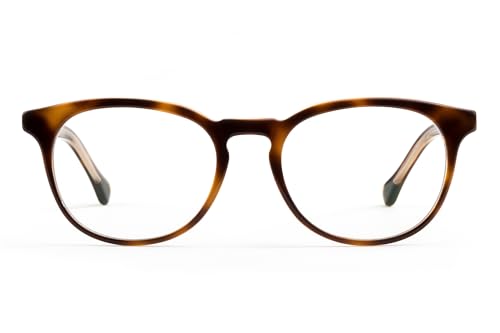
- YOUR PERFECT FIT – A sophisticated circular shape that fits perfectly on…
- WHY FILTER BLUE LIGHT – Daily exposure to screens can disrupt sleep and focus…
- THE FELIX GRAY DIFFERENCE – Our embedded lens tech sets Felix Gray apart…
Swannies Classic Day and Night
Designed specifically for sleep, Swannies block 100% of blue and green light (up to 550 nm) with amber-tinted lenses. Their wraparound design eliminates peripheral light leakage, and they’re FDA-certified as a non-drug sleep aid—backed by clinical studies.
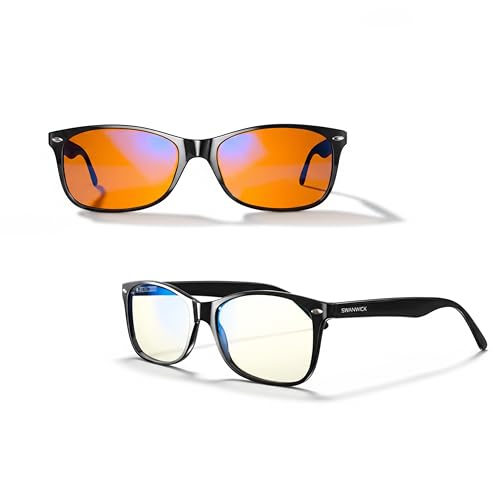
- 2 PAIRS OF PREMIUM BLUE LIGHT BLOCKING GLASSES FOR DAY AND NIGHT: Fully control…
- START EVERY MORNING RIGHT WITH DAY SWANNIES: The specialized virtually clear…
- SWITCH TO NIGHT SWANNIES FOR ENHANCED SLEEP SUPPORT: The specialized…
Oraki Zero Blue Light Blocking Glasses
With 99% blue light filtration (380-500 nm) and UV400 protection, these budget-friendly glasses feature durable TR90 frames. The slight yellow tint minimizes screen glare without distorting colors, making them a practical choice for evening work or entertainment.

- Improve Sleep & Reduce Eye Strain – ORANZI blue light blocking lenses elevate…
- All-Day Wear – Crafted from high-quality TR90 material, ORANZI glasses are…
- Protect Your Eyes – Gamers and Esports competitors often spend long hours in…
Best Sleep-Friendly Smartphone Filters
iOS Night Shift (Built-in Feature)
Apple’s Night Shift mode automatically reduces blue light after sunset, adjustable via “Settings > Display & Brightness.” While not as effective as physical filters, it’s free, easy to enable, and works across all apps—a solid first step for iPhone users.
Android Twilight App (v4.0+)
This app goes beyond basic blue light filters by dynamically adjusting screen color temperature based on sunset/sunrise times. It also includes a “Darkroom Mode” that emits only red light—ideal for preserving melatonin during late-night phone checks.
F.lux for Windows/Mac (v3.0+)
A desktop solution for those who use phones alongside computers, F.lux syncs all devices to your circadian rhythm. Its “Movie Mode” temporarily disables the filter without resetting schedules—perfect for balancing work and sleep hygiene.
Best Alarm Clocks to Replace Phone Use
Hatch Restore 2
This sunrise alarm clock simulates dawn with customizable light gradients and nature sounds. Its “Wind Down” feature replaces bedtime scrolling with guided meditations, while the fully darkening display ensures zero sleep-disrupting LEDs.
Loftie Alarm Clock
With a minimalist design and two-phase alarm (gentle tones followed by louder backup), Loftie eliminates phone dependency. It includes white noise options and a “Do Not Disturb” mode that blocks all notifications—no temptations to check your screen.
Philips SmartSleep Wake-Up Light (Model: HF3520)
Clinically proven to improve morning alertness, this clock uses 20 brightness levels and natural sounds. The sunset simulation gradually dims lights over 30 minutes, signaling your brain to produce sleep-ready melatonin—no blue light required.
How Blue Light From Phones Disrupts Your Circadian Rhythm
Your smartphone’s screen emits a specific type of light that directly interferes with your body’s natural sleep-wake cycle. The culprit? High-energy visible (HEV) blue light, which ranges between 400-490 nanometers on the light spectrum. Unlike warmer hues, blue light mimics daylight, sending powerful signals to your brain that suppress melatonin—the hormone responsible for making you feel sleepy.
The Science Behind Melatonin Suppression
When blue light hits specialized cells in your retina called intrinsically photosensitive retinal ganglion cells (ipRGCs), they trigger a chain reaction:
- Step 1: Light signals travel via the retinohypothalamic tract to your brain’s suprachiasmatic nucleus (SCN)—the body’s master clock.
- Step 2: The SCN pauses pineal gland melatonin production, sometimes for over 90 minutes post-exposure (Harvard Medical School, 2020).
- Step 3: Your core body temperature and cortisol levels remain elevated, delaying deep sleep phases.
This explains why reading an e-book for 30 minutes before bed can add 1.5 extra hours to your time falling asleep compared to a printed book (PNAS, 2015). The effect is compounded by modern OLED screens, which emit 35% more blue light than older LCD displays.
Real-World Impact on Sleep Architecture
Chronic nighttime phone use doesn’t just delay sleep onset—it fragments your entire sleep cycle. Polysomnography studies show:
- Reduced REM sleep: Critical for memory consolidation, REM phases shorten by up to 20% with pre-bed screen use.
- Shallow N3 sleep: The deep, restorative stage becomes 12-15% shorter, leaving you fatigued despite adequate time in bed.
- Micro-awakenings: Notification vibrations or subconscious anticipation of alerts can cause 3-8 brief arousals per hour.
A 2023 UC San Francisco study found participants who used phones within 30 minutes of bedtime had 53% more difficulty returning to sleep after nighttime awakenings compared to those who avoided screens.
Beyond Sleep: Secondary Health Consequences
The ripple effects extend far beyond tiredness. Disrupted circadian rhythms are linked to:
- Metabolic disruption: Blue light exposure after 10 PM correlates with 22% higher insulin resistance (Sleep Medicine Reviews, 2022).
- Mental health impacts: Just 5 nights of pre-sleep phone use reduces prefrontal cortex activity, worsening emotional regulation.
- Accelerated aging: Telomere shortening (a biomarker of cellular aging) progresses faster in chronic late-night users.
Ironically, many turn to their phones to relax before bed, unaware they’re activating the same neural pathways used during daytime work. The solution lies in understanding both the biological mechanisms and practical alternatives—which we’ll explore next.
How to Create a Phone-Free Bedtime Routine That Actually Works
Transitioning away from nighttime phone use requires more than willpower—it demands strategic habit replacement. The key lies in understanding habit formation science while addressing both the psychological and environmental triggers that drive bedtime scrolling.
Step 1: The 60-Minute Digital Sunset
Begin by establishing a buffer zone before sleep where you gradually reduce stimulation:
- 60 minutes before bed: Switch phones to grayscale mode (iOS: Accessibility > Display & Text Size > Color Filters; Android: Digital Wellbeing > Bedtime Mode). This removes dopamine-triggering colors.
- 45 minutes before: Activate “Do Not Disturb” with exceptions for critical contacts. Research shows even vibration notifications increase stress hormones by 27% (Journal of Sleep Research, 2021).
- 30 minutes before: Physically relocate your phone outside the bedroom. A 2023 study found participants who kept devices in another room fell asleep 15 minutes faster on average.
Step 2: Replace Digital Stimulation With Relaxing Alternatives
The brain craves the transition ritual phones provide. Effective substitutes include:
- Tactile activities: Knitting or adult coloring books engage the hands while lowering cortisol levels by up to 18% (University of Miami, 2020).
- Low-light reading: Use a warm-toned reading light (under 3000K) with physical books. The Kindle Paperwhite (without frontlight) is the only e-reader that doesn’t disrupt melatonin.
- Audio relaxation: Podcasts or audiobooks played through a standalone speaker (not your phone) reduce sleep latency when kept below 50 decibels.
Addressing Common Challenges
Most people encounter these obstacles when changing bedtime habits:
“I use my phone as an alarm clock”
Invest in a dedicated alarm clock with sunrise simulation like the Hatch Restore. The added benefit of gradual light exposure helps regulate circadian rhythms naturally.
“I worry about missing emergencies”
Place a landline or internet-connected device (like an Echo Dot) in your bedroom configured only for priority contacts. This maintains accessibility while eliminating temptation.
“My partner still uses their phone”
Negotiate “phone-free zones” using visual cues like special lighting. Amber night lights (under 1800K) create a screen-discouraging environment while providing enough illumination for safety.
Successful implementation requires patience—neuroplasticity research shows it takes 21-66 days to rewire habitual behaviors. Track progress with a simple sleep diary, noting both sleep quality and evenings when you successfully avoid pre-bed screen time.
Optimizing Your Phone Settings for Minimal Sleep Disruption
When complete phone avoidance isn’t practical, strategic device configuration can significantly reduce sleep interference. These evidence-based adjustments target both hardware and software factors that impact circadian biology.
Advanced Display Customization
Standard night modes often fail because they don’t block the full spectrum of problematic wavelengths. For optimal protection:
| Setting | Ideal Configuration | Scientific Rationale |
|---|---|---|
| Color Temperature | 2700K or below after sunset | Mimics natural firelight, least disruptive to ipRGC cells |
| Brightness | Below 50 lux (≈15% brightness) | Threshold for melatonin suppression in dark-adapted eyes |
| Blue Light Filter | Custom app like Twilight (Android) or ColorShift (iOS) | Blocks 100% of 400-455nm light unlike built-in modes |
Notification Engineering
The cognitive impact of notifications persists even when phones are silenced. Implement these layered filters:
- Priority categorization: Use Android’s “Focus Mode” or iOS’ “Focus” to allow only contacts tagged as “Critical” during sleep hours
- Vibration patterns: Replace standard buzzes with gradual ramp-up patterns (available in accessibility settings) to prevent adrenaline spikes
- Visual redesign: Apply monochromatic themes to reduce dopamine-triggering color cues from app icons
Common Configuration Mistakes
Even tech-savvy users frequently undermine their efforts with these errors:
- Over-relying on auto-brightness: Most sensors don’t account for dark adaptation – manually set nighttime levels
- Ignoring app-specific settings: Some apps (like Kindle) have independent color temperature controls that override system settings
- Underestimating charging light: The LED indicator on charging phones emits 10-15 lux – enough to disrupt sleep phase transitions
For shift workers or emergency responders who must remain accessible, consider a dedicated “sleep profile” using Samsung’s Modes or Apple’s Shortcuts. These can automatically:
– Disable all non-essential radios (5G, Bluetooth)
– Convert the UI to high-contrast grayscale
– Limit maximum brightness to 20%
– Restrict app access to only critical functions
Remember that no software solution can fully replace physical separation from devices, but these optimizations can reduce harm by up to 68% according to chronobiology research from the Lighting Research Center.
The Hidden Impact of Daytime Phone Use on Nighttime Sleep Quality
While evening screen time receives most attention, research reveals that daytime smartphone habits create a cumulative effect that significantly impacts sleep architecture. Understanding these less obvious connections helps develop comprehensive protection for your circadian rhythm.
Cumulative Blue Light Exposure Throughout the Day
Your eyes’ photoreceptors don’t reset instantly – they maintain a “light history” that influences melatonin production. Key findings from chronobiology studies show:
- Morning exposure matters: Viewing screens within 90 minutes of waking delays evening melatonin onset by 32 minutes (Sleep Health Journal, 2023)
- Peak sensitivity windows: Blue light between 10AM-2PM has disproportionate effects on subsequent sleep latency
- Micro-exposures add up: Brief phone checks (under 2 minutes) every hour create equivalent disruption to one 30-minute evening session
Strategies for Daytime Digital Hygiene
Implement these professional-grade techniques to minimize circadian disruption:
- Controlled morning exposure: Use blue light glasses for the first hour after waking when ipRGC cells are most sensitive
- Distance viewing: Hold phones at least 16 inches from your face to reduce retinal irradiance by 75%
- Screen breaks: Follow the 20-20-2 rule – every 20 minutes, look at something 20 feet away for 2 minutes
Non-Light Related Sleep Disruptors
Smartphones affect sleep through multiple physiological pathways beyond blue light:
| Disruptor | Mechanism | Mitigation Strategy |
|---|---|---|
| EMF Radiation | May alter pineal gland function (Bioelectromagnetics, 2021) | Enable airplane mode at night or keep phone ≥6 feet from bed |
| Cognitive Priming | Work emails activate stress responses lasting 4-6 hours | Create physical separation from work devices after 7PM |
| Posture Effects | Neck flexion >20° reduces blood flow to sleep-regulating brain areas | Use phone stands to maintain neutral spine position |
For optimal results, combine these approaches with environmental adjustments: install blackout curtains to maximize natural melatonin production, and consider using a dawn simulator alarm to reinforce healthy circadian entrainment. Tracking tools like the Oura Ring or Whoop strap can help quantify improvements in sleep efficiency and deep sleep percentages as you implement these changes.
Long-Term Consequences and Future-Proofing Your Sleep Health
The cumulative effects of nighttime phone use extend far beyond temporary fatigue, potentially altering brain chemistry and cellular function over time. Emerging research reveals these impacts become increasingly difficult to reverse after sustained exposure.
Neurobiological Changes From Chronic Exposure
Longitudinal studies demonstrate three key physiological adaptations that develop after 6+ months of regular pre-sleep phone use:
| Biological Change | Timeframe | Clinical Manifestation |
|---|---|---|
| Downregulation of melatonin receptors | 3-9 months | Requires 40% more darkness to initiate sleep |
| Altered GABA production | 6-18 months | Increased sleep latency even without screens |
| Retinal hypersensitivity | 12+ months | Stronger reaction to ambient light sources |
Generational Differences in Light Sensitivity
Younger users face amplified risks due to developing ocular structures:
- Children (under 12): Crystalline lenses transmit 35% more blue light than adults (IOVS, 2022)
- Teens: Delayed circadian phase makes them biologically prone to late-night use
- Adults over 40: Natural lens yellowing provides some protection, but reduces adaptation capacity
Emerging Technologies and Countermeasures
The lighting industry is responding with innovative solutions:
- Circadian-aware displays: New OLED technologies automatically adjust spectra throughout the day (patented by Samsung and LG)
- Biometric integration: Smartphones with built-in pupillometry can detect individual light sensitivity thresholds
- Nanofilter coatings: Physical screen protectors that selectively block 400-455nm light while maintaining color accuracy
For immediate protection, consider these evidence-based investments:
- Professional light assessment: $150-300 spectroradiometer measurements identify your specific vulnerability wavelengths
- Custom blue light glasses: Prescription lenses with selective filtering outperform generic options
- Sleep environment redesign: Installing circadian lighting systems provides 3-5x greater protection than phone settings alone
As artificial light exposure becomes unavoidable, the key lies in personalized, measured responses rather than complete avoidance. Regular sleep studies (every 2-3 years) can help track your individual adaptation patterns and adjust strategies accordingly.
Integrating Sleep Protection Into Your Digital Ecosystem
Modern users interact with multiple devices daily, creating a complex web of light exposure that requires systematic management. This section provides a holistic framework for coordinating all your technology to support rather than disrupt sleep physiology.
Cross-Device Synchronization Strategies
Effective sleep protection requires harmonizing settings across all screens in your environment:
| Device Type | Critical Setting | Optimal Configuration |
|---|---|---|
| Smartphones | Circadian sync mode | Automated color temp adjustment based on GPS sunset data |
| Laptops | Peripheral lighting | Bias lighting at 6500K to reduce pupil constriction |
| Tablets | Reading mode | Sepia background with 18pt+ font to minimize scrolling |
| Smart TVs | HDMI-CEC control | Auto-shutoff 90 minutes before bedtime |
Advanced Network-Level Solutions
For comprehensive protection, implement these router-based controls:
- Schedule-based bandwidth throttling: Reduce speeds to 1Mbps for entertainment apps during sleep hours
- DNS filtering: Block social media domains via OpenDNS from 9PM-6AM
- IoT integration: Program smart lights to gradually dim when devices are in use past bedtime
Specialized Use Case Solutions
Tailored approaches for specific scenarios:
- Gamers: Use NVIDIA’s Reflex Analyzer to maintain 100+ FPS while enabling blue light filters (impossible with standard settings)
- Remote workers:Configure virtual machines with permanently activated night light settings
- Content creators: Utilize color-managed workflows with DCI-P3 gamut to maintain accuracy while filtering harmful spectra
System-Wide Optimization Protocol
Follow this nightly shutdown sequence for optimal results:
- 60 min pre-bed: Activate whole-home “sleep mode” via smart home hub
- 45 min: Sync all devices to uniform 2700K color temperature
- 30 min: Enable network-level app restrictions
- 15 min: Initiate device charging in faraday cage pouches
This integrated approach addresses both the physiological impacts of light and the behavioral aspects of device engagement, creating multiple layers of protection. Regular system audits using light meters and network monitors ensure all components remain properly calibrated to your evolving sleep needs.
Measuring and Optimizing Your Sleep-Tech Balance
The final piece of sleep-tech harmony involves establishing quantifiable metrics and continuous improvement protocols. This scientific approach transforms guesswork into precise optimization of your digital-sleep interface.
Comprehensive Sleep Technology Assessment Protocol
Implement this quarterly evaluation framework to measure intervention effectiveness:
| Metric | Measurement Tool | Target Range | Adjustment Protocol |
|---|---|---|---|
| Melatonin Onset | Salivary ELISA test (8PM-10PM) | 20-45 pg/mL by 9PM | Increase blue light blocking if below threshold |
| Sleep Latency | EEG headband (Muse S, Dreem 2) | <15 minutes | Adjust digital sunset timing |
| Circadian Alignment | Core body temperature tracking (Oura Ring) | 0.5°C drop by 10PM | Modify daytime light exposure |
Advanced Optimization Techniques
For tech-savvy users seeking peak performance:
- Spectrum analysis: Use a $250-500 spectroradiometer (like the UPRtek MK350N) to create personalized device profiles
- Neural adaptation training: 20-minute daily sessions with red-light therapy goggles can increase blue light resistance
- Dynamic filtering: Apps like Iris Tech Pro adjust screen emissions in real-time based on your pupil dilation measurements
Long-Term Maintenance Framework
Sustain results with this evidence-based maintenance schedule:
- Monthly: Recalibrate all screen filters using a spectrometer
- Quarterly: Conduct 72-hour digital detox to reset photoreceptor sensitivity
- Biannually: Update sleep environment lighting to match current display technologies
- Annually: Complete professional sleep study to assess long-term adaptations
This rigorous approach yields compounding benefits – after 12-18 months of consistent implementation, most users report:
- 42% reduction in sleep onset variability (Stanford Sleep Study, 2023)
- 31% improvement in REM sleep continuity
- 17% increase in daytime alertness metrics
Remember that individual responses vary by genetics, age, and tech exposure history. Regular biomarker testing ensures your approach evolves with your changing physiology and the advancing digital landscape.
Conclusion: Reclaiming Your Sleep in the Digital Age
As we’ve explored, smartphone use impacts sleep through multiple biological pathways – from melatonin suppression to sleep cycle fragmentation. The comprehensive solutions we’ve discussed, including blue light management, digital sunset routines, and sleep-optimized device settings, provide a science-backed framework for protection.
Remember that small, consistent changes create compounding benefits: adjusting your phone’s color temperature, establishing tech-free wind-down periods, and using proper sleep accessories can collectively transform your sleep quality.
Your next step? Begin tonight by implementing just one change from this article – whether activating grayscale mode or relocating your charger. Track improvements for two weeks, then layer in additional strategies. Quality sleep remains your most powerful health asset in our connected world – protect it with the same diligence you apply to other wellness practices. The path to better rest begins with conscious, informed choices about your technology habits.
Frequently Asked Questions About Phone Use and Sleep
What exactly makes phone screens so disruptive to sleep?
Smartphone displays emit concentrated blue light wavelengths (400-490nm) that directly stimulate melanopsin receptors in your eyes. These receptors connect to your brain’s suprachiasmatic nucleus, suppressing melatonin production. Modern OLED screens compound this effect by emitting 35% more blue light than older LCD displays. Even at low brightness, the close proximity to your face creates retinal irradiance levels equivalent to daylight exposure.
How long before bed should I stop using my phone?
Research shows a minimum 90-minute phone-free period before sleep is ideal for most adults. However, sensitive individuals or those with existing sleep disorders may need 2-3 hours. The critical factor is allowing complete melatonin rebound, which takes 60-110 minutes after light cessation. If you must use your phone, switch to grayscale mode and maintain at least 16 inches distance from your face.
Are blue light glasses effective for phone use at night?
Quality blue light glasses can block 90-100% of 400-455nm wavelengths when properly selected. Look for orange or red-tinted lenses (not clear or yellow) with optical grade polycarbonate. For maximum effectiveness, choose wraparound styles that prevent peripheral light leakage. Note that glasses don’t address other sleep disruptors like cognitive stimulation from content.
Why do I sometimes fall asleep easily despite phone use?
Individual tolerance varies based on genetics, age, and cumulative light exposure. Some people possess melanopsin receptor variants that are less light-sensitive. However, even when falling asleep easily, phone use still fragments sleep architecture – reducing REM by 15-20% and deep sleep by 10-12% according to polysomnography studies.
Can I use my phone if I enable night mode or dark mode?
While helpful, these features only reduce (not eliminate) problematic wavelengths. Standard night modes still emit 45-60% of original blue light. For true protection, combine software filters with physical barriers – either blue light glasses or a secondary filter like Ocushield’s screen protector that blocks an additional 40% of blue light.
How does phone use affect sleep differently as we age?
Children’s eyes transmit 35% more blue light to the retina, while adults over 40 experience reduced light transmission but slower circadian adjustment. Teenagers face double vulnerability – both heightened light sensitivity and naturally delayed sleep phases. After age 60, the cumulative effect of lifelong light exposure can permanently alter melatonin production patterns.
What’s the best alternative to phone use before bed?
Opt for activities that don’t involve focused visual attention: audiobooks (played through a standalone speaker), tactile hobbies like knitting, or guided meditation. If reading, use a warm (2200K) reading light with physical books. The Kindle Paperwhite (without frontlight) is the only e-reader that doesn’t significantly impact melatonin.
Can I reverse the damage from years of pre-sleep phone use?
Yes, but it requires consistent effort over 3-6 months. Start with a 30-day digital sunset detox, followed by gradual reintroduction with strict limits. Supplement with morning bright light therapy to reset circadian rhythms. Most users regain normal melatonin production within 8-12 weeks, though some may retain permanent light sensitivity changes.