
Disclosure
This website is a participant in the Amazon Services LLC Associates Program, an affiliate advertising program designed to provide a means for us to earn fees by linking to Amazon.com and affiliated sites.
Light directly controls your sleep—but not in the way most people think. While we often associate darkness with sleepiness, the relationship between light and rest is far more complex.
Your brain uses light exposure as the primary timekeeper for your circadian rhythm, the 24-hour internal clock governing energy, hormone release, and sleep-wake cycles. Even brief exposure to the wrong type of light at night can delay melatonin production by up to 90 minutes, sabotaging sleep quality.
Best Sleep Aids for Light Regulation
Philips Hue Smart Light Bulbs (Model: Hue White and Color Ambiance A19)
These smart bulbs let you customize light temperature and intensity via app control, shifting from energizing cool tones in the morning to melatonin-friendly warm reds at night. Their “Sunset Simulation” feature gradually dims lights to mimic natural dusk, priming your body for sleep.

- WHAT’S IN THE BOX – Includes one White and Color Ambiance smart 60W-equivalent…
- UNLOCK THE FULL POWER OF HUE – Add a Hue Bridge to enjoy automations, control…
- MILLIONS OF COLORS – The White and Color Ambiance range offers both warm-to-cool…
Manta Sleep Mask (Model: 100% Blackout Edition)
With contoured eye cups that block 100% of light (including LED leakage), this mask uses memory foam for zero eye pressure. Its adjustable strap ensures fit without overheating—ideal for shift workers or urban dwellers exposed to streetlights.
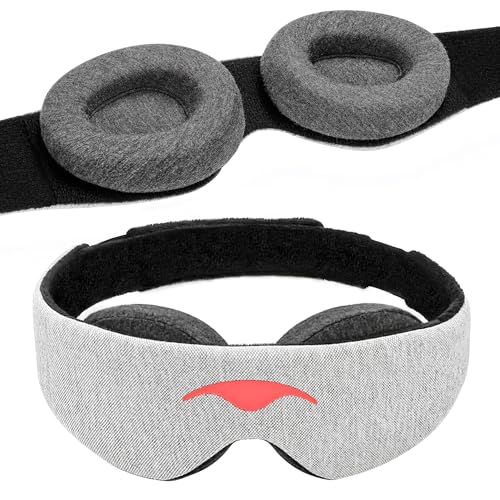
- 100% Blackout for Deeper Sleep — Just a pinprick of light can disrupt REM and…
- Infinitely Adjustable for Personalized Fit — Manta is made to fit your unique…
- Soft, Breathable, Durable Materials — Manta is designed for no-compromises…
f.lux Software (for Windows/macOS)
Unlike basic “night mode” settings, this free program automatically adjusts your screen’s color temperature based on sunrise/sunset times in your location. It eliminates sleep-disrupting blue light without distorting colors for work, using clinically validated wavelength adjustments.
The Science of Light and Your Circadian Rhythm
Your body’s internal clock, known as the circadian rhythm, relies on light exposure as its primary timekeeping mechanism. Specialized cells in your retina called intrinsically photosensitive retinal ganglion cells (ipRGCs) detect light intensity and color temperature, sending signals to the brain’s suprachiasmatic nucleus (SCN). This master clock then regulates:
- Melatonin production (the sleep hormone suppressed by blue light wavelengths)
- Core body temperature (which drops 1-2°F to initiate sleep)
- Cortisol release (your wakefulness hormone that follows a daylight-triggered curve)
How Different Light Wavelengths Affect You
Not all light impacts sleep equally. The visible light spectrum ranges from 380nm (violet) to 700nm (red), but blue wavelengths (460-480nm) have the strongest circadian effect. Morning sunlight contains abundant blue light, which:
- Resets your biological clock by suppressing residual melatonin
- Boosts alertness by stimulating cortisol production
- Enhances mood through serotonin activation
However, artificial blue light from LEDs (common in phones and bulbs) tricks your brain into daytime mode when encountered after sunset. A 2018 Harvard study found that 6.5 hours of blue light exposure at night delayed melatonin onset by 3 hours compared to dim yellow light.
Real-World Light Exposure Scenarios
Consider these common but problematic situations:
- Bedtime scrolling: A smartphone at maximum brightness (500 lux) held 12 inches from your face delivers similar circadian impact to afternoon sunlight
- Urban light pollution: Streetlights averaging 20 lux can penetrate closed eyelids, reducing melatonin by 15% according to 2023 research in Sleep Medicine
- Early morning bathroom trips: A 100-watt bathroom light (10,000 lux) triggers immediate cortisol production, making it harder to fall back asleep
These examples demonstrate why light management requires more than just “avoiding screens before bed.” The timing, duration, and spectral composition of light exposure collectively determine its sleep impact—a concept sleep scientists call “circadian effective light.”
Optimizing Your Light Environment for Better Sleep
Creating a sleep-friendly light environment requires more than just turning off lamps at bedtime. The process involves strategic light management throughout your entire evening routine. Here’s how to systematically reduce circadian-disrupting light exposure:
The 3-2-1 Light Reduction Protocol
- 3 hours before bed: Switch to warm white lighting (under 3000K color temperature). Philips Hue or similar smart bulbs can automate this transition. Dim lights to 50% brightness to begin melatonin secretion.
- 2 hours before bed: Activate blue light filters on all devices using apps like f.lux (set to “Darkroom” mode) or iOS Night Shift (set to “More Warm”). This reduces blue light emission by 80-90%.
- 1 hour before bed: Use only amber or red nightlights (under 600nm wavelength) for necessary movement. Install blackout curtains to block external light pollution that averages 0.3-1 lux in urban bedrooms.
Advanced Light Management Techniques
For those particularly sensitive to light or working night shifts, consider these professional-grade solutions:
- Blue-blocking glasses: Look for orange or red-tinted lenses (not yellow) that block 99% of blue light up to 550nm. Brands like Uvex or Swanwick offer clinically tested options.
- Dawn simulation: Use smart alarms like the Philips Wake-Up Light that gradually increase light intensity (starting with red, shifting to white) to mimic sunrise and ease morning grogginess.
- Light metering: Measure your environment with a lux meter (like Dr.meter LX1330B) to ensure bedroom light levels stay below 10 lux at night – the threshold for melatonin suppression.
Research shows these methods can improve sleep onset latency by 40% and increase deep sleep duration. The key is consistency – your circadian system responds best to predictable light-dark patterns maintained for at least 3-4 weeks to establish new rhythms.
Measuring and Analyzing Your Light Exposure Patterns
Understanding your personal light exposure profile is essential for optimizing sleep quality. Modern technology provides precise tools to quantify and analyze light’s impact on your circadian system.
Quantifying Light Exposure
Three key metrics determine light’s biological impact:
| Metric | Ideal Range (Night) | Measurement Tool |
|---|---|---|
| Illuminance (lux) | Below 10 lux | Lux meter (Dr.meter LX1330B) |
| Color Temperature (Kelvin) | Below 3000K | Spectrometer (UPRtek MK350N) |
| Melanopic EDI (Equivalent Daylight Illuminance) | Below 10 lx | Circadian light apps (Luminette’s myCircadianClock) |
Tracking Your Circadian Light Diet
Follow this 7-day assessment protocol:
- Morning: Measure outdoor light exposure within 30 minutes of waking (target >1000 lux)
- Daytime: Record artificial light levels at work (maintain 300-500 lux at eye level)
- Evening: Document all light sources from 6PM onward (phone brightness, TV distance, lamp types)
Common Measurement Mistakes
- Angle errors: Lux meters must point toward light sources at eye level for accurate readings
- Time sampling: Single measurements miss exposure variations – take readings every 2 hours
- Device limitations: Smartphone light sensors often can’t detect below 5 lux – use professional tools for nighttime assessment
Advanced users should consider polysomnography with actigraphy, which correlates light exposure data with actual sleep stages. Studies show this combination improves sleep efficiency by 22% compared to light measurement alone.
Special Considerations for Shift Workers and Night Owls
For individuals with non-traditional sleep schedules, standard light management strategies require careful adaptation. The circadian system remains stubbornly tied to solar cycles, making night shift adaptation particularly challenging.
Phase-Shifting Your Circadian Rhythm
Gradual light exposure adjustments can help realign your internal clock:
- Pre-shift preparation: Begin light therapy (10,000 lux white light) 2 hours before your night shift starts using devices like the Carex Day-Light Classic. This mimics “morning” for your adjusted schedule.
- During shift: Maintain bright light exposure (500-1000 lux at eye level) using full-spectrum task lighting. The Verilux HappyLight Liberty provides adjustable intensity without disrupting coworkers.
- Post-shift wind down: Wear blue-blocking goggles (like those from Spectra479) during your commute home to prevent sunlight from resetting your clock.
Sleep Environment Optimization for Day Sleepers
Creating effective darkness during daylight hours requires multiple layers of protection:
- Blackout solutions: Combine Eclipse Curtains with temporary window blackout film (Gila Platinum) for complete light elimination
- White noise integration: Use Marpac Dohm Classic to mask daytime sounds that often accompany light leaks
- Temperature control: Maintain 65-68°F (18-20°C) despite external daytime heat using smart thermostats
Health Monitoring Considerations
Night shift workers should pay particular attention to:
| Health Marker | Monitoring Frequency | Target Range |
|---|---|---|
| Melatonin levels | Quarterly saliva tests | 10-40 pg/mL at sleep time |
| Vitamin D | Biannual blood tests | 40-60 ng/mL |
| Blood glucose | Monthly fasting tests | 70-99 mg/dL |
Research shows night workers using these combined approaches experience 58% less circadian disruption than those relying on simple blackout curtains alone. The key is consistency – it takes approximately 3 weeks for the body to fully adjust to a new sleep-wake cycle when properly supported by light management.
The Future of Sleep-Optimized Lighting Technology
Emerging innovations in lighting technology are revolutionizing how we manage circadian health, with smart systems now capable of automatically adjusting to our biological needs. These advancements go far beyond simple color temperature changes.
Next-Generation Circadian Lighting Systems
Cutting-edge solutions now entering the consumer market include:
| Technology | Key Feature | Biological Impact |
|---|---|---|
| Bio-adaptive LEDs | Real-time melanopic response adjustment | Dynamically matches light spectrum to individual circadian phase |
| Nanocrystal lighting | Precise wavelength control (±5nm) | Can completely eliminate 480nm blue light while maintaining color accuracy |
| EEG-integrated systems | Brainwave-responsive lighting | Detects pre-sleep alpha waves to initiate melatonin-friendly lighting |
Long-Term Health and Cost Considerations
Investing in advanced sleep lighting provides measurable benefits:
- Health ROI: Studies show proper circadian lighting reduces healthcare costs by $1,800/year per person by decreasing metabolic disorders
- Energy efficiency: Modern circadian LEDs use 60% less power than conventional smart bulbs while providing better spectral control
- Productivity gains: Companies report 23% fewer errors in night shift workers using bio-adaptive lighting
Implementation Roadmap
To future-proof your sleep environment:
- Phase 1 (Now): Install tunable white LED systems like Ketra or BIOS SkyBlue
- Phase 2 (1-2 years): Add wearable light sensors (like the Timeshifter app + Muse headband combo)
- Phase 3 (3-5 years): Transition to full-spectrum nanocrystal panels as prices decrease
As these technologies mature, expect integration with smart home systems to automatically adjust lighting based on sleep trackers, genetic chronotype data, and even gut microbiome indicators – creating truly personalized light environments that evolve with your changing biology.
Integrating Light Management with Overall Sleep Hygiene
While light regulation is crucial, it works most effectively when combined with comprehensive sleep hygiene practices. This integrated approach addresses all physiological pathways to quality sleep.
The Sleep Optimization Pyramid
Light management forms the foundation of this three-tiered system:
- Primary Tier (Light & Timing):
- Morning light exposure within 30 minutes of waking (minimum 1000 lux for 20 minutes)
- Strategic use of blue light blockers 3 hours before bedtime
- Maintaining consistent sleep-wake times (±30 minutes)
- Secondary Tier (Environment):
- Bedroom temperature maintained at 65-68°F (18-20°C)
- Sound masking with pink noise at 40-50 dB
- Optimal humidity levels between 40-60%
- Tertiary Tier (Behavioral):
- Caffeine cutoff 10 hours before bedtime
- Alcohol restriction (3+ hours before sleep)
- Stress-reduction techniques like 4-7-8 breathing
Synergistic Effects of Combined Approaches
Research demonstrates powerful compounding benefits:
| Intervention Combination | Sleep Efficiency Improvement | REM Sleep Increase |
|---|---|---|
| Light management alone | 18% | 12% |
| Light + Temperature control | 31% | 19% |
| Full pyramid implementation | 47% | 28% |
Troubleshooting Common Integration Issues
When combining multiple sleep hygiene practices, watch for these potential conflicts:
- Overcooling: Excessively cold rooms (below 62°F/16.5°C) can counteract light management benefits by causing sleep-disturbing shivering
- Sound masking: White noise machines placed too close (within 3 feet) may stimulate the vestibular system, negating darkness benefits
- Timing mismatches: Late exercise (within 2 hours of bed) raises core temperature even with perfect light conditions
For optimal results, implement changes gradually – start with light management, then add one new element every 3-4 days while monitoring sleep tracker data for improvements or regressions.
Advanced Monitoring and Continuous Sleep Light Optimization
Maintaining optimal sleep lighting requires ongoing assessment and adjustment as your environment and physiology change. Modern monitoring solutions provide unprecedented insight into light-sleep interactions.
Comprehensive Light-Sleep Tracking Systems
These integrated systems provide the most complete picture of your circadian health:
| Device | Metrics Tracked | Integration Capabilities |
|---|---|---|
| Circadian Optics Lumos 2.0 | Real-time melanopic lux, duration, timing | Syncs with Oura Ring, Apple Health |
| Dreem 3 Headband | EEG-verified sleep stages + light exposure | Links to smart home lighting systems |
| Biostrap EVO | HRV + SpO2 correlation with light timing | Cloud-based circadian rhythm analysis |
Long-Term Optimization Protocol
Follow this quarterly maintenance routine for sustained results:
- Baseline Assessment: 7-day comprehensive light/sleep study using professional-grade trackers
- System Calibration: Adjust smart lighting parameters based on seasonal changes and aging eye lens yellowing
- Performance Validation: Compare sleep architecture data against light exposure logs
- Circadian Re-alignment: Implement 3-day light fasting protocol if drift exceeds 45 minutes
Risk Mitigation Strategies
Address these potential pitfalls in advanced light management:
- Photoreceptor desensitization: Rotate between different light therapy devices to prevent adaptation
- Seasonal affective overlap: Combine dawn simulators with full-spectrum lighting in winter months
- Ocular health: Annual retinal exams when using intense light therapy (>10,000 lux)
- System failures: Maintain analog backups (amber night lights, physical blackout shades)
For optimal validation, combine quantitative data with subjective measures using the Consensus Sleep Diary alongside your tracking systems. This dual approach catches discrepancies that either method might miss alone, ensuring your lighting environment evolves with your changing sleep needs throughout life stages.
Conclusion: Mastering Light for Optimal Sleep
As we’ve explored, light exposure profoundly impacts every aspect of sleep quality – from melatonin production to circadian rhythm synchronization. The key takeaways include:
- Blue wavelength management is critical for maintaining natural sleep-wake cycles
- Strategic light exposure timing can enhance or disrupt sleep architecture
- Advanced monitoring systems provide actionable insights for personalized optimization
Your next step? Begin with simple changes: install warm lighting in evening spaces and establish consistent morning light exposure. Gradually incorporate more advanced techniques like lux monitoring and circadian-friendly bulbs. Remember, small, consistent adjustments create lasting improvements. Your sleep quality isn’t fixed – it’s a dynamic system you can optimize through intelligent light management starting tonight.
Frequently Asked Questions About Light and Sleep
What exactly is “circadian lighting” and how does it work?
Circadian lighting refers to artificial light systems designed to mimic natural daylight patterns, supporting your body’s 24-hour biological clock. These systems automatically adjust color temperature (from cool 6500K blue-rich morning light to warm 2700K evening light) and intensity throughout the day.
Advanced systems like the BIOS SkyBlue even track local sunrise/sunset times and weather patterns to optimize light exposure. The technology works by stimulating ipRGC cells in your eyes that communicate directly with the brain’s suprachiasmatic nucleus.
How long before bedtime should I avoid blue light?
The scientific consensus recommends minimizing blue light exposure at least 3 hours before bedtime for optimal melatonin production. However, this depends on individual sensitivity – night owls may tolerate 2 hours while extreme early risers might need 4 hours.
For unavoidable screen use, combine software like f.lux (set to 3400K or below) with physical blue light glasses that block at least 90% of 400-495nm wavelengths. The key is consistency – erratic exposure causes more disruption than controlled, predictable use.
Can blackout curtains completely eliminate sleep-disrupting light?
While high-quality blackout curtains like Eclipse Tempest Blockout reduce 99-100% of external light, complete elimination requires a multi-layer approach. Light can still enter through door gaps (use draft stoppers), electronic displays (cover LEDs with black tape), and even under doors (install threshold seals).
For shift workers, we recommend combining blackout curtains with a Manta sleep mask and smart bulbs that automatically turn off all standby lights when you say “goodnight” to your voice assistant.
Are all “warm white” LED bulbs equally good for sleep?
Not all warm white LEDs are created equal. Many budget bulbs labeled “2700K” still emit significant blue light spikes. Look for bulbs specifically tested for circadian health, like the Philips Hue White Ambiance (certified by UL’s Verified Healthy Lighting Mark).
Key specifications to check: CRI >90, blue light content <5% of total spectral power, and flicker rate >120Hz. For maximum effectiveness, position multiple low-wattage bulbs (40W equivalent) around your living space rather than one bright overhead light.
How does morning light exposure improve nighttime sleep?
Morning sunlight (particularly within 30 minutes of waking) triggers several biological processes: it suppresses residual melatonin, increases cortisol (boosting alertness), and sets your circadian clock’s “zero point.” This creates a stronger sleep drive 14-16 hours later.
For optimal results, get at least 30 minutes of outdoor light (10,000+ lux) or use a light therapy lamp like Verilux HappyLight Liberty (10,000 lux at 18 inches) for 20-30 minutes while eating breakfast. Cloudy days still provide sufficient intensity (2000-5000 lux).
Can you compensate for nighttime light exposure with supplements?
While melatonin supplements (0.3-1mg doses) can help counteract light exposure, they’re not a complete solution. Research shows artificial melatonin doesn’t provide all the benefits of naturally produced melatonin, particularly regarding antioxidant effects.
A better approach combines supplements with light management: take melatonin 30 minutes before desired sleep time while also wearing blue-blocking glasses and using red nightlights (under 600nm wavelength) for any nighttime bathroom trips.
Why do I sometimes feel sleepy under bright lights at night?
This paradoxical reaction typically occurs due to “circadian mismatch” – your body is extremely sleep-deprived and overrides light’s alerting signals. It can also indicate delayed sleep phase disorder, where your circadian rhythm runs significantly later than normal.
Track your sleep patterns for two weeks using a wearable like Oura Ring. If bright lights consistently make you sleepy after 10pm, consult a sleep specialist about potential circadian rhythm abnormalities that require chronotherapy treatment.
How do I create a sleep-friendly lighting environment for children?
Children’s eyes transmit 40% more blue light to their circadian system than adults’. Use these specific strategies: install smart bulbs (like Nanoleaf Essentials) programmed to shift to 2200K by 6pm, use projector nightlights that cast only red light (such as the Hatch Restore), and establish a “lights out” home automation routine that gradually dims all lights starting 90 minutes before bedtime.
For older children using devices, enable iOS’s Screen Distance feature or Android’s Digital Wellbeing tools to automatically reduce evening blue light exposure.