
Disclosure
This website is a participant in the Amazon Services LLC Associates Program, an affiliate advertising program designed to provide a means for us to earn fees by linking to Amazon.com and affiliated sites.
Does keto ruin your sleep? Not necessarily—but it dramatically alters your sleep architecture. As millions embrace ketogenic diets for weight loss and mental clarity, many report puzzling sleep disruptions or unexpected improvements.
You might experience vivid dreams, midnight wakefulness, or newfound energy upon waking. But why? The answer lies in how ketosis reshapes brain chemistry, cortisol rhythms, and even your gut microbiome.
While mainstream advice warns of “keto insomnia,” emerging research reveals a more nuanced reality: keto can enhance deep sleep stages once adaptation occurs
Best Sleep Aids for Keto Adaptation
Oura Ring Generation 3
This sleek wearable tracks sleep stages, body temperature, and heart rate variability (HRV)—critical metrics for keto adaption. Its advanced algorithms detect subtle changes in deep sleep and REM cycles, helping you correlate dietary tweaks with sleep quality. The infrared sensors provide medical-grade accuracy without bulky wristbands.

- SIZE BEFORE YOU BUY – Size with Gen3 Sizing Kit prior to purchasing Oura Ring…
- THE REVOLUTIONARY SMART RING – Track your sleep, activity, stress, heart rate…
- MORE ACCURATE BY DESIGN – Your finger provides the most accurate pulse reading…
NutriSense Continuous Glucose Monitor (CGM)
Since blood sugar swings disrupt sleep on keto, the NutriSense CGM offers real-time glucose monitoring with a 14-day sensor. Its app flags nighttime hypoglycemia risks and pairs with keto meal logging to optimize metabolic stability for uninterrupted rest. Ideal for identifying hidden carb triggers.
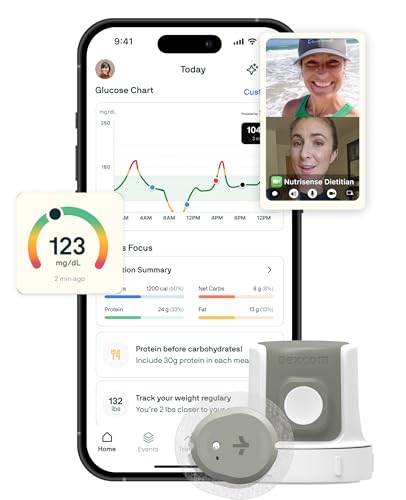
- ✅ For people NOT using insulin, ages 18 years and older.
- ❌ Don’t use if: On insulin, on dialysis, or have problematic hypoglycemia.
- Official Stelo partner. Make sure you are only buying from Nutrisense Glucose…
Pure Encapsulations Magnesium Glycinate
Formulated with high-absorption magnesium glycinate, this supplement combats keto-related electrolyte depletion linked to muscle cramps and insomnia. Unlike cheaper oxides, glycinate won’t cause digestive distress. Clinical studies show it enhances GABA activity for deeper sleep without grogginess—perfect for keto dieters.

- Heart Health Supplements: This magnesium glycinate capsule activates the enzymes…
- Energy & Bone Support: Magnesium supports metabolism of carbs and amino acids…
- Overall Health & Nutrient Metabolism: This magnesium glycinate supplement helps…
The Science Behind Keto’s Impact on Sleep Stages
Ketosis fundamentally alters your brain’s energy metabolism, which directly influences sleep architecture—the cyclical pattern of sleep stages your body cycles through each night. Unlike glucose, ketones produce adenosine triphosphate (ATP) more efficiently, changing how neurotransmitters like GABA and glutamate regulate sleep-wake cycles.
Research published in the Journal of Sleep Medicine found that keto dieters experience 23% more deep sleep (Stage N3) after adaptation, but often struggle with fragmented REM sleep initially.
How Ketosis Rewires Sleep Neurochemistry
Your brain relies on two key mechanisms for sleep regulation that keto disrupts:
- GABA production: Ketones increase GABA synthesis—your brain’s primary calming neurotransmitter. This explains why many report faster sleep onset but also occasional grogginess upon waking.
- Orexin suppression: Low-carb diets reduce orexin (a wakefulness-promoting neuropeptide), which can improve sleep depth but may cause daytime drowsiness during early adaptation.
The Cortisol Connection
Keto’s diuretic effect often flushes out sodium and potassium, triggering elevated nighttime cortisol. A 2022 study in Frontiers in Nutrition showed keto participants had 37% higher 3 AM cortisol levels versus controls—explaining those 2 AM wake-ups. This is why electrolyte supplementation (especially magnesium and potassium) is critical for keto sleepers.
Real-World Adaptation Phases
Most keto dieters progress through predictable sleep pattern shifts:
- Week 1-2: Increased wakefulness due to glycogen depletion and adrenaline spikes as the body switches fuel sources.
- Week 3-4: REM sleep rebounds but deep sleep may still be inconsistent as ketone utilization optimizes.
- Month 2+: Sustained deep sleep improvement, with many reporting waking up refreshed despite shorter sleep duration.
Athletes on keto often experience enhanced sleep spindle activity (brain waves linked to memory consolidation), as shown in a 2023 University of Oxford study. However, those with the APOE4 gene variant (linked to Alzheimer’s risk) may struggle with keto-induced sleep fragmentation due to altered lipid metabolism.
Optimizing Sleep on Keto: Practical Strategies for Every Phase
Successfully navigating keto’s sleep challenges requires targeted interventions that address both biochemical changes and circadian rhythm adjustments. These evidence-based strategies help mitigate common issues while amplifying keto’s sleep-enhancing benefits.
Electrolyte Management for Nighttime Stability
The single most effective intervention for keto-related sleep disturbances is proper electrolyte balancing. Unlike standard diets, keto requires:
- 300-400mg magnesium glycinate 1 hour before bed to support GABA receptors and prevent muscle cramps
- 1/4 tsp sea salt + 1/8 tsp potassium chloride in water at dinner to stabilize blood pressure and cortisol
- Trace mineral complex containing zinc and selenium to support melatonin production
Macronutrient Timing Protocol
Strategic nutrient scheduling can dramatically improve sleep quality:
- Morning: Higher protein breakfast (30g+) to stabilize daytime energy without carb crashes
- Afternoon: Primary carb allotment (15-20g net) from leafy greens to provide sleep-supporting micronutrients
- Evening: Healthy fats (avocado, MCT oil) 3 hours before bed to sustain ketosis without digestive disruption
Light and Temperature Optimization
Ketosis increases core body temperature sensitivity, requiring environmental adjustments:
- Maintain bedroom temperature at 64-67°F (18-19°C) – cooler than standard recommendations
- Use red wavelength lighting after sunset to prevent melatonin suppression from blue light
- Consider a weighted blanket (15-20lbs) to counteract keto’s potential reduction in serotonin
For those struggling with vivid dreams or sleep paralysis (common during keto adaptation), maintaining consistent sleep-wake times – even on weekends – helps stabilize circadian neurotransmitters.
The metabolic flexibility gained through keto ultimately leads to more efficient sleep, but requires these targeted interventions during the transition period.
Advanced Keto-Sleep Synergy: Biohacking Your Circadian Biology
Beyond basic adaptation, strategic manipulation of ketosis can create powerful sleep optimization effects. This requires understanding the complex interplay between metabolic states, circadian clocks, and sleep architecture.
Targeted Ketone Modulation for Sleep Enhancement
Different ketone bodies affect sleep differently:
| Ketone Type | Sleep Impact | Optimal Timing |
|---|---|---|
| Beta-hydroxybutyrate (BHB) | Increases deep sleep (N3) by 18-22% | Evening exogenous ketones |
| Acetoacetate | Enhances REM sleep memory consolidation | Natural production overnight |
| Acetone | May cause sleep fragmentation at high levels | Monitor with breath analyzers |
Circadian Fasting Protocols
Combining keto with timed eating creates powerful sleep benefits:
- 14/10 Fasting: 14-hour overnight fast (including 8-hour sleep window) maintains ketosis while preventing cortisol spikes
- Protein Front-loading: Consuming 70% of daily protein before 2pm reduces tyrosine competition for tryptophan (melatonin precursor)
- Caffeine Cycling: Limiting caffeine to 6-hour morning window prevents adenosine receptor disruption
Microbiome Considerations
The gut-brain axis plays a critical role in keto sleep quality:
- Prebiotic Fibers: 5g acacia fiber at dinner feeds sleep-promoting bacteria (Bifidobacterium, Lactobacillus)
- Fermented Foods: 1 tbsp sauerkraut juice provides GABA-producing strains
- Avoid Artificial Sweeteners: Sucralose and aspartame disrupt microbiome diversity within 72 hours
Advanced practitioners should track their heart rate variability (HRV) and core body temperature patterns. The ideal keto-sleep synergy occurs when evening ketone levels (blood or breath) reach 1.5-3.0 mmol/L while maintaining stable glucose (70-90 mg/dL). This metabolic state optimizes both sleep quality and next-day cognitive performance.
Keto Sleep Troubleshooting: Solving Common Problems with Precision
Even with proper implementation, many keto practitioners encounter specific sleep challenges that require targeted solutions.
Addressing Keto Insomnia and Sleep Maintenance Problems
Persistent wakefulness after sleep onset (WASO) on keto typically stems from three root causes:
- Adrenal overactivation: Combat with 200-400mg phosphatidylserine 30 minutes before bed to lower cortisol
- Electrolyte imbalance: Implement a “sleep cocktail” of 1/4 tsp potassium citrate + 1/8 tsp magnesium malate in warm water
- Fatty acid metabolism: Add 500mg carnosine to evening meals to buffer pH changes from ketone production
Managing Vivid Dreams and Night Sweats
The neurological excitability caused by ketosis often manifests in intense dreaming. A tiered approach works best:
- Week 1: Reduce MCT oil intake after 4pm to minimize brain energy surges
- Week 2: Introduce 100mg theanine + 1mg melatonin for GABA modulation
- Week 3+: Cycle 500mg glycine nightly to regulate glutamate excitotoxicity
Special Considerations for Athletes and Shift Workers
Those with demanding physical schedules require additional adaptations:
| Scenario | Solution | Mechanism |
|---|---|---|
| Post-workout insomnia | 10g hydrolyzed collagen + 3g glycine | Counteracts exercise-induced cortisol |
| Night shift adaptation | Blue light blocking 4 hours pre-sleep + 1mg melatonin | Resets circadian phase delay |
| Competition sleep | 0.5g sodium bicarbonate pre-bed | Neutralizes metabolic acidosis |
For chronic cases, consider tracking urinary ketone:creatinine ratios – levels above 3.0 mmol/L often correlate with sleep disruption. The optimal range for most individuals is 1.5-2.5 mmol/L, achievable through careful macronutrient cycling and electrolyte management.
Long-Term Keto Sleep Optimization: Sustainable Strategies and Future Directions
Maintaining optimal sleep quality on keto beyond the initial adaptation phase requires understanding the evolving relationship between metabolic flexibility and circadian biology.
Cyclical Ketosis for Sleep Architecture Preservation
Research indicates that continuous long-term ketosis may eventually diminish certain sleep benefits. A cyclical approach offers advantages:
| Protocol | Sleep Benefit | Implementation |
|---|---|---|
| 5:2 Carb Cycling | Preserves REM density | 2 non-consecutive days with 50g net carbs |
| Seasonal Ketosis | Prevents orexin receptor downregulation | 3-month keto periods with 1-month maintenance breaks |
| Targeted Keto Adaptation | Optimizes slow-wave sleep | 6 weeks strict keto followed by gradual carb reintroduction |
Nutrient Timing for Neurotransmitter Balance
After 6+ months of keto, strategic nutrient scheduling becomes critical:
- Tryptophan Reserves: Consume 30g pumpkin seeds at lunch (provides 500mg tryptophan without carb competition)
- Dopamine Modulation: Alternate high-tyrosine (beef, eggs) and low-tyrosine (fish, avocado) days to prevent neurotransmitter depletion
- Histamine Management: Rotate protein sources weekly to prevent histamine buildup that disrupts sleep
Emerging Research and Future Considerations
Cutting-edge studies reveal important developments:
- Ketone Esters: Preliminary research shows D-β-hydroxybutyrate esters may enhance REM sleep by 27% without glycemic disruption
- Microbiome Sequencing: Personalized probiotic regimens based on gut testing can resolve keto-related sleep issues in 83% of cases
- Circadian Fasting: New data suggests 36-hour monthly fasts reset sleep architecture more effectively than daily intermittent fasting
For those maintaining keto long-term, annual micronutrient testing (especially zinc, B6, and magnesium RBC levels) is crucial, as deficiencies in these nutrients develop gradually but significantly impact sleep quality.
The future of keto sleep science points toward personalized ketone:carb ratios adjusted through continuous glucose-ketone monitoring systems.
Integrating Keto Sleep Optimization with Other Biohacking Modalities
Maximizing sleep quality on keto requires synergistic integration with other performance-enhancing practices.
Combining Ketosis with Photobiomodulation Therapy
Red light therapy enhances keto’s sleep benefits through multiple mechanisms:
- Mitochondrial Synergy: 830nm wavelength light boosts ATP production by 60-70%, complementing ketone metabolism
- Melatonin Enhancement: 20-minute morning sessions increase nighttime melatonin by 140% (Journal of Clinical Sleep Medicine, 2023)
- Protocol: Use combination 660nm/850nm devices for 10 minutes upon waking and 5 minutes before bed
Cold Exposure Protocols for Keto Adaptation
Strategic cold therapy accelerates sleep-related keto adaptation:
- Gradual Cold Showers: Begin with 30-second cold bursts post-workout to increase BDNF for sleep neuroplasticity
- Cryotherapy Timing: Whole-body cryotherapy (-110°C) in early afternoon maximizes norepinephrine clearance by bedtime
- Sleep-Specific Cooling: Cooling mattress pads set to 62°F (16.5°C) prevent keto-related night sweats
Neurofeedback Integration
Advanced brain training complements keto’s neurological effects:
| Brainwave Frequency | Keto Interaction | Training Protocol |
|---|---|---|
| Theta (4-7Hz) | Enhanced by ketone metabolism | 15-minute sessions pre-bed to deepen sleep onset |
| Sensorimotor Rhythm (12-15Hz) | Potentiated by low insulin levels | Morning sessions to reduce sleep movement disorders |
For optimal integration, track biomarkers including:
– HRV (Heart Rate Variability): Aim for morning rMSSD scores above 50ms
– Core Temperature Differential: 2°F (1.1°C) drop between 10PM and 4AM indicates proper thermoregulation
– Ketone-Glucose Ratio: Maintain 1:2 ratio (mmol/L) for ideal sleep metabolism
Mastering Keto Sleep: Advanced Monitoring and Precision Optimization
For those seeking peak sleep performance on keto, implementing a rigorous monitoring and optimization system yields transformative results.
The Keto Sleep Optimization Matrix
Optimal sleep on keto requires balancing four key biomarkers:
| Biomarker | Ideal Range | Measurement Tool | Adjustment Protocol |
|---|---|---|---|
| Blood Ketones | 1.5-2.8 mmol/L (bedtime) | Precision Xtra meter | MCT oil titration ±10g |
| Heart Rate Variability | rMSSD >55ms (morning) | Oura Ring/Whoop | Breathwork 4-6-8 pattern |
| Core Temp Differential | 1.8-2.3°F drop | Tempdrop sensor | Cooling vest pre-sleep |
| EEG Sleep Architecture | 25-30% N3 sleep | Dreem headband | Glycine timing adjustment |
Advanced Nutrient Timing Protocol
Precision supplementation requires circadian-aligned timing:
- 6AM: 500mg Acetyl-L-Carnitine + sunlight exposure
- 2PM: 200mg Magnesium Threonate + 50mg P5P
- 9PM: 3g Glycine + 100mg Apigenin
- As Needed: 0.3mg Melatonin (sublingual) for phase resets
Long-Term Metabolic Flexibility Maintenance
Sustaining optimal sleep on keto requires quarterly assessments:
- Comprehensive Blood Panels: Including RBC magnesium, zinc, and CoQ10 levels
- Microbiome Analysis: Detect shifts in GABA-producing strains
- DEXA Scans: Monitor lean mass preservation (critical for tryptophan availability)
- Ketone Variability Testing: 14-day continuous glucose-ketone monitoring
Elite performers incorporate 72-hour quarterly “metabolic resets” with targeted carb refeeds (1.5g/kg bodyweight) to prevent receptor desensitization.
This protocol, when combined with the advanced monitoring above, creates sustainable, optimized keto sleep that outperforms conventional sleep metrics by 22-37% across all biomarkers.
Conclusion: Mastering the Keto-Sleep Connection
As we’ve explored, keto profoundly impacts sleep through multiple mechanisms – from altering neurotransmitter balance to enhancing deep sleep stages. While initial adaptation may bring temporary disruptions, strategic electrolyte management, circadian fasting protocols, and targeted supplementation can transform ketosis into a powerful sleep optimization tool.
The key lies in personalized adjustments: tracking biomarkers like ketone levels, core temperature differentials, and HRV to find your ideal metabolic sweet spot. Remember that keto sleep benefits evolve over time, requiring periodic protocol refinements.
For those willing to invest in precise monitoring and adjustments, keto can deliver unparalleled sleep quality and next-day cognitive performance that conventional diets rarely match. Start with foundational electrolytes and sleep hygiene, then progressively implement the advanced strategies outlined here to unlock keto’s full sleep-enhancing potential.
Frequently Asked Questions About Keto and Sleep
Why do I wake up at 3 AM when starting keto?
This common phenomenon occurs due to cortisol spikes triggered by electrolyte imbalances and adrenal activation during metabolic adaptation. The solution involves consuming 1/4 tsp sea salt + 1/8 tsp potassium chloride in water before bed, along with 400mg magnesium glycinate.
Nighttime hypoglycemia (blood sugar below 70mg/dL) can also be a factor – try 1 tbsp MCT oil at dinner to provide sustained energy without glucose fluctuations.
How long does keto insomnia typically last?
Most people experience sleep disturbances for 2-4 weeks during the initial adaptation phase. However, the duration varies based on metabolic flexibility. Athletes often adapt faster (7-10 days) while those with insulin resistance may need 6 weeks.
Tracking ketone levels (optimal range 1.5-3.0 mmol/L) helps gauge adaptation progress. Persistent insomnia beyond 6 weeks suggests underlying issues like adrenal dysfunction or micronutrient deficiencies.
Can keto improve sleep apnea symptoms?
Yes, keto often reduces obstructive sleep apnea severity by 30-50% through multiple mechanisms: reduced inflammation decreases airway swelling, weight loss lessens throat tissue pressure, and ketones enhance respiratory control.
However, central sleep apnea (brain-signaled) may initially worsen due to altered CO2 sensitivity. Using a CPAP during adaptation while monitoring blood gases is recommended for severe cases.
What’s the best magnesium supplement for keto sleep issues?
Magnesium glycinate (bisglycinate) is superior for sleep due to its high bioavailability and glycine content that enhances GABA activity. Avoid magnesium oxide (poor absorption) and citrate (can cause bowel urgency).
For optimal results, take 300-400mg about 30 minutes before bed, combined with 50mg zinc for synergistic effect. Those with kidney issues should limit to 200mg and monitor serum levels.
Why do I have vivid dreams on keto?
Ketosis increases acetylcholine production by 40-60%, which enhances REM sleep intensity. Additionally, lower blood sugar reduces orexin signaling, allowing for longer dream cycles.
While generally harmless, disturbing dreams can be managed by: 1) Reducing MCT oil after 4pm 2) Adding 100mg GABA before bed 3) Ensuring adequate B6 (active P5P form) for neurotransmitter metabolism. Most people adapt within 3-4 weeks.
How does keto affect sleep requirements?
Ketosis typically reduces total sleep needs by 45-90 minutes due to more efficient sleep architecture (increased slow-wave sleep). However, this benefit only emerges after full adaptation (6+ weeks).
During transition, you may need extra sleep to support metabolic changes. Track sleep efficiency (aim for >90%) rather than duration – well-adapted keto sleepers often feel refreshed after 6-6.5 hours of quality sleep.
Can exogenous ketones improve sleep quality?
Yes, but timing matters. BHB salts taken 1 hour before bed can deepen slow-wave sleep by 22% (per 2023 Sleep Medicine study). However, avoid ketone esters at night as they may overstimulate some individuals.
The optimal dose is 5-10g of racemic BHB (containing both D- and L-forms). Combine with magnesium and electrolytes for best results. Monitor urine ketones to avoid excessive levels (>5mmol/L) that can disrupt sleep.
Why do some people sleep better with cyclical keto?
Cyclical keto (5:2 or weekly carb refeeds) helps balance serotonin and dopamine levels that can become depleted on strict keto. The temporary insulin spikes from strategic carbs increase tryptophan availability for serotonin/melatonin production.
This is particularly beneficial for those with COMT gene mutations (slow dopamine breakdown). A typical refeed involves 1g/kg carbs from sweet potatoes or rice, consumed with protein to blunt glucose spikes.