
Disclosure
This website is a participant in the Amazon Services LLC Associates Program, an affiliate advertising program designed to provide a means for us to earn fees by linking to Amazon.com and affiliated sites.
You can wake up on your first alarm—and stick to it consistently. But if you’re like most people, you’ve probably spent years battling the snooze button, groggily slapping at your phone while half-asleep. The myth that “just five more minutes” helps is pervasive, but science reveals the opposite: fragmented sleep worsens fatigue and sabotages productivity.
Imagine starting your day alert, energized, and in control—no frantic rushing or caffeine overdependence. With sleep hygiene adjustments, circadian rhythm hacks, and behavioral psychology techniques, you can rewire your wake-up routine.
Best Alarm Clocks for Waking Up on Your First Alarm
Philips SmartSleep Wake-Up Light
This sunrise simulation alarm clock gradually brightens 30-40 minutes before your set time, mimicking natural dawn to ease you out of deep sleep. Its 20 brightness levels and sunset feature also help regulate melatonin for better sleep onset. Ideal for those sensitive to jarring sounds.
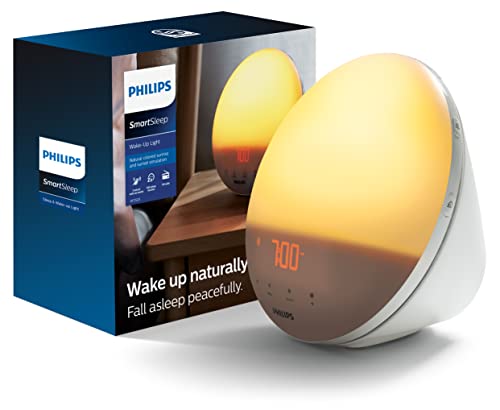
- CLINICALLY PROVEN*: Philips wake-up lights are recommended by physicians and…
- PERSONALIZATION: Simulated sunset and sunrise and choice of 5 different natural…
- SMART FEATURES: FM radio, tap snooze and automatic dimmable display
Sonic Bomb Dual Extra-Loud Alarm Clock
With a 113dB alarm, bed-shaking vibration, and flashing lights, this is perfect for heavy sleepers. The adjustable volume and “snooze-proof” mode force accountability. The backup battery ensures reliability even during power outages—no excuses for oversleeping.

- …
- …
- 𝗩𝗶𝗯𝗿𝗮𝘁𝗶𝗻𝗴 𝗨𝗻𝗶𝘁: Waking up early in the…
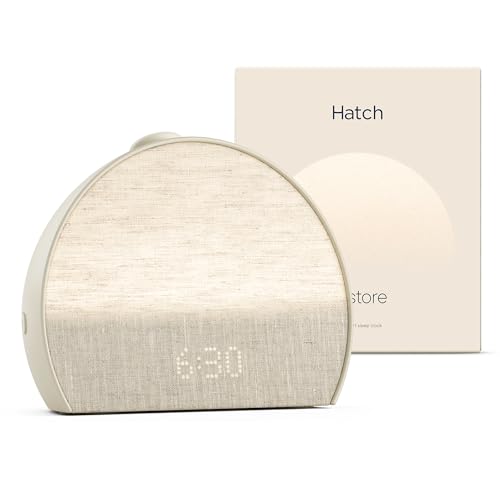
Hatch Restore 3
A smart alarm combining light therapy, white noise, and personalized sleep programs. The app tracks sleep stages to wake you during light sleep phases, minimizing grogginess. Its sunset routine (guided meditations, wind-down sounds) also improves sleep quality for easier mornings.
Your Sleep Cycle: The Science Behind Waking Up Refreshed
To wake up on your first alarm consistently, you need to work with your body’s natural sleep architecture—not against it. Sleep occurs in 90-minute cycles, alternating between REM (rapid eye movement) and non-REM stages (light, deep, and deeper sleep). Waking during light sleep (the end of a cycle) feels natural, while interruption during deep sleep causes grogginess—a phenomenon called sleep inertia, which can last up to 30 minutes.
How Sleep Stages Affect Your Wake-Up Success
Here’s what happens in each phase:
- Light Sleep (N1 & N2): Your body starts relaxing, and brain waves slow. Waking here feels like drifting to consciousness—ideal for alarm timing.
- Deep Sleep (N3): Critical for physical recovery. Disruption here leads to that “zombie” feeling and intense snooze-button reliance.
- REM Sleep: When dreaming occurs. Waking mid-REM may leave you disoriented but less groggy than deep sleep interruption.
Calculating Your Personalized Wake-Up Window
Most adults need 4-6 complete sleep cycles (6-9 hours). To wake during light sleep:
- Track your bedtime for a week to identify your natural sleep duration (e.g., if you fall asleep at 11 PM and wake at 7 AM refreshed, your cycle is ~8 hours).
- Use apps like Sleep Cycle or wearables (Fitbit, Oura Ring) to detect your sleep phases via movement or heart rate variability.
- Set your alarm in 90-minute increments from your bedtime (e.g., for an 11 PM bedtime: 5:30 AM, 7:00 AM, or 8:30 AM align with cycle endings).
Common Mistakes That Sabotage Your Alarm
Many people unknowingly reinforce bad habits:
- Variable Bedtimes: Inconsistent sleep schedules confuse your circadian rhythm, making cycle prediction impossible.
- Snooze Button Dependency: Fragmented 9-minute snoozes restart sleep inertia repeatedly, worsening fatigue.
- Blue Light Before Bed: Phones/TVs delay melatonin production, pushing your cycle later and making early alarms feel brutal.
Pro Tip: If you must wake mid-cycle (e.g., for a 6 AM flight), drink a glass of water before bed. The mild discomfort will naturally pull you toward lighter sleep as your bladder fills, reducing inertia.
Training Your Brain and Body for First-Alarm Wake-Ups
Waking on your first alarm isn’t just about timing – it’s a skill you can develop through strategic conditioning. This requires both physiological preparation and psychological rewiring to overcome years of snooze-button reinforcement.
The 3-Phase Morning Conditioning Protocol
Follow this neuroscience-backed method for 21 days to create lasting change:
- Phase 1 (Days 1-7): The Alarm-Response Drill
- Set your alarm for normal time but place it across the roomWhen it sounds, immediately stand up, walk to it, and turn it offPerform 5 squats or splash water on your face to reinforce wakefulness This builds muscle memory to override the “snooze” reflex.
- Phase 2 (Days 8-14): Light Anchoring
- Use a sunrise alarm or smart lights set to brighten 30 mins pre-alarmThe increasing light triggers cortisol production naturallyCombine with a distinctive alarm tone you don’t hear at other times Creates sensory associations that prompt wakefulness.
- Phase 3 (Days 15-21): Reward Reinforcement
- Immediately after waking, do something enjoyable (special coffee, favorite song)Track successful mornings with a visible calendar checkmark systemGradually reduce rewards after day 21 as the habit solidifies Dopamine release strengthens the neural pathways.
Troubleshooting Common Roadblocks
When challenges arise:
- “I turn off the alarm and go back to bed unconsciously” – Try placing your alarm in a locked box that requires solving a simple puzzle to open
- “I feel too exhausted to get up” – Get a blood test checking iron, vitamin D, and thyroid levels – deficiencies commonly cause morning fatigue
- “My work schedule changes weekly” – Maintain the same wake time daily, using blackout curtains for shift workers
Pro Tip: For extreme cases, try the “Pavlok Shock Clock” – it delivers mild vibrations or (optional) electric stimuli to ensure wakefulness through operant conditioning.
Optimizing Your Sleep Environment for Effortless Wake-Ups
Your bedroom setup plays a crucial role in determining whether you’ll wake up refreshed or groggy. Research shows environmental factors account for nearly 40% of wake-up quality. Let’s examine the science-backed elements that create ideal waking conditions.
The Temperature Sweet Spot
Your core body temperature naturally drops 1-2°F during sleep and rises upon waking. You can leverage this biological process:
| Time | Ideal Temperature | Why It Matters |
|---|---|---|
| Sleep Onset | 60-67°F (15-19°C) | Cools core temperature for melatonin release |
| Wake-Up Time | 68-72°F (20-22°C) | Mimulates natural body warming for alertness |
Implementation: Use a smart thermostat (like Nest or Ecobee) programmed to gradually warm your room 30 minutes before your alarm. This thermal transition signals your body to prepare for waking.
Light Engineering for Circadian Alignment
Light exposure triggers cortisol production, your natural wake-up hormone. Optimize your lighting with this layered approach:
- Evening: Install red-spectrum bulbs (under 3000K) 2 hours before bed to preserve melatonin
- Pre-Wake: Use a dawn simulator light (like Philips HF3520) starting at 1% brightness 30 mins pre-alarm
- Morning: Open curtains immediately upon waking or use 10,000 lux light therapy for 10 minutes
Acoustic Optimization
The right sound profile can make or break your wake-up experience:
- Nighttime: Maintain 30-40dB background noise (pink noise machines work best for sleep continuity)
- Wake-Up: Choose alarm tones between 500-3000Hz (the frequency range human brains process fastest upon waking)
- Post-Wake: Play upbeat music at 60-80BPM to gently elevate heart rate without stress
Expert Tip: Harvard sleep researchers recommend placing your alarm sound source at least 8 feet from your bed – this forces physical movement while allowing the sound waves to fully develop for clearer auditory processing.
Nutrition and Supplement Strategies for Morning Alertness
What you consume significantly impacts your ability to wake up refreshed. The right nutritional approach can reduce sleep inertia by up to 35% according to sleep medicine studies. Here’s how to optimize your diet for better mornings.
The Pre-Sleep Nutrition Protocol
Your evening meal composition affects next-day wakefulness through three key mechanisms:
- Tryptophan Conversion: This amino acid converts to serotonin then melatonin. Best sources: Turkey (3oz provides 250mg), pumpkin seeds (1oz=160mg), or cottage cheese (1 cup=400mg)
- Glycogen Storage: Complex carbs help maintain stable blood sugar overnight. Opt for sweet potatoes (1/2 cup) or brown rice (1/3 cup) 3 hours before bed
- Electrolyte Balance: Magnesium deficiency causes restless sleep. Take 200-400mg magnesium glycinate with dinner
Morning Hydration Strategies
Dehydration is a leading cause of morning fatigue. Implement this wake-up hydration protocol:
- Pre-Bed: Drink 8oz electrolyte water (add pinch of Himalayan salt and lemon)
- Alarm Time: Keep 16oz room-temperature water by bed – drink immediately upon waking
- +30 Minutes: Consume 8oz coconut water for natural potassium and glucose
Supplement Stack for Morning Energy
These clinically-proven supplements enhance wakefulness when taken properly:
| Supplement | Dosage | Mechanism | Best Form |
|---|---|---|---|
| Rhodiola Rosea | 200-400mg | Reduces cortisol awakening response | 3% rosavins extract |
| Acetyl-L-Carnitine | 500mg | Enhances mitochondrial energy | ALCAR form |
| Panax Ginseng | 100-200mg | Improves cerebral blood flow | Standardized to 5% ginsenosides |
Warning: Avoid caffeine within 8 hours of bedtime as it fragments sleep architecture. For sensitive individuals, even afternoon coffee can reduce morning alertness by delaying REM cycles.
Long-Term Sleep Schedule Maintenance and Advanced Optimization
Sustaining first-alarm wakefulness requires understanding chronobiology and implementing strategic maintenance practices. This section explores professional-grade techniques used by sleep specialists and elite performers to maintain consistent waking performance over months and years.
Circadian Rhythm Entrainment Techniques
Your internal clock responds to specific zeitgebers (time cues). The most powerful entrainment methods include:
| Method | Protocol | Biological Impact | Time to Effect |
|---|---|---|---|
| Light Therapy | 10,000 lux for 30 mins upon waking | Resets suprachiasmatic nucleus | 3-7 days |
| Temperature Cycling | Cool shower 90 mins before bed | Amplifies core temp drop | Immediate |
| Meal Timing | Protein breakfast within 30 mins of waking | Stabilizes cortisol curve | 2 weeks |
Advanced Sleep Phase Adjustment
For those needing to shift their entire sleep window (e.g., shift workers or international travelers):
- Phase Delay (Stay Up Later):
- Use blue light (480nm) until target bedtime
- Delay meals by 1 hour daily
- Exercise in evening
- Phase Advance (Wake Earlier):
- Wear blue-blocking glasses after sunset
- Move dinner 1 hour earlier daily
- Morning bright light exposure
Maintenance Monitoring Systems
Professional sleep tracking goes beyond basic wearables:
- HRV Monitoring: Heart rate variability (WHOOP or Oura) predicts recovery needs
- Sleep EEG: Devices like Dreem 2 provide clinical-grade sleep staging
- Core Temp Tracking: Tempdrop monitors nocturnal temperature rhythms
Future Trend: Emerging research on ultradian cycles (shorter than circadian) suggests optimizing 4-hour energy rhythms throughout the day may enhance morning wakefulness. Preliminary data shows combining 90-minute sleep cycles with 4-hour activity blocks creates synergistic alertness patterns.
Safety Note: When using multiple biohacking methods, maintain at least one consistent zeitgeber (e.g., keep meal timing fixed while adjusting light exposure) to prevent circadian disruption.
Psychological Conditioning and Behavioral Reinforcement Systems
The final frontier in mastering first-alarm wake-ups lies in cognitive-behavioral techniques that rewire subconscious associations with waking. These evidence-based methods leverage neuroplasticity to create lasting change in your sleep-wake patterns.
The Habit Loop Reconstruction Method
Stanford behavioral scientists have identified a 4-phase process for rebuilding wake-up habits:
- Cue Identification: Track your current wake-up routine for 3 days to identify automatic behaviors (e.g., reaching for phone, hitting snooze)
- Reward Replacement: Substitute negative reinforcements (extra sleep) with positive ones (immediate enjoyable activity)
- Micro-Commitments: Start with absurdly easy goals (“I will open my eyes when the alarm sounds”) to build success momentum
- Environmental Design: Remove friction points (move alarm clock, prepare clothes night before)
Neuro-Associative Conditioning Techniques
Advanced methods used by military personnel and athletes:
| Technique | Protocol | Neurological Basis |
|---|---|---|
| Anchoring | Pair alarm sound with invigorating scent (peppermint oil) | Creates olfactory-cortical wakefulness pathway |
| Visualization | 5-minute bedtime mental rehearsal of perfect wake-up | Activates same neural networks as physical action |
| Operant Conditioning | Use app that donates money if you snooze (e.g., Alarmy) | Leverages loss aversion in decision-making |
Advanced Troubleshooting for Persistent Cases
When standard methods fail, consider these specialized approaches:
- For Night Owls: Gradually phase-advance your rhythm using 15-minute increments every 3 days with corresponding light exposure adjustments
- For Anxiety-Related Waking: Implement a “worry journal” practice 2 hours before bed to prevent cortisol spikes at wake-time
- For Medication Effects: Consult sleep specialist about adjusting timing of blood pressure meds or antidepressants that affect sleep architecture
Integration Tip: Combine these psychological methods with the environmental and nutritional strategies from previous sections for a comprehensive, multi-system approach to reliable morning wakefulness.
System Integration and Performance Optimization Framework
Mastering first-alarm wake-ups requires synchronizing all biological, environmental, and behavioral systems into a cohesive framework. This section provides a professional-grade integration protocol used by sleep clinics and high-performance coaches.
The Sleep-Wake Optimization Matrix
This comprehensive table outlines how to align all key systems for maximum wake-up performance:
| System | Optimal Parameters | Measurement Tools | Adjustment Frequency |
|---|---|---|---|
| Circadian Rhythm | Consistent sleep onset ±15 minutes | Core body temp tracking | Weekly calibration |
| Sleep Architecture | 4-6 complete 90-min cycles | EEG sleep tracker | Monthly review |
| Environmental | 60-67°F, 30-40dB, 0 lux light | Smart home sensors | Seasonal adjustment |
| Nutritional | 3:1 carb:protein ratio at dinner | Food journal + glucose monitor | Quarterly reassessment |
Advanced Performance Validation
Implement these professional validation protocols to ensure system effectiveness:
- Sleep Efficiency Scoring: Calculate (total sleep time/time in bed) – target >85%
- Wake-Up Latency Test: Measure time from alarm to full alertness – goal <2 minutes
- Sleep Inertia Index: Rate grogginess 0-10 at 5, 15, 30 mins post-wake – target <3 at all intervals
Long-Term Maintenance Protocol
Sustain optimal performance with this quarterly maintenance routine:
- Circadian Recalibration: 3-day camping trip with natural light exposure (resets biological clock)
- Sleep Debt Assessment: Compare weekday vs weekend sleep duration – >1.5hr difference indicates chronic deprivation
- Habit Auditing: Video record wake-up routine to identify unconscious behavior patterns
Risk Mitigation: Always maintain a 3-tier backup system (primary alarm + sunlight alarm + human accountability partner) when critical wake-up times are essential. The military uses this redundancy principle for mission-critical operations.
Future Outlook: Emerging technologies like closed-loop sleep environments that automatically adjust temperature, light, and sound based on real-time biometrics may soon revolutionize wake-up reliability.
Conclusion: Mastering the Science of Morning Wakefulness
Consistently waking on your first alarm is an achievable skill that combines circadian science, environmental engineering, behavioral psychology, and nutritional optimization. From understanding your sleep cycles to implementing military-grade conditioning techniques, you now have a comprehensive toolkit to transform your mornings. Remember that lasting change comes from systematic integration of these strategies – tracking your progress while making gradual adjustments.
Your challenge: Start tonight by implementing just one technique from each section of this guide. Within 21 days, you’ll experience dramatically easier wake-ups and more energized mornings. The path to becoming a natural early riser begins with that first alarm – will tomorrow be your day one?
Frequently Asked Questions About Waking Up on Your First Alarm
What’s the most common mistake people make when trying to wake up earlier?
The biggest mistake is changing wake time without adjusting bedtime. Your body needs consistent 7-9 hours of quality sleep. If you normally wake at 7am but suddenly set an alarm for 5am without gradually adjusting your sleep schedule, you’ll trigger severe sleep deprivation. The proper method involves 15-minute daily adjustments to both bedtime and wake time over 1-2 weeks.
How does the snooze button actually affect my morning energy?
Hitting snooze creates fragmented sleep that’s worse than continuous sleep. Those 9-minute intervals put you back into light sleep just to be reawakened mid-cycle, causing repeated sleep inertia. Research shows snoozers experience 31% more morning grogginess and take 2-3 times longer to reach full alertness compared to those who rise immediately.
Can certain alarm sounds help me wake up more easily?
Yes, alarm tone frequency matters significantly. Studies show ascending tones between 500-3000Hz (like birds chirping or gradual beeping) work best. Avoid jarring sounds like buzzers or sirens that trigger stress hormones. The Sleep Cycle app uses scientifically-optimized alarm tones that match your sleep phase for gentler awakening.
What should I do if I keep sleeping through my alarm?
First, get a hearing test to rule out auditory issues. For heavy sleepers, combine multiple wake-up methods: a vibrating alarm under your pillow (like Sonic Bomb), smart lights that gradually brighten, and an accountability partner who calls you. Place your alarm across the room so you must stand to turn it off.
How long does it take to train yourself to wake up without an alarm?
With perfect consistency, most people can develop this ability in 2-3 months. Maintain the exact same sleep schedule (even weekends), use sunrise simulation lighting, and track your natural wake times. Your circadian rhythm will eventually synchronize so precisely that you’ll wake within 5 minutes of your target time automatically.
Are there any health risks to waking up abruptly to loud alarms?
Yes, jarring awakenings can spike blood pressure and cortisol levels by 74%. This “alarm stress response” is particularly risky for those with heart conditions. Always opt for gradual wake-up methods like light therapy or gentle ascending alarms. If you must use loud alarms, keep volume under 85dB (about blender noise level).
Why do I sometimes wake up before my alarm but other days sleep through it?
This fluctuation depends on sleep cycle timing and sleep debt. When well-rested, you’ll naturally wake at cycle completion. When sleep-deprived, your body prioritizes deep sleep recovery over circadian timing. Consistency in sleep duration (not just timing) is key to predictable wake-up patterns.
Can my bedtime routine affect how easily I wake up?
Absolutely. A proper wind-down routine improves sleep quality by 42%, making wake-ups easier. Avoid screens 90 minutes before bed, take a warm shower 1 hour before sleep, and practice 10 minutes of deep breathing. These actions lower core temperature and cortisol levels, enabling smoother transitions to wakefulness.