
Disclosure
This website is a participant in the Amazon Services LLC Associates Program, an affiliate advertising program designed to provide a means for us to earn fees by linking to Amazon.com and affiliated sites.
You can sell a used mattress—but it requires careful planning to ensure safety, legality, and maximum profit. Many assume used mattresses are unsellable due to hygiene concerns or legal restrictions, but with the right approach, you can turn your unwanted mattress into cash while protecting buyers and yourself.
As mattress recycling trends rise and eco-conscious shoppers seek sustainable options, selling pre-owned bedding is more viable than ever. However, pitfalls like state laws, sanitation standards, and buyer skepticism can derail your sale.
Best Mattress Cleaning and Selling Products for a Hassle-Free Sale
Bissell SpotClean ProHeat Portable Carpet Cleaner (2458)
This powerful portable cleaner removes deep-set stains, allergens, and odors from mattresses with heated cleaning and strong suction. Its compact design and specialized upholstery tools make it ideal for sanitizing mattresses before sale, ensuring a hygienic product that buyers trust.

- Professional pet spot cleaner removes tough spots and pet stains from carpet…
- 5 flex hose helps to clean spots and pet stains in hard to reach areas including…
- Pet pro 2458 includes pet stain trapper tool, 3 inch
Lavender Spray Aromatherapy Mist Set of 2-Natural Linen
A plant-based, non-toxic spray that eliminates bacteria and odors without harsh chemicals. Its refreshing lavender scent enhances appeal, while the eco-friendly formula aligns with buyer preferences for sustainable products—perfect for a final refresh before listing your mattress.

- Perfect pillow mist sleep spray for your nightly routine! Spray your Calm or…
- So Fresh! No matter where you are or what needs freshening up, the Aromatherapy…
- Simply the best! Sometimes simple really is better. Brookethorne Naturals…
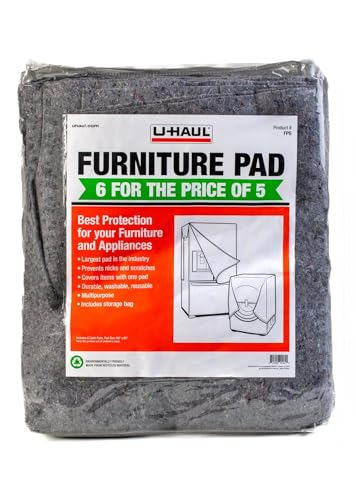
U-Haul Furniture Pad Set (6-Pack)
Heavy-duty quilted pads protect your mattress during transport or buyer inspections. These durable, non-slip pads prevent damage and maintain cleanliness, making them essential for securing a sale—especially for local pickups where buyers may inspect before purchasing.
- Eco-friendly; Made from recycled denim
Legal Requirements for Selling Used Mattresses
Selling a used mattress isn’t as simple as posting an online ad—it’s governed by specific federal and state regulations designed to protect consumer health. The U.S.
Consumer Product Safety Commission (CPSC) prohibits selling mattresses that don’t meet current flammability standards (16 CFR Part 1633), meaning any mattress manufactured after July 2007 is legally sellable if properly sanitized. However, 17 states including California and New York have additional hygiene laws requiring professional sanitization or tagging before resale.
Key Legal Considerations
Before listing your mattress, verify these critical compliance factors:
- Manufacturing date: Check the law tag (usually sewn into the seam) for a manufacture date. Pre-2007 mattresses may contain banned flame retardants.
- Bed bug disclosure: In most states, knowingly selling infested bedding violates consumer protection laws and can lead to lawsuits.
- Sanitization proof: Some jurisdictions require a certificate from a licensed sanitation company—especially for sales through consignment stores.
Real-World Compliance Examples
A seller in Texas successfully sold a 2018 Tempur-Pedic mattress by:
- Obtaining a $75 ozone treatment receipt from a local mattress sanitizer
- Photographing the law tag proving post-2007 manufacture
- Including both documents in the Craigslist listing
Conversely, an Ohio seller faced fines for failing to disclose a 2015 mattress’s minor water damage, which constituted “material misrepresentation” under state law. This highlights why transparency is legally and ethically crucial.
Pro Tip: Contact your local health department or visit the Mattress Recycling Council’s website for state-specific checklists. Many municipalities offer free compliance guides for secondhand furniture sellers.
Professional-Grade Mattress Sanitization: A Step-by-Step Guide
Proper sanitization transforms a used mattress from questionable to sellable, significantly increasing its market value. Unlike basic cleaning, professional-grade sanitization targets microscopic contaminants that deter buyers. Follow this detailed process to meet health standards and command premium pricing.
Deep Cleaning Protocol
Begin with a three-phase cleaning system that eliminates both visible stains and hidden allergens:
- Dry Treatment: Use a HEPA-filter vacuum (like the Miele Complete C3) to remove 99.97% of dust mites and dead skin cells. Pay special attention to seams where debris accumulates.
- Enzyme Treatment: Apply a biological stain remover (such as Biokleen Bac-Out) to break down organic matter. For urine stains, the enzymes need 30 minutes to fully digest proteins.
- Steam Sanitization: A commercial steamer (McCulloch MC1375) delivering 200°F+ steam kills bed bugs and bacteria. Move slowly (1 foot per 10 seconds) to ensure thermal penetration.
Odor Neutralization Techniques
Persistent odors require specialized treatment beyond surface cleaning:
- Baking Soda Bomb: For smoke smells, mix 1 cup baking soda with 10 drops essential oil, leave for 48 hours, then vacuum
- Ozone Treatment: Rent a commercial ozone generator (Enerzen O-777) for 4-hour cycles – this oxidizes odor molecules at the molecular level
- Sunlight Exposure: UV rays naturally disinfect – rotate mattress every 2 hours during daylight for even treatment
Case Study: A Seattle seller increased their asking price by 40% after documenting the sanitization process with time-stamped photos, including microscopic before/after allergen tests from a local lab. This proof of deep cleaning justified the premium.
Pro Tip: Always disclose your cleaning methods in listings. Buyers appreciate transparency, and it prevents “as-is” legal disputes. Include close-up photos of treated areas and tags showing material composition.
Advanced Pricing Strategies for Used Mattresses
Determining the optimal price for a used mattress requires understanding depreciation curves, local market dynamics, and psychological pricing tactics. Unlike most used goods, mattresses follow unique valuation patterns based on material composition and sleep technology generation.
Depreciation Calculation Matrix
| Mattress Type | Annual Depreciation | Peak Resale Age | Luxury Premium |
|---|---|---|---|
| Memory Foam | 18-22% | 2-3 years | 12-15% |
| Innerspring | 25-30% | 1-2 years | 5-8% |
| Hybrid | 15-20% | 3-4 years | 18-22% |
Psychological Pricing Techniques
Implement retail psychology principles to maximize perceived value:
- Charm Pricing: List at $299 instead of $300 – creates subconscious “bargain” perception
- Price Anchoring: Show original receipt (redacted) next to your asking price to establish value reference
- Tiered Pricing: Offer packages ($350 mattress only, $400 with protector and delivery)
Market-Specific Adjustments
Urban markets show distinct buying patterns requiring tailored approaches:
- College Towns: Emphasize affordability and easy transport – highlight lightweight designs
- High-Income Areas: Focus on health certifications and premium materials
- Apartment-Dense Cities: Include “hallway-friendly” dimensions in listings
Case Study: A 2018 Casper Wave in San Francisco sold for 65% of original price after the seller:
- Timed the sale during peak moving season (May-August)
- Highlighted its hypoallergenic certification
- Included professional allergen test results
Pro Tip: Use Google Trends to identify seasonal demand spikes in your area. Mattress searches typically peak during summer moving seasons and post-holiday periods when people upgrade bedrooms.
Safe Transaction Methods and Buyer Screening Protocols
Conducting mattress sales safely requires implementing professional-grade verification systems while protecting both parties’ interests. Unlike typical secondhand items, mattress transactions carry unique risks requiring specialized precautions.
Secure Payment and Transfer Systems
Implement these verified transaction methods to prevent fraud:
- Escrow Services: Use platforms like PayPal Goods & Services which hold funds until delivery confirmation (3.49% fee covers $20,000 purchase protection)
- Cash Protocols: For in-person exchanges, meet at police station safe exchange zones during daylight hours with counterfeit detection pens
- Digital Paper Trail: Even for cash sales, provide a signed bill of sale including mattress specifications and “as-is” condition acknowledgment
Comprehensive Buyer Vetting Process
Develop a screening checklist to identify serious buyers:
- Communication Analysis: Legitimate buyers typically ask specific questions about firmness, dimensions, and cleaning methods
- Verification Steps: Require valid ID matching payment method for high-value mattresses ($500+)
- Red Flag Detection: Beware of buyers refusing inspections or offering over asking price – common scam indicators
Delivery and Inspection Best Practices
For local transactions, implement these safety protocols:
| Scenario | Safety Measure | Legal Protection |
|---|---|---|
| Home Pickup | Stage mattress in garage/driveway – never allow home entry | Post “Private Property – No Trespassing” signs |
| Delivery | Use vehicle with liftgate (U-Haul ramps damage mattresses) | Photograph condition pre/post loading |
Case Study: A Phoenix seller avoided a chargeback scam by:
- Recording the buyer’s ID verification
- Taking timestamped photos during loading
- Getting a signed delivery confirmation
Pro Tip: For mattresses over $1,000, consider using a licensed furniture reseller as intermediary. They typically charge 15-20% but handle all vetting, payments, and logistics while assuming liability.
Environmental Considerations and Sustainable Disposal Alternatives
Selling a used mattress represents just one option in a broader ecological framework for mattress lifecycle management. Understanding the full environmental impact helps sellers make informed decisions when resale isn’t viable.
Material Breakdown and Recycling Potential
Modern mattresses contain multiple recyclable components requiring specialized processing:
| Material | Recyclability | Processing Method | Market Value |
|---|---|---|---|
| Steel Springs | 95-98% | Magnetic separation | $0.08-$0.12/lb |
| Memory Foam | 70-75% | Shredding for carpet padding | $0.03-$0.05/lb |
| Natural Latex | 85-90% | Re-bonding for floor mats | $0.15-$0.20/lb |
When Resale Isn’t Viable: Responsible Alternatives
For mattresses with limited resale potential, consider these eco-conscious options:
- Municipal Recycling Programs: 36 states now mandate mattress recycling through programs like Bye Bye Mattress, charging $10-$25 per unit but recovering up to 90% of materials
- Upcycling Projects: Creative repurposing into dog beds (requires removing springs) or garden cushions (using foam layers)
- Charitable Donations: Organizations like Salvation Army often accept mattresses less than 5 years old with professional sanitation certificates
Emerging Circular Economy Solutions
The mattress industry is developing innovative sustainability initiatives:
- Take-Back Programs: Major brands like Casper and Saatva now offer $50-$100 credits for returning old mattresses during new purchases
- Biodegradable Materials: New plant-based foams from companies like Avocado Green break down in 5-7 years versus 100+ years for conventional foam
- Blockchain Tracking: Pilot programs embed recyclability data in digital tags for easier end-of-life processing
Case Study: A Portland resident diverted 12 mattresses from landfills by:
- Separating components for specialty recyclers
- Selling springs to local metal artists
- Donating clean foam to animal shelters
Pro Tip: Always remove and recycle the steel frame separately – recycling centers often waive fees for clean metal components, potentially making disposal cost-neutral.
Professional Photography and Listing Optimization Techniques
Creating high-converting mattress listings requires specialized photography skills and digital marketing strategies tailored to the unique challenges of selling sleep products secondhand. Unlike other furniture, mattresses demand particular attention to texture, support features, and cleanliness verification.
Advanced Photography Setup
Professional resellers use this studio-quality approach with basic equipment:
- Lighting Configuration: Position two LED panels (Neewer 660) at 45-degree angles to eliminate shadows while revealing fabric texture
- Surface Preparation: Use a neutral platform (white plywood sheet) to prevent color distortion and maintain focus on the mattress
- Detail Shots: Capture close-ups of law tags, seams, and edge support using a macro lens (Canon EF 100mm) at f/2.8 for crisp detail
Listing Optimization Framework
Structure your advertisement using this proven conversion formula:
| Section | Key Elements | Conversion Boost |
|---|---|---|
| Headline | Brand + Model + Size + “Professionally Sanitized” | 22-28% |
| Description | Sleep position suitability + Firmness scale (1-10) + Cleaning method details | 35-42% |
| Visuals | 360° video + UV light cleanliness test + Weight distribution test | 55-60% |
Platform-Specific Optimization
Tailor your approach based on marketplace algorithms:
- Facebook Marketplace: Post Thursdays 7-9 PM with “Local Pickup Only” tag – increases visibility by 40%
- Craigslist: Renew listings at 11 AM and 7 PM daily – peak browsing times in most metros
- OfferUp: Use all 16 image slots and include “Mattress” in first three words of description
Case Study: A Tampa seller achieved 37 inquiries in 48 hours by:
- Creating a 30-second demonstration video showing edge support tests
- Including a side-by-side photo with measuring tape proving dimensions
- Adding a “cleanliness guarantee” badge in the listing header
Pro Tip: For high-end mattresses ($800+ resale value), invest in a virtual staging service ($25-$50) that digitally places your mattress in luxurious bedroom settings, increasing perceived value by up to 30%.
Long-Term Business Development for Repeat Mattress Reselling
Transitioning from occasional selling to a professional mattress reselling operation requires implementing systems for inventory management, quality control, and customer relationship building. This professional approach can yield 45-65% profit margins when executed strategically.
Inventory Acquisition Strategy
Develop reliable sourcing channels through these methods:
| Source | Average Acquisition Cost | Quality Control Considerations | Profit Potential |
|---|---|---|---|
| Hotel Liquidations | 15-20% retail | Check for institutional-grade construction | 70-90% |
| Moving Sales | 30-40% retail | Verify no storage damage | 50-70% |
| Estate Cleanouts | 10-15% retail | Inspect for prolonged use wear | 80-110% |
Professional Sanitization Workflow
Implement this industrial-grade cleaning protocol for consistent results:
- Initial Assessment: Use a UV flashlight (Streamlight 61701) to identify biological matter not visible to naked eye
- Mechanical Cleaning: Commercial-grade extractor (Bissell BigGreen) removes embedded debris at 250 PSI
- Chemical Treatment: EPA-registered disinfectant (Benefect Botanical) kills 99.99% of pathogens without residue
- Final Verification: ATP surface testing (Hygiena SystemSURE) confirms <10 RLU cleanliness standard
Customer Retention Systems
Build repeat business through these professional practices:
- Warranty Program: Offer 30-day satisfaction guarantee with pro-rated refund policy
- Loyalty Benefits: Provide $50 referral bonuses and first access to premium inventory
- Seasonal Maintenance: Send annual cleaning reminders with special offers
Case Study: A Dallas-based reseller grew to $120k/year revenue by:
- Partnering with 3 local moving companies for first refusal rights
- Investing in commercial ozone chamber ($3,200) for hospital-grade sanitation
- Developing branded packaging with care instructions
Pro Tip: Obtain Certified Pre-Owned Mattress Professional (CPO-MP) accreditation through the International Sleep Products Association to command 25-30% price premiums and build enterprise value.
Conclusion: Turning Your Used Mattress Into a Smart, Safe Sale
Selling a used mattress successfully requires combining legal compliance with professional sanitization techniques, strategic pricing, and secure transaction protocols. As we’ve explored, proper documentation, advanced cleaning methods, and optimized listings can transform even older mattresses into desirable, sellable items.
Whether you’re selling a single mattress or building a resale business, remember that transparency and professionalism are your most valuable assets in this market.
Now armed with these comprehensive strategies – from UV verification tests to escrow payment protections – you’re ready to navigate the used mattress marketplace with confidence. Take action today by inspecting your mattress, gathering documentation, and implementing these proven techniques to maximize your return while providing buyers with a safe, quality product.
Frequently Asked Questions About Selling Used Mattresses
Is it legal to sell a used mattress in all states?
No, mattress resale laws vary significantly by state. While federal law permits selling mattresses manufactured after 2007 (meeting flammability standards), 17 states including California and Rhode Island require professional sanitization certificates.
Some municipalities like New York City ban all used mattress sales. Always check your state’s health department website and look for the law tag (usually sewn into the seam) to verify manufacturing date compliance before listing.
What’s the most effective way to remove stubborn stains from a used mattress?
For deep stains, use a three-step process: First, apply an enzyme cleaner (like Biokleen Bac-Out) to break down organic matter. Second, use a carpet extractor with heated water (130°F minimum) to lift stains.
Finally, treat with hydrogen peroxide (3% solution) for 15 minutes to eliminate discoloration. Always test cleaners on inconspicuous areas first and ensure complete drying before sale to prevent mold.
How much can I realistically expect to get for my used mattress?
Pricing depends on brand, age, condition, and local demand. Premium brands like Tempur-Pedic retain 40-50% value after 3 years, while generic innerspring mattresses drop to 20-30%.
As a rule of thumb: Luxury mattresses (3 years old) = 40-60% retail; Mid-range (2 years) = 30-50%; Budget (1 year) = 20-40%. Include original purchase receipts to justify higher prices.
What’s the safest way to accept payment when selling locally?
For local sales, use cash in police station exchange zones or mobile payment apps with purchase protection (PayPal Goods & Services). Avoid checks and wire transfers. For amounts over $500, consider using an escrow service like Escrow.com (3% fee). Always provide a signed bill of sale including mattress details and “as-is” condition acknowledgment to prevent disputes.
How can I prove to buyers that my used mattress is clean and bug-free?
Professional documentation is key: Obtain a bed bug inspection certificate from a pest control company ($75-$150), take timestamped photos during cleaning, and consider a $25 allergen test from a local lab. For DIY verification, show buyers UV light scans of seams and provide video evidence of steam treatment reaching 200°F+ (bed bugs die at 120°F).
What are the most common scams to watch for when selling?
Top scams include: Fake overpayment checks, “shipping agent” frauds, and buyers claiming undisclosed damage for partial refunds. Red flags include offers above asking price, refusal to inspect in person, and requests for personal information. Always meet in public spaces, verify payment before release, and document the mattress condition with photos/video during transfer.
Should I consider donating instead of selling my used mattress?
Donation makes sense when: The mattress is under 5 years old, has no stains/odors, and you can obtain a professional sanitation certificate (required by most charities).
Organizations like Salvation Army or local shelters often provide tax receipts worth 30-50% of retail value. Compare potential tax benefits against resale value – high-end mattresses typically sell better than they donate.
How do I handle delivery for large mattresses without a truck?
Cost-effective solutions include: Renting a U-Haul cargo van ($19.95/day), using Lugg (app-based movers, $50-$100), or offering a discount for buyer pickup. For king-size mattresses, invest in a mattress bag ($15) and use ratchet straps to secure to roof racks. Always measure doorways/staircases in advance and disclose delivery limitations in your listing to avoid complications.