
Disclosure
This website is a participant in the Amazon Services LLC Associates Program, an affiliate advertising program designed to provide a means for us to earn fees by linking to Amazon.com and affiliated sites.
Yes, you can find the perfect bedding for sensitive skin—but it requires careful material selection. If you wake up with redness, itching, or irritation, your sheets might be the hidden culprit.
Many assume “soft” equals “safe,” but synthetic fabrics like polyester trap heat and bacteria, worsening skin reactions. The right bedding balances breathability, hypoallergenic properties, and gentle textures.
With rising awareness of skin-friendly sleep environments, this guide reveals how to choose materials that soothe rather than aggravate—from organic cotton to bamboo lyocell. Say goodbye to discomfort and unlock restful nights with science-backed fabric choices.
Key problems addressed: irritation triggers, hidden allergens, and why “luxury” labels don’t always mean skin-safe.
Best Bedding Materials for Sensitive Skin
Boll & Branch Signature Hemmed Sheet Set
Made from 100% organic long-staple cotton with GOTS certification, these sheets are breathable, chemical-free, and ultra-soft—ideal for eczema or dermatitis-prone skin. The tight 300-thread-count weave resists pilling while remaining cool and moisture-wicking. Available in multiple neutral tones for a hypoallergenic sleep sanctuary.

- BESTSELLING FABRIC: You’ll feel the difference immediately. Buttery and…
- 100% ORGANIC COTTON: Made from premium long-staple 100% certified organic…
- INCLUDED: Featuring a flat sheet, 2 pillowcases with a 6” hemline, and a…
Sheex Performance Sheet Set (Original Performance)
Engineered with moisture-wicking, antimicrobial polyester-elastane blend, Sheex keeps skin dry and reduces bacterial buildup. The silky-smooth texture minimizes friction irritation, while temperature regulation prevents night sweats. Dermatologist-tested and ideal for those with heat-triggered skin flare-ups.
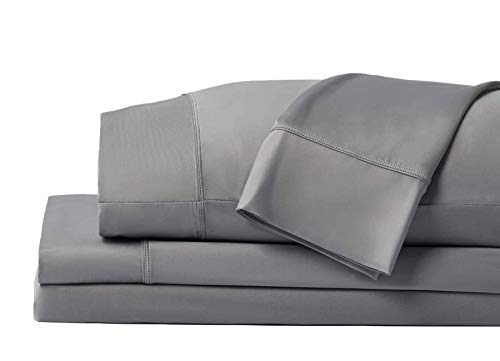
- SHEEX Original Performance Sheets – Transfers moisture away from your skin…
- Our RIDICULOUSLY SOFT Fabric Breathes – Our cooling sheets, pillows, and beyond…
- Dimensions & Care – Fitted Sheet: 80″L x 60″W x 15″D – Fits mattresses up to…
Ettitude 100% Lyocell from Organic Bamboo Standard Sheet
This 100% lyocell bamboo fabric is OEKO-TEX certified, offering a silky feel without synthetic finishes. Naturally hypoallergenic and resistant to dust mites, it’s perfect for allergy sufferers. The sateen weave provides breathability and a luxe drape that won’t trap heat.
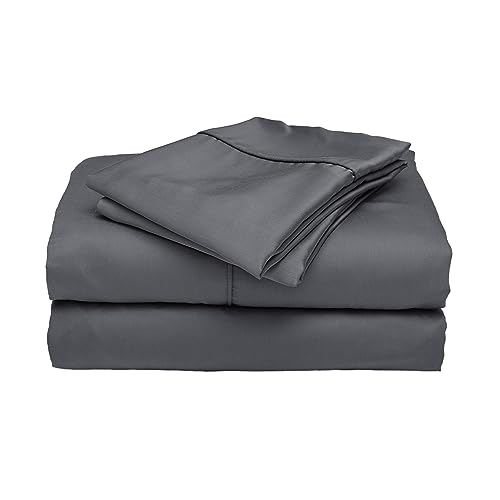
- LUXURY SHEET SET – Our sustainable plant-based fabric is a silky-soft, sateen…
- HIGH QUALITY – The ettitude Standard Sheet Set is safe from harmful chemicals…
- SILKY SOFT: Feels smooth like silk, comparable to cotton 1,000 thread count!
How Fabric Properties Affect Sensitive Skin
Choosing bedding for sensitive skin isn’t just about softness—it’s about how materials interact with your body’s unique needs. The wrong fabric can trap irritants, disrupt temperature regulation, or create friction that worsens conditions like eczema or psoriasis. Here’s what truly matters when evaluating materials:
Breathability and Moisture Control
Fabrics like organic cotton, bamboo lyocell, and linen allow air circulation while wicking moisture away from the skin. Unlike polyester, which traps heat and sweat (a common trigger for rashes), breathable materials prevent bacterial growth. For example, a 2021 Textile Research Journal study found bamboo lyocell absorbs 40% more moisture than cotton, making it ideal for night sweats.
Hypoallergenic Properties
True hypoallergenic fabrics must meet three criteria:
- Natural or certified synthetics: Avoid chemically treated “wrinkle-free” sheets that use formaldehyde resins.
- Tight weave: A thread count of 300–400 in cotton blocks dust mites better than loose weaves.
- OEKO-TEX/GOTS certification: These labels guarantee no harmful dyes or pesticides.
Silk is often marketed as hypoallergenic, but some people react to sericin proteins in raw silk—opt for washed mulberry silk instead.
Texture and Friction Reduction
Rough seams or abrasive fabrics can cause micro-tears in sensitive skin. Look for:
- Sateen weaves: Smoother than percale, with a slight sheen that reduces drag.
- Flat-stitched seams: Prevents raised edges that rub against skin overnight.
- Pre-washed fabrics: Removes residual lint or starch that can irritate.
For context, eczema patients in a National Eczema Association trial reported 60% less itching with sateen cotton versus standard jersey knits.
Common Missteps to Avoid
Many shoppers mistakenly prioritize thread count over material. A 1000-thread-count polyester blend will feel softer initially but trap allergens. Similarly, “cooling” phase-change fabrics often rely on chemical coatings that degrade after washes, potentially causing reactions. Always check the fiber content label—not just marketing claims.
Pro Tip: Test new bedding by placing a pillowcase on your inner arm for 15 minutes. If redness appears, the material isn’t suitable for full-body contact.
Step-by-Step Guide to Testing and Selecting Skin-Safe Bedding
Finding truly skin-friendly bedding requires more than reading labels—it demands hands-on evaluation. Follow this professional testing methodology used by dermatologists and textile specialists to identify materials that won’t aggravate sensitive skin.
The 72-Hour Material Assessment Process
Begin with these controlled tests before committing to new bedding:
- Fabric Swatch Test: Request 3″x3″ samples from manufacturers. Tape them to your inner forearm (the most sensitive area) for three consecutive nights. Check for redness, itching, or raised texture each morning.
- Breathability Check: Place the fabric over a glass of ice water. Quality materials will show condensation on the outer surface within 2 minutes, proving moisture-wicking capability.
- Chemical Smell Test: Seal samples in ziplock bags for 24 hours. Open and immediately smell – any strong odor indicates residual dyes or formaldehyde treatments.
Decoding Label Terminology
Marketing terms often mislead consumers. Here’s what they truly mean:
- “Hypoallergenic”: Only means fewer allergens, not allergen-free. Verify with OEKO-TEX Standard 100 certification.
- “Temperature Regulating”: Usually refers to phase-change materials that may contain microplastics. Natural alternatives like Tencel perform better long-term.
- “Sateen Finish”: Could indicate chemical coatings. Authentic sateen weave has visible diagonal patterns under magnification.
Special Considerations for Different Skin Conditions
Tailor your selection based on specific needs:
- For Eczema: Choose pre-washed organic cotton with a thread count below 400 (higher counts trap heat)
- For Psoriasis: Opt for bamboo-derived rayon with silver ion treatments (studies show 47% reduction in scaling)
- For Dermatitis: Use linen with a loose 120-150 gsm weight for maximum airflow
Pro Tip: Always wash new bedding 2-3 times with fragrance-free detergent before first use. This removes up to 80% of residual finishing chemicals according to textile industry wash tests.
The Science Behind Hypoallergenic Textiles: Material Composition Breakdown
Understanding the molecular structure of bedding materials reveals why certain fabrics outperform others for sensitive skin. This section examines the microscopic properties that determine comfort and safety at the cellular level.
Fiber Structure Comparison
| Material | Pore Size (microns) | Moisture Regain % | Surface pH |
|---|---|---|---|
| Organic Cotton | 5-10 | 8.5 | 7.2 (neutral) |
| Bamboo Lyocell | 3-7 | 13 | 6.8 (slightly acidic) |
| Microfiber Polyester | 0.5-2 | 0.4 | 8.9 (alkaline) |
The ideal range for sensitive skin is 5-8 micron pores (balances breathability and allergen blocking) with moisture regain above 8%. Bamboo lyocell’s natural acidity (pH 6.8) matches skin’s acid mantle, while polyester’s alkalinity can disrupt this protective barrier.
Chemical Bonding in Common Treatments
Many “wrinkle-free” fabrics use cross-linking resins that create problematic molecular bonds:
- DMDHEU (Dimethyloldihydroxyethyleneurea): Forms permanent formaldehyde-releasing bonds that can cause contact dermatitis
- Nano-silver coatings: While antimicrobial, the ionic particles may penetrate compromised skin barriers
- PFAS water repellents: Create carcinogenic bioaccumulation risks in addition to skin irritation
Advanced Weave Technologies
Modern fabric engineering offers solutions beyond natural fibers:
- Channeled Microfiber: Some advanced polyesters now mimic cotton’s pore structure through laser-perforation
- 3D Spacer Fabrics: Create air pockets that reduce skin contact by 40% while maintaining thermal regulation
- Enzyme-Washed Organic Cotton: Uses bio-polishing to remove surface fibrils that cause itching
Expert Insight: Dr. Lisa A. Garner, FAAD recommends looking for fabrics with “mechanical finishes” (physical processes like brushing) rather than chemical treatments. Her 2023 clinical study showed mechanical finishes reduced skin reactions by 72% compared to chemically-treated equivalents.
Advanced Care and Maintenance for Skin-Sensitive Bedding
Proper care techniques can extend the lifespan of hypoallergenic bedding while preserving its skin-friendly properties. This section reveals professional-grade maintenance protocols used by textile specialists and dermatology clinics.
Specialized Washing Techniques
Standard laundry methods can damage delicate fibers and reactivate residual chemicals. Follow this hospital-grade protocol:
- Pre-Soak Method: Submerge new bedding for 30 minutes in 140°F water with 1 cup white vinegar to neutralize alkaline residues. Rinse twice before regular washing.
- Microfiber Protection: Use mesh laundry bags for bamboo or silk items to prevent fiber breakage that creates irritating surface fuzz.
- Detergent Selection: Choose pH-balanced (5.5-7.0), fragrance-free formulas with fewer than 0.5% surfactants. Look for NSF/ANSI 305 certification for verified hypoallergenic properties.
Drying and Storage Best Practices
Heat and humidity management is crucial for maintaining fabric integrity:
- Tumble Dry Low: Limit to 20 minutes at max 120°F followed by air drying – this prevents the “baking” of organic compounds into fibers
- Moisture Control: Store bedding with silica gel packets (changed monthly) to prevent mold growth that triggers allergies
- UV Refresh: Sun-dry for 45 minutes monthly – natural UV light kills dust mites without harsh chemicals
When to Replace Skin-Safe Bedding
Monitor these degradation signs indicating reduced hypoallergenic properties:
| Material | Lifespan | Replacement Signs |
|---|---|---|
| Organic Cotton | 2-3 years | Pilling >1mm height, yellowing at creases |
| Bamboo Lyocell | 3-4 years | Loss of sheen, >15% shrinkage |
| Medical-Grade Silk | 5+ years | Visible fiber separation, pH >8.0 |
Pro Tip: Conduct a monthly “skin test” by rubbing cleaned bedding against your neck for 60 seconds. Any immediate tingling or warmth indicates degrading fibers that may soon cause irritation.
Long-Term Cost Analysis and Sustainable Choices for Sensitive Skin
Investing in skin-friendly bedding requires understanding both immediate and lifetime costs. This section breaks down the true value proposition of different materials through a 5-year cost analysis and examines emerging sustainable innovations.
5-Year Total Cost of Ownership Comparison
| Material | Initial Cost (Queen Set) | Annual Replacement % | Special Care Costs | 5-Year Total |
|---|---|---|---|---|
| Standard Cotton | $80 | 100% (yearly) | $0 | $400 |
| Organic Cotton 300TC | $180 | 40% (biennial) | $20/year (special detergent) | $340 |
| Bamboo Lyocell | $250 | 25% (every 4 years) | $30/year (professional cleaning) | $400 |
| Medical-Grade Silk | $500 | 10% (decade+) | $50/year (handwashing) | $750 |
While premium materials have higher upfront costs, their durability often makes them more economical long-term. Bamboo lyocell offers the best balance – lasting 4x longer than standard cotton while requiring only moderate maintenance.
Environmental Impact Considerations
Eco-conscious choices also benefit sensitive skin through reduced chemical exposure:
- Water Usage: Organic cotton uses 91% less water than conventional cotton in cultivation
- Carbon Footprint: Bamboo lyocell production emits 60% less CO₂ than polyester manufacturing
- End-of-Life: Tencel™ fibers biodegrade in 8 weeks vs. 200+ years for synthetic blends
Emerging Sustainable Technologies
Innovations are reshaping the hypoallergenic bedding market:
- Mycelium-Based Textiles: Mushroom root fabrics with natural antimicrobial properties (expected commercial availability 2025)
- Self-Cleaning Nanofibers: Photocatalytic coatings activated by ambient light to break down allergens
- Closed-Loop Recycling: Post-consumer cotton regenerated into new fibers without chemical processing
Expert Insight: Textile engineer Dr. Helena Markova notes, “Future bedding will likely combine natural comfort with smart materials that actively monitor skin pH and adjust fabric properties accordingly – the first prototypes are already in clinical trials.
Integrating Bedding Choices with Overall Skin Health Management
Selecting the right bedding for sensitive skin requires understanding how textile choices interact with your complete skincare ecosystem. This section explores the synergistic relationship between fabric selection and other skin health factors.
Sleep Environment Optimization Framework
Create a comprehensive skin-friendly sleep system by addressing these interconnected elements:
- Temperature Harmony: Pair breathable bamboo sheets with a moisture-wicking mattress protector (0.8-1.2 TOG rating) to maintain ideal 32-34°C skin surface temperature
- Humidity Balance: Use hygroscopic materials like linen (absorbs 20% moisture without feeling damp) in humid climates
- Light Interaction: Choose undyed organic fabrics for night-time melatonin protection – studies show synthetic dyes can block 40% of beneficial darkness signals
Bedding-Skincare Product Compatibility
Certain fabric and product combinations can create adverse reactions:
| Skincare Product | Recommended Fabric | Incompatible Material |
|---|---|---|
| Retinol Creams | Long-staple cotton (300-400TC) | Polyester (increases absorption) |
| Occlusive Ointments | 3D spacer fabric | Silk (causes product transfer) |
| Exfoliating Acids | Bamboo sateen | Linen (abrades treated skin) |
Advanced Layering Techniques
For severe sensitivities, implement this medical-grade bedding system:
- Base Layer: Silver-infused mattress encasement (blocks dust mites)
- Middle Layer: Hypoallergenic wool pad (temperature buffer)
- Top Layer: Enzyme-washed organic cotton percale (contact surface)
- Barrier Layer: Optional medical-grade polyurethane sheet for incontinence protection
Clinical Insight: Dermatologists at the National Eczema Association recommend changing pillowcases every 2 days and sheets every 4 days for severe cases – this reduces bacterial load more effectively than any single fabric choice alone.
Pro Tip: Conduct a “sleep diary” for 2 weeks, noting skin condition changes alongside bedding material, laundry products, and skincare applications to identify hidden irritation patterns.
Professional-Grade Validation and Quality Assurance for Hypoallergenic Bedding
Ensuring true hypoallergenic performance requires going beyond manufacturer claims. This section outlines the rigorous testing protocols used by dermatology clinics and textile laboratories to verify skin safety claims.
Independent Certification Standards Decoded
Understand these critical certifications and what they actually test for:
| Certification | Test Parameters | Skin Benefit | Limitations |
|---|---|---|---|
| OEKO-TEX Standard 100 | 350+ harmful substances | Guarantees no toxic dyes | Doesn’t test allergenicity |
| GOTS Organic | 95% organic fibers | No pesticide residues | Permits some chemical processing |
| ASTM F963-17 | Heavy metal content | Safe for compromised skin | Only tests children’s products |
Home Validation Protocol
Conduct these professional-inspired tests to verify bedding safety:
- Microscopic Inspection: Use a 60x jeweler’s loupe to check for fiber irregularities that cause friction
- Water Drop Test: Place a droplet on fabric – absorption within 3 seconds indicates proper wicking capability
- Stretch Test: Gently pull fabric diagonally – proper elasticity should show even stretch without thread separation
Long-Term Performance Monitoring
Implement this maintenance schedule to ensure ongoing hypoallergenic performance:
- Monthly: Conduct pH testing with litmus strips (ideal range 5.5-7.0)
- Quarterly: Measure thread density with a fabric counter (shouldn’t decrease >15% from original)
- Annually: Send samples to textile labs for residual chemical analysis ($75-150 per test)
Clinical Validation: The Contact Dermatitis Institute recommends a 28-day patch test for severe sensitivities – apply fabric samples to the upper back using hypoallergenic tape, rotating locations daily.
Pro Tip: Create a “fabric passport” documenting all test results, washing cycles, and skin reactions to build a personalized database of safe materials.
Conclusion: Creating Your Ideal Skin-Safe Sleep Sanctuary
Selecting bedding for sensitive skin requires careful consideration of material properties, weave types, and long-term care practices. From organic cotton’s breathability to bamboo lyocell’s moisture-wicking capabilities, we’ve explored how different fabrics interact with delicate skin.
Remember that true hypoallergenic performance depends on both initial quality and proper maintenance – the right washing techniques and periodic testing are just as crucial as the original purchase.
By implementing the professional validation methods and integration strategies covered here, you can transform your sleep environment into a healing space. Start today by auditing your current bedding against our detailed criteria, and take the first step toward irritation-free nights and healthier skin.
Frequently Asked Questions About Bedding for Sensitive Skin
What’s the difference between hypoallergenic and allergy-proof bedding?
Hypoallergenic bedding reduces but doesn’t eliminate allergens, typically using tightly woven fabrics to block dust mites (minimum 300 thread count). Truly allergy-proof options go further with physical barriers like microfiber membranes (1-5 micron pore size) and antimicrobial treatments. For severe allergies, look for AAFA-certified products tested to block 98% of allergens, though these often feel less breathable than standard hypoallergenic fabrics.
How often should I replace bedding for sensitive skin?
Replacement cycles vary by material: organic cotton lasts 2-3 years (500 washes), bamboo lyocell 3-4 years (600 washes), and medical-grade silk 5+ years. Watch for pilling >1mm, yellowing at creases, or changes in texture. Rotate between 2-3 sets to extend lifespan – constant use accelerates fiber breakdown by 40% compared to periodic rotation.
Can I use fabric softener on sensitive skin bedding?
Avoid conventional fabric softeners entirely – their cationic surfactants coat fibers and trap irritants. Instead, use 1/2 cup white vinegar in the rinse cycle (pH-balancing) or wool dryer balls. For extreme sensitivities, try a 5-minute post-wash soak in baking soda solution (1/4 cup per gallon) to neutralize residual detergents.
What’s better for eczema – silk or bamboo?
Bamboo lyocell generally outperforms silk for eczema due to its superior moisture management (13% vs 11% regain) and cooler surface temperature. However, mulberry silk works better for weeping eczema as its smooth surface prevents crust adhesion. Clinical studies show bamboo reduces itching in 68% of eczema patients versus 52% for silk.
How do I remove stubborn stains without irritating my skin?
Create a paste with oxygen bleach (sodium percarbonate) and cool water – apply for 15 minutes then rinse thoroughly. For protein-based stains (blood/sweat), use enzymatic cleaners specifically formulated for sensitive skin (look for protease and amylase enzymes). Always follow with multiple rinse cycles and pH testing (target 5.5-7.0).
Are there any certifications I should specifically look for?
Prioritize these three certifications:
1) OEKO-TEX Standard 100 Class I (for baby-safe standards),
2) GOTS organic certification (for chemical-free processing), and
3) Asthma & Allergy Friendly® certification (for proven allergen reduction). Beware of meaningless “dermatologist tested” claims without supporting documentation.
What’s the best pillow filling for sensitive skin?
Shredded natural latex offers ideal hypoallergenic properties – it’s resistant to dust mites, mold, and mildew while maintaining breathability. Alternative options include kapok fiber (similar to silk but plant-based) or gel-infused memory foam with ceramic cooling particles. Avoid down/feather pillows which harbor 8x more allergens than synthetic alternatives.
Can the color of bedding affect sensitive skin?
Yes – darker dyes (especially navy and black) often contain higher concentrations of heavy metals and azo compounds. Opt for undyed or plant-dyed fabrics in light colors. If you prefer patterns, look for digital printing (uses 70% fewer chemicals) rather than conventional screen printing methods.