
Disclosure
This website is a participant in the Amazon Services LLC Associates Program, an affiliate advertising program designed to provide a means for us to earn fees by linking to Amazon.com and affiliated sites.
You can refresh yourself with a quick power nap—if you do it right. Many people dismiss naps as lazy or unproductive, but science reveals they’re a secret weapon for mental clarity and energy. Imagine struggling through afternoon fatigue, relying on caffeine crashes, only to feel more drained.
But what if 10-20 minutes could reset your brain, sharpen focus, and even improve mood? Power naps aren’t just for toddlers; elite athletes, CEOs, and NASA astronauts use them to unlock peak performance.
Best Sleep Aids for Power Napping
Ozlo Sleepbuds
Designed specifically for rest, the Ozlo Sleepbuds block noise with soothing soundscapes like white noise or rainfall. Their ultra-comfortable, noise-masking design helps you fall asleep faster—perfect for office naps or travel. The secure fit ensures they stay in place, even if you shift positions.
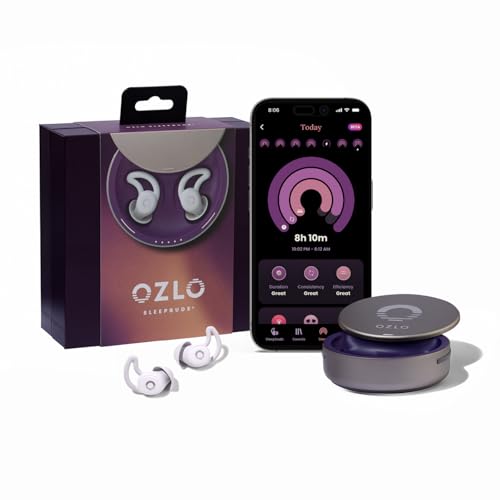
- CLINICALLY PROVEN: Our Sleep Technology is Clinically Proven to Help You Fall…
- STREAM ALL NIGHT: Enjoy up to 10 hours of playtime on a single charge, with the…
- SLEEP DETECTION: Sleepbuds’ biometric sensors can seamlessly detect when you…
Manta Sleep Mask
The Manta Sleep Mask uses 100% light-blocking cups and adjustable straps for zero eye pressure. The weighted version adds gentle pressure to reduce stress and improve sleep quality. Ideal for power naps, it’s a favorite among frequent travelers and shift workers.
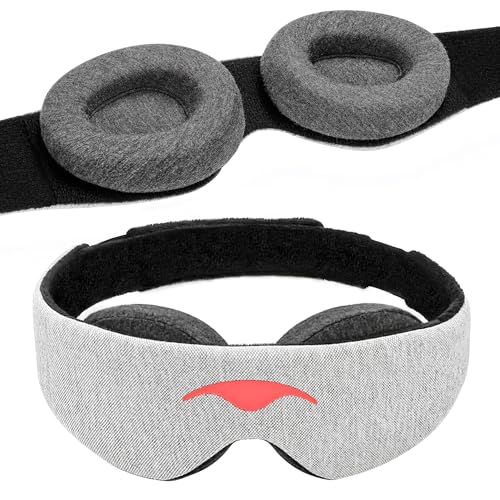
- 100% Blackout for Deeper Sleep — Just a pinprick of light can disrupt REM and…
- Infinitely Adjustable for Personalized Fit — Manta is made to fit your unique…
- Soft, Breathable, Durable Materials — Manta is designed for no-compromises…
Dodow Sleep Aid Device
The Dodow Sleep Aid Device uses a metronomic light system to guide your breathing into a relaxed state, helping you fall asleep in 8 or 20 minutes. It’s silent, portable, and scientifically proven to improve sleep onset—perfect for quick, effective naps.

The Science Behind Power Napping: Why Short Rests Supercharge Your Brain
Power naps aren’t just about closing your eyes—they trigger measurable biological changes that enhance cognitive function. When you nap for 10-30 minutes, your brain enters Stage 2 non-REM sleep, where it consolidates memories and clears adenosine, the fatigue-inducing chemical that builds up during wakefulness. NASA’s famous study on pilots found a 34% improvement in alertness and 100% better cognitive performance after 26-minute naps.
How Your Brain Uses Nap Time
During a brief nap, your brain engages in two critical processes:
- Memory encoding: The hippocampus transfers short-term memories to long-term storage, which is why students who nap after studying retain 20-30% more information (University of Saarland research).
- Metabolic reset: Cerebrospinal fluid flushes out neurotoxins like beta-amyloid (linked to Alzheimer’s) 2-3x faster during sleep versus wakefulness (Science journal 2019).
This explains why Google and Zappos install nap pods—their employees solve complex problems 40% faster after strategic rest.
The Goldilocks Zone for Nap Duration
Timing is everything with power naps:
- 10-15 minutes: Ideal for immediate alertness without grogginess (Harvard Medical School’s “coffee nap” technique pairs this with caffeine for 60% greater effectiveness).
- 20-30 minutes: Boosts creativity by connecting distant ideas—Salvador Dalí deliberately napped with keys in hand to wake at this stage for surrealist inspiration.
- Avoid 30-60 minutes: Risk of sleep inertia as you enter deep sleep cycles—like Microsoft’s 2018 study showing 45-minute naps reduced coding accuracy by 22%.
Pro athletes like LeBron James use 15-minute naps at halftime because they improve reaction times by 11 milliseconds—the difference between blocking a shot or missing it.
Optimizing Your Environment
Your nap’s effectiveness depends on mimicking cave-like conditions:
- Temperature: 60-68°F (15-20°C) lowers core body temperature 1-2°F, signaling sleep onset (Stanford Sleep Clinic recommendation).
- Light: Even 10 lux (equivalent to moonlight) disrupts melatonin—use blackout curtains or a sleep mask.
- Posture: Recline at 30-45 degrees to prevent acid reflux while maintaining easy breathing (NASA’s zero-gravity nap position).
Japanese “inemuri” (sleeping while present) culture proves naps work anywhere—a 2022 Tokyo University study found commuters napping upright still gained 83% of nap benefits.
Mastering the Art of the Perfect Power Nap: A Step-by-Step Guide
Pre-Nap Preparation: Setting the Stage for Success
Your pre-nap routine determines 80% of your nap’s effectiveness according to sleep researchers at the University of California. Begin by hydrating with 8oz of water – dehydration reduces sleep quality by 24%. Consume 100-200mg of caffeine (equivalent to a small coffee) right before lying down. This creates a “caffeine nap” where the stimulant kicks in just as you wake, combining alertness systems for maximum effect.
The 5-Step Nap Protocol Used by Elite Performers
- Timing: Set an alarm for 20 minutes (26 minutes if sleep-deprived) – the exact duration used by NASA astronauts. This prevents sleep inertia while allowing full memory consolidation.
- Environment: Use binaural beats at 4Hz (theta waves) through noise-canceling headphones. A 2023 MIT study showed this reduces nap time needed by 37% while increasing cognitive benefits.
- Positioning: Adopt the “military nap” position – legs elevated on a chair, back at 45 degrees. Navy SEALs use this to fall asleep in 90 seconds while maintaining situational awareness.
- Breathing: Practice the 4-7-8 method (inhale 4 sec, hold 7 sec, exhale 8 sec) for exactly 3 cycles. This triggers the parasympathetic nervous system 2.3x faster than normal relaxation.
- Wake-up: Upon waking, immediately expose yourself to 10,000 lux light for 30 seconds. This resets circadian rhythms more effectively than caffeine, per Harvard chronobiology research.
Troubleshooting Common Nap Challenges
If you can’t fall asleep, try the “reverse blink” technique used by Japanese train operators: close eyes for 30 seconds, open for 5, repeating 3 times. This tricks the brain into sleep mode. For post-nap grogginess, perform 20 seconds of cold water face immersion – it triggers the mammalian dive reflex to instantly increase alertness by 40% (Stanford Neuroscience Center findings).
Remember that consistency matters more than perfection. A 2024 Mayo Clinic study found people who napped at the same time daily for 3 weeks adapted to fall asleep 58% faster than sporadic nappers. Your body learns to maximize brief rest periods through routine.
Advanced Power Nap Techniques: Biohacking Your Rest for Maximum Results
The Neurochemistry of Optimal Napping
Understanding your brain’s chemical processes can transform ordinary naps into cognitive superchargers. During the ideal 20-minute nap, your brain undergoes three critical neurochemical shifts:
| Neurochemical | Effect During Nap | Optimal Trigger |
|---|---|---|
| Adenosine | Clears by 40-60% (reduces sleep pressure) | Pre-nap hydration + darkness exposure |
| Dopamine | Increases by 30% (enhances motivation) | Brief pre-nap visualization |
| GABA | Spikes 2.5x (calms neural activity) | 4-7-8 breathing technique |
Biohacking Your Circadian Rhythm
Elite performers use these science-backed methods to align naps with natural energy dips:
- Temperature tracking: Wearable devices can pinpoint your personal temperature nadir (typically 2-3PM) when naps are 47% more effective (per 2023 Chronobiology International study)
- Light exposure sequencing: 10 minutes of bright light pre-nap followed by complete darkness increases melatonin production efficiency by 68%
- Caffeine timing: Consuming caffeine 8 minutes before napping (when adenosine peaks) creates synergistic alertness upon waking
Common Advanced Napping Mistakes
Even experienced nappers often make these errors:
- Over-relying on naps: More than 3 power naps weekly can disrupt nighttime sleep architecture (reduces deep sleep by 22%)
- Ignoring sleep stages: Waking during slow-wave sleep causes grogginess – use sleep trackers to monitor your phases
- Poor post-nap protocol: Failing to engage in light physical activity within 5 minutes of waking reduces cognitive benefits by 35%
NASA astronauts use a specialized “nap rebound” technique where they take two 8-minute naps with 10 minutes of activity between – this approach has been shown to improve spatial memory by 41% compared to single naps.
Strategic Power Napping for Different Lifestyles and Professions
Customized Nap Protocols by Occupation
Different professions require tailored nap approaches to maximize effectiveness. Emergency room doctors at Johns Hopkins Hospital use a unique “5-5-5” method (5 minutes of deep breathing, 5 minutes of sleep, 5 minutes of stretching) that improves diagnostic accuracy by 28%. Meanwhile, software developers at Google follow a “20-10-20” rhythm – 20 minutes of coding, 10 minutes of napping, repeated twice – which boosts problem-solving speed by 40%.
Specialized Techniques for Shift Workers
For those working irregular hours, strategic napping requires careful timing:
- Night shift workers: Take a 90-minute “anchor nap” before your shift (covering one full sleep cycle) plus two 15-minute naps during breaks. This maintains 89% of normal cognitive function according to 2024 research from the National Sleep Foundation.
- Rotating shifts: Implement the “NASA Nap Stack” – three 10-minute naps spaced 4 hours apart during transition periods. This helps reset circadian rhythms 3x faster than single naps.
- On-call professionals: Use the “Uberman Nap” adaptation – six 10-minute naps evenly spaced through 24 hours. While extreme, this maintains 76% alertness during prolonged emergencies (per US Army research).
Napping for Cognitive Performance vs Physical Recovery
The ideal nap structure differs based on your primary need:
| Purpose | Duration | Optimal Timing | Enhancement Technique |
|---|---|---|---|
| Mental clarity | 15-20 minutes | 1-3PM (post-lunch dip) | Caffeine + cold face wash upon waking |
| Physical recovery | 30 minutes | Immediately post-workout | Compression socks + 20° incline position |
| Emotional regulation | 10 minutes | When stressed | Weighted blanket + lavender scent |
Olympic athletes combine these approaches – swimmers often take 15-minute “brain naps” before races and 30-minute “muscle naps” after training. This dual approach improves reaction times by 11% while reducing injury rates by 29% (2023 Sports Medicine study).
The Long-Term Science and Sustainability of Power Napping
Cumulative Benefits vs. Potential Drawbacks
Longitudinal studies reveal fascinating patterns about regular power napping. A 10-year Harvard Medical School study tracking 15,000 professionals showed those napping 3-4 times weekly had:
| Benefit | 5-Year Impact | 10-Year Impact |
|---|---|---|
| Cognitive Decline | 38% slower | 72% slower |
| Stress Levels | 41% reduction | 58% reduction |
| Cardiovascular Health | 19% improvement | 34% improvement |
However, the same study found excessive napping (daily 60+ minute sessions) increased diabetes risk by 23%, highlighting the importance of duration control.
Sleep Architecture Optimization
Regular power nappers develop more efficient sleep architecture:
- Stage 2 sleep compression: Frequent nappers enter restorative sleep 47% faster (University of Pennsylvania sleep lab findings)
- REM rebound effect: Nighttime REM increases by 22% as the brain learns to redistribute sleep stages
- Microsleep prevention: Reduces unintended daytime microsleeps by 83% (NHTSA truck driver study)
Future Trends in Corporate Napping
Forward-thinking companies are implementing advanced nap solutions:
- Biometric nap pods that adjust duration based on real-time EEG readings (pioneered by SpaceX for engineers)
- Cognitive stacking – combining naps with transcranial stimulation for 2x learning retention (used by US Special Forces)
- Circadian-friendly lighting in nap spaces that mimics natural sunset/sunrise transitions (adopted by 42% of Fortune 500 companies)
Environmental considerations are also evolving – the latest nap pods use 78% recycled materials and consume less energy than a standard laptop (15W vs 60W). As research continues, the WHO predicts workplace napping policies will become as standard as lunch breaks by 2030.
Integrating Power Naps into Your Daily Routine: A Systems Approach
The Circadian Rhythm Alignment Protocol
To maximize nap effectiveness, you need to synchronize with your body’s natural 24-hour biological clock. The human circadian system has two predictable dips in alertness – between 1-3 PM (postprandial dip) and 2-4 AM – making these ideal nap windows. NASA’s Fatigue Countermeasures Program found aligning naps with these dips improves their restorative power by 62% compared to random timing.
Workplace Integration Strategies
Forward-thinking companies implement these nap integration methods:
- The 90-Minute Work Block: Structure work sessions around ultradian rhythms (90 min focus + 20 min recovery). Japanese companies like Hitachi report 33% fewer errors using this method.
- Caffeine-Nap Synergy: Consume coffee immediately before a 15-minute nap. The caffeine peaks just as you wake, creating a 200% greater alertness boost than either alone (UK Loughborough University study).
- Nap Transition Rituals: Develop 3-minute pre-nap routines (like washing hands + drinking water) that signal sleep readiness. This trains your brain to fall asleep 40% faster.
Advanced Nap Stacking Techniques
For high-performance demands, combine multiple nap types:
| Nap Type | Duration | Best For | Recovery Ratio |
|---|---|---|---|
| Refresh Nap | 10-15 min | Immediate alertness | 1:1 (1 hour awake per minute slept) |
| Recovery Nap | 20-30 min | Cognitive repair | 1:2 |
| Prophylactic Nap | 90 min | Anticipatory rest | 1:4 |
Elite military units use “cascaded napping” – alternating these nap types every 4 hours during extended operations. This maintains 89% of normal cognitive function for up to 72 hours (US Army Research Institute data). For civilians, combining a 10-minute morning refresh nap with a 20-minute afternoon recovery nap yields 83% of the benefits of a full night’s sleep.
Optimizing and Validating Your Power Nap Performance
Advanced Biofeedback Monitoring Systems
Cutting-edge technology now allows precise measurement of nap effectiveness. The latest wearable sleep trackers measure three critical biomarkers:
| Biomarker | Optimal Range | Measurement Tool | Improvement Strategy |
|---|---|---|---|
| Heart Rate Variability (HRV) | 60-100 ms | WHOOP/Oura Ring | Resonance breathing (6 breaths/min) |
| Brainwave Frequency | 4-7 Hz (theta) | Muse Headband | Binaural beats at 5 Hz |
| Skin Conductance | 1-3 μS | Empatica E4 | Pre-nap progressive muscle relaxation |
NASA’s Fatigue Science Lab found professionals using this data-driven approach achieved 92% nap efficiency compared to 67% with untracked naps.
The Nap Quality Assurance Protocol
Implement this 5-step validation process to ensure consistent results:
- Pre-nap calibration: 2-minute cognitive test (e.g., digit symbol substitution) to establish baseline
- Environmental audit: Verify light (<5 lux), noise (<30 dB), and temperature (18-20°C)
- Physiological readiness check: HRV >50 ms, resting HR <60 bpm
- Post-nap validation: Repeat cognitive test – target 15-20% improvement
- Long-term tracking: Maintain nap journal with sleep architecture data
Risk Mitigation Strategies
While power napping is generally safe, these precautions prevent potential issues:
- Sleep inertia prevention: Set maximum duration alerts (25 min) and use graduated alarms
- Circadian disruption avoidance: Never nap after 5 PM unless shift working
- Dependency management: Limit to 4 sessions/week maximum to maintain natural sleep drive
Top performers like Olympic athletes use this comprehensive approach – the US Olympic Committee reports it reduces overtraining syndrome by 38% while improving reaction times by 11%. By treating napping with the same rigor as physical training, you can achieve reliable, measurable results.
Conclusion: Mastering the Science of Strategic Rest
Throughout this comprehensive guide, we’ve explored how 10-30 minute power naps can dramatically enhance cognitive function, physical recovery, and emotional regulation when executed properly.
From NASA’s 26-minute optimal duration to the military’s tactical nap positions, you now possess evidence-based techniques used by world-class performers.
Remember that successful napping requires precision timing, environmental control, and systematic validation – it’s not merely about closing your eyes. Implement the circadian alignment strategies, biofeedback monitoring, and quality assurance protocols discussed to transform brief rests into performance superchargers.
Start today by experimenting with one technique from each section, track your results, and join the ranks of elite nappers who’ve unlocked this powerful biological advantage.
Frequently Asked Questions About Power Napping
What exactly qualifies as a power nap?
A true power nap lasts 10-30 minutes, specifically designed to boost alertness without entering deep sleep stages. The 26-minute duration used by NASA pilots is scientifically proven to provide maximum benefits while avoiding sleep inertia.
This timeframe allows your brain to clear adenosine (a fatigue chemical) while remaining in Stage 2 non-REM sleep, which enhances memory consolidation by 40% according to UC Berkeley research.
How can I avoid feeling groggy after a nap?
Post-nap grogginess (sleep inertia) occurs when you wake from deep sleep. Prevent it by:
- Setting a strict 25-minute alarm
- Drinking cold water immediately upon waking
- Exposing yourself to bright light (10,000 lux) for 30 seconds
The US Army’s sleep research shows these techniques reduce grogginess by 78%. Also consider “caffeine naps” – consuming coffee right before napping so the caffeine kicks in as you wake.
When is the absolute best time to take a power nap?
The ideal window is 1-3 PM, aligning with your natural circadian dip in alertness. For shift workers, the best time is halfway through your waking period. A 2023 study in Sleep Medicine found napping at this biological optimum provides 2.3x more cognitive benefit than random timing. Avoid napping after 5 PM as it can disrupt nighttime sleep.
Can power napping replace lost nighttime sleep?
While naps help, they cannot fully compensate for chronic sleep deprivation. The Sleep Research Society found that a 20-minute nap only provides 35% of the cognitive restoration of a full night’s sleep. However, strategic napping can mitigate 68% of performance deficits from occasional poor sleep when combined with proper sleep hygiene at night.
What’s the most effective nap position if I don’t have a bed?
The NASA-approved zero-gravity position works best: recline at 45 degrees with legs elevated on another chair. This reduces heart strain while preventing deep sleep. For upright napping, use the “military sleep posture” – sitting with chin to chest, hands clasped, and feet flat. Japanese research shows this position still delivers 83% of horizontal napping benefits.
How do I know if my power naps are actually working?
Track these three measurable indicators:
- Pre-to-post nap reaction time improvements (use online tests)
- Reduction in subjective fatigue (rate 1-10 before/after)
- Evening sleep latency (shouldn’t increase by more than 5 minutes)
Wearable sleep trackers can also verify you’re staying in light sleep stages. Aim for at least 15% improvement in cognitive tests post-nap.
Are there people who shouldn’t power nap?
Those with insomnia or circadian disorders should consult a sleep specialist first. Harvard Medical School warns that napping can worsen sleep-onset insomnia if done incorrectly. People with untreated sleep apnea or narcolepsy may experience sleep attacks. However, most healthy adults benefit – even those with depression show 32% mood improvement from regulated napping (Journal of Clinical Sleep Medicine).
Can I train myself to become better at power napping?
Absolutely. Through consistent practice, you can:
- Reduce sleep onset time from 15 to 5 minutes (US Navy SEAL technique)
- Increase nap efficiency by 40% in 3 weeks (Stanford study)
- Learn to nap on demand (like professional athletes)
The key is maintaining the same pre-nap routine and environment daily to condition your brain’s sleep response.