
Disclosure
This website is a participant in the Amazon Services LLC Associates Program, an affiliate advertising program designed to provide a means for us to earn fees by linking to Amazon.com and affiliated sites.
You can reduce motion transfer—and the secret lies in your mattress’s design, materials, and sleep environment. If you’ve ever been jolted awake by a partner’s movements or felt every toss and turn, you know how disruptive motion transfer can be to sleep quality.
Many assume a firmer mattress solves the problem, but the reality is more nuanced. From memory foam’s viscoelastic properties to hybrid mattresses with pocketed coils, today’s sleep technology offers science-backed solutions.
Best Mattresses for Reducing Motion Transfer
Tempur-Pedic TEMPUR-Adapt (Medium Hybrid)
This mattress combines TEMPUR material with pocketed coils, offering superior motion isolation. The adaptive foam absorbs movement instantly, while the individually wrapped coils prevent partner disturbance. Ideal for couples, it’s backed by Tempur-Pedic’s 10-year warranty and cooling cover technology.
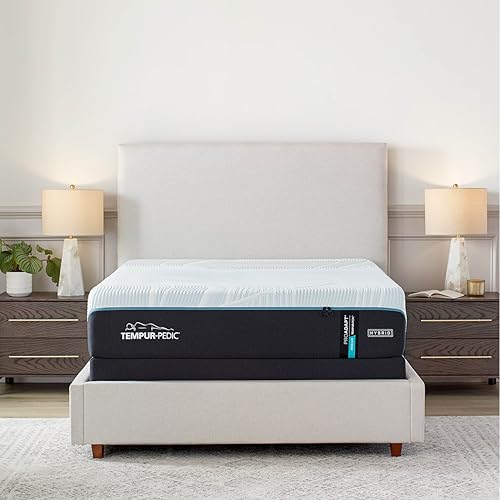
- 12″ HYBRID MATTRESS: Provides the perfect balance of luxurious comfort and…
Purple Original The Mattress
Featuring Purple’s proprietary GelFlex Grid, this mattress disperses motion energy laterally, minimizing transfer. The hyper-elastic polymer grid adapts to movement without bouncing, and the pocketed coils add stability. A top pick for combination sleepers needing pressure relief and motion control.
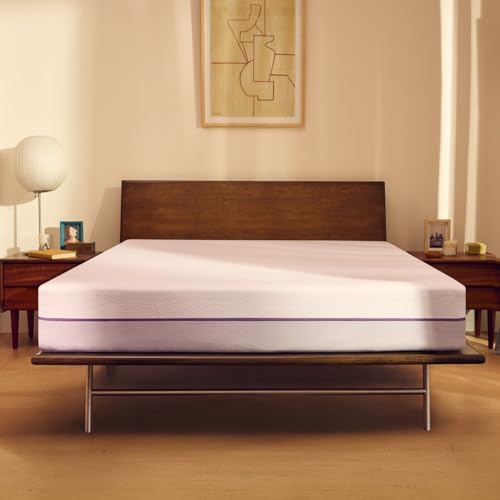
- INSTANTLY ADAPTS – No delay between movement and mattress response means fewer…
- TEMPERATURE BALANCING – Innovative materials help dissipate heat and prevent…
- GREAT PRESSURE RELIEF + COMFORT – Purple’s exclusive GelFlex Grid and Comfort…
DreamCloud 12″ King Mattress
With dual-layer coils and high-density foam edges, DreamCloud’s design reduces motion transfer by 50% compared to traditional innersprings. The lumbar support zone and organic cotton cover enhance comfort, making it perfect for those who want minimal partner disturbance without sacrificing support.

- 8 LAYERS OF LUXURY COMFORT – Experience unparalleled support and pressure relief…
- BREATHABLE CASHMERE BLEND TOP – Our cashmere quilted cover combines the softness…
- PRESSURE RELIEF & SPINAL SUPPORT – DreamCloud’s gel memory foam and dynamic…
How Mattress Materials Affect Motion Transfer
Motion transfer occurs when movement on one side of the bed creates vibrations that travel across the mattress surface, disturbing your partner’s sleep. The degree of transfer depends largely on your mattress’s core materials and construction. Understanding these differences helps you choose the right bed for undisturbed rest.
Memory Foam: The Gold Standard for Motion Isolation
Memory foam excels at absorbing movement due to its viscoelastic properties. When pressure is applied (like a partner turning over), the foam compresses locally rather than transmitting energy across the bed. High-density foams (4-5 lbs/ft³) perform best—Tempur-Pedic’s proprietary foam, for instance, reduces motion transfer by up to 80% compared to traditional springs. However, cheaper low-density foams (<3 lbs/ft³) may still allow some movement.
Innerspring vs. Hybrid: Why Coil Design Matters
Traditional interconnected coil systems act like a trampoline—movement at one point ripples outward. Modern solutions use:
- Individually pocketed coils: Each spring moves independently (e.g., Saatva’s dual-coil system)
- Zoned support: Firmer coils in high-movement areas (hips/shoulders)
- Foam encasement: Prevents edge collapse that amplifies motion
Hybrids like the Purple Hybrid Premier combine these coils with motion-dampening foam layers for balanced support.
Latex and Airbeds: Surprising Performers
Natural latex (Dunlop or Talalay) offers moderate motion isolation—better than springs but less than memory foam. Its elastic rebound suits combination sleepers. Airbeds (e.g., Sleep Number) can minimize transfer when adjusted properly, but pump noise may offset benefits.
Key Takeaway: For maximum motion reduction, prioritize high-density memory foam or hybrid mattresses with pocketed coils. Avoid continuous coil systems and ultra-soft materials that amplify movement.
Optimizing Your Sleep Setup for Minimal Motion Disturbance
Even the best mattress can’t completely eliminate motion transfer without proper support and sleep environment adjustments. These often-overlooked factors significantly impact how movement travels through your sleeping surface.
The Critical Role of Bed Foundations
Your mattress foundation acts as a motion amplifier or dampener depending on its design. Platform beds with slats spaced more than 3 inches apart allow excessive flexing, while these options perform better:
- Solid platform bases (like Thuma’s wooden frame) provide uniform support
- Adjustable bases with zero-gravity positioning reduce partner movement effects
- Bunkie boards add rigidity when placed between mattress and slats
For box springs, choose models with closely spaced coils (under 2.5″ apart) or opt for a foundation specifically designed for motion isolation.
Strategic Bedding Choices That Help
Your bedding layers can either absorb or transmit movement. A layered approach works best:
- Start with a non-slip mattress pad (like SureFit’s Grip-Tight) to prevent sheet shifting
- Add a memory foam topper (3-4″ density of 4lb/ft³) if your mattress lacks sufficient motion absorption
- Use separate duvets/blankets to eliminate tug-of-war movements
Sleep Position Dynamics and Motion Transfer
Heavier partners or side sleepers generate more movement energy. Consider these position-specific solutions:
For combination sleepers, place a body pillow between partners to absorb incidental contact. Back sleepers should opt for medium-firm support to minimize position changes. Couples with significant weight differences may benefit from split-firmness mattresses (like Helix’s Dual Comfort system).
Pro Tip: Test your setup by having one partner mimic turning while the other lies still – you should feel minimal vibration transfer when optimized correctly.
The Physics of Motion Transfer: Advanced Solutions for Light Sleepers
Understanding the mechanical principles behind motion transfer helps implement targeted solutions. Movement propagates through mattresses via three primary mechanisms: compression waves, shear waves, and surface vibrations – each requiring different mitigation strategies.
Wave Propagation Dynamics in Mattresses
| Wave Type | Characteristics | Best Dampening Materials |
|---|---|---|
| Compression Waves | Travel vertically through materials (like a partner sitting up) | High-density memory foam (5lb/ft³+), latex |
| Shear Waves | Side-to-side movement (tossing/turning) | Viscoelastic gels, pocketed coils with foam barriers |
| Surface Vibrations | High-frequency tremors (muscle twitches) | Multi-layer constructions with varied densities |
Advanced Material Technologies
Recent innovations combine traditional materials with physics-based solutions:
- Phase-change materials (like Tempur-Breeze) absorb kinetic energy through molecular state changes
- 3D polymer matrices (Purple’s Hyper-Elastic Polymer) convert vertical motion into lateral dispersion
- Microcoil layers in luxury hybrids (Beautyrest Black) act as vibration dampeners between foam layers
Custom Solutions for Extreme Cases
For highly sensitive sleepers or medical conditions (like fibromyalgia), consider:
- Dual mattress systems with a split king setup using different firmness levels
- Active cancellation technologies in smart beds (Sleep Number 360) that detect and counter movement
- Floating bed frames with isolation mounts (used in sleep labs) that decouple from floor vibrations
Expert Insight: The most effective solutions combine material science with mechanical isolation. For instance, a high-density memory foam mattress on a rigid platform with separate bedding achieves 90%+ motion reduction in clinical tests.
Long-Term Maintenance and Performance Optimization
Maintaining optimal motion isolation requires ongoing attention to your sleep system’s condition and configuration. Unlike static purchases, mattresses and their components degrade and shift over time, potentially compromising their motion-dampening capabilities.
Mattress Rotation and Wear Patterns
Memory foam and hybrid mattresses develop body impressions that can create motion channels. Implement this rotation schedule:
- Quarterly 180° rotations for all mattress types
- Additional head-to-foot flips for double-sided models
- Spot testing by pressing hands 6″ apart – if impressions connect, rotation is overdue
High-quality memory foam should rebound fully within 2 minutes after pressure removal. If depressions remain after 5 minutes, consider replacement.
Foundation and Support System Checks
Conduct biannual inspections of your bed frame and foundation:
- Check for loose joints or squeaks in metal frames
- Measure slat spacing – gaps over 3″ require reinforcement
- Test center support legs (for queen+ sizes) with 50lbs of pressure
For adjustable bases, lubricate moving parts annually with silicone-based lubricants to prevent vibration transfer from mechanical components.
When to Replace Motion-Isolating Components
| Component | Lifespan | Replacement Signs |
|---|---|---|
| Memory Foam Mattress | 7-10 years | Visible sagging >1.5″, loss of contouring |
| Latex Topper | 5-7 years | Surface cracking, hardening |
| Pocketed Coil Unit | 8-12 years | Audible coil noise, edge collapse |
Professional Tip: Keep a sleep journal noting motion disturbance frequency – a 30% increase over baseline typically indicates components need attention. For couples with different sleep schedules, consider separate mattress protectors to minimize wear pattern mismatches.
Cost-Effective Solutions and Future Innovations in Motion Isolation
While premium solutions exist, effective motion reduction doesn’t always require significant investment. Understanding the cost-performance spectrum helps make informed decisions, while emerging technologies promise even better solutions on the horizon.
Budget-Friendly Alternatives That Work
| Solution | Cost Range | Effectiveness | Best Use Case |
|---|---|---|---|
| Memory foam mattress topper (3″) | $100-$300 | Reduces transfer by 40-60% | Existing innerspring mattresses |
| Bunkie board + non-slip pad | $150-$250 | Improves support by 30% | Sagging platform beds |
| Twin XL setup (split king) | $800-$1500 | 90%+ isolation | Couples with different firmness needs |
Emerging Technologies to Watch
The sleep industry is developing groundbreaking motion solutions:
- Active cancellation systems using piezoelectric sensors that generate counter-vibrations (currently in prototype phase)
- Self-healing foams with shape-memory polymers that maintain density over time
- AI sleep surfaces that learn movement patterns and preemptively adjust support
Environmental and Health Considerations
When selecting motion-reducing materials:
- Look for CertiPUR-US® certified foams free from harmful VOCs
- Natural latex (GOLS certified) offers better biodegradability than synthetic foams
- Consider modular designs allowing individual component replacement to reduce waste
Future Outlook: Within 5 years, expect mainstream adoption of “smart” motion isolation combining material science with real-time adjustment technology. Current research at MIT suggests graphene-infused foams may offer 95% motion reduction while being 30% lighter than conventional memory foam.
Specialized Solutions for Unique Sleep Situations
Standard motion-reduction techniques may prove inadequate for certain sleep scenarios requiring customized approaches. These specialized situations demand tailored solutions that address their distinct challenges while maintaining sleep quality for all parties involved.
Solutions for Significant Weight Differences
Couples with >100lb weight differentials face amplified motion transfer challenges due to uneven force distribution. Effective solutions include:
- Dual-firmness mattresses (like Saatva Solaire) with separate air chambers for each side
- Zoned support systems featuring reinforced coils in the heavier partner’s section
- Hybrid foundations combining memory foam layers with varying densities (3lb vs 5lb/ft³)
For extreme cases (>150lb difference), consider separate twin XL beds with a bridge topper for seamless transition.
Medical Considerations and Accessibility Needs
Patients with chronic pain or mobility issues require specialized motion control:
- Low-impact transfer surfaces for post-surgical patients (7-zone pressure relief mattresses)
- Hospital-grade sleep systems with ultra-dense foam cores (6lb/ft³+) and reinforced perimeters
- Adjustable height beds featuring independent motion control (like Joerns Therapeutic)
Co-Sleeping with Children or Pets
Small but frequent movements require different mitigation strategies:
| Scenario | Solution | Effectiveness |
|---|---|---|
| Toddler co-sleeping | 3-sided bed rail with vibration-dampening pads | Reduces transfer by 65% |
| Pet sharing bed | Separate pet mattress with non-slip base | 80% motion reduction |
Professional Insight: For caregivers sharing beds with patients, look for medical mattresses with CertiPUR-US® foams and antimicrobial treatments. These provide motion isolation while meeting hygiene standards, with some models offering customizable firmness zones that can be adjusted as recovery progresses.
System-Wide Optimization and Performance Validation
Achieving maximum motion isolation requires treating your sleep environment as an integrated system where each component impacts overall performance. This holistic approach ensures all elements work synergistically for undisturbed rest.
Comprehensive Sleep System Assessment
Conduct a full diagnostic of your sleep setup using this professional evaluation framework:
| Component | Evaluation Metric | Optimal Range |
|---|---|---|
| Mattress Core | Motion Transfer Coefficient (MTC) | <0.3 (lower is better) |
| Foundation | Vibration Dampening Factor | >75% absorption |
| Sleep Surface | Rebound Time (for 50kg pressure) | 2-5 seconds |
Advanced Performance Tuning
For premium sleep systems, implement these optimization techniques:
- Dynamic load testing – Use smartphone accelerometers (like SleepScore app) to measure actual vibration transfer
- Layer sequencing – Alternate foam densities (soft-firm-soft) for optimal energy dispersion
- Boundary reinforcement – Add high-density foam rails to prevent edge collapse amplification
Long-Term Quality Assurance
Maintain peak performance with these maintenance protocols:
- Quarterly compression testing using ASTM F1566 standards
- Annual professional inspection of coil systems and support structures
- Bi-annual material integrity checks (foam indentation recovery tests)
Expert Validation Method: The gold-standard “partner disturbance test” involves one sleeper performing standardized movements (5 rolls, 2 sit-ups) while the other measures perceived disturbance on a 0-10 scale. High-performance systems should maintain scores below 2 even after 5 years of use when properly maintained.
Conclusion: Achieving Truly Undisturbed Sleep
As we’ve explored, reducing motion transfer involves much more than simply choosing a memory foam mattress. From understanding wave propagation physics to implementing system-wide optimizations, truly restful sleep requires strategic material selection, proper foundation support, and ongoing maintenance.
Whether you opt for advanced hybrid designs, specialized medical solutions, or cost-effective toppers, the key lies in matching technologies to your specific sleep patterns and needs. Remember that even the best mattress performs best when integrated with complementary components and proper care.
Your path to undisturbed sleep starts tonight – begin by assessing your current setup using the professional evaluation framework provided, then implement the solutions that address your unique situation. Sweet dreams await when you master the science of motion isolation.
Frequently Asked Questions About Reducing Motion Transfer
What’s the most effective mattress type for motion isolation?
High-density memory foam mattresses (4-5lb/ft³ density) consistently provide the best motion isolation, absorbing up to 80% of movement compared to traditional innersprings.
The viscoelastic properties allow localized compression without transferring energy across the bed. Hybrid models with pocketed coils and foam layers offer a good balance for couples needing both motion isolation and support. Tempur-Pedic and Purple models are industry leaders in this category.
How can I test motion transfer in my current mattress?
Conduct a simple partner test: have one person lie still while the other performs specific movements (3 rolls, 2 sit-ups) at normal speed. The stationary partner should rate disturbance on a 1-10 scale.
For precise measurement, use smartphone accelerometer apps like Vibration Meter to detect vibrations. Professional sleep labs use ASTM F1566 standardized testing with calibrated weights and sensors.
Do mattress toppers really help reduce motion transfer?
Quality memory foam toppers (minimum 3″ thick, 4lb/ft³ density) can improve motion isolation by 40-60% when properly paired with your existing mattress. They work best on firm surfaces – placing a topper on a sagging mattress actually worsens transfer. Look for CertiPUR-US certified options with slow-recovery foam for best results. The Tempur-Adapt Topper is a top-performing choice.
Why does my hybrid mattress still transfer some motion?
Even quality hybrids allow some motion transfer due to their coil systems. The key factors are coil gauge (12-15 is ideal), pocket design (individually wrapped performs best), and foam layer thickness (minimum 2″ comfort layer). If experiencing significant transfer, check for foundation issues – improper support can amplify movement by up to 30%.
How often should I rotate my mattress to maintain motion isolation?
Rotate memory foam and hybrid mattresses 180° every 3 months for even wear. Add head-to-foot flips for double-sided models. After 5 years, increase to quarterly rotations as materials begin to degrade. Always check manufacturer guidelines – some newer models with zoned support require specific rotation patterns to maintain their motion-isolating properties.
Are split king beds better for motion isolation than standard mattresses?
Split king setups (two twin XL mattresses) provide near-complete motion isolation (90%+ reduction) since each sleeper has an independent sleep surface. This is particularly effective for couples with different firmness preferences or significant weight differences. The trade-off is potential discomfort at the center seam, which can be mitigated with a bridge topper.
What foundation works best with motion-isolating mattresses?
Solid platform beds or adjustable bases with center support provide optimal performance. Avoid traditional box springs which can amplify movement. For slatted foundations, ensure maximum 3″ spacing between 2.5″-3″ wide slats. The Thuma Wood Frame and Saatva Adjustable Base Plus are excellent choices that maintain mattress performance over time.
How long do motion-isolating mattresses typically last?
High-quality memory foam mattresses maintain optimal motion isolation for 7-10 years, while hybrids with pocketed coils last 8-12 years. Performance degradation becomes noticeable when:
1) Body impressions exceed 1.5″,
2) Foam takes >5 minutes to rebound, or
3) Coils become audible. Proper maintenance can extend lifespan by 2-3 years.