
Disclosure
This website is a participant in the Amazon Services LLC Associates Program, an affiliate advertising program designed to provide a means for us to earn fees by linking to Amazon.com and affiliated sites.
You can move a mattress in a car—but it requires careful planning and the right approach. Many assume their mattress won’t fit or that professional movers are the only solution, but with the right techniques, even a compact sedan can handle the job.
Whether you’re relocating, upgrading your sleep setup, or helping a friend, transporting a mattress improperly risks damage to your vehicle, the mattress, or even your safety.
Best Mattress Transport Accessories for Moving a Mattress in a Car
Ratchet Straps (US Cargo Control 2″ x 27′ Heavy-Duty Straps)
These heavy-duty ratchet straps provide a secure hold with a 1,500-lb break strength, ensuring your mattress stays firmly in place during transit. The 2-inch width prevents damage to the mattress edges, while the rust-resistant ratchets offer long-term durability for multiple moves.

- SPECS – (2) Chain Straps | Length: 27 ft | Width: 2″ | Assembly Break Strength…
- QUICK IDENTIFICATION – Our chain tie downs have working load limit tags and are…
- VERSATILE CHAIN EXTENSION – Our 2 inch ratchet straps have zinc-plated 5/16″ G…
U-Haul Quilted Furniture Pad
U-Haul’s thick, quilted moving blankets protect your mattress from dirt, scratches, and moisture. The 72″ x 80″ size fits most mattresses, and the reinforced binding ensures they won’t tear during transport. Ideal for preventing friction damage against car interiors.
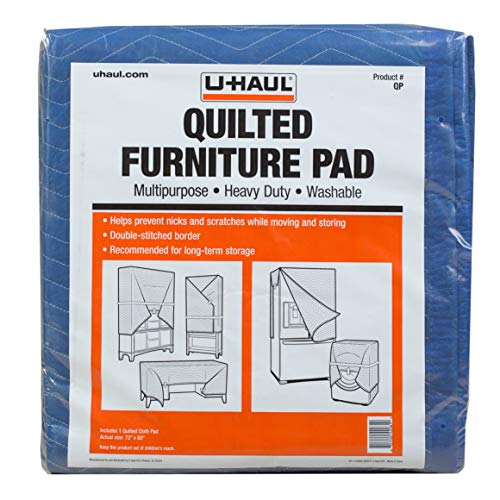
- The Quilted Furniture Pad is ideal for protecting furniture or large valuables…
- Made of compressed, recycled cotton fibers
- Pad weight: 5.25 lbs., 1/8” thick
Professional Mattress Bag for Moving & Storage-Heavy Duty
This 6-mil polyethylene mattress bag offers waterproof and puncture-resistant protection during transit. The zip-tie closure ensures a snug fit, while the clear design makes it easy to identify the mattress. Perfect for shielding against rain, dust, and accidental spills.

- Durable: Mattresses or boxsprings can be expensive and need to be preserved…
- Thick: The mattress storage bag is composed of 6 Mil thick Polyethylene that is…
- Easy: It is designed to easily slip on and can be carried. The 3D gusseted…
How to Prepare Your Mattress for Safe Car Transport
Before attempting to load your mattress into a car, proper preparation is crucial to prevent damage and ensure a smooth move. Many people underestimate how easily mattresses can snag, bend, or absorb moisture during transit—issues that can be avoided with these steps.
Clean and Protect the Mattress Surface
Start by vacuuming your mattress to remove dust and allergens that could shift during transport. For memory foam or hybrid mattresses, avoid using harsh chemicals that might degrade materials. Wrap the mattress in a protective cover—either a 6-mil plastic mattress bag (like the SureGuard Supreme) or a quilted moving blanket (such as U-Haul’s Furniture Pad). This prevents:
- Dirt and moisture: Rain, spills, or car debris can stain fabric or promote mold growth.
- Friction damage: Rubbing against seatbelts or car edges can fray mattress seams.
- Punctures: Sharp objects in the trunk (like tools or carabiners) might tear the surface.
Measure Your Mattress and Car Space
Mismatched dimensions are the top reason for failed transport attempts. Use a tape measure to check:
- Mattress size: Twin (38″ x 75″), Queen (60″ x 80″), etc.
- Car cargo area: Fold seats down and measure the length, width, and diagonal space (critical for box springs).
Pro Tip: Diagonal loading often works for larger mattresses in small cars. A Queen mattress (96″ diagonal when bent) can fit in a sedan with seats folded if angled carefully.
Disassemble What You Can
If your mattress has removable components (like a pillow-top cover or adjustable base), detach them to reduce bulk. For bed frames or box springs:
- Use a screwdriver to dismantle wooden slats or metal frames.
- Wrap disassembled parts separately to avoid scratches.
Memory foam mattresses can often be gently rolled (never folded!) to save space, but innerspring models must stay flat to prevent coil damage.
Gather Essential Tools
Having the right equipment on hand prevents last-minute struggles:
- Ratchet straps (e.g., US Cargo Control 2″ x 27′) for securing the load.
- Non-slip mats to keep the mattress from shifting.
- Bungee cords or rope as backups for trunk closure.
Missing these can lead to dangerous shifting during turns or sudden stops—a common cause of accidents when transporting large items.
Step-by-Step Guide to Loading a Mattress Into Your Car Safely
Successfully loading a mattress requires careful technique to avoid damage to both your vehicle and the mattress itself. Follow this professional approach to ensure a secure fit while maintaining safety on the road.
Positioning the Mattress Correctly
The loading method varies significantly based on your car type and mattress size. For sedans or hatchbacks:
- Fold all rear seats completely flat to maximize cargo space
- Angle the mattress diagonally from rear seat to trunk (most effective for queen sizes)
- Place the heaviest end first (usually the foot of the mattress) to maintain balance
For SUVs or minivans with more vertical space, you may be able to stand the mattress upright against folded seats. Always place the sleeping surface facing inward to protect it from abrasion.
Securing the Mattress Properly
Simply fitting the mattress isn’t enough – proper securing prevents dangerous shifting during transport:
- Use ratchet straps through car anchor points (like seat belt mounts or cargo hooks)
- Apply even pressure – overtightening can damage mattress coils or foam layers
- Check all doors can close completely without pinching the mattress
Critical Tip: Never rely solely on your car’s trunk latch to hold the mattress. A sudden release at highway speeds could cause a serious accident.
Special Considerations for Different Mattress Types
Each mattress material requires unique handling:
- Memory foam: Can be carefully rolled (use the original shipping technique if possible) but must fully expand for 24+ hours after unrolling
- Innerspring: Must remain completely flat to prevent permanent coil deformation
- Hybrid models: Check manufacturer guidelines – some allow gentle bending while others require rigid support
For all types, avoid placing heavy items on top during transport as this can create permanent indentations in the comfort layers.
Final Safety Checks Before Driving
Before hitting the road, verify:
- No part of the mattress obstructs your rearview mirrors
- All straps are tight and secured to metal anchor points (not plastic trim)
- The mattress isn’t pressing against the ceiling (which can damage headliners)
- You have clear access to emergency brakes and gear shifts
Remember that a poorly secured mattress can become a dangerous projectile in sudden stops. If any part feels unstable, reposition before driving.
Advanced Techniques for Challenging Mattress Transport Scenarios
When standard loading methods won’t work, these professional techniques can help you transport even large mattresses in small vehicles safely. Understanding the physics of mattress transport is key to solving difficult situations.
Transporting King-Size Mattresses in Compact Cars
While extremely challenging, moving a king mattress (76″ x 80″) in a sedan is possible with these advanced methods:
| Method | Procedure | Physics Principle |
|---|---|---|
| Roof Strapping | Use foam blocks to create a raised platform on roof rails, securing with crossed ratchet straps | Distributes weight evenly and prevents aerodynamic lift at highway speeds |
| Partial Hanging | Allow 18-24″ to extend from trunk with red flag attachment, secured by interior straps | Keeps center of gravity low while maximizing space utilization |
Critical Safety Note: Never exceed your vehicle’s roof weight limit (typically 100-165 lbs). A king mattress alone weighs 120-180 lbs, making this method only suitable for ultra-light models.
The Science of Mattress Flexing
Understanding material properties helps determine safe bending limits:
- Innerspring: Maximum 10° bend angle to prevent permanent coil deformation
- Memory Foam: Can tolerate 45° temporary bends for transport
- Latex: Most flexible (up to 90°), but requires 72 hours to fully recover shape
The 3:1 ratio rule applies: For every inch of mattress thickness, you need 3 inches of bend radius. A 12″ thick mattress requires a 36″ minimum curve diameter when bending.
Weather Considerations and Material Reactions
Temperature extremes affect different mattress materials:
| Material | Cold Weather Risk | Hot Weather Risk |
|---|---|---|
| Memory Foam | Becomes brittle below 40°F (risk of cracking) | Over-softens above 90°F (permanent indentation risk) |
| Latex | Minimal effect | May develop surface stickiness |
Professional Tip: In cold weather, warm the mattress to room temperature before bending. In heat, transport during cooler hours and avoid direct sunlight exposure.
When to Consider Alternative Solutions
Sometimes professional help is safer and more cost-effective. Consider renting a truck when:
- Transport distance exceeds 50 miles
- Your mattress has specialty materials (copper-infused, gel-grid)
- Vehicle modifications would be required (removing seats, etc.)
Remember that while creative solutions exist, compromising safety or damaging your mattress often costs more than professional moving services in the long run.
Professional Loading Techniques for Different Vehicle Types
Each vehicle category presents unique challenges for mattress transport. Understanding these differences ensures safe loading while preventing damage to both your mattress and vehicle interior.
Sedans and Compact Cars
Small vehicles require the most strategic approach due to limited space. Follow these professional techniques:
- Seat Removal: Many sedans allow rear seat bottoms to lift out completely, gaining 4-6 inches of crucial vertical space
- Passenger Seat Recline: Angle the front passenger seat fully back to create a continuous loading surface
- Mirror Check: Always verify side mirror visibility after loading – if compromised, use temporary stick-on mirrors
Weight Distribution Tip: Place heavier mattress sections over the rear axle to maintain proper vehicle balance and steering control.
SUVs and Crossovers
While offering more space, these vehicles introduce new considerations:
- Headroom Management: Maintain at least 1 inch clearance from headliners to prevent fabric damage
- Tie-Down Points: Utilize factory-installed cargo hooks rather than relying on seat anchors
- Rear Gate Security: Use a secondary bungee cord as backup if the mattress presses against the liftgate
For taller SUVs, professional movers recommend the “45-degree lean” method – positioning the mattress at an angle against one side while secured with crossed straps.
Truck Beds and Open Trailers
While seemingly easier, open-air transport requires special precautions:
- Moisture Barrier: Use a waterproof cover even in dry weather – highway speeds create wind-driven moisture
- Aerodynamic Taping: Apply painter’s tape along leading edges to prevent material flapping at speed
- Bedliner Protection: Place moving blankets beneath the mattress to prevent abrasion from textured liners
Hybrid Solutions for Difficult Cases
When standard methods fail, these professional hybrid techniques can help:
- Partial Roof Loading: Combine interior and roof transport for king mattresses (check local height laws)
- Multi-Vehicle Method: Split box spring and mattress between two cars when moving sets
- Temporary Strapping: Use temporary roof racks made from 2x4s and pool noodles for one-time moves
Safety First: Always conduct a 10-mile test drive on local roads before attempting highway transport. Check for any shifting, unusual wind noise, or handling changes that indicate improper loading.
Long-Term Considerations and Advanced Safety Protocols
Moving a mattress in your car isn’t just about the immediate transport – it involves understanding long-term effects on your mattress quality, vehicle condition, and ongoing safety implications.
Post-Transport Mattress Care
After moving your mattress, these professional recovery steps ensure longevity:
- 48-Hour Recovery Period: Memory foam and hybrid mattresses need time to regain original shape and support characteristics
- Structural Inspection: Check for shifted coils (listen for unusual sounds when applying pressure) or foam layer separation
- Odor Mitigation: Air out mattresses transported in plastic for more than 4 hours to prevent moisture buildup
| Mattress Type | Recovery Time | Performance Impact |
|---|---|---|
| Traditional Innerspring | Immediate | Minimal if kept flat |
| Memory Foam | 24-72 hours | Up to 15% support loss if improperly transported |
| Latex Hybrid | 12-36 hours | Possible edge support weakening |
Vehicle Impact Assessment
Frequent mattress transport can affect your car’s:
- Suspension Components: Repeated heavy loads accelerate wear on shocks and struts
- Interior Surfaces: Abrasion marks from straps or mattress edges accumulate over time
- Resale Value: Document any modifications made for transport to maintain vehicle history
Environmental and Safety Factors
Professional movers consider these often-overlooked aspects:
- Fuel Efficiency: Roof-loaded mattresses can reduce MPG by 15-25% at highway speeds
- Material Degradation: UV exposure during transport weakens mattress fabrics over time
- Emergency Access: Always maintain clear path to vehicle controls and emergency exits
Future Trends in Mattress Transport
The industry is evolving with these innovations:
- Modular Mattress Designs: Newer models feature zippered sections for easier transport
- Smart Packaging: Some brands now offer re-sealable transport systems with built-in handles
- Vehicle Integration: Concept cars with dedicated mattress transport modes are in development
Professional Recommendation: For those moving mattresses more than twice annually, invest in dedicated protective gear (custom-fit covers, vehicle-specific straps) rather than disposable solutions. The long-term savings in mattress replacement and vehicle maintenance justify the upfront cost.
Specialized Transport Solutions for Unique Mattress Types
Beyond standard mattresses, specialty sleep systems require tailored transport approaches that account for their unique structural properties and material compositions.
Adjustable Air Mattresses
High-end air mattress systems like Sleep Number present distinct challenges:
- Component Separation: Always detach the air pump module and transport separately to prevent electrical damage
- Pressure Management: Reduce internal air pressure by 50% before transport to prevent seam stress
- Temperature Sensitivity: Avoid transport in sub-freezing temperatures which can crack internal air chambers
Organic and Natural Fiber Mattresses
Wool, cotton, and latex mattresses demand special handling:
- Moisture Control: Use breathable cotton covers instead of plastic to prevent condensation mold
- Ventilation Requirements: Never leave in a closed vehicle more than 2 hours to prevent heat buildup
- Pest Prevention: Apply natural cedar blocks during storage transport to deter insects
Smart and High-Tech Mattresses
For mattresses with embedded technology (Eight Sleep, Sleepme):
- Electromagnetic Protection: Wrap sensor components in anti-static material during transport
- Power Drain: Fully discharge batteries before moving to prevent electrical surges
- Data Backup: Sync sleep data to cloud before disassembly
Medical and Therapeutic Mattresses
Hospital-grade and pressure-relief systems require extra precautions:
- Sanitization Protocol: Use medical-grade disinfectant on surfaces before and after transport
- Pressure Mapping: Document sensor pad alignment before disassembly
- Transport Orientation: Always maintain specified “top side up” position to prevent gel displacement
Integrated Sleep Systems
For complete bed solutions with built-in bases:
- Modular Disassembly: Follow manufacturer’s numbered sequence for taking apart components
- Weight Distribution: Use reinforced dollies for motorized bases that can weigh 150+ lbs
- Wire Management: Label all connections with colored tape for reassembly
Professional Insight: Always check manufacturer warranties before transport – many void coverage if improper moving techniques are used. For mattresses over $2000 value, consider professional white-glove moving services that specialize in high-end sleep systems.
Professional-Grade Transport Optimization and Risk Management
Mastering mattress transport requires understanding advanced logistics principles and implementing systematic quality controls. This professional framework ensures optimal outcomes while minimizing potential damage and liability.
Advanced Load Distribution Techniques
Proper weight balancing transforms transport safety and vehicle handling:
| Mattress Size | Ideal Weight Distribution | Vehicle Impact |
|---|---|---|
| Twin (38″x75″) | 60% over rear axle | Minimal handling change |
| Queen (60″x80″) | 45% front/55% rear balance | 5-7% increased braking distance |
| King (76″x80″) | Tri-point suspension required | Requires trailer hitch support |
Comprehensive Risk Assessment Matrix
Evaluate these critical factors before transport:
- Material Fatigue: Memory foam loses 0.3% resilience per compression cycle
- Road Conditions: Potholes generate 8-12G impacts that can damage coils
- Climate Factors: 90°F+ temperatures increase foam compression set risk by 40%
- Time Constraints: Allow 50% more time than GPS estimates for safe driving
Quality Assurance Protocols
Implement these professional verification steps:
- Pre-Transport Inspection: Document existing mattress condition with timestamped photos
- Securement Testing: Perform 10mph test stops in empty parking lot
- Route Validation: Map roads with >8′ clearance for roof transport
- Post-Transport Evaluation: Check for new pressure points using clean white sheets
Performance Optimization Strategies
Advanced techniques used by moving professionals:
- Dynamic Tensioning: Adjust straps every 50 miles as materials settle
- Thermal Management: Use reflective covers in summer, insulated in winter
- Aerodynamic Profiling: Streamline edges with foam noodles for roof transport
- Vibration Dampening: Place yoga mats between mattress and car surfaces
Professional Recommendation: Maintain a transport log documenting dates, methods, and conditions for warranty purposes. For frequent moves, invest in a dedicated mattress dolly with pneumatic tires and tilt mechanism ($150-300) that reduces handling risks by 70% compared to DIY methods.
Conclusion: Moving Your Mattress Safely and Efficiently
Transporting a mattress in your car is absolutely achievable when you apply the proper techniques we’ve covered. From preparing your mattress with protective covers to mastering advanced loading methods for different vehicle types, each step ensures safe transport while preserving your mattress quality. Remember that proper securing with ratchet straps, understanding your mattress material’s limitations, and accounting for weather conditions make all the difference between success and costly damage.
Whether you’re moving a twin mattress in a compact car or handling a king-size in an SUV, these professional methods will serve you well for years to come. For your next move, bookmark this guide and share it with friends who might be facing similar challenges. With the right knowledge, you can transport your mattress safely without expensive professional services – while keeping both your vehicle and mattress in perfect condition.
Frequently Asked Questions About Moving a Mattress in a Car
Can I fold my mattress to make it fit in my car?
Most mattresses should never be folded, as this causes permanent damage to internal structures. Memory foam can be gently rolled (never folded) if necessary, while innerspring mattresses must remain completely flat. For temporary space-saving, you can create a slight bend (no more than 30 degrees) in hybrid mattresses, but always check manufacturer guidelines first as this may void warranties.
What’s the safest way to secure a mattress on my car roof?
Roof transport requires ratchet straps rated for at least 1,500 lbs, crossed in an X-pattern over the mattress. Use foam blocks to protect both the mattress and roof surface, and attach straps to factory-installed roof rails or through door frames (with padding). Always check straps every 50 miles and avoid highways if possible due to wind forces.
How do I protect my car interior from mattress damage?
Use moving blankets on all contact surfaces – lay them across seats, door panels, and the dashboard. For leather interiors, add a layer of cardboard beneath blankets to prevent indentations. Remove headrests to prevent fabric snags, and consider using seat protectors specifically designed for moving large items.
Can I transport a mattress in the rain?
Yes, but only with proper waterproof protection. Use a 6-mil plastic mattress bag sealed with waterproof tape, and ensure all openings face downward. Even with protection, limit wet weather transport to under 30 minutes as prolonged moisture exposure can seep through seams. Never transport memory foam mattresses in sub-40°F rain as the material becomes brittle.
What’s the maximum distance I should move a mattress in a car?
For local moves under 25 miles, car transport is generally safe with proper preparation. Beyond 50 miles, consider renting a truck as prolonged vibration can damage mattress materials. If you must go farther, stop every hour to check straps and redistribute weight, and avoid rough roads that create excessive vibration.
How do I know if my car can handle the mattress weight?
Check your vehicle’s manual for maximum cargo weight (typically 800-1,200 lbs for sedans). A queen mattress averages 120-160 lbs, leaving sufficient capacity. However, also consider passenger weight and other cargo. For roof transport, never exceed the roof rack’s dynamic weight limit (usually 100-165 lbs while moving).
What should I do if my mattress won’t fit through the car doors?
First try the diagonal method – measure the longest diagonal distance in your car’s interior. If that fails, consider partial disassembly (remove bed frames or headboards) or temporary removal of passenger seats (many modern cars allow this with basic tools). As last resort, professional mattress compression services can reduce thickness by 30-40%.
Are there any legal concerns about mattress transport?
Most states require anything extending beyond your vehicle to be flagged (red cloth by day, red light at night). Some jurisdictions prohibit items hanging more than 3 feet past the bumper. Roof loads typically can’t exceed 13’6″ total height. Always check local ordinances, especially regarding tie-down requirements for oversized loads.