
Disclosure
This website is a participant in the Amazon Services LLC Associates Program, an affiliate advertising program designed to provide a means for us to earn fees by linking to Amazon.com and affiliated sites.
You can cut a mattress in half safely—but only with the right tools, techniques, and precautions. Whether you’re downsizing for a move, repurposing an old bed, or tackling a DIY project, the idea of slicing through a bulky mattress might seem daunting.
Many assume it’s as simple as grabbing a knife and hacking away, but improper methods can ruin materials, create hazardous debris, or even injure you.
Best Tools for Cutting a Mattress Safely
Milwaukee 48-22-1902 Fastback Utility Knife
This heavy-duty utility knife features a quick-release blade change and a sturdy aluminum body, making it ideal for slicing through thick mattress layers like memory foam or latex. The ergonomic grip reduces hand fatigue during prolonged cutting sessions.
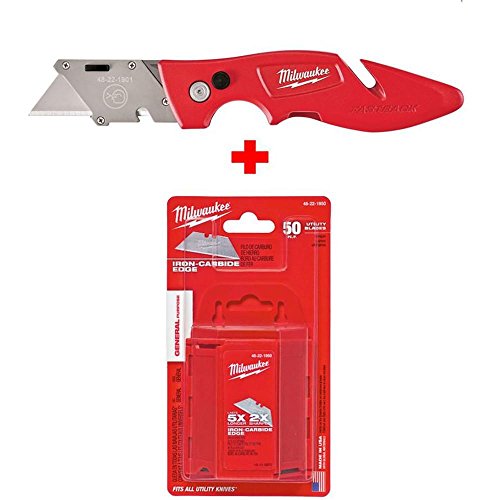
- Milwaukee 48-22-1902 Fastback Flip Utility Knife and 48-22-1950 General Purpose…
- One Handed Blade Opening – Flip Blade Open -Tool Free Blade Change
- Integrated Gut Hook – Cut Without Opening Knife
Black+Decker Jig Saw
For mattresses with dense innersprings, this jig saw’s 5.0-amp motor and variable speed control provide precision cutting power. The tool-free blade change system lets you switch to metal-cutting blades for tackling steel coils effortlessly.
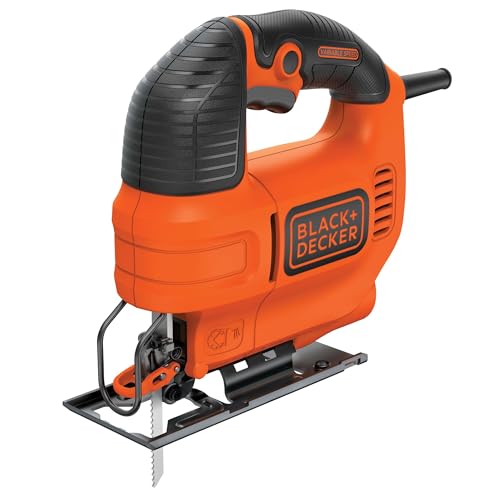
- VERSATILE APPLICATION – 3/4 in. stroke length for cutting wood, metal, and…
- VARIABLE-SPEED MOTOR – 4.5 Amp motor generates up to 3,000 spm of cutting…
- COMPACT AND LIGHTWEIGHT – Electric jig saw is designed for easy…
3M Professional Grade Respirator
Essential for safety, this respirator with P100 filters blocks airborne particles from foam dust or fiberglass insulation often found in mattresses. The silicone seal ensures comfort and protection during extended use.
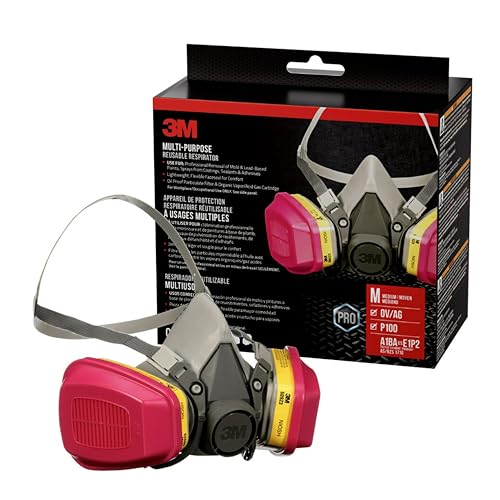
- NIOSH-APPROVED OV/AG/P100 RATED filters for at least 99.97% filtration…
- FOR WORKPLACE/OCCUPATIONAL USE ONLY
- OIL RESISTANT P-series particulate filter
Essential Safety Precautions Before Cutting a Mattress
Cutting a mattress requires careful preparation to avoid injuries and material hazards. Unlike standard DIY projects, mattresses contain hidden risks like fiberglass particles, coiled springs under tension, and chemical-treated foams that can irritate skin and lungs. Ignoring these dangers could lead to emergency room visits or long-term respiratory issues.
Protective Gear You Absolutely Need
Never attempt mattress cutting without proper personal protective equipment (PPE). A basic setup should include:
- Cut-resistant gloves (like NoCry Professional Gloves) to prevent blade slips from severing tendons
- ANSI-rated safety goggles that seal around eyes to block flying springs or fiberglass shards
- Disposable coveralls (Tyvek 400 recommended) to prevent skin contact with irritants
Identifying Hidden Hazards in Mattress Layers
Most modern mattresses contain these potentially dangerous components:
- Fiberglass fire barriers (common in budget memory foam beds) release microscopic glass fibers when cut—these can embed in skin and require professional decontamination
- Pocketed coils may suddenly uncoil with 20+ lbs of force when severed, acting like dangerous projectiles
- Polyurethane foam often contains flame retardants that become airborne dust when cut
Workspace Setup for Controlled Cutting
Choose a well-ventilated area (preferably outdoors) with these features:
- Concrete or tarmac surface for easy cleanup (avoid grass where fibers can linger)
- Plastic sheeting taped 6 feet beyond cutting area to contain debris
- Vacuum with HEPA filter (like DeWalt DWV012) running continuously to capture particles
Pro Tip: Always check mattress tags for warnings about fiberglass—if present, consider professional disposal instead. The $50 savings isn’t worth $3,000 in HVAC cleaning costs when fibers spread through your home’s ventilation system.
Step-by-Step Guide to Cutting Different Mattress Types
Each mattress construction requires unique cutting techniques to handle its specific materials safely. Using the wrong approach can damage tools, create uneven cuts, or release hazardous materials. This section breaks down professional methods for the three most common mattress types.
Memory Foam Mattresses
For all-foam beds without springs, follow this precise process:
- Mark cutting lines using a chalk reel (Irwin 1934469) for straight edges – measure twice to avoid costly mistakes
- Use an electric carving knife (like Cuisinart CEK-40) for smooth cuts – the reciprocating blades prevent foam tearing
- Cut in sections no thicker than 6 inches – deeper cuts cause blade binding and uneven edges
Innerspring Mattresses
Coil-based mattresses present unique challenges requiring specialized tools:
- Start with bolt cutters (Klein Tools 63050) to sever perimeter wires before any cutting
- Use angle grinders with metal cutoff wheels (DeWalt DW840) for coil columns – never attempt with standard utility knives
- Work from the top down – remove fabric and padding layers first to expose the spring framework
Hybrid Mattresses
Combination units demand a hybrid approach:
Begin by separating foam from coils using a putty knife to peel back layers. For the foam section, follow memory foam techniques. When reaching the coil unit, switch to metal-cutting methods. Always keep components intact until fully separated to prevent material entanglement.
Professional Insight: Hotel mattress refurbishers use pneumatic reciprocating saws (Milwaukee 2720-20) for bulk processing, but these require training to handle safely. For home use, stick to manual tools unless you have proper experience.
Troubleshooting Tip: If your blade starts snagging on fabric, spray silicone lubricant (WD-40 Specialist Silicone) along the cut line. This prevents friction burns on materials while extending blade life.
Advanced Techniques for Precision Cutting and Material Handling
Mastering professional-grade cutting methods ensures clean results while minimizing material waste and safety risks. This section reveals techniques used by mattress manufacturers and recycling specialists that go beyond basic DIY approaches.
Temperature-Controlled Cutting for Specialty Foams
High-density memory foams and latex require specific environmental conditions for optimal cutting:
| Material Type | Ideal Cutting Temp | Tool Modification | Reasoning |
|---|---|---|---|
| Traditional Memory Foam | 60-70°F (15-21°C) | Chilled blade | Prevents gumming and tearing |
| Gel-Infused Foam | 50-60°F (10-15°C) | Serrated edge | Maintains structural integrity |
| Natural Latex | 70-80°F (21-27°C) | Electric knife with wax coating | Reduces friction drag |
Structural Preservation Techniques
When cutting mattresses for repurposing (rather than disposal), these methods maintain functionality:
- Edge Binding: Use heavy-duty carpet tape (3M 9050) on cut edges of foam layers to prevent delamination
- Coil Isolation: For partial cuts, secure adjacent coils with zip ties before cutting to maintain tension balance
- Fabric Rehemming: Create new seams using upholstery thread (Coats Dual Duty XP) and curved needles
Dust Mitigation Systems
Professional mattress recyclers use these advanced particle control methods that can be adapted for home use:
- Negative air pressure systems (box fan with MERV 13 filter in window)
- Wet cutting techniques (light misting with plant mister when using power tools)
- Electrostatic precipitation (commercial units like Dustless Technologies 3000)
Expert Warning: Never use standard shop vacuums for mattress debris – the fine particles can bypass filters and damage motors. Always use HEPA-rated systems with sealed containment.
Pro Tip: For artistic projects requiring intricate cuts (like mattress toppers for pet beds), freeze the foam for 2 hours first – this allows for razor-sharp edges when using surgical scalpels (Swann-Morton #10A blades recommended).
Post-Cutting Processing and Material Disposal Solutions
Proper handling after cutting is just as critical as the cutting process itself. This section covers professional-grade methods for dealing with cut mattress components, from repurposing materials to compliant disposal, while addressing environmental and safety concerns.
Material Separation and Sorting Protocol
Effective recycling requires meticulous separation of mattress components:
- Fabric Layers: Remove all textile covers using seam rippers (Dritz 070) – these can be repurposed for upholstery projects if uncontaminated
- Foam Components: Grade by density (mark with spray paint) – high-density foam (2.5lb/ft³+) has higher reuse value for carpet padding
- Metal Framework: Bundle springs with baling wire – most recycling centers require coils to be compressed into 2’x2′ bundles
Specialized Disposal Methods by Material Type
Different mattress materials require specific disposal approaches:
- Fiberglass-Containing Materials: Double-bag in 6-mil plastic sheeting (Uline S-13787) labeled “Fiberglass Waste”
- Chemical-Treated Foams: Require EPA-compliant disposal – check with local hazardous waste facilities
- Natural Latex: Can often be composted at industrial facilities (verify with municipal guidelines)
Creative Repurposing Options
For those wanting to avoid disposal entirely, consider these professional upcycling techniques:
| Material | Repurposing Idea | Special Equipment Needed |
|---|---|---|
| Memory Foam | Custom pet beds with antimicrobial fabric | Industrial sewing machine (Juki DDL-8700) |
| Innersprings | Garden trellis systems | Metal bending jig |
| Mattress Fabric | Reusable shopping bags | Heavy-duty grommet kit |
Industry Insight: Professional mattress recyclers use industrial shredders (like the SSI 3000-MTH) that can process 50+ mattresses per hour. While not practical for home use, understanding this process helps when working with recycling centers.
Safety Reminder: Always quarantine cut materials in a sealed container for 48 hours before reuse – this allows any residual fiberglass particles to settle and be vacuumed with HEPA filters.
Cost Analysis and Environmental Impact of Mattress Cutting vs. Professional Services
Understanding the full financial and ecological implications of mattress cutting helps make informed decisions about DIY versus professional solutions. This section breaks down the true costs, long-term considerations, and sustainability factors that most guides overlook.
Detailed Cost Comparison
| Expense Category | DIY Approach | Professional Recycling | Municipal Disposal |
|---|---|---|---|
| Equipment Costs | $120-$300 (quality tools) | $0 (included in service) | $20-$50 (dump fee) |
| Time Investment | 4-6 hours | 30 minutes drop-off | 1 hour transport |
| Hidden Costs | Potential medical bills, HVAC cleaning | None | Environmental penalties |
| Material Recovery Rate | 40-60% (partial recycling) | 95%+ (full disassembly) | 0% (landfill) |
Environmental Impact Assessment
Each disposal method affects sustainability differently:
- DIY Cutting: Reduces landfill volume but risks improper handling of hazardous materials (fiberglass contamination in waterways)
- Professional Recycling: Recovers steel (100% recyclable) and foam (downcycled into carpet padding) while safely containing toxins
- Whole Mattress Disposal: Takes 40+ years to decompose while releasing methane and chemical leachates
Future Trends in Mattress Demolition
The industry is evolving with these emerging solutions:
- Robotic Disassembly: New systems like the Blue Marble Recycler can process 500+ units daily with 99.9% material recovery
- Chemical Recycling: Breakthroughs in polyurethane decomposition allow foam to be converted back to raw materials
- Design for Disassembly: Manufacturers like Casper now use zippered covers and glue-free construction for easier recycling
Expert Recommendation: For households disposing of multiple mattresses, investing in a professional service typically costs 20-30% less than DIY when factoring in tool purchases, medical risks, and proper hazardous waste disposal.
Regulatory Note: 23 states now have mattress extended producer responsibility (EPR) laws requiring manufacturers to fund recycling programs – check local regulations for potential subsidies before cutting.
Specialized Cutting Techniques for Commercial and Industrial Applications
Large-scale mattress processing requires industrial-grade solutions that maximize efficiency while maintaining safety standards.
High-Volume Processing Systems
Commercial operations utilize these specialized equipment configurations:
- Conveyorized Cutting Lines: Integrated systems combine automated fabric slitters with hydraulic shears for coils, processing 60-80 units/hour
- Rotary Blade Foam Dividers: Industrial versions (like the FoamLinx QX-300) make precision cuts with 0.5mm tolerance for upholstery reuse
- Magnetic Separation Tunnels: Post-cutting systems use 15,000-gauss magnets to recover 99.8% of steel content
Workflow Optimization Strategies
Professional facilities implement these efficiency protocols:
- Pre-Sorting by Mattress Type: Dedicated lines for memory foam, hybrids, and traditional innersprings reduce tool changeover time by 40%
- Modular Cutting Stations: Separate areas for fabric removal (using reverse-thread seam rippers), foam sectioning, and metal processing
- Ergonomic Workstations: Height-adjustable cutting tables with vacuum hold-down systems prevent worker fatigue
Advanced Dust Control Systems
Industrial operations employ multi-stage filtration:
| Stage | Technology | Particle Capture |
|---|---|---|
| Primary | Cyclonic separators | 95% of >10μm particles |
| Secondary | Wet scrubbers | 99% of 2.5-10μm particles |
| Tertiary | HEPA filtration | 99.97% of 0.3μm+ particles |
Industrial Insight: Major hotel chains use RFID-tagged mattresses that automatically route to appropriate cutting lines based on material composition – this system reduces processing errors by 75% compared to manual sorting.
Safety Protocol: OSHA-compliant facilities implement lockout-tagout (LOTO) systems on all cutting equipment, requiring dual-operator verification before blade changes or maintenance. Home users should adopt similar caution with power tools.
Emerging Technology: Laser-guided cutting systems now map mattress interiors using millimeter-wave radar before cutting, preventing blade damage from hidden metal components and optimizing material recovery rates.
Quality Control and Performance Optimization for Professional Results
Achieving consistent, high-quality cuts requires implementing rigorous standards and continuous improvement processes.
Cut Quality Assessment Metrics
Professional operations evaluate results using these measurable standards:
| Metric | Acceptable Tolerance | Measurement Method | Impact of Deviation |
|---|---|---|---|
| Edge Straightness | ±2mm per linear foot | Laser alignment tool | Compromised reassembly integrity |
| Foam Compression | <5% density variation | Durometer testing | Reduced product lifespan |
| Fiber Contamination | <0.1% foreign material | Microscopic analysis | Respiratory hazards |
Advanced Blade Maintenance Protocols
Optimal cutting performance requires these professional maintenance practices:
- Precision Sharpening: Use diamond honing stones (DMT Dia-Sharp) at exact 22° angles for utility blades
- Cutting Edge Microscopy: Inspect blades under 100x magnification after 20 linear feet of cutting
- Lubrication Schedule: Apply Teflon-based lubricant (Super Lube 51004) every 15 minutes of continuous use
Process Validation Techniques
Ensure consistent results with these verification methods:
- Dimensional Checks: Use digital calipers (Mitutoyo 500-196-30) to verify layer thickness post-cutting
- Material Integrity Testing: Conduct tear resistance tests with spring scales on sample sections
- Contamination Scans: UV flashlight inspection reveals hidden fiberglass particles
Industry Benchmark: Commercial recyclers maintain <1% error rate through statistical process control (SPC) charts tracking 7 key variables including blade temperature, cutting speed, and material age.
Performance Tip: Implementing a “cut-test-sample” protocol – sacrificing 6″ of material to verify tool settings – reduces waste by 28% compared to trial-and-error adjustments during main cutting.
Safety Validation: Professional operations conduct quarterly air quality audits using NIOSH 7400 phase contrast microscopy methods to ensure particulate levels remain below OSHA permissible exposure limits (PELs).
Conclusion
Cutting a mattress in half safely requires careful planning, proper tools, and meticulous execution. Throughout this guide, we’ve covered essential safety precautions, step-by-step cutting techniques for different mattress types, professional-grade processing methods, and comprehensive disposal solutions.
From selecting the right utility knife to implementing industrial-quality dust control measures, each step plays a critical role in achieving clean, safe results while minimizing health risks and environmental impact.
Remember that while DIY mattress cutting is possible for small projects, professional recycling services often provide better results for large-scale needs.
Before starting your project, carefully assess whether you have the proper equipment, workspace, and protective gear – your safety and the environment depend on it. When done correctly, mattress cutting can be an effective solution for space-saving, recycling, or creative repurposing projects.
Frequently Asked Questions About Cutting a Mattress in Half
What’s the safest tool for cutting a memory foam mattress?
An electric carving knife (like the Cuisinart CEK-40) provides the cleanest, safest cut for memory foam. The reciprocating blades create smooth edges without tearing the foam cells.
For thicker mattresses over 10 inches, upgrade to a commercial foam cutter with temperature-controlled blades to prevent melting and uneven edges. Always test on a small section first to adjust cutting speed.
How do I know if my mattress contains fiberglass?
Check for a white inner lining with a woven texture – this typically indicates a fiberglass fire barrier. Look for warning labels like “Do Not Remove Cover” or “Contains Glass Fiber Material.
” Shine a flashlight on the mattress tag – phrases like “silica” or “glass fiber” confirm its presence. When in doubt, assume it contains fiberglass and take full containment precautions.
Can I reuse mattress coils after cutting?
Yes, but only if properly isolated. Use bolt cutters to carefully separate individual coils without distorting their shape. Test each coil’s tension by compressing it – if it doesn’t rebound smoothly, discard it. Intact coils work well for DIY projects like garden trellises or workshop organizers when coated with rust-resistant paint.
What’s the best way to dispose of cut mattress pieces?
Separate materials first: bundle metal for scrap recycling, bag foam separately, and check local guidelines for fabric disposal. Many cities offer bulk pickup for properly prepared mattress components.
For foam, specialty recyclers like Earth911 can locate nearby facilities. Never place mattress pieces in regular trash – most landfills charge extra for bulky items.
How can I prevent fiberglass contamination when cutting?
Create a containment zone with plastic sheeting taped 6 feet beyond your work area. Use a HEPA vacuum continuously during cutting and wear a full-body Tyvek suit with taped seams.
After cutting, carefully roll all debris inward and double-bag in 6-mil contractor bags. Shower immediately using cold water (hot water opens pores to fiberglass).
Is it worth buying special tools for a one-time mattress cut?
For single projects, rent tools from home improvement stores instead of buying. A basic kit should include: a reciprocating saw with metal/wood blades ($15/day), cut-resistant gloves ($5), and a respirator ($10).
This costs about $30 total versus $120+ to purchase equivalent quality tools. Many stores also offer foam-cutting knives as specialty rentals.
What’s the biggest mistake people make when cutting mattresses?
Underestimating spring tension is the most dangerous error. Innerspring mattresses contain coils under 20-30 pounds of compression force.
When cut improperly, they can uncoil violently enough to cause serious injury. Always relieve tension by cutting perimeter wires first, working from the top down, and using clamps to control released sections.
Can cut mattress foam be used for pet beds or cushions?
Yes, but only after proper sanitization. Steam-clean foam at 160°F+ for 30 minutes to kill dust mites and bacteria. Wrap in allergen-proof fabric (like Sunbrella) and monitor pets for chewing.
Avoid using foam from mattresses older than 5 years as it degrades and may contain more off-gassed chemicals. Always remove all fiberglass traces first.