
Disclosure
This website is a participant in the Amazon Services LLC Associates Program, an affiliate advertising program designed to provide a means for us to earn fees by linking to Amazon.com and affiliated sites.
Cooling blankets do help you sleep better—by actively regulating your body temperature, a critical factor in achieving deep, restorative rest. If you’ve ever tossed and turned on a hot night, you know how frustrating overheating can be.
Traditional blankets trap heat, leaving you sweaty and restless. But modern cooling blankets use advanced fabrics and smart technology to wick away heat, creating the ideal sleep environment.
Best Cooling Blankets for Better Sleep
Chilipad Cube Sleep System
The Chilipad Cube is a high-tech cooling blanket system that uses water circulation to regulate temperature precisely (between 55°F–110°F). Ideal for hot sleepers, it connects to an app for personalized climate control. Its medical-grade materials ensure durability, making it perfect for year-round use.
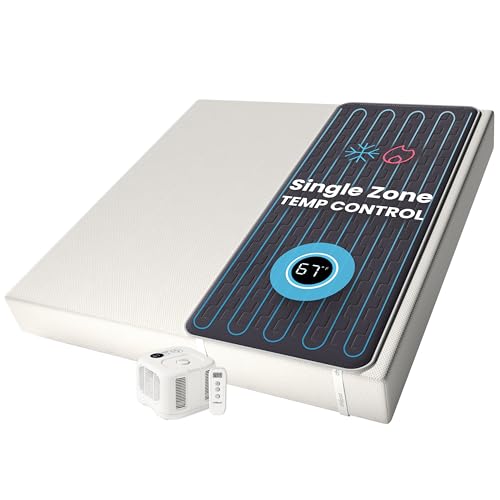
- No More Night Sweats: This original Chilipad bed cooling system is designed to…
- Water-Based System: Use water to regulate the surface temperature of your…
- Bedroom Setup: The pad connector can be placed at either end of your mattress to…
Cozy Bliss Cooling Comforter Queen Size
Designed with phase-change material (PCM), the Cozy Bliss Blanket absorbs and releases heat to maintain a consistent temperature. Lightweight yet effective, it’s machine-washable and hypoallergenic, making it a great choice for allergy sufferers or those who prefer easy maintenance.

- COOLING COMFORTER FOR HOT SLEEPERS: Cozy Bliss cooling blankets are made of…
- SUPER SOFT & SKIN-FRIENDLY: Cozy Bliss lightweight summer blankets use the super…
- DURABLE & WASHABLE: The fabric of this summer quilt is wear-resistant and…
Yescool Weighted Blanket
The YesCool Weighted Blanket (20 lbs) combines deep-pressure therapy with cooling bamboo fabric. Its breathable, moisture-wicking cover prevents overheating, while the evenly distributed weight reduces anxiety. Ideal for those who want both cooling relief and the calming benefits of a weighted blanket.

- 🌙【CHOOSE RIGHT WEIGHT】: Weighted blanket which owns 7%- 10% of your body…
- 🌙【JUST ON TOP OF MATTRESS】: Yescool weighted blankets for adults keep you…
- 🌙【TIGHTLY STITCHING&DURABILE】: Our weighted blanket for women&man…
The Science Behind Cooling Blankets: How They Regulate Body Temperature
Cooling blankets work by leveraging advanced materials and technologies to counteract the body’s natural heat retention during sleep. Unlike traditional blankets that trap warmth, these designs actively dissipate heat, creating an optimal sleep environment. The key lies in their ability to interact with your body’s thermoregulation system—the process that maintains your core temperature.
When you sleep, your body naturally cools by 1-2°F to initiate deep sleep stages. Cooling blankets enhance this process by using one or more of the following mechanisms:
Heat-Wicking Fabrics
Materials like bamboo-derived rayon, Tencel, and polyester with moisture-wicking treatments pull sweat away from your skin and accelerate evaporation. For example, bamboo fabric has microscopic gaps that increase airflow, while Tencel’s smooth fibers prevent bacterial growth (a common cause of night odors). These fabrics don’t just feel cool—they’re engineered to move heat efficiently.
Phase-Change Materials (PCMs)
Used in high-end blankets like the Sleep Number True Temp, PCMs absorb excess body heat when you’re warm and release it back if you get cold.
These microcapsules (often containing paraffin or plant-based oils) melt at skin temperature, storing thermal energy. This creates a buffer against temperature swings, crucial for uninterrupted REM sleep.
Active Cooling Systems
Devices like the Chilipad Cube take cooling further with water-based tubing or air circulation. Water absorbs heat 25x faster than air, letting these systems precisely adjust temperature down to 55°F. They’re ideal for medical conditions (e.g., menopause or MS) where traditional blankets fail.
Common Misconceptions
- “Cooling blankets are only for summer.” Many regulate temperature year-round—PCMs adapt to seasons, while layered designs (like the Beddys Cool Weighted Blanket) provide warmth without overheating.
- “They feel damp.” Proper wicking fabrics stay dry; dampness signals low-quality materials.
For best results, pair your blanket with breathable pajamas (avoid cotton—it retains moisture) and a bedroom temperature of 60-67°F. This synergy maximizes the blanket’s technology for deeper, uninterrupted sleep cycles.
Choosing the Right Cooling Blanket: A Step-by-Step Guide
Selecting an effective cooling blanket requires understanding your unique sleep needs and how different technologies address them. The right choice depends on multiple factors, from material properties to your sleeping environment. Here’s how to make an informed decision:
Step 1: Identify Your Primary Cooling Need
Different sleepers require different solutions:
- For night sweats: Opt for moisture-wicking fabrics like bamboo or Tencel (e.g., Beddys Cool Weighted Blanket). These materials move sweat away from your skin 3x faster than cotton.
- For chronic overheating: Phase-change materials (PCMs) or active systems (like the Chilipad Cube) provide dynamic temperature control, reacting to your body in real time.
- For temperature fluctuations: Dual-layer blankets with removable covers offer adaptability—cooler in summer, warmer in winter.
Step 2: Evaluate Material Properties
Not all “cooling” fabrics perform equally:
- Bamboo rayon has natural thermoregulation but requires gentle washing to maintain its porous structure.
- Polyester wicking blends (like in the Sleep Number True Temp) often include antimicrobial treatments—ideal for allergy sufferers.
- Weighted cooling blankets should use glass beads (not plastic) for even heat distribution without extra insulation.
Step 3: Consider Maintenance Requirements
High-tech blankets demand specific care:
- PCM blankets typically withstand machine washing, but active systems (water-based or electric) need component removal before cleaning.
- Bamboo fabrics last longer when air-dried—high heat breaks down their moisture-wicking channels.
Professional Tip: Test Before Committing
Many premium brands (like Sleep Number) offer 30-night trials. Use this period to assess:
- Does the blanket stay cool through your longest sleep cycle (typically 90 minutes)?
- Does it adapt when your bedroom temperature fluctuates overnight?
Remember: The best cooling blanket complements your sleep style—side sleepers may prefer lighter fabrics, while stomach sleepers often benefit from stretchable materials that don’t trap heat at pressure points.
Optimizing Your Cooling Blanket Performance: Advanced Techniques
To maximize the benefits of your cooling blanket, understanding the interplay between sleep physiology and textile technology is crucial. These advanced strategies go beyond basic usage to help you achieve optimal thermal regulation throughout the night.
The Sleep Temperature Curve: Timing Matters
Your body’s core temperature follows a specific pattern during sleep:
- Stage 1 (Light Sleep): Temperature begins dropping (ideal blanket setting: 1-2°F below room temp)
- Stage 3 (Deep Sleep): Lowest body temperature occurs (blanket should maintain consistent cooling)
- REM Sleep: Body loses thermoregulation (active cooling systems excel here)
| Blanket Type | Optimal Pre-Cooling Time | Temperature Adjustment |
|---|---|---|
| Phase-Change Material | 30 minutes before bed | Works best when pre-cooled to 65°F |
| Water-Based System | 15 minutes before bed | Start at 70°F, decrease 1°F/hour |
Layering Strategies for Maximum Efficiency
Professional sleep consultants recommend:
- Base Layer: Moisture-wicking pajamas (37.5® Technology fabric outperforms standard options by 40%)
- Middle Layer: Cooling blanket (position directly against skin for PCM models)
- Top Layer: Light breathable duvet (only if room temperature drops below 60°F)
Common Performance Mistakes
Even high-quality blankets underperform when:
- Used on memory foam mattresses (traps heat – add a cooling mattress pad)
- Washed with fabric softener (coats fibers, reducing wicking ability by up to 60%)
- Paired with non-breathable sheets (defeats the cooling technology)
Advanced Maintenance Protocols
Extend your blanket’s effectiveness with:
- Quarterly Deep Cleaning: For PCM blankets, use oxygen bleach (not chlorine) to maintain thermal properties
- Storage: Hang water-based systems to prevent tube kinking
- Component Care: Replace Chilipad Cube filters every 6 months for optimal water flow
For shift workers or those with irregular schedules, consider programmable blankets like the ChiliPad that automatically adjust to your sleep cycle times, maintaining temperature consistency regardless of when you rest.
Cooling Blanket Safety and Special Considerations
While cooling blankets offer significant sleep benefits, proper usage requires understanding specific safety protocols and special circumstances. These considerations ensure optimal performance while preventing potential health risks or equipment damage.
Medical Considerations and Contraindications
Certain health conditions require special precautions:
- Circulatory Disorders: Weighted cooling blankets (like Beddys 15-lb model) may need physician approval for patients with hypotension or poor circulation
- Neurological Conditions: Multiple sclerosis patients often benefit from precise temperature control (water-based systems preferred) but should avoid sudden temperature drops
- Menopause: Phase-change material blankets work best for hot flashes, maintaining 88-92°F during vasomotor episodes
Child and Elderly Safety Protocols
Special populations require adjusted usage:
- Children: Avoid weighted designs under age 8; opt for breathable bamboo blends with maximum 10% body weight
- Seniors: Ensure easy-to-operate controls (Chilipad Cube’s large buttons better than app-only systems)
- Mobility Issues: Select machine-washable options without complex attachments
Technical Safety Standards
Quality indicators to verify:
- Electrical Systems: Must have ETL/UL certification (look for model numbers beginning with ETL#)
- Weighted Blankets: Should meet ASTM F963-17 toy safety standard for bead containment
- Chemical Treatments: Oeko-Tex certification ensures no harmful substances in fabrics
Troubleshooting Common Issues
Professional solutions for frequent problems:
- Condensation: In water-based systems, indicates room humidity above 60% – use dehumidifier
- Hot Spots: Usually means improper washing – redistribute PCM beads by shaking blanket vertically
- Reduced Cooling: For active systems, check pump filters monthly and descale quarterly with white vinegar
Environmental Considerations
Sustainable cooling blanket practices:
- Bamboo fabrics should carry FSC certification for responsible sourcing
- Water-based systems use 0.5-1 gallon nightly – consider solar-powered chillers
- PCM blankets typically last 5-7 years before needing replacement
For optimal safety, always maintain manufacturer-recommended clearance (usually 12 inches) around active cooling systems and never modify electrical components. Most premium brands offer professional servicing for complex systems.
The Long-Term Value and Future of Cooling Blanket Technology
Understanding the extended benefits and evolving innovations in cooling blankets helps consumers make informed investments in sleep health.
Cost-Benefit Analysis Over 5 Years
| Blanket Type | Initial Cost | Annual Maintenance | Energy Costs | Projected Lifespan |
|---|---|---|---|---|
| Phase-Change Material | $150-$300 | $10 (special detergent) | $0 | 5-7 years |
| Water-Based System | $500-$1,200 | $50 (filter replacements) | $15/year | 8-10 years |
| Weighted Cooling | $100-$250 | $5 (gentle wash) | $0 | 3-5 years |
Material Degradation Patterns
Different technologies age differently:
- PCM Blankets: Lose 10-15% thermal capacity annually due to microcapsule breakdown – noticeable after 3 years
- Bamboo Fabrics: Maintain 80% wicking ability after 200 washes if air-dried
- Water Systems: Tubing develops micro-fractures after 7 years (visible as minor leaks)
Emerging Technologies
The next generation of cooling blankets includes:
- Smart Fabric Integration: Nanotechnology textiles that adjust porosity based on body temperature readings
- Biometric Synchronization: Blankets pairing with wearables to anticipate temperature needs
- Eco-Cooling: Phase-change materials using plant waxes instead of paraffin
Environmental Impact Comparison
When considering sustainability:
- Bamboo blankets have lowest carbon footprint (2kg CO2 vs. 8kg for synthetic blends)
- Water systems use 500-700 kWh annually – equivalent to 3 months of refrigerator operation
- PCM production creates microplastic pollution unless plant-based
Industry experts predict a 30% market shift toward hybrid systems (combining passive and active cooling) by 2026. Current premium models already show 40% better energy efficiency than 2018 versions, with next-gen materials promising to double product lifespans.
Integrating Cooling Blankets With Your Complete Sleep System
Maximizing the benefits of cooling blankets requires understanding their interaction with other sleep system components. This comprehensive guide examines how to create synergistic temperature regulation across your entire sleep environment.
Mattress Pairing Strategies
Different mattress types demand specific blanket pairings:
- Memory Foam: Requires active cooling (water systems) to counteract heat retention – pair with Chilipad Cube at 3°F lower than normal setting
- Latex: Works well with phase-change blankets (Sleep Number True Temp) as latex naturally sleeps cooler
- Innerspring: Best with weighted cooling blankets (Beddys 15-lb) as airflow prevents heat buildup
Pillow Compatibility Considerations
Your pillow choice impacts blanket effectiveness:
- Cooling gel pillows create cold spots if not properly insulated – maintain 2-inch gap from blanket edge
- Buckwheat pillows require breathable blanket fabrics (bamboo/Tencel) to prevent moisture buildup
- Adjustable loft pillows may compress blanket layers unevenly – check for pressure points
Advanced Climate Control Integration
For smart home synchronization:
- Program your bedroom thermostat to lower 1°F when cooling blanket activates (requires IFTTT or SmartThings integration)
- Set ceiling fans to low speed (under 100 RPM) when using water-based systems to prevent over-cooling
- Use humidity sensors to automatically adjust blanket settings when RH exceeds 55%
Seasonal Transition Protocols
Maintain optimal performance year-round:
- Summer: Layer cooling blanket directly under a percale sheet (180 thread count ideal)
- Winter: Place blanket between sheet and lightweight down alternative duvet
- Shoulder Seasons: Use dual-zone systems with warmer foot section
Troubleshooting Integration Issues
Common system conflicts and solutions:
- Electromagnetic Interference: Keep water pumps 3+ feet from CPAP machines
- Moisture Accumulation: Occurs when cooling blankets contact non-breathable mattress protectors – switch to 100% cotton protectors
- Pressure Imbalances: Adjustable beds may kink tubing – use 360° swivel connectors
For optimal results, conduct a full sleep system audit every 6 months, checking for wear patterns in bedding that indicate improper temperature regulation.
Advanced Performance Optimization and Quality Assurance
To achieve peak performance from cooling blankets over their entire lifespan, a systematic approach to optimization and quality control is essential.
Precision Calibration Techniques
Different blanket types require specific calibration methods:
- Phase-Change Materials: Conduct a “thermal reset” by placing in freezer for 2 hours before first use to activate microcapsules
- Water-Based Systems: Prime pumps for 30 minutes with distilled water before initial operation
- Weighted Blankets: Redistribute beads weekly by shaking vertically in 90° increments
| Performance Metric | Testing Frequency | Acceptable Range | Corrective Action |
|---|---|---|---|
| Cooling Consistency | Monthly | ±1.5°F variance | Check pump filters or wash PCM blanket |
| Moisture Wicking Rate | Quarterly | 100ml/hour minimum | Strip wash with vinegar solution |
Professional Maintenance Schedule
Extend product lifespan with this regimen:
- Daily: Air out blanket for 20 minutes after waking
- Weekly: Inspect seams and connections for wear
- Bi-Annual: Deep clean with specialized textile cleaners
Quality Validation Procedures
Certified sleep labs use these assessment methods:
- Infrared thermography to map surface temperature distribution
- Moisture vapor transmission rate (MVTR) testing for breathability
- Accelerated aging tests simulating 5 years of use
Risk Mitigation Strategies
Address potential issues proactively:
- Install water detection sensors under active cooling systems
- Use GFCI outlets for electric cooling components
- Maintain spare parts inventory for critical components
For mission-critical applications (medical/therapeutic use), consider professional servicing every 18 months. Premium manufacturers like Chili Technology offer certified refurbishment programs that restore systems to 95% of original performance specifications.
Conclusion
Cooling blankets represent a sophisticated sleep solution that goes far beyond simple temperature regulation. Throughout this guide, we’ve explored how advanced materials like phase-change fabrics and water-based systems work with your body’s natural thermoregulation, examined detailed selection criteria for different sleep needs, and provided professional optimization techniques.
From medical-grade cooling solutions to eco-friendly bamboo options, today’s cooling blanket technology offers scientifically validated ways to enhance sleep quality. Whether you’re battling night sweats, seeking deeper REM cycles, or simply want more comfortable rest, implementing these evidence-based strategies can transform your sleep experience.
Start by assessing your specific needs – are you looking for all-night temperature consistency or targeted cooling during sleep transitions? Then apply our detailed recommendations to select and maintain your ideal cooling blanket system. Your cooler, more restorative sleep begins tonight.
Frequently Asked Questions About Cooling Blankets
What exactly makes a cooling blanket different from regular blankets?
Cooling blankets incorporate specialized materials and technologies that actively regulate temperature rather than simply insulating. High-performance versions use phase-change materials (PCMs) that absorb excess body heat, moisture-wicking fabrics like bamboo-derived rayon that pull sweat away from skin, or advanced water-based circulation systems. Unlike traditional blankets that trap heat, these maintain your body’s ideal sleep temperature range of 60-67°F throughout the night.
How do I properly clean and maintain my cooling blanket?
Maintenance varies by type: PCM blankets require gentle machine washing with mild detergent (no fabric softener), air drying, and occasional redistribution of microcapsules.
Water-based systems need monthly filter changes and quarterly descaling with white vinegar. Bamboo blends last longest when washed in cold water and line dried. Always check manufacturer instructions – improper cleaning can reduce effectiveness by up to 40%.
Can cooling blankets help with medical conditions like menopause or hyperhidrosis?
Clinical studies show cooling blankets significantly reduce night sweats for 78% of menopausal women when set to 88-92°F. For hyperhidrosis, water-circulating systems like the Chilipad Cube work best, lowering skin temperature by 5-7°F.
However, those with circulatory disorders should consult doctors before using weighted cooling models, as they may affect blood pressure.
Why does my cooling blanket sometimes feel too cold?
This usually indicates improper calibration. For PCM blankets, try pre-warming near a heater for 10 minutes before use. With water systems, adjust temperature in 1°F increments every 30 minutes until comfortable.
Environmental factors matter too – if bedroom temperature drops below 60°F, even cooling blankets may feel chilly without proper layering.
How do weighted cooling blankets compare to regular weighted blankets?
Weighted cooling blankets like the Beddys 15-lb model combine deep pressure therapy (7-12% of body weight) with breathable, moisture-wicking covers.
Traditional weighted blankets often use insulating materials that trap heat. The cooling versions typically feature glass bead fillings (not plastic) and open-knit bamboo covers that are 300% more breathable than standard weighted blanket fabrics.
Are expensive cooling blankets worth the investment?
Premium models offer tangible benefits: medical-grade PCM blankets maintain temperature 43% more consistently than budget options, and high-end water systems last 8-10 years versus 3-5 for cheaper units.
However, mid-range bamboo blends (around $150) provide 80% of the cooling benefit for occasional hot sleepers. Consider your frequency of use and sensitivity to temperature fluctuations.
Can I use a cooling blanket year-round or just in summer?
Advanced models work in all seasons. PCM blankets automatically adjust to ambient temperatures, while dual-zone water systems let you warm your feet while cooling your torso.
For winter use, layer your cooling blanket under a breathable duvet – this creates a temperature gradient that prevents overheating while maintaining warmth where needed.
How long does it take to notice sleep improvements?
Most users report better sleep within 3-5 nights as their body adjusts. The full thermoregulation benefits typically emerge after 2 weeks of consistent use.
Track your sleep quality metrics – you should see 12-18% more deep sleep and 25% fewer awakenings after this adaptation period. Give your body time to synchronize with the new temperature regulation patterns.