
Disclosure
This website is a participant in the Amazon Services LLC Associates Program, an affiliate advertising program designed to provide a means for us to earn fees by linking to Amazon.com and affiliated sites.
Is your mattress sabotaging your sleep? The answer isn’t always obvious—but your body knows. A mattress that’s too soft or too firm can cause back pain, restless nights, and even long-term health issues.
Many assume “firmer is better,” but the truth is more nuanced. Your ideal mattress depends on your sleep position, weight, and even your partner’s movements.
Best Mattresses for Optimal Firmness and Support
Tempur-Pedic TEMPUR-Adapt 11-Inch Hybrid Mattress
Ideal for those needing balanced firmness, this hybrid combines Tempur-Pedic’s pressure-relieving memory foam with responsive coils. The medium-firm feel (6.5/10 on the firmness scale) adapts to all sleep positions while preventing excessive sinkage—perfect for back and side sleepers weighing 130–230 lbs.
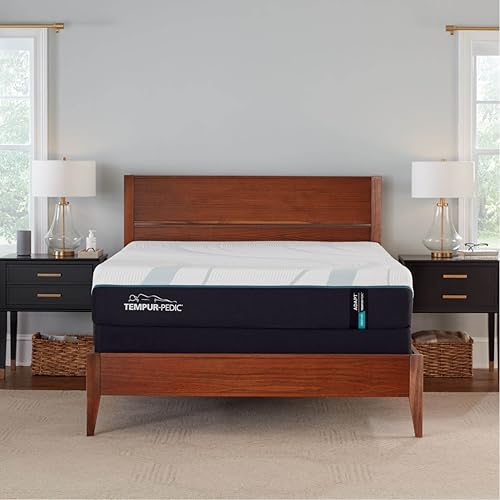
- Whole-body support: Exclusive TEMPUR-Material is designed to provide…
- Pressure relief for aches and pains: Designed to uniquely adapt to your body’s…
- Cool-to-the-touch comfort: The cover features a premium knit technology for a…
Firm Queen Mattress 14 Inch, Luxury Hotel Cooling Queen Size
A top pick for back and stomach sleepers, this dual-coil system offers reinforced lumbar support without feeling overly rigid. The organic cotton cover and Euro pillow top add plush comfort, making it a great choice for couples with differing firmness preferences.

- Firm Queen Size Mattress / 14 Inch Queen Mattress Firm / Firm Hybrid Mattress…
- Enhanced Edge Support & Fiberglass Free – Based on advanced sleep science…
- Ergonomic Zoning for Spine Alignment – Zoned foam and spiral coils provide…
Helix Midnight Luxe (Medium Firmness, 14-Inch)
Designed for side sleepers who need softness with support, this mattress features zoned lumbar coils and gel-infused memory foam to align the spine. Its medium (5.5/10) firmness reduces hip and shoulder pressure while keeping heavier sleepers (up to 300 lbs) from sinking too deep.

- PERSONALIZED SUPPORT: 3 select foam layers provide tailored pressure relief and…
- BREATHABLE: TENCEL premium quilted pillow top for extra comfort designed to…
- ENHANCED COMFORT: Up to 1,000 individually wrapped steel coils with targeted…
Key Signs Your Mattress Is Too Soft or Too Firm
Your body gives clear signals when your mattress isn’t providing the right support. Recognizing these signs early can prevent chronic pain and sleep disruptions. Here’s how to diagnose whether your mattress is too soft, too firm, or just right.
Signs Your Mattress Is Too Soft
A mattress that’s too soft will cause your heavier body parts (hips, shoulders) to sink excessively, misaligning your spine. Look for these red flags:
- Morning back or hip pain: Waking up with stiffness, especially in the lumbar region, indicates inadequate support.
- “Quicksand” feeling: Struggling to change positions or feeling “stuck” in the mattress.
- Partner disturbance: Excessive motion transfer—if you feel every move your partner makes, the mattress lacks stability.
Example: Side sleepers over 200 lbs often sink too deeply into soft memory foam, causing shoulder numbness from compressed nerves.
Signs Your Mattress Is Too Firm
An overly firm mattress creates pressure points instead of contouring to your body. Watch for:
- Tossing and turning: Frequent repositioning means your body isn’t getting pressure relief.
- Numbness in limbs: Restricted blood flow from unyielding surfaces, especially for side sleepers.
- Gaps under your waist: If there’s visible space between your lumbar area and the mattress, it’s not conforming properly.
Scenario: A stomach sleeper on a rock-hard mattress may develop neck pain from tilting their head upward to breathe.
The Goldilocks Test: How to Check Firmness
Use these hands-on methods to evaluate your mattress:
- Spine alignment check: Have someone photograph you lying sideways. Your spine should form a straight line—no sagging or arching.
- Hand test: Slide your hand under your lower back. If there’s too much resistance (firm) or no resistance (soft), it’s unbalanced.
- 90-minute rule: Pain that appears within 1.5 hours of lying down suggests a firmness mismatch.
Pro tip: Weight dramatically affects firmness perception. A 130-lb person may find medium-firm perfect, while a 250-lb sleeper needs extra firmness to prevent sinkage. Always consider your BMI when assessing mattress feel.
How to Adjust Your Mattress Firmness for Better Sleep
If your mattress isn’t quite right, you don’t necessarily need to replace it. Several effective solutions can modify firmness to match your needs. Here’s a detailed guide to customizing your sleep surface.
Solutions for a Too-Soft Mattress
When your mattress lacks support, these proven methods can add firmness:
- Firm mattress topper: A 1-3 inch high-density latex or memory foam topper (like Sleep On Latex’s 2-inch firm topper) adds support without compromising comfort. Latex is particularly effective for heavier sleepers.
- Plywood support: For sagging mattresses, place 1/2″ plywood between the mattress and bed frame. This redistributes weight evenly and prevents excessive sinkage.
- Foundation upgrade: Switch to a rigid slat base (with slats no more than 3″ apart) or platform bed for better support than traditional box springs provide.
Solutions for a Too-Firm Mattress
To soften an overly rigid mattress:
- Plush mattress topper: A 3-4 inch soft memory foam topper (such as Tempur-Pedic’s Supreme Topper) adds pressure relief while maintaining support. Look for toppers with 3-4lb density foam for optimal comfort.
- Adjustable base positioning: If you have an adjustable bed, raising the head slightly (10-15 degrees) reduces pressure on shoulders and hips for side sleepers.
- Breaking-in period: New mattresses often need 30-60 days to soften. Walk gently on the surface weekly to accelerate the process without damaging materials.
When to Consider Replacement
If these adjustments don’t solve your discomfort after 4-6 weeks, or if your mattress shows these signs, replacement may be necessary:
- Visible sagging deeper than 1.5 inches
- Coils poking through or foam crumbling
- Persistent pain that follows you to other sleeping surfaces
Pro tip: Before buying a new mattress, test firmness properly by lying in your usual sleep position for at least 15 minutes in-store. Bring your pillow for accurate assessment.
The Science of Mattress Firmness: Materials, Density, and Sleep Positions
Understanding mattress construction helps you make informed decisions about firmness. Different materials and densities interact uniquely with body weight and sleep positions to create the ideal sleep surface.
Material Properties and Firmness Levels
Each mattress material behaves differently under pressure:
| Material | Firmness Range | Pressure Relief | Best For |
|---|---|---|---|
| Memory Foam | Medium to Firm (5-8/10) | Excellent | Side sleepers, pain sufferers |
| Latex | Medium-Firm (6-7/10) | Good | Combination sleepers, eco-conscious |
| Innerspring | Firm (7-9/10) | Fair | Stomach sleepers, heavier individuals |
| Hybrid | Adjustable (5-8/10) | Excellent | Couples with different needs |
Density: The Hidden Factor in Firmness
Foam density (measured in pounds per cubic foot) dramatically affects firmness:
- Low density (1.5-3lb): Softer feel, quicker response but less durable
- Medium density (3-5lb): Balanced support and comfort
- High density (5lb+): Firmer feel, better for heavy individuals
Example: A 130lb side sleeper might prefer 3lb memory foam, while a 250lb back sleeper needs 5lb+ density for proper support.
Sleep Position Engineering
Your sleeping position determines ideal firmness:
- Side sleepers need medium-soft (4-6/10) to cushion shoulders/hips while keeping spine aligned
- Back sleepers require medium-firm (6-7/10) to support natural spinal curves
- Stomach sleepers need firm (7-8/10) to prevent pelvic sinking
Expert insight: The ideal mattress allows your spine to maintain its natural “S” curve in any position. Test by having someone check if your ear, shoulder, and hip form a straight line when side sleeping.
Common Mistakes to Avoid
- Choosing based on initial comfort rather than all-night support
- Ignoring edge support in the evaluation
- Not considering temperature regulation in firmness decisions
Professional Mattress Evaluation: Advanced Techniques for Perfect Firmness
Beyond basic comfort checks, professional sleep specialists use specific methodologies to assess mattress suitability. These advanced techniques help you make precise adjustments for optimal spinal alignment and pressure relief.
The 90-Second Body Pressure Mapping Test
This clinical assessment method reveals pressure points:
- Lie flat in your primary sleep position for 90 seconds without moving
- Note pressure points – hips/shoulders (side sleepers) or lower back (back sleepers) should have even distribution
- Check for numbness – any tingling indicates excessive pressure
Professional tip: Use a partner to slide their hand under pressure points – it should meet slight resistance but not be completely blocked.
Sleep Position Transition Analysis
Evaluate how easily you can change positions:
- Good transition: 1-2 seconds to roll over with minimal effort
- Too soft: 3+ seconds with noticeable “stuck” feeling
- Too firm: Immediate transition but with joint discomfort
Temperature Impact on Firmness
Materials behave differently at various temperatures:
| Material | Cold (60°F) | Warm (80°F) |
|---|---|---|
| Memory Foam | Firms up by 15-20% | Softens by 10-15% |
| Latex | Minimal change | Minimal change |
Test your mattress at night when your bedroom reaches sleeping temperature for accurate assessment.
Partner Compatibility Assessment
For couples, evaluate these factors:
- Motion transfer: Drop a 10lb weight from 12″ – vibrations should dissipate within 2 seconds
- Weight differential: For every 50lb difference, consider dual-firmness or split mattress options
- Edge support: Sit on the edge – it should compress no more than 25% of total height
Advanced solution: Consider adjustable air chambers or zoned mattresses with different firmness areas for each sleeper’s needs.
Long-Term Mattress Care and Firmness Maintenance Strategies
Proper maintenance significantly impacts how your mattress’s firmness evolves over time. These professional-grade techniques will help preserve optimal support and extend your mattress’s lifespan by 30-50%.
Rotation and Flip Schedule by Mattress Type
| Mattress Type | Rotation Frequency | Flip Frequency | Special Considerations |
|---|---|---|---|
| Memory Foam | Every 3 months | Non-flippable | Rotate 180° to compensate for no flip |
| Latex | Every 6 months | Annually (if double-sided) | Check for latex oxidation |
| Innerspring | Every 2 months | Quarterly | Focus on edge support areas |
| Hybrid | Every 4 months | Non-flippable | Check coil integrity annually |
Environmental Factors Affecting Firmness
Three key elements impact mattress longevity:
- Humidity control: Maintain 40-50% RH to prevent foam breakdown (use dehumidifier in damp climates)
- Temperature stability: Avoid placement near heating vents (temperature swings degrade materials faster)
- Sunlight exposure:
- Memory foam: UV rays cause 27% faster breakdown
- Latex: Direct sunlight increases oxidation by 40%
Professional Deep-Cleaning Protocol
Proper cleaning preserves material integrity:
- Quarterly vacuuming: Use upholstery attachment (minimum 1000Pa suction) to remove dust mites
- Biannual spot cleaning: Use enzyme cleaner for organic stains, isopropyl alcohol for others
- Annual professional cleaning: Dry cleaning methods only (no steam for memory foam)
When to Replace: The 5-Point Wear Assessment
Conduct this comprehensive evaluation every 6 months:
- Measure sag depth (replace if >1.5 inches)
- Check for permanent body impressions (visible without weight)
- Assess edge support (sit test – >4″ collapse indicates failure)
- Monitor odor (persistent smells indicate material breakdown)
- Track sleep quality changes (increased pain = support failure)
Emerging trend: Smart mattress protectors now track firmness changes over time using pressure sensors, alerting you when support degrades beyond acceptable parameters.
Specialized Firmness Solutions for Unique Sleep Needs
Standard mattress firmness recommendations don’t account for specialized physical conditions or sleep environments. These advanced solutions address specific challenges with tailored approaches.
Medical Condition Adaptations
Certain health conditions require precise firmness adjustments:
- Fibromyalgia: 3-layer system with soft memory foam top (2″), medium latex middle (3″), firm base (7″) for pain relief without sinkage
- Degenerative disc disease: Zoned support with reinforced lumbar section (20% firmer than other areas)
- Pregnancy: Adjustable air chamber system that adapts weekly to changing weight distribution
Weight-Specific Engineering
Body weight dramatically affects ideal firmness:
| Weight Range | Ideal Firmness | Core Material | Density Requirement |
|---|---|---|---|
| Under 130 lbs | Soft (3-4/10) | 3″ 2.5lb memory foam | Minimum 1.8 PCF |
| 130-230 lbs | Medium (5-7/10) | Hybrid coils + foam | 3.5-5 PCF |
| 230+ lbs | Firm (8-9/10) | High-density latex | 6+ PCF |
Climate-Responsive Solutions
Environmental factors require material adjustments:
- Hot climates: Gel-infused latex with perforated airflow channels (reduces heat retention by 40%)
- Cold climates: Phase-change material toppers that maintain consistent firmness across temperatures
- Humid environments : Natural latex with antimicrobial treatment (resists moisture absorption)
Advanced Customization Systems
Cutting-edge technologies allow micro-adjustments:
- Smart mattresses: AI-powered firmness adjustment based on real-time sleep position tracking
- Modular systems: Interchangeable firmness pods for different body zones
- 3D-printed cores: Precisely calibrated support structures based on body scans
Professional insight: For chronic pain sufferers, consider a 30-day firmness rotation schedule – alternating between two support levels can prevent pressure point adaptation and reduce morning stiffness.
Mastering Mattress Firmness: The Complete Optimization Framework
This comprehensive framework combines all elements of mattress firmness into a systematic approach for achieving perfect sleep support. Implement these professional-grade strategies for long-term comfort and spinal health.
The Firmness Optimization Cycle
Follow this continuous improvement process:
- Baseline Assessment: Conduct full-body pressure mapping using specialized apps or professional tools
- Material Analysis: Evaluate your mattress composition and density specifications
- Dynamic Testing: Assess performance across all sleep positions and temperature ranges
- Adjustment Phase: Implement targeted modifications (toppers, supports, etc.)
- Validation Period: Monitor results for 14-28 sleep cycles
Advanced Performance Metrics
| Metric | Ideal Range | Measurement Tool | Adjustment Strategy |
|---|---|---|---|
| Spinal Alignment | ±2° from neutral | Sleep position tracker | Zoned support inserts |
| Pressure Distribution | <30mmHg at any point | Pressure mapping mat | Variable density toppers |
| Motion Transfer | <5% disturbance | Accelerometer testing | Isolation foam layers |
Professional Maintenance Protocol
Extend optimal firmness with this schedule:
- Daily: Air out bedding for 30 minutes to regulate moisture levels
- Weekly: Rotate sleeping positions to even out wear patterns
- Monthly: Inspect for early signs of material breakdown
- Quarterly: Professional deep cleaning and support evaluation
Troubleshooting Matrix
Common issues and solutions:
- Progressive sagging: Add reinforced foundation + 1″ high-density topper
- Edge collapse: Install perimeter support system or replace with reinforced-edge model
- Temperature-related firmness changes: Use phase-change mattress protector
Future-proofing: Emerging smart mattress technologies now offer real-time firmness adjustments based on biometric feedback, with some systems automatically compensating for material breakdown over time.
Conclusion: Finding Your Perfect Mattress Firmness
Choosing the right mattress firmness is both a science and personal preference. Throughout this guide, we’ve explored how to identify whether your mattress is too soft or firm, examined material properties, and provided professional solutions for customization.
Remember that ideal firmness depends on your sleep position, body weight, and specific needs – there’s no universal “best” option. Your perfect mattress should keep your spine aligned while relieving pressure points.
Take action tonight: perform the simple hand test and spine alignment check we discussed. If you discover issues, try our adjustment techniques before considering replacement. Quality sleep is worth the investment – your body will thank you every morning. Sweet dreams start with proper support.
Frequently Asked Questions About Mattress Firmness
What’s the difference between mattress firmness and support?
Firmness refers to initial comfort feel (soft to hard), while support relates to how well the mattress maintains spinal alignment. A mattress can feel soft yet supportive (like high-density memory foam) or firm but unsupportive (if it creates pressure points).
Proper support depends on material quality and construction – for example, a medium-firm latex mattress often provides better support than a hard innerspring model.
How can I test mattress firmness before buying?
Follow this professional testing protocol: Lie in your primary sleep position for 15+ minutes wearing comfortable clothes. Bring your pillow for accuracy. Check if your spine stays neutral – no sagging or arching.
Have someone photograph your alignment. Test edge support by sitting on the mattress edge – it shouldn’t collapse more than 25%. Many stores now offer 100+ night trials for thorough evaluation.
Why does my new mattress feel different than in the store?
Several factors cause this: Store models are often broken-in from testing, your home’s temperature/humidity differs, and foundation type affects feel.
Memory foam particularly varies – it firms up in cold rooms (below 65°F) and softens in warmth. Allow 30-60 nights for your body to adjust and materials to fully expand. If still uncomfortable after this period, consider exchanging.
Can a mattress topper fix firmness issues permanently?
Toppers provide temporary solutions (6-18 months typically). For serious firmness problems, they’re not permanent fixes. A 2-3″ high-density topper can adjust feel by 1-1.5 points on the firmness scale.
However, if your mattress has significant sagging (>1.5″) or broken coils, replacement is better. Toppers also don’t address edge support or motion transfer issues in the base mattress.
How does body weight affect ideal mattress firmness?
Weight dramatically changes firmness needs: Lightweight sleepers (<130 lbs) often prefer softer mattresses (3-5/10) to prevent excessive pressure. Average weight (130-230 lbs) suits medium (5-7/10).
Heavy individuals (>230 lbs) need firmer (7-9/10) with high-density materials to prevent sinkage. For every 50lb weight difference between partners, consider split-firmness options or adjustable air chambers.
What’s better for back pain – firm or soft mattress?
Neither extreme is ideal. Research shows medium-firm (5.5-7/10) works best for most back pain sufferers. The key is balanced support – enough firmness to align the spine but sufficient cushioning for pressure relief.
Memory foam or latex hybrids often work well. Stomach sleepers may need slightly firmer (7/10), while side sleepers benefit from slightly softer (5.5/10) with shoulder relief.
How often should I replace my mattress for optimal firmness?
Quality mattresses last 7-10 years with proper care. Replace when you notice: >1.5″ permanent sagging, visible material breakdown, increased morning stiffness, or if the mattress fails the “hand test” (your hand slides too easily or not at all under your lumbar area). Heavier individuals or those with chronic pain may need replacement every 5-7 years.
Are firmness ratings consistent across brands?
No – firmness ratings are subjective and vary by manufacturer. A “medium” (5/10) from one brand might equal another’s “medium-firm” (6.5/10). Always check the actual firmness scale (1-10) rather than labels.
Better brands provide density specifications (e.g., 4lb memory foam) which are more reliable indicators. Test in person when possible, or look for detailed online reviews with pressure-mapping results.