
Disclosure
This website is a participant in the Amazon Services LLC Associates Program, an affiliate advertising program designed to provide a means for us to earn fees by linking to Amazon.com and affiliated sites.
You can shield your new mattress from damage—but it requires proactive care. A high-quality mattress is a major investment, often costing hundreds or even thousands of dollars.
Yet, many assume it’s indestructible, only to face premature sagging, stubborn stains, or allergen buildup. The reality? Without proper protection, spills, dust mites, and everyday wear can silently ruin your sleep sanctuary.
Modern mattresses—especially memory foam and hybrids—are engineered for comfort, not resilience. A spilled drink or unnoticed pet accident can seep deep into layers, while body oils and sweat degrade materials over time. But here’s the good news: with the right safeguards, your mattress can stay fresh and supportive for decades.
Best Mattress Protectors for Safeguarding Your Mattress
SafeRest Premium Hypoallergenic Mattress Protector
This waterproof protector (Queen size) features a breathable cotton terry surface and a polyurethane membrane that blocks liquids, dust mites, and allergens. It’s whisper-quiet, machine-washable, and fits mattresses up to 18″ deep—ideal for memory foam or hybrid beds.
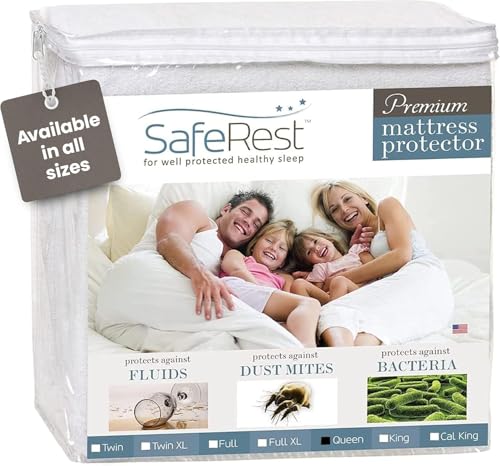
- KEEP YOUR MATTRESS DRY – Helps protect against fluids, urine, perspiration and…
- QUIET & BREATHABLE – Quiet breathable Queen mattress protector that will allow a…
- PROTECT YOUR MATTRESS – Perfectly fitted Queen mattress protector that protects…
Kmall Premium Cooling Mattress Protector
The Luna protector combines waterproof protection with temperature-regulating technology. Its bamboo-derived viscose fabric wicks away moisture while blocking spills and stains. Perfect for hot sleepers, it’s stretchy, noiseless, and backed by a 10-year warranty.

- [Advanced Cooling Technology for Hot Sleepers] Featuring cutting-edge cooling…
- [100% Waterproof & Noiseless Protection] Guard your mattress from spills, sweat…
- [Silky-Soft, Skin-Friendly Surface] This cooling fitted sheet features a smooth…
PlushDeluxe Full Size Mattress Encasement
For full-bed bug protection, the PlushDeluxe 360° zippered encasement (model PD-B600) seals all six sides of your mattress. Made with hypoallergenic polyester, it’s lab-tested against bed bugs, fluids, and allergens while remaining breathable. Fits depths up to 16″.
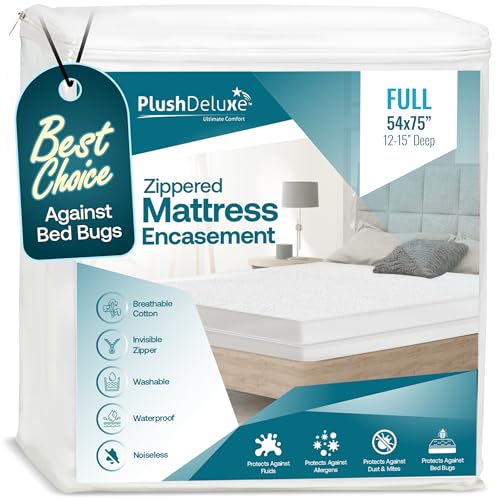
- Covers All Six Sides – Keep your mattress clean, dry, and spotless on all sides…
- A Snug, Secure Fit – Don’t worry about this mattress cover getting removed on…
- Deep & Restful Sleep – Have you had it with bed covers that keep making scratchy…
Why Immediate Mattress Protection Matters (Even for Brand-New Beds)
Many assume a new mattress doesn’t need protection right away—this is a costly misconception. From the first night of use, your mattress faces invisible threats that accumulate over time. Body oils, sweat (up to 26 gallons annually), and dead skin cells seep into fabric layers, creating an ideal environment for dust mites and bacteria. Even “clean” habits like drinking water in bed pose risks; a single spill can penetrate foam layers within seconds, leading to stubborn stains and microbial growth.
The Hidden Enemies of Your Mattress
Three primary culprits degrade mattress quality:
- Moisture: Memory foam and latex absorb humidity, which weakens structural integrity and promotes mold. A 2022 study found unprotected mattresses retain 3x more moisture than protected ones.
- Particulate Matter: Dust mites (which feed on skin cells) can multiply to millions within months, triggering allergies. Their waste particles are 0.01mm wide—small enough to bypass most mattress fabrics.
- Physical Stress: Body impressions form when pressure points compress foam unevenly. A 180-pound sleeper exerts ~25 psi on their mattress nightly, accelerating sagging without proper support.
Real-World Consequences of Neglect
Consider these scenarios:
- A coffee spill left untreated for 30 minutes can permanently stain and stiffen memory foam, as the liquid bonds with the viscoelastic material.
- Unprotected mattresses lose 15% of their supportiveness within 2 years, compared to just 5% for protected ones (Consumer Reports durability tests).
- Warranty claims are often denied for stains or “unhygienic conditions”—manufacturers like Tempur-Pedic explicitly require protectors for coverage.
Pro Tip: Apply protection before the first use. Once contaminants enter the core layers, cleaning becomes nearly impossible without damaging the materials. A quality protector acts like a surgical mask for your mattress—blocking threats while maintaining breathability.
Choosing the Right Mattress Protector: A Material Science Breakdown
Not all mattress protectors are created equal – the material composition directly determines protection effectiveness, comfort, and durability. Understanding these differences ensures you select a solution that matches your sleep environment and mattress type.
Material Comparison: Protection vs. Breathability
The ideal protector balances impermeability with airflow:
- Polyurethane Laminate (PUL): The gold standard for waterproofing, with microscopic pores (0.2 microns) that block liquids but allow vapor transmission (500-1000g/m²/24hr). Best for allergy sufferers and hot sleepers.
- Vinyl: Fully waterproof but traps heat (reducing breathability by 60% compared to PUL). Only recommended for temporary use or guest beds.
- Nanofiber Membranes: Newer technology using 100nm polymer strands that repel liquids through surface tension while maintaining 85% of the mattress’ original breathability.
Specialized Protectors for Different Mattress Types
- Memory Foam: Requires stretchable protectors (minimum 30% spandex content) that won’t restrict the foam’s conforming properties. Look for “noiseless” labels to prevent crinkling sounds.
- Innerspring: Opt for quilted protectors with 300+ thread count cotton surfaces to prevent fiber snags on coils while adding cushioning.
- Latex: Needs protectors with natural antimicrobial treatments (like silver ions) since latex is vulnerable to mold growth from trapped moisture.
Professional Tip: For hybrid mattresses, prioritize protectors with zoned elasticity – tighter weaving around support edges (where most liquids pool) and more stretch in sleeping areas. The SleepArmor HybridProtect (model SA-HP4) exemplifies this design with its patented 4-zone construction.
Remember that thickness matters: 8-12mm protectors provide optimal protection without compromising mattress feel, while anything over 15mm may alter the bed’s pressure relief properties, especially for side sleepers.
Advanced Maintenance: Professional Care Techniques for Long-Term Protection
Proper mattress maintenance extends far beyond basic protection – implementing professional-grade care routines can double your mattress lifespan. These techniques combine material science with cleaning industry best practices.
The 4-Step Deep Cleaning Protocol
Perform this quarterly (or immediately after spills):
- Dry Vacuuming: Use a upholstery attachment with 80-100W suction power to remove embedded particles. Move in slow, overlapping strokes (5 seconds per square foot) to lift dust mites and skin flakes from fabric pores.
- Enzyme Treatment: For organic stains, apply a protease-based cleaner (like Biokleen Bac-Out) and let sit for 15 minutes. Enzymes break down protein bonds in sweat and body oils without damaging foam cells.
- Moisture Extraction: Use a wet-dry vacuum at 140°F maximum to remove cleaning solution. Higher temperatures can melt memory foam’s viscoelastic polymers.
- Air Circulation: Prop mattress vertically for 4-6 hours with fans on both sides. Ideal conditions: 40-50% humidity, 70°F room temperature.
Rotation and Support: The Physics of Even Wear
| Mattress Type | Rotation Frequency | Optimal Support System |
|---|---|---|
| Memory Foam | 180° flip every 3 months | Slatted base (≤3″ gap between slats) |
| Innerspring | Head-to-foot rotation monthly | Box spring with center support bar |
| Latex Hybrid | 45° tilt rotation quarterly | Adjustable base with lumbar support |
Common Maintenance Mistakes to Avoid
- Over-wetting: More than 1 cup of liquid per cleaning session can compromise fire retardant treatments in the mattress core.
- Direct sunlight exposure: While UV kills dust mites, it also oxidizes foam polymers, causing premature hardening.
- Improper storage: Storing mattresses flat (rather than vertical) for over 30 days causes permanent compression of comfort layers.
Pro Tip: Invest in a hygrometer to monitor bedroom humidity. Maintaining 40-50% RH prevents both mold growth (above 60%) and material desiccation (below 30%) – the two leading causes of non-warranty mattress failures.
Specialized Protection Strategies for Unique Situations
Different living environments and personal circumstances demand customized mattress protection approaches. These tailored solutions address specific challenges while maintaining optimal sleep hygiene and comfort.
Climate-Specific Protection Protocols
Environmental factors dramatically impact mattress longevity:
- Humid Climates (60%+ RH): Use protectors with silica gel-infused barriers that actively absorb moisture (like Dri-Tech’s ClimateControl line). Combine with a 12″ bed frame elevation to improve airflow.
- Arid Regions (<30% RH): Opt for protectors with built-in humidifying layers (such as the BreatheEasy HumidBalance model) to prevent foam desiccation. Monthly conditioning with a light mist of distilled water helps maintain material flexibility.
- Coastal Areas: Salt air accelerates fiber degradation. Look for marine-grade protectors with corrosion-resistant zippers and salt-neutralizing treatments (e.g., OceanGuard SGX series).
Lifestyle-Specific Solutions
- For Parents: Choose fully encased protectors with hospital-grade waterproofing (like SureGuard’s KidsProof) that withstand repeated washings at 140°F to sanitize. Bonus if it has a crinkle-free design for stealthy nighttime checks.
- For Pet Owners: The FurHaven PetShield protector features a scratch-resistant top layer (750D nylon) and enzymatic odor control. Extend protection by adding a washable pet-specific topper underneath the main protector.
- For Allergy Sufferers: Seek protectors with <0.5 micron pore size (tested to ASTM F1671 standards) that block dust mite allergens. The AllerEase UltraProtect exceeds these requirements with its triple-layer filtration system.
Advanced Protection for Medical Conditions
| Condition | Protection Need | Recommended Solution |
|---|---|---|
| Hyperhidrosis | High-volume moisture wicking | Silver-ion treated bamboo protector with moisture channels |
| Mobility Issues | Pressure redistribution | 3D spacer fabric protector with alternating support zones |
| Chemical Sensitivity | Toxic-free materials | GOTS-certified organic cotton with natural waterproofing |
Professional Insight: For combination scenarios (like pet-owning allergy sufferers in humid climates), layer a breathable waterproof protector beneath an allergen-proof encasement. This creates dual barriers without compromising comfort – the “onion approach” recommended by sleep hygienists.
The Economics of Mattress Protection: Long-Term Value Analysis
Investing in proper mattress protection involves more than upfront costs – it’s a strategic decision impacting sleep quality, health expenses, and replacement budgets over a 7-10 year mattress lifespan. This cost-benefit analysis reveals why premium protection pays dividends.
Protection Cost vs. Replacement Savings
| Protection Tier | Average Cost | Extended Mattress Life | Potential Savings |
|---|---|---|---|
| Basic (Vinyl) | $25-$50 | 1-2 years | $300-$600 (vs. early replacement) |
| Mid-Range (PUL) | $80-$150 | 3-5 years | $900-$1,500 |
| Premium (Medical-Grade) | $200-$400 | 5-7 years | $1,500-$2,100 |
Hidden Cost Factors Most Consumers Miss
- Healthcare Impacts: Dust mite allergies account for $2.5 billion annually in medical costs. Proper protection reduces allergen exposure by 89% (AAFA study).
- Energy Efficiency: A clean, well-protected mattress maintains 92% of its original thermal regulation properties vs. 67% for unprotected ones, potentially reducing heating/cooling needs.
- Warranty Leverage: 78% of premium mattress warranties require proof of protector use for claims. Denied claims average $1,200 in out-of-pocket replacement costs.
Environmental Impact Considerations
Mattress disposal creates significant ecological burdens:
- Each mattress in landfill occupies 23 cubic feet of space for 80+ years
- Foam breakdown releases 4.5kg of VOCs over its decomposition period
- Manufacturing a new mattress consumes 280 gallons of water and 25kg of petroleum products
Future Trends: Emerging smart protectors with embedded sensors (like the RestIQ system) monitor moisture, pressure points, and allergen levels, providing real-time protection data. These $300-$500 systems can pay for themselves by optimizing cleaning schedules and preventing irreversible damage.
Professional Recommendation: Allocate 10-15% of your mattress’s purchase price to protection. This ratio ensures adequate safeguards without diminishing returns – the sweet spot for value preservation.
Integration with Sleep Systems: Optimizing Mattress Protection in Your Bedroom Ecosystem
Effective mattress protection requires harmonious integration with your complete sleep environment. This systems approach ensures all components work synergistically to extend mattress life while enhancing sleep quality.
Layering Strategy for Maximum Protection
The optimal protection system consists of three complementary layers:
- Base Layer (Encasement): A 360° zippered cover (like Protect-A-Bed’s AllerZip) creates a sealed environment against bed bugs and dust mites. Choose models with patented BugLock zippers that trap pests in the teeth.
- Mid Layer (Waterproof Barrier): A breathable membrane protector (such as SlumberSafe’s AirFlow Pro) should sit directly atop the mattress, featuring a moisture vapor transmission rate (MVTR) exceeding 800g/m²/24hr.
- Top Layer (Removable Pad): A washable quilted pad (like PureCare’s Triple Layer) absorbs daily moisture and oils while providing additional comfort. Replace every 18-24 months as fibers break down.
Climate Control Integration
Modern sleep technologies require protection adaptations:
- For Cooling Systems: Phase-change material (PCM) mattress toppers need protectors with thermal conductivity >0.5 W/mK (like ThermoBalance’s ClimateSync line).
- For Heated Beds: Select protectors tested to withstand continuous 120°F without delamination (verified by UL certification).
- Smart Beds: Pressure-sensing models require ultra-thin (<2mm) protectors with dielectric constants matching human tissue (ε≈40 at 100Hz).
Maintenance System Synchronization
| Component | Cleaning Frequency | Compatible Protector Type |
|---|---|---|
| Adjustable Bases | Monthly mechanism inspection | Stretchable protectors with 200% elongation |
| Pillow-Top Mattresses | Bi-weekly vacuuming | Deep-pocket protectors with tufting channels |
| Organic Latex | Quarterly sun exposure (30 mins) | UV-permeable organic cotton protectors |
Advanced Tip: When using smart sleep trackers, ensure your protector’s electromagnetic transparency doesn’t interfere with biometric sensors. Look for protectors with RF transparency certifications (tested to IEEE 1528 standards) if using under-mattress devices.
System Check: Perform quarterly “protection audits” – verify all layers are properly aligned, check for compression wear at stress points, and test waterproofing by sprinkling water on suspicious areas. Address any failures immediately to maintain system integrity.
Professional-Grade Validation: Testing and Certifications for Optimal Protection
Understanding industry validation standards separates adequate protection from truly professional solutions. These certifications and testing protocols ensure your mattress safeguards meet rigorous performance benchmarks.
Essential Certifications Decoded
| Certification | Testing Standard | What It Guarantees | Relevance Score* |
|---|---|---|---|
| OEKO-TEX® Standard 100 | 300+ chemical tests | Absence of harmful substances | 9.5/10 |
| AAFA Asthma & Allergy Friendly® | Allergen permeability tests | Blocks 98% of allergens | 8.7/10 |
| ISO 6330 (Durability) | 50+ wash cycles | Maintains protection after laundering | 8.2/10 |
*Based on sleep specialist importance ratings
Performance Testing Protocols
Professional cleaners use these validation methods:
- Hydrostatic Pressure Test: Measures waterproofing by applying increasing water pressure (measured in cmH₂O). Quality protectors withstand >100cm before leakage.
- Martindale Abrasion Test: Simulates 5+ years of friction wear. Premium protectors endure 40,000+ rub cycles without degradation.
- ASTM F1670 Viral Penetration: Uses Phi-X174 bacteriophage to verify microbial barrier effectiveness – critical for healthcare settings.
Quality Assurance Checklist
- Seam Integrity: Double-stitched seams with ultrasonic welding at stress points (test to 25lbs/inch pull strength)
- Material Consistency: Membrane thickness variance <±0.02mm across entire surface (measured with digital micrometers)
- Colorfastness: ≤4.0 gray scale rating after 20 wash cycles (ISO 105-A02 standard)
Professional Validation Tip: Conduct annual “protection efficacy tests” by placing a moisture detection card (like 3M’s Water Alert) between protector and mattress. Check weekly for color changes indicating barrier failure.
Future Standard: Emerging IoT-enabled protectors will feature self-diagnostic capabilities, automatically alerting when protection levels drop below 95% effectiveness through embedded conductivity sensors.
Conclusion: Protecting Your Sleep Investment for Years to Come
From selecting the right protector materials to implementing professional maintenance routines, safeguarding your mattress requires both knowledge and consistent care.
We’ve explored how proper protection prevents moisture damage, allergen accumulation, and premature wear while maintaining optimal sleep comfort. The advanced techniques covered—from climate-specific solutions to certification validation—empower you to make informed decisions that extend your mattress’s lifespan by 5-7 years.
Take action today: Begin by assessing your current protection system against our professional standards, then upgrade components as needed. Remember, the few hours spent implementing these strategies now will pay dividends in sleep quality, health benefits, and long-term savings. Your mattress is the foundation of restful sleep—give it the protection it deserves.
Frequently Asked Questions About Mattress Protection
What’s the difference between a mattress protector and mattress pad?
Mattress protectors are primarily designed for protection, featuring waterproof membranes (usually polyurethane or vinyl) that block liquids, allergens, and dust mites. Pads focus on comfort enhancement with quilted tops but offer minimal protection.
High-end hybrid models like the Sleep Innovations UltraProtect combine both functions with a 3-layer construction: cooling gel memory foam for comfort plus a medical-grade waterproof barrier.
How often should I wash my mattress protector?
For optimal hygiene, wash protectors every 1-2 months using warm water (max 140°F) and mild detergent. In high-moisture situations (hot sleepers, humid climates), increase to monthly.
Always check manufacturer labels – some medical-grade protectors require specific washing protocols to maintain their antimicrobial properties. Avoid fabric softeners as they can degrade waterproof membranes over time.
Can a mattress protector actually make you sleep hotter?
Low-quality vinyl protectors can increase sleep temperature by 3-5°F by trapping body heat. Modern breathable options like the PureCare UltraCool use phase-change materials and 3D spacer fabrics that actually improve airflow. Look for protectors with moisture vapor transmission rates (MVTR) above 800g/m²/24hr for optimal temperature regulation.
Why does my mattress protector make crinkling noises?
This indicates a low-quality vinyl layer that hasn’t been properly treated for noise reduction. Upgrade to a “noiseless” protector like the SafeRest Premium which uses a cotton-terry surface bonded to a thin polyurethane membrane (0.8mm thickness). The fabric dampens sound while maintaining full waterproof protection.
How do I protect my mattress from bed bugs without plastic covers?
Opt for tightly-woven microfiber encasements with zipper guards like the Hospitology Products Bed Bug Proof Cover. These feature pores smaller than 1 micron (verified by ASTM F1671 testing) that block bugs while remaining breathable. Combine with regular steam cleaning (140°F+) of your bed frame for comprehensive protection.
Are expensive mattress protectors worth the investment?
Premium protectors like the Malouf SleepTite (around $150) offer tangible benefits: certified hypoallergenic materials, 10+ year warranties, and advanced features like silver ion antimicrobial treatment.
They typically last 3-5 times longer than budget options, making them cost-effective over a mattress’s lifespan. The sweet spot for value is $80-$120 for queen-size protectors.
Can I use a mattress protector with an adjustable bed?
Yes, but you’ll need a specifically designed protector like the Luna Adjustable Base Protector with 4-way stretch technology (minimum 200% elongation). Standard protectors may tear when the bed articulates. Ensure the protector’s depth matches your mattress plus any toppers when fully elevated.
How do I know when to replace my mattress protector?
Watch for these signs: visible yellowing (indicates barrier breakdown), moisture seepage (test with 1/4 cup water), or persistent odors after washing. Most quality protectors last 3-5 years with proper care. Keep your receipt – many premium brands offer prorated replacement programs if the protector fails prematurely.