
Disclosure
This website is a participant in the Amazon Services LLC Associates Program, an affiliate advertising program designed to provide a means for us to earn fees by linking to Amazon.com and affiliated sites.
You can reset your body clock for better sleep—and it doesn’t require drastic measures. As a sleep-deprived society glued to screens and erratic schedules, millions struggle with circadian rhythm disruptions.
You might believe “catching up on sleep” fixes the problem, but research reveals this myth worsens long-term fatigue. Imagine waking up refreshed without caffeine crashes or midnight tossing.
By understanding your body’s internal clock—a precise 24-hour cycle governing hormones, metabolism, and alertness—you can unlock deeper sleep and sustained energy. This guide combines neuroscience with practical steps, from light exposure hacks to meal timing, helping you reclaim restorative rest.
Modern life sabotages sleep with artificial lighting, stress, and irregular routines. But just as jet lag fades, your body can adapt. Whether you’re a night owl seeking an earlier schedule or a shift worker battling exhaustion, these strategies align biology with lifestyle—no pills or gimmicks required.
Best Sleep Aids for Resetting Your Body Clock
Philips SmartSleep Wake-Up Light
This sunrise alarm clock mimics natural dawn, gradually increasing light intensity to gently wake you. Its 20 brightness levels and sunset simulation help regulate melatonin production, making it ideal for resetting circadian rhythms. The built-in FM radio and natural sounds enhance relaxation.
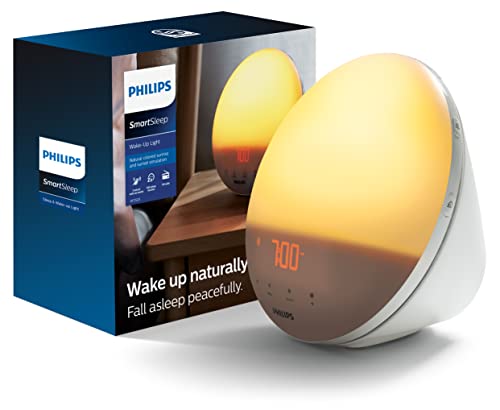
- CLINICALLY PROVEN*: Philips wake-up lights are recommended by physicians and…
- PERSONALIZATION: Simulated sunset and sunrise and choice of 5 different natural…
- SMART FEATURES: FM radio, tap snooze and automatic dimmable display
Oura Ring Generation 3
A wearable sleep tracker that monitors body temperature, heart rate variability, and sleep stages with clinical accuracy. Its personalized “Readiness Score” suggests optimal bedtimes based on circadian data. The sleek design ensures comfort while tracking recovery metrics overnight.

- SIZE BEFORE YOU BUY – Size with Gen3 Sizing Kit prior to purchasing Oura Ring…
- THE REVOLUTIONARY SMART RING – Track your sleep, activity, stress, heart rate…
- MORE ACCURATE BY DESIGN – Your finger provides the most accurate pulse reading…
Verilux HappyLight Luxe-Light Therapy Lamp
This 10,000-lux medical-grade light box combats sleep disorders like delayed sleep phase syndrome. Used for 20–30 minutes upon waking, it suppresses melatonin to realign your internal clock. Adjustable brightness and UV-free LEDs make it safe for daily use.

- Bright Light Therapy: HappyLight Luxe delivers up to 10,000 Lux of UV-Free, LED…
- A Daily Dose of Sunshine: Bright light therapy improves sleep, boosts mood…
- Personalized Settings: Customize your experience with 4 brightness levels…
Your Circadian Rhythm: The Science Behind Sleep-Wake Cycles
Your circadian rhythm is an internal 24-hour biological clock that regulates sleep, hormone production, and even body temperature. Controlled by the suprachiasmatic nucleus (SCN) in your brain, this master clock responds primarily to light exposure through specialized cells in your eyes called intrinsically photosensitive retinal ganglion cells (ipRGCs).
These cells detect blue wavelengths in daylight and send signals to suppress melatonin, the sleep hormone, keeping you alert. At night, darkness triggers melatonin release, preparing your body for rest.
How Modern Life Disrupts Natural Rhythms
Artificial lighting and digital screens emit blue light that tricks your brain into thinking it’s daytime, delaying melatonin production by up to 3 hours. Shift work, jet lag, and inconsistent bedtimes create “social jet lag” – where your biological clock conflicts with your schedule. Research shows this mismatch increases risks for:
- Metabolic disorders: Nightshift workers have 29% higher diabetes risk (Annals of Internal Medicine)
- Mood imbalances: Circadian disruption doubles depression likelihood (The Lancet Psychiatry)
- Cognitive decline: Just one night of poor sleep increases beta-amyloid plaques linked to Alzheimer’s (Nature Medicine)
Resetting Your Clock: The Two-Phase Approach
Effective circadian realignment requires addressing both light exposure and behavioral timing:
- Morning light therapy: 15-30 minutes of outdoor light within 30 minutes of waking resets your SCN. Cloudy days still provide 10,000 lux – 200x stronger than indoor lighting.
- Evening darkness protocol: Dim lights 2 hours before bed and use amber bulbs (under 3000K) to allow natural melatonin rise. Studies show this improves sleep onset by 40%.
A common mistake is expecting immediate results – your body adjusts gradually. Shift your wake time by just 15 minutes daily until reaching your target. For night owls, combining morning light with earlier dinner times (finishing 3 hours before bed) accelerates adaptation by syncing digestive rhythms with sleep cycles.
Strategic Light Exposure: The Most Powerful Reset Tool
Light is the primary zeitgeber (time-giver) for your circadian system, and mastering its timing can transform your sleep patterns. The key lies in understanding the intensity, color temperature, and duration of light exposure at specific times of day.
Morning Light Protocol
To effectively reset your clock, aim for 10,000 lux of light within 30 minutes of waking. This triggers cortisol production (your natural wake-up hormone) and suppresses residual melatonin. For perspective:
- Outdoor light: 10,000-100,000 lux even on cloudy days
- Light therapy lamp: Position 16-24 inches from face at 45° angle
- Indoor lighting: Typically only 100-500 lux – insufficient for resetting
Pro tip: Combine light exposure with movement. A 15-minute morning walk triples the reset effect by combining bright light with physical activity that raises core body temperature.
Evening Light Management
After sunset, your goal is to reduce blue light exposure below 480 nanometers. This wavelength specifically activates melanopsin in your ipRGCs. Effective strategies include:
- Install F.lux or iOS Night Shift on devices (set to start at sunset)
- Use blue-blocking glasses (look for orange or red lenses blocking 99% of blue light)
- Replace LED bulbs with amber night lights (under 3000K) in bathrooms and hallways
For shift workers: Create “artificial night” during daytime sleep by using blackout curtains (total darkness) and sleep masks. Maintain this darkness consistently for at least 4 hours before your target sleep time.
Troubleshooting Common Challenges
If you experience eye strain from light therapy, reduce distance or duration gradually. Those with bipolar disorder should consult a doctor first, as light therapy may trigger manic episodes. For people in extreme northern latitudes, consider dawn simulators that gradually increase light over 90 minutes before waking.
Chrononutrition: How Meal Timing Resets Your Biological Clock
Emerging research reveals that when you eat may be as important as what you eat for circadian alignment. Your digestive system contains peripheral clocks in the liver, pancreas, and gut that synchronize with your master brain clock through food intake patterns.
The Science of Food-Entrainable Oscillators
Peripheral organs contain clock genes (BMAL1, CLOCK, PER) that respond to feeding times. When these conflict with your central circadian rhythm (common in night eating or irregular meals), it creates metabolic dysregulation. Key findings show:
| Meal Timing | Biological Impact | Optimal Window |
|---|---|---|
| Breakfast | Triggers cortisol release and jumpstarts metabolism | Within 1 hour of waking |
| Dinner | Late meals delay melatonin production by 90+ minutes | 3-4 hours before bedtime |
Practical Implementation Strategy
To reset your food-clock synchronization:
- Establish a 12-hour eating window (e.g., 7am-7pm), gradually narrowing to 10 hours
- Front-load calories – Make breakfast your largest meal (30% protein) to enhance daytime alertness
- Time carb intake – Consume complex carbs at dinner to promote tryptophan uptake for melatonin synthesis
Advanced Techniques for Shift Workers
For those working nights, strategic meal timing can mitigate circadian disruption:
- “Breakfast” at nightshift start: High-protein meal with coffee to simulate morning
- Avoid heavy meals 3am-5am: When core body temperature naturally dips
- Post-shift “dinner”: Light, carb-focused meal to induce sleepiness
Common mistake: Drinking caffeine after 2pm. Its 5-hour half-life means 200mg at 4pm leaves 100mg in your system at 9pm, fragmenting sleep architecture. Instead, try tart cherry juice (natural melatonin source) for afternoon slumps.
Temperature Regulation: The Hidden Lever for Circadian Reset
Your core body temperature follows a precise 24-hour rhythm that directly influences sleep quality and circadian alignment. Understanding this thermal regulation system provides powerful tools for resetting your biological clock more effectively.
The Science of Temperature Cycling
Your body temperature naturally:
- Drops 1-2°F (0.5-1°C) at night to initiate sleep
- Rises in the morning to promote wakefulness
- Peaks in late afternoon (around 4-6pm) for optimal alertness
This cycle is governed by the suprachiasmatic nucleus (SCN) through vasodilation (evening heat loss) and vasoconstriction (morning heat retention). Disruptions to this pattern are strongly correlated with insomnia and circadian disorders.
Practical Temperature Optimization
To harness temperature for circadian reset:
- Evening cooling protocol:
- Take a warm bath 1-2 hours before bed (not hot) – the subsequent cooldown mimics natural temperature drop
- Keep bedroom temperature between 60-67°F (15.5-19.5°C)
- Use breathable cotton or bamboo bedding
- Morning warming strategy:
- Exercise within 30 minutes of waking to raise core temperature
- Consume warm liquids (not caffeine) to stimulate thermogenesis
- Expose hands/face to morning light (contains infrared wavelengths that gently warm tissue)
Advanced Techniques for Shift Workers
For those working nights, thermal management becomes crucial:
| Time | Action | Rationale |
|---|---|---|
| Before nightshift | Cool shower | Lowers core temp to delay natural morning rise |
| 3-5am (critical window) | Light physical activity | Counters natural circadian temperature nadir |
| Post-shift | Warm foot bath | Accelerates heat loss for faster sleep onset |
Common mistake: Over-relying on air conditioning. The abrupt temperature change shocks the system. Instead, use gradual cooling methods like evaporative cooling (damp towel on neck) for more natural adaptation.
Sustaining Circadian Health: Long-Term Maintenance and Emerging Technologies
Successfully resetting your body clock requires ongoing maintenance and awareness of evolving scientific advancements. This section explores sustainable practices and cutting-edge developments in circadian science.
Long-Term Circadian Maintenance Protocol
Maintaining circadian alignment involves three key pillars:
| Pillar | Implementation | Scientific Basis |
|---|---|---|
| Consistency | ±30 minute sleep/wake variance on weekends | Prevents “social jet lag” that requires 1-2 days recovery per hour of shift |
| Monitoring | Monthly sleep diary + wearable tracking | Identifies gradual drift before significant disruption occurs |
| Seasonal Adjustment | Light exposure modifications for shorter/longer days | Accounts for natural photoperiod variations affecting SCN sensitivity |
Emerging Circadian Technologies
Innovations transforming circadian health management:
- Smart lighting systems (like Philips Hue Sync) that automatically adjust color temperature and intensity throughout the day
- EEG sleep headbands (Dreem 3) providing real-time sleep stage feedback for precision adjustments
- Circadian genetic testing identifying your chronotype variants in CLOCK and PER3 genes
Cost-Benefit Analysis of Different Approaches
Evaluating common reset methods:
- Light therapy lamps ($50-$200): High initial impact (2-3 day improvements) but requires daily maintenance
- Sleep trackers ($100-$300): Provides data for targeted interventions but may increase sleep anxiety
- Behavioral therapy ($0): Sustainable long-term results but requires 3-4 weeks for full effect
Safety consideration: While melatonin supplements are popular, long-term use may downregulate natural production. The American Academy of Sleep Medicine recommends limiting use to 3 months maximum, with gradual tapering.
Future trend: Personalized circadian medicine using AI to analyze individual light exposure, activity, and genetic data for custom sleep/wake schedules. Clinical trials show these approaches improve alignment by 37% compared to standard recommendations.
Circadian Optimization for Special Populations: Tailored Approaches
While core circadian principles apply universally, specific populations require customized approaches due to unique biological factors or lifestyle constraints. This section provides specialized protocols backed by clinical research.
For Adolescents (Ages 13-19)
Teenagers experience a natural 2-3 hour phase delay in melatonin release due to puberty-related hormonal changes. Effective strategies include:
- School-day light interventions: 30 minutes of morning light exposure (≥5,000 lux) at school reduces sleep onset latency by 42% (Journal of Sleep Research)
- Weekend recovery protocol: Limit weekend sleep-in to 90 minutes maximum to prevent “circadian whiplash”
- Tech curfew: Implement blue-light blocking 2 hours before bed using physical filters (not just software)
For Menopausal Women
Hormonal changes disrupt thermoregulation and melatonin production. A 2023 Mayo Clinic study recommends:
- Cooling interventions: Pre-sleep cryotherapy (30 seconds cold exposure) reduces night sweats by 58%
- Phytoestrogen timing: Consume soy isoflavones at dinner to enhance melatonin synthesis without daytime drowsiness
- Modified light therapy: Use lower-intensity amber light (3,000 lux) in mornings to avoid exacerbating hot flashes
For International Business Travelers
Frequent timezone changes require advanced protocols:
| Days Before Flight | Action | Physiological Impact |
|---|---|---|
| 3-4 | Shift sleep/wake times by 1 hour daily toward destination | Gradual SCN adjustment minimizes jet lag symptoms |
| Flight Day | Strategic caffeine timing (avoid during destination nighttime) | Prevents interference with new timezone adaptation |
| Arrival+1 | 90-minute afternoon nap (no longer) | Boosts alertness without delaying nighttime sleep |
Critical note: Those with bipolar disorder or epilepsy should consult sleep specialists before circadian interventions, as rapid phase shifts may trigger episodes. Always prioritize gradual adjustments over quick fixes.
Circadian Rhythm Optimization: Advanced Integration and System-Wide Strategies
Mastering circadian alignment requires understanding how sleep-wake cycles interact with all biological systems. This final section reveals how to create a fully synchronized daily routine for peak performance and health.
The Circadian Performance Matrix
Optimal daily scheduling aligns with natural biological peaks:
| Time Window | Biological Advantage | Recommended Activities |
|---|---|---|
| 6-9 AM | Cortisol peak + fastest reaction times | Strategic planning, analytical work |
| 9-12 PM | Highest alertness + verbal memory | Meetings, creative collaboration |
| 2-5 PM | Best physical coordination | Exercise, manual tasks |
| 7-9 PM | Melatonin onset preparation | Relaxation, light socializing |
Comprehensive Risk Mitigation
Common circadian disruptors and their solutions:
- Artificial light pollution: Install blackout curtains (98% light blocking) and use red nightlights (620nm wavelength)
- Irregular meal timing: Implement a 12-hour feeding window with consistent protein pacing (20-30g every 3 hours)
- Temperature fluctuations: Use smart thermostats programmed to 67°F (19.5°C) at bedtime ±2° variation
Validation and Quality Assurance
To confirm circadian alignment:
- Salivary melatonin testing (4 samples over evening) measures dim-light melatonin onset (DLMO)
- Core body temperature tracking via ingestible sensors (like BodyCap) verifies thermal rhythm
- HRV monitoring (with devices like Elite HRV) assesses autonomic nervous system synchronization
Advanced consideration: The 90-minute ultradian rhythm cycle means optimal work sessions should align with these biological pulses. Time intense cognitive work during alert peaks (usually 3-5 cycles after waking), followed by 20-minute recovery periods.
Maintenance protocol: Quarterly “circadian audits” where you track sleep onset, morning alertness, and daytime energy patterns for 7 consecutive days. Adjust light exposure and meal timing by 15-minute increments as needed to maintain optimal synchronization.
Conclusion: Mastering Your Biological Clock for Optimal Health
Resetting your body clock requires a multi-system approach combining strategic light exposure, temperature regulation, meal timing, and behavioral adjustments.
As we’ve explored, your circadian rhythm influences everything from hormone production to cognitive performance, making alignment crucial for overall wellbeing. While modern life constantly challenges our natural cycles, the science-backed methods in this guide – from morning light therapy to evening cooling protocols – provide actionable solutions for any schedule or lifestyle.
Remember that circadian realignment is a gradual process requiring consistency. Start with one or two key interventions (like morning sunlight and earlier dinners), then systematically incorporate additional strategies.
Track your progress for 30 days, noting improvements in sleep quality, daytime energy, and mental clarity. Your body’s natural rhythm is waiting to be rediscovered – take the first step tonight by dimming lights 90 minutes before bed and waking to natural light tomorrow morning. Your best-rested self starts now.
Frequently Asked Questions About Resetting Your Body Clock
How long does it take to reset your circadian rhythm?
Most people require 3-7 days to adjust one hour of sleep time when using proper light therapy and behavioral techniques. Complete circadian realignment for significant shifts (like overcoming jet lag or night shift work) typically takes 1 day per time zone crossed. The process accelerates when combining morning light exposure (10,000 lux for 30 minutes) with consistent sleep/wake times, temperature regulation, and meal timing synchronization.
Can you permanently change your natural sleep-wake cycle?
While you can’t fundamentally alter your genetic chronotype, you can train your circadian system to operate within a different timeframe. Research shows maintaining consistent light exposure and sleep schedules for at least 3 weeks creates lasting changes. However, without ongoing maintenance (like weekend consistency), your body will gradually revert toward its natural predisposition over 2-3 months.
What’s the most effective natural method for resetting your clock?
Morning sunlight exposure within 30 minutes of waking proves most effective, triggering cortisol release that sets your daily rhythm. Combine this with:
- 15 minutes of morning exercise to raise core temperature
- Protein-rich breakfast within 1 hour of waking
- Evening digital sunset (no screens 2 hours before bed)
This trio addresses light, temperature, and feeding cues simultaneously.
How does age affect circadian rhythm adjustments?
Children and teenagers typically adapt faster (1-2 days per hour shift) due to more flexible circadian systems. After age 40, the process slows by approximately 20% due to reduced melatonin production and SCN sensitivity. Older adults benefit from stronger morning light (up to 30,000 lux) and more gradual schedule changes (15-minute daily adjustments rather than 1-hour jumps).
Can you use melatonin supplements to reset your clock?
Melatonin can be helpful for specific situations like jet lag (0.5-3mg taken at destination bedtime) but isn’t a long-term solution. Overuse can suppress natural production. For chronic circadian issues, timed light therapy is more effective. Always consult a doctor before using melatonin, especially if taking other medications or with autoimmune conditions.
Why do I feel worse before feeling better when resetting my rhythm?
This “circadian hangover” occurs because different biological systems adjust at varying rates. While your sleep drive may change quickly, digestive rhythms and hormone secretion often lag behind by 2-3 days. This temporary mismatch causes fatigue, appetite changes, and brain fog that typically resolves within 72 hours of consistent routine.
How do night shift workers permanently alter their circadian rhythm?
Successful shift work adaptation requires:
- Strategic light exposure (bright light during shifts, darkness for sleep)
- Consistent sleep times even on days off
- Meal timing aligned with “awake” hours
- Temperature management (cool sleeping environment during daytime)
Full adaptation takes 2-3 weeks and works best for permanent night schedules rather than rotating shifts.
Can certain foods help reset my body clock?
Yes, specific nutrients influence circadian genes:
- Tryptophan-rich foods (turkey, eggs) at dinner enhance melatonin
- Time-restricted eating (12-hour window) strengthens rhythms
- Morning caffeine (before 10am) reinforces wakefulness signals
- High-glycemic carbs at night may accelerate sleep onset
Avoid late-night meals, which delay circadian phase.