
Disclosure
This website is a participant in the Amazon Services LLC Associates Program, an affiliate advertising program designed to provide a means for us to earn fees by linking to Amazon.com and affiliated sites.
You can prevent dry mouth while sleeping—but it requires understanding the root causes and implementing targeted solutions. Waking up with a parched, sticky mouth isn’t just uncomfortable; it can disrupt sleep, harm oral health, and even signal underlying medical conditions.
Many assume drinking more water before bed is the fix, but dehydration isn’t always the culprit. Factors like medications, breathing habits, and room environment play pivotal roles
Best Products for Preventing Dry Mouth While Sleeping
Xylimelts for Dry Mouth Night Time or Day
These slow-dissolving oral discs from OraCoat stick to your gums and release xylitol, a natural moisturizer that stimulates saliva production for hours. Ideal for nighttime use, they’re drug-free and FDA-cleared, making them safe for long-term dry mouth relief.
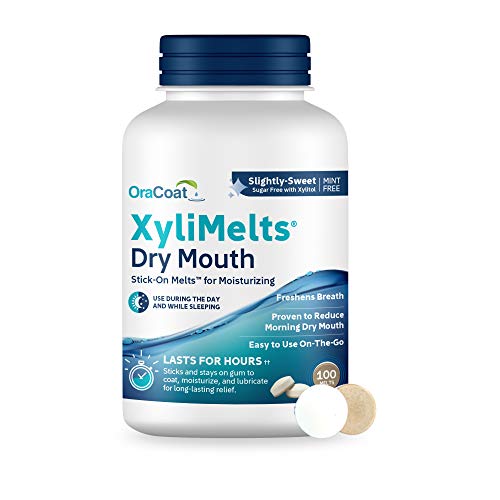
- LONG-LASTING RELIEF: Experience up to 8 hours of dry mouth care with OraCoat…
- NATURALLY SUGAR-FREE: XyliMelts incorporate Xylitol, a key ingredient in dry…
- NON-ACIDIC FORMULA: Formulated with a pH of 8, XyliMelts neutralize acids…
LEVOIT LV600HH Hybrid Ultrasonic Humidifier
This top-rated humidifier adds moisture to dry bedroom air, preventing throat and mouth dehydration. With a 6L tank and warm/cool mist options, it runs for up to 36 hours and includes a hygrometer to maintain optimal humidity levels (40–60%).

Biotène Dry Mouth Oral Rinse
Clinically proven to relieve dry mouth symptoms, Biotène’s alcohol-free rinse contains enzymes that mimic natural saliva. Use it before bed to coat your mouth with a protective layer, reducing discomfort and preventing bacterial growth overnight.
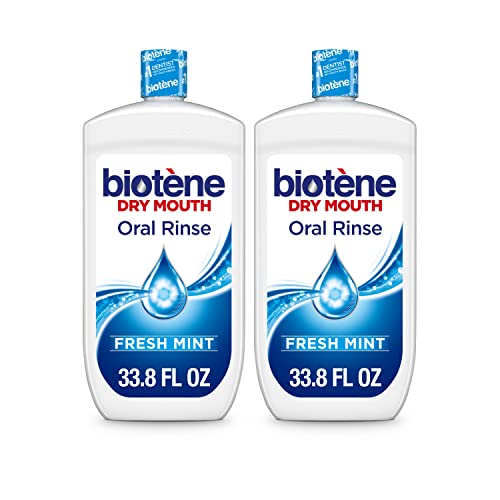
- Two 33.8 fl oz bottles of Biotene Oral Rinse Mouthwash for Dry Mouth, Breath…
- Formulated with a mouth moisturizing system that soothes and lubricates
- Biotene dry mouth oral rinse provides up to four hours of relief from dry mouth…
The Root Causes of Nighttime Dry Mouth
Dry mouth (xerostomia) during sleep occurs when your salivary glands don’t produce enough moisture, but the reasons behind this vary widely. Unlike daytime dry mouth—often caused by dehydration or stress—nocturnal xerostomia is frequently linked to physiological and environmental factors that disrupt saliva flow while you’re unconscious.
Primary Causes: Why Saliva Production Drops at Night
Mouth breathing is the most common culprit. When nasal congestion or sleep apnea forces you to breathe through your mouth, air evaporates saliva rapidly. Studies show mouth breathers lose 42% more oral moisture than nose breathers. Other key triggers include:
- Medications: 500+ drugs (e.g., antihistamines, antidepressants, blood pressure medications) list dry mouth as a side effect by altering nervous system signals to salivary glands.
- Sleep environment: Low humidity (below 40%) accelerates moisture evaporation, especially in winter or air-conditioned rooms.
- Age-related changes: Saliva production decreases by 30–40% in adults over 65 due to gland atrophy.
The Hidden Consequences Beyond Discomfort
Chronic nighttime dry mouth isn’t just irritating—it creates a domino effect of oral health risks. Without saliva’s antibacterial properties, harmful bacteria multiply, leading to:
- Tooth decay: A 2022 Journal of Oral Rehabilitation study found mouth breathers had 3x higher cavity rates due to pH imbalance.
- Gum disease: Reduced oxygen in dry mouths allows anaerobic bacteria to thrive.
- Bad breath: Bacteria produce volatile sulfur compounds overnight, causing “morning breath” to persist even after brushing.
Debunking the “Just Drink Water” Myth
While hydration helps, it doesn’t solve structural issues. Drinking water before bed provides temporary relief but can’t compensate for impaired salivary gland function or mouth breathing. For lasting results, you need targeted interventions like humidifiers, nasal strips, or saliva-stimulating products (see our product recommendations).
Pro Tip: Track symptoms with a saliva pH test strip before bed. Healthy saliva should measure 6.2–7.4. Results below 5.5 indicate high decay risk, warranting a dentist visit.
Proven Strategies to Prevent Dry Mouth While Sleeping
Effectively combating nighttime dry mouth requires a multi-pronged approach that addresses both immediate symptoms and underlying causes. These evidence-based methods go beyond temporary fixes to create lasting improvements in oral moisture.
Optimizing Your Sleep Environment
Creating a saliva-friendly bedroom environment is the first line of defense. Follow this step-by-step approach:
- Humidity control: Maintain 40-60% humidity using a hygrometer-equipped humidifier like the LEVOIT LV600HH. This range prevents moisture loss without promoting mold growth.
- Temperature regulation: Keep room temperature between 60-67°F (15-19°C). Warmer air holds more moisture, reducing evaporation from oral tissues.
- Airflow management: Position beds away from direct airflow from vents or fans, which can accelerate mouth drying by 30% according to sleep studies.
Breathing Retraining Techniques
For chronic mouth breathers, these professional-recommended methods can help transition to nasal breathing:
- Nasal strips: Apply Breathe Right strips before bed to physically open nasal passages. Studies show they increase nasal airflow by 31%.
- Mouth taping: Use specialized porous tape (like SomniFix) to gently encourage nasal breathing. Start with 1-hour sessions and gradually increase duration.
- Buteyko exercises: Practice controlled breathing techniques that reduce respiratory rate and improve CO2 tolerance, helping maintain nasal breathing during sleep.
Nutritional and Lifestyle Adjustments
What you consume significantly impacts saliva production. Implement these dietary changes:
Saliva-stimulating foods: Chew sugar-free gum with xylitol for 5 minutes before bed to “prime” salivary glands. Incorporate crunchy vegetables like celery or carrots at dinner – their fibrous texture mechanically stimulates saliva flow.
Substance avoidance: Eliminate alcohol, caffeine, and antihistamines at least 4 hours before bedtime, as they can reduce saliva production by up to 50%. Smokers should rinse with Biotène before bed to counteract nicotine’s drying effects.
Pro Tip: Keep a bedside journal for 1 week noting dryness severity alongside daily habits. This helps identify personal triggers like specific medications or late-night snacks that may be exacerbating your symptoms.
Medical Interventions and Advanced Solutions for Chronic Cases
When lifestyle changes aren’t enough, targeted medical approaches can provide relief for persistent dry mouth. These solutions address physiological causes at their root, offering more permanent solutions for severe cases.
Professional Dental Treatments
Dentists offer several evidence-based interventions that can significantly improve nighttime saliva production:
| Treatment | How It Works | Effectiveness |
|---|---|---|
| Fluoride Varnish | Creates protective coating against acid erosion in dry mouths | Reduces cavities by 37% in xerostomia patients |
| Salivary Gland Massage | Stimulates blocked ducts through manual therapy techniques | Improves flow by 22% after 4 weeks of daily practice |
| Prescription Toothpastes | Special formulations with higher pH and remineralizing agents | Neutralizes acids 3x longer than regular toothpaste |
Prescription Medications and Devices
For medication-induced dry mouth, doctors may recommend:
- Pilocarpine (Salagen): Stimulates salivary glands directly, increasing production by 50-65% for 2-3 hours per dose. Take 30 minutes before bedtime.
- Cevimeline (Evoxac): Longer-acting alternative that works through different receptor pathways, particularly effective for Sjögren’s syndrome patients.
- CPAP Humidifiers: For sleep apnea sufferers, heated humidification tubes that attach to CPAP machines prevent airway drying.
Emerging Technologies and Future Solutions
Cutting-edge developments show promise for severe cases:
- Electrostimulation devices: Wearable mouthpieces that gently stimulate salivary nerves (e.g., SaliPen). Clinical trials show 40% improvement in overnight moisture.
- Stem cell therapy: Experimental treatments regenerating damaged salivary tissue currently in Phase II trials at major research hospitals.
- Smart mouthguards: Prototypes that monitor oral pH and release hydrating gels when dryness is detected.
Common Mistake to Avoid: Don’t overuse OTC dry mouth sprays containing alcohol or peroxide – these provide temporary relief but can worsen tissue dehydration long-term. Instead, opt for pH-balanced, alcohol-free formulas like Biotène Moisturizing Spray.
Pro Tip: Ask your dentist about custom-fitted moisture trays – similar to athletic mouthguards but designed to maintain hydration by creating a sealed environment around teeth and gums overnight.
Long-Term Management and Prevention Strategies
Sustaining oral moisture requires ongoing care and preventive measures. These professional-grade strategies help maintain healthy saliva production and prevent recurring dry mouth episodes during sleep.
Daily Oral Care Protocol
Implement this comprehensive nighttime routine for optimal results:
- Pre-bedtime hydration: Sip 8oz of electrolyte-enhanced water (like coconut water) 90 minutes before sleep – this provides sustained hydration without causing nighttime bathroom trips.
- Specialized brushing technique: Use a soft-bristled toothbrush with prescription-strength fluoride toothpaste (like Clinpro 5000) in gentle circular motions to stimulate gums without irritation.
- Mucosal massage: After brushing, massage salivary glands (under tongue and near jaw angles) for 30 seconds each to improve circulation and function.
Monitoring and Maintenance
Track progress with these professional monitoring methods:
- Saliva volume test: Spit into a graduated cup upon waking – healthy production is 0.3-0.4ml/minute. Measure weekly to track improvements.
- Tongue analysis: Check for white coating or cracks, which indicate dehydration. Healthy tongues should appear pink with light, even coating.
- Dental checkups: Schedule quarterly cleanings if you have chronic dry mouth – this prevents rapid tartar buildup common in low-saliva environments.
Advanced Preventive Measures
For those with recurring issues, these specialized approaches offer additional protection:
| Strategy | Implementation | Frequency |
|---|---|---|
| Saliva substitutes | Apply hydroxyethylcellulose-based gels (like Oralube) to oral mucosa before bed | Nightly |
| Acupuncture therapy | Targets LI4 and ST6 points to stimulate salivary flow | Weekly sessions |
| Oxygenating rinses | Use peroxide-free formulas (Oxyfresh) to maintain aerobic oral environment | 3x weekly |
Critical Safety Note: Never use petroleum-based products like Vaseline for dry mouth relief – they can cause lipoid pneumonia if accidentally inhaled during sleep. Always opt for water-based, oral-specific moisturizers.
Pro Tip: Keep a “dry mouth emergency kit” by your bedside containing pH-balanced water spray, xylitol mints, and a soft toothbrush for immediate relief when waking with severe dryness.
Cost-Effective Solutions and Future Innovations in Dry Mouth Management
Managing nighttime dry mouth effectively requires balancing immediate results with long-term sustainability. This section examines the economics of treatment options and emerging technologies that could revolutionize care.
Cost-Benefit Analysis of Common Solutions
| Solution | Initial Cost | Annual Cost | Effectiveness | Maintenance |
|---|---|---|---|---|
| Humidifiers | $50-$200 | $30 (filters) | Reduces symptoms by 40-60% | Weekly cleaning |
| Prescription Medications | $10-$50 copay | $120-$600 | Improves saliva by 50-65% | Doctor visits required |
| Oral Devices (Xylimelts) | $15 (40ct) | $135 (daily use) | Provides 4-6 hours relief | None |
Emerging Technologies and Their Potential
The next generation of dry mouth solutions focuses on smart, personalized approaches:
- AI-powered hydration trackers: Wearable sensors that analyze saliva composition and predict dry episodes before they occur (expected 2025 release)
- 3D-printed moisture retainers: Custom dental appliances with hydrogel reservoirs that release moisture as needed (currently in clinical trials)
- Microbiome-balancing lozenges: Probiotic formulations that restore beneficial oral bacteria to maintain natural moisture balance (early research shows 45% improvement)
Environmental and Safety Considerations
When selecting dry mouth solutions, consider these often-overlooked factors:
- Energy efficiency: Humidifiers with Energy Star rating use 35% less power while maintaining optimal humidity
- Material safety: Avoid products containing parabens or sodium lauryl sulfate which can irritate dry oral tissues
- Sustainability: Reusable options like glass-bottle oral sprays reduce plastic waste compared to disposable products
Future Outlook: Researchers predict personalized dry mouth therapy based on genetic saliva profiles will become standard within 5-7 years, potentially eliminating trial-and-error treatment approaches.
Pro Tip: Combine economical solutions like proper hydration with targeted investments in high-impact areas (quality humidifier, prescription treatments if needed) for optimal cost-effective management of nighttime dry mouth.
Integrating Dry Mouth Prevention with Overall Sleep Health
Optimal nighttime oral moisture requires coordination with broader sleep hygiene practices. This holistic approach addresses the interconnected systems affecting both sleep quality and salivary function.
The Sleep-Saliva Connection: Physiological Mechanisms
Saliva production follows circadian rhythms, naturally decreasing by 60-70% during sleep. However, these three key biological processes can be optimized:
- Autonomic nervous system balance: Parasympathetic dominance during deep sleep should increase saliva flow, but stress or poor sleep architecture disrupts this
- Nasal breathing synchronization: Proper sleep posture (neutral head alignment) maintains open airways and prevents mouth breathing
- Hormonal regulation: Melatonin not only regulates sleep but also influences salivary gland function through MT1 receptors
Comprehensive Sleep Optimization Protocol
Implement this integrated routine for synergistic benefits:
| Time | Action | Dry Mouth Benefit |
|---|---|---|
| 8:00 PM | Hydration cutoff (switch to small sips) | Prevents fluid overload that dilutes saliva |
| 9:30 PM | Humidifier activation at 50% RH | Allows gradual moisture buildup |
| 10:00 PM | Oral moisturizing gel application | Forms protective barrier lasting 6-8 hours |
Advanced Integration Techniques
For complex cases requiring multidisciplinary solutions:
- Dental-sleep medicine collaboration: Custom oral appliances can simultaneously treat sleep apnea and prevent mouth breathing
- Biofeedback training: Wearable devices that vibrate when detecting mouth breathing help retrain nighttime patterns
- Temperature cycling: Gradually reducing bedroom temperature from 68°F to 62°F (20°C to 16.5°C) over 90 minutes mimics natural thermoregulation and improves sleep depth
Critical Consideration: Many sleep medications (especially benzodiazepines) severely reduce saliva production. Work with a sleep specialist to find alternatives like cognitive behavioral therapy for insomnia (CBT-I) when possible.
Pro Tip: Track both sleep metrics (via wearable) and morning dry mouth symptoms for 2 weeks to identify personalized patterns. Often, improving sleep stage distribution (particularly deep sleep) yields unexpected dry mouth relief.
Advanced Monitoring and Quality Control for Optimal Results
Sustaining long-term relief from nighttime dry mouth requires systematic monitoring and continuous optimization. This comprehensive approach ensures your solutions remain effective as your body and environment change.
Comprehensive Tracking Framework
Implement this multi-dimensional monitoring system:
| Parameter | Measurement Tool | Optimal Range | Frequency |
|---|---|---|---|
| Saliva pH | pH test strips | 6.2-7.4 | Weekly |
| Oral Moisture | Hygrometer (tongue surface) | >85% RH | Daily AM |
| Sleep Breathing | Pulse oximeter + audio recording | <5 mouth breathing episodes/night | Monthly |
Advanced Optimization Techniques
For those who’ve plateaued with basic solutions, these professional-grade methods can help:
- Salivary gland stimulation protocol: Combine gentle massage (2 minutes per gland) with sour taste stimulation (lemon swabs) 30 minutes before bed to “train” gland responsiveness
- Microclimate control: Use separate hygrometers for bedroom air and bedside oral environment – maintain at least 15% higher humidity at mouth level
- Supplement cycling: Rotate between saliva-stimulating supplements (pilocarpine, cevimeline, bethanechol) every 3 months to prevent receptor desensitization
Risk Management and Mitigation
Address these potential complications with preventive measures:
- Oral microbiome imbalance: Counteract with weekly probiotic rinses (containing S. salivarius K12) when using long-term saliva substitutes
- Dental erosion: Implement nightly remineralization protocols using CPP-ACP pastes if pH regularly drops below 6.0
- Treatment fatigue: Schedule quarterly “treatment vacations” where you scale back to just humidification and hydration for 1 week to reset system responsiveness
Validation Protocol: Every 6 months, conduct a 3-night baseline assessment without any interventions to objectively measure progress and identify new developing patterns.
Pro Tip: Create a personalized “dry mouth control index” scoring system (0-10) incorporating multiple factors (morning comfort, tongue coating, lip adhesion) to quantitatively track improvements over time.
Conclusion: Taking Control of Nighttime Dry Mouth
As we’ve explored, preventing dry mouth while sleeping requires a multi-faceted approach addressing root causes from mouth breathing to medication effects.
You now understand how to optimize your sleep environment, implement specialized oral care routines, and when to seek professional treatments. Remember that consistent monitoring and gradual adjustments yield the best long-term results.
Start tonight by implementing just one change – perhaps adjusting your bedroom humidity or trying xylitol discs – then build from there. With this comprehensive toolkit, you’re equipped to wake up feeling refreshed with a comfortably moist mouth every morning. Your journey to better sleep and oral health begins now.
Frequently Asked Questions About Preventing Dry Mouth While Sleeping
What exactly causes dry mouth at night?
Nighttime dry mouth occurs when salivary glands produce insufficient moisture, typically due to mouth breathing, medications (antihistamines, antidepressants), sleep apnea, or low humidity environments.
During sleep, natural saliva production drops by 60-70%, and mouth breathing can evaporate remaining moisture 3x faster than nasal breathing. Dehydration, alcohol consumption, and smoking exacerbate the problem by further reducing saliva output.
How can I tell if my dry mouth is serious enough to see a doctor?
Seek medical attention if you experience: persistent morning throat pain, white tongue coating that doesn’t brush off, cracked lips that bleed, or difficulty swallowing. These may indicate conditions like Sjögren’s syndrome or diabetes. Track symptoms for 2 weeks – if you wake up with extreme dryness more than 3 nights weekly despite hydration efforts, schedule an appointment with an ENT or dentist specializing in oral medicine.
What’s the most effective humidifier setting for dry mouth prevention?
Set your humidifier to maintain 45-55% relative humidity at bedside level, measured by a hygrometer placed near your pillow. Warm mist models (like the LEVOIT LV600HH) set to 72-75°F provide optimal moisture absorption. Run it continuously for 30 minutes before bed, then maintain 40% humidity overnight. Clean the unit weekly with white vinegar to prevent mold growth that could worsen oral health.
Are mouth tapes safe for preventing mouth breathing?
When used properly, medical-grade mouth tapes (like SomniFix) are safe for most adults. Choose hypoallergenic, porous strips that allow emergency mouth opening. Start with partial nights (2-3 hours) to adjust.
Avoid if you have nasal obstructions, colds, or sleep apnea without CPAP. Always test for 30 minutes while awake first. For maximum safety, use tapes with a central breathing vent and remove immediately if you feel any breathing restriction.
How do prescription dry mouth medications compare to OTC solutions?
Prescription options like pilocarpine directly stimulate salivary glands, increasing production by 50-65% for 3-4 hours per dose. OTC products (Biotène, Xylimelts) mainly moisturize and protect.
For severe cases, prescriptions work faster but may cause sweating or digestive side effects. Best results often come from combining both – use prescriptions at bedtime and OTC products for maintenance. Always consult your doctor about potential medication interactions.
Can certain foods actually help prevent nighttime dry mouth?
Yes, specific foods stimulate saliva: chew sugar-free gum with xylitol for 5 minutes before bed, eat crunchy vegetables (celery, carrots) at dinner, and include omega-3 rich foods (salmon, walnuts) to support gland health.
Avoid salty, spicy, or acidic foods 3 hours before bed as they can irritate dry tissues. Pineapple contains bromelain which helps break down oral biofilm that worsens dryness.
Why do I still get dry mouth even when drinking plenty of water?
Hydration alone can’t compensate for impaired salivary gland function. Water temporarily moistens but doesn’t trigger saliva production like specialized products.
Additionally, drinking too close to bedtime may dilute existing saliva and increase bathroom trips. For better results, sip electrolyte-enhanced fluids 2 hours before bed, use saliva-stimulating lozenges, and address underlying causes like mouth breathing or medication side effects.
How long does it typically take to see improvement?
Most people notice improvement within 3-5 nights when using humidifiers and oral moisturizers. For mouth breathing correction, allow 2-3 weeks for breathing pattern changes.
Medication-related dryness may take 4-6 weeks to improve as glands recover. Track progress with a morning symptom journal – optimal results typically appear after consistently following a complete protocol for 28 days (a full skin/oral tissue regeneration cycle).