
Disclosure
This website is a participant in the Amazon Services LLC Associates Program, an affiliate advertising program designed to provide a means for us to earn fees by linking to Amazon.com and affiliated sites.
Choosing the right mattress material isn’t just about comfort—it’s about transforming your sleep, health, and daily energy. Foam, spring, and latex each offer unique benefits, but which one is truly perfect for you? Many assume the “best” mattress is universal, but the truth hinges on your body type, sleep style, and even allergies.
With sleep deprivation linked to chronic fatigue and stress, your mattress choice matters more than ever. The right material can relieve back pain, regulate temperature, or even outlast a decade—while the wrong one leaves you tossing nightly.
Best Mattresses for Back Pain Relief and Comfort
Tempur-Pedic TEMPUR-Adapt+ Cooling 3-Inch King Mattress Topper
Ideal for pressure relief, this memory foam mattress adapts to your body’s contours, reducing back pain. Its cooling cover and medium-firm support make it perfect for side and back sleepers who need balanced comfort and spinal alignment.

- COOLING 3-INCH KING TOPPER: TEMPUR-Adapt + Cooling topper is ideal for getting…
Sealy Soft 13″ Queen Posturepedic Memory Foam Mattress
Combining responsive coils with gel-infused foam, this hybrid mattress offers excellent motion isolation and cooling. The reinforced center support targets back pain, while the plush top layer ensures a cloud-like feel—great for couples and hot sleepers.
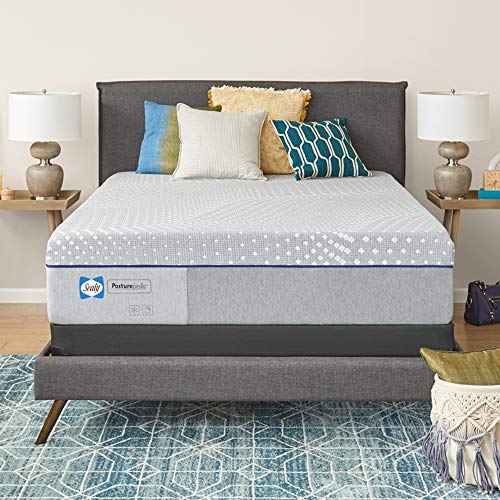
- 13″ QUEEN MEMORY FOAM MATTRESS: Provides the perfect balance of luxurious…
- LAYERS OF COMFORT: Combination of soft and supportive foams disperse your weight…
- COOLING COVER TECHNOLOGY: Cover is designed with spun, cool-to-the-touch fibers…
Pure Green Organic Latex Mattress
Made with organic latex and pocketed coils, this eco-friendly mattress provides firm yet responsive support. Its natural materials resist dust mites and mold, making it ideal for allergy sufferers who need durable, breathable, and orthopedic-friendly sleep.
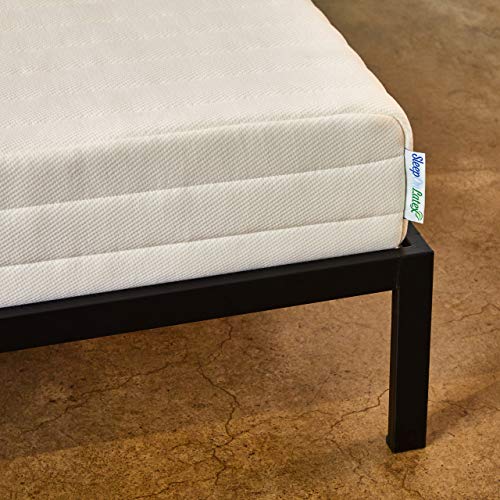
- Medium Firmness – Great for Side Sleepers, Back Sleepers and Couples
- Filled with 8” Organic Latex Foam (GOLS Certified) – Quilted Cover Made of…
- Designed, Quilted, Sewn, Assembled and Packaged in our Chicago Factory
Memory Foam Mattresses: Pressure Relief and Contouring Support
Memory foam mattresses revolutionized sleep technology by adapting to your body’s shape, offering unparalleled pressure relief. Unlike traditional spring mattresses, high-density viscoelastic foam responds to heat and weight, gradually molding to your curves to reduce joint and back pain.
This makes it especially beneficial for side sleepers, whose shoulders and hips need extra cushioning to maintain spinal alignment. However, not all memory foam is created equal—density (measured in pounds per cubic foot) determines durability and support. For example, a 4-5 lb/ft³ foam provides long-lasting comfort, while cheaper 2-3 lb/ft³ options may sag prematurely.
Temperature Sensitivity and Cooling Innovations
A common complaint about memory foam is heat retention, as the material traps body warmth. Modern solutions include:
- Gel-infused foam: Dissipates heat through cooling beads (e.g., Tempur-Pedic’s TEMPUR-Breeze line).
- Open-cell structures: Increase airflow to prevent overheating, like in the Casper Wave Hybrid.
- Phase-change materials: Absorb and release heat dynamically, used in premium models like the Purple Restore.
These advancements address the “sleeping hot” issue without sacrificing the foam’s signature contouring.
Motion Isolation vs. Responsiveness
Memory foam excels at motion isolation, absorbing movement so partners don’t disturb each other—ideal for light sleepers. However, its slow response time can make repositioning difficult for combination sleepers. Brands like Nectar use adaptive transition layers to improve bounce without losing support. Meanwhile, hybrid models (e.g., Saatva Classic) combine foam with coils for easier mobility.
Pro Tip: Test firmness levels carefully. Medium-firm (6-7/10) suits most sleepers, but stomach sleepers may prefer firmer foam (8/10) to prevent hip sinkage, which strains the lower back.
Who Should Avoid Memory Foam?
While versatile, memory foam isn’t perfect for everyone. Strict stomach sleepers may find it too enveloping, and those with mobility issues might struggle with its “quicksand” effect. Additionally, off-gassing odors from new foam can irritate sensitive individuals—look for CertiPUR-US® certified options like Leesa Original for safer materials.
Innerspring Mattresses: Traditional Support with Modern Innovations
Innerspring mattresses remain a popular choice for their classic bounce and airflow, offering a fundamentally different sleep experience from foam or latex. The core support comes from a system of steel coils, which can vary dramatically in design and performance. Traditional Bonnell coils provide basic support at lower price points, while advanced pocketed coils (individually wrapped springs) offer superior motion isolation and contouring—like those found in the Helix Midnight Luxe.
Coil Systems and Firmness Levels
The coil system determines both support and durability:
- Bonnell coils: Hourglass-shaped, interconnected springs (common in budget models) offer firm support but transfer motion easily.
- Pocketed coils: Independently wrapped springs conform better to body shape and reduce partner disturbance—ideal for couples.
- Offset coils: Hinged edges provide reinforced perimeter support, preventing roll-off in models like Beautyrest Black.
Coil count matters too: 800+ coils in a queen mattress indicates higher quality, but gauge (thickness) also affects firmness. A 12-14 gauge (thicker steel) feels firmer than a 15-18 gauge (thinner, more flexible).
Hybrid Designs: Combining the Best of Both Worlds
Modern innerspring mattresses often incorporate foam or latex layers to enhance comfort. For example, the Saatva Classic pairs a dual-coil system with a euro-pillow top for plushness, while the WinkBed adds gel-infused foam for cooling. These hybrids address traditional spring drawbacks like pressure points while maintaining airflow—crucial for hot sleepers who find memory foam stifling.
Who Benefits Most from Innerspring?
Back and stomach sleepers often prefer the firmer support of springs, which prevents excessive sinkage. The natural bounce also makes innersprings ideal for:
- Combination sleepers who change positions frequently
- Heavier individuals (250+ lbs) needing robust support
- Those living in hot climates (coils promote 3x more airflow than solid foam)
Note: Edge support varies widely. Look for models with high-density foam borders or reinforced coils if you frequently sit on the bed’s edge.
Latex Mattresses: Natural Resilience and Temperature Regulation
Latex mattresses offer a unique combination of organic materials and responsive support, standing apart from both memory foam and innerspring options. Made from the sap of rubber trees (natural latex) or synthetic compounds, these mattresses provide a buoyant, pressure-relieving sleep surface with exceptional durability. The open-cell structure of latex naturally regulates temperature better than traditional memory foam, while its elastic properties prevent the “stuck” feeling some experience with viscoelastic foam.
Natural vs. Synthetic Latex: Key Differences
| Feature | Natural Latex | Synthetic Latex |
|---|---|---|
| Material Source | Rubber tree sap (e.g., Dunlop or Talalay process) | Petroleum-based compounds |
| Durability | Lasts 15-20 years (Avocado Green Mattress) | 10-15 year lifespan |
| Eco-Friendliness | Biodegradable, non-toxic (GOLS certified) | Contains chemical additives |
| Price | Premium ($1,500-$3,000 for queen) | Budget-friendly ($800-$1,500) |
The Dunlop vs. Talalay Manufacturing Process
Natural latex comes in two distinct varieties with different characteristics:
- Dunlop latex (used in Spindle Mattress) is denser at the bottom, creating a firmer base ideal for back sleepers. The single-pour process makes it more affordable while maintaining durability.
- Talalay latex (found in Savvy Rest) undergoes vacuum processing for uniform cell structure, resulting in a lighter, bouncier feel preferred by side sleepers. The extra steps increase cost by 20-30%.
Who Should Consider Latex?
Latex excels for:
- Hot sleepers (conducts heat 30% better than memory foam)
- Eco-conscious buyers (100% natural options like Happsy)
- Those with allergies (naturally resistant to dust mites and mold)
- Combination sleepers (responsive surface makes repositioning easy)
Professional Tip: Look for OEKO-TEX® or GOLS certifications to verify material purity. Beware of “blended” latex claiming to be natural when it contains only 30-40% rubber tree sap.
Choosing Your Perfect Mattress: Weight, Sleep Position & Health Considerations
Selecting the ideal mattress material requires analyzing three critical personal factors: body weight, primary sleep position, and specific health needs. These elements dramatically affect how different materials perform in real-world use. A mattress that feels supportive for a 130-pound side sleeper might cause painful pressure points for someone weighing 250 pounds, while back pain sufferers need different support than those with arthritis.
Body Weight and Material Performance
Your weight determines how much a mattress will compress and whether it provides adequate support:
- Under 130 lbs: Softer foams (3-4 lb density) work well as less pressure is applied. Latex or hybrid mattresses like the Nest Sparrow provide gentle contouring without excessive sinkage.
- 130-230 lbs: Medium-firm options (5-6 lb density foam or 14-15 gauge coils) maintain proper alignment. Consider the Saatva Classic or Bear Elite Hybrid.
- Over 230 lbs: Require high-density foams (6+ lb) or reinforced coils (12-13 gauge) like in the WinkBed Plus or Big Fig mattress to prevent premature sagging.
Sleep Position-Specific Recommendations
Your dominant position dictates ideal firmness and material properties:
- Side sleepers: Need pressure relief at shoulders/hips. Medium-soft memory foam (Nectar) or Talalay latex (3-4″ comfort layer) prevents numbness.
- Back sleepers: Require balanced support. Medium-firm hybrids (Leesa Legend) or Dunlop latex maintain lumbar alignment.
- Stomach sleepers: Need firm surfaces (7.5-8/10 firmness) like the Plank Firm by Brooklyn Bedding to prevent spinal hyperextension.
Special Health Considerations
Certain conditions benefit from specific material properties:
- Chronic back pain: Medium-firm mattresses with zoned support (Helix Midnight) reduce pressure on sensitive areas.
- Arthritis: Responsive latex (Awara) eases position changes without pressure points.
- Fibromyalgia: Ultra-conforming memory foam (Tempur-Adapt) distributes pressure evenly.
- Allergies: Natural latex or hypoallergenic foams (CertiPUR-US certified) resist dust mites.
Pro Tip: Always verify trial periods (minimum 100 nights) and warranty coverage (10+ years for premium materials). Many manufacturers now offer sleep trials with free returns if the mattress doesn’t alleviate your specific issues.
Mattress Longevity, Maintenance, and Environmental Impact
Understanding the lifespan and care requirements of different mattress materials is crucial for maximizing your investment. While most mattresses last 7-10 years, material quality and maintenance practices can extend this to 15+ years for premium options. Equally important are the environmental considerations of production and disposal, especially as consumers become more eco-conscious.
Material Lifespan and Maintenance Guide
| Material | Average Lifespan | Maintenance Requirements | Degradation Signs |
|---|---|---|---|
| Memory Foam | 7-10 years | Rotate every 3-6 months; use mattress protector | Visible body impressions >1.5″; loss of rebound |
| Innerspring | 5-8 years | Flip/rotate quarterly; check coil integrity annually | Sagging >1″; squeaking coils; edge collapse |
| Natural Latex | 12-20 years | Rotate biannually; air out periodically | Surface cracking; permanent compression >3/4″ |
| Hybrid | 8-12 years | Rotate quarterly; check both foam and coil layers | Combination of foam and spring degradation signs |
Environmental Considerations and Certifications
The mattress industry generates significant waste, with 20 million mattresses discarded annually in the US alone. Environmentally conscious buyers should consider:
- CertiPUR-US®: Verifies foam is free from harmful chemicals (PBDEs, mercury, lead)
- GOLS (Global Organic Latex Standard): Ensures 95%+ organic latex content
- GREENGUARD Gold: Certifies low VOC emissions for better indoor air quality
- OEKO-TEX® Standard 100: Tests for 350+ harmful substances in textiles
Future Trends in Sustainable Sleep Technology
Innovators are developing groundbreaking solutions to improve mattress sustainability:
- Plant-based foams: Using soy, algae, or cactus extracts as alternatives to petroleum (e.g., Brentwood Home’s Crystal Cove)
- Recyclable designs: Brands like Avocado offer take-back programs where 95% of mattress components are recycled
- Modular systems: Replaceable layers (as seen in the Saatva Solaire) extend product lifespan by allowing targeted component replacement
Pro Tip: When replacing a mattress, research local recycling programs. Many components (steel coils, latex, wool) can be repurposed, keeping 80-90% of mattress materials out of landfills when properly processed.
Mattress Firmness and Support: The Science Behind Optimal Comfort
Understanding mattress firmness requires more than just a number scale – it involves the complex interplay between material properties, body mechanics, and sleep dynamics. The ideal firmness level creates proper spinal alignment while distributing body weight evenly to prevent pressure points. This delicate balance varies significantly based on individual physiology and sleep habits.
The Biomechanics of Sleep Support
When lying down, your body creates distinct pressure zones that require different support levels:
- Head/Neck: Needs gentle cushioning (2-3″ of comfort layer)
- Shoulders/Hips: Require deeper compression (side sleepers need 4-5″ contouring)
- Lumbar Region: Demands firm support to maintain natural curve (especially crucial for back sleepers)
- Legs/Feet: Benefit from slight elevation to reduce lower back tension
Advanced mattresses now incorporate zoned support systems (like the Tempur-Pedic TEMPUR-Ergo) with varying firmness across different body regions. These typically feature:
- Softer foam at shoulders (5-10% less dense)
- Firmer lumbar reinforcement (15-20% denser core)
- Transitional mid-section for smooth support gradient
Firmness Scale Decoded
The industry-standard 1-10 firmness scale has specific technical definitions:
| Rating | Compression Depth (150lb person) | Ideal For |
|---|---|---|
| 3-4 (Soft) | 2.5-3.5″ sinkage | Side sleepers under 130lbs |
| 5-6 (Medium) | 1.5-2.5″ sinkage | Average weight combination sleepers |
| 7-8 (Firm) | 0.5-1.5″ sinkage | Back/stomach sleepers over 200lbs |
Advanced Material Engineering
Modern mattresses use sophisticated material combinations to achieve precise support characteristics:
- Viscoelastic memory foam with variable ILD (Indentation Load Deflection) ratings – higher ILD (14+) for support layers, lower (8-12) for comfort layers
- Latex layering – often combines 2″ soft Talalay over firmer Dunlop base
- Hybrid coil systems – pocketed coils with varying gauges (softer 15-gauge at shoulders, firmer 13-gauge at center)
Professional Insight: The “Goldilocks test” for perfect firmness: When lying on your back, you should be able to slide your hand under your lumbar spine with slight resistance – not too easily (too soft) nor with difficulty (too firm).
Advanced Sleep System Optimization: Integrating Mattress with Support Components
Achieving perfect sleep requires harmonizing your mattress with complementary components – a system approach most buyers overlook. The mattress itself accounts for only about 60% of sleep quality, with foundations, pillows, and sleep environment completing the equation. This section reveals how to create a fully optimized sleep ecosystem.
The Foundation Factor: Base Compatibility Matrix
Your mattress support surface dramatically affects performance and longevity:
| Mattress Type | Ideal Foundation | Worst Match | Performance Impact |
|---|---|---|---|
| Memory Foam | Solid platform or slats ≤3″ apart | Box spring | 30% better pressure relief on proper base |
| Innerspring | Flexible slatted base or box spring | Solid platform | 25% longer coil life with proper support |
| Latex | Adjustable base or ventilated platform | Old box spring | 40% better airflow with proper base |
| Hybrid | Reinforced slats or bunkie board | Wavy slats | Prevents 90% of premature sagging |
Pillow-Mattress Synergy
Your pillow must complement your mattress firmness and sleep position:
- Side sleepers on medium-firm: 4-6″ loft pillow (latex or shredded foam) fills head-neck-shoulder gap
- Back sleepers on firm: 3-4″ medium pillow maintains cervical alignment
- Stomach sleepers on extra-firm: Ultra-thin 2-3″ pillow prevents neck strain
Environmental Optimization
Three often-overlooked factors that impact mattress performance:
- Room humidity: Maintain 40-50% RH to prevent foam hardening or latex drying
- Bedding weight: Heavy comforters (>15lbs) compress foam layers over time
- Sleep temperature: Ideal 60-67°F maximizes material responsiveness
Professional Validation Method: Conduct a 3-night assessment: Night 1 tests mattress alone, Night 2 adds proper pillow, Night 3 includes optimized bedding. Document pressure point changes each morning.
Long-Term Performance Monitoring
Implement these quality assurance checks every 6 months:
- Measure sag depth with straightedge (replace if >1.5″)
- Check for material breakdown (cracks in latex, foam crumbling)
- Assess motion transfer with partner movement
- Evaluate morning pain points on a body map diagram
Conclusion: Finding Your Perfect Sleep Match
Choosing between foam, spring, and latex mattresses ultimately depends on your unique sleep profile. Memory foam excels at pressure relief and motion isolation, innerspring offers classic bounce and airflow, while latex provides natural resilience and temperature regulation.
As we’ve explored, your body weight, sleep position, and specific health needs should guide this crucial decision. Remember that mattress longevity, environmental impact, and proper support systems all contribute to long-term sleep quality.
Take action today: Use our detailed comparison tables and professional insights to test mattresses in-store or during sleep trials. Your perfect mattress isn’t just about comfort—it’s an investment in better health, improved productivity, and quality rest for years to come. Sweet dreams start with the right foundation.
Frequently Asked Questions About Mattress Materials
What’s the difference between memory foam and latex mattresses?
Memory foam uses viscoelastic polyurethane that contours slowly to your body shape, providing deep pressure relief ideal for side sleepers. Latex (natural or synthetic) offers quicker bounce-back and better airflow, making it preferable for combination sleepers and hot sleepers. Memory foam typically has better motion isolation, while latex lasts longer (15-20 years vs 7-10 for foam) and is more eco-friendly when 100% natural.
How often should I replace my mattress?
The replacement timeline varies by material: innerspring lasts 5-8 years, memory foam 7-10 years, and high-quality latex 12-20 years. Watch for visible sagging >1.5″, increased morning stiffness, or noticeable dips where you sleep. Heavier individuals (200+ lbs) may need to replace 2-3 years sooner. Rotating your mattress every 3-6 months can extend its lifespan by 15-20%.
Can a mattress help with back pain?
Absolutely. For chronic back pain, medium-firm mattresses (6-7/10 firmness) work best for most sleep positions. Back sleepers often benefit from zoned support hybrids like Saatva Classic, while side sleepers need pressure-relieving foam like Tempur-Adapt. Stomach sleepers require extra-firm support (8/10) to prevent spinal misalignment. Always consult a physical therapist for pain lasting >6 weeks.
Why does my new memory foam mattress smell?
The “off-gassing” odor comes from volatile organic compounds (VOCs) released during manufacturing. While harmless to most people, it can cause headaches for sensitive individuals.
To accelerate dissipation: unpackage immediately in a ventilated room, use baking soda for 24 hours, and allow 48-72 hours before sleeping. CertiPUR-US certified foams (like Leesa Original) have 50% lower VOC emissions.
Are hybrid mattresses worth the extra cost?
Hybrids combine the best features of different materials – typically pocketed coils with foam/latex layers. They’re ideal for: couples with different sleep preferences (motion isolation + bounce), hot sleepers (better airflow than all-foam), and those wanting both pressure relief and support. Expect to pay $1,200-$2,500 for a quality queen hybrid versus $800-$1,500 for single-material options.
How can I keep my mattress clean and hygienic?
Implement this 3-step maintenance routine:
1) Use a waterproof, breathable protector (wash monthly),
2) Vacuum surface quarterly with upholstery attachment,
3) Spot clean stains immediately with mild soap and cold water.
For deep cleaning, sprinkle baking soda, leave for 24 hours, then vacuum. Never soak memory foam or use harsh chemicals that break down materials.
What mattress is best for hot sleepers?
Look for these cooling features: gel-infused or copper-infused memory foam (Tempur-Breeze), natural latex with open-cell structure (Avocado Green), or hybrid designs with breathable coils (WinkBed).
Phase-change materials in premium models (Purple RestorePremier) actively regulate temperature. Pair with moisture-wicking bamboo sheets and avoid memory foam thicker than 12″ which traps more heat.
Is it better to buy online or in-store?
Online purchases offer better prices (30-50% lower overhead), longer sleep trials (100+ nights vs 30), and convenient delivery. However, in-store testing helps gauge firmness preferences.
For online orders: carefully review return policies (some charge $100+ fees), verify foundation compatibility, and allow 2-3 weeks for the mattress to fully expand and reveal its true feel.