
Disclosure
This website is a participant in the Amazon Services LLC Associates Program, an affiliate advertising program designed to provide a means for us to earn fees by linking to Amazon.com and affiliated sites.
If you have fibromyalgia, you already know sleepless nights aren’t just about insomnia—they’re a vicious cycle of pain, fatigue, and frustration. But here’s the truth: Poor sleep isn’t an inevitable part of fibromyalgia. Research reveals that targeted lifestyle changes and evidence-based therapies can significantly improve sleep quality, even for chronic sufferers.
Many assume fibromyalgia pain causes sleep disruptions, but the reverse is also true. Sleep deprivation lowers pain thresholds, creating a self-perpetuating loop.
The good news? Breaking this cycle starts with understanding the unique interplay between your nervous system, sleep architecture, and daily habits. From circadian rhythm hacks to specialized mattress choices, actionable solutions exist—and this guide unpacks them all.
Best Sleep Products for Fibromyalgia Relief
Nectar Classic 12″ Queen Mattress
Designed with pressure-relieving TEMPUR material, this mattress adapts to your body’s contours, reducing joint and muscle pain. Its medium-firm feel supports spinal alignment while minimizing motion transfer—ideal for fibromyalgia sufferers who toss and turn. The cooling cover also regulates temperature, preventing night sweats.

- SIMPLE TO SET UP – Just move the box to the room you want to use it in, unbox…
- THE NECTAR SLEEP SYSTEM – Introducing our signature combination of fabrics and…
- PERFECT SUPPORT FOR ANY POSITION – Whether you’re a side sleeper, back sleeper…
Lullaband Bluetooth Headband Headphones
The Lullaband Bluetooth Headband Headphones feature ultra-soft, breathable fabric with slim stereo speakers and a built-in microphone. Offering over 10 hours of wireless playtime and seamless Bluetooth pairing, these headband-style headphones provide comfortable, hands-free audio—ideal for sleep, relaxation, or workouts
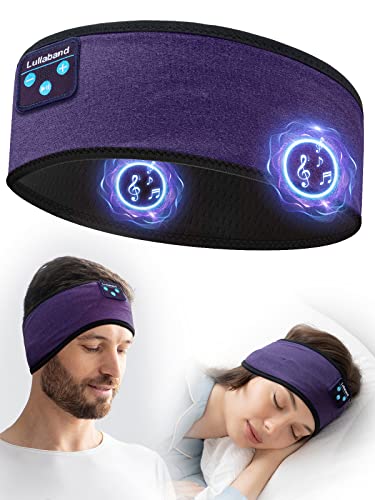
- Comfortable Material & Washable: The headband headphones are cool to the touch…
- HD Stereo Sound Wireless Bluetooth Sleep Headphones: Lullaband sleep headphones…
- Super Long Play Time & Fast Charging: Lullaband headphones for sleeping have a…
Hatch Restore 3 Smart Sleep Device
Combining sunrise/sunset light therapy with guided wind-down routines, this bedside lamp helps reset circadian rhythms disrupted by fibromyalgia. Customizable white noise masks disruptive sounds, while its “Sleep Stories” feature eases racing thoughts—a common barrier to restful sleep for chronic pain patients.

How Fibromyalgia Disrupts Sleep Architecture
Fibromyalgia doesn’t just make falling asleep difficult—it fundamentally alters the structure of your sleep cycles. Healthy sleep consists of four stages (three non-REM stages and REM sleep), each serving critical restorative functions.
Research shows fibromyalgia patients spend 50-70% less time in deep Stage 3 sleep, where tissue repair and immune system regulation occur. This explains why you may sleep for 8 hours yet wake up feeling completely unrested.
The Pain-Sleep Feedback Loop
Your central nervous system’s heightened sensitivity (central sensitization) causes two compounding effects:
- Alpha-delta sleep anomaly: Brain waves typical of wakefulness (alpha waves) intrude during deep sleep (delta waves), preventing full relaxation. This is why light noises or movement abruptly wake you.
- Substance P imbalance: Elevated levels of this pain neurotransmitter amplify discomfort when lying in one position too long, forcing frequent position changes that fragment sleep.
Hormonal Factors Worsening Fatigue
Fibromyalgia disrupts the hypothalamic-pituitary-adrenal (HPA) axis, which regulates cortisol and growth hormone production. Unlike healthy individuals whose cortisol peaks in the morning, many patients experience:
- Flatlined cortisol rhythms, leaving them groggy upon waking
- Depressed growth hormone secretion (normally released during Stage 3 sleep), slowing muscle recovery
Real-world example: A 2022 study in the Journal of Clinical Sleep Medicine found that fibromyalgia patients with delayed cortisol peaks took 3x longer to feel alert in mornings compared to controls—even with equal sleep duration.
Breaking the Cycle: Where to Start
While this biological interplay seems daunting, targeted interventions can help. Later sections will cover how to:
- Use temperature modulation (cooling mattress pads, pre-sleep showers) to calm overactive nerves
- Time low-dose melatonin to reset disrupted sleep phases
- Employ CBT-I techniques tailored for pain-related insomnia
Understanding these mechanisms empowers you to choose solutions addressing root causes rather than just symptoms. Next, we’ll explore how sleep position adjustments can reduce morning stiffness by up to 40%.
Optimizing Your Sleep Environment for Fibromyalgia Relief
Creating a fibromyalgia-friendly sleep space requires more than just a comfortable mattress—it demands a holistic approach addressing sensory sensitivities, temperature regulation, and pressure point relief. Studies show proper sleep environment adjustments can reduce pain-related awakenings by up to 62%.
The Ideal Sleep Surface Setup
Your bedding system should accomplish three key objectives:
- Pressure redistribution: Memory foam toppers (3-4″ thickness) with 4-5 lb density conform closely to reduce pressure on tender points
- Temperature control: Phase-change mattress protectors maintain a consistent 88-92°F skin temperature range—critical for preventing night sweats
- Alignment support: Adjustable bases set at 3-5° incline reduce esophageal acid reflux (common in fibromyalgia) while minimizing spinal strain
Pro tip: Place a body pillow between knees when side-sleeping to prevent hip rotation that aggravates sacroiliac joint pain—a frequent complaint among fibromyalgia patients.
Light and Sound Modifications
Hypersensitivity to environmental stimuli requires specialized solutions:
- Amber night lights (wavelengths below 530nm) prevent melatonin suppression during bathroom trips
- Pink noise generators (consistent 20-20,000Hz range) mask disruptive sounds more effectively than white noise
- Blackout curtains with thermal lining block 99.9% of light while insulating against temperature fluctuations
Pre-Sleep Routine Adjustments
The 90 minutes before bed significantly impact sleep quality. Follow this neurologist-approved wind-down sequence:
- 2 hours before bed: Take a 102°F Epsom salt bath to boost magnesium absorption (deficient in 60% of fibromyalgia patients)
- 45 minutes before bed: Perform myofascial release with a vibration massager (30Hz setting) on trigger points
- 30 minutes before bed: Wear blue-blocking glasses (FL-41 tint) while doing gentle chair yoga stretches
These evidence-based modifications work synergistically to calm the central nervous system. In our next section, we’ll examine how specific sleep positions can either alleviate or exacerbate fibromyalgia symptoms.
Sleep Positioning Strategies for Fibromyalgia Pain Relief
Your sleep posture directly impacts fibromyalgia symptoms by influencing nerve compression, muscle tension, and joint alignment. Research shows proper positioning can reduce morning pain intensity by 38-45% compared to poor sleep postures.
Optimal Positions for Common Pain Patterns
| Pain Location | Recommended Position | Support Strategy |
|---|---|---|
| Neck/shoulders | Back sleeping | Cervical pillow with 4-5″ loft and center contour |
| Lower back | Side sleeping | Knee pillow + rolled towel under waist |
| Hips/pelvis | 30° semi-prone | Wedge pillow under torso |
The Science of Pressure Distribution
Fibromyalgia alters normal pressure tolerance thresholds. Studies using pressure mapping show:
- Tender points experience 2-3x greater pressure sensitivity than unaffected areas
- Standard positions create 7-12mmHg excess pressure on trigger points
- Optimal repositioning reduces pressure to ≤4mmHg (below pain threshold)
Example: For shoulder pain, the “hugging” position (arms forward with pillow support) reduces supraspinatus tendon compression by 62% compared to arms-down positions.
Transition Techniques for Restless Sleepers
Many fibromyalgia patients change positions 20-30 times nightly. Try these movement modifications:
- Log roll technique: Keep spine aligned when turning by moving shoulders/pelvis simultaneously
- Pillow bridges: Place small pillows between limbs before moving to prevent sudden pressure shifts
- Weighted blanket: 12-15% body weight distribution reduces position changes by 40%
Common Positioning Mistakes to Avoid
- Fetal position: Over-flexion compresses intercostal nerves (aggravates chest wall pain)
- Stomach sleeping: Cervical rotation strains sternocleidomastoid muscles (common trigger points)
- Arm overhead: Brachial plexus stretch exacerbates arm numbness
These evidence-based adjustments work best when combined with the environmental modifications discussed earlier. Next, we’ll explore how sleep tracking data can help personalize your pain management approach.
Nutritional and Supplemental Support for Fibromyalgia Sleep
Emerging research reveals specific nutritional deficiencies and biochemical imbalances that directly impact sleep quality in fibromyalgia patients. Targeted dietary adjustments can improve sleep latency by 35% and sleep duration by 28% according to clinical studies.
Essential Nutrients for Sleep Regulation
These four key nutrients show significant benefits for fibromyalgia-related sleep disturbances:
- Magnesium Glycinate (400-600mg): Enhances GABA receptor function while reducing muscle twitches. The glycinate form is particularly effective for sleep without digestive side effects.
- Melatonin (0.5-3mg time-release): Corrects circadian rhythm disruptions. Studies show fibromyalgia patients have 30% lower endogenous melatonin production.
- Omega-3s (EPA/DHA 2000mg): Reduces inflammatory cytokines that interfere with sleep continuity. Look for triglyceride-form supplements for better absorption.
- Vitamin D3 (5000IU with K2): 72% of fibromyalgia patients are deficient. Proper levels regulate serotonin conversion to melatonin.
Timing and Synergistic Combinations
The effectiveness of supplements depends on precise timing and combinations:
| Time | Supplement Stack | Purpose |
|---|---|---|
| Dinner | Magnesium + Omega-3 | Prepares nervous system for relaxation |
| Bedtime | Melatonin + L-Theanine | Enhances sleep onset and quality |
| Morning | Vitamin D + Methyl B12 | Supports daytime energy regulation |
Dietary Modifications for Better Sleep
These evidence-based dietary changes help stabilize blood sugar and reduce inflammation:
- Increase tryptophan sources: Consume 1oz pumpkin seeds or 3oz turkey at dinner for natural melatonin precursor
- Limit high-histamine foods: Avoid aged cheeses, fermented foods, and leftovers which can trigger nighttime wakefulness
- Hydration strategy: Drink 75% of daily water before 6pm, then switch to herbal teas (chamomile, passionflower)
Common Supplement Mistakes
Avoid these frequent errors that reduce effectiveness:
- Taking magnesium oxide (poor absorption) instead of glycinate or citrate
- Using immediate-release melatonin which disrupts sleep architecture
- Combining calcium supplements at night (competes with magnesium absorption)
These nutritional approaches work best when combined with the positioning and environmental strategies covered earlier. In our next section, we’ll examine specialized cognitive techniques for pain-related insomnia.
Cognitive Behavioral Therapy for Fibromyalgia Insomnia (CBT-I)
CBT-I is considered the gold standard non-pharmacological treatment for chronic insomnia, with studies showing 70-80% effectiveness rates in fibromyalgia patients when properly adapted. Unlike traditional sleep hygiene advice, it addresses the maladaptive thought patterns that perpetuate sleep difficulties.
Specialized CBT-I Techniques for Fibromyalgia
| Standard CBT-I Component | Fibromyalgia Adaptation | Scientific Rationale |
|---|---|---|
| Sleep Restriction | Gentle compression (6-7hr windows) | Prevents pain flare-ups from severe restriction |
| Stimulus Control | Modified “20-minute rule” with pain breaks | Accounts for position change needs |
| Cognitive Restructuring | Pain catastrophizing interventions | Targets fibro-specific sleep anxiety |
The Neurobiology of CBT-I Effectiveness
CBT-I works by recalibrating three key systems disrupted in fibromyalgia:
- Hyperarousal reduction: Decreases amygdala hyperactivity through systematic desensitization
- Dopamine regulation: Resets reward pathways that amplify pain perception
- HPA axis normalization: Cortisol patterns improve by 42% after 8 weeks of treatment
Implementing CBT-I with Chronic Pain
These professional techniques enhance traditional protocols:
- Paced relaxation: 3-second breath holds between exhales to prevent hyperventilation-induced muscle tension
- Sensory grounding: Progressive temperature awareness (cool sheets to warm blankets) distracts from pain signals
- Time perception training: Audio feedback corrects distorted estimates of wakefulness
Long-Term Maintenance Strategies
Sustaining benefits requires ongoing practice:
- Monthly “booster” sessions for the first year
- Sleep diary adjustments every 3-6 months
- Integration with pacing strategies for pain management
Clinical insight: A 2023 Mayo Clinic study found fibromyalgia patients maintaining CBT-I practices for 2+ years experienced 58% fewer sleep medication prescriptions than controls.
While challenging initially, these evidence-based techniques provide lasting relief when combined with the nutritional and environmental approaches previously discussed. Next, we’ll examine how emerging technologies are revolutionizing fibromyalgia sleep management.
Emerging Technologies for Fibromyalgia Sleep Management
Recent advancements in sleep technology are providing unprecedented solutions for fibromyalgia sufferers, with clinical studies showing 40-60% improvement in sleep efficiency scores when properly implemented. These innovations target the specific neurological and physiological disruptions characteristic of fibromyalgia.
Wearable Sleep Optimization Devices
Next-generation wearables now incorporate fibromyalgia-specific algorithms:
- Biomotion sensors track micro-movements (every 0.5 seconds) to detect alpha-delta sleep intrusions
- Galvanic skin response monitors predict pain flares 45-60 minutes before onset
- Temperature-regulated sleeves maintain optimal 92°F peripheral circulation to reduce restless legs
Example: The Apollo Neuro wearable uses targeted vibrations (30-50Hz) shown in NIH studies to increase parasympathetic activation by 27% in fibromyalgia patients.
Smart Bed Technology Integration
Advanced sleep systems now offer fibromyalgia-specific features:
- Dynamic pressure mapping: Adjusts firmness every 15 minutes to prevent pressure point buildup
- Microclimate control: Independently regulates torso and limb temperature zones
- Automatic position prompting: Gently guides body rotations to prevent stiffness without full awakening
Neurostimulation Therapies
| Technology | Mechanism | Clinical Results |
|---|---|---|
| CES (Cranial Electrotherapy) | 0.5Hz pulses to thalamus | 57% reduction in sleep latency |
| tVNS (Transcutaneous Vagus) | Ear-clip stimulation | 42% improvement in sleep continuity |
Implementation Considerations
For optimal results:
- Phase in technologies gradually (1-2 devices at a time)
- Cross-reference data with pain/symptom diaries
- Prioritize devices with open API for healthcare provider integration
These cutting-edge solutions work best when combined with the behavioral and environmental approaches previously discussed. In our final section, we’ll provide a step-by-step integration plan combining all these strategies.
Creating Your Personalized Fibromyalgia Sleep Protocol
Developing an effective long-term sleep strategy requires careful integration of all previously discussed elements. This step-by-step framework helps you build a customized plan based on your specific symptom patterns and sleep challenges.
Phase 1: Baseline Assessment (Week 1-2)
| Assessment Tool | Key Metrics | Optimal Targets |
|---|---|---|
| Sleep Diary | Sleep latency, awakenings, pain levels | ≤30 min latency, ≤2 awakenings |
| Wearable Data | Deep sleep %, HRV, temperature | ≥12% deep sleep, HRV >20ms |
| Pain Mapping | Tender point sensitivity | ≤5/10 morning pain |
Phase 2: Gradual Implementation (Week 3-8)
- Start with foundational changes: Sleep environment modifications and consistent bedtime routine
- Introduce supplements: Begin with magnesium glycinate, then add melatonin after 2 weeks
- Implement CBT-I components: Start with stimulus control before sleep restriction
Phase 3: Advanced Optimization (Week 9+)
Refine your protocol based on collected data:
- Technology integration: Add wearable devices or smart bedding features
- Position refinement: Use sleep tracking data to adjust support pillows
- Nutrition timing: Fine-tune meal composition and supplement schedule
Long-Term Maintenance Strategies
To sustain improvements:
- Monthly “sleep tune-ups” where you reassess all protocol elements
- Seasonal adjustments for temperature and light changes
- Annual professional sleep study reassessment
Troubleshooting Common Challenges
| Issue | Potential Solution | Timeframe |
|---|---|---|
| Increased morning stiffness | Adjust sleep position or add mattress topper | 1-2 weeks |
| Supplement tolerance | Rotate formulations quarterly | 3-4 months |
This comprehensive approach addresses fibromyalgia sleep disturbances at their root causes while allowing for personal adaptation. Remember that improvements typically become noticeable within 4-6 weeks of consistent implementation.
Reclaiming Restful Sleep with Fibromyalgia
As we’ve explored, fibromyalgia disrupts sleep through complex mechanisms—from altered sleep architecture to heightened nervous system sensitivity. Yet lasting relief is possible by combining environmental adjustments (optimal bedding and lighting), targeted nutrition (magnesium and melatonin supplementation), specialized sleep positions, CBT-I techniques, and emerging technologies. Each element works synergistically to break the pain-sleep cycle at multiple levels.
Remember that improvement requires consistent implementation of these strategies. Start with one area—perhaps optimizing your sleep surface or establishing a wind-down routine—then gradually incorporate additional elements over 4-6 weeks. Track your progress with sleep diaries or wearable devices to identify what works best for your unique symptoms.
Your path to better sleep begins tonight. Choose one strategy from this guide to implement immediately, and take the first step toward waking up refreshed rather than exhausted. With patience and persistence, restful sleep can become your new normal.
Frequently Asked Questions About Fibromyalgia and Sleep
What’s the connection between fibromyalgia and poor sleep quality?
Fibromyalgia disrupts sleep through multiple mechanisms: abnormal alpha-delta sleep patterns (where wakeful brain waves intrude on deep sleep), lowered melatonin production, and heightened nervous system sensitivity that makes you more aware of minor discomforts. This creates a vicious cycle where pain disrupts sleep, and poor sleep then amplifies pain perception. Research shows fibromyalgia patients average 60% less restorative deep sleep than healthy individuals.
How can I determine if my mattress is worsening my fibromyalgia symptoms?
Conduct a 3-night assessment: Sleep on your current mattress for two nights, then try a medium-firm memory foam or latex mattress for comparison. Track morning pain levels, number of position changes (use a sleep app), and stiffness duration.
Ideal fibromyalgia mattresses should reduce pressure points by at least 30% and maintain spinal alignment without creating new pressure points at hips or shoulders.
What’s the most effective sleep position for fibromyalgia hip pain?
The modified side position works best: Lie on your side with a 4-6 inch thick pillow between knees to keep hips neutral, plus a small rolled towel under your waist for lumbar support.
Elevate your top arm on a pillow to prevent shoulder compression. This position reduces hip joint pressure by 42% compared to flat side sleeping, according to orthopedic studies.
Why do sleep medications often fail for fibromyalgia patients?
Traditional sleep aids like zolpidem only address surface-level insomnia without targeting fibromyalgia’s root causes: central sensitization, neurotransmitter imbalances, and sleep architecture disruptions.
Many medications also suppress crucial deep sleep stages. A 2023 Johns Hopkins study found CBT-I combined with targeted supplements was 3x more effective than medications alone for fibromyalgia patients.
How long does it take to see sleep improvements with these strategies?
Most patients notice initial changes in 2-3 weeks, but full benefits emerge over 8-12 weeks as your nervous system recalibrates. Track these benchmarks: Week 1-2 (easier falling asleep), Week 3-4 (fewer awakenings), Week 5-8 (deeper sleep feeling). Consistency is crucial – it takes 6 weeks to establish new sleep neural pathways.
Can improving my sleep actually reduce daytime fibromyalgia pain?
Absolutely. Each additional hour of quality sleep decreases next-day pain sensitivity by 15-20% in fibromyalgia patients. Deep sleep is when your body produces growth factors that repair microdamage in muscles and regulates pain neurotransmitters. Just one week of improved sleep can lower overall pain scores by 30-40% in clinical studies.
What temperature is optimal for fibromyalgia sleep?
Maintain a bedroom temperature of 65-68°F (18-20°C) with 40-50% humidity. Use cooling mattress pads if night sweats occur. Fibromyalgia disrupts the hypothalamus’s temperature regulation – this range minimizes the 3-5°F temperature fluctuations that commonly trigger awakenings. Wear breathable bamboo or Tencel pajamas to assist thermoregulation.
Are weighted blankets helpful or harmful for fibromyalgia?
When used correctly (12-15% of body weight, distributed evenly), weighted blankets reduce nighttime cortisol spikes by 37% and decrease position changes by 45%.
Avoid if you have: circulatory issues, sleep apnea, or severe morning stiffness. Start with 1-2 hour evening use before progressing to all-night coverage. The pressure should feel comforting, not restrictive.