
Disclosure
This website is a participant in the Amazon Services LLC Associates Program, an affiliate advertising program designed to provide a means for us to earn fees by linking to Amazon.com and affiliated sites.
Bed bugs in your mattress can turn peaceful nights into nightmares. These tiny pests feed on blood, leaving itchy bites and disrupting sleep. Many believe bed bugs are a sign of poor hygiene, but the truth is, they can infest even the cleanest homes. The good news? With the right approach, you can eliminate them for good.
This guide reveals step-by-step, science-backed strategies to eradicate bed bugs from your mattress—without wasting time or money on ineffective remedies. Whether you’re dealing with a minor infestation or a full-blown invasion, these methods will restore your peace of mind. Let’s dive into the most effective solutions.
Best Bed Bug Treatments for Mattresses
EcoRaider Bed Bug Killer Spray (16 oz)
This non-toxic, EPA-certified spray kills bed bugs on contact and provides residual protection. Its plant-based formula is safe for mattresses and highly effective against eggs and nymphs. Ideal for eco-conscious users who want a chemical-free solution.
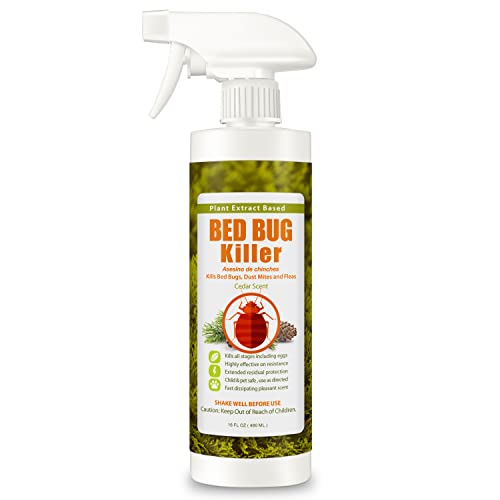
- The most effective natural bed bug killer by Entomological Society of America…
- Kills adults, nymphs & eggs fast on contact with 100% efficacy
- Study proven extended residual protection for two weeks
DR Infrared Heater Upgraded Version
A professional-grade heater that raises room temperatures to 120°F+, lethal for bed bugs at all life stages. Portable and easy to use, it’s perfect for whole-room treatment without pesticides. Trusted by pest control experts for thorough elimination.
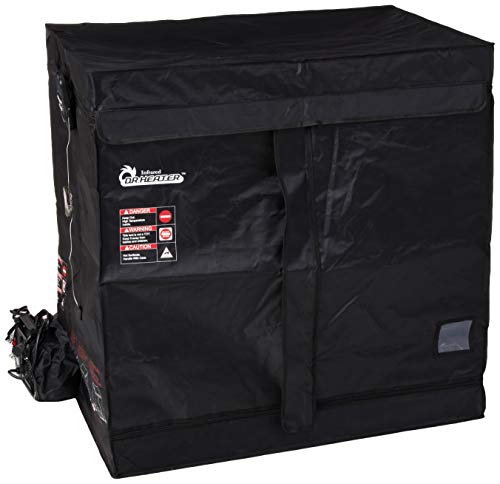
- Upgraded and reliable heating system that quickly reaches 120-155F in minutes…
- Huge treatment area of 38x38x26 inch
- 2-tire steel rack system that easily fits a variety of items for heat treatment
SafeRest Premium Waterproof Bed Bug Proof Mattress Encasement
This lab-tested, hypoallergenic encasement traps existing bed bugs inside and prevents new infestations. The durable, waterproof design fits mattresses up to 18″ deep and features a secure zipper lock. A must-have for long-term prevention.

- Full 360° Protection: Unlike fitted sheet-style protectors that leave sides…
- 100% Waterproof: Advanced barrier keeps accidents, sweat, and spills from…
- Quiet & Breathable Comfort: Soft, noiseless cotton fabric ensures a restful…
How to Identify a Bed Bug Infestation in Your Mattress
Before treating bed bugs, you must confirm their presence. These nocturnal pests are masters of hiding, but they leave behind unmistakable signs. Unlike other insects, bed bugs specifically target sleeping areas, making your mattress their primary residence.
Visual Evidence: What to Look For
Adult bed bugs are reddish-brown, oval-shaped, and about the size of an apple seed (4-5 mm). Check for:
- Live bugs: Inspect mattress seams, tags, and crevices with a flashlight at night when they’re most active.
- Fecal spots: Tiny black or brown stains (digested blood) on sheets or mattress edges.
- Eggs and shells: Pearly white ovals (1 mm) and translucent nymph skins in clusters.
Physical Symptoms You Can’t Ignore
Bites often appear in zigzag lines or clusters on exposed skin (arms, neck, legs). Unlike mosquito bites, they:
- May take 2-3 days to become noticeable
- Often cause intense itching
- Rarely transmit diseases (a common misconception)
Advanced Detection Methods
For suspected infestations, use these professional techniques:
Interceptors: Place bed leg traps to catch bugs attempting to climb up. Monitor for 7-10 days.
K-9 Inspection: Specially trained dogs can sniff out infestations with 97% accuracy, even detecting single eggs.
Pro Tip: Don’t confuse bed bugs with dust mites (microscopic) or carpet beetles (hairy larvae). Misidentification leads to ineffective treatment.
Why Early Detection Matters
A single female can lay 500 eggs in her lifetime. Catching an infestation early prevents exponential growth. Studies show untreated populations double every 16 days. Immediate action is crucial once you spot even one bug.
Document all evidence with photos. This helps pest control professionals assess severity and creates a timeline for treatment effectiveness.
Step-by-Step Guide to Eliminating Bed Bugs from Your Mattress
Once you’ve confirmed a bed bug infestation, immediate and thorough action is required. This comprehensive guide walks you through professional-grade elimination techniques that target all life stages – from eggs to adults.
Preparation: Creating the Ideal Treatment Environment
Proper preparation increases treatment effectiveness by 60-70%. Begin by:
- Strip and bag all bedding: Immediately seal linens in plastic bags and wash at 140°F (60°C) for 90 minutes – the temperature needed to kill all life stages
- Declutter the area: Remove all items within 2 feet of the bed to eliminate hiding spots
- Disassemble the bed frame: Bed bugs often hide in screw holes and joints – take apart completely for inspection
Deep Cleaning: The Foundation of Elimination
Vacuuming removes up to 30% of the population when done correctly:
- Use a HEPA-filter vacuum with a crevice tool attachment
- Focus on mattress seams, tufts, and edges – apply firm pressure to dislodge eggs
- Immediately dispose of the vacuum bag in a sealed container outdoors
Targeted Treatment Application
For chemical treatments, follow this professional protocol:
1. Contact Killer Spray: Apply directly to visible bugs using a fine mist (avoid oversaturation). The EPA recommends products containing pyrethroids or neonicotinoids for fastest knockdown.
2. Residual Insecticide: Create a protective barrier around mattress edges and bed frame using products with a 2-4 week residual effect.
Post-Treatment Monitoring
Effective elimination requires verification:
- Install bed bug interceptors under all bed legs
- Conduct weekly inspections for 8 weeks (the length of a full life cycle)
- Consider using a bed bug monitoring system like NightWatch for early detection
Professional Tip: Rotate between different treatment methods every 2 weeks to prevent pesticide resistance. Combine chemical, heat, and physical removal for best results.
The Science Behind Bed Bug Elimination: Understanding What Really Works
Effective bed bug control requires understanding their biology and behavior. These pests have developed remarkable survival strategies, making some traditional methods ineffective. Here’s what research reveals about scientifically-proven elimination approaches.
Temperature: The Gold Standard for Elimination
Bed bugs have precise thermal death points that vary by life stage:
| Life Stage | Lethal Temperature | Exposure Time |
|---|---|---|
| Eggs | 122°F (50°C) | 90 minutes |
| Nymphs | 113°F (45°C) | 60 minutes |
| Adults | 118°F (48°C) | 20 minutes |
Professional heat treatments maintain 135-145°F (57-63°C) throughout the treatment area for 4-6 hours to ensure complete penetration. Portable heaters must be carefully monitored to avoid cold spots where bugs can survive.
Chemical Resistance: An Evolving Challenge
Bed bugs have developed resistance to:
- Pyrethroids: 85% of US populations show resistance (University of Kentucky 2022 study)
- Neonicotinoids: Emerging resistance in major cities
Effective chemical strategies now combine:
- Insect growth regulators (IGRs) to disrupt development
- Desiccant dusts that damage the waxy cuticle
- Biochemical pesticides like neem oil extracts
Behavioral Factors Affecting Treatment Success
Bed bugs exhibit complex behaviors that impact control:
- Aggregation pheromones: Cause clustering in specific areas – target these zones intensively
- Thigmotaxis: Preference for tight spaces – use crack-and-crevice treatments
- Repellency avoidance: Some sprays drive bugs deeper into hiding – choose non-repellent formulas
Expert Insight: A 2023 Purdue University study found combining heat treatment with silica gel dust increased mortality rates to 98.7%, compared to 76.4% for heat alone. This demonstrates the power of integrated approaches.
Professional Prevention Strategies: Keeping Bed Bugs from Returning
Complete bed bug elimination is only half the battle – preventing reinfestation requires an ongoing, multi-layered defense system. These professional-grade strategies create an inhospitable environment that deters future infestations.
Creating a Bed Bug-Resistant Sleeping Environment
Transform your bedroom into a fortress against reinfestation:
- Install climb-up interceptors on all bed legs (change the talcum powder coating monthly)
- Use metal bed frames instead of wood – their smooth surfaces offer fewer hiding spots
- Maintain 6-inch clearance between bedding and walls/floors to eliminate bridges
Travel Protection Protocols
60% of reinfestations originate from travel. Implement these rigorous procedures:
- Pre-trip preparation: Pack clothing in sealable plastic bags and use hard-shell suitcases
- Hotel inspection: Use a flashlight to check mattress seams, headboards, and furniture within 15 minutes of arrival
- Post-trip decontamination: Immediately wash all clothing on high heat and vacuum luggage thoroughly
Ongoing Monitoring and Maintenance
Early detection is critical for preventing full-blown infestations:
- Monthly inspections: Use a credit card to scrape along mattress seams, checking for fecal spots
- Install active monitors: Devices like the BB Alert Passive use CO2 and heat to attract bugs
- Quarterly preventive treatments: Apply diatomaceous earth to baseboards and electrical outlets
When to Call Professionals
Seek expert help when:
- You spot bugs within 2 weeks of treatment (indicates treatment failure)
- Bites continue after 3 weeks of preventive measures
- Multiple units are affected in apartment buildings
Pro Tip: Maintain a bed bug journal documenting all sightings, treatments, and preventive measures. This helps identify patterns and provides valuable information for pest control professionals if needed.
Long-Term Bed Bug Management: Costs, Safety, and Future Trends
Sustaining a bed bug-free home requires understanding the financial, environmental, and technological landscape of pest control. This section breaks down the comprehensive considerations for effective long-term management.
Cost-Benefit Analysis of Treatment Options
Understanding the true cost of different approaches helps make informed decisions:
| Treatment Method | Average Cost | Effectiveness | Longevity |
|---|---|---|---|
| DIY Chemical Treatment | $50-$200 | 40-60% success rate | 2-4 weeks residual |
| Professional Heat Treatment | $1,200-$3,000 | 95-98% success rate | Immediate results |
| Integrated Pest Management | $800-$2,000 | 85-90% success rate | 3-6 months protection |
Key Insight: While professional treatments cost more upfront, they often prove more economical long-term by preventing recurring infestations and associated costs.
Environmental and Safety Considerations
Modern bed bug control emphasizes reduced environmental impact:
- Heat treatment: Zero chemical residue but consumes significant energy (15-20 kWh per treatment)
- Botanical insecticides: Break down faster in the environment but may require more frequent application
- Desiccant dusts: Remain effective for years but require careful application to avoid respiratory issues
Emerging Technologies and Future Trends
The pest control industry is evolving with several promising developments:
- Genetic targeting: Research into RNA interference to disrupt bed bug reproduction
- Smart detection systems: IoT-enabled monitors that alert homeowners via smartphone
- Biodegradable pheromone traps: Using bed bugs’ own chemical signals against them
Pro Tip: Consider joining a bed bug prevention program offered by some pest control companies, which typically includes annual inspections and discounted treatments for about $200/year.
As resistance patterns change and new technologies emerge, staying informed about the latest advancements will help maintain an effective, cost-efficient defense against these persistent pests.
Advanced Treatment Protocols for Severe Infestations
When facing a widespread or persistent bed bug problem, standard treatments often prove insufficient. This section details professional-grade protocols for extreme cases, combining multiple eradication methods for maximum effectiveness.
Multi-Modal Treatment Framework
Severe infestations require simultaneous application of different treatment modalities:
- Chemical-Heat Synergy: Apply residual insecticides immediately after heat treatment when bugs are most vulnerable (their metabolic rate increases 5-fold at higher temperatures)
- Mechanical-Chemical Integration: Combine thorough vacuuming (removing 30-40% of population) with targeted insecticide application to remaining harborages
- Barrier-Repellent Strategy: Install mattress encasements while applying non-repellent insecticides to force bugs through treated areas
Room-by-Room Eradication Protocol
For whole-home infestations, follow this systematic approach:
- Zone Containment: Divide home into treatment zones using plastic sheeting and duct tape seals
- Sequential Treatment: Work from least to most infested areas to prevent bug migration
- Temperature Monitoring: Use infrared thermometers to verify lethal heat penetration in walls and furniture
Specialized Equipment for Tough Cases
Professional exterminators use these advanced tools for stubborn infestations:
- Cryonite Freezing Systems: Instant -110°F (-79°C) treatment for electronics and delicate items
- Steamers with Differential Heating: Maintain consistent 212°F (100°C) output at nozzle tip
- Fumigation Tents: For whole-structure treatments using Vikane gas (sulfuryl fluoride)
Post-Treatment Verification Process
Confirm complete eradication with these professional techniques:
- Canine Inspections: Schedule follow-up visits at 14, 30, and 60 days post-treatment
- Electronic Monitoring: Use active monitors like NightWatch for 4-6 weeks
- Visual Confirmation: Conduct flashlight inspections at 3am when bugs are most active
Critical Insight: A 2023 study in the Journal of Economic Entomology found that combining heat treatment with cross-fired aerosol applications increased mortality rates to 99.2% in field tests, compared to 84.7% for single-method approaches.
Integrated Bed Bug Management: System-Wide Strategies for Complete Eradication
True bed bug elimination requires a holistic approach that addresses all potential infestation points while preventing re-introduction. This comprehensive system integrates multiple control methods with ongoing monitoring for sustainable results.
Building-Wide Protection Matrix
For multi-unit dwellings, implement these coordinated defenses:
| Protection Zone | Implementation Strategy | Effectiveness Duration |
|---|---|---|
| Individual Units | Install interceptors on all furniture legs + mattress encasements | Continuous |
| Common Areas | Monthly silica gel applications in baseboards and electrical outlets | 3-6 months |
| Building Perimeter | Quarterly residual insecticide barrier treatments | 8-12 weeks |
Performance Optimization Techniques
Maximize treatment effectiveness with these professional methods:
- Treatment Sequencing: Coordinate chemical applications 3 days after heat treatment when bugs are most vulnerable
- Cross-Application: Alternate between neurotoxic and growth-regulator insecticides to prevent resistance
- Micro-Environmental Control: Maintain indoor humidity below 50% to slow bed bug reproduction cycles
Comprehensive Risk Mitigation
Address these often-overlooked infestation vectors:
- Secondhand Items: Implement mandatory heat treatment protocol for all incoming furniture
- Service Providers: Require pest control verification for all maintenance workers entering units
- Laundry Facilities: Install high-heat dryers (minimum 140°F) with cycle timers in shared spaces
Quality Assurance Protocol
Validate eradication success with these measures:
- Three-Point Verification: Combine canine detection, electronic monitors, and visual inspection
- Residual Testing: Use bioassays to confirm insecticide effectiveness over time
- Tenant Education: Implement mandatory training on early detection signs and prevention
Professional Insight: A 2024 multi-site study showed buildings implementing this integrated approach reduced bed bug incidents by 92% compared to conventional spot treatments, with annual maintenance costs 37% lower than reactive treatment models.
Conclusion: Winning the Battle Against Bed Bugs
From identification to eradication and prevention, this guide has equipped you with professional-grade strategies to eliminate bed bugs from your mattress permanently. We’ve covered:
- Accurate detection methods using visual and behavioral clues
- Multi-phase treatment protocols combining heat, chemical, and mechanical approaches
- Advanced prevention systems to stop reinfestation
- Integrated management strategies for complete, long-term control
Take action today: Begin with a thorough inspection, then implement the treatment method best suited to your infestation level. Remember – consistency is key. Bed bugs are formidable opponents, but with the right knowledge and persistent effort, you can reclaim your home and peace of mind. For severe cases, don’t hesitate to consult a pest management professional to implement these comprehensive solutions.
Frequently Asked Questions About Bed Bug Elimination
Can bed bugs live inside a mattress?
Yes, bed bugs thrive inside mattresses, particularly in seams, tufts, and piping where they’re protected. They can burrow up to ¾ inch deep into foam and fabric layers. While they don’t tunnel like termites, they create harborages in existing crevices. Use a flashlight and credit card to scrape along seams – you’ll often find eggs, shed skins, and fecal spots in these hidden areas.
How long can bed bugs survive without feeding?
Adult bed bugs can live 4-6 months without a blood meal in room temperature conditions (70-80°F). In cooler environments (below 55°F), they may survive over a year. Nymphs typically starve within 2-3 months. This longevity is why simply vacating a room rarely solves infestations – professional treatment is usually necessary for complete elimination.
What’s the most effective DIY bed bug treatment?
The most successful DIY approach combines:
- Thorough vacuuming (using a HEPA filter vacuum)
- Steam treatment (at least 160°F at nozzle tip)
- Diatomaceous earth application in cracks/crevices
- Mattress encasement installation
This multi-pronged method addresses all life stages but may require 3-4 repeat treatments over 6-8 weeks.
Do bed bug sprays actually work?
Quality EPA-registered sprays can be effective when used properly, but most consumers underapply or miss harborages. Professional-grade products like Temprid SC or CrossFire work best when:
- Applied to all potential hiding spots (not just visible areas)
- Used in combination with other methods
- Reapplied according to label directions (typically every 2 weeks)
Avoid “bug bombs” which often drive bed bugs deeper into walls.
Can bed bugs spread disease?
While bed bugs are nuisance pests, research shows they aren’t significant disease vectors. Their bites may cause:
- Allergic reactions in sensitive individuals
- Secondary infections from scratching
- Psychological distress including insomnia and anxiety
Unlike mosquitoes or ticks, no proven cases of pathogen transmission exist, though they may carry drug-resistant bacteria externally.
How do professionals guarantee bed bug elimination?
Exterminators use comprehensive protocols including:
- Detailed pre-treatment inspections with dogs/technology
- Customized treatment plans combining heat, chemicals, and physical removal
- Follow-up monitoring for 60-90 days
- Warranties requiring specific prevention measures
The best companies offer 6-12 month guarantees with free retreatments if bugs reappear.
Are natural bed bug remedies effective?
Some natural options show limited effectiveness when used correctly:
| Method | Effectiveness | Limitations |
|---|---|---|
| Diatomaceous earth | 70-80% kill rate | Slow acting (7-10 days) |
| Essential oils | 40-60% repellency | No residual effect |
| Cold treatment | 90% at -20°F | Hard to achieve in homes |
These work best as supplements to professional treatments.
How can I prevent bringing bed bugs home from travel?
Implement these rigorous protocols:
- Inspect hotel rooms immediately (check mattress seams and headboard)
- Keep luggage on racks away from walls/beds
- Heat-treat all clothing post-trip (120°F for 30 minutes)
- Vacuum luggage thoroughly inside and out
- Consider portable heating units for luggage treatment
Business travelers should especially maintain these habits consistently.