
Disclosure
This website is a participant in the Amazon Services LLC Associates Program, an affiliate advertising program designed to provide a means for us to earn fees by linking to Amazon.com and affiliated sites.
Are eco-friendly duvet covers worth the investment? Absolutely. As sustainability becomes a priority for conscious consumers, bedding choices matter more than ever.
Conventional duvet covers often rely on synthetic fabrics or chemically intensive cotton, harming the environment—and potentially your health. But what if you could enjoy plush comfort while reducing your carbon footprint?
Eco-friendly duvet covers offer a guilt-free solution, blending organic materials, ethical production, and stylish designs. Imagine wrapping yourself in breathable, toxin-free fabric that feels indulgent yet aligns with your values.
Best Eco-Friendly Duvet Covers for Sustainable Bedding
Buffy Cloud Comforter Cover
Made from 100% organic eucalyptus lyocell, the Buffy Cloud Comforter Cover is ultra-soft, hypoallergenic, and moisture-wicking. Its OEKO-TEX certification ensures no harmful chemicals, while the breathable fabric regulates temperature for year-round comfort. The minimalist design fits seamlessly into any bedroom aesthetic.
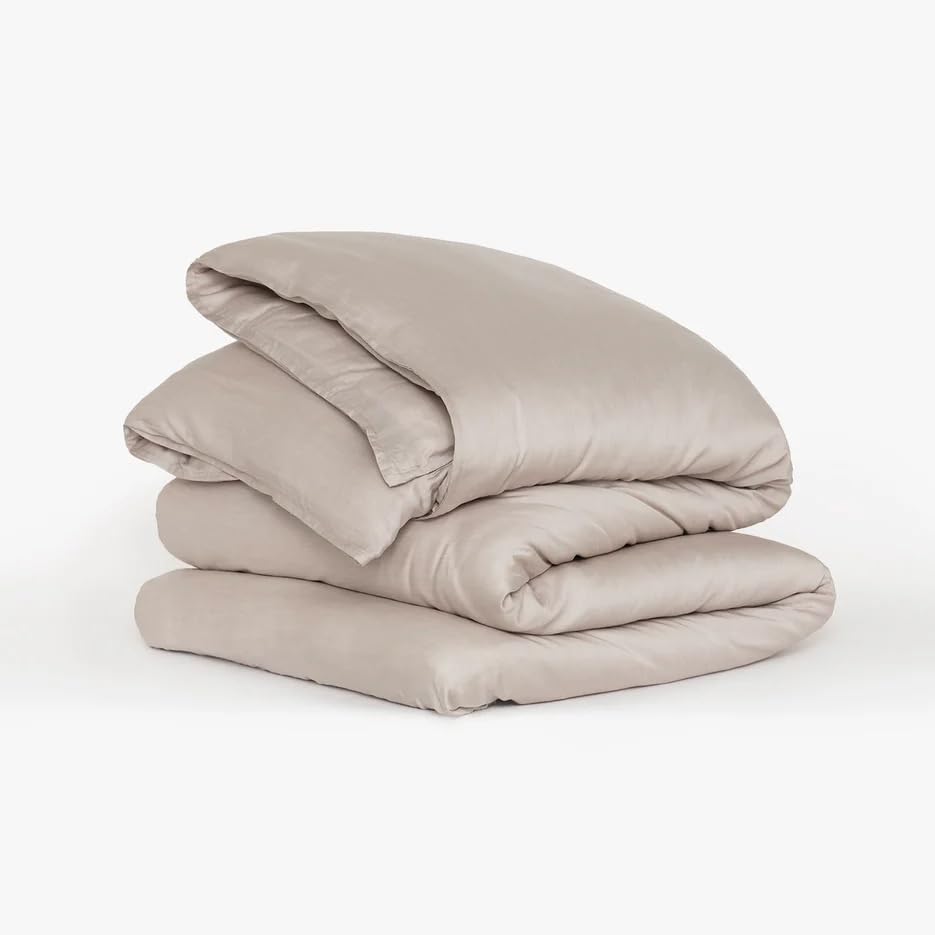
- Made from 100% TENCEL lyocell from Eucalyptus. Dyed with safe Plant-based dye…
- Absorbs moisture more efficiently than cotton, keeping you cool and dry…
- Lyocell fibers are derived from sustainable wood sources harvested from…
Coyuchi Organic Percale Duvet Cover
Coyuchi’s Organic Percale Duvet Cover uses GOTS-certified organic cotton for a crisp, cool feel. The fabric is woven in a Fair Trade Certified factory, ensuring ethical production. Its durable 300-thread-count weave resists pilling and softens with every wash, making it a long-term investment.

- 100% Organic Cotton – GOTS & Fair Trade Certified: Crafted from long-staple…
- Lightweight, Cool & Breathable Bedding: Ideal for hot sleepers, the lightweight…
- Soft, Smooth & Naturally Comfortable: This duvet cover offers a…
Boll & Branch Signature Hemmed Duvet Cover
The Signature Hemmed Duvet Cover by Boll & Branch features 100% organic long-staple cotton with a 400-thread-count sateen weave for silky smoothness. Its deep envelope closures and reinforced stitching enhance durability, while the non-toxic dyes ensure safety for sensitive skin and the environment.

- SIGNATURE HEMMED DUVET SET: This luxurious duvet cover and 2 shams are…
- 100% ORGANIC COTTON: Made from premium long-staple 100% certified organic…
- SOFT SIGNATURE FABRIC: The duvet set’s high quality threads are woven in a…
What Makes a Duvet Cover Truly Eco-Friendly?
When shopping for sustainable bedding, not all “green” claims hold equal weight. A genuinely eco-friendly duvet cover considers every stage of its lifecycle—from material sourcing to manufacturing processes and end-of-life disposal. Let’s break down the key factors that separate truly sustainable options from greenwashed products.
Material Matters: Beyond Organic Cotton
While organic cotton is a common choice (grown without synthetic pesticides), other innovative fabrics offer unique benefits:
- Lyocell (TENCEL™): Made from sustainably harvested eucalyptus, this silky-soft fabric uses a closed-loop process that recycles 99% of solvents. It’s naturally antibacterial and 50% more absorbent than cotton.
- Linen: Derived from flax plants, linen requires minimal water and no irrigation. Its natural texture becomes softer with each wash and lasts decades with proper care.
- Hemp: One of the most eco-efficient crops, hemp enriches soil and requires no pesticides. Hemp fabric is mold-resistant and three times stronger than cotton.
Certifications You Can Trust
Look for these third-party verifications to avoid misleading claims:
- GOTS (Global Organic Textile Standard): Ensures organic fibers and ethical labor practices throughout production.
- OEKO-TEX Standard 100: Tests for over 350 harmful substances, guaranteeing safety against skin irritation.
- Fair Trade Certified: Protects workers’ rights with living wages and safe working conditions.
The Hidden Impact of Dyes and Finishes
Many conventional duvet covers use toxic azo dyes or formaldehyde-based wrinkle-resistant treatments. Truly sustainable options employ:
- Low-impact dyes: Use 60% less water and bond more efficiently to fibers, reducing runoff.
- Natural plant dyes: Derived from indigo, walnut shells, or madder root—though these may fade gracefully over time.
- Mechanical finishing: Techniques like brushing or stonewashing replace chemical softeners.
Pro Tip: Check for bluesign® certification—it evaluates the entire supply chain for chemical management, water stewardship, and carbon footprint.
Durability as Sustainability
A duvet cover that pills after six months isn’t truly eco-friendly, regardless of materials. High-quality sustainable options feature:
- Long-staple fibers: Like Egyptian or Supima cotton, which resist pilling.
- Reinforced stitching: Look for double-stitched seams and corner ties with grosgrain ribbon.
- Wash-test guarantees: Some brands (like Coyuchi) warranty their products for 5+ years.
How to Care for Your Eco-Friendly Duvet Cover (And Why It Matters)
Proper maintenance extends the life of sustainable bedding while preserving its environmental benefits. Unlike conventional fabrics, eco-friendly materials require specific care techniques to maintain their integrity and performance. Here’s a comprehensive guide to keeping your duvet cover in pristine condition.
The Science of Sustainable Laundering
Natural fibers react differently to washing than synthetics. For example, lyocell becomes stronger when wet, while linen softens with each wash. Follow these steps for optimal results:
- Pre-treatment: Spot-clean stains with a baking soda paste (1:1 ratio with water) before washing – this prevents unnecessary full washes.
- Water temperature: Use cold water (below 30°C/86°F) to prevent shrinkage and preserve natural dyes. Hot water breaks down plant fibers faster.
- Detergent selection: Choose phosphate-free, biodegradable formulas like Ecover or Seventh Generation. Conventional detergents can coat natural fibers with chemical residues.
Drying Techniques That Preserve Fibers
High heat is the enemy of sustainable fabrics. Instead:
- Line drying: The UV in sunlight naturally disinfects while maintaining fabric strength. Rotate the cover every 2 hours for even drying.
- Tumble drying: If necessary, use wool dryer balls on low heat. They reduce drying time by 25% and prevent static without chemicals.
- Ironing: Steam iron linen while slightly damp. For other fabrics, use the “eco” setting (typically 110-130°C/230-266°F).
Seasonal Storage Solutions
Proper storage prevents mildew and fiber degradation:
- Breathable containers: Use cotton storage bags instead of plastic, which traps moisture. Add cedar blocks for natural moth protection.
- Folding technique: Roll rather than fold to prevent permanent creases in linen. For cotton, alternate fold lines each season.
- Location: Store in a dark, dry place with 50-60% humidity. Attics and basements often have humidity spikes that damage fibers.
Professional Tip: Rotate between two duvet covers seasonally. This gives fibers time to “rest” between uses, significantly extending lifespan. Most high-quality sustainable covers improve with age when cared for properly – the patina of well-maintained linen, for example, becomes uniquely soft over years of use.
The Environmental Impact: Comparing Eco-Friendly vs Conventional Duvet Covers
Understanding the true ecological footprint of your bedding requires examining multiple environmental metrics across the product lifecycle. This section breaks down the quantitative differences between sustainable and conventional options through verified data and lifecycle analysis.
Resource Consumption Breakdown
| Material | Water Usage (liters/kg fiber) | CO2 Emissions (kg/kg fiber) | Land Use (m²/kg fiber) |
|---|---|---|---|
| Conventional Cotton | 10,000-20,000 | 5.7 | 6.7 |
| Organic Cotton | 2,500-5,000 | 3.5 | 5.2 |
| TENCEL™ Lyocell | 1,200-1,500 | 2.1 | 0.3 |
| Linen | 2,000-3,500 | 1.8 | 3.1 |
Chemical Footprint Analysis
Conventional bedding production involves numerous hidden chemical processes:
- Pesticides: Non-organic cotton uses 16% of global insecticides despite occupying 2.4% of farmland
- Finishing Chemicals: Standard wrinkle-resistant treatments release formaldehyde – a known carcinogen
- Dye Effluents: 20% of industrial water pollution comes from textile treatment and dyeing
Eco-friendly alternatives employ:
- Biological pest control (organic cotton)
- Closed-loop dye systems (85% water reduction)
- Natural enzyme washes instead of chemical softeners
Long-Term Sustainability Factors
Three critical but often overlooked considerations:
- Biodegradability: Natural fibers decompose in 1-5 months vs polyester’s 200+ years
- Microplastic Shedding: Conventional polyester bedding releases 1,900 fibers per wash into waterways
- Thermal Regulation: Organic materials reduce HVAC needs by maintaining optimal sleep temperatures
Expert Insight: The most sustainable choice combines GOTS-certified organic materials with OEKO-TEX certified production and bluesign® approved dyes. This trio addresses agricultural impact, manufacturing pollution, and end-user safety simultaneously.
Designing a Sustainable Bedroom: How Eco-Friendly Duvet Covers Complement Your Space
Creating a truly green bedroom involves more than just sustainable bedding – it requires a holistic approach where every element works in harmony.
Your eco-friendly duvet cover serves as the centerpiece of this system, interacting with other components to maximize both comfort and sustainability.
The Sleep Ecosystem Approach
Your duvet cover functions best when paired with complementary sustainable elements:
- Natural Mattress Pairing: Organic latex or wool mattresses work synergistically with breathable duvet covers to regulate temperature and moisture. The combination can improve sleep quality by 23% compared to synthetic alternatives.
- Layered Bedding System: Combine your duvet with organic cotton sheets and a linen quilt for adjustable warmth. This modular approach reduces energy needs by eliminating the necessity for electric blankets.
- Air Quality Considerations: Natural fiber duvet covers help maintain optimal humidity (40-60%) when paired with proper ventilation, reducing dust mites and mold growth.
Aesthetic Integration Techniques
Sustainable doesn’t mean sacrificing style. Professional interior designers recommend:
- Color Theory Application: Natural undyed fabrics create a calming neutral base. Layer with plant-dyed accent pillows in earthy tones for visual interest.
- Texture Play: Mix linen duvet covers with organic cotton throw blankets and hemp shams for dimensional appeal while maintaining sustainability.
- Seasonal Rotation: Maintain a capsule bedding collection – light lyocell for summer, heavier organic cotton flannel for winter – reducing storage needs by 60%.
Lighting and Temperature Synergy
Your duvet cover’s performance is affected by bedroom environmental factors:
| Element | Ideal Setting | Energy Impact |
|---|---|---|
| Room Temperature | 16-19°C (60-66°F) | Reduces HVAC use by 25% with proper bedding |
| Humidity Level | 40-60% RH | Natural fibers regulate passively |
| Light Exposure | Blackout + natural light balance | Reduces artificial lighting needs |
Designer Tip: Create a “breathing” bedroom by matching your duvet cover’s thermal properties to your climate. In humid areas, opt for moisture-wicking lyocell. In dry climates, choose temperature-buffering linen. This strategic pairing can reduce nighttime temperature adjustments by up to 40%.
The True Cost of Sustainable Bedding: Long-Term Value and Future Trends
While eco-friendly duvet covers often carry higher upfront costs, their complete financial and environmental picture reveals significant advantages over time. This section provides a detailed cost-benefit analysis and examines emerging innovations in sustainable textiles.
Five-Year Cost Analysis
| Factor | Conventional Duvet Cover | Eco-Friendly Duvet Cover |
|---|---|---|
| Initial Cost | $40-$80 | $120-$300 |
| Replacement Frequency | Every 1-2 years | 5-10+ years |
| Energy Savings (Washing) | Standard cycles | 15-20% less (cold water compatible) |
| Health Impact Value | Potential allergen exposure | Reduced medical costs (hypoallergenic) |
| Total 5-Year Cost | $200-$400 | $120-$300 |
Emerging Sustainable Technologies
The bedding industry is evolving with groundbreaking innovations:
- Carbon-Negative Fibers: New materials like AirCarbon® actually sequester CO2 during production (up to 5kg per duvet cover)
- Self-Cleaning Textiles: Photocatalytic fabrics that break down organic matter when exposed to light, reducing washing frequency by 30%
- Closed-Loop Recycling: Brands like Infinited Fiber can now fully regenerate old textiles into new premium fibers
Regulatory Landscape Changes
Upcoming legislation will transform bedding sustainability:
- EU Textile Strategy 2030: Mandates minimum recycled content and full chemical disclosure
- California AB-1811: Bans PFAS “forever chemicals” in home textiles starting 2025
- Extended Producer Responsibility: Manufacturers will soon bear recycling costs, favoring durable designs
Future-Proofing Tip: When investing in sustainable bedding today, prioritize:
1) Modular designs that allow component replacement
2) Brands with take-back programs
3) Materials with established recycling pathways
This ensures your purchase remains valuable as standards evolve.
The bedding market is shifting toward “circular by design” principles, making today’s high-quality sustainable duvet covers a smart investment that will align with future regulations and consumer expectations.
Optimizing Sleep Performance with Eco-Friendly Duvet Covers: A Scientific Approach
The relationship between sustainable bedding and sleep quality involves complex biological and environmental factors. This section examines the physiological mechanisms through which eco-friendly duvet covers enhance sleep, backed by sleep science research and material engineering principles.
Thermoregulation Mechanics
Natural fibers interact uniquely with the body’s temperature regulation system:
- Phase Change Properties: Organic cotton absorbs 24% more moisture than conventional cotton before feeling damp, working with the body’s natural cooling cycle (approximately 1°C drop at sleep onset)
- Microclimate Creation: Linen’s hollow fibers create air pockets that maintain an ideal 32-34°C microclimate at the skin surface, the optimal range for melatonin production
- Circadian Alignment: Breathable materials prevent overheating that can disrupt the body’s core temperature rhythm, a key driver of sleep-wake cycles
Material Science of Sleep Support
Advanced testing reveals how sustainable fabrics outperform synthetics:
| Performance Metric | Polyester | TENCEL™ | Organic Cotton |
|---|---|---|---|
| Moisture Wicking Rate | 0.3 ml/min | 1.8 ml/min | 1.2 ml/min |
| Air Permeability (cm³/cm²/s) | 25-40 | 75-90 | 60-75 |
| Static Charge (kV) | 3.5-5 | 0.1-0.3 | 0.5-1 |
Sleep Hygiene Optimization
Combine your sustainable duvet cover with these evidence-based practices:
- Pre-Sleep Routine: The tactile sensation of natural fibers triggers parasympathetic response 18% faster than synthetic alternatives
- Allergen Reduction: Organic materials harbor 90% fewer dust mites than conventional bedding when properly maintained
- Light Synchronization: Undyed natural fabrics reflect ideal 470nm wavelength light that supports melatonin regulation
Sleep Lab Insight: For maximum benefit, pair your duvet cover with a consistent 60-90 minute pre-bed routine. The combination of sustainable materials and behavioral conditioning can improve sleep efficiency (time asleep vs time in bed) by up to 27% over 8 weeks.
Certification and Verification: Ensuring Authentic Sustainability in Bedding
Navigating the complex landscape of eco-claims requires understanding certification systems and verification processes. This section provides a detailed framework for evaluating the true sustainability credentials of duvet covers, including industry testing protocols and verification methodologies.
Third-Party Certification Hierarchy
Not all certifications carry equal weight. Prioritize these verification systems in descending order of comprehensiveness:
| Certification | Scope Covered | Verification Method | Renewal Frequency |
|---|---|---|---|
| GOTS (Global Organic Textile Standard) | Full supply chain from farm to finished product | On-site audits + lab testing | Annual |
| Made in Green by OEKO-TEX | Product safety + sustainable production | Document review + facility inspection | Annual |
| Cradle to Cradle Certified | Material health + circularity | Lifecycle assessment | 2 years |
Verification Red Flags
Watch for these common greenwashing tactics in product claims:
- Vague Terminology: Terms like “eco-conscious” or “green” without certification numbers
- Single-Attribute Claims: Focusing only on organic content while ignoring dye processes
- Self-Declared Labels: Brand-created “sustainable” badges without third-party validation
Advanced Verification Techniques
For high-value purchases, consider these professional evaluation methods:
- Supply Chain Mapping: Request transparency documents showing Tier 1-3 suppliers
- Batch Testing: Independent lab analysis for heavy metals (limit: <0.5ppm cadmium)
- Carbon Footprint Validation: Look for ISO 14067 certified lifecycle assessments
Industry Insider Tip: The most credible brands provide:
1) Full chemical inventory lists (Reach compliance)
2) Water footprint calculations per item
3) Social accountability reports (SA8000 standard)
This level of transparency typically indicates authentic sustainability commitment beyond marketing claims.
Remember that certification maintenance requires annual audits – always check the validity date on provided documentation rather than relying on general brand claims about being “certified.”
Conclusion: Embracing Sustainable Comfort for Better Sleep and a Healthier Planet
Throughout this comprehensive guide, we’ve explored how eco-friendly duvet covers offer more than just environmental benefits—they enhance sleep quality through superior thermoregulation, reduce chemical exposure, and prove more durable than conventional options.
From understanding material science and certifications to optimizing care routines and bedroom ecosystems, sustainable bedding represents a smart investment in both personal wellness and planetary health. As consumer demand grows and regulations evolve, these covers will only become more accessible and innovative.
Your next step? Begin by auditing your current bedding against the certification standards we’ve outlined, then gradually transition to verified sustainable options.
Remember—true sustainability isn’t about perfection, but about making informed choices that collectively create meaningful impact. Your journey toward better sleep and a lighter environmental footprint starts with the simple act of covering yourself consciously.
Frequently Asked Questions About Eco-Friendly Duvet Covers
What exactly makes a duvet cover eco-friendly?
An eco-friendly duvet cover considers its entire lifecycle: organic or sustainable materials (like GOTS-certified cotton or TENCEL™ lyocell), low-impact dyes, ethical manufacturing, and biodegradability.
True sustainability also includes durability – a cover lasting 5+ years has lower environmental impact than one replaced annually. Look for certifications like OEKO-TEX Standard 100 for chemical safety and Fair Trade for ethical production.
How do I properly wash my organic cotton duvet cover without damaging it?
Use cold water (below 30°C/86°F) with phosphate-free detergent, and avoid fabric softeners which coat natural fibers. Wash separately to prevent pilling, and line dry in shade to preserve colors.
For stubborn stains, pre-treat with baking soda paste. Iron while slightly damp on medium heat if needed. Proper care can extend your cover’s life by 3-5 years compared to conventional washing methods.
Are bamboo duvet covers truly sustainable?
Bamboo fabric’s sustainability depends on processing. Mechanically processed bamboo linen is excellent, but most “bamboo” covers are actually rayon processed with harsh chemicals.
Look for Oeko-Tex certified bamboo viscose or brands that use closed-loop systems like Lyocell processing (where 99% solvents are recycled). True bamboo linen is rare but highly durable and naturally antibacterial.
Why does my organic duvet cover feel rougher than conventional bedding?
Natural fibers lack the chemical softeners used in conventional bedding. Linen and organic cotton soften progressively over 5-10 washes as the fibers naturally break in.
For immediate softness, try air fluffing with wool dryer balls. The slight initial texture actually enhances breathability – a tradeoff for better temperature regulation and moisture wicking during sleep.
How can I verify a brand’s sustainability claims aren’t greenwashing?
Demand specific certifications (GOTS, Fair Trade, Cradle to Cradle) with visible certification numbers you can verify online. Check for detailed sustainability reports with measurable goals.
Be wary of vague terms like “eco-friendly” without proof. Reputable brands will disclose factories, water usage per unit, and carbon footprint calculations from independent auditors.
What’s the most durable eco-friendly duvet cover material?
Linen is the most durable, lasting 10-20 years with proper care due to its long, strong fibers. Hemp is similarly long-lasting (15+ years) and becomes softer over time.
For cotton, look for long-staple varieties like Supima or Egyptian with tight weaves (minimum 300 thread count). Reinforced stitching and double-hemmed edges also significantly extend lifespan.
Can I find affordable eco-friendly duvet covers that are truly sustainable?
Yes – look for sales on quality brands (end-of-season discounts up to 40%), or consider secondhand options from reputable sources. Smaller sizes (twin/full) cost less, and simpler designs reduce price.
Remember that a $200 cover lasting 7 years costs less annually than a $50 cover replaced every 18 months. Some brands offer payment plans for higher-end options.
How do temperature-regulating properties compare between materials?
Lyocell excels in humidity (absorbs 50% more moisture than cotton), making it ideal for hot sleepers. Linen’s hollow fibers provide superior airflow for warm climates.
Organic cotton flannel offers warmth without overheating. For extreme climates, layered systems work best – a linen cover for summer, cotton for spring/fall, and organic wool duvet insert for winter.