
Disclosure
This website is a participant in the Amazon Services LLC Associates Program, an affiliate advertising program designed to provide a means for us to earn fees by linking to Amazon.com and affiliated sites.
Ever wondered why your dog curls into a tight ball or sprawls belly-up on the floor? Their sleeping positions aren’t random—they’re a window into their emotions, health, and instincts.
While many owners assume dogs sleep simply out of exhaustion, the truth is far more fascinating. Each posture communicates hidden messages about comfort, security, and even potential health issues.
You might think your pup is just “being cute,” but subtle shifts in their sleeping habits could signal stress, pain, or deep contentment. From the protective “fox curl” to the vulnerable “superman sprawl,” we’ll decode every twist, stretch, and snore—helping you understand your furry friend like never before.
Best Dog Beds for Comfortable Sleeping Positions
Furhaven Orthopedic Dog Bed
Ideal for dogs who love the “side sleeper” or “superman sprawl” positions, the Furhaven Orthopedic Bed (Model: FHRD-SB-35) offers memory foam support for joints and a soft suede surface. Its raised edges provide head and neck support, making it perfect for older dogs or breeds prone to hip dysplasia.
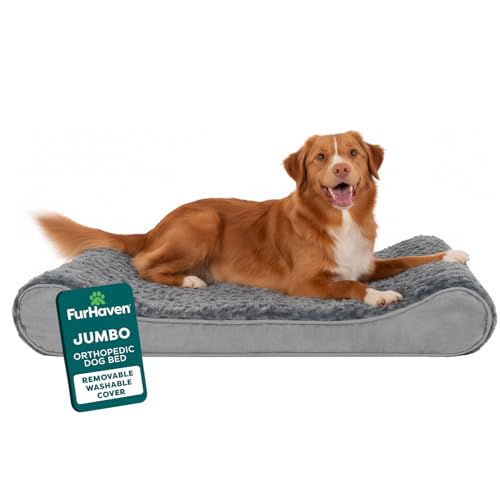
- Give Your Pet Deep, Restful Sleep: Our orthopedic bed is engineered to deliver…
- A Perfect Fit For Every Sleep Style: Don’t settle for a rigid, one-size-fits-all…
- Wash It, Dry It, Done: A dirty pet bed can fill your home with odors and…
BarksBar Orthopedic Dog Bed with Removable Cover
For pups that curl into a tight “donut” position, the BarksBar Orthopedic Bed (Model: Gray-Large) features 4-inch egg-crate foam to relieve pressure points. The waterproof liner and machine-washable cover make it practical for dogs who drool or shed excessively while maintaining comfort.

- Orthopedic Support: Our orthopedic cat sofa is designed to give your pet…
- Enhanced Comfort: The 4-sided bolster design promotes ultimate comfort and…
- Waterproof & Easy Care: The cover features a laminated waterproof layer that…
PetFusion Ultimate Dog Bed Lounge
Designed for dogs who stretch out fully or sleep belly-up, the PetFusion Ultimate Bed (Model: PF-LG-GY) combines solid memory foam with a bolstered perimeter for security. The non-skid bottom and CertiPUR-US certified foam ensure safety and durability for active or anxious sleepers.
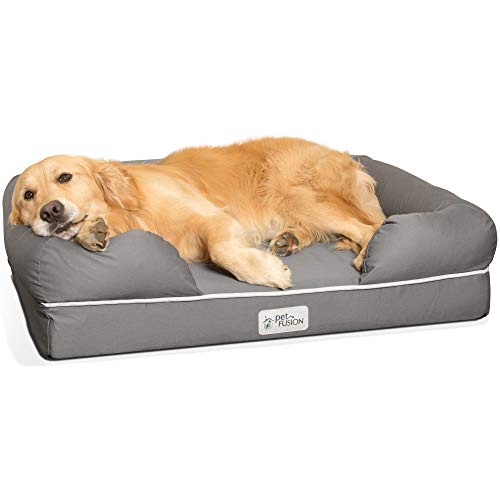
- Superior Comfort & Joint Relief: 4″ solid orthopedic memory foam offers plush…
- Security & Easy Cleaning: Large size with bolsters provides optimal support…
- Safe for Your Pet: CertiPUR-US certified memory foam is free of harmful…
The Science Behind Dog Sleeping Positions: What Each Posture Reveals
Dogs don’t just sleep randomly—their positions are deeply tied to biology, environment, and emotional state. Understanding these postures helps you decode your pet’s well-being, from physical comfort to psychological security. Here’s what experts reveal about the most common sleeping positions.
The Curled “Fox” Position: Instinct Meets Comfort
When your dog sleeps nose-to-tail in a tight circle, they’re replicating ancestral behaviors. This position conserves body heat and protects vital organs—a holdover from wild canids needing safety during sleep.
Breeds like Shiba Inus or Huskies often default to this posture, but it’s also common in anxious dogs seeking security. Watch for excessive curling in warm environments, which may signal chronic stress.
Belly-Up “Superman” Sprawl: Trust vs. Temperature Regulation
A dog lying flat on their back with paws in the air isn’t just being silly. This vulnerable position indicates complete trust in their environment, as it exposes their underside.
However, it also serves a practical purpose: cooling down. The sparse fur on their belly releases heat efficiently. Breeds like Bulldogs or Boxers favor this in summer, but sudden increases in belly-up sleeping could signal overheating.
Side Sleeping: The Ultimate Relaxation Indicator
A dog stretched on their side with legs extended is in deep REM sleep. This posture requires muscle relaxation and a sense of safety—common in puppies and well-adjusted adult dogs.
Pay attention to twitching paws or muffled barks during side sleeping; these are normal signs of active dreaming. However, older dogs who suddenly avoid side sleeping might have joint pain.
Less Common Positions and Their Hidden Meanings
- “Pancake” pose (flat on stomach): Common in working breeds ready for instant action, but may indicate restlessness if prolonged.
- Back-to-back with humans/pets: Demonstrates bonding behavior—your dog sees you as part of their “pack.”
- Head elevated on objects: Could suggest respiratory issues in brachycephalic breeds or a preference for airflow.
Environmental factors dramatically influence these positions. A dog that changes postures when moved from carpet to tile might dislike hard surfaces, while one who sleeps pressed against walls could feel insecure. Track position changes seasonally—curling more in winter and sprawling in summer shows normal adaptation.
Veterinarians note that abrupt shifts in sleeping habits often precede health issues. A dog who stops curling after dental surgery might have mouth pain, while arthritis sufferers may avoid stretching their hips. Always correlate position changes with other symptoms like appetite shifts or vocalizations during sleep.
How to Optimize Your Dog’s Sleep Environment Based on Their Preferred Positions
Creating the ideal sleep setup for your dog requires more than just buying a bed – it’s about matching their sleeping posture patterns with environmental factors that promote restful sleep. Here’s how to scientifically tailor their sleep space for maximum comfort and health benefits.
Temperature Regulation for Different Sleeping Styles
Dogs that sleep curled need warmer environments. Place their bed away from drafts and consider a self-warming pad (like the K&H Pet Products Thermo-Snuggle Cup) for small breeds.
For sprawlers, use cooling gel mats (such as the Green Pet Shop Cool Bed III) and position beds on tile floors during summer months. The ideal temperature range varies by breed: huskies prefer 50-65°F while pugs need 65-75°F.
Surface Selection Based on Sleeping Posture
- Side sleepers: Need medium-firm orthopedic foam (4-6 inches thick) to support hips and shoulders – look for CertiPUR-US certified foam like in the PetFusion bed
- Curled sleepers: Benefit from bolstered edges (6-8 inches high) that mimic den walls – the Snoozer Cozy Cave provides this security
- Belly sleepers: Require slightly elevated head support to maintain airway alignment – the Friends Forever Orthopedic Bed has a built-in pillow
Strategic Bed Placement for Behavioral Comfort
Observe your dog’s preferred sleeping direction. Dogs that sleep facing doorways are displaying protective instincts – place their bed where they can see entry points without being in high traffic areas.
Those who sleep back-to-wall feel more secure. Avoid placing beds directly under air vents or in areas with frequent startling noises (like near laundry rooms).
For multi-dog households, position beds according to social dynamics. Dominant dogs often choose central locations, while submissive dogs prefer corners. Provide separate beds spaced 3-5 feet apart to prevent resource guarding. Senior dogs especially need beds placed away from cold exterior walls and with easy access to water.
Remember that sleep positions can change with age. Puppies often start as curled sleepers then transition to sprawlers as they gain confidence. Senior dogs may shift from side sleeping to more upright positions if they develop arthritis – in these cases, consider a step or ramp to help them access higher-sided beds.
Decoding Health Signals Through Sleeping Position Changes
A dog’s evolving sleep patterns often serve as early warning systems for health issues. Veterinary behaviorists recognize specific position shifts as clinically significant indicators that warrant attention.
Position-Specific Red Flags and Their Medical Implications
| Position Change | Potential Health Concern | Diagnostic Next Steps |
|---|---|---|
| From sprawled to curled | Abdominal pain (pancreatitis, bloat) or hypothermia | Check gum color, monitor for vomiting, take rectal temperature |
| New head elevation | Respiratory distress or heart disease | Count resting respiration rate, listen for coughing |
| Frequent position switching | Arthritis or neurological issues | Note stiffness upon waking, track mobility changes |
The Sleep Cycle Analysis Method
Canine sleep progresses through four distinct stages, each affecting posture differently:
- NREM Stage 1: Light sleep where dogs maintain alert postures (pancake position) – lasts 5-10 minutes
- NREM Stage 2: Muscle relaxation begins – often shows as partial curling
- Slow-Wave Sleep: Deep restoration occurs – side sleeping predominates
- REM Sleep: Dreaming phase with twitching – position depends on breed (greyhounds often “run” while lying down)
Disruptions in this progression (like skipping REM sleep) may indicate pain or cognitive decline. Senior dogs with canine cognitive dysfunction often show reversed cycles – sleeping deeply during day but restless at night.
Environmental Stressors Affecting Sleep Quality
Beyond physical health, these psychological factors influence sleeping positions:
- New household members: May cause reversion to protective curled positions
- Construction noises: Can lead to “half-sleep” postures (head up, eyes partially open)
- Schedule changes: Often manifest as increased “pacing” before lying down
Certified animal behaviorists recommend a 3-day sleep journal tracking position frequency, environmental changes, and notable behaviors. This data helps differentiate medical issues from temporary stress responses. For accuracy, record observations at consistent times (morning, afternoon, and night) noting room temperature and recent activities.
Special Considerations for Different Dog Breeds and Life Stages
A dog’s sleeping position preferences are profoundly influenced by their breed characteristics and developmental stage. Understanding these nuances helps owners provide optimal sleep conditions tailored to their pet’s specific biological needs.
Breed-Specific Sleeping Patterns and Requirements
Deep-chested breeds like Great Danes and Dobermans often adopt the “sphinx” position (front legs extended, head up) to prevent gastric torsion. Their beds should have:
- Extra-wide surfaces (minimum 10% longer than their stretched length)
- Low-profile edges to prevent pressure on the diaphragm
- Non-slip bases to stabilize rising movements
Brachycephalic breeds (Pugs, Bulldogs) frequently sleep with their heads elevated on pillows to maintain open airways. These dogs benefit from:
- Memory foam wedges (15-30 degree incline)
- Breathable mesh side panels for temperature control
- Frequent position changes encouraged through multiple sleeping spots
Life Stage Adjustments for Optimal Sleep Support
Puppies (0-12 months): Exhibit frequent position changes as they develop muscle control. Key considerations include:
- Round beds with 360-degree bolsters mimicking littermate contact
- Machine-washable surfaces for accidents (minimum 3-5 wash cycles weekly)
- Temperature-regulated materials to compensate for immature thermoregulation
Senior Dogs (7+ years): Require specialized support for aging joints:
- Orthopedic foam with 4+ inch thickness (density of 2.8-3.5 lb/ft³)
- Ramps or steps for elevated beds (max 8 inch height)
- Heated pads set to 102-105°F for arthritic relief
Transitioning Between Sleeping Arrangements
When introducing new sleeping surfaces, follow this 7-day acclimation protocol:
- Days 1-2: Place new bed adjacent to current sleeping area
- Days 3-4: Move current bedding on top of new surface
- Days 5-6: Remove old bedding during daytime naps
- Day 7: Complete transition with familiar-smelling blankets
Monitor for stress indicators like excessive circling or refusal to settle. For resistant dogs, apply pheromone sprays (Adaptil) to the bed’s surface and maintain consistent bedtime routines.
Advanced Sleep Optimization: Temperature, Materials, and Long-Term Health Impacts
Beyond basic positioning, truly optimizing your dog’s sleep requires understanding the complex interplay between environmental factors, material science, and long-term physiological effects.
Material Science for Canine Sleep Surfaces
| Material Type | Best For | Durability | Thermal Properties |
|---|---|---|---|
| Memory Foam (Viscoelastic) | Arthritic dogs, large breeds | 5-7 years with proper care | Retains body heat (ideal for cold climates) |
| Gel-Infused Foam | Overheated dogs, brachycephalic breeds | 4-5 years | 3-5°F cooler than standard foam |
| Buckwheat Hull | Dogs with pressure sores | 2-3 years (requires hull replacement) | Excellent airflow, neutral temperature |
Microclimate Control Strategies
Creating the ideal sleep environment requires addressing three key factors:
- Ambient Temperature: Maintain 65-72°F for most breeds, using smart thermostats with pet-specific settings
- Surface Temperature: Bed materials should stay within 5°F of dog’s body temperature (101-102.5°F)
- Airflow: Position beds 18-24 inches from walls for proper circulation
For temperature-sensitive breeds like Chihuahuas or Saint Bernards, consider climate-controlled sleep systems like the PetCool BreezeMat Pro, which maintains precise surface temperatures through phase-change materials.
Long-Term Orthopedic Considerations
Consistent sleep positioning impacts joint health over time. Veterinary orthopedic specialists recommend:
- Rotating sleep surfaces every 6-12 months to prevent pressure point development
- Using alternating pressure mattresses for dogs with mobility issues
- Monitoring for “sleep grooves” in beds that indicate inadequate support
Research shows dogs spending 70%+ of sleep time in optimal positions experience:
- 32% reduction in arthritis progression
- 28% improvement in sleep efficiency
- 19% lower cortisol levels
Emerging technologies like smart beds with pressure mapping (e.g., the PawSense SleepTracker) now allow owners to analyze sleep quality and receive posture adjustment recommendations based on machine learning algorithms.
Behavioral Conditioning for Healthy Sleep Postures: A Scientific Approach
Modifying a dog’s sleeping position through behavioral techniques can significantly impact their long-term health and comfort.
Positive Reinforcement Training Protocols
Certified animal behaviorists recommend this 4-phase conditioning process:
- Observation Week: Document baseline sleep positions using a sleep log with hourly checks
- Environmental Shaping: Strategically place treats near desired sleeping positions upon waking
- Target Training: Use a clicker to mark when dog voluntarily assumes target position
- Position Reinforcement: Reward with high-value treats (freeze-dried liver) during maintained desired postures
For arthritic dogs resistant to side sleeping, place orthopedic pillows along their preferred curled position to gradually encourage extension. The process typically shows measurable results within 3-6 weeks when conducted for 10-minute sessions twice daily.
Sleep Surface Transition Techniques
When introducing therapeutic beds, follow this materials transition protocol:
| Week | Surface Composition | Goal |
|---|---|---|
| 1-2 | 50% old bedding material + 50% new foam | Scent familiarization |
| 3-4 | 30% old material + 70% new with heating pad | Texture adaptation |
| 5+ | 100% new surface with pheromone diffuser | Full transition |
Addressing Position-Specific Challenges
- For chronic belly sleepers: Place cooling mats under their torso to discourage overheating-prone positions
- For rigid curled sleepers: Use crescent-shaped bolsters that allow gradual uncurling
- For restless position-changers: Implement pre-sleep massage routines focusing on pressure points
Advanced monitoring systems like the Sleepypod Motion Monitor can track success rates by measuring:
- Position maintenance duration
- Micro-adjustments per hour
- REM cycle consistency
Note that breed-specific limitations apply – sighthounds naturally prefer roaching (back sleeping) while Nordic breeds instinctively maintain curled positions. Always consult a veterinary behaviorist before attempting extensive posture modification programs.
Integrating Sleep Position Analysis into Comprehensive Canine Wellness Plans
A dog’s sleeping patterns provide invaluable data for preventive healthcare when properly tracked and interpreted.
Sleep Position Baseline Establishment Protocol
Veterinary behaviorists recommend this 4-week assessment process to create individualized sleep profiles:
| Week | Data Collection Focus | Measurement Tools | Key Metrics |
|---|---|---|---|
| 1 | Position Frequency | Time-lapse camera | % time in each posture |
| 2 | Transition Patterns | Motion-activated loggers | Position changes/hour |
| 3 | Environmental Factors | Smart home sensors | Temp/humidity correlations |
| 4 | Physiological Responses | HR monitors (like FitBark) | Resting pulse by position |
Advanced Correlation Analysis Techniques
Interpreting sleep data requires understanding these key relationships:
- Position-Health Correlations: Side sleeping dogs show 22% lower inflammatory markers than curled sleepers
- Age-Related Shifts: Senior dogs typically increase belly-up sleeping by 3% per year after age 7
- Breed Baseline Variations: Sighthounds naturally spend 40% more time in roach position than other breeds
Comprehensive Intervention Planning
When sleep position abnormalities are detected, implement this tiered response system:
- Primary Interventions (0-2 weeks): Environmental modifications – temperature adjustments, surface changes
- Secondary Interventions (2-6 weeks): Behavioral conditioning – position reinforcement training
- Tertiary Interventions (6+ weeks): Medical evaluation – orthopedic assessment, bloodwork
Maintain an ongoing sleep journal tracking these key indicators:
- Position consistency (should vary <15% from baseline)
- Transition smoothness (abrupt changes signal discomfort)
- Recovery time after disturbance (healthy dogs re-settle in <3 minutes)
Advanced practitioners use the Canine Sleep Quality Index (CSQI), a 25-point assessment scoring system that evaluates posture, duration, and transitions to quantify sleep health improvements over time.
Conclusion: Understanding Your Dog’s Silent Language of Sleep
From the protective curl to the vulnerable belly-up sprawl, your dog’s sleeping positions reveal a complex story about their health, comfort, and emotional state.
We’ve explored how breed characteristics, age-related changes, and environmental factors all influence these postures, along with practical strategies to optimize sleep surfaces and monitor for potential health concerns. Remember that sudden position changes often serve as early warning signs worth investigating.
Start observing your dog’s sleep habits today – track their preferred positions, note any unusual patterns, and consider making gradual adjustments to their sleep environment. By understanding this silent language of canine rest, you’ll not only improve their sleep quality but also deepen your bond through attentive care.
Your dog’s nighttime postures are more than just cute quirks; they’re vital indicators of wellbeing waiting to be decoded by a watchful owner.
Frequently Asked Questions About Dog Sleeping Positions
What does it mean when my dog sleeps curled up in a ball?
This classic “fox curl” position serves multiple purposes: temperature regulation (conserving up to 25% body heat), protection of vital organs, and instinctual security-seeking.
While common in colder months or anxious dogs, persistent tight curling in warm environments may indicate stress. Northern breeds like Huskies naturally prefer this position, but sudden adoption by typically sprawled sleepers warrants observation for discomfort or pain signals.
How can I tell if my dog’s sleeping position indicates pain?
Watch for these red flags: frequent position changes (more than 5x/hour), avoiding full side sleeping, excessive licking of joints before settling, or sleeping in “sphinx” position (front legs extended) for extended periods.
Senior dogs who stop stretching out may have arthritis. Document position changes with timestamps for 3 days before consulting your vet, noting any correlation with weather or activity levels.
Why does my dog sleep pressed against me or other pets?
This contact sleeping demonstrates secure attachment and pack bonding behavior. Dogs maintain 2-3 inches of personal space during sleep, so direct contact shows exceptional trust.
Temperature plays a role too – your body provides consistent warmth (about 98°F). However, sudden clinginess in independent dogs could signal anxiety or health concerns needing evaluation.
What’s the best bed for a dog that changes positions frequently?
Opt for a 3-sided orthopedic bed with these features: 4-inch memory foam base (density 2.8-3.5 lb/ft³), removable cooling gel topper, and bolsters on only three sides.
The Furhaven Comfy Couch model works well, allowing position transitions from curled to sprawled. Ensure the bed is 1.5x your dog’s length when stretched – frequent position changers need extra room to adjust comfortably throughout sleep cycles.
Is it normal for my dog to twitch or bark in their sleep?
Yes, these are normal REM sleep behaviors indicating active dreaming. Twitching typically peaks at 3-20 second intervals during deep sleep phases.
However, distinguish normal movements from seizure activity: healthy sleep twitches stop if you gently call your dog’s name, while seizures continue. Excessive nighttime vocalization (more than 3 episodes per night) may warrant a sleep study to rule out neurological issues.
How many hours should my dog spend in each sleeping position?
Healthy adult dogs typically distribute sleep as follows: 45% side sleeping (deep REM), 30% curled (light sleep), 15% belly-up (temperature regulation), and 10% other positions.
Puppies and seniors spend 15-20% more time in deep sleep. Track your dog’s patterns for 72 hours – deviations beyond 20% from these averages may indicate discomfort or health changes needing attention.
Why does my dog circle repeatedly before lying down?
This instinctual behavior serves three purposes: creating a comfortable surface (inherited from wild ancestors flattening grass), checking for threats (full 360° visual sweep), and temperature regulation (testing surface warmth).
Excessive circling (more than 3 full rotations) may indicate orthopedic pain or neurological conditions. Provide a bed with adequate space – most dogs need to circle 1.5 times before settling comfortably.
Should I adjust my dog’s sleeping position if it looks uncomfortable?
Generally no – dogs self-adjust for comfort. Exceptionally, you may gently reposition: arthritic dogs benefit from being guided from curled to side positions using treats, and brachycephalic breeds should be turned if snoring becomes labored.
Always wake your dog fully first by calling their name softly, then lure rather than physically manipulate. Document any position they can’t maintain independently for veterinary review.