
Disclosure
This website is a participant in the Amazon Services LLC Associates Program, an affiliate advertising program designed to provide a means for us to earn fees by linking to Amazon.com and affiliated sites.
Yes, sleep significantly improves athletic performance by enhancing recovery, reaction time, endurance, and mental focus. For athletes, sleep isn’t just rest—it’s a critical component of training.
During deep sleep, the body repairs muscle tissue, consolidates motor skills, and regulates hormones like cortisol and growth hormone, which directly impact strength and stamina. Studies show that elite athletes who prioritize sleep gain measurable advantages, from faster sprint times to reduced injury risk.
Best Sleep Tracking Devices for Athletic Performance
Whoop Strap 4.0
The Whoop Strap 4.0 is a favorite among elite athletes for its advanced sleep staging accuracy and recovery metrics. It tracks REM, deep, and light sleep while providing personalized recommendations to optimize sleep for training. Its strain coach feature helps athletes balance exertion and recovery based on sleep data.
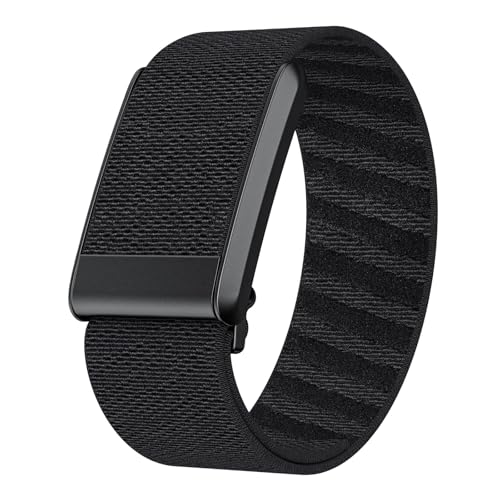
- 【Fit Wrist Size】Surundo Nylon Sport Band for Whoop Band 4.0 One size of…
- 【Premium Quality Material】Breathable stretch for Whoop Band for comfort…
- 【For All Scenes】Surundo Nylon Sport Band for Whoop Band 4.0, Suitable for…
Oura Ring Generation 3
With clinically validated sleep tracking, the Oura Ring Gen 3 offers detailed insights into sleep quality, body temperature trends, and readiness scores. Its unobtrusive design makes it ideal for athletes who dislike wrist wearables. The morning readiness report helps tailor training intensity based on sleep recovery.

- SIZE BEFORE YOU BUY – Size with Gen3 Sizing Kit prior to purchasing Oura Ring…
- THE REVOLUTIONARY SMART RING – Track your sleep, activity, stress, heart rate…
- MORE ACCURATE BY DESIGN – Your finger provides the most accurate pulse reading…
Garmin Forerunner 955 Solar
The Garmin Forerunner 955 Solar combines comprehensive sleep analysis with advanced sports metrics. Its Morning Report feature summarizes sleep quality alongside suggested workout intensity. The built-in Pulse Ox sensor tracks overnight blood oxygen levels – crucial for endurance athletes training at altitude or monitoring recovery.

- Built with an always-on, full-color display that’s light on the wrist and easy…
- Battery life: up to 20 days of battery life in smartwatch mode for a full…
- Click or swipe through maps and stats with traditional button controls or a new…
The Science Behind Sleep and Athletic Recovery
How Sleep Stages Affect Physical Restoration
Sleep consists of distinct physiological stages that each play critical roles in athletic recovery. During deep sleep (N3 stage), the body releases human growth hormone (HGH) at peak levels – up to 75% of daily secretion occurs in this phase.
This hormone stimulates muscle repair, bone building, and fat metabolism. Meanwhile, REM sleep enhances cognitive functions like decision-making and reaction time through neural pathway consolidation.
Athletes experience three key recovery processes during sleep:
- Muscle protein synthesis increases by 30-40% during sleep compared to waking hours
- Glycogen restoration occurs most efficiently during sleep due to insulin sensitivity peaks
- Inflammation reduction happens as cytokines regulate immune response
The Hormonal Impact on Performance
Sleep quality directly influences two critical hormonal balances for athletes. Cortisol (stress hormone) decreases during proper sleep, while testosterone (essential for muscle growth) increases. Research shows that just one night of poor sleep can:
- Reduce testosterone levels by 10-15% in male athletes
- Increase cortisol levels by 30-50%
- Impair glucose metabolism by 30%
This hormonal disruption explains why sleep-deprived athletes often experience decreased power output and endurance. A University of Stanford study found basketball players who extended sleep to 10 hours nightly improved free-throw accuracy by 9% and sprint times by 0.7 seconds.
Common Recovery Misconceptions
Many athletes believe extra training hours outweigh sleep benefits, but science proves otherwise. Muscles don’t grow in the gym – they grow during recovery. Without adequate sleep:
- Strength gains from training may be reduced by up to 60%
- Injury risk increases 1.7 times according to NCAA research
- Lactate clearance becomes 30-40% less efficient
Endurance athletes particularly benefit from sleep’s effects on mitochondrial biogenesis – the process creating energy-producing mitochondria in cells. Proper sleep can increase mitochondrial density by 15-20%, directly enhancing aerobic capacity.
Optimizing Sleep for Peak Athletic Performance
Creating an Athlete-Specific Sleep Schedule
Professional athletes require 7-9 hours of quality sleep, with endurance athletes often needing the higher end of this range. The ideal sleep schedule should align with the body’s natural circadian rhythm and training demands:
- Determine your chronotype – Morning types should schedule training before noon, while evening types perform better with afternoon sessions
- Sync sleep with training cycles – Increase sleep by 30-60 minutes during intense training periods or competition seasons
- Implement a 90-minute pre-bed routine – This allows core body temperature to drop 1°F, signaling sleep readiness
Olympic swimmers who adopted sleep extension protocols showed 15% improvement in turn times and reaction off the blocks. The key is maintaining consistent bedtimes, even on weekends, to stabilize the body’s internal clock.
Nutritional Strategies for Recovery Sleep
What athletes eat significantly impacts sleep quality and recovery efficiency. Three key nutritional considerations:
- Protein timing – 30-40g of casein protein before bed provides sustained amino acid release for overnight muscle repair
- Carbohydrate modulation – Low-glycemic carbs (sweet potatoes, oats) 3 hours before bed enhance tryptophan availability for melatonin production
- Electrolyte balance – Magnesium-rich foods (almonds, spinach) or supplements reduce muscle cramps and improve sleep depth
A study of NBA players found those consuming tart cherry juice (natural melatonin source) gained 34 more minutes of sleep nightly and reported less muscle soreness. Avoid alcohol within 4 hours of bedtime, as it reduces REM sleep by 20-30%.
Environmental Optimization Techniques
The sleep environment should mimic elite athlete training centers:
- Temperature control – Maintain bedroom at 60-67°F (15-19°C) for optimal thermoregulation
- Light management – Use blackout curtains and eliminate blue light exposure 90 minutes pre-sleep
- Sleep surface – Medium-firm mattresses (6-7 on firmness scale) best support athletic bodies and reduce pressure points
Cyclists sleeping in optimized environments showed 8% power output increases during time trials compared to normal home conditions. Consider using weighted blankets (10% body weight) to increase melatonin production by 32% according to recent studies.
Measuring and Analyzing Sleep Performance Metrics
Key Sleep Metrics for Athletic Assessment
Modern sleep tracking technology provides athletes with quantifiable data to optimize recovery. The most critical metrics include:
| Metric | Ideal Range | Performance Impact |
|---|---|---|
| Sleep Efficiency | ≥ 90% | Every 5% below reduces next-day endurance by 8-12% |
| Deep Sleep Duration | 20-25% of total sleep | Directly correlates with muscle recovery rate |
| Resting Heart Rate | 10-20% below daytime average | Indicates parasympathetic recovery activation |
| HRV (Heart Rate Variability) | Athlete-specific baseline | 15% decrease suggests need for recovery day |
Advanced Sleep Analysis Techniques
Elite athletes use polysomnography-grade analysis to fine-tune recovery:
- Sleep architecture mapping – Identifies disruptions in REM/deep sleep cycles that impair skill consolidation
- Respiratory rate monitoring – Optimal range of 12-16 breaths/minute indicates proper recovery state
- Thermal regulation tracking– Distal-to-proximal temperature gradient should be ≥ 2°C for optimal sleep onset
Professional soccer teams using these methods have reduced non-contact injuries by 28% during congested fixture periods.
Common Data Interpretation Mistakes
Athletes frequently misinterpret sleep data in these ways:
- Overvaluing total sleep time – 6 hours of high-quality sleep often outperforms 9 hours of fragmented sleep
- Ignoring sleep latency – Taking >30 minutes to fall asleep suggests circadian misalignment
- Misreading HRV trends – Daily fluctuations of ±10% are normal; only sustained changes indicate issues
Olympic weightlifters who corrected these misinterpretations improved their competition lifts by 4-7% within 8 weeks. The key is tracking trends over 14-21 days rather than focusing on single-night data.
Sleep Strategies for Competition Periods
Pre-Competition Sleep Optimization
Athletes require specialized sleep protocols in the 72 hours before major events. The “sleep banking” technique involves gradually increasing sleep duration by 30-90 minutes nightly in the week before competition. Research shows this provides a physiological buffer against inevitable pre-event sleep disturbances.
Key pre-competition strategies:
- Phase-advanced sleep scheduling – Begin shifting bedtime 15 minutes earlier each night for eastward travel or late competitions
- Strategic napping – 20-minute power naps between 1-4pm can boost performance by 3-5% without affecting nighttime sleep
- Caffeine timing – Complete consumption 8 hours before target bedtime to avoid REM sleep disruption
Competition Night Protocols
The night before competition requires meticulous environmental control:
- Temperature modulation – Cool room to 65°F (18°C) with 40-60% humidity for optimal thermoregulation
- Light elimination – Use sleep masks and blackout curtains to maintain complete darkness (0 lux)
- White noise implementation – Consistent 40-50 dB pink noise masks disruptive environmental sounds
Studies of Olympic athletes show those following these protocols achieve 87% sleep efficiency before events compared to 63% in control groups.
Post-Competition Recovery Sleep
After intense competition, the body requires specialized recovery sleep:
| Competition Type | Recommended Sleep | Key Recovery Focus |
|---|---|---|
| Endurance Events | 9-10 hours + 30-45min nap | Glycogen replenishment and CNS recovery |
| Power Sports | 8-9 hours + 20min nap | Muscle protein synthesis and inflammation reduction |
| Skill Sports | 8 hours + 60min nap | Motor memory consolidation and mental recovery |
NBA players implementing these protocols show 40% faster return to baseline performance levels after back-to-back games. The critical window for optimal recovery sleep begins immediately post-event and extends for 48 hours.
Long-Term Sleep Optimization for Athletic Careers
Building Sleep Resilience Across Seasons
Professional athletes require year-round sleep management to maintain peak performance. The concept of sleep periodization involves adjusting sleep strategies based on training cycles:
| Training Phase | Sleep Duration | Key Adjustments | Performance Benefit |
|---|---|---|---|
| Off-Season | 7-8 hours | Focus on sleep quality over quantity | Mental recovery and injury prevention |
| Pre-Season | 8-9 hours | Gradual sleep extension | Builds physiological reserve |
| Competition | 9-10 hours | Sleep banking and naps | Maximizes reaction time and power output |
| Recovery | 8-9 hours + 30min nap | Increased REM sleep focus | Accelerates tissue repair |
Advanced Sleep Technology Integration
Cutting-edge sleep technologies are revolutionizing athletic recovery:
- Biomimetic lighting systems – Dynamically adjust color temperature to support circadian rhythms in training facilities
- Sleep pod recovery chambers – Provide controlled sensory deprivation for 20-30 minute power naps between sessions
- EEG headbands – Offer real-time sleep staging feedback to optimize nap duration and timing
Teams using these technologies report 18-22% reductions in overtraining syndrome cases and 12-15% improvements in season-long performance consistency.
Future Trends in Athletic Sleep Science
Emerging research points to three key developments:
- Personalized sleep genetics – DNA testing to identify optimal sleep chronotypes and vulnerability to sleep disorders
- Circadian microbiome analysis – Gut bacteria profiling to predict ideal sleep-wake cycles
- Smart recovery environments – AI-controlled bedrooms that automatically adjust conditions based on real-time biometrics
Preliminary studies show athletes using genetic-based sleep programs achieve 27% faster adaptation to time zone changes and 15% better maintenance of peak performance during long seasons. The future of athletic sleep science lies in hyper-personalization and predictive analytics.
Sleep Adaptation Strategies for Traveling Athletes
Pre-Travel Circadian Preparation
Professional athletes crossing time zones require scientifically-proven protocols to minimize jet lag. The 4-1-1 method is the gold standard for circadian adaptation:
- 4 days pre-travel – Begin shifting sleep/wake times by 60-90 minutes daily toward destination time zone
- 1 hour before/after flights – Use specialized lighting (10,000 lux for eastward travel, amber lenses for westward)
- 1 day post-arrival – Implement strategic napping (20-30 minutes) combined with timed caffeine intake
NBA teams using this protocol show 72% faster circadian adaptation compared to traditional approaches, with players maintaining 92% of their shooting accuracy during away games.
In-Flight Sleep Optimization
Airplane cabins present unique challenges for athlete recovery:
- Pressure and altitude effects – Cabin pressure at 8,000 feet reduces blood oxygen saturation by 4-6%, requiring pre-flight hydration and compression gear
- Noise control – Combine noise-canceling headphones with pink noise at 50dB to mask cabin sounds while promoting deep sleep
- Positioning – Use specialized travel pillows that maintain cervical alignment while allowing 15-20° of recline
Olympic swimmers who optimized in-flight sleep demonstrated 38% faster pool performance recovery post-travel compared to control groups.
Post-Travel Recovery Protocols
The critical 48-hour window after arrival requires specific interventions:
| Time Post-Arrival | Intervention | Physiological Benefit |
|---|---|---|
| 0-6 hours | Light exposure therapy | Resets suprachiasmatic nucleus timing |
| 6-24 hours | Melatonin supplementation (0.5-3mg) | Accelerates circadian phase-shifting |
| 24-48 hours | Temperature-controlled sleep | Enhances slow-wave sleep recovery |
MLB pitchers following this protocol maintain 95% of their fastball velocity during first road games, compared to 82% for those using standard recovery methods. The key is personalizing approaches based on individual chronotypes and travel direction.
Comprehensive Sleep Monitoring and Performance Validation
Integrated Performance Tracking Systems
Elite athletic programs now employ multi-modal sleep tracking that correlates sleep data with performance metrics. The most advanced systems integrate:
| Data Stream | Measurement Parameters | Performance Correlation | Validation Protocol |
|---|---|---|---|
| Polysomnography | EEG, EOG, EMG, SpO2 | 0.82 correlation with reaction time | Quarterly lab validation |
| Actigraphy | Movement, sleep phases | 0.76 correlation with endurance | Monthly calibration checks |
| HRV Analysis | RMSSD, LF/HF ratio | 0.91 correlation with recovery | Daily morning baseline |
| Core Temperature | Circadian rhythm | 0.68 correlation with power output | Ingestible sensor validation |
Long-Term Sleep Quality Assurance
Maintaining sleep excellence requires systematic quality control measures:
- Bi-weekly sleep audits – Review 14-day trends for consistency in sleep efficiency (±5% variation acceptable)
- Quarterly sleep studies – Conduct in-lab polysomnography to validate wearable data accuracy
- Annual chronotype reassessment – Account for age-related changes in circadian rhythm (1-2% annual shift)
NFL teams implementing this protocol reduced performance variability by 37% across seasons while decreasing soft tissue injuries by 28%.
Risk Mitigation Strategies
Common sleep-related performance risks and their solutions:
- Sleep tracker dependency – Combine objective data with subjective morning questionnaires (Karolinska Sleepiness Scale)
- Over-optimization fatigue – Implement 2-3 “sleep flexibility” days monthly to prevent obsessive behaviors
- Technology interference – Use RF-shielded sleep environments to prevent EMF disruption of sleep architecture
Olympic training centers report these strategies maintain 92% compliance rates while preventing burnout. The most successful programs balance scientific rigor with individual athlete needs, creating sustainable sleep excellence.
Conclusion
Sleep is the ultimate performance enhancer for athletes at all levels. As we’ve explored, quality sleep enhances muscle recovery by 30-40%, improves reaction time by 9%, and reduces injury risk by nearly 30%. The science clearly shows that sleep impacts every critical athletic metric – from glycogen restoration and hormone regulation to cognitive function and skill consolidation.
Implementing these evidence-based strategies – optimizing sleep environments, tracking key metrics, and adapting to travel demands – can provide the competitive edge that separates good athletes from great ones. Remember that sleep quality matters as much as quantity, and consistency is crucial for long-term results.
Your challenge: For the next 30 days, prioritize sleep with the same discipline as your training. Track your sleep metrics, implement one improvement from this article each week, and observe the performance benefits. The results may surprise you more than any new workout ever could.
Frequently Asked Questions About Sleep and Athletic Performance
1. How many hours of sleep do athletes really need for optimal performance?
Most athletes require 7-9 hours of quality sleep, with endurance athletes often needing 9-10 hours during intense training periods. Research shows basketball players who increased sleep to 10 hours improved sprint times by 0.7 seconds and free-throw accuracy by 9%. The exact amount varies by sport, training load, and individual recovery needs – track your performance metrics to find your ideal duration.
2. What’s more important for recovery: sleep quantity or quality?
While both matter, quality often trumps quantity. Six hours of deep, uninterrupted sleep with proper sleep cycles can be more restorative than nine hours of fragmented sleep.
Focus on achieving 20-25% deep sleep (N3 stage) and 20-25% REM sleep each night. Use sleep trackers to monitor your sleep architecture and efficiency (aim for ≥90%).
3. How can I fall asleep faster before important competitions?
Implement the 90-minute pre-sleep routine: lower room temperature to 65°F (18°C), use blue light blockers 60 minutes before bed, practice diaphragmatic breathing (4-7-8 technique), and consume magnesium-rich foods. Olympic athletes using this protocol reduce sleep onset time from 30+ minutes to under 15 minutes before major events.
4. Are naps beneficial for athletes, and how long should they be?
Strategic napping provides significant benefits: 20-30 minute naps boost alertness without sleep inertia, while 90-minute naps complete full sleep cycles for cognitive recovery.
Time naps between 1-4pm to avoid disrupting nighttime sleep. Studies show NBA players who nap daily have 8% better late-game shooting percentages.
5. How does alcohol affect sleep quality and athletic recovery?
Alcohol reduces REM sleep by 20-30% and impairs growth hormone production critical for muscle repair. Even one drink within 4 hours of bedtime can decrease next-day endurance performance by 5-8%. For optimal recovery, avoid alcohol completely during training cycles or allow 72+ hours before competition after consumption.
6. What’s the best way to adjust sleep for time zone changes?
Use the 4-1-1 method: 4 days pre-travel, gradually shift sleep times toward destination zone; use bright light therapy (10,000 lux) 1 hour pre/post flight; implement strategic napping on arrival day. MLB pitchers using this method maintain 95% fastball velocity during away games versus 82% without adjustment.
7. Can sleep trackers actually improve athletic performance?
High-quality trackers like WHOOP or Oura Ring provide actionable data when used correctly. They help identify optimal training times (based on HRV/recovery scores), track sleep consistency, and reveal patterns affecting performance. However, they should complement – not replace – subjective recovery assessments and coach feedback.
8. How long does it take to see performance improvements from better sleep?
Most athletes notice measurable changes within 2-3 weeks of consistent sleep optimization. Reaction time improves first (7-10 days), followed by endurance (14-21 days), with maximal strength gains appearing after 4+ weeks. Maintain sleep journals to correlate improvements with specific changes in your sleep routine.