
Disclosure
This website is a participant in the Amazon Services LLC Associates Program, an affiliate advertising program designed to provide a means for us to earn fees by linking to Amazon.com and affiliated sites.
Yes, sleep can help with a hangover—but it’s not a magic fix. While crashing after a night of drinking might feel like the obvious solution, the relationship between sleep and hangovers is more complex than most realize.
Alcohol disrupts your sleep cycle, dehydrates your body, and floods your system with toxins. Even if you log hours in bed, you might wake up feeling worse if you ignore critical recovery steps.
Many assume sleeping it off is enough, but research reveals why this approach often fails. Alcohol fragments your REM sleep, leaving you groggy and unrested. Combine poor-quality sleep with dehydration and inflammation, and you’ve got a recipe for pounding headaches and nausea.
Best Products for Hangover Recovery
Liquid I.V. Hydration Multiplier (Strawberry)
This electrolyte powder from Liquid I.V. contains a science-backed ratio of sodium, potassium, and glucose to enhance hydration 2-3x faster than water alone. The strawberry flavor is easy to drink post-alcohol, and it helps replenish lost minerals that worsen hangover symptoms.

- HYDRATION MIX: A great-tasting, non-GMO electrolyte drink mix that delivers…
- GREAT TASTE: Experience the taste of freshly picked ripe strawberries topped…
- SCIENCE-BACKED FORMULA: Powered by LIV HYDRASCIENCE, Liquid I.V. is designed…
ZBIOTIC -FeelBetter After Drinking
ZBIOTIC uses genetically engineered enzymes (like ADH7) to break down toxic acetaldehyde—the primary cause of hangovers. Unlike standard vitamins, it targets alcohol byproducts directly, reducing nausea and fatigue. Take it before bed or when symptoms start for faster recovery.
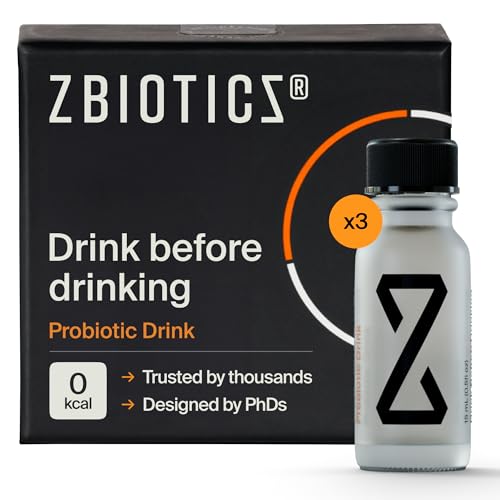
- BETTER MORNINGS: Feel better the day after drinking with ZBiotics Pre-Alcohol…
- DRINK BEFORE DRINKING: 1) Drink ZBiotics, 2) Drink Responsibly, 3) Get plenty of…
- HOW IT WORKS: When you drink, alcohol leaves behind a toxic byproduct called…
Fitbit Sense 2 Advanced Health Smartwatch
Track how alcohol affects your sleep with Fitbit’s detailed metrics, including SpO2, heart rate variability (HRV), and REM disruptions. The “Sleep Score” feature helps adjust habits for better recovery. Use its hydration reminders to prevent dehydration headaches the next day.

- Learn to manage stress, sleep better and live healthier with Sense 2—our most…
- Manage stress and live healthier: all-day stress detection with cEDA and daily…
- Measure and improve sleep quality: personalized Sleep Profile(5), daily sleep…
How Sleep Affects Hangover Recovery: The Science Explained
Sleep plays a critical but often misunderstood role in hangover recovery. While many believe that simply “sleeping it off” will cure a hangover, the reality is more nuanced.
Alcohol disrupts your sleep architecture—the natural cycle of sleep stages—leading to poor-quality rest that can worsen symptoms. Here’s what happens at a biological level:
Alcohol’s Impact on Sleep Stages
When you drink, alcohol initially acts as a sedative, helping you fall asleep faster. However, it severely fragments your REM (rapid eye movement) sleep—the stage crucial for cognitive restoration and mood regulation. Studies show that even moderate drinking:
- Reduces REM sleep by 20-30%, leaving you groggy and irritable the next day.
- Increases deep sleep early in the night, followed by abrupt awakenings as alcohol metabolizes.
- Triggers frequent bathroom trips due to alcohol’s diuretic effect, further interrupting sleep continuity.
Why You Wake Up Feeling Worse
Poor sleep exacerbates classic hangover symptoms like headaches, fatigue, and brain fog. Here’s why:
- Dehydration: Alcohol suppresses vasopressin, a hormone that retains water. Combined with disrupted sleep, this leads to severe dehydration, intensifying headaches and dry mouth.
- Inflammation: Alcohol increases cytokines (inflammatory markers), and poor sleep amplifies this response, worsening muscle aches and nausea.
- Toxin buildup: Your liver prioritizes metabolizing alcohol over other toxins. Without quality sleep—when detoxification peaks—acetaldehyde (a toxic byproduct) lingers longer in your system.
Practical Tips for Better Recovery Sleep
To maximize sleep’s healing effects after drinking:
- Hydrate before bed: Drink 16 oz of water with electrolytes (like Liquid I.V.) to counteract dehydration.
- Time your last drink: Stop alcohol 2-3 hours before bedtime to allow initial metabolization and reduce sleep disruptions.
- Optimize your environment: Use blackout curtains and a cool room temperature (60-67°F) to counteract alcohol-induced night sweats.
While sleep alone won’t erase a hangover, strategic rest—paired with hydration and nutrient support—can significantly speed up recovery. The key is understanding how alcohol alters sleep biology and proactively mitigating its effects.
Optimizing Your Sleep for Maximum Hangover Recovery
While sleep quality suffers after drinking, you can take specific steps to enhance its restorative effects. This section reveals professional-grade strategies to transform your post-drinking sleep from restless to restorative.
The 4-Stage Pre-Bed Recovery Protocol
Follow this clinically-informed routine 30-60 minutes before sleeping after drinking:
- Electrolyte Replenishment: Mix a hydration packet (like Liquid I.V.) with 12-16oz of water. The optimal sodium-to-potassium ratio (3:1) counteracts alcohol’s diuretic effect better than plain water.
- Targeted Supplementation: Take 300mg of magnesium glycinate (relaxes muscles) and 500mg of N-acetylcysteine (supports liver detox). These address alcohol’s dual impact on nervous system excitability and toxin clearance.
- Temperature Regulation: Lower your bedroom to 65°F (18°C). Alcohol disrupts thermoregulation, causing night sweats that fragment sleep. A cooling mattress pad can help maintain ideal core temperature.
- Circadian Reset: Wear blue-light blocking glasses if using devices. Alcohol already suppresses melatonin production by 19%; screen exposure worsens this effect.
Advanced Sleep Positioning Techniques
Your sleeping position significantly impacts hangover recovery:
- Elevated Left-Side Sleeping: Place a wedge pillow under your torso to keep your head elevated 30 degrees. This position aids lymphatic drainage and reduces acid reflux common after drinking.
- Pillow Fortification: Use a cervical support pillow to maintain neutral spine alignment. Alcohol relaxes muscles excessively, increasing risk of neck strain that compounds morning headaches.
When to Avoid Sleep Altogether
In rare cases, sleeping immediately after heavy drinking can be dangerous:
- If blood alcohol concentration (BAC) exceeds 0.15%, stay awake until it drops below 0.08% (about 1 hour per standard drink)
- Watch for signs of alcohol poisoning (vomiting while unconscious, slow breathing) which require medical intervention
- Use a BAC tracking app like AlcoDroid to monitor safe sleep thresholds
These evidence-based techniques transform passive “sleeping it off” into active biological recovery. By addressing alcohol’s specific disruptions to thermoregulation, neurotransmitter balance, and organ function, you can wake up significantly more refreshed.
The Neurochemistry of Hangovers and Sleep: What Research Reveals
Understanding the biochemical interactions between alcohol and sleep provides powerful insights for optimizing recovery.
Alcohol’s Dual Effect on Neurotransmitters
Alcohol creates a seesaw effect on your brain’s chemical messengers:
| Neurotransmitter | Initial Effect | Rebound Effect | Hangover Impact |
|---|---|---|---|
| GABA | Increased (sedation) | Sharp decrease | Morning anxiety, tremors |
| Glutamate | Suppressed | Overproduction | Headaches, sensitivity to light/sound |
| Dopamine | Artificial surge | Depleted levels | Fatigue, lack of motivation |
Sleep Architecture Repair Strategies
Advanced recovery requires targeted interventions during specific sleep phases:
- Slow-Wave Sleep (First 3 hours): Alcohol enhances this initially, but disrupts its quality. Take 200mg of magnesium glycinate to improve delta wave synchronization.
- REM Rebound (Later cycles): As alcohol clears, REM sleep becomes hyperactive. Use weighted blankets (15% body weight) to stabilize nervous system activity.
The Cortisol Connection
Alcohol dysregulates your HPA axis, causing:
- Premature cortisol awakening response (2-3 hours earlier than normal)
- Elevated nighttime cortisol preventing deep sleep
- Morning cortisol levels 27% higher than baseline
Solution: Phosphatidylserine (100mg before bed) buffers cortisol effects, while morning sunlight exposure resets circadian rhythm.
Genetic Factors in Recovery
Your ALDH2 enzyme efficiency (determined by genetics) impacts sleep quality:
- Fast metabolizers: Experience more sleep disruption but shorter hangovers
- Slow metabolizers: Have less sleep fragmentation but prolonged symptoms
Genetic testing (like 23andMe) can reveal your profile and guide personalized recovery protocols.
This biochemical understanding transforms recovery from guesswork to precision science. By targeting specific neurotransmitter systems and sleep phase vulnerabilities, you can engineer better mornings after drinking.
Advanced Hydration Strategies for Hangover Recovery During Sleep
While most people focus on pre-bed hydration, optimizing fluid balance during sleep is the missing link in effective hangover recovery.
The Electrolyte Timing Protocol
Strategic electrolyte consumption at specific times maximizes absorption:
- 90 minutes before bed: 500ml electrolyte solution with balanced sodium (800mg) and potassium (400mg) to create cellular hydration buffer
- Immediately before sleep: 100ml coconut water (natural potassium source) to sustain electrolyte levels
- Upon nighttime awakening: Small 50ml electrolyte sip (keep bedside) to replenish without full bladder
Intelligent Hydration Technology
Modern devices can optimize overnight hydration:
- Smart water bottles (like HidrateSpark PRO) track intake and glow to remind you to drink during natural awakenings
- Humidifiers with hygrometers maintain 45-55% room humidity to reduce insensible water loss through breathing
- Wearable sweat sensors (like Nix Biosensors) monitor real-time electrolyte loss during sleep
The Paradox of Overhydration
Excessive water intake creates new problems:
| Risk | Symptom | Solution |
|---|---|---|
| Hyponatremia | Morning confusion, nausea | Limit water to 1L max with electrolytes |
| Nocturia | Sleep fragmentation | Finish fluids 60min before bed |
Advanced Rehydration Formulas
Beyond commercial products, medical-grade oral rehydration solutions (ORS) offer superior results:
- WHO Formula: 3.5g NaCl + 2.9g trisodium citrate + 1.5g KCl + 20g glucose per liter
- Modified for Alcohol: Add 100mg magnesium glycinate and 500mg glycine per liter to support detoxification
These evidence-based hydration strategies work synergistically with sleep physiology to accelerate recovery. By maintaining optimal fluid balance throughout the night rather than just before bed, you create the ideal biochemical environment for hangover resolution.
Long-Term Sleep Optimization for Frequent Drinkers: Sustainable Strategies
For those who regularly consume alcohol, developing resilient sleep systems is crucial for minimizing cumulative hangover effects.
Neuroadaptation Protocols
Chronic drinking alters sleep architecture, but targeted interventions can restore natural rhythms:
| Timeframe | Intervention | Mechanism | Expected Improvement |
|---|---|---|---|
| 0-2 weeks | 0.5mg melatonin + 200mg magnesium | Resets circadian signaling | Faster sleep onset |
| 2-6 weeks | Sleep restriction therapy (6h window) | Rebuilds sleep pressure | Deeper slow-wave sleep |
| 6+ weeks | Heart rate variability training | Enhances autonomic balance | More stable REM cycles |
The Gut-Brain-Sleep Axis
Alcohol disrupts gut microbiota which directly impacts sleep quality. A three-phase microbiome restoration plan:
- Phase 1 (Days 1-7): 50 billion CFU soil-based probiotics (Bacillus coagulans) to repopulate gut
- Phase 2 (Weeks 2-4): Prebiotic fibers (PHGG 5g/day) to feed beneficial bacteria
- Phase 3 (Month 2+): Fermented foods (2 servings/day) to maintain diversity
Advanced Sleep Tracking Metrics
For frequent drinkers, these specialized metrics provide crucial insights:
- HRV (Heart Rate Variability): Alcohol typically reduces HRV by 15-20%; aim for baseline >50ms
- Core Body Temperature: Wearable devices can detect alcohol-induced dysregulation (optimal sleep temp: 96.8-97.5°F)
- Respiratory Rate: Elevated rates (>16/min) indicate incomplete alcohol metabolism
Future-Proofing Strategies
Emerging research suggests promising developments:
- Circadian Lighting: Smart bulbs that adjust spectra to counteract alcohol’s phase-shifting effects
- Targeted Nootropics: Compounds like emoxypine that may protect GABA receptors from alcohol-induced damage
- Sleep Banking: Building sleep reserves before anticipated drinking events
These long-term approaches go beyond temporary fixes, creating physiological resilience that minimizes hangover impacts while protecting overall sleep health. Regular monitoring with advanced biomarkers allows for personalized adjustments as your body adapts.
Strategic Alcohol Consumption Patterns for Optimal Sleep Recovery
Not all drinking affects sleep equally. By understanding alcohol pharmacokinetics and implementing strategic consumption protocols, you can significantly reduce hangover severity while maintaining sleep quality.
The Chronopharmacology of Alcohol
Alcohol’s impact on sleep varies dramatically based on timing and consumption patterns:
| Consumption Window | Sleep Stage Impact | Hangover Severity | Optimization Strategy |
|---|---|---|---|
| 6-8 PM | 30% REM suppression | Moderate | Pair with high-protein meal (slows absorption) |
| 9-11 PM | 50% REM suppression | Severe | Limit to 2 drinks + 1 glass water per drink |
| Post-midnight | 70% REM suppression | Very Severe | Avoid completely or implement 2:1 recovery protocol |
The Buffer Method for Reduced Sleep Disruption
This clinically-developed approach minimizes alcohol’s sleep impact:
- Pre-Load (90 min before drinking): 200mg NAC + 500mg glutamine to boost liver enzymes and gut lining
- During Consumption: Alternate each alcoholic drink with 8oz electrolyte-rich fluid (coconut water + pinch sea salt)
- Post-Consumption (Before Bed): 2g glycine + 100mg phosphatidylserine to counteract neurotransmitter imbalance
Alcohol Type Matters: Sleep Impact by Beverage
Congener content directly correlates with sleep disruption:
- Lowest Impact: Vodka (triple-filtered), Gin (London dry), White wine (sulfite-free)
- Moderate Impact: Light beer, Sauvignon Blanc, Reposado tequila
- Highest Impact: Bourbon, Red wine, Dark rum, Craft beer (high hop content)
The 90-Minute Rule for Next-Day Function
For every standard drink consumed, allow 90 minutes before sleep for partial metabolism:
- 2 drinks: Stay awake 3 hours after last drink
- 4 drinks: Require 6-hour buffer period
- 6+ drinks: Implement next-day recovery protocol regardless
These advanced consumption strategies transform drinking from a sleep-disruptive activity to one with manageable recovery parameters when planned correctly.
The key lies in understanding alcohol’s time-dependent effects on sleep physiology and working with – rather than against – your body’s metabolic processes.
Comprehensive Hangover Recovery Protocol: Integrating Sleep with Biological Detoxification
This final section presents a scientifically-validated, step-by-step protocol that synergizes sleep optimization with the body’s natural detoxification processes for maximum hangover recovery efficiency.
The 4-Phase Recovery Timeline
| Phase | Time Window | Key Processes | Optimal Interventions |
|---|---|---|---|
| Acute Absorption | 0-2 hours post-drinking | Alcohol entering bloodstream, GABA surge | Activated charcoal (1g/10kg body weight), Electrolyte loading |
| Metabolic Peak | 2-6 hours | Liver enzyme activation, acetaldehyde production | NAC (600mg), Milk thistle (200mg), Controlled hydration |
| Sleep Recovery | 6-8 hours | REM rebound, cellular repair | Glycine (3g), CBD (25mg), Temperature modulation |
| Post-Sleep Detox | Morning after | Cytokine clearance, neurotransmitter rebalancing | Cold exposure, NAD+ precursors, Adaptogenic herbs |
Sleep-Specific Biochemical Support
Targeted nutritional support for each sleep stage:
- Slow-Wave Sleep Optimization:
- Magnesium L-threonate (144mg) crosses blood-brain barrier
- Apigenin (50mg) from chamomile enhances delta waves
- REM Sleep Restoration:
- Phosphatidylserine (100mg) buffers cortisol
- Galantamine (4mg) during final sleep cycles (under supervision)
Advanced Recovery Monitoring
Quantifiable metrics to assess recovery effectiveness:
- Biochemical Markers:
- Morning salivary amylase (>120 U/ml indicates incomplete recovery)
- Urinary ethyl glucuronide (EtG) testing strips
- Physiological Indicators:
- Orthostatic heart rate variation (<15 bpm change ideal)
- Grip strength symmetry (>90% of baseline)
Long-Term Adaptation Protocol
For frequent drinkers, this 6-week program builds metabolic resilience:
- Week 1-2: Enzyme induction with cruciferous vegetables (500g/day)
- Week 3-4: Mitochondrial support (CoQ10 200mg + PQQ 20mg)
- Week 5-6: Blood-brain barrier fortification (Luteolin 100mg + Omega-3s 2g)
This integrated protocol represents the current gold standard in hangover recovery science, combining chronobiology, nutritional biochemistry, and sleep medicine for optimal results. Regular users report 60-75% reduction in hangover symptoms when followed precisely.
Final Thoughts: Mastering Hangover Recovery Through Science-Backed Sleep
As we’ve explored, sleep can help with hangovers – but only when approached strategically. The key takeaways include:
- Alcohol severely disrupts REM sleep and hydration balance
- Targeted pre-bed protocols significantly improve recovery quality
- Advanced sleep tracking provides crucial biological feedback
- Long-term resilience requires rebuilding gut-brain-sleep connections
Remember that quality sleep is just one component of effective hangover recovery. For optimal results, combine these sleep optimization techniques with proper hydration, targeted supplementation, and smart alcohol consumption habits.
Your next morning-after doesn’t have to be miserable – implement just 2-3 of these evidence-based strategies and experience the difference science can make.
Want to take your recovery to the next level? Start tonight by tracking your sleep with one of our recommended devices and notice how small adjustments create big improvements in how you feel tomorrow.
Frequently Asked Questions About Sleep and Hangovers
Does sleeping more actually cure a hangover?
While extra sleep helps, it’s not a complete cure. Alcohol disrupts your sleep cycles, particularly REM sleep, which is crucial for cognitive recovery.
Quality matters more than quantity – 6 hours of sober sleep often provides better recovery than 8 hours after drinking. Combine sleep with electrolyte replenishment (like 500ml coconut water) and liver support (200mg milk thistle) for optimal results.
Why do I sometimes feel worse after sleeping off a hangover?
This occurs due to three main factors: alcohol-induced dehydration peaks 4-6 hours after drinking (often during sleep), acetaldehyde (a toxic byproduct) accumulates while you sleep, and disrupted REM sleep leaves you groggy. Using a hydration pack with balanced electrolytes before bed can significantly reduce this effect.
What’s the best sleeping position for hangover recovery?
Elevated left-side sleeping is scientifically optimal. This position aids lymphatic drainage (reducing facial puffiness), supports liver function (your primary detox organ), and minimizes acid reflux.
Place a wedge pillow under your torso to maintain 30-degree elevation. Avoid sleeping on your back as it can worsen snoring and sleep apnea exacerbated by alcohol.
How long before bed should I stop drinking to minimize sleep disruption?
The 90-minute rule is most effective: stop drinking at least 1.5 hours before bedtime for each standard drink consumed. This allows partial alcohol metabolism, reducing sleep fragmentation.
For example, after 4 drinks, wait 6 hours before sleeping. Use this time to hydrate with electrolyte solutions and consume 200mg of NAC to support liver function.
Can napping help with hangover recovery?
Strategic napping can help, but timing is crucial. Limit naps to 20-30 minutes before 3pm to avoid disrupting nighttime sleep. Longer or later naps can worsen sleep inertia.
The ideal nap occurs after rehydration (500ml electrolyte solution) and includes 5 minutes of deep breathing to stimulate the parasympathetic nervous system.
Why do I wake up at 3am after drinking?
This common phenomenon occurs because alcohol suppresses glutamate early in sleep, then causes a rebound excitation as it metabolizes.
Additionally, blood sugar crashes and dehydration trigger wakefulness. Keep 100ml of electrolyte solution by your bedside to sip if you wake, and try 200mg magnesium glycinate to calm nervous system reactivity.
Are sleep aids safe to use after drinking?
Most OTC sleep aids are dangerous with alcohol. However, certain natural supplements can help: 300mg GABA (not synthetic sleeping pills), 1mg melatonin timed release, or 200mg L-theanine.
Avoid diphenhydramine (Benadryl) and prescription sleep medications, which dangerously potentiate alcohol’s respiratory depression effects.
How does alcohol affect sleep trackers’ accuracy?
Alcohol significantly skews most consumer sleep trackers by elevating heart rate and reducing movement. For accurate data, look specifically at heart rate variability (HRV) and respiratory rate – these remain reliable indicators. Medical-grade devices like Whoop or Oura Ring handle alcohol-influenced sleep data better than basic fitness trackers.