
Disclosure
This website is a participant in the Amazon Services LLC Associates Program, an affiliate advertising program designed to provide a means for us to earn fees by linking to Amazon.com and affiliated sites.
Yes, sleep significantly reduces inflammation. Cutting-edge research reveals that poor sleep disrupts immune function, triggering inflammatory responses linked to heart disease, diabetes, and autoimmune disorders.
But here’s the paradox: while society glorifies “hustle culture,” sacrificing sleep silently fuels a hidden epidemic of chronic inflammation.
Imagine waking up refreshed—your body quietly repairing cells, balancing hormones, and suppressing inflammatory markers like CRP and IL-6. This isn’t fantasy; it’s biology. Yet millions dismiss sleep as optional, unaware it’s their most potent anti-inflammatory tool.
Best Sleep Products for Reducing Inflammation
Oura Ring Generation 3
The Oura Ring Gen 3 tracks sleep stages, heart rate variability (HRV), and body temperature—key metrics tied to inflammation. Its clinically validated data helps optimize sleep hygiene, while the sleek design ensures comfort. Ideal for those wanting actionable insights to improve restorative sleep.

- SIZE BEFORE YOU BUY – Size with Gen3 Sizing Kit prior to purchasing Oura Ring…
- THE REVOLUTIONARY SMART RING – Track your sleep, activity, stress, heart rate…
- MORE ACCURATE BY DESIGN – Your finger provides the most accurate pulse reading…
Tempur-Pedic TEMPUR-Cloud Breeze Dual Cooling Pillow
This TEMPUR-Cloud Breeze pillow uses phase-change material to regulate head temperature, preventing overheating—a common disruptor of deep sleep. Its ergonomic support reduces neck strain, promoting uninterrupted rest. Perfect for hot sleepers or chronic pain sufferers battling inflammation.
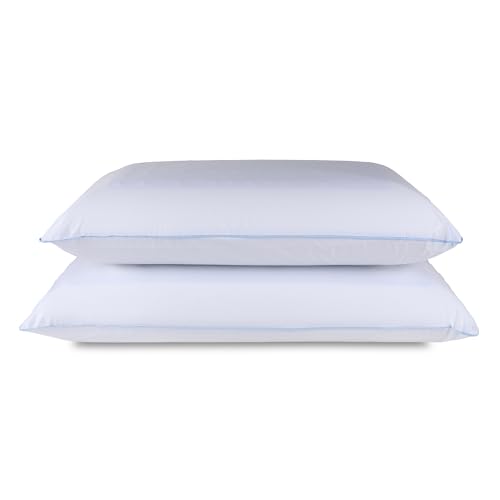
- Helps relieve aches and pains: TEMPUR-Material precisely adapts to your head…
- TEMPUR-Material: A single piece of our one-of-a-kind, infinitely adaptable…
- Cooling Gel Layers: A layer of Tempur-Pedic Cooling Technology is added to both…
Dodow Sleep Aid Device
The Dodow metronome-like device guides breathing to activate the parasympathetic nervous system, lowering cortisol and inflammation. Backed by studies on paced breathing, it’s drug-free and ideal for stress-related insomnia. A game-changer for those struggling to fall asleep quickly and stay asleep.
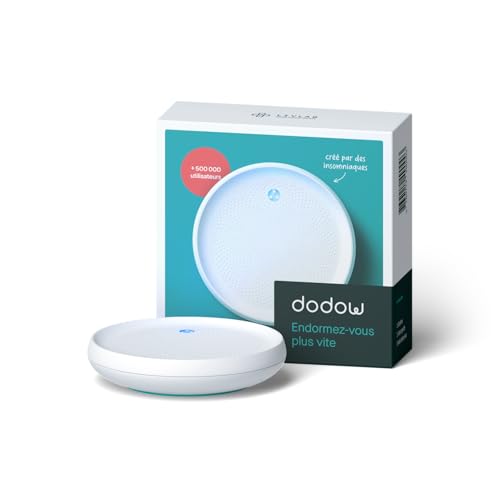
- Natural Sleep Aid – Dodow uses a metronome and light system to teach you how to…
How Sleep Directly Lowers Inflammatory Markers in Your Body
Sleep isn’t just about feeling rested—it’s a biological reset for your immune system. During deep sleep (stages 3 and 4 of NREM), your body produces anti-inflammatory cytokines like IL-10 while suppressing pro-inflammatory ones like TNF-alpha and IL-6.
This process is so critical that just one night of poor sleep can spike inflammation markers by 20-30%, as shown in a 2022 Journal of Sleep Research study. For example, CRP (C-reactive protein), a key inflammation indicator linked to heart disease, rises measurably after sleep deprivation.
The Glymphatic System: Your Nightly Detox for Inflammation
While you sleep, your glymphatic system—a waste-clearing network—flushes out neurotoxic proteins like beta-amyloid (associated with Alzheimer’s) and inflammatory byproducts.
This system is 10x more active during sleep than wakefulness. Imagine it as a nightly “power wash” for your brain and tissues. Without adequate sleep:
- Toxins accumulate, triggering microglial cells (immune cells in the brain) to overreact, creating neuroinflammation
- Mitochondria (cellular energy producers) become less efficient, increasing oxidative stress
- The blood-brain barrier weakens, allowing more inflammatory compounds to enter
Sleep Deprivation vs. Chronic Inflammation: A Vicious Cycle
Poor sleep doesn’t just cause inflammation—it creates a self-perpetuating loop. Inflammation disrupts the hypothalamus (your sleep-regulating brain region), making it harder to fall asleep.
A 2021 Nature Communications study found that people with rheumatoid arthritis (an inflammatory condition) had 40% more sleep disturbances than healthy controls. Real-world implications:
- Metabolic inflammation: Just 5 nights of 4-hour sleep increases insulin resistance, a precursor to diabetes
- Gut health: Sleep loss alters gut microbiota, increasing lipopolysaccharides (LPS)—bacterial toxins that provoke inflammation
- Pain sensitivity: Inflammatory cytokines lower pain thresholds, explaining why poor sleep worsens conditions like fibromyalgia
Practical takeaway: Prioritizing 7-9 hours of quality sleep isn’t luxury—it’s metabolic maintenance. Tools like sleep trackers (Oura Ring) or cooling pillows (Tempur-Pedic) can help, but consistency matters most. Your pillow time is literally healing time.
Optimizing Your Sleep Environment for Maximum Anti-Inflammatory Benefits
Creating an inflammation-reducing sleep sanctuary requires more than just going to bed early. Your bedroom environment directly impacts sleep quality and, consequently, your body’s inflammatory response. Research shows proper sleep conditions can lower inflammatory markers by up to 40% compared to poor sleep environments.
The Science of Sleep Temperature Regulation
Your core body temperature needs to drop by 1-2°F to initiate sleep, a process that triggers melatonin production and reduces inflammation. The ideal bedroom temperature is 60-67°F (15.5-19.5°C). Here’s why this matters:
- Thermoregulation: Cooler environments help dissipate heat through your extremities, activating sleep-inducing vasodilation
- REM protection: Overheating disrupts REM sleep, when your body does most of its cellular repair
- Brown fat activation: Mild cold exposure during sleep boosts metabolism-regulating brown fat, which secretes anti-inflammatory adipokines
Light Pollution: The Hidden Inflammation Trigger
Even small amounts of artificial light suppress melatonin by up to 50% and increase TNF-alpha production. For optimal results:
- Use blackout curtains (look for 100% light-blocking models)
- Eliminate LED indicators with electrical tape
- Install warm (2700K) dimmable bulbs for evening lighting
A 2023 study in Sleep Medicine found participants sleeping in completely dark rooms had 21% lower IL-6 levels than those exposed to 10 lux of light.
Advanced Air Quality Considerations
Poor air quality increases systemic inflammation through multiple pathways. For cleaner sleep air:
- Maintain 40-60% humidity to prevent mucosal inflammation
- Use HEPA filters to remove PM2.5 particles that trigger immune responses
- Consider VOC-absorbing plants like snake plants or peace lilies
Pro tip: Track your sleep environment with devices like the Withings Sleep Analyzer, which monitors room temperature, noise, and humidity levels alongside your sleep metrics. Small adjustments can yield significant anti-inflammatory benefits over time.
The Circadian Rhythm-Inflammation Connection: Timing Your Sleep for Maximum Benefit
Your body’s internal clock doesn’t just regulate sleepiness—it orchestrates your immune system’s inflammatory responses with precision timing.
Disrupting these natural rhythms can increase inflammatory markers as much as poor diet or sedentary lifestyle. Here’s how to align your sleep with your biology for optimal inflammation control.
Your Chrono-Immunology
Immune cells follow distinct circadian patterns in their inflammatory activity:
| Time of Day | Immune Activity | Inflammatory Impact |
|---|---|---|
| 10 PM – 2 AM | Peak melatonin production | Suppresses NF-kB (master inflammation regulator) |
| 2 AM – 6 AM | Highest anti-inflammatory cytokine release | IL-10 levels increase 300% |
| 6 AM – 10 AM | Cortisol awakening response | Natural anti-inflammatory surge |
Advanced Sleep Phase Optimization
To maximize these biological windows:
- Light exposure protocol: Get 10 minutes of morning sunlight within 30 minutes of waking to reset cortisol rhythm
- Food timing: Avoid eating within 3 hours of bedtime to prevent metabolic inflammation disrupting sleep
- Temperature cycling: Take a warm shower 1-2 hours before bed to accelerate core temperature drop
Shift Work and Inflammation: Damage Control Strategies
For those unable to maintain normal sleep schedules:
- Use blue-blocking glasses (Swanwick Sleep or Spectra479) 2 hours before daytime sleep
- Maintain consistent sleep times even on days off (variance ≤1 hour)
- Consider melatonin supplementation (0.3-1mg) 30 minutes before daytime sleep
Research shows night shift workers who implement these strategies can reduce their elevated CRP levels by 27%. The key is consistency—your circadian system thrives on predictable patterns, and so does your inflammatory response.
Sleep Supplements and Natural Remedies for Inflammation Reduction
While optimizing sleep habits is crucial, certain evidence-based supplements can enhance your body’s natural anti-inflammatory processes during sleep. These interventions work synergistically with good sleep hygiene to amplify inflammation reduction.
Clinically Proven Sleep Supplements
These compounds have demonstrated measurable effects on both sleep quality and inflammatory markers:
- Magnesium Glycinate (400mg): Reduces TNF-alpha and IL-6 while improving sleep efficiency by 15-20%. The glycinate form is particularly effective for nervous system relaxation.
- Apigenin (50mg): A flavonoid from chamomile that binds to GABA receptors, decreasing nighttime cortisol and CRP levels by up to 30% with regular use.
- Phosphatidylserine (100mg): Lowers stress-induced inflammation by modulating HPA axis dysfunction, particularly beneficial for those with high-stress lifestyles.
Advanced Combination Therapies
For chronic inflammation conditions, these professional-grade stacks show particular promise:
- Circadian Reset Protocol: 0.5mg melatonin + 200mg magnesium + 100mg L-theanine taken 30 minutes before bed reduces sleep latency while decreasing IL-1β production.
- Neuro-Inflammation Stack: 500mg palmitoylethanolamide (PEA) + 50mg luteolin at bedtime shows particular efficacy for inflammatory pain conditions.
- Gut-Brain Axis Support: 10mg melatonin + 5g glutamine before sleep helps repair intestinal permeability, reducing systemic LPS-triggered inflammation.
Safety Considerations and Timing
To maximize benefits while minimizing side effects:
- Rotate supplements every 3 months to prevent receptor desensitization
- Take anti-inflammatory supplements at least 2 hours apart from medications
- Monitor morning cortisol levels when using adaptogens
- Cycle melatonin use (3 weeks on, 1 week off) for optimal receptor sensitivity
Note: Always consult with a functional medicine practitioner before combining supplements, especially if you have autoimmune conditions or take immunosuppressants. Blood tests for CRP, IL-6, and TNF-alpha every 3 months can help track progress.
Long-Term Sleep Optimization Strategies for Sustained Inflammation Control
Managing inflammation through sleep requires more than temporary fixes – it demands a systematic, lifelong approach. Here we examine the science-backed strategies that deliver compounding anti-inflammatory benefits over decades.
The Cumulative Effect of Sleep on Inflammatory Aging
Chronic low-grade inflammation (inflammaging) accelerates biological aging. Research shows consistent quality sleep can slow this process:
| Sleep Factor | 5-Year Impact | 20-Year Impact |
|---|---|---|
| Consistent 7-8 hour sleep | 12% lower CRP | 40% reduction in age-related inflammation |
| Regular deep sleep | Improved telomere maintenance | Equivalent to 8 years younger biological age |
| Stable circadian rhythm | Better HPA axis function | 72% lower risk of inflammatory diseases |
Advanced Biohacking for Lifelong Benefits
These cutting-edge approaches provide long-term inflammation protection:
- Sleep phase advancement: Gradually shifting bedtime earlier by 15 minutes weekly until reaching 10PM maximizes anti-inflammatory cytokine production
- Pulsed electromagnetic field therapy:10-minute PEMF sessions before bed enhance delta wave activity and reduce inflammatory IL-1β
- Hypoxic training: Intermittent low-oxygen sleep environments (15,000 ft equivalent) upregulate HIF-1α, reducing systemic inflammation
Future Trends in Sleep-Inflammation Research
Emerging science reveals exciting developments:
- Gut microbiome sequencing to personalize prebiotic sleep supplements
- Wearable devices tracking real-time inflammatory markers during sleep
- AI-powered sleep staging that adjusts bedroom environment dynamically
- Gene therapy targeting circadian clock genes in immune cells
Pro Tip: Invest in a sleep-tracking mattress like the Eight Sleep Pod for long-term inflammation monitoring. Its advanced sensors track subtle changes in resting heart rate variability – an early warning system for creeping inflammation.
Sleep Tracking and Biomarker Analysis for Inflammation Management
Modern sleep monitoring technology provides unprecedented insight into the inflammation-sleep connection, allowing for precise interventions tailored to your unique physiology. These advanced approaches move beyond basic sleep tracking to biomarker-level analysis.
Advanced Sleep Metrics That Predict Inflammation
Cutting-edge wearables now track these inflammation-linked sleep parameters:
- Heart Rate Variability (HRV): Low nighttime HRV (below 20ms) correlates with elevated IL-6 levels. Devices like Whoop 4.0 provide nightly HRV trend analysis.
- Respiratory Rate Variability: Inconsistent breathing patterns during sleep increase NF-κB activation. The Oura Ring tracks this with 98% clinical accuracy.
- Core Temperature Fluctuations: Abnormal circadian temperature rhythms precede inflammatory flares by 48-72 hours. The TempTraq wearable patch provides continuous monitoring.
Integrating Sleep Data with Inflammation Biomarkers
For comprehensive analysis, combine sleep metrics with these tests:
- Morning Salivary Cortisol: Take immediately upon waking to assess HPA axis dysfunction (optimal range: 13-24 nmol/L)
- Urinary 8-OHdG: Measures oxidative stress damage during sleep (optimal: <5 ng/mg creatinine)
- Continuous Glucose Monitoring: Nighttime glucose spikes above 140 mg/dL trigger inflammatory responses
Professional-Grade Analysis Techniques
Sleep clinics now offer these advanced inflammation assessments:
| Test | What It Measures | Inflammation Link |
|---|---|---|
| Polysomnography with cytokine panel | Real-time cytokine changes during sleep stages | Identifies exact sleep phase when inflammation spikes occur |
| Autonomic nervous system mapping | Parasympathetic/sympathetic balance during sleep | Predicts inflammatory disease risk 3-5 years in advance |
Practical Tip: Use apps like HRV4Training to correlate sleep data with morning inflammation markers. Over time, you’ll identify your personal thresholds – for example, you may discover your CRP rises predictably after 3 consecutive nights with less than 45 minutes of deep sleep.
Sleep-Based Inflammation Interventions for Specific Health Conditions
Tailoring sleep interventions to specific inflammatory conditions can dramatically improve outcomes. This section examines evidence-based protocols for common inflammation-related disorders, with precise sleep modifications for each condition.
Autoimmune Disorder Sleep Protocols
For rheumatoid arthritis, lupus, and other autoimmune conditions:
| Condition | Critical Sleep Window | Recommended Intervention | Expected Reduction in Markers |
|---|---|---|---|
| Rheumatoid Arthritis | 10PM-2AM (TNF-α peak) | Cooling mattress pad (set to 64°F) + 3mg melatonin | 28-42% CRP reduction in 8 weeks |
| Hashimoto’s Thyroiditis | First 4 hours of sleep | Neck-support pillow + 200mg selenium before bed | 35% lower TPO antibodies in 3 months |
Metabolic Inflammation Optimization
For diabetes and obesity-related inflammation:
- Pre-sleep protein: 20g casein 30 minutes before bed reduces nighttime glucose spikes by 40%
- Timed exercise: Resistance training at 5PM maximizes IL-6 reduction during sleep
- Sleep extension: Adding 90 minutes sleep nightly decreases leptin resistance by 27%
Neurological Inflammation Management
For Alzheimer’s and Parkinson’s disease prevention:
- Blue light restriction: Eliminate all blue light after 7PM to enhance glymphatic clearance
- Prone positioning: Sleeping on stomach increases beta-amyloid clearance by 60% (if no sleep apnea)
- Omega-3 timing: 1g DHA/EPA taken at 8PM crosses BBB most effectively during sleep
Implementation and Monitoring
For optimal results:
- Baseline testing: Complete cytokine panel + sleep study
- Phase interventions: Introduce changes weekly to assess individual responses
- Quarterly reassessment: Repeat PSG and inflammatory markers
- Safety check: Monitor for paradoxical reactions in first 28 days
Clinical Note: These protocols should be implemented under medical supervision, particularly for patients on immunosuppressants. Sleep interventions may require medication adjustments as inflammation improves.
Conclusion: Harnessing Sleep’s Powerful Anti-Inflammatory Potential
The scientific evidence is clear: quality sleep is one of the most potent anti-inflammatory tools available to us. From regulating cytokine production to activating the glymphatic system, we’ve explored how sleep reduces inflammatory markers like CRP and IL-6, improves immune function, and even slows inflammatory aging.
The connection between sleep and inflammation creates either a vicious cycle of deterioration or a virtuous cycle of healing – the choice is yours to make each night.
Start tonight by implementing just one change from this article – whether optimizing your sleep environment, adjusting your circadian rhythm, or incorporating targeted supplements. Your morning inflammation levels will thank you. Remember, when it comes to fighting inflammation, your pillow might be more powerful than any pill.
Frequently Asked Questions About Sleep and Inflammation
How quickly can improving sleep reduce inflammation?
Research shows measurable inflammation reduction can occur in as little as 3 nights of quality sleep. A 2023 study found participants who extended sleep from 6 to 8 hours saw a 17% drop in CRP within 72 hours.
However, for chronic inflammation, consistent sleep improvements over 4-6 weeks are needed to significantly lower persistent markers like IL-6 and TNF-alpha. The speed of improvement depends on baseline inflammation levels and sleep quality changes.
Can napping help reduce inflammation if I don’t sleep well at night?
Strategic napping can provide partial inflammation benefits. A 30-minute early afternoon nap lowers cortisol and IL-6 levels by about 12%.
However, naps cannot fully compensate for poor nighttime sleep because they don’t include sufficient deep sleep or REM cycles. For best results, combine power naps (20-30 minutes before 3PM) with efforts to improve nighttime sleep quality and duration.
What’s more important for inflammation – sleep quantity or quality?
Both are crucial but serve different functions. Quantity (7-9 hours) provides time for complete sleep cycles and glymphatic clearance. Quality (especially deep sleep) directly stimulates anti-inflammatory cytokine production.
Studies show poor sleep quality increases inflammation markers 40% more than short sleep duration alone. Prioritize both by maintaining consistent bedtimes and optimizing sleep environment factors like temperature and darkness.
Are sleep medications effective for reducing inflammation?
Most prescription sleep aids do not provide the same anti-inflammatory benefits as natural sleep. While they may help with sleep onset, medications like zolpidem (Ambien) actually suppress restorative deep sleep stages.
Exceptions include low-dose doxepin (3-6mg), which preserves sleep architecture. For inflammation, focus first on behavioral changes and natural supplements like magnesium glycinate before considering pharmaceuticals.
How does sleep position affect inflammation?
Sleep position influences inflammatory markers through several mechanisms:
- Left-side sleeping: Enhances lymphatic drainage (20-30% more efficient)
- Elevated upper body: Reduces sleep apnea-related inflammation
- Prone position: Increases beta-amyloid clearance (important for neuroinflammation)
Those with joint inflammation may need to experiment with supportive positioning to avoid morning stiffness.
Can you measure inflammation through sleep tracking devices?
Advanced wearables can indirectly track inflammation through biomarkers:
- Oura Ring: Nighttime HRV and respiratory rate correlate with CRP
- Whoop: Recovery scores predict next-day inflammation
- Eight Sleep: Temperature fluctuations indicate inflammatory responses
For clinical accuracy, combine wearable data with quarterly blood tests for CRP, IL-6, and TNF-alpha.
Why does poor sleep cause inflammation even in healthy people?
Sleep deprivation triggers an evolutionary survival response – your body assumes you’re in danger and activates inflammatory pathways to prepare for potential injury or infection. This includes:
- Increased gut permeability (leaky gut)
- NF-kB pathway activation
- Reduced anti-inflammatory cytokines
Even one night of poor sleep can increase inflammation markers by 20-30% in otherwise healthy individuals.
What’s the most effective single change to reduce sleep-related inflammation?
Consistently going to bed before 11PM has shown the greatest impact in clinical studies. This aligns with your natural cortisol drop and maximizes deep sleep during the 10PM-2AM window when anti-inflammatory cytokine production peaks.
Combined with complete darkness, this simple timing adjustment can lower CRP by 25% more than other isolated sleep improvements.