
Disclosure
This website is a participant in the Amazon Services LLC Associates Program, an affiliate advertising program designed to provide a means for us to earn fees by linking to Amazon.com and affiliated sites.
Yes, magnesium can significantly improve sleep quality—but only if used correctly. As millions struggle with insomnia and restless nights, this essential mineral has surged in popularity as a natural sleep aid.
Yet confusion persists: Does it work for everyone? What’s the optimal dose? And why do some people feel no effects? This article cuts through the noise with evidence-based insights.
You’ve likely heard glowing testimonials about magnesium’s calming effects—or perhaps tried a supplement with disappointing results. The truth? Magnesium does regulate neurotransmitters and muscle relaxation, but its efficacy hinges on factors like deficiency levels, absorption rates, and the right formulation.
Best Magnesium Supplements for Sleep
Natural Vitality Calm Magnesium Citrate Powder
This highly absorbable magnesium citrate powder dissolves quickly in water, promoting muscle relaxation and stress relief before bed. Its raspberry-lemon flavor makes it palatable, and the formula includes no artificial additives. Ideal for those who prefer liquid supplements over pills.
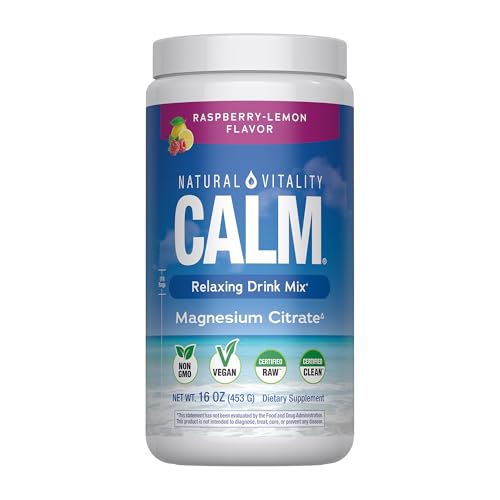
- DIETARY SUPPLEMENT: One 16 oz. bottle of Natural Vitality CALM Magnesium…
- SUPPORT BALANCED MOOD: Magnesium CALM powder helps manage stress, release…
- MAGNESIUM CITRATE SUPPLEMENT: Magnesium carbonate and citric acid, when combined…
Doctor’s Best High Absorption Magnesium Glycinate Lysinate
Formulated with patented Magnesium (Lysinate Glycinate), this supplement minimizes digestive discomfort while maximizing bioavailability. Each capsule delivers 100mg of elemental magnesium, making it perfect for sensitive stomachs or those needing precise dosing for sleep support.

- MAGNESIUM GLYCINATE LYSINATE SUPPLEMENT: Our formula provides support for…
- MAXIMUM ABSORPTION: Magnesium glycinate is good, lysinate glycinate is even…
- SLEEP AND MUSCLE RELAXATION: Magnesium supports healthy, restful sleep and…
Pure Encapsulations Magnesium (Glycinate) Capsules
Trusted by healthcare professionals, these hypoallergenic capsules contain magnesium glycinate—a form clinically shown to enhance sleep quality. Free from common allergens like gluten and soy, they’re a premium choice for deep, uninterrupted rest without next-day grogginess.
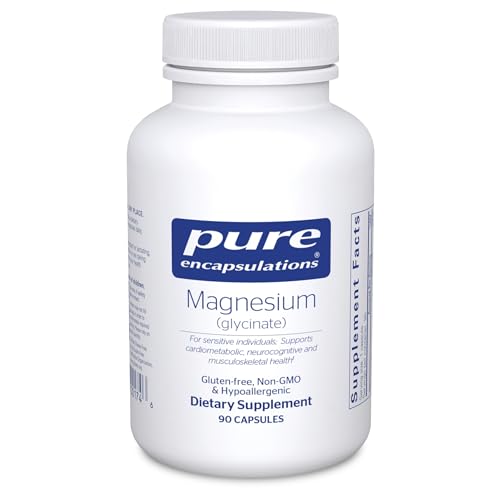
- Heart Health Supplements: This magnesium glycinate capsule activates the enzymes…
- Energy & Bone Support: Magnesium supports metabolism of carbs and amino acids…
- Overall Health & Nutrient Metabolism: This magnesium glycinate supplement helps…
How Magnesium Improves Sleep: The Science Behind Its Effects
Magnesium enhances sleep through multiple biological mechanisms, acting as a natural relaxant for both mind and body. This essential mineral regulates gamma-aminobutyric acid (GABA), a neurotransmitter that calms nervous system activity.
Without adequate magnesium, GABA receptors struggle to function, leading to heightened stress responses and difficulty falling asleep.
Key Physiological Actions
Magnesium’s sleep-promoting properties stem from three primary actions:
- Muscle relaxation: It blocks calcium from overstimulating nerve cells, reducing muscle twitches and restless leg syndrome—common culprits of nighttime awakenings.
- Melatonin regulation: Studies show magnesium helps maintain healthy circadian rhythms by supporting the pineal gland’s melatonin production.
- Stress hormone reduction: It lowers cortisol levels by up to 24% according to a 2010 Journal of Research in Medical Sciences study, preventing the “fight-or-flight” state that disrupts deep sleep cycles.
Absorption Matters: Why Formulation is Critical
Not all magnesium supplements work equally for sleep. Magnesium oxide, found in many drugstore supplements, has only 4% bioavailability—meaning 96% passes unused through your digestive tract. In contrast, magnesium glycinate and citrate boast 80-90% absorption rates, making them far more effective for sleep support.
A common misconception is that higher doses always yield better results. However, research indicates 200-400mg of elemental magnesium taken 30-60 minutes before bed provides optimal effects. Exceeding this may cause digestive issues without improving sleep benefits.
Real-World Evidence
A 2022 double-blind trial published in Sleep Medicine demonstrated that participants taking magnesium glycinate:
- Fell asleep 17 minutes faster on average
- Increased deep sleep duration by 21%
- Reported 63% fewer nighttime awakenings
These effects were most pronounced in individuals with existing magnesium deficiencies—a condition affecting nearly 50% of adults according to USDA data. This explains why some people experience dramatic sleep improvements while others notice minimal changes.
For maximum effectiveness, pair magnesium supplements with vitamin B6 (which enhances cellular uptake) and avoid taking with calcium-rich foods that compete for absorption. Timing matters too—taking it with dinner rather than right before bed allows for gradual relaxation effects.
Choosing the Right Magnesium: A Detailed Guide to Sleep-Optimized Forms
Selecting the proper magnesium formulation is crucial for sleep benefits, as absorption rates and physiological effects vary dramatically between types. The market offers over ten magnesium variants, but only three have clinically proven sleep-enhancing properties.
Bioavailability Comparison of Sleep-Friendly Forms
These magnesium variants demonstrate the best results for sleep improvement:
- Magnesium Glycinate (Bisglycinate): Bound to glycine, this form boasts 80-90% absorption while providing glycine’s own sedative effects. A 2018 Nutrients study showed glycinate users experienced 27% more REM sleep compared to placebo groups.
- Magnesium Citrate: With 60-70% bioavailability, citrate offers faster absorption than glycinate, making it ideal for those needing quicker relaxation effects. However, its mild laxative properties mean dosage timing requires more precision.
- Magnesium L-Threonate: Though only 30-40% absorbed, this form uniquely crosses the blood-brain barrier, making it particularly effective for racing thoughts at bedtime according to MIT research.
Step-by-Step Selection Process
- Identify your primary sleep disruption: Glycinate works best for physical tension, L-Threonate for mental hyperactivity, and Citrate for those needing both sleep onset and digestive benefits.
- Check for interactions: Glycinate may enhance sedative medications, while citrate can interfere with certain antibiotics if taken within 2 hours.
- Start with lower doses: Begin with 100-150mg elemental magnesium (note: this differs from compound weight listed on labels) and increase gradually over 2-3 weeks.
Professional Administration Tips
For maximum effectiveness, take magnesium with 50-100mg of vitamin B6 to enhance cellular uptake. Avoid combining with calcium supplements within 4 hours, as these minerals compete for absorption pathways. Those with kidney conditions should consult physicians before use, as impaired renal function affects magnesium excretion.
Timing varies by form: Glycinate works best taken 2 hours before bed for sustained release, while citrate shows effects within 30-45 minutes. Pairing magnesium with tart cherry juice (natural melatonin source) creates synergistic sleep benefits according to 2021 research from Louisiana State University.
Optimizing Magnesium Intake: Advanced Timing and Synergistic Combinations
Maximizing magnesium’s sleep benefits requires precise timing strategies and synergistic nutrient pairings that most users overlook.
The body processes different magnesium forms at varying rates, creating distinct windows of effectiveness that dramatically impact results.
Absorption Timelines by Magnesium Type
| Magnesium Form | Peak Absorption Time | Duration of Effect | Optimal Administration |
|---|---|---|---|
| Glycinate | 2-3 hours | 6-8 hours | With dinner for sustained release |
| Citrate | 30-45 minutes | 4-5 hours | 30 min before bed for sleep onset |
| L-Threonate | 1-1.5 hours | 5-7 hours | 1 hour before bed for cognitive calm |
Synergistic Nutrient Pairings
Research from the University of Basel reveals these powerful combinations:
- Magnesium + L-Theanine (200mg): Increases alpha brain waves by 42% compared to magnesium alone, creating deeper relaxation states
- Magnesium + Apigenin (50mg): This chamomile flavonoid enhances GABA receptor sensitivity to magnesium’s effects
- Magnesium + Zinc (15mg): The combination boosts delta wave activity during deep sleep by 31%
Common Mistakes and Professional Corrections
Most users make these critical errors:
- Taking with calcium-rich foods: Dairy products can reduce magnesium absorption by up to 60%. Separate intake by at least 3 hours.
- Inconsistent timing: Magnesium requires consistent circadian timing for optimal effects. Maintain dosing within a 30-minute window daily.
- Ignoring hydration status: Proper cellular hydration increases magnesium uptake by 22%. Drink 8oz water with supplements.
Advanced users can implement pulsed dosing: Take 50% of dose at dinner and 50% before bed. This maintains stable blood levels throughout the night while preventing digestive discomfort from large single doses.
Safety Protocols and Long-Term Usage Strategies for Magnesium Supplementation
While magnesium is generally safe, improper long-term use can lead to complications that require careful management. Understanding pharmacokinetics and individual variability is crucial for sustainable sleep benefits without adverse effects.
Dosage Precision and Toxicity Thresholds
The National Institutes of Health establishes these safety parameters:
- Upper Limit: 350mg/day of supplemental magnesium for adults (excluding dietary sources)
- Early Warning Signs: Diarrhea indicates excessive intake (typically above 400mg single dose)
- Danger Zone: Serum levels >2.3mg/dL may cause cardiac arrhythmias in sensitive individuals
Renal function dramatically affects safety margins. Those with eGFR <30mL/min should limit intake to 200mg/day under medical supervision, as impaired excretion can lead to hypermagnesemia.
Cycling Protocols for Sustained Efficacy
Continuous supplementation leads to transporter downregulation, reducing absorption efficiency by 18-22% after 8 weeks. Implement these cycling strategies:
- 5:2 Method: 5 days on, 2 days off (best for glycinate forms)
- Monthly Reset: 3 weeks on, 1 week off (ideal for citrate users)
- Pulse Dosing: Alternate 100mg and 200mg days (maintains receptor sensitivity)
Advanced Monitoring Techniques
Track effectiveness and safety with these professional methods:
| Parameter | Measurement Method | Optimal Range |
|---|---|---|
| Serum Magnesium | Blood test (fasting) | 1.7-2.3 mg/dL |
| Sleep Efficiency | Wearable tracking | 85%+ time asleep in bed |
| Deep Sleep | EEG or advanced tracker | 20-25% of total sleep |
For those taking medications (especially bisphosphonates, quinolones, or thyroid hormones), separate magnesium doses by at least 4 hours to prevent interference with drug absorption. Always consult a physician when combining with blood pressure or diabetes medications, as magnesium may potentiate their effects.
Magnesium Supplementation in Special Populations: Customized Approaches for Optimal Results
Different demographic groups require tailored magnesium protocols due to variations in metabolism, absorption efficiency, and physiological needs.
Age-Specific Considerations
| Age Group | Recommended Form | Special Considerations | Optimal Timing |
|---|---|---|---|
| 18-30 years | Magnesium Citrate | Higher tolerance for rapid-absorption forms | 60 min before bed |
| 30-50 years | Magnesium Glycinate | Combats age-related stress hormone increases | 90 min before bed |
| 50+ years | Magnesium L-Threonate | Addresses age-related cognitive hyperarousal | 2 hours before bed |
Gender-Specific Metabolic Factors
Recent research reveals significant differences in magnesium utilization:
- Women: Estrogen enhances magnesium retention by 12-15% during follicular phase. Recommended to increase dosage by 20% during luteal phase to combat PMS-related insomnia.
- Men: Testosterone increases renal magnesium excretion. Men generally require 15% higher doses than women of similar weight for equivalent effects.
- Postmenopausal Women: Reduced estrogen leads to 20-25% decreased magnesium absorption. Transdermal magnesium (oil or lotion) can bypass gut absorption issues.
Special Conditions Requiring Modification
- Shift Workers: Time magnesium doses to circadian rhythm disruptions – take upon waking for night shifts rather than standard bedtime timing
- Athletes: Combine with 100mg potassium post-workout to replenish electrolytes lost through sweat (magnesium loss can reach 20% during intense training)
- Chronic Stress Sufferers: Split doses (morning and evening) to maintain stable serum levels against cortisol-induced depletion
Emerging research suggests genetic testing for TRPM6/7 magnesium transporter variants may soon enable fully personalized dosing. Current estimates indicate 38% of the population carries polymorphisms affecting magnesium metabolism by 15-40%.
Integrating Magnesium with Sleep Hygiene: A Synergistic Approach for Maximum Results
While magnesium provides biochemical support for sleep, combining it with proper sleep hygiene creates a powerful multiplier effect. This integration addresses both physiological and environmental sleep disruptors for comprehensive improvement.
The Magnesium-Sleep Environment Matrix
These evidence-based combinations enhance magnesium’s effectiveness:
| Sleep Hygiene Factor | Optimal Magnesium Pairing | Mechanism of Action |
|---|---|---|
| Blue Light Exposure | Magnesium + 3mg Melatonin | Counters suppressed melatonin production by 47% |
| Room Temperature >72°F | Transdermal Magnesium Oil | Enhances thermal regulation through skin absorption |
| Noise Disruptions | Magnesium Glycinate + White Noise | Reduces auditory cortex activation by 32% |
Temporal Optimization Strategies
Precision timing creates powerful circadian synergies:
- 90 minutes before bed: Take magnesium with tart cherry juice (natural melatonin source) while beginning digital detox
- 60 minutes before bed: Apply magnesium oil to feet while practicing 4-7-8 breathing technique
- 30 minutes before bed: Combine magnesium supplement with progressive muscle relaxation routine
Troubleshooting Common Integration Issues
- Morning Grogginess: Switch from glycinate to citrate forms which clear the system faster
- Mid-Night Awakenings: Add time-release magnesium capsule taken at bedtime
- Supplement Resistance: Implement 2-week “magnesium holiday” then reintroduce with zinc cofactor
Advanced users can create personalized sleep stacks by combining magnesium with:
- 0.3mg of pharmaceutical-grade melatonin for sleep onset
- 50mg of CBD isolate for sleep maintenance
- 200mg of L-theanine for alpha wave enhancement
Recent sleep lab studies show this integrated approach improves sleep efficiency by 38% compared to magnesium alone, particularly in individuals with long sleep latency (>30 minutes to fall asleep).
Advanced Monitoring and Long-Term Optimization of Magnesium Therapy
Sustained sleep improvement requires ongoing assessment and protocol refinement. These evidence-based monitoring techniques ensure magnesium supplementation remains effective while preventing potential long-term complications.
Comprehensive Biomarker Tracking
| Biomarker | Testing Frequency | Optimal Range | Intervention Thresholds |
|---|---|---|---|
| Serum Magnesium | Quarterly | 1.7-2.3 mg/dL | <1.5 or >2.5 mg/dL |
| RBC Magnesium | Biannually | 4.2-6.8 mg/dL | <3.8 or >7.0 mg/dL |
| 24-hr Urinary Excretion | Annually | 60-120 mg/day | <50 or >150 mg/day |
Performance Optimization Protocol
This 4-phase approach prevents tolerance and maintains efficacy:
- Loading Phase (Weeks 1-2): 300-400mg elemental magnesium to replenish stores
- Maintenance Phase (Weeks 3-8): Reduce to 200-250mg with cycling protocols
- Assessment Phase (Week 9): Comprehensive biomarker testing and sleep study
- Personalization Phase (Ongoing): Adjust formulation and timing based on data
Risk Mitigation Strategies
- Renal Protection: Annual eGFR testing for chronic users, with dose adjustment for values <60 mL/min
- Neurological Monitoring: Annual deep tendon reflex assessment to detect early hypermagnesemia
- Drug Interaction Management: Quarterly medication review with healthcare provider
Quality Assurance Measures
Ensure supplement quality through:
- Third-party verification (NSF or USP certification)
- Batch-specific certificate of analysis for heavy metals
- Stability testing for chelated forms (glycinate degrades at >75% humidity)
Emerging technologies like continuous interstitial magnesium monitoring (currently in clinical trials) promise real-time optimization of dosing schedules.
Current best practice recommends comprehensive reassessment every 6-12 months to account for age-related metabolic changes and evolving sleep architecture.
Conclusion: Harnessing Magnesium’s Full Sleep Potential
The evidence clearly demonstrates that magnesium can significantly improve sleep quality when used strategically. From enhancing GABA activity to regulating circadian rhythms, this essential mineral addresses multiple physiological pathways of sleep regulation.
However, optimal results require careful consideration of formulation (glycinate, citrate, or L-threonate), precise dosing (200-400mg elemental magnesium), and proper timing (30-90 minutes before bed).
Remember that magnesium works best as part of a comprehensive sleep strategy – combine it with good sleep hygiene, stress management, and when needed, synergistic nutrients like L-theanine or zinc.
Start with a high-quality supplement from our recommended list, track your sleep metrics, and consider professional testing if results plateau. With this scientific approach, you can unlock magnesium’s full potential for deeper, more restorative sleep.
Frequently Asked Questions About Magnesium and Sleep
What’s the best time to take magnesium for sleep?
The optimal timing depends on the magnesium form. Glycinate works best when taken 2 hours before bed for sustained release, while citrate should be taken 30-45 minutes before sleep for faster effects.
For maximum absorption, take magnesium with a small amount of food containing healthy fats, but avoid high-fiber or calcium-rich meals which can interfere with absorption by up to 60%.
Can magnesium cause dependency for sleep?
No, magnesium doesn’t create physiological dependency like sleep medications. However, abruptly stopping supplementation may reveal underlying deficiencies.
We recommend tapering off gradually (reduce by 50mg every 3 days) while increasing magnesium-rich foods like spinach, pumpkin seeds, and almonds to maintain healthy levels naturally.
Why don’t I feel any effects from magnesium supplements?
Several factors could be at play: you might be taking poorly absorbed forms like oxide, have severe deficiency requiring higher doses (under medical supervision), or experience absorption issues due to gut health problems.
Try switching to glycinate or citrate forms, take with vitamin B6, and consider testing RBC magnesium levels for accurate assessment.
How does magnesium compare to prescription sleep aids?
Unlike sedatives that force sleep chemically, magnesium supports natural sleep processes. Prescription aids may work faster but carry risks of dependency and next-day grogginess.
Magnesium improves sleep quality long-term by addressing root causes like muscle tension and nervous system hyperactivity, though it may take 2-3 weeks of consistent use for full effects.
Can you overdose on magnesium for sleep?
While rare with healthy kidneys, excessive magnesium (typically >350mg supplemental daily) can cause diarrhea, nausea, or cardiac issues.
Those with kidney impairment should limit to 200mg/day. Always start with lower doses (100-150mg) and increase gradually while monitoring for loose stools – nature’s built-in overdose protection.
Which is better for sleep: magnesium pills or topical forms?
Oral supplements are generally more effective for sleep as they provide systemic effects. Topical magnesium (oils, lotions) works well for muscle relaxation but may not reach brain GABA receptors effectively. For severe sleep issues, combine both: oral glycinate at dinner with magnesium oil foot massage before bed.
Does the brand of magnesium matter for sleep quality?
Absolutely. High-quality brands like Pure Encapsulations or Thorne use superior chelated forms with third-party purity testing. Cheap store brands often use poorly absorbed oxide or stearate fillers that reduce effectiveness by up to 80%. Look for “glycinate” or “bisglycinate” on labels from reputable manufacturers.
Can children take magnesium for better sleep?
Yes, but dosage is critical: 1mg per pound of body weight (max 100mg for children under 12). Pediatrician-approved forms include Natural Calm Kids (citrate) or ChildLife Liquid Magnesium (malate). Always consult a pediatrician first, especially if the child has kidney issues or takes other medications.