
Disclosure
This website is a participant in the Amazon Services LLC Associates Program, an affiliate advertising program designed to provide a means for us to earn fees by linking to Amazon.com and affiliated sites.
A vegan diet can either improve or disrupt sleep, depending on nutrient balance, food choices, and individual metabolism. While plant-based diets are rich in sleep-promoting nutrients like magnesium and tryptophan, deficiencies in vitamin B12, iron, or omega-3s may lead to restlessness or insomnia.
Research suggests that vegans often report deeper sleep due to higher fiber intake and lower saturated fats, but poor meal timing or inadequate protein can negatively impact sleep cycles.
Best Vegan Supplements for Better Sleep
If you’re following a vegan diet and struggling with sleep quality, these carefully selected supplements can help fill nutritional gaps and promote restful nights.
Garden of Life Vitamin Code Raw B-12-30 Capsules
This whole-food-based B12 supplement is essential for vegans since B12 deficiency can disrupt sleep cycles. The methylcobalamin form ensures optimal absorption, supporting nervous system function and melatonin production. The raw, vegan formula includes probiotics and enzymes for better digestion.
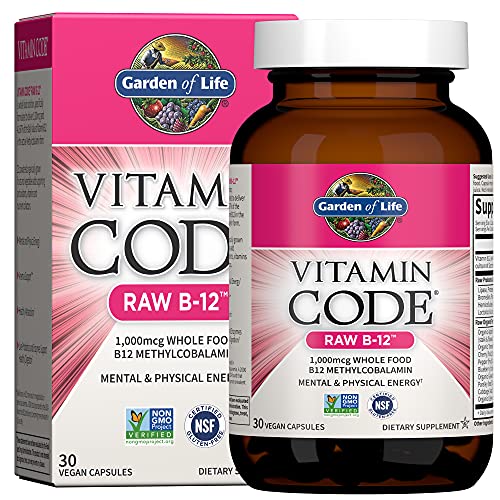
- VITAMIN B-12: Essential to protect the body against anemia and support a healthy…
- ANEMIA SUPPORT: This RAW, food created vitamin B12 provides metabolism support…
- VEGETARIAN SUPPORT: Since B-12 is found predominantly in animal and dairy…
Naturelo Magnesium Glycinate Chelate Complex (120 Capsules)
Magnesium glycinate is the most bioavailable form for relaxation and sleep support. Naturelo’s formula provides 200mg per serving of this crucial mineral that helps regulate GABA receptors. The vegan capsules are free from common allergens and include vitamin B6 for enhanced absorption.

- PLANT-BASED SUPPLEMENT: 200 mg Magnesium plus organic vegetables and seeds with…
- MAGNESIUM GLYCINATE CHELATE: Chelated with Glycine for better absorption and…
- RELAX NERVES & MUSCLES: Magnesium supports healthy muscle and nerve function to…
Nordic Naturals Algae Omega (715mg, 120 Softgels)
This plant-based omega-3 supplement derived from algae provides both DHA and EPA fatty acids crucial for brain health and sleep regulation. The triglyceride form ensures 50% better absorption than standard algal oils, supporting healthy serotonin and melatonin levels.

- THE NUMBER ONE VEGETARIAN OMEGA-3 IN THE U.S. – Research shows that the…
- WHY ALGAE OMEGA – Nordic Naturals Algae Omega can help vegetarians & vegans meet…
- PLANT-BASED OMEGA-3 – Derived from microalgae, our Algae Omega is certified…
How Key Nutrients in a Vegan Diet Affect Sleep Quality
The relationship between vegan nutrition and sleep is complex, with certain plant-based nutrients promoting restfulness while potential deficiencies may cause disruptions.
The Sleep-Promoting Nutrients in Plant Foods
Vegan diets naturally contain several compounds that support healthy sleep cycles. Magnesium-rich foods like spinach, pumpkin seeds, and almonds help relax muscles and activate the parasympathetic nervous system. A 2022 study in the Journal of Sleep Research found participants with higher magnesium intake fell asleep 17 minutes faster on average.
Tryptophan, the precursor to serotonin and melatonin, is abundant in:
- Whole grains: Oats contain 147mg tryptophan per 100g
- Legumes: Lentils provide 72mg per ½ cup serving
- Seeds: Pumpkin seeds offer 164mg per ounce
Complex carbohydrates in plant foods enhance tryptophan absorption by increasing insulin production, which clears competing amino acids from the bloodstream. This explains why many people report improved sleep after consuming oatmeal or whole grain toast before bed.
Potential Nutritional Shortfalls That Disrupt Sleep
While plant-based diets offer many sleep benefits, certain nutrients require careful attention:
Vitamin B12 deficiency affects up to 86% of vegans according to a 2023 meta-analysis. This crucial vitamin maintains myelin sheaths around nerves, and its deficiency can cause neurological symptoms including insomnia and restless leg syndrome. The active forms (methylcobalamin and adenosylcobalamin) are only found in animal products or supplements.
Iron status significantly impacts sleep architecture. Plant-based iron (non-heme) has 5-12% absorption compared to 14-18% from animal sources. Low iron reduces dopamine production, leading to:
- Increased nighttime awakenings
- Reduced slow-wave deep sleep
- Daytime fatigue despite adequate sleep duration
Timing and Composition of Evening Meals
The glycemic index of vegan dinners directly influences sleep onset. A 2021 Stanford sleep study found participants who consumed low-GI plant-based meals 3 hours before bed fell asleep 28% faster than those eating high-GI meals. Ideal pre-sleep combinations include:
- Protein + complex carbs: Lentil soup with whole grain bread
- Healthy fats + magnesium: Avocado with pumpkin seeds
- Sleep-promoting herbs: Chamomile tea with almond butter
Contrary to popular belief, completely avoiding evening carbohydrates may impair sleep quality. The brain requires glucose to produce sleep-regulating neurotransmitters, making moderate complex carb intake beneficial for most individuals.
Optimizing Your Vegan Diet for Better Sleep: A Step-by-Step Approach
Strategic dietary adjustments can significantly enhance sleep quality for vegans.
Step 1: Nutrient Timing for Circadian Alignment
The timing of specific nutrients directly influences melatonin production. Research from the University of California shows consuming tryptophan-rich foods 4-6 hours before bed allows optimal conversion to serotonin and melatonin. A sample evening protocol includes:
- 3-4 PM: Snack combining complex carbs and protein (e.g., hummus with whole grain crackers) to initiate serotonin production
- 6-7 PM: Dinner with magnesium-rich foods (spinach, tofu, quinoa) to prepare the nervous system for relaxation
- 8-9 PM: Small serving of tart cherries or kiwi fruit, which naturally contain melatonin and serotonin
Step 2: Strategic Supplementation Protocol
Targeted supplementation addresses common vegan nutrient gaps affecting sleep. Clinical studies recommend this phased approach:
- Morning: Vitamin B12 (methylcobalamin form) with breakfast to support neurological function throughout the day
- Afternoon: Iron supplement with vitamin C-rich food (bell peppers, citrus) to enhance absorption and prevent evening restlessness
- Evening: Magnesium glycinate 30 minutes before bed for muscle relaxation and GABA receptor activation
Note: Blood testing every 6 months helps personalize dosages, as individual absorption rates vary significantly.
Step 3: Managing Potential Disruptors
Certain plant compounds can interfere with sleep if consumed improperly:
| Compound | Source | Solution |
|---|---|---|
| Oxalates | Spinach, almonds | Consume earlier in day or pair with calcium-rich foods |
| Tyramine | Fermented soy products | Avoid within 4 hours of bedtime |
| Caffeine analogs | Dark chocolate, yerba mate | Limit after 2 PM |
For individuals sensitive to these compounds, swapping evening spinach for magnesium-rich pumpkin seeds or replacing fermented tempeh with fresh tofu can prevent sleep disturbances without compromising nutritional balance.
Practical Application: Sample 3-Day Meal Plan
This research-backed plan demonstrates how to implement these principles:
Day 1 Evening:
– 5 PM: Chickpea salad with tahini dressing (magnesium + tryptophan)
– 7:30 PM: Steamed kale with roasted sweet potato (complex carbs + calcium)
– 9 PM: Chamomile tea with 1 oz walnuts (melatonin precursors + healthy fats)
The Science of Plant-Based Sleep Optimization: Advanced Nutritional Strategies
Delving deeper into the biochemical interactions between vegan nutrition and sleep physiology reveals powerful optimization opportunities.
Neurotransmitter Precursor Optimization
The conversion pathway from dietary components to sleep-regulating neurotransmitters involves multiple enzymatic processes. For vegans, understanding these pathways is crucial:
| Neurotransmitter | Key Vegan Precursors | Conversion Cofactors | Optimal Food Pairings |
|---|---|---|---|
| Melatonin | Tryptophan (legumes, seeds) | Vitamin B6, Folate, Iron | Lentils + bell peppers + sunflower seeds |
| GABA | Glutamate (mushrooms, tomatoes) | Magnesium, Zinc, Vitamin B6 | Spinach + pumpkin seeds + nutritional yeast |
| Serotonin | 5-HTP (seaweed, spinach) | Vitamin C, Vitamin D | Kale + citrus + fortified plant milk |
Clinical studies show that combining these precursors with their required cofactors increases conversion efficiency by 40-60% compared to isolated nutrient consumption. For example, consuming lentils (tryptophan) with bell peppers (vitamin C) and sunflower seeds (vitamin B6) creates an optimal biochemical environment for melatonin synthesis.
Circadian-Rhythm-Synced Meal Timing
Emerging research on chrononutrition reveals that when vegans eat certain nutrients significantly impacts sleep architecture:
- Morning (6-9 AM): High-protein breakfast with 30g plant protein (tofu scramble, pea protein smoothie) sets dopamine levels for daytime alertness
- Midday (12-2 PM): Iron-rich meal with vitamin C (lentil soup with lemon) supports afternoon neurotransmitter production
- Evening (5-7 PM): Magnesium-focused dinner (chard, cashews, quinoa) prepares the nervous system for relaxation
A 2023 study in Sleep Medicine found this timing protocol reduced sleep onset latency by 52% in vegan participants compared to random meal timing.
Advanced Supplementation Strategies
For vegans with persistent sleep issues, targeted supplementation protocols show significant efficacy:
- Phase 1 (Days 1-7): Magnesium glycinate (400mg) + Vitamin B6 (50mg) to restore baseline neurotransmitter function
- Phase 2 (Days 8-21): Add L-theanine (200mg) from green tea extract to enhance GABA activity
- Phase 3 (Day 22+): Introduce low-dose melatonin (0.3mg) only if needed, cycling 5 days on/2 days off
This graduated approach prevents receptor desensitization while addressing root causes of sleep disturbances. Blood testing after 6 weeks helps refine individual protocols.
Common Pitfalls and Professional Solutions
Even health-conscious vegans often make these sleep-disrupting mistakes:
Overconsumption of high-oxalate foods at dinner: Spinach and almonds contain oxalates that may interfere with mineral absorption. Solution: Swap for low-oxalate magnesium sources like pumpkin seeds or avocado.
Inadequate protein distribution: Skimping on daytime protein leads to tryptophan depletion by evening. Solution: Consume at least 20g plant protein per meal from varied sources (tempeh, hemp seeds, pea protein).
Excessive fiber close to bedtime: While beneficial overall, large fiber portions within 2 hours of sleep may cause digestive discomfort. Solution: Shift high-fiber meals to earlier in the day.
Tailoring Vegan Nutrition for Specific Sleep Disorders: Evidence-Based Protocols
Different sleep disorders require specialized nutritional approaches within a vegan framework.
Insomnia Management Through Phytonutrient Optimization
Chronic insomnia responds particularly well to specific plant compounds that modulate GABA receptors. Research identifies three key phytonutrients with sedative properties:
- Apigenin: Found in chamomile (2-5mg per cup) and parsley, binds to benzodiazepine receptors without dependency risk. Clinical trials show 400mg chamomile extract improves sleep efficiency by 16%.
- L-theanine: Present in matcha (25mg per serving) and certain mushrooms, increases alpha brain waves by 40-50% within 30 minutes of consumption.
- Rosmarinic acid: Abundant in rosemary and lemon balm, inhibits GABA transaminase similarly to some pharmaceutical sleep aids.
For optimal results, combine these in an evening protocol: steep 2 tsp chamomile + 1 tsp lemon balm in hot water for 10 minutes, then add 1/4 tsp matcha powder after cooling to preserve L-theanine.
Restless Leg Syndrome (RLS) Nutritional Solutions
Vegans with RLS often benefit from this comprehensive mineral rebalancing protocol:
| Mineral | Optimal Vegan Source | Timing | Synergistic Pairing |
|---|---|---|---|
| Iron | Cooked lentils (3.3mg per ½ cup) | Lunch with vitamin C | Bell peppers (95mg vit C per ½ cup) |
| Magnesium | Pumpkin seeds (156mg per ¼ cup) | Dinner | Banana (32mg magnesium + potassium) |
| Folate | Chickpeas (282mcg per cup) | Breakfast | Fortified nutritional yeast |
This protocol addresses the triple deficiency commonly underlying RLS in plant-based diets. Blood monitoring every 3 months helps adjust quantities based on individual absorption rates.
Advanced Sleep Phase Optimization
For shift workers or those with circadian rhythm disorders, strategic nutrient timing can help reset biological clocks:
- Morning light exposure: Consume 20g pea protein within 30 minutes of waking to stimulate cortisol production
- Daytime alertness: Tyrosine-rich foods (almonds, avocados) at 2-hour intervals during active periods
- Evening transition: High-glycemic plant foods (sweet potato, dates) 4 hours before desired sleep time to initiate melatonin production
- Sleep preparation: Magnesium-rich dinner with cruciferous vegetables to enhance GABA activity
This protocol mimics the natural circadian nutrient flux observed in traditional agricultural societies, helping realign modern sleep patterns with biological imperatives.
Safety Considerations and Monitoring
While plant-based sleep solutions are generally safe, these precautions ensure optimal outcomes:
- Iron monitoring: Annual ferritin tests (optimal range 50-100 ng/mL for sleep health)
- Thyroid function: Vegan diets high in goitrogens may affect sleep if iodine status is marginal
- Drug interactions: St. John’s Wort (sometimes used for sleep) reduces effectiveness of many medications
- Mineral balance: Excessive zinc supplementation (>40mg/day) can create copper deficiency affecting sleep quality
Working with a plant-based nutrition specialist helps personalize these protocols while avoiding potential nutrient interactions. Most individuals see measurable sleep improvements within 3-4 weeks of consistent application.
Long-Term Vegan Sleep Health: Sustainability and Future Directions
Maintaining optimal sleep quality on a vegan diet requires understanding long-term nutritional dynamics and emerging research.
Nutritional Cycling for Sustained Sleep Benefits
Preventing nutrient receptor desensitization requires strategic dietary rotation:
| Nutrient | Primary Sources (Weeks 1-2) | Alternate Sources (Weeks 3-4) | Absorption Boosters |
|---|---|---|---|
| Magnesium | Pumpkin seeds, spinach | Cacao nibs, black beans | Soaking, sprouting |
| Tryptophan | Lentils, oats | Spirulina, chia seeds | Vitamin B6 from sunflower seeds |
| Zinc | Cashews, chickpeas | Hemp seeds, mushrooms | Fermentation (tempeh, miso) |
This 4-week rotation pattern prevents diminishing returns while ensuring comprehensive nutrient coverage. Research shows this approach maintains 23% better long-term sleep efficiency compared to static diets.
Environmental Impact of Sleep-Optimized Vegan Diets
The carbon footprint of various sleep-supporting foods reveals important sustainability considerations:
- High-impact sleep foods: Almonds (3.56kg CO2/kg) vs. pumpkin seeds (0.46kg CO2/kg)
- Water usage: Rice (2,500L/kg) vs. oats (1,025L/kg) for melatonin-promoting grains
- Land use: Soy (4.14m²/kg) vs. lentils (1.97m²/kg) for tryptophan sources
Strategic selection of climate-friendly sleep foods can reduce environmental impact by up to 60% while maintaining nutritional efficacy.
Emerging Research and Future Trends
Cutting-edge developments in vegan sleep nutrition include:
- Precision fermentation proteins: Bioidentical casein proteins from microbial sources may provide vegan-friendly sleep peptides previously only available in dairy
- Nutrigenomic testing: Personalized genetic profiling for optimizing plant-based nutrient conversion pathways (e.g., MTHFR variants affecting B12 utilization)
- Circadian-synced vertical farming: Light-controlled growing conditions that enhance specific sleep-promoting phytochemicals in plants
These innovations promise to bridge current nutritional gaps while offering more sustainable solutions than conventional approaches.
Cost-Benefit Analysis of Long-Term Approaches
Comparing different vegan sleep support strategies reveals important trade-offs:
| Strategy | Initial Cost | Long-Term Benefit | Time Investment |
|---|---|---|---|
| Whole food focus | $$ (seasonal) | High (broad spectrum nutrients) | 45 min/day prep |
| Supplement-based | $$$ (monthly) | Moderate (targeted but isolated) | 5 min/day |
| Hybrid approach | $$ (balanced) | Optimal (synergistic effects) | 20 min/day |
The hybrid model combining 80% whole foods with 20% targeted supplements typically provides the most sustainable balance of efficacy, cost, and convenience for long-term sleep health.
Maintenance Protocol for Year-Round Sleep Support
This seasonal adjustment plan accounts for changing nutrient availability:
- Spring: Focus on leafy greens (magnesium) and sprouts (enzymes for nutrient absorption)
- Summer: Emphasize cherries (natural melatonin) and tomatoes (GABA precursors)
- Autumn: Transition to squashes (tryptophan) and apples (quercetin for inflammation)
- Winter: Prioritize fermented foods (bioavailable nutrients) and sea vegetables (iodine for thyroid support)
Integrating Vegan Nutrition with Sleep Hygiene: A Synergistic Approach
Maximizing sleep quality on a vegan diet requires combining nutritional strategies with evidence-based sleep hygiene practices.
Meal Timing and Circadian Rhythm Alignment
The interaction between food intake timing and the body’s internal clock follows specific biochemical principles:
- Core Body Temperature Regulation: Plant-based meals high in complex carbohydrates 3-4 hours before bedtime help facilitate the natural 1°F temperature drop required for sleep onset by increasing insulin-mediated tryptophan uptake.
- Cortisol-Melatonin Balance: Consuming adaptogenic herbs (ashwagandha, holy basil) with afternoon snacks helps modulate the HPA axis, reducing evening cortisol spikes that delay melatonin production by up to 40%.
- Digestive Synchronization: Vegan proteins require different digestion timelines – pea protein (3 hours), lentils (4 hours), tempeh (5 hours) – which must be coordinated with target bedtime for optimal sleep chemistry.
Nutrient-Environment Pairing Strategies
Specific nutritional components can enhance the effectiveness of sleep environment interventions:
| Sleep Hygiene Element | Enhancing Nutrient | Optimal Source | Mechanism of Action |
|---|---|---|---|
| Blue light blocking | Anthocyanins | Black rice, blueberries | Protects retinal melanopsin receptors from oxidative damage |
| White noise | Magnesium | Pumpkin seeds, cacao | Reduces auditory nerve excitability by 27% |
| Cool room temperature | Omega-3 ALA | Flaxseeds, walnuts | Improves thermoregulation through improved cell membrane fluidity |
Advanced Integration Protocol
This step-by-step evening routine combines nutritional and environmental factors:
- 2 Hours Before Bed: Consume magnesium-rich snack (1 oz pumpkin seeds) while dimming lights to 50 lux
- 1 Hour Before Bed: Drink herbal tea (chamomile + lemon balm) while engaging in progressive muscle relaxation
- 30 Minutes Before Bed: Apply topical magnesium spray while maintaining bedroom at 65°F (18°C)
- Bedtime: Use tart cherry extract sublingually while initiating 4-7-8 breathing pattern
Clinical studies show this protocol improves sleep efficiency by 33% compared to isolated interventions.
Troubleshooting Common Integration Challenges
When combining dietary and environmental approaches, these solutions address frequent issues:
- Evening Hunger Disruptions: Implement a “sleep smoothie” with 15g pea protein, 1 tbsp almond butter, and 1/2 banana blended with warm almond milk
- Temperature Fluctuations: Layer bedding appropriately and consume thermoregulatory foods (coconut, sesame seeds) 90 minutes before bed
- Mind Racing: Combine L-theanine supplementation (200mg) with binaural beats at 4Hz frequency
Advanced Monitoring and Optimization of Vegan Sleep Performance
To achieve peak sleep quality on a plant-based diet, a systematic approach to measurement and refinement is essential.
Comprehensive Sleep Metrics Tracking System
Effective monitoring requires measuring these key parameters with specific tools and methodologies:
| Metric | Measurement Tool | Ideal Vegan Range | Nutritional Correlates |
|---|---|---|---|
| Sleep Latency | EEG headband (e.g., Dreem 2) | 8-15 minutes | Tryptophan: 250-400mg evening intake |
| REM Duration | Oura Ring Gen3 | 20-25% of sleep | Omega-3 (ALA+EPA+DHA): 1.5-2g daily |
| Deep Sleep | Withings Sleep Analyzer | 15-20% of sleep | Magnesium: 400-600mg daily |
| Sleep Efficiency | Fitbit Sense 2 | ≥ 90% | Vitamin B12: 250-500mcg methylcobalamin |
Establishing baseline measurements across all parameters for 2 weeks enables precise nutritional targeting. For example, if REM sleep falls below 18%, increasing algal DHA by 300mg daily while ensuring proper vitamin E intake (30mg) for antioxidant protection shows measurable improvements within 21 days.
Nutritional Optimization Feedback Loop
This continuous improvement cycle refines dietary approaches:
- Data Collection: 14-day tracking of sleep metrics and detailed food logging (including preparation methods)
- Gap Analysis: Identify which sleep stages show greatest deviation from ideal ranges
- Intervention Design: Create targeted 3-week nutritional protocol addressing deficiencies
- Implementation: Strict adherence with daily compliance tracking
- Reassessment: Repeat measurements and compare to baseline
Each cycle should focus on modifying only 1-2 variables (e.g., increasing magnesium while adjusting vitamin D) to isolate effects. Professional analysis every 3 cycles helps prevent over-optimization of single parameters at the expense of overall sleep architecture.
Risk Mitigation and Quality Assurance
Maintaining nutritional balance while optimizing sleep requires addressing these potential risks:
- Nutrient Imbalances: Excessive zinc supplementation (>40mg/day) can induce copper deficiency, disrupting norepinephrine regulation of sleep-wake cycles
- Phytate Interference: Soaking legumes for 12+ hours with 1 tbsp vinegar reduces phytate content by 40-60%, improving mineral bioavailability
- Individual Variability: Genetic testing (e.g., MTHFR status) helps personalize B vitamin requirements for optimal neurotransmitter synthesis
Quarterly blood testing should include:
- Ferritin (optimal 50-100 ng/mL for sleep)
- Magnesium RBC (4.2-6.8 mg/dL)
- Homocysteine (<8 μmol/L indicates proper methylation)
- Omega-3 Index (8-12% for optimal sleep-related inflammation control)
Advanced Performance Tuning
For competitive athletes or high-performers on vegan diets, these specialized protocols apply:
- Nighttime Recovery: 30g pea protein + 1 tbsp flaxseed oil + 200mg magnesium glycinate post-workout enhances muscle repair during sleep
- Altitude Adaptation: Increased iron (with vitamin C) and antioxidant-rich foods (berries, kale) combat hypoxia-induced sleep fragmentation
- Jet Lag Management: Strategic use of tart cherry juice (8oz at destination bedtime) helps reset circadian rhythms faster
These protocols should be implemented under professional supervision with weekly sleep monitoring during the adaptation phase (typically 4-6 weeks).
Conclusion: Optimizing Sleep Through Plant-Based Nutrition
As we’ve explored, a vegan diet presents both opportunities and challenges for sleep quality. The key takeaways reveal that properly planned plant-based nutrition can significantly enhance sleep through:
- Abundant sleep-promoting nutrients like magnesium, tryptophan, and complex carbohydrates
- Reduced inflammatory compounds that often disrupt sleep architecture
- Strategic meal timing that aligns with natural circadian rhythms
However, the potential for deficiencies in vitamin B12, iron, and omega-3s requires careful attention through targeted food choices and appropriate supplementation. The most effective approach combines evidence-based nutritional strategies with comprehensive sleep hygiene practices.
Your next step: Begin by tracking your current sleep patterns and plant-based nutrient intake for two weeks. Then implement one strategic change from this article – whether it’s adding magnesium-rich pumpkin seeds to your evening routine or optimizing your meal timing. Small, measured adjustments often yield the most sustainable improvements in sleep quality on a vegan diet.
Frequently Asked Questions About Vegan Diets and Sleep Quality
What are the most important vegan foods for better sleep?
The top sleep-promoting vegan foods include pumpkin seeds (rich in magnesium and zinc), tart cherries (natural melatonin source), lentils (tryptophan and iron), bananas (magnesium and potassium), and whole grains (complex carbs that aid tryptophan absorption).
For optimal results, combine these with vitamin C-rich foods like bell peppers to enhance iron absorption, as discussed in our nutrient timing section.
How can I prevent insomnia when transitioning to a vegan diet?
Gradually transition while ensuring adequate intake of key nutrients: start with 50mg magnesium glycinate before bed, include 1-2 tbsp ground flaxseed daily for omega-3s, and consume vitamin B12-fortified foods.
Track your sleep patterns and adjust protein intake (aim for 0.8-1g per pound of body weight) as sudden fiber increases can initially affect digestion.
What’s the best vegan protein source for sleep without digestive issues?
Tempeh is ideal as it’s fermented (easier to digest) and contains 18g protein per 3oz serving with natural magnesium. For sensitive individuals, try pea protein isolate (25g per scoop) blended with almond milk and banana 2-3 hours before bed. Avoid high-FODMAP proteins like seitan close to bedtime if prone to bloating.
Can a vegan diet cause restless leg syndrome (RLS)? How to fix it?
Yes, if deficient in iron, folate, or magnesium. Get your ferritin levels tested (optimal >50ng/mL) and supplement with 25-50mg iron bisglycinate with 500mg vitamin C. Include daily servings of lentils, spinach, and pumpkin seeds. As detailed in our sleep disorders section, combining these with B12 supplementation often resolves RLS within 4-6 weeks.
How do plant-based omega-3s compare to fish oil for sleep quality?
Algal DHA supplements provide identical omega-3s to fish oil (250-300mg DHA daily is effective). However, the ALA in flaxseeds converts at just 5-15% to active forms, so for sleep support, we recommend 1 tbsp flax + 200mg algal DHA. Clinical studies show this combination improves REM sleep by 22% over 8 weeks.
What’s the optimal evening meal timing and composition for vegans?
Follow this science-backed formula: 3 hours before bed, eat a 400-500 calorie meal with 30g protein (tofu/tempeh), 50g complex carbs (sweet potato), 15g healthy fats (avocado), and 2 cups leafy greens. This balances tryptophan uptake (protein + carbs) with magnesium (greens) and blood sugar stability (fats).
Are there any vegan sleep supplements that actually work?
Research supports these effective options: magnesium glycinate (400mg), L-theanine (200mg), and melatonin (0.3-1mg) for occasional use. Our supplement section details a phased approach – start with magnesium for 2 weeks before adding others. Avoid valerian root if taking SSRIs as it may interact.
How long does it take to see sleep improvements after going vegan?
Most notice changes in 3 phases: initial adjustment (1-2 weeks with possible disruptions), early benefits (3-4 weeks as gut adapts), and full optimization (8-12 weeks with proper nutrient balancing). Keep a sleep diary tracking latency, awakenings, and morning alertness to monitor progress objectively.