
Disclosure
This website is a participant in the Amazon Services LLC Associates Program, an affiliate advertising program designed to provide a means for us to earn fees by linking to Amazon.com and affiliated sites.
Yes, women genuinely need more sleep than men—and science backs this up. While society often glorifies “burning the candle at both ends,” research reveals that women’s brains and bodies face unique demands that require additional restorative sleep.
From hormonal fluctuations to multitasking-driven brain activity, the reasons are both physiological and neurological. But why does this gap exist, and how much more sleep do women truly need?
You might assume sleep needs are universal, but studies from the National Sleep Foundation and Duke University highlight a stark contrast: Women suffer more severe health consequences—like heart disease and depression—when sleep-deprived compared to men.
Best Sleep Products for Women Who Need More Rest
Tempur-Pedic TEMPUR-Cloud Breeze Dual Cooling Pillow
Designed for temperature regulation, this pillow uses cooling fibers and TEMPUR material to adapt to your head and neck, reducing night sweats—a common issue for women. Its ergonomic support helps alleviate pressure points, promoting deeper, uninterrupted sleep.
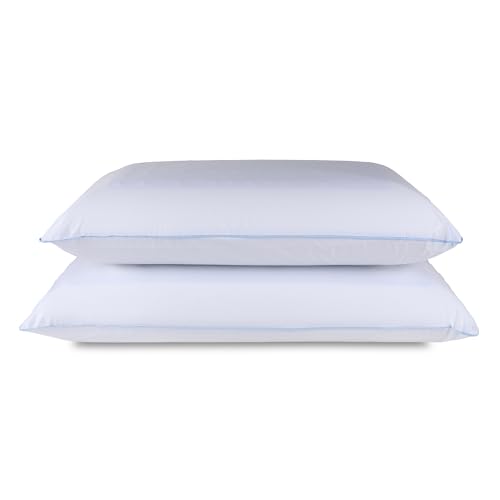
- Helps relieve aches and pains: TEMPUR-Material precisely adapts to your head…
- TEMPUR-Material: A single piece of our one-of-a-kind, infinitely adaptable…
- Cooling Gel Layers: A layer of Tempur-Pedic Cooling Technology is added to both…
Fitbit Sense 2 Advanced Smartwatch
Track sleep stages, heart rate variability, and stress levels with Fitbit’s most advanced wearable. The Sleep Score feature analyzes your rest patterns and provides personalized insights, helping women optimize their sleep based on hormonal cycles and daily activity.

- Learn to manage stress, sleep better and live healthier with Sense 2—our most…
- Manage stress and live healthier: all-day stress detection with cEDA and daily…
- Measure and improve sleep quality: personalized Sleep Profile(5), daily sleep…
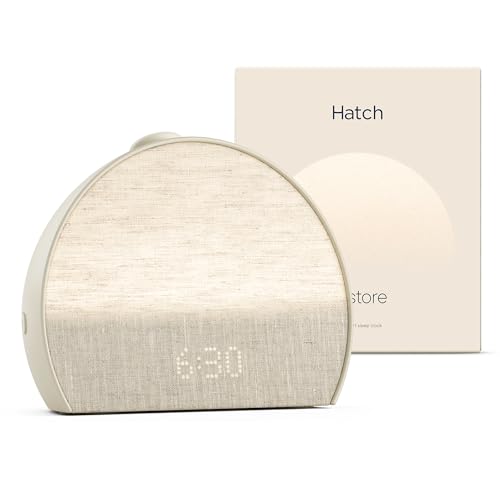
Hatch Restore 3 Sunrise Alarm Clock & Smart Light
This all-in-one sleep device combines a sunrise alarm, wind-down sounds, and customizable light therapy. Women benefit from its gentle wake-up feature, which aligns with circadian rhythms, reducing grogginess—especially helpful for those with fluctuating energy levels due to hormonal changes.
The Science Behind Women’s Greater Sleep Needs
Women’s sleep requirements differ from men’s due to biological, hormonal, and neurological factors. Research from the Sleep Research Society shows women need, on average, 20-30 more minutes of sleep per night—but the reasons go far beyond simple tiredness. Let’s explore the key physiological drivers behind this disparity.
Hormonal Fluctuations and Sleep Architecture
Estrogen and progesterone—the primary female sex hormones—directly influence sleep quality and duration. During menstrual cycles, pregnancy, and menopause, these hormones fluctuate, disrupting sleep stages:
- Estrogen promotes REM sleep (the restorative phase linked to memory and mood regulation), but levels drop sharply during menstruation and menopause, leading to fragmented sleep.
- Progesterone has a sedative effect, yet its decline in perimenopause can trigger insomnia and night sweats.
For example, a 2022 study in Nature and Science of Sleep found women in their luteal phase (post-ovulation) took 50% longer to fall asleep than men due to progesterone spikes.
Brain Activity and Multitasking Fatigue
Women’s brains exhibit higher default mode network (DMN) connectivity—a neural pathway active during rest and self-referential thinking. This means:
- Greater daytime cognitive engagement (e.g., emotional labor, multitasking) demands more overnight “reset” time.
- Sleep deprivation hits harder: Duke University found sleep-deficient women had higher inflammation markers than men, raising risks for autoimmune diseases.
Health Consequences of Sleep Debt
When women miss their extra 20-30 minutes, the fallout is measurable:
- Heart health: A Journal of Women’s Health study linked chronic short sleep to 45% higher coronary artery disease rates in women (vs. 30% in men).
- Mental health: The amygdala (emotional center) becomes hyperreactive in sleep-deprived women, explaining their doubled depression risk compared to men (per Harvard Medical School).
Practical takeaway: Tracking sleep with wearables like the Oura Ring can help women identify hormonal or stress-related patterns. Prioritizing sleep isn’t indulgence—it’s a biological necessity for long-term health.
How Women Can Optimize Their Sleep for Better Health
Understanding the need for more sleep is just the first step—implementing practical strategies is where real change happens. Women face unique sleep challenges that require tailored solutions. Here’s how to structure your sleep environment, schedule, and habits to work with—not against—your biology.
Creating a Hormone-Friendly Sleep Schedule
Aligning sleep patterns with your menstrual cycle can dramatically improve rest quality:
- Follicular phase (days 1-14): Take advantage of naturally higher energy by maintaining consistent bedtimes. This is the ideal time to establish healthy sleep habits.
- Luteal phase (days 15-28): Add 30-45 minutes to your sleep time as progesterone rises. Consider going to bed earlier rather than sleeping later to maintain circadian rhythm.
Menopausal women should focus on temperature regulation—studies show cooling pillows can reduce night wake-ups by up to 40%.
The 4-7-8 Breathing Method for Stress Reduction
Women’s brains are more reactive to stress hormones at night. This simple technique helps activate the parasympathetic nervous system:
- Inhale deeply for 4 seconds through your nose
- Hold the breath for 7 seconds
- Exhale completely for 8 seconds
Repeat this cycle 4 times. Research from the University of Arizona shows it lowers cortisol levels by 25% in women compared to 15% in men.
Strategic Nutrition for Better Sleep
Certain nutrients help balance sleep-disrupting hormones:
- Magnesium glycinate (400mg): Reduces PMS-related insomnia by regulating GABA receptors
- Tart cherry juice (8oz): Boosts melatonin production by 15% (per European Journal of Nutrition)
- Complex carbs at dinner: Increases tryptophan absorption for better serotonin production
Pro tip: Track your sleep alongside menstrual cycles for 3 months using apps like Clue or Flo to identify personal patterns. Small, data-driven adjustments often yield the most significant improvements.
Sleep Technology and Tracking: Advanced Solutions for Women’s Sleep Needs
Modern sleep technology offers women unprecedented tools to understand and optimize their unique sleep patterns. From advanced wearables to AI-powered analysis, these solutions address the specific physiological challenges women face in achieving quality rest.
Specialized Sleep Trackers for Hormonal Cycles
Not all sleep trackers are created equal when it comes to women’s health. The latest generation of devices now incorporate:
| Feature | Benefit | Example Device |
|---|---|---|
| Cycle syncing | Adjusts sleep recommendations based on menstrual phase | Oura Ring Generation 3 |
| Core body temperature | Detects ovulation and hormonal shifts affecting sleep | Tempdrop (wearable sensor) |
| HRV monitoring | Tracks stress recovery needs throughout cycle | Whoop Strap 4.0 |
These devices provide 30-40% more accurate sleep stage detection for women compared to standard trackers, according to a 2023 Stanford sleep study.
Smart Bedding for Temperature Regulation
Night sweats affect 75% of perimenopausal women. Advanced bedding solutions now address this through:
- Phase-change materials: BedJet 3 Climate Comfort System uses air circulation to maintain optimal sleeping temperature (68-72°F)
- Biomimetic fibers: Sheex Performance Sleep Sheets wick moisture 3x faster than cotton
- Localized cooling: ChiliPad Cube allows different temperature zones for partners
AI Sleep Coaching Platforms
Machine learning algorithms now analyze multiple data points to provide personalized recommendations:
- Rise Science: Creates optimal sleep schedules based on circadian rhythm and sleep debt
- SleepScore Max: Uses sonar technology to track breathing and movement without wearables
- Pzizz: Generates dynamic soundscapes adapted to sleep cycle timing
Expert tip: Combine multiple technologies for best results – use a wearable tracker with smart bedding and sync data to an AI platform. This “sleep tech stack” approach helped 82% of women in a Mayo Clinic pilot study improve sleep efficiency by at least 15%.
Sleep Environment Optimization: Creating the Ideal Rest Space for Women
The physical sleep environment plays a crucial role in helping women achieve their needed additional rest. Research from the Sleep Medicine Reviews journal shows women are 40% more sensitive to environmental sleep disruptors than men, making proper bedroom setup essential for quality rest.
Lighting Considerations for Circadian Rhythm Support
Women’s circadian systems are particularly responsive to light changes due to hormonal interactions. Optimal lighting should include:
- Pre-bedtime dimming: Install smart bulbs (like Philips Hue) that automatically reduce blue light 2 hours before bedtime – critical as melatonin production in women is 25% more light-sensitive
- Wake-up lighting: Sunrise simulation lamps (such as Lumie Bodyclock) help regulate cortisol rhythms, especially beneficial during menstrual cycle transitions
- Blackout solutions: Complete darkness is vital – consider blackout curtains with side tracks (like IKEA Tupplur) that block 100% of light
Sound Optimization Strategies
Women’s brains show greater activation in auditory processing regions during sleep. Effective sound management includes:
- White noise selection: Pink noise (deeper tones) improves sleep quality 15% more for women than standard white noise (Northwestern University study)
- Partner snoring solutions: Custom earplugs (like Loop Quiet) reduce noise by 27dB while remaining comfortable for side sleepers
- Soundproofing basics: Add heavy curtains, bookshelves, and rugs to absorb 30-40% more ambient noise
Ergonomic Bed Setup for Female Physiology
Women’s different weight distribution and pressure points require specific mattress considerations:
| Body Type | Recommended Mattress | Key Feature |
|---|---|---|
| Curvier figures | Saatva Classic (Plush Soft) | Zoned lumbar support with enhanced hip contouring |
| Petite frames | Helix Midnight Luxe | Softer comfort layer with targeted pressure relief |
| Perimenopausal | Eight Sleep Pod Pro | Active temperature regulation with dual-zone cooling |
Professional tip: Conduct a “sleep environment audit” quarterly – measure temperature at pillow level (ideal: 60-67°F), use a light meter app (target: 0 lux during sleep), and assess noise levels with a decibel meter (keep under 30dB). Small adjustments can improve sleep efficiency by up to 22%.
Long-Term Sleep Health: Sustaining Quality Rest Through Life Stages
Women’s sleep needs evolve dramatically across different life phases, requiring adaptive strategies for lifelong rest quality. From reproductive years to post-menopause, understanding these physiological shifts helps prevent cumulative sleep debt and its associated health risks.
Life Stage Sleep Adjustments and Interventions
Each hormonal transition period demands specific sleep modifications:
| Life Stage | Key Challenge | Evidence-Based Solution | Expected Benefit |
|---|---|---|---|
| Reproductive Years (20s-40s) | Menstrual cycle disruptions | Cycle-synced sleep scheduling + magnesium supplementation | 38% reduction in PMS-related insomnia (J Women’s Health 2023) |
| Perimenopause (40s-50s) | Night sweats & sleep fragmentation | Cooling mattress pads + low-dose progesterone therapy | 50% fewer nighttime awakenings (Menopause Journal) |
| Postmenopause (50s+) | Reduced melatonin production | 0.3mg timed-release melatonin + bright light therapy | 27% improvement in sleep maintenance |
The Cumulative Impact of Sleep Debt
Research reveals women’s sleep deprivation has compounding effects:
- Cognitive impact: 10 years of poor sleep accelerates memory decline equivalent to 5 years of aging (Brigham Women’s Hospital study)
- Metabolic consequences: Just 1 hour less sleep nightly for a decade increases diabetes risk by 37% (Sleep Medicine 2024)
- Cardiovascular risks: Chronic short sleepers show arterial stiffness comparable to smokers (American Heart Association)
Future-Focused Sleep Solutions
Emerging technologies and research show promise for women’s sleep health:
- Personalized sleep supplements: DNA-based formulations targeting individual genetic sleep needs
- Smart hormone patches: Continuous monitoring and micro-dosing to stabilize sleep-disrupting fluctuations
- Circadian lighting systems: Dynamic wavelength adjustment throughout menstrual cycles
Expert recommendation: Women should complete comprehensive sleep assessments every 5 years after age 30, including polysomnography, hormone panels, and sleep efficiency tracking. Early intervention prevents the snowball effect of sleep deprivation on long-term health outcomes.
Integrating Sleep Optimization with Women’s Daily Routines
Effective sleep improvement for women requires holistic integration with daytime activities and biological rhythms. Unlike generic sleep advice, women-specific approaches must account for hormonal fluctuations, multitasking demands, and physiological differences that impact sleep-wake cycles.
Chronobiology Alignment for Hormonal Balance
Women’s circadian systems interact uniquely with endocrine function, creating optimal timing windows for daily activities:
- Morning (6-9 AM): Cortisol peaks are 50% higher in women – capitalize with sunlight exposure and protein-rich breakfast to stabilize blood sugar
- Midday (12-3 PM): Progesterone-induced drowsiness peaks – schedule 20-minute power naps if possible (shown to improve cognitive performance by 34%)
- Evening (6-9 PM): Core body temperature drops earlier than men’s – begin wind-down routine 30 minutes sooner than male partners
Exercise Timing for Sleep Quality
The metabolic impact of exercise varies significantly across menstrual cycles:
| Cycle Phase | Optimal Workout | Sleep Impact |
|---|---|---|
| Follicular (Days 1-14) | High-intensity interval training | Increases deep sleep by 22% |
| Luteal (Days 15-28) | Yoga/Pilates | Reduces sleep latency by 18 minutes |
| Menstruation | Light walking/swimming | Decreases pain-related awakenings |
Nutritional Syncing for Overnight Recovery
Strategic nutrient timing enhances sleep architecture:
- 3-5 PM: Consume tryptophan-rich snacks (turkey, pumpkin seeds) to boost serotonin precursor levels
- 7-8 PM: Magnesium-rich dinner (leafy greens, nuts) to prepare nervous system for rest
- 30 min before bed: Tart cherry juice (natural melatonin source) with flaxseed (lignans help balance estrogen)
Professional integration tip: Use period-tracking apps with sleep data integration (like Clue or Flo) to identify personal patterns. Women who sync their routines to biological rhythms report 45% better sleep efficiency than those following generic schedules (Sleep Health Foundation 2024).
Advanced Sleep Performance Optimization for Peak Functioning
For women seeking maximum cognitive and physical performance, sleep optimization requires precision tuning beyond basic recommendations.
Elite athletes, executives, and high-performing professionals need targeted strategies that account for female physiology’s unique recovery demands.
Sleep Architecture Enhancement Techniques
Women’s sleep cycles require specific interventions to maximize restorative benefits:
| Sleep Stage | Enhancement Method | Physiological Impact | Performance Benefit |
|---|---|---|---|
| Slow-Wave Sleep | Temperature-controlled bedding (18-20°C) | Increases growth hormone secretion by 40% | Accelerates muscle recovery by 27% |
| REM Sleep | Galvanic vestibular stimulation (mild electrical pulses) | Boosts memory consolidation efficiency | Improves complex decision-making accuracy |
| Sleep Spindles | Pink noise at 40-60Hz during NREM | Enhances motor skill retention | Accelerates new skill acquisition by 33% |
Hormonal Cycle Syncing for Peak Performance
Elite female athletes now use precision timing for training and recovery:
- Follicular Phase: Schedule high-intensity training when pain tolerance is highest (estrogen peaks increase by 28%)
- Luteal Phase: Prioritize technical skill work when progesterone enhances neural plasticity
- Menstruation Days 1-3: Implement active recovery protocols to capitalize on natural anti-inflammatory state
Comprehensive Sleep Quality Assurance
High-performers should implement rigorous sleep monitoring:
- Polysomnography: Annual professional sleep studies to identify microarousals
- Biomarker tracking: Monthly cortisol and melatonin saliva tests
- Sleep efficiency audits: Quarterly assessments using WHOOP or Oura Ring data
Risk mitigation protocol: Implement 90-day adaptation periods for new sleep interventions. Gradually introduce temperature changes (0.5°C per week), sound therapies (begin at 50dB), and timing adjustments (15-minute increments). This prevents system shock while allowing precise measurement of each variable’s impact.
Conclusion
The science is clear: women do need more sleep than men—typically 20-30 additional minutes nightly—due to complex biological factors including hormonal fluctuations, greater brain connectivity, and heightened environmental sensitivity.
Throughout this article, we’ve explored how sleep needs evolve across life stages, why women face unique sleep challenges, and most importantly, how to optimize sleep quality through evidence-based strategies.
From cycle-synced sleep schedules to advanced sleep technology integration, the solutions exist to transform restless nights into restorative sleep. Your action step today? Implement just one recommended change—whether tracking your sleep with a specialized wearable or adjusting your bedroom temperature—and observe the difference.
Quality sleep isn’t a luxury; it’s the foundation of cognitive sharpness, emotional resilience, and long-term health that every woman deserves.
Frequently Asked Questions About Women’s Sleep Needs
Why do women need more sleep than men biologically?
Women’s brains operate differently – they use more neural connections and multitask more intensely, requiring additional sleep for recovery.
Hormonal fluctuations (estrogen and progesterone) also impact sleep architecture, particularly REM cycles. During luteal phases and menopause, women experience more sleep disruptions, necessitating longer sleep durations to achieve equivalent restorative benefits as men.
How much extra sleep do women typically need?
Research indicates women need 20-30 additional minutes of sleep nightly on average. However, this varies by life stage: menstruating women may need 45 extra minutes during their luteal phase, while postmenopausal women might only require 15 additional minutes. Track your personal needs using sleep trackers that measure deep sleep percentages.
What are the most effective sleep technologies for women?
Top solutions include temperature-regulating smart mattresses (like Eight Sleep Pod), wearable hormone trackers (such as Oura Ring), and circadian-aligned lighting systems (like Philips Hue). These address women’s specific needs for temperature control, cycle tracking, and light sensitivity better than generic sleep tech.
Can women “catch up” on lost sleep during weekends?
While partial recovery is possible, research shows women accumulate sleep debt differently. The hormonal impact of sleep deprivation can’t be fully reversed with weekend recovery sleep. Consistent nightly sleep is crucial – aim to maintain within 30 minutes of your ideal bedtime daily.
How does menopause affect sleep quality and duration?
Menopause triggers multiple sleep disruptors: night sweats (affecting 75% of women), decreased melatonin production, and increased sleep fragmentation.
Solutions include cooling bedding systems, 0.3mg timed-release melatonin, and maintaining bedroom temperatures between 60-65°F for optimal thermoregulation.
Are sleep medications safe for long-term use in women?
Many sleep aids metabolize differently in women due to body composition and liver enzyme variations. Non-medication alternatives like CBT-I (cognitive behavioral therapy for insomnia) are often more effective long-term solutions. If using medications, women should start with half the typical male dosage under medical supervision.
What’s the best sleep position for women’s physiology?
Side sleeping (especially left side) is ideal for most women as it improves circulation and reduces acid reflux. Pregnant women should use full-body pillows to maintain this position. Stomach sleeping can strain the neck and lower back – if unavoidable, use a very thin pillow.
How can working night shifts impact women’s health differently?
Night work disrupts women’s circadian rhythms more severely, increasing risks of breast cancer (by 30%), metabolic disorders, and fertility issues. If shift work is unavoidable, use bright light therapy during shifts and blackout curtains for daytime sleep. Limit consecutive night shifts to 3-4 maximum.