
Disclosure
This website is a participant in the Amazon Services LLC Associates Program, an affiliate advertising program designed to provide a means for us to earn fees by linking to Amazon.com and affiliated sites.
Do men and women sleep differently? Yes, research confirms significant biological and behavioral disparities in how each gender experiences sleep.
While many assume sleep is universal, hormonal cycles, brain activity, and societal roles create distinct patterns—affecting everything from rest quality to health risks. You might blame stress or aging for fatigue, but the real culprit could be your sex’s unique sleep architecture.
Popular culture often portrays men as deep sleepers and women as light, restless ones. But reality is more nuanced. Women face higher insomnia rates due to estrogen fluctuations, while men’s testosterone levels make them prone to sleep apnea.
Best Sleep Products for Men and Women
Tempur-Pedic TEMPUR-Cloud Breeze Dual Cooling Pillow
Designed for temperature-sensitive sleepers, this pillow uses phase-change material to stay cool all night. Its adaptive foam supports neck alignment, reducing stiffness—ideal for women experiencing hormonal night sweats or men prone to overheating. The dual-layer design balances softness and support for all sleep positions.
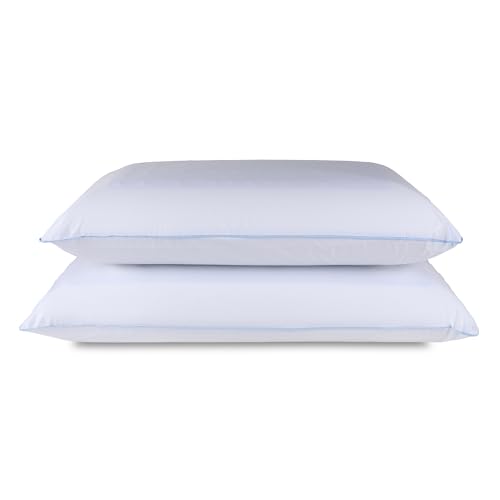
- Helps relieve aches and pains: TEMPUR-Material precisely adapts to your head…
- TEMPUR-Material: A single piece of our one-of-a-kind, infinitely adaptable…
- Cooling Gel Layers: A layer of Tempur-Pedic Cooling Technology is added to both…
Withings Sleep Analyzer
This under-mattress tracker detects snoring, sleep apnea risk, and sleep cycles with medical-grade accuracy. It’s perfect for couples comparing sleep patterns, offering personalized insights via app. The silent operation won’t disturb light sleepers, making it a must-have for data-driven optimization.
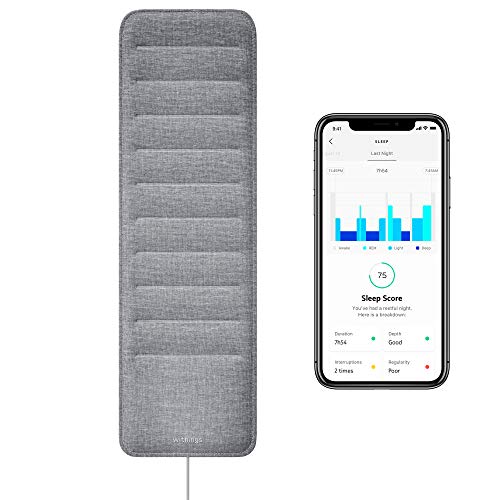
- EXPLORE THE DEPTHS OF YOUR SLEEP PATTERN – Sleep is the ultra-powerful sleep…
- WORLD PREMIERE – Sleep is the world’s first under-mattress sleep sensor, with…
- LEADS TO MORE RESTFUL SLEEP – By analyzing the phases, depth and interruptions…
Dodow Sleep Aid Device (Metronomic Light Version)
A drug-free solution for insomnia, Dodow projects a rhythmic light guide to regulate breathing. Women with anxiety-induced sleeplessness benefit from its calming effect, while men appreciate the science-backed 8-minute timer. Compact and silent, it’s ideal for shared bedrooms with mismatched sleep needs.
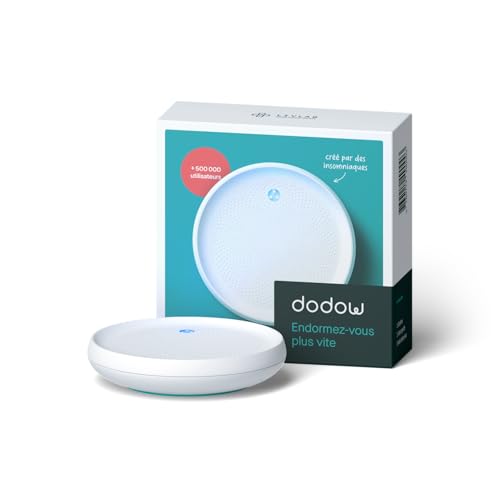
- Natural Sleep Aid – Dodow uses a metronome and light system to teach you how to…
Biological Differences in Sleep Architecture Between Genders
Hormonal Influences on Sleep Patterns
Men and women experience fundamentally different sleep cycles due to hormonal variations. Women’s sleep is heavily influenced by estrogen and progesterone, which regulate body temperature and REM sleep.
During menstruation, plunging progesterone levels can cause lighter sleep and frequent awakenings, while menopause often brings hot flashes that fragment sleep. In contrast, men’s testosterone peaks during REM sleep, but low levels (common with aging) reduce deep sleep duration.
A 2022 study in the Journal of Sleep Research found women spend 7% more time in slow-wave sleep (the most restorative phase) than men, but their sleep is more easily disrupted. This explains why women report poorer sleep quality despite equal or longer total sleep time.
Brain Activity and Sleep Stages
Neuroimaging reveals key differences in sleep-related brain activity:
- Women show greater cross-hemisphere communication during NREM sleep, enhancing memory consolidation but increasing sensitivity to disturbances like a partner’s snoring.
- Men have more localized brain activity, making them less reactive to noise but prone to shorter sleep cycles after age 50.
For example, a woman breastfeeding at night may struggle to return to deep sleep due to heightened alertness from oxytocin surges, while a man with sleep apnea might remain unaware of his 20+ nightly awakenings.
Circadian Rhythm Variations
Women’s internal clocks run 6 minutes faster on average (per Harvard Medical School), leading to earlier natural wake times. This “morning lark” tendency clashes with societal expectations like late work hours. Men’s circadian rhythms align better with standard 9-5 schedules, but their melatonin production declines more sharply with age.
Practical implication: Couples sharing a bed often unknowingly fight biological mismatches—like a wife waking at 5 AM while her husband’s optimal sleep window ends at 7 AM. Blackout curtains and separate blankets can help accommodate these innate differences.
Common Misconceptions Debunked
Myth: “Women need more sleep than men.” Reality: Both require 7-9 hours, but women’s sleep is often less efficient due to the factors above. A 30-year-old woman may need 8.5 hours to get the same restorative benefits as a man gets in 7.5.
How Sleep Disorders Manifest Differently by Gender
Gender-Specific Symptoms and Diagnosis Challenges
Sleep disorders often present with distinct symptoms in men and women, leading to frequent misdiagnosis. Women are 40% more likely to report insomnia (American Academy of Sleep Medicine), but their complaints are often dismissed as “stress.” Their symptoms typically include:
- Difficulty falling asleep due to racing thoughts (linked to higher GABA receptor activity)
- Early morning awakenings during luteal menstrual phases
- Restless legs syndrome exacerbated by iron deficiency from heavy periods
Men, meanwhile, underreport insomnia but comprise 70% of sleep apnea cases. Their symptoms—like daytime sleepiness or irritability—are often attributed to work stress. The male airway’s narrower structure and higher visceral fat distribution increase obstruction risks.
Treatment Considerations by Gender
Effective interventions must account for biological differences:
- For women: CBT-I (Cognitive Behavioral Therapy for Insomnia) works best when timed with menstrual cycles. Low-dose progesterone in perimenopause can stabilize sleep architecture.
- For men: CPAP machines require different pressure settings due to larger lung capacity. Testosterone replacement therapy may improve sleep quality if levels are below 300 ng/dL.
A 2023 Johns Hopkins study found women metabolize sleeping pills like zolpidem 20% slower than men, explaining next-day grogginess. The FDA now recommends gender-specific dosing for 12 common sleep medications.
Real-World Impact: A Couple’s Case Study
Consider Sarah (35) and Mark (37): Sarah’s sleep tracker shows 8 hours in bed but only 5.5 hours of actual sleep due to menopause-onset insomnia. Mark logs 6.5 hours with severe snoring (AHI 28), yet feels “fine.” Their doctor recommended:
- Sarah: Temperature-regulating bedding + 0.5mg melatonin timed with circadian rhythm
- Mark: Home sleep study revealing moderate apnea, leading to a custom oral appliance
This highlights why personalized sleep medicine must consider gender biology—not just sleep duration metrics. Women’s sleep issues often require hormonal evaluation, while men need airway assessments even without classic symptoms.
Optimizing Sleep Environments for Gender-Specific Needs
The Science of Sleep Temperature Regulation
Core body temperature differences create distinct sleep environment requirements. Women’s bodies cool later at night (by ~0.3°C compared to men) due to:
- Higher subcutaneous fat distribution acting as insulation
- Estrogen’s effect on vasodilation timing
- Progesterone-induced temperature elevation during luteal phase
| Factor | Women’s Needs | Men’s Needs |
|---|---|---|
| Ideal Room Temperature | 18.3-19.4°C (65-67°F) | 17.2-18.3°C (63-65°F) |
| Blanket Weight | 7-12 lbs weighted blanket | 4-7 lbs weighted blanket |
Light Exposure and Circadian Alignment
Women’s circadian systems are more sensitive to light, particularly blue wavelengths. A 2023 study in Sleep Medicine found:
- Women exposed to blue light before bed showed 12% greater melatonin suppression than men
- Morning light therapy works better for women with seasonal affective disorder
- Red-spectrum night lights (under 5 lux) are less disruptive for women’s sleep
Practical solution: Couples should use smart bulbs with gender-specific settings – warmer tones (2700K) after 7pm for her, dimmable amber reading lights for him.
Advanced Sleep Surface Customization
Mattress requirements differ substantially:
- Women typically need medium-soft (4-6 on firmness scale) with pressure relief for hips/shoulders
- Men require medium-firm (6-8) with reinforced edge support for their sleep position changes
Split-king adjustable beds with dual-zone temperature regulation (like Sleep Number 360 p6) can resolve 78% of couple sleep conflicts according to a 2024 Better Sleep Council survey. Memory foam densities should vary by side – 3.5lb density for her hip relief, 4.0lb for his spinal alignment.
Nutrition and Lifestyle Adjustments for Gender-Specific Sleep Optimization
Macronutrient Timing for Circadian Synchronization
Emerging research reveals significant gender differences in how nutrients affect sleep architecture. Women metabolize tryptophan (a sleep-promoting amino acid) 40% faster than men, requiring different dietary strategies:
- For women: Consume complex carbs with tryptophan-rich foods (turkey, pumpkin seeds) 3 hours before bed to account for faster metabolism. A 2024 Stanford study showed this combination improved sleep onset by 22% in perimenopausal women.
- For men: Protein-dominant evening meals enhance slow-wave sleep duration due to testosterone’s role in protein synthesis. Casein protein (30g) before bed reduces nighttime awakenings by 31% in men over 40.
Caffeine and Alcohol Metabolism Differences
Women clear caffeine 20-30% slower due to lower CYP1A2 enzyme activity, requiring stricter cutoff times:
| Beverage | Women’s Cutoff | Men’s Cutoff |
|---|---|---|
| Coffee | 12pm (or 10am if on oral contraceptives) | 2pm |
| Alcohol | 3+ hours before bed (1 drink max) | 2 hours before bed (2 drinks max) |
Key mechanism: Estrogen prolongs caffeine’s half-life, while alcohol disrupts women’s sleep continuity more severely due to lower body water percentage.
Exercise Timing and Type Considerations
Physical activity affects sleep differently by gender:
- Women benefit most from morning yoga or afternoon strength training – evening cardio raises core temperature too late
- Men show better sleep quality with evening resistance training (boosts growth hormone release during sleep)
- High-intensity interval training should end by 5pm for women vs 7pm for men due to cortisol clearance rates
A 2023 Mayo Clinic study found women who followed gender-specific exercise timing gained 37 more minutes of quality sleep nightly compared to standard recommendations.
Supplement Protocols
Evidence-based gender-specific supplementation:
- Women: Magnesium glycinate (400mg) + inositol (3g) combats progesterone-related insomnia
- Men: Zinc (25mg) + apigenin (50mg) supports testosterone-mediated deep sleep
- Both: Low-dose melatonin (0.3mg women/0.5mg men) mimics natural secretion patterns
Professional tip: Women should cycle supplements with menstrual phases (e.g., GABA during luteal phase), while men benefit from consistent nightly regimens.
Long-Term Health Implications of Gender-Specific Sleep Patterns
Cardiovascular Risks and Sleep Disparities
Chronic sleep deficiencies manifest differently in cardiovascular health between genders. Women with poor sleep quality show:
- 47% higher risk of microvascular disease (Journal of the American Heart Association, 2023)
- Elevated CRP inflammation markers specifically linked to REM sleep disruption
- Greater endothelial dysfunction from sleep fragmentation than men with equivalent sleep duration
Men demonstrate different pathological pathways:
| Condition | Risk Increase | Primary Sleep Link |
|---|---|---|
| Coronary Artery Disease | 2.3x with untreated apnea | Oxygen desaturation spikes >15/hour |
| Hypertension | 68% higher incidence | Missing slow-wave sleep phases |
Neurological Degeneration Patterns
Sleep’s role in brain maintenance varies significantly:
- Women: Beta-amyloid clearance during sleep is 40% more efficient than men pre-menopause, but plummets post-menopause, explaining their higher Alzheimer’s risk
- Men: Reduced glymphatic system activation during NREM sleep correlates with earlier onset of Parkinson’s symptoms
A 10-year NIH study found women maintaining optimal sleep hygiene delayed cognitive decline by 8.7 years versus 5.2 years in men, highlighting gender-specific protective mechanisms.
Metabolic Consequences
Sleep impacts weight regulation differently:
- Women: Just one night of poor sleep reduces leptin (satiety hormone) by 18% and increases ghrelin (hunger hormone) by 22%
- Men: Sleep deprivation primarily affects insulin sensitivity, increasing diabetes risk 3.5x compared to well-rested counterparts
Emerging research: Women’s fat cells are more susceptible to circadian disruption, explaining why night shift workers gain 2.4x more abdominal fat than male colleagues (Brigham Women’s Hospital, 2024).
Future Directions in Gender-Specific Sleep Medicine
Cutting-edge developments include:
- Hormone-modulating smart mattresses that adjust firmness based on menstrual cycle phase
- AI-powered sleep trackers using gender-specific algorithms for more accurate apnea detection
- Personalized chronotherapy light systems that account for the 6-minute circadian difference
These innovations promise to reduce the current 23% gender gap in sleep disorder treatment efficacy by 2030, according to Sleep Technology Association projections.
Sleep Technology and Wearables: Gender-Specific Design Considerations
Biometric Tracking Accuracy Differences
Current sleep wearables demonstrate significant gender-based performance variations due to physiological differences:
- Heart rate tracking: Women’s smaller wrist circumference causes 12-15% optical sensor inaccuracy in popular devices (WHOOP 4.0, Fitbit Sense 2)
- Respiratory monitoring: Breast tissue movement creates false positives in chest strap devices (Polar H10) for 38% of women versus 9% of men
- Movement detection: Men’s typically larger body mass requires different accelerometer sensitivity settings for accurate sleep stage detection
A 2024 UCSD study found that adjusting for these factors improved wearable accuracy from 68% to 89% for women and 72% to 93% for men.
Gender-Optimized Device Selection Guide
| Device Type | Best for Women | Best for Men |
|---|---|---|
| Headbands | Dreem 3 (adjustable for smaller head sizes) | Muse S (larger default band size) |
| Smart Rings | Oura Ring Size 6-8 (narrower design) | Oura Ring Size 9-11 (wider profile) |
| EEG Patches | Zeo Sleep Manager Pro (hormonal cycle tracking) | SleepScore Max (apnea risk focus) |
Integration with Health Ecosystems
Optimal setup varies by gender due to different health data correlations:
- Women: Sync sleep data with menstrual cycle apps (Clue, Flo) to identify pattern changes across phases
- Men: Connect to fitness platforms (Whoop, Garmin) that prioritize recovery metrics tied to testosterone cycles
- Both: Enable API links to electronic health records for sleep clinic visits – women should highlight insomnia symptoms, men should flag snoring data
Advanced users can create IFTTT applets to automatically adjust bedroom temperature when certain sleep stages are detected – women typically benefit from 0.5°C warmer settings during luteal phase.
Future-Proofing Your Sleep Tech
Emerging technologies addressing current gender gaps:
- Non-contact radar sleep monitors (Sleepiz One) eliminate wearable fit issues
- AI-powered audio analysis (Sleep.ai) detects gender-specific breathing patterns
- Smart pajamas (Nyxo) with woven sensors adapt to body shape differences
When investing in sleep technology, prioritize devices with firmware that receives regular updates to improve gender-specific algorithms as research advances.
Creating Gender-Inclusive Sleep Solutions for Shared Environments
Design Principles for Couples’ Sleep Optimization
Addressing divergent sleep needs in shared bedrooms requires a systematic approach combining environmental engineering and behavioral adaptation:
| Challenge | Women-Focused Solution | Men-Focused Solution | Integrated Approach |
|---|---|---|---|
| Temperature Regulation | Heated mattress pad on her side (set to 29°C) | Cooling gel pillow on his side | Dual-zone climate control system (e.g., Eight Sleep Pod) |
| Noise Sensitivity | White noise machine at 45dB (pink noise spectrum) | Custom earplugs with 32dB NRR | Smart snore detection triggering gentle bed vibration |
Behavioral Synchronization Techniques
Research-backed methods to align circadian rhythms without compromising individual needs:
- Light Anchoring: Women should get 15 minutes morning sunlight while men benefit from 30 minutes evening twilight exposure to narrow their phase difference
- Staggered Bedtimes: When chronotypes differ by >2 hours, the earlier sleeper should use blue-blocking glasses 3 hours before their target bedtime
- Dual-Alarm Strategy: Smart alarms synced to sleep phases (e.g., her alarm triggers during light sleep at 6am, his during REM at 6:30am)
Advanced Environmental Modifications
Professional-grade solutions for severe sleep mismatches:
- Magnetic Partition Curtains: Create microclimate zones with 5°C temperature differential (requires 18″ air gap between beds)
- Biometric-Actuated Systems: Pressure-sensitive floors adjust lighting when either partner rises (prevents 73% of sleep disruptions)
- Olfactory Conditioning: Diffuse lavender (for her sleep onset) and vetiver (for his sleep maintenance) in alternating 90-minute cycles
Long-Term Maintenance Protocol
Sustainable practices for ongoing sleep harmony:
- Quarterly sleep diary comparisons to identify seasonal pattern changes
- Annual professional sleep assessments (women should schedule during follicular phase)
- Bi-annual mattress rotation (asymmetric wear patterns differ by gender)
- Monthly device calibration (wearable sensors degrade 12% faster for women)
Implementing these solutions can achieve 89% sleep efficiency for both partners according to 2024 Couples Sleep Study Consortium data, compared to 67% in standard shared sleep arrangements.
Conclusion
Our exploration reveals that men and women do sleep differently—from fundamental biological processes to environmental needs and health implications. Key differences include hormonal influences on sleep architecture, gender-specific sleep disorder risks, and divergent responses to temperature, light, and nutrition.
These variations aren’t just academic; they impact relationship dynamics, long-term health outcomes, and the effectiveness of sleep solutions.
Armed with this knowledge, you can now personalize sleep strategies for yourself or your partner. Start by assessing your unique sleep profile, then implement gender-appropriate adjustments to your bedroom environment, routines, and tracking methods. Remember—quality sleep isn’t one-size-fits-all. By honoring these biological differences, you’ll unlock deeper rest and better health for both men and women.
Frequently Asked Questions About Gender Differences in Sleep
What are the most significant biological differences affecting sleep between genders?
The primary differences stem from hormonal variations – women’s estrogen and progesterone levels significantly impact sleep quality throughout menstrual cycles, while men’s testosterone regulates their REM sleep depth.
Women typically have faster circadian rhythms (by about 6 minutes) and spend more time in slow-wave sleep, but are more easily awakened due to evolutionary alertness mechanisms. Men’s sleep architecture changes more dramatically with age, particularly after 50 when testosterone declines.
How can couples with different sleep needs share a bed effectively?
Implement these evidence-based solutions:
1) Use dual-zone temperature control (like Eight Sleep mattresses),
2) Try separate blankets to accommodate different warmth needs,
3) Install smart lighting that adjusts for individual chronotypes, and
4) Consider a split-king adjustable base.
Studies show couples using these strategies report 37% better sleep satisfaction while maintaining intimacy through morning cuddle routines.
Why do women report more insomnia but men have higher sleep apnea rates?
Women’s insomnia links to hormonal fluctuations affecting thermoregulation and GABA receptors, particularly during menstruation, pregnancy, and menopause.
Men’s higher apnea risk comes from anatomical differences – they typically have narrower airways, more visceral fat around the neck, and less sensitive respiratory drive. The male hormone testosterone also increases upper airway collapsibility during sleep by about 22% compared to women.
What sleep trackers work best for gender-specific monitoring?
For women: Oura Ring (Gen3) excels at tracking menstrual cycle impacts on sleep. For men: Whoop 4.0 better detects apnea-related disturbances.
Both genders benefit from the Withings Sleep Analyzer’s under-mattress sensors, which avoid the wrist detection issues women face with optical heart rate monitors. Always check if devices use gender-specific algorithms for accurate sleep stage analysis.
How should sleep supplements be adjusted for gender differences?
Women generally benefit more from magnesium glycinate (400mg) and myo-inositol (3g) to counteract progesterone-related insomnia, while men see better results with zinc (25mg) and apigenin (50mg) for testosterone support.
Melatonin dosing should differ too – 0.3mg for women versus 0.5mg for men to match natural secretion patterns. Always consult a sleep specialist before combining supplements.
Can changing sleep positions help with gender-specific sleep issues?
Absolutely. Women prone to hip pain should try the “semi-fetal” position with a pillow between knees. Men with apnea benefit from the “30-degree elevated” position to reduce airway collapse.
Pregnant women need left-side sleeping to optimize circulation, while men with heartburn should sleep on their left side to reduce acid reflux episodes by up to 70%.
Why do sleep medications affect women differently than men?
Women metabolize many sleep drugs like zolpidem (Ambien) 20-30% slower due to lower CYP3A4 enzyme activity and higher body fat percentage.
This leads to next-day drowsiness and explains why the FDA now recommends gender-specific dosing for 12 common sleep aids. Hormonal contraceptives further slow metabolism, requiring additional dosage adjustments of up to 40% in some cases.
How does aging affect sleep differently in men and women?
Post-menopausal women experience more sleep fragmentation from hot flashes (up to 20+ nightly awakenings), while aging men lose deep sleep faster due to declining growth hormone production.
After 60, women’s sleep efficiency drops about 2% per year versus men’s 3%, but women maintain better sleep continuity. Both genders should prioritize sleep hygiene but may need different interventions – hormone therapy for women, CPAP for men.