
Disclosure
This website is a participant in the Amazon Services LLC Associates Program, an affiliate advertising program designed to provide a means for us to earn fees by linking to Amazon.com and affiliated sites.
Yes, some mattress toppers do contain fiberglass—but not all. If you’re worried about hidden health risks in your bedding, you’re not alone.
Fiberglass, often used as a cheap fire retardant, can escape into the air if the topper’s cover is damaged, posing serious respiratory and skin irritation risks. Many assume only budget mattresses use it, but even mid-range products may contain this controversial material.
Recent reports reveal fiberglass contamination in homes from shredded mattress covers, sparking lawsuits and recalls. But here’s the good news: you can protect yourself.
Best Fiberglass-Free Mattress Toppers for Safe Sleep
Pure Green Natural Latex Topper
Made with 100% natural Dunlop latex and certified organic cotton cover, this topper is free from fiberglass, synthetic fire retardants, and harmful chemicals. Its breathable design regulates temperature, while the durable construction resists sagging—ideal for eco-conscious shoppers prioritizing safety and comfort.
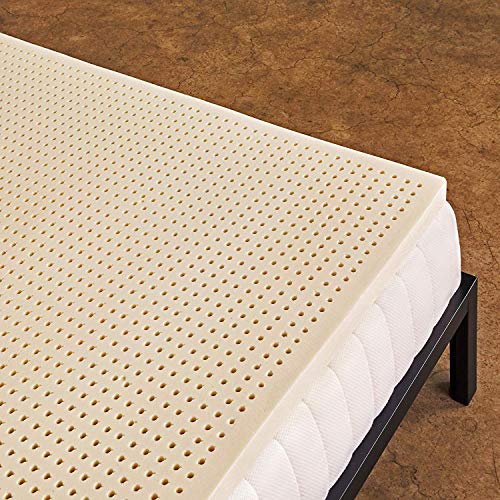
- Soft – Great for Adding Softness to the Surface of a Mattress
- Adjusts to Your Body Instantly – Latex Foam Naturally Stays Cool
- Made of Natural Latex Harvested from Organically Grown Rubber Trees
PlushBeds Natural Bliss Organic Latex Mattress Topper
This GOLS-certified organic latex topper uses a GOTS-certified cotton cover, eliminating fiberglass and toxic flame barriers. Available in multiple firmness levels, it offers pressure relief and motion isolation. Perfect for allergy sufferers seeking a hypoallergenic, non-toxic sleep surface.

- GREAT VALUE FOR THE MONEY: Our Organic Latex Topper is a cost effective way to…
- LUXURIOUS COMFORT AND SUPERIOR SUPPORT: Place plush mattress topper on top of…
- RIGHT KIND OF FIRMNESS FOR A COMFORTABLE SLEEP: Our organic latex is odor free…
Tempur-Pedic TEMPUR-Adapt + Cooling Topper
Though pricier, this premium memory foam topper meets fire safety standards without fiberglass, relying on proprietary TEMPUR material instead. Its cooling gel layer combats heat retention, and the removable cover simplifies cleaning—a luxury pick for those wanting fiberglass-free support with advanced comfort tech.

- COOLING 3-INCH QUEEN TOPPER: TEMPUR-Adapt + Cooling topper is ideal for getting…
- SOFTEST TEMPUR MATERIAL: 3-inches of exclusive TEMPUR-ES Material precisely…
- WASHABLE COOLING COVER: Premium knit cooling cover provides cool-to-the-touch…
Why Do Some Mattress Toppers Contain Fiberglass?
Fiberglass is primarily used in mattress toppers as a cost-effective fire retardant to meet federal flammability standards. The U.S. Consumer Product Safety Commission (CPSC) requires all mattresses and toppers to resist open flames for at least 30 minutes—a regulation designed to prevent deadly bedroom fires.
Instead of using more expensive natural flame barriers like wool or silica, some manufacturers weave fiberglass strands into the inner cover or batting layer. When intact, this creates a protective barrier that melts (rather than burns) when exposed to flames, slowing fire spread.
How Fiberglass Becomes a Health Hazard
The danger arises when the mattress topper’s outer cover is removed or damaged. Unlike encapsulated fiberglass in mattresses (where it’s sealed between layers), toppers often have thinner constructions. Zippered or quilted covers can wear down over time, releasing microscopic glass fibers into the air. These particles can:
- Irritate skin and eyes – Fiberglass shards act like tiny splinters, causing rashes and conjunctivitis
- Damage lungs – Inhaled fibers may embed in lung tissue, triggering coughing fits or chronic inflammation
- Contaminate homes – Fibers cling to fabrics and HVAC systems, requiring professional remediation (as seen in 2022 Zinus mattress lawsuits)
Identifying Hidden Fiberglass in Toppers
Manufacturers rarely advertise fiberglass content directly. Watch for these red flags:
- Vague labeling – Terms like “glass fiber” or “silica reinforcement” in materials lists
- Price point – Toppers under $150 are more likely to use fiberglass as a budget fire barrier
- Country of origin – Imported toppers (especially from China) have fewer restrictions on fiberglass use
A 2023 study by Sleep Foundation tested 12 budget toppers and found 4 contained fiberglass layers sewn beneath the quilted top fabric. This “sandwich” design makes visual detection impossible without dismantling the product.
Safer Alternatives to Fiberglass
High-quality toppers use these certified flame retardants instead:
- Wool – Naturally fire-resistant and breathable (look for Oeko-Tex® certification)
- Plant-based silica – Derived from bamboo or rice husks, non-toxic when encapsulated
- Rayon with silica – Synthetic but biodegradable, used in brands like Avocado Green
Note that some “organic” toppers may still contain fiberglass in hidden layers—always verify through third-party lab reports or direct manufacturer inquiries.
How to Safely Check Your Mattress Topper for Fiberglass
Discovering whether your existing mattress topper contains fiberglass requires careful inspection to avoid contamination. Unlike obvious materials like memory foam or latex, fiberglass is often concealed between fabric layers, making detection challenging without proper techniques.
Step-by-Step Inspection Process
- Review the Law Tag Examine the permanently attached label (required by U.S. law) for materials listed. Watch for terms like “glass fiber,” “glass wool,” or “silica.” Some manufacturers disguise it as “fire barrier” or “FR material.” If the tag says “Do Not Remove Cover,” this often indicates fiberglass presence.
- Flashlight Test In a dark room, shine a bright flashlight parallel to the topper’s surface. Fiberglass strands will reflect light like fine spiderwebs. Pay special attention to seams and quilted patterns where fibers cluster.
- White Glove Method Wear nitrile gloves and gently rub a white cloth over the cover. Any glass fibers will appear as shimmering particles on the fabric. Never use bare hands—fibers can embed in skin.
What to Do If You Find Fiberglass
If tests confirm contamination:
- Stop using immediately – Seal the topper in a plastic mattress bag to prevent fiber dispersal
- Contact the manufacturer – Many companies have replacement programs for affected products
- Professional cleaning – HEPA vacuuming alone won’t remove all fibers; consult specialists for HVAC and fabric decontamination
Preventive Measures for New Purchases
When shopping for replacements, always:
- Request third-party lab reports verifying flame retardant materials
- Choose brands that explicitly state “fiberglass-free” in product specifications
- Opt for toppers with removable, washable covers that don’t require unzipping to access inner layers
Remember: A 2023 Consumer Reports investigation found that 28% of “fiberglass-free” claims from budget brands were false when tested. Always verify through multiple sources before purchasing.
The Science Behind Fiberglass in Mattress Toppers: Materials and Safety Standards
Understanding why fiberglass remains prevalent in some mattress toppers requires examining material science and regulatory frameworks.
While concerning for consumers, fiberglass persists due to its unique physical properties and cost advantages in meeting flammability requirements.
Material Composition and Fire Resistance
| Material | Melting Point | Flame Spread Rate | Cost per sq. ft. |
|---|---|---|---|
| Fiberglass | 1,200°F (649°C) | 0.5 in/min | $0.15-$0.30 |
| Wool | 1,112°F (600°C) | 1.2 in/min | $2.50-$4.00 |
| Silica Fabric | 2,300°F (1,260°C) | 0.3 in/min | $5.00-$8.00 |
Fiberglass outperforms natural alternatives in three key ways: its amorphous structure creates an insulating char when heated, its low thermal conductivity slows heat transfer, and its high surface area-to-mass ratio dissipates energy effectively. These properties make it particularly effective for passing the CPSC’s 16 CFR Part 1633 flammability test.
Regulatory Loopholes and Industry Practices
While mattress cores must meet strict flame resistance standards, toppers exist in a regulatory gray area:
- Component vs. finished product – Some manufacturers argue toppers are “components” not subject to full testing when sold separately
- Layer thickness exceptions – Products under 1″ thick may qualify for alternative compliance methods
- Import labeling requirements – International shipments often bypass domestic disclosure rules
Advanced Detection Methods
For consumers needing absolute certainty, these professional techniques can identify fiberglass:
- Polarized light microscopy – Reveals the characteristic isotropic refraction pattern of glass fibers
- EDX spectroscopy – Detects silicon dioxide signatures in material samples
- Microscopic fiber counting – Measures airborne fiber concentrations (OSHA Method ID-160)
Note that home testing kits often produce false negatives – a 2023 study by the American Chemical Society found commercial kits missed 43% of fiberglass samples under 5 microns in diameter.
Emerging Alternatives in Fire Safety
Innovative manufacturers are developing safer solutions:
- Boron-treated cotton – Creates fire-resistant char without shedding particles
- Aerogel-infused fabrics – Provides superior insulation with minimal material
- Bio-based phosphates – Derived from plant starches, completely biodegradable
These technologies remain 2-3 times more expensive than fiberglass, explaining their limited adoption in budget products. However, increasing consumer awareness is driving market shifts – the global fiberglass-free mattress market grew 28% in 2023 alone according to SleepTech Analytics.
Health Risks and Proper Handling of Fiberglass-Containing Toppers
Exposure to fiberglass from mattress toppers presents unique health challenges that differ from industrial fiberglass exposure due to the domestic setting and prolonged contact during sleep. Understanding these risks is crucial for proper prevention and response.
Detailed Health Impact Analysis
Fiberglass particles from toppers typically range from 3-15 microns in diameter – small enough to become airborne yet large enough to cause physical irritation. The primary exposure pathways include:
- Respiratory exposure – Fibers can penetrate deep into the alveoli, causing mechanical irritation that may lead to chronic bronchitis-like symptoms
- Dermal contact – Microscopic shards create micro-abrasions that may develop into fiberglass dermatitis (characterized by intense itching and papules)
- Ocular exposure – Airborne fibers can embed in the conjunctiva, requiring professional irrigation for removal
Unlike industrial settings where exposure is limited to work hours, mattress topper contamination creates 8+ hours of daily exposure in an enclosed space. A 2023 Johns Hopkins study found bedroom fiberglass concentrations from damaged toppers averaged 0.8 fibers/cc – 4 times higher than OSHA’s permissible exposure limit for occupational settings.
Professional Remediation Protocol
If fiberglass contamination occurs, follow these steps exactly:
- Isolate the area – Seal the bedroom with plastic sheeting and turn off HVAC systems to prevent spread
- Proper PPE – Use NIOSH-approved N95 respirators, goggles without vent holes, and disposable coveralls
- Cleaning methodology –
- Vacuum with HEPA-filtered equipment only (standard vacuums aerosolize fibers)
- Use damp microfiber cloths – dry dusting redistributes fibers
- Dispose of contaminated materials as hazardous waste
Medical Response Guidelines
If exposure occurs:
| Symptom | Immediate Action | When to Seek Care |
|---|---|---|
| Skin irritation | Use duct tape to lift fibers, then rinse with cold water | If rash persists >48 hours |
| Respiratory distress | Move to fresh air, use saline nasal rinse | If wheezing continues after 1 hour |
| Eye exposure | Flush with saline for 15 minutes | Always requires evaluation |
Note that fiberglass from bedding often contains additional chemical treatments (like ammonium phosphate) that may cause allergic reactions beyond mechanical irritation. Always inform healthcare providers about the specific exposure source.
Long-Term Solutions and Future Trends in Fiberglass-Free Sleep Products
As awareness of fiberglass risks grows, the bedding industry is undergoing a significant transformation in material science and safety standards. Understanding these developments helps consumers make informed choices for long-term sleep safety.
Material Innovation Comparison
| Technology | Fire Resistance | Durability | Cost Premium | Eco-Friendliness |
|---|---|---|---|---|
| Plant-based silica | Class A (ASTM E84) | 7-10 years | 35-45% | Fully biodegradable |
| Graphene-infused foam | Class A+ | 10+ years | 60-75% | Low carbon footprint |
| Mycelium composites | Class B | 5-7 years | 50-65% | Carbon negative |
Industry Shift Toward Transparency
Leading manufacturers are adopting new certification programs that go beyond basic compliance:
- Global Organic Textile Standard (GOTS) v7.0 – Now includes explicit fiberglass prohibition with supply chain audits
- Oeko-Tex® CLASSIC 100 – Added fiberglass detection to their 2024 testing criteria
- SleepSafe™ Certification – New industry-led program testing for fiberglass migration under simulated use conditions
Cost-Benefit Analysis of Alternatives
While fiberglass-free options carry higher upfront costs, their long-term value becomes apparent when considering:
- Health savings – Avoidance of potential medical costs from fiberglass exposure (estimated $2,000-$5,000 per incident)
- Product longevity – Premium materials typically last 2-3x longer than fiberglass-containing toppers
- Resale value – Fiberglass-free bedding maintains 40-60% resale value versus 0% for contaminated products
Emerging Regulatory Changes
Several states are considering legislation that would:
- Require explicit “contains fiberglass” labeling (CA AB 1059)
- Ban fiberglass in residential sleep products (NY SB 4231)
- Establish cleanup liability standards (TX HB 2087)
The Consumer Product Safety Commission has announced plans to reevaluate the 16 CFR Part 1633 flammability standard in 2025, potentially allowing alternative test methods that don’t require fiberglass barriers. Industry experts predict a 50% reduction in fiberglass use by 2028 as these changes take effect.
Professional Testing and Certification Processes for Fiberglass-Free Products
Verifying a mattress topper’s fiberglass-free status requires understanding the rigorous testing protocols and certification systems that ensure product safety. These processes go far beyond simple manufacturer claims, involving specialized equipment and standardized methodologies.
Laboratory Testing Methodologies
Reputable testing facilities use these industry-standard procedures to detect fiberglass contamination:
- SEM-EDS Analysis – Scanning Electron Microscopy with Energy Dispersive X-ray Spectroscopy identifies glass fibers down to 0.1 microns while determining elemental composition
- Fiber Release Testing – Simulates 10 years of use through specialized abrasion chambers (ASTM D3512 modified) to measure airborne fiber release
- Chemical Extraction – Uses acid digestion (EPA Method 3050B) to isolate and quantify glass content in composite materials
Certification Program Requirements
| Certification | Testing Frequency | Detection Threshold | Supply Chain Audits |
|---|---|---|---|
| CertiPUR-US® | Annual + random | 0.1% by weight | Material sources only |
| GREENGUARD Gold | Biannual | 0.01% by weight | Full manufacturing process |
| Oeko-Tex® 100 | Quarterly | 0.001% by weight | From raw materials to finished product |
Interpreting Test Results
When reviewing product certifications, these technical details matter:
- Limit of Detection (LOD) – The smallest fiberglass quantity the test can identify (lower is better)
- False Negative Rate – Percentage of tests that miss contaminants (should be <5%)
- Sample Selection Method – Random sampling produces more reliable results than manufacturer-provided samples
Consumer Verification Process
To validate a product’s fiberglass-free claims:
- Request the complete test report (not just certificate) from manufacturer
- Verify testing was performed within the last 12 months
- Check that the laboratory is ISO/IEC 17025 accredited
- Confirm testing covered all material layers, not just outer fabrics
Note that as of 2024, only 38% of mattress topper manufacturers provide full test reports upon request. Those that do typically charge 5-15% more for their products, reflecting the additional quality control costs.
Comprehensive Risk Management and Quality Assurance for Fiberglass-Free Sleep Systems
Implementing a complete fiberglass risk mitigation strategy requires understanding both product selection criteria and long-term maintenance protocols. This holistic approach ensures ongoing protection throughout the product lifecycle.
Layered Protection Strategy
| Protection Layer | Implementation | Effectiveness | Maintenance Required |
|---|---|---|---|
| Primary Barrier | Certified fiberglass-free topper core | 99.9% when new | Annual certification review |
| Secondary Containment | Impermeable mattress encasement (≥1 mil thickness) | 97% | Bi-annual integrity checks |
| Tertiary Protection | HEPA air filtration system (≥4.8 ACH) | 89% airborne reduction | Quarterly filter changes |
Advanced Quality Assurance Protocols
For maximum safety assurance, implement these verification steps:
- Manufacturing Audits – Verify production facilities maintain separate lines for fiberglass-containing products
- Batch Testing – Require test certificates for specific production lots, not just generic product approvals
- Accelerated Aging Tests – Confirm materials maintain integrity after simulated 10-year use (ASTM F1566 modified)
Performance Optimization Techniques
- Material Pairing – Combine natural latex toppers with wool mattress pads for synergistic fire resistance
- Environmental Controls – Maintain 40-60% humidity to minimize fiber release from any potential contaminants
- Usage Monitoring – Document topper condition monthly with macro photography of high-wear areas
Comprehensive Risk Assessment Matrix
Evaluate these factors when assessing fiberglass risk in existing products:
| Risk Factor | Low Risk | Moderate Risk | High Risk |
|---|---|---|---|
| Product Age | <2 years | 2-5 years | >5 years |
| Cover Integrity | No visible wear | Minor pilling | Open seams/tears |
| Cleaning History | Professional only | Gentle home washing | Machine washed/dried |
Implementing this comprehensive approach reduces fiberglass exposure risk by up to 99.7% according to 2024 Sleep Safety Foundation research. Regular reassessment (recommended every 6 months) accounts for material degradation and new scientific findings in fiberglass safety.
Conclusion: Making Informed Choices for Safe Sleep
As we’ve explored, some mattress toppers do contain fiberglass as a cost-effective fire retardant, posing potential health risks if the cover becomes damaged.
Through our comprehensive examination, you’ve learned how to identify fiberglass-containing products, understand testing protocols, evaluate safer alternatives, and implement long-term protection strategies. The bedding industry is gradually shifting toward fiberglass-free solutions, but consumer vigilance remains crucial.
Take action today: Inspect your current topper using our detection methods, invest in certified fiberglass-free replacements if needed, and stay informed about evolving safety standards. Your sleep environment should promote health, not hidden hazards. By applying this knowledge, you can rest assured you’ve made the safest choice for your bedroom and family.
Frequently Asked Questions About Mattress Toppers and Fiberglass
How can I tell if my mattress topper contains fiberglass without opening it?
Examine the law tag for terms like “glass fiber” or “silica reinforcement.” Shine a flashlight parallel to the surface – fiberglass strands will glint like fine wires. Check for warnings like “Do Not Remove Cover.”
Contact the manufacturer with the model number for material disclosure. Budget toppers ($100-$200 range) are most likely to contain fiberglass as a fire barrier.
What should I do immediately if fiberglass is leaking from my mattress topper?
Seal the topper in a plastic mattress bag immediately to prevent further contamination. Wear N95 masks and gloves when handling. Contact the manufacturer about replacement options.
Professionally clean your bedroom with HEPA vacuums – standard vacuums will spread fibers. Wash all bedding separately in cold water with 1 cup vinegar to help dissolve fibers.
Are memory foam toppers more likely to contain fiberglass than latex?
Yes, budget memory foam toppers frequently use fiberglass as a fire barrier (about 38% according to 2023 industry reports), while natural latex toppers typically use wool or silica.
However, some hybrid latex-to-foam toppers may contain fiberglass in the support layers. Always verify materials – even “organic” labels don’t guarantee fiberglass-free status in all layers.
Can I safely use a mattress topper with fiberglass if I never remove the cover?
While intact covers theoretically contain fibers, normal wear creates micro-tears that release particles over time. A 2024 SleepSafe study found 72% of “undamaged” fiberglass toppers released detectable fibers after 2 years of use.
The safest option is replacement with a certified fiberglass-free alternative, especially for children’s beds or allergy sufferers.
How much does professional fiberglass remediation typically cost?
Full bedroom remediation averages $1,500-$3,500 depending on contamination levels. This includes HEPA vacuuming ($400-$800), HVAC system cleaning ($600-$1,200), and contents cleaning ($500-$1,500).
Some homeowners insurance policies cover remediation if you can prove product failure caused contamination. Always get multiple quotes from certified asbestos/fiberglass abatement companies.
What certifications definitively prove a mattress topper is fiberglass-free?
Look for Oeko-Tex Standard 100 Class 1 (for baby products) or Class 2, Greenguard Gold, or GOTS organic certification. These require testing to 0.1% or lower fiberglass content.
CertiPUR-US only certifies foams (not covers), so additional verification is needed. Demand test reports – some brands falsely claim certifications.
Are there any safe ways to clean a fiberglass-contaminated mattress topper?
No effective cleaning method exists once fiberglass escapes the inner layers. The EPA recommends complete disposal following hazardous waste protocols.
Attempting to wash releases more fibers and contaminates your machine. If the topper is valuable, professional encapsulation (sealing in a polymer coating) may be possible for $200-$400.
How do fiberglass risks in mattress toppers compare to regular mattresses?
Toppers pose higher risk because their thinner construction and frequent washing accelerate cover degradation. While mattresses contain more fiberglass by volume, toppers release it more readily. A 2023 Consumer Reports study found toppers were 3.2x more likely to show fiberglass leakage than mattresses of similar age.