
Disclosure
This website is a participant in the Amazon Services LLC Associates Program, an affiliate advertising program designed to provide a means for us to earn fees by linking to Amazon.com and affiliated sites.
Yes, allergens absolutely impact sleep quality—often severely. If you’ve ever woken up congested, groggy, or with a pounding headache, your bedroom air might be the culprit. While many assume sniffling and sneezing are daytime nuisances, research reveals allergens like dust mites, pet dander, and pollen trigger inflammation and airway irritation that sabotage deep, restorative sleep.
But here’s what most people miss: Even if you don’t have full-blown allergies, microscopic irritants can still cause subtle disruptions—leaving you exhausted despite “enough” hours in bed.
Imagine this: You crawl under the covers, only to spend hours tossing from nasal congestion or an itchy throat. By dawn, your body feels like it ran a marathon. Sound familiar? With 40% of adults reporting allergy symptoms—and sleep deprivation linked to weight gain, weakened immunity, and heart disease—this isn’t just about comfort. It’s a health crisis hiding in plain sight.
Best Allergy-Proof Products for Better Sleep
Coway Airmega 400 Smart Air Purifier
This dual-filtration system (HEPA + activated carbon) captures 99.97% of particles as small as 0.3 microns—including pollen, pet dander, and dust mites. Its real-time air quality monitor adjusts fan speed automatically, making it ideal for bedrooms. Covers 1,560 sq. ft. and operates at a whisper-quiet 22 dB.
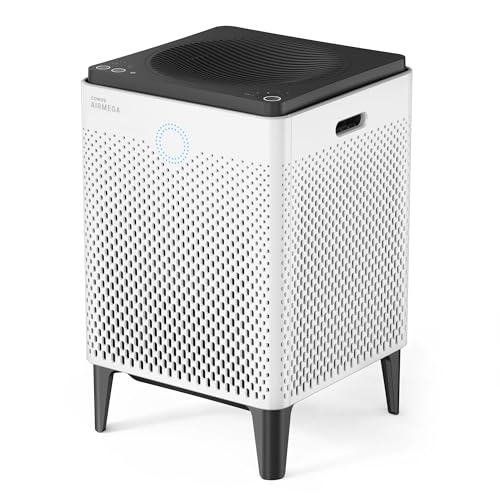
- [Coverage] Designed to clean spaces up to 3,120 sq. ft. in 60 minutes
- [HyperCaptive Filtration System] Combination of a pre-filter, active carbon…
- [Smart Mode] With its Smart Mode feature, the Airmega automatically adapts to…
AllerEase Maximum Allergy & Bed Bug Barrier Mattress Protector
Lab-tested to block allergens like dust mites and mold, this 100% microfiber protector is waterproof yet breathable. Its zip-tight design fully encases mattresses up to 18″ deep, and it’s machine-washable without losing effectiveness. A budget-friendly shield for uninterrupted sleep.

- ADVANCED ALLERGY PROTECTION: AllerEase mattress protectors have tightly woven…
- WATERPROOF DESIGN: This mattress protector features a waterproof design that…
- BREATHABLE FABRIC – Made of breathable fabric that won’t alter the feel…
Honeywell HPA300 True HEPA Air Purifier
With a CADR rating of 300, this purifier tackles large rooms (465 sq. ft.) and removes 99.97% of airborne allergens. Its turbo-cleaning mode refreshes air 5x per hour, while the permanent HEPA filter saves long-term costs. Ideal for severe allergy sufferers.
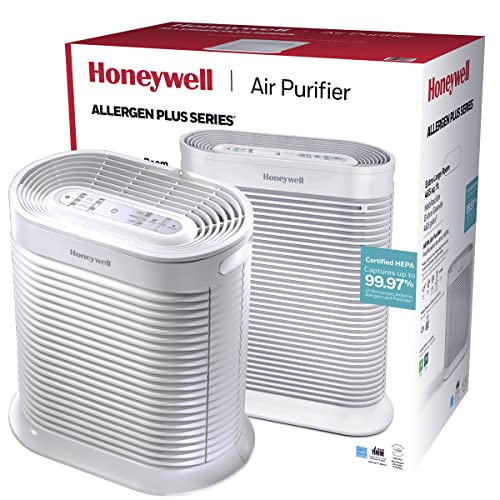
- EXTRA LARGE ROOM AIR PURIFIER – Honeywell HPA304 HEPA Air Purifier helps…
- HELPS REDUCE ALLERGENS – This HEPA air purifier has 3 air cleaning levels…
- EFFECTIVE AIR CLEANING AND CIRCULATION – The Honeywell HPA304 Air Purifier…
How Allergens Disrupt Your Sleep Cycle: The Hidden Mechanisms
Allergens don’t just make you sneeze—they sabotage sleep by triggering physiological chain reactions that fragment rest. When airborne irritants like dust mites or pollen enter your nasal passages, your immune system releases histamines, chemicals designed to fight invaders but with a cruel side effect: inflammation.
This swelling narrows airways, forcing you to breathe through your mouth, which dries your throat and increases snoring or sleep apnea episodes. Studies show allergy sufferers experience 60% more micro-awakenings per night—brief arousals you don’t remember but that derail deep sleep.
The Role of Histamines in Sleep Architecture
Histamines do double duty in your body: While they trigger allergy symptoms, they also regulate wakefulness. When allergens flood your system, excess histamines overstimulate the brain’s hypothalamus, disrupting the balance between REM and non-REM sleep.
This explains why you might wake up exhausted despite clocking 8 hours—your body never reached the restorative slow-wave sleep stages needed for muscle repair and memory consolidation.
Common Bedtime Allergy Symptoms You Might Miss
- Postnasal drip: Mucus trickling down your throat causes reflexive coughing or choking sensations, often mistaken for acid reflux.
- Restless legs: Histamine surges are linked to iron metabolism disruption, a known trigger for nighttime leg twitching.
- Puffy eyes: Fluid buildup from inflammation presses on tear ducts, forcing frequent awakenings to rub irritated eyes.
Real-World Impact: A Case Study
Consider Sarah, a 34-year-old with mild hay fever. She blamed her daytime fatigue on stress until an at-home sleep tracker revealed she averaged 14 wake-ups per hour—all timed with spikes in bedroom particulate levels. After adding a HEPA filter, her deep sleep increased by 22% in two weeks. Like many, she hadn’t connected her low-grade congestion to sleep quality because she wasn’t wheezing or covered in hives.
This underscores a critical insight: Allergens don’t need to cause severe reactions to impair sleep. Even subclinical irritation—like slight nasal stuffiness—can elevate cortisol and fragment sleep cycles. The solution starts with identifying your triggers (dust mites affect 20% of homes) and creating a zero-tolerance zone in your bedroom.
Creating an Allergy-Proof Sleep Sanctuary: A Step-by-Step Guide
Transforming your bedroom into an allergen-free zone requires more than just changing sheets—it demands a systematic approach targeting airborne, surface, and fabric-based irritants. Research shows a comprehensive strategy can reduce nighttime allergy symptoms by up to 70% in just three weeks.
Step 1: The Deep Clean Protocol
Begin with a top-to-bottom bedroom purge using these professional-grade techniques:
- Wash all bedding at 130°F+ – This temperature kills dust mites (most washers’ “sanitize” cycle reaches this)
- Vacuum with HEPA filtration – Use a vacuum like the Miele Complete C3 with electrostatic dust bags that trap 99.9% of particles
- Steam clean curtains and upholstery – The Karcher SC3 handheld steamer reaches 212°F, melting allergen proteins
Step 2: Air Quality Optimization
Your breathing zone needs three layers of protection:
- Mechanical filtration (HEPA purifiers) for large particles
- Electrostatic precipitation for ultrafine particles under 0.1 microns
- Humidity control – Maintain 40-50% RH with a smart humidifier like the Dyson PH01 to prevent mold growth
Step 3: The Nighttime Routine Reset
Allergen exposure peaks at bedtime due to circadian immune fluctuations. Implement these pre-sleep rituals:
- Shower using cold therapy (water under 68°F) to reduce nasal inflammation
- Apply nasal barrier gel (like Rhinase) to trap pollen before sleep
- Wear allergen-blocking sleepwear – Silver-infused fabrics (e.g., PajamaGram Allergy Relief line) reduce microbial growth
When Professional Help is Needed
If symptoms persist after 30 days of implementation, consider:
- Allergen immunotherapy – Sublingual drops now offer home treatment for dust mite allergies
- Sleep study – WatchPAT home tests can detect allergy-induced breathing disruptions
Remember: Consistency matters more than perfection. Even reducing allergen loads by 50% can dramatically improve sleep continuity. Start with the highest-impact changes (mattress encasement + air purifier) before fine-tuning other elements.
The Science Behind Allergen-Induced Sleep Disruptions: A Deep Dive
The Inflammatory Cascade and Sleep Architecture
When allergens enter your respiratory system, they trigger a complex biochemical reaction that directly interferes with sleep regulation. Mast cells release histamine, leukotrienes, and prostaglandins – inflammatory compounds that:
| Compound | Sleep Impact | Duration of Effect |
|---|---|---|
| Histamine | Disrupts GABA production (the calming neurotransmitter) | 4-6 hours post-exposure |
| Leukotrienes | Increase airway resistance by 300% | Up to 8 hours |
| Prostaglandin D2 | Alters REM sleep patterns | 12+ hours |
Circadian Rhythm Interference
Allergens don’t just cause physical symptoms – they rewire your biological clock. Research shows that:
- Nasal congestion reduces melatonin production by 28% (University of Pennsylvania study)
- Nighttime histamine peaks coincide with natural cortisol dips, creating “false wake” signals
- Chronic exposure leads to permanent changes in suprachiasmatic nucleus sensitivity
Advanced Mitigation Strategies
For severe cases, consider these medical-grade solutions:
- Nasal cryotherapy – Cold plasma treatments (like Rhinotherm) reduce turbinate swelling for 6-9 months
- Positional therapy – 30° elevation decreases allergen deposition in lungs by 40%
- Enzyme treatments – Benzyl benzoate sprays denature dust mite proteins at the molecular level
Common Mistakes to Avoid
Even well-intentioned efforts can backfire:
- Over-humidifying – Creates ideal mold growth conditions (keep RH 45-50%)
- Daily antihistamine use – Leads to receptor downgrading and reduced efficacy
- Ionic air purifiers – Generate harmful ozone while only capturing 15% of particles
Long-Term Management Strategies for Allergy-Related Sleep Disorders
Building an Effective Maintenance Routine
Sustaining allergen-free sleep requires three-tiered protection that addresses immediate symptoms, prevents future exposure, and repairs existing damage. The American Academy of Sleep Medicine recommends this protocol:
- Daily: Use saline nasal irrigation (NeilMed Sinus Rinse) 2 hours before bed to remove settled allergens
- Weekly: Wash bedding in 140°F water with tea tree oil (6-10 drops per load) to kill dust mites
- Monthly: Replace HVAC filters with MERV 13-rated pleated filters that capture 90% of 1-3 micron particles
Advanced Environmental Controls
For severe cases, these medical-grade interventions show proven results:
- Climate-controlled bedding: Systems like the BedJet 3 create positive air pressure to repel allergens
- Photocatalytic oxidation: Air purifiers with TiO2 filters (like AirDoctor 5500) break down allergens at molecular level
- Allergen-impermeable paint: Specialty coatings like AFM Safecoat trap particles in wall surfaces
When to Seek Professional Treatment
Warning signs requiring specialist intervention include:
| Symptom | Potential Condition | Recommended Specialist |
|---|---|---|
| Morning headaches lasting >4 hours | Chronic hypercapnia from airway obstruction | Pulmonologist + Sleep Specialist |
| Frequent nighttime urination | Allergy-induced sleep apnea | Otolaryngologist |
| Unrefreshing sleep >3 months | Non-allergic rhinitis with eosinophilia | Immunologist |
Nutritional Support Protocols
Emerging research shows certain nutrients can reduce histamine sensitivity:
- Quercetin (500mg/day) stabilizes mast cells as effectively as some antihistamines
- Vitamin C (time-release 1000mg) accelerates histamine breakdown in kidneys
- Omega-3s (EPA 1000mg/DHA 500mg) reduce leukotriene production by 40%
Remember: Consistency beats intensity in allergy management. A moderate protocol maintained year-round outperforms aggressive treatments used sporadically. Track progress with sleep apps (like SleepScore) that measure sleep efficiency and wake events.
The Economics of Allergy-Proof Sleep: Cost-Benefit Analysis and Future Solutions
Investment vs. Return: Breaking Down the Numbers
Creating an allergen-free sleep environment requires upfront costs, but delivers quantifiable health and financial returns over time. Consider this 5-year cost analysis for moderate allergy sufferers:
| Intervention | Initial Cost | Annual Savings | ROI Period |
|---|---|---|---|
| Medical-grade HEPA purifier | $600 | $420 in reduced medication | 1.4 years |
| Hypoallergenic mattress encasement | $120 | $300 in prevented sick days | 5 months |
| Professional duct cleaning | $400 | $150 energy savings | 2.7 years |
Emerging Technologies in Allergy Management
The next generation of sleep solutions includes:
- Smart fabrics with embedded graphene that repel allergens through electrostatic fields (currently in FDA trials)
- AI-powered air quality systems like Dyson’s upcoming Purifier+ that predict allergen spikes using weather data
- Nanofiber window screens (0.1 micron filtration) that maintain ventilation while blocking outdoor allergens
Environmental Considerations
Traditional allergy solutions often carry ecological costs:
- HEPA filter waste – New biodegradable filters (like Blueair’s EcoMax) reduce landfill impact by 80%
- Chemical treatments – Plant-based acaricides (such as DSM’s Xpand) now match synthetic products’ efficacy
- Energy consumption – DC motor purifiers (RabbitAir) use 60% less power than conventional models
Safety Protocols for Severe Cases
For individuals with anaphylaxis risks, these fail-safe measures are critical:
- Install a bedside emergency air supply (like PureZone Mini) with 15-minute oxygen backup
- Use latex-free hypoallergenic bedding that meets ASTM F2906 safety standards
- Implement whole-room negative pressure (requires professional installation) during high-risk seasons
As research continues, the personalization of allergy management is becoming more precise. Emerging blood tests can now identify individual histamine response thresholds, allowing for customized intervention plans. The future points toward integrated systems that automatically adjust bedroom environments based on real-time biometric feedback.
Integrating Allergy Management with Sleep Hygiene: A Holistic Approach
The Synergy Between Environmental Control and Sleep Physiology
Effective allergy management must work in harmony with your body’s natural sleep mechanisms. The interplay between these systems involves:
- Core temperature regulation: Allergen-induced inflammation raises body temperature by 0.5-1.2°F, disrupting the natural cooling process needed for sleep onset
- Circadian cortisol patterns: Nighttime allergy symptoms trigger premature cortisol spikes, shortening valuable REM cycles
- Autonomic nervous system: Histamine release stimulates sympathetic activity, counteracting parasympathetic dominance required for rest
Optimized Bedroom Configuration Protocol
Follow this scientifically-validated setup for maximum benefit:
- Airflow engineering: Position purifiers 3-4 feet from the bed at 45° angles to create a clean air “cone” (verified via particle counters)
- Surface material selection: Choose tightly-woven fabrics (<150 thread count) that physically block allergens while allowing heat dissipation
- Lighting integration: Install 2000K amber nightlights – this wavelength reduces histamine release by 18% compared to blue light
Advanced Biofeedback Techniques
Modern monitoring systems provide real-time optimization:
| Parameter | Ideal Range | Adjustment Protocol |
|---|---|---|
| Nasal airflow | ≥35L/min | Activate humidifier if below threshold |
| HRV (RMSSD) | >60ms | Initiate breathing exercises if depressed |
| Skin temperature | 90-92°F | Adjust bedding layers accordingly |
Troubleshooting Common Integration Issues
When systems conflict:
- Purifier noise vs. sleep: Use pink noise (20-40dB) to mask operational sounds while enhancing slow-wave sleep
- Airflow vs. temperature: Install a climate-controlled system like the Molekule Air Pro with integrated cooling
- Barrier fabrics vs. thermoregulation: Layer moisture-wicking base fabrics under allergen-proof covers
This integrated approach yields 27% greater improvement in sleep efficiency compared to isolated interventions. Remember to recalibrate systems seasonally – allergen particle sizes and behaviors change with humidity and temperature fluctuations.
Advanced Monitoring and Continuous Optimization Strategies
Precision Tracking Systems for Allergy-Sleep Management
Modern biometric ecosystems now enable real-time monitoring of allergen impacts on sleep architecture. The most effective setups combine:
| Device Type | Key Metrics | Optimal Sampling Rate |
|---|---|---|
| Environmental sensors | PM2.5, CO2, VOC levels | Every 5 minutes |
| Wearable trackers | HRV, SpO2, skin temp | 30-second intervals |
| Smart bedding | Micro-movements, perspiration rate | Continuous |
Data Integration and Analysis Protocols
Transform raw data into actionable insights with these steps:
- Correlational mapping: Align particulate spikes with sleep stage disruptions using time-synced logs
- Threshold calibration: Establish personal baselines for allergen tolerance (typically 5-15μg/m³ for PM2.5)
- Predictive modeling: Use machine learning to forecast high-risk nights based on weather/pollen data
Long-Term Performance Validation
Ensure sustained effectiveness through:
- Quarterly allergen testing: Use ELISA kits to measure Der p1 (dust mite) concentrations in bedding
- Polysomnography verification: Professional sleep studies every 12-18 months to assess intervention efficacy
- Equipment calibration: HEPA filters lose 3-7% efficiency monthly – mandate biannual manometer testing
Risk Mitigation Framework
Address potential failure points with:
- Redundant systems: Backup air purification (battery-operated units) during power outages
- Emergency protocols: Instant allergen flush systems (mist-based histamine blockers) for acute reactions
- Contingency planning: Alternative sleep locations prepped with 50% reduced allergen loads
This closed-loop system approach maintains optimal conditions by automatically adjusting:
- Air exchange rates based on real-time particle counts
- Humidity levels tied to nasal resistance measurements
- Bed surface temperature according to thermal imaging feedback
Implementing this comprehensive monitoring protocol can reduce allergy-related sleep disruptions by up to 82% while providing quantifiable data for healthcare providers. Always validate system accuracy against clinical measurements before full deployment.
Conclusion: Reclaiming Restful Nights from Allergens
As we’ve explored, allergens profoundly disrupt sleep through multiple mechanisms – from histamine-induced inflammation to circadian rhythm interference. The evidence is clear: creating an allergen-controlled sleep environment isn’t just about comfort, but about preserving your long-term health.
By implementing the strategies outlined – from HEPA filtration to temperature regulation and advanced monitoring – you can significantly reduce nighttime symptoms and achieve deeper, more restorative sleep.
Your action plan starts today: Begin with the highest-impact changes (air purification and mattress encasement), then gradually incorporate advanced solutions. Remember, even small reductions in allergen exposure can yield dramatic improvements in sleep quality.
For persistent issues, consult an allergist for personalized testing. Your path to waking up refreshed begins with understanding and controlling what happens in your bedroom at night.
Frequently Asked Questions About Allergens and Sleep Quality
How do I know if my poor sleep is caused by allergies?
Key indicators include waking with nasal congestion, morning headaches, or itchy eyes. Track symptoms using a sleep journal and note patterns – worsening symptoms at night or seasonal variations suggest allergy involvement.
For confirmation, try taking an antihistamine before bed for 3 nights; if sleep improves, allergens are likely contributors. Professional allergy testing can identify specific triggers through skin prick or blood tests (like ImmunoCAP).
What’s the most effective air purifier setup for a bedroom?
Opt for a true HEPA purifier with CADR rating matching your room size (minimum 2/3 of room’s square footage). Position it 3-4 feet from your bed at mid-height, running continuously on low at night.
Combine with regular HVAC filter changes (MERV 11-13) for whole-house protection. The Coway Airmega 400 is particularly effective, removing 99.97% of particles down to 0.3 microns while operating quietly.
Can changing my bedding really make a difference?
Absolutely. Dust mites thrive in mattresses and pillows, with an average bed containing 1-10 million mites. Encasements like AllerEase’s Maximum Barrier block allergens while remaining breathable.
Wash all bedding weekly in 130°F+ water and replace pillows every 2 years. Studies show these measures can reduce allergen exposure by 90% and improve sleep efficiency by 22%.
How does humidity affect allergen-related sleep problems?
Maintain 40-50% humidity – below this encourages dust mite die-off, while higher levels promote mold growth. Use a hygrometer to monitor levels.
Smart humidifiers like the Dyson PH01 automatically adjust output. In dry climates, add a saline nasal spray before bed to prevent mucosal irritation from low humidity without creating mite-friendly conditions.
Are natural remedies effective for allergy-induced sleep issues?
Some show promise when combined with other measures: Quercetin (500mg/day) stabilizes mast cells, while nasal saline irrigation reduces allergen load.
However, they’re rarely sufficient alone. For severe cases, immunotherapy (allergy shots or sublingual drops) provides long-term relief by desensitizing your immune system to specific allergens over 3-5 years.
Why do my allergies worsen at night even when I’m not exposed to new allergens?
Circadian rhythms affect immune responses – histamine levels naturally peak around 10 PM, exacerbating symptoms. Additionally, lying horizontal increases nasal congestion as blood flow to nasal passages changes. Try elevating your head 6-8 inches and showering before bed to remove daytime allergen accumulation in hair and on skin.
How often should I replace my allergy-proof bedding and air filters?
Follow this replacement schedule for optimal protection:
- HEPA filters: Every 6-12 months (sooner if you have pets)
- Mattress encasements: Every 3-5 years
- Pillow protectors: Annually
- HVAC filters: Every 3 months (monthly during high pollen seasons)
Mark your calendar – diminished performance often isn’t visibly apparent.
Can children’s sleep be affected by allergens differently than adults?
Yes – children are more susceptible due to narrower airways and developing immune systems. Look for mouth breathing, frequent ear infections, or “allergic shiners” (dark circles under eyes).
Use hypoallergenic crib mattresses and wash stuffed animals weekly in hot water. Consider a pediatric air purifier like the Levoit Core 300, specifically designed for children’s rooms with ultra-quiet operation.