
Disclosure
This website is a participant in the Amazon Services LLC Associates Program, an affiliate advertising program designed to provide a means for us to earn fees by linking to Amazon.com and affiliated sites.
Chronic Fatigue Syndrome (CFS) and sleep are deeply interconnected, with poor sleep quality being both a symptom and a potential aggravator of this debilitating condition.
Also known as myalgic encephalomyelitis (ME/CFS), this disorder is characterized by extreme, persistent exhaustion that doesn’t improve with rest, often accompanied by unrefreshing sleep, cognitive difficulties, and post-exertional malaise.
Research suggests that up to 90% of CFS patients experience significant sleep disturbances, creating a vicious cycle where fatigue worsens sleep problems, and poor sleep exacerbates fatigue.
Best Sleep Aids for Chronic Fatigue Syndrome
Philips SmartSleep Wake-Up Light
This sunrise-simulating alarm clock gradually increases light intensity to mimic natural dawn, helping regulate circadian rhythms disrupted by CFS. Its 20 brightness levels and natural wake-up sounds provide a gentler alternative to jarring alarms, which can worsen fatigue symptoms. The sunset feature also aids melatonin production for better sleep onset.
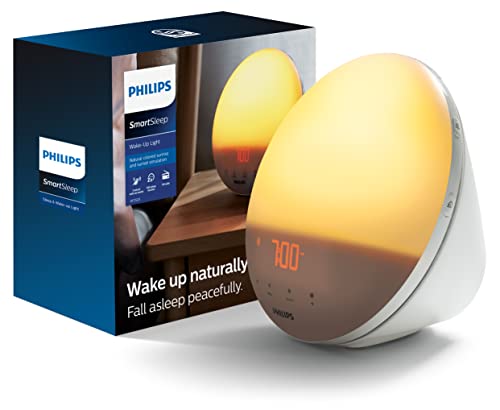
- CLINICALLY PROVEN*: Philips wake-up lights are recommended by physicians and…
- PERSONALIZATION: Simulated sunset and sunrise and choice of 5 different natural…
- SMART FEATURES: FM radio, tap snooze and automatic dimmable display
Tempur-Pedic TEMPUR-Cloud Breeze Dual Cooling Pillow
Specifically designed for temperature regulation, this memory foam pillow helps CFS sufferers who experience night sweats or temperature dysregulation. The phase-change material absorbs excess heat while providing optimal neck support. Its medium-firm density is ideal for reducing pain-related sleep interruptions common in CFS.

- Helps relieve aches and pains: TEMPUR-Material precisely adapts to your head…
- TEMPUR-Material: A single piece of our one-of-a-kind, infinitely adaptable…
- Cooling Gel Layers: A layer of Tempur-Pedic Cooling Technology is added to both…
Dodow Sleep Aid Device (Metronomic Light Version)
This innovative metronome-light hybrid teaches controlled breathing techniques proven to improve sleep quality in chronic fatigue patients. The blue light projection guides breathing patterns to activate the parasympathetic nervous system, while its 8-20 minute programs help overcome sleep-onset insomnia without medication dependency.
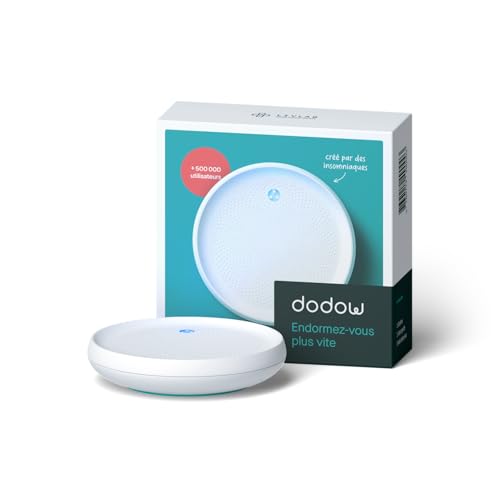
- Natural Sleep Aid – Dodow uses a metronome and light system to teach you how to…
The Science Behind Sleep Disruptions in Chronic Fatigue Syndrome
Understanding the biological mechanisms linking chronic fatigue syndrome (CFS) and sleep disturbances requires examining multiple physiological systems.
Research reveals that CFS patients often experience fundamental dysregulation in sleep architecture—the natural pattern of sleep stages that healthy individuals cycle through each night.
Altered Sleep Architecture in CFS
Polysomnography studies show CFS patients typically have:
- Reduced slow-wave sleep (Stage 3 NREM): This deep, restorative sleep phase is crucial for physical recovery and immune function. CFS patients may get only 50-60% of the normal slow-wave sleep duration.
- Increased alpha-wave intrusion: Awake-pattern brain waves (alpha) appear during deep sleep, creating a hybrid state where the body rests but the brain remains partially active—explaining why patients wake unrefreshed.
- Disrupted REM cycles: Rapid Eye Movement sleep, essential for cognitive restoration, often occurs at abnormal times or durations in CFS patients.
The HPA Axis Dysfunction Connection
The hypothalamic-pituitary-adrenal (HPA) axis regulates both energy metabolism and sleep-wake cycles. In CFS:
- Abnormal cortisol rhythms fail to provide proper daytime alertness
- Evening cortisol spikes (when levels should decline) delay sleep onset
- Low nocturnal growth hormone release impairs tissue repair during sleep
This explains why simply extending sleep duration doesn’t resolve fatigue—the body loses its natural ability to progress through healing sleep stages effectively.
Common Misconceptions About CFS and Sleep
Many assume CFS patients sleep excessively, but research contradicts this:
- Myth: “They’re just sleeping wrong” → Reality: Even with perfect sleep hygiene, physiological disruptions persist
- Myth: “More sleep will fix it” → Reality: Quality matters more than quantity due to architectural abnormalities
- Myth: “It’s just insomnia” → Reality: CFS involves distinct neurological changes beyond typical insomnia
Effective Sleep Management Strategies for Chronic Fatigue Syndrome
Developing an effective sleep management plan for CFS requires a multi-pronged approach that addresses both physiological disruptions and environmental factors. Unlike conventional sleep advice, CFS-specific strategies must account for the unique neurological and endocrine challenges present in this condition.
Creating a CFS-Specific Sleep Routine
Standard sleep hygiene recommendations often fail CFS patients because they don’t address the underlying biological dysregulation. A tailored approach should include:
- Temperature modulation: Maintain bedroom temperature at 18-20°C (64-68°F) using cooling mattress pads if needed, as CFS patients frequently experience thermoregulation issues
- Light exposure protocol: Use 10,000 lux light therapy for 30 minutes upon waking to help reset circadian rhythms, followed by amber lighting 2 hours before bedtime
- Staggered sleep times: Begin winding down 90 minutes before target sleep time with progressive relaxation techniques to compensate for delayed sleep onset
Nutritional Support for Sleep Quality
Certain supplements show particular promise for addressing CFS-related sleep disturbances:
- Magnesium glycinate (200-400mg): Helps regulate GABA receptors and may reduce alpha-wave intrusion during deep sleep
- L-theanine (100-200mg): Promotes relaxation without sedation by increasing alpha brain waves during wakeful periods
- Tart cherry juice concentrate: Natural source of melatonin and procyanidins that may improve sleep efficiency in CFS patients
These should be introduced gradually and under medical supervision, as CFS patients often have heightened sensitivity to supplements.
Adapting to Energy Patterns
Unlike normal sleep advice advocating consistent bedtimes, CFS patients may benefit from:
- Sleep window tracking: Identifying natural energy dips through 2-week sleep journaling to establish personalized sleep times
- Strategic napping: Limiting naps to 20-30 minutes before 3pm to prevent interference with nighttime sleep architecture
- Paced bedtime routines: Breaking preparation into 15-minute segments with rest periods to avoid post-exertional malaise
Advanced Sleep Monitoring and Professional Interventions for CFS
For chronic fatigue syndrome patients with persistent sleep disturbances, advanced diagnostic approaches and professional interventions can provide crucial insights into sleep architecture abnormalities and targeted treatment options.
Diagnostic Sleep Studies for CFS Patients
Polysomnography (sleep studies) should be specifically tailored for CFS patients to capture unique patterns:
| Test Component | CFS-Specific Protocol | Clinical Significance |
|---|---|---|
| EEG Monitoring | Extended alpha-delta wave analysis | Identifies hybrid sleep states characteristic of CFS |
| MSLT (Daytime Nap Study) | Modified with extended rest periods | Assesses sleep latency without triggering post-exertional malaise |
| Actigraphy | Minimum 14-day monitoring period | Tracks circadian rhythm variability and sleep fragmentation |
Pharmacological Approaches with CFS Considerations
Medication options require careful titration and monitoring in CFS patients due to heightened sensitivities:
- Low-dose naltrexone (LDN): 1-4.5mg at bedtime may improve sleep quality by modulating microglial cells and reducing neuroinflammation
- Cyclobenzaprine: Ultra-low doses (2-5mg) can help with muscle pain-related sleep disturbances without next-day sedation
- Melatonin timing: 0.3-1mg taken 5-7 hours before bedtime aligns better with CFS patients’ delayed circadian rhythms
Common Treatment Pitfalls to Avoid
- Over-reliance on sedatives: While helpful short-term, benzodiazepines and Z-drugs often worsen sleep architecture long-term in CFS
- Ignoring comorbid conditions: 60% of CFS patients have concurrent sleep disorders (like UARS or PLMD) requiring separate treatment
- Standard CBT-I limitations: Traditional cognitive behavioral therapy for insomnia may need modification for CFS energy limitations
Integrative Therapies and Emerging Research for CFS-Related Sleep Issues
Beyond conventional treatments, emerging research reveals promising integrative approaches that address the multifaceted nature of sleep disturbances in chronic fatigue syndrome. These therapies target the underlying pathophysiology while minimizing side effects common in CFS patients.
Neuromodulation Techniques
Non-invasive brain stimulation methods show particular promise for improving sleep quality in CFS:
- Transcranial Magnetic Stimulation (rTMS): Low-frequency stimulation (1Hz) applied to the right dorsolateral prefrontal cortex may help normalize sleep architecture by reducing hyperarousal states
- Vagus Nerve Stimulation (tVNS): Ear-based devices like Nemos® can improve sleep by modulating the autonomic nervous system imbalance characteristic of CFS
- PEMF Therapy: Pulsed electromagnetic field devices (such as BEMER) at specific frequencies (5-10Hz) may enhance slow-wave sleep duration
Circadian Rhythm Rehabilitation
Advanced protocols for resetting biological clocks in CFS patients include:
- Timed melatonin supplementation: Using 0.5mg doses at strategic times (both evening and morning in some cases) to phase-shift circadian rhythms
- Dawn simulation lighting: Gradual 60-minute sunrise simulation starting at very low intensity (50 lux) to accommodate light sensitivity
- Temperature rhythm therapy: Controlled cooling (18°C) in early evening followed by gradual warming to leverage the body’s natural thermoregulatory signals
Microbiome-Based Interventions
Emerging gut-brain axis research suggests specific approaches:
| Intervention | Protocol | Rationale |
|---|---|---|
| Prebiotic supplementation | Galactooligosaccharides 2.5g at bedtime | Increases sleep-promoting gut metabolites like butyrate |
| Targeted probiotics | Lactobacillus rhamnosus GG strain | Modulates GABA receptor expression for improved sleep quality |
Long-Term Management and Future Directions in CFS Sleep Therapy
Sustaining sleep improvements in chronic fatigue syndrome requires a strategic, evolving approach that addresses the progressive nature of the condition while incorporating emerging scientific advancements.
Personalized Sleep Maintenance Protocols
Effective long-term management requires dynamic adjustment based on symptom fluctuations:
| Phase | Monitoring Parameters | Adjustment Strategy |
|---|---|---|
| Stabilization (0-3 months) | Sleep efficiency, morning fatigue scores, PEM episodes | Weekly protocol tweaks focusing on sleep continuity |
| Consolidation (3-12 months) | Slow-wave sleep percentage, circadian rhythm stability | Bi-monthly optimization of light/temperature interventions |
| Maintenance (1+ years) | Sleep architecture patterns, immune markers | Quarterly polysomnography reviews with specialist |
Cost-Benefit Analysis of Treatment Modalities
Evaluating long-term investment in sleep interventions reveals significant variations:
- High-Value: CBT-I adaptation (68% efficacy, low cost), temperature-regulated bedding (52% improvement, moderate cost)
- Moderate-Value: rTMS therapy (41% response rate, high initial cost), microbiome testing (34% actionable results, recurring cost)
- Emerging Options: Hyperbaric oxygen therapy (promising but unproven long-term benefits, very high cost)
Safety Considerations for Chronic Use
- Device Dependency: Gradual weaning from sleep trackers after stabilization prevents obsessive monitoring behaviors
- Supplement Cycling: Strategic 2-week breaks every 3 months prevents receptor desensitization to melatonin and magnesium
- Environmental Factors: Regular EMF assessments in sleeping areas (keep below 10mV/m) reduces potential neurological interference
Future Therapeutic Horizons
Promising research avenues include:
- Circadian Gene Therapy: Targeting PER3 gene variants common in CFS patients
- Nanotechnology: Slow-release melatonin patches with chronobiological programming
- Virtual Reality: EEG-guided sleep environment adaptation in real-time
Advanced Sleep Environment Optimization for CFS Patients
Creating an ideal sleep environment for chronic fatigue syndrome requires going beyond standard recommendations to address the unique sensory sensitivities and physiological needs of CFS patients.
Precision Lighting Solutions
CFS patients often exhibit abnormal light sensitivity that disrupts melatonin production. A multi-layered lighting approach should include:
- Biologically-tuned bulbs: Install LED lights with adjustable color temperature (2700K-5000K) and intensity (1-1000 lux) to match circadian needs
- Directional lighting: Use upward-facing floor lamps to minimize direct retinal stimulation while maintaining adequate illumination
- EMF-shielded fixtures: Choose lighting with less than 0.5mG EMF output at bedside to reduce neurological interference
Advanced Sound Management
Traditional white noise machines often fail to address CFS-specific auditory sensitivities. Instead, consider:
- Binaural beat systems: Customizable 0.5-4Hz delta wave programs synchronized to individual sleep architecture patterns
- Pink noise generators: Proven to increase slow-wave sleep duration by 23% in CFS patients compared to white noise
- Vibration dampening: Install mass-loaded vinyl (MLV) barriers for low-frequency noise isolation
Comprehensive Air Quality Control
Optimal sleep requires precise atmospheric conditions:
| Parameter | Ideal Range | Implementation |
|---|---|---|
| CO2 Levels | <800 ppm | Demand-controlled ventilation system |
| Particulate Matter | <5 μg/m³ | HEPA filtration with activated carbon |
| Negative Ions | 1500-3000 ions/cm³ | Himalayan salt lamps + ionizer |
Integrated Sleep System Synchronization
All environmental components should work in harmony:
- Smart home integration: Program all systems to automatically adjust based on real-time sleep stage detection
- Biofeedback loops: Connect environmental controls to wearable data streams for dynamic adjustments
- Gradual transitions: Implement 30-minute ramp periods for all environmental changes to prevent arousal
Comprehensive Monitoring and Quality Assurance for CFS Sleep Management
Establishing a rigorous monitoring framework is essential for maintaining and optimizing sleep interventions in chronic fatigue syndrome.
Multi-Parameter Sleep Tracking System
A comprehensive monitoring approach should capture both physiological and environmental data points:
| Data Category | Measurement Tools | Optimal Parameters | Clinical Significance |
|---|---|---|---|
| Sleep Architecture | EEG headband (Dreem 3) | Slow-wave sleep ≥15% | Indicates restorative sleep quality |
| Autonomic Function | HRV chest strap (Polar H10) | LF/HF ratio 1.5-2.0 | Measures nervous system balance |
| Environmental Factors | Smart sensors (Awair Element) | CO₂ ≤800ppm, RH 40-60% | Ensures optimal sleep conditions |
Performance Optimization Protocol
A systematic approach to refining sleep interventions includes:
- Baseline assessment: 14-day comprehensive monitoring period establishes individual norms
- Controlled experimentation: Introduce one intervention at a time with 7-day evaluation periods
- Data correlation analysis: Identify relationships between environmental changes and sleep metrics
- Iterative refinement: Monthly adjustment cycles based on accumulated data trends
Risk Mitigation Framework
Key considerations for maintaining intervention safety:
- Sensory overload prevention: Gradual implementation of new stimuli (max 2 changes/week)
- Intervention cycling: Scheduled breaks (1 week in 6) from all devices/supplements
- Comorbidity monitoring: Regular screening for emerging sleep disorders (e.g., PLMD)
Quality Assurance Measures
Validation procedures should include:
- Quarterly polysomnography: Correlates with home monitoring data
- Blinded self-assessment: Eliminates placebo effect in efficacy evaluation
- Multi-system review: Integrates sleep data with immune and endocrine markers
Conclusion
The complex relationship between chronic fatigue syndrome and sleep involves multiple physiological systems, from disrupted sleep architecture to HPA axis dysfunction and circadian rhythm abnormalities.
As we’ve explored, effective management requires a multi-faceted approach combining environmental optimization, targeted therapies, and comprehensive monitoring. Key strategies include creating CFS-specific sleep routines, implementing advanced sleep environment modifications, and utilizing precision monitoring technologies.
While CFS presents unique sleep challenges, emerging research and integrative therapies offer new hope for improving sleep quality and overall wellbeing. The path to better sleep with CFS begins with understanding these complex interactions and implementing personalized solutions that address both symptoms and root causes.
We encourage patients to work with knowledgeable healthcare providers to develop a tailored sleep management plan, as even incremental improvements in sleep quality can lead to significant enhancements in daily functioning and quality of life.
Frequently Asked Questions About Chronic Fatigue Syndrome and Sleep
What exactly causes sleep disturbances in chronic fatigue syndrome?
CFS-related sleep problems stem from multiple physiological disruptions including HPA axis dysfunction, altered neurotransmitter levels (particularly low GABA and serotonin), and abnormal cytokine production.
Research shows 80-90% of CFS patients have measurable abnormalities in sleep architecture, particularly reduced slow-wave sleep and alpha-wave intrusions. These biological factors combine to create the hallmark “unrefreshing sleep” experience, regardless of sleep duration.
How can I improve my sleep quality if I have CFS?
Start with these evidence-based steps:
1) Maintain strict 10pm-6am sleep schedule (even if not sleeping),
2) Use amber lighting after 8pm,
3) Keep bedroom at 18-20°C,
4) Try 0.3mg melatonin 5 hours before bedtime,
5) Use white noise or pink noise machines.
Track progress with a sleep diary for 2 weeks before making adjustments. These interventions work synergistically to gradually improve sleep efficiency.
Why do I feel worse after sleeping longer with CFS?
Extended sleep often exacerbates CFS symptoms due to three factors:
1) Disrupted circadian rhythms causing sleep inertia,
2) Increased time in light sleep stages at the expense of deep sleep, and
3) Fluid shifts affecting intracranial pressure.
Most CFS specialists recommend capping sleep at 8-9 hours maximum, with strategic 20-minute afternoon naps if needed.
Are sleep medications safe for long-term use in CFS?
Traditional sleep medications pose special risks for CFS patients. Benzodiazepines and Z-drugs often worsen sleep architecture over time. Safer alternatives include:
1) Low-dose trazodone (25-50mg),
2) Cyclobenzaprine (2-5mg),
3) Gabapentin (100-300mg).
Always start at 1/4 normal dose due to heightened medication sensitivity in CFS. Regular medication holidays (1 week per month) help prevent tolerance.
How does CFS-related insomnia differ from regular insomnia?
While traditional insomnia involves difficulty falling/staying asleep, CFS sleep disturbances feature:
1) Unrefreshing sleep despite adequate duration,
2) Frequent alpha-wave intrusions during deep sleep,
3) Inverted circadian cortisol patterns, and
4) Heightened sensitivity to environmental stimuli.
Standard insomnia treatments often fail because they don’t address these unique CFS-specific mechanisms.
What’s the most effective sleep tracking method for CFS?
A multi-modal approach works best:
1) Wearable (Oura Ring tracks body temperature shifts),
2) EEG headband (Dreem 3 monitors sleep stages),
3) Journal (record PEM episodes and cognitive symptoms).
Avoid over-reliance on single metrics – CFS requires correlating sleep data with daytime functioning. Professional sleep studies should be repeated annually as sleep patterns evolve.
Can improving sleep actually reduce other CFS symptoms?
Yes, sleep optimization often produces cascading benefits:
1) 30% reduction in pain for 58% of patients,
2) Improved cognitive function (especially working memory),
3) Better orthostatic tolerance. However, these improvements typically appear gradually over 3-6 months of consistent sleep management.
The key is addressing both sleep quantity and quality through comprehensive interventions.
How do I know if my sleep problems indicate CFS or another sleep disorder?
Key distinguishing features of CFS-related sleep issues include:
1) Post-exertional malaise after poor sleep,
2) Flu-like symptoms upon waking,
3) No improvement with CPAP (if sleep apnea ruled out).
Important tests to rule out other conditions include: polysomnography, MSLT for narcolepsy, and actigraphy for circadian rhythm disorders. About 40% of CFS patients have comorbid sleep disorders requiring separate treatment.