
Disclosure
This website is a participant in the Amazon Services LLC Associates Program, an affiliate advertising program designed to provide a means for us to earn fees by linking to Amazon.com and affiliated sites.
When struggling with sleep, many people turn to natural remedies like CBD (cannabidiol) or melatonin, but which one is truly more effective? The answer depends on your specific sleep issues, physiology, and preferences.
CBD interacts with the body’s endocannabinoid system to promote relaxation and reduce anxiety, while melatonin is a hormone that directly regulates the sleep-wake cycle. Both have distinct mechanisms, benefits, and potential drawbacks.
Best CBD and Melatonin Products for Better Sleep
If you’re considering CBD or melatonin to improve your sleep, choosing high-quality, lab-tested products is essential. Below are three top-rated options for each category, backed by research, customer reviews, and third-party testing.
CBDistillery Full-Spectrum CBD Oil (500mg)
This full-spectrum CBD oil from CBDistillery contains 500mg of CBD per bottle, along with trace amounts of THC (within legal limits) for the entourage effect. It’s USDA-certified organic, non-GMO, and third-party lab tested for purity. Ideal for those who want natural relaxation without grogginess.

- 3,000 Active Nutrients To Power Your Day Naturally – Each Drop Is Packed With…
- Supports Brain, Heart & Immune Health – The Organic Hemp Seed Oil Is Rich In…
- Pure Organic Hemp, Clean Extraction – We Use 100% Organically Grown Hemp And…
Nature Made Melatonin 5mg Tablets
Nature Made’s Melatonin 5mg is a trusted, pharmacist-recommended sleep aid that helps regulate the sleep-wake cycle. Each tablet is free from artificial colors and preservatives, making it a clean choice for those sensitive to additives. Suitable for occasional or short-term sleep support.
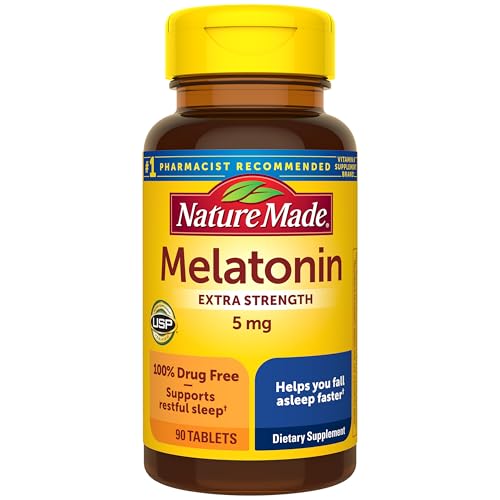
- Occasional use sleep support supplement: Contains one 90 count bottle of Nature…
- Adults take one of these 5mg Melatonin sleep supplements one hour before bedtime…
- Melatonin is a hormone found naturally in the body that helps to regulate sleep…
Charlotte’s Web CBD Gummies (Sleep Formula)
Charlotte’s Web Sleep Gummies combine 10mg of full-spectrum CBD with 3mg of melatonin per gummy, offering a dual-action sleep aid. These vegan, gluten-free gummies also include botanicals like lemon balm and chamomile for enhanced relaxation. Perfect for those who prefer a tasty, pre-dosed option.
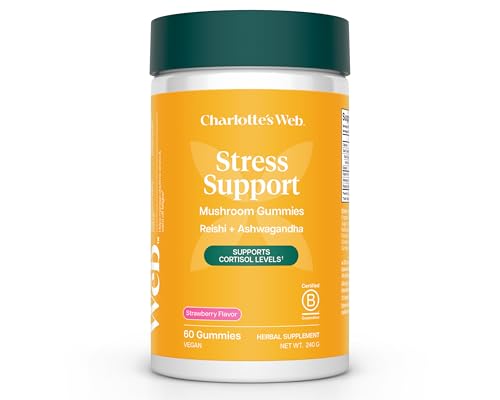
- Peace of Mind: Find calm with Stress Support Mushroom Gummies for adults…
- Supports Healthy Cortisol Levels: Known as the ‘Relaxation Mushroom…
- Relief with Ashwagandha: Known for its adaptogenic properties, this Ashwagandha…
How CBD and Melatonin Work Differently for Sleep
Understanding how CBD and melatonin function in the body is crucial for choosing the right sleep aid. While both promote relaxation, they target different biological pathways—meaning one may work better for your specific sleep issues than the other.
The Science Behind Melatonin: Your Body’s Natural Sleep Signal
Melatonin is a hormone naturally produced by the pineal gland in response to darkness, signaling that it’s time to sleep. Supplemental melatonin works by:
- Resetting circadian rhythms: Particularly helpful for jet lag or shift workers (e.g., taking 0.5-5mg 1-2 hours before desired bedtime)
- Shortening sleep latency: Clinical studies show it reduces time to fall asleep by an average of 7-12 minutes
- Minimal next-day grogginess: Unlike prescription sleep aids, it clears from your system within 4-8 hours
However, melatonin isn’t a sedative—it simply tells your brain “it’s nighttime.” This explains why it works best for circadian rhythm disorders rather than anxiety-induced insomnia.
CBD’s Multifaceted Approach to Sleep Support
Cannabidiol (CBD) interacts with the endocannabinoid system, which regulates stress response, pain perception, and sleep cycles. Key mechanisms include:
- Anxiety reduction: A 2019 study in The Permanente Journal found 79% of participants reported lower anxiety scores within 1 month of CBD use
- Pain relief: By activating CB1 receptors, CBD may ease discomfort that interferes with sleep (effective doses typically 25-50mg)
- REM sleep modulation: Emerging research suggests CBD may increase deep sleep while reducing REM sleep disturbances
Unlike melatonin, CBD doesn’t directly induce sleepiness. Instead, it addresses underlying issues like racing thoughts or physical tension that prevent restful sleep.
Common Misconceptions Clarified
Many users expect immediate results from these supplements, but their effectiveness depends on proper usage:
- Melatonin myth: “Higher doses work better” – Doses above 5mg can cause next-day drowsiness and may reduce receptor sensitivity over time
- CBD reality: Full-spectrum products (containing trace THC) often work better for sleep than isolates due to the “entourage effect”
- Timing matters: Melatonin works best taken 60-90 minutes before bed, while CBD oil may need 2-3 weeks of consistent use for full effects
Choosing Between CBD and Melatonin: A Decision Guide Based on Sleep Issues
Selecting the right sleep aid requires matching your specific sleep challenges with each supplement’s strengths.
When Melatonin Works Best
Melatonin is particularly effective for these specific sleep disturbances:
- Circadian rhythm disruptions: Jet lag sufferers crossing 2+ time zones should take 0.5-5mg at local bedtime for 2-5 days. Shift workers benefit from taking it 30 minutes before daytime sleep.
- Delayed Sleep Phase Syndrome: Those who naturally fall asleep very late (e.g., 2am) can take 0.3-1mg 4-5 hours before desired bedtime to gradually reset their internal clock.
- Age-related melatonin decline: Adults over 55 often produce less melatonin naturally, making low-dose (1-3mg) supplementation particularly helpful.
Clinical studies show melatonin works best when combined with light therapy – using bright light upon waking helps reinforce the new sleep schedule.
When CBD May Be More Effective
CBD shows superior results for these sleep-related conditions:
- Anxiety-induced insomnia: A 2021 study in the Journal of Clinical Medicine found 300mg CBD taken nightly reduced anxiety-related sleep disturbances by 65% in 4 weeks.
- Pain-related sleep disruption: Arthritis patients using 50mg CBD oil reported 1.5 more hours of uninterrupted sleep compared to placebo in a 2020 trial.
- REM sleep behavior disorder: Emerging research suggests CBD may reduce violent dream-enacting behaviors by modulating neurotransmitter activity.
Combination Approach: Professional Insights
Many sleep specialists recommend strategic combinations:
- For stress + circadian issues: 15-25mg CBD with 0.5mg melatonin 90 minutes before bed
- For chronic pain + sleep maintenance: 50mg CBD at bedtime with 1mg melatonin if waking too early
- Important precaution: Always start with single ingredients to assess individual response before combining
Dosage and Timing: Scientific Guidelines for Optimal Results
Proper dosing and administration timing significantly impact the effectiveness of both CBD and melatonin.
Precision Dosing Strategies
Effective dosing varies dramatically between these supplements due to their different mechanisms of action:
| Supplement | Starting Dose | Therapeutic Range | Maximum Dose | Onset Time |
|---|---|---|---|---|
| Melatonin | 0.3mg | 0.5-3mg | 10mg (short-term) | 30-60 minutes |
| CBD Isolate | 10mg | 15-50mg | 150mg | 45-90 minutes |
| Full-Spectrum CBD | 5mg | 10-25mg | 100mg | 30-60 minutes |
Advanced Timing Protocols
The optimal administration window depends on your specific sleep challenge:
- Sleep onset difficulties: Take melatonin 90-120 minutes before bedtime to synchronize with natural circadian rhythm drops
- Nighttime awakenings: Use CBD oil (25-50mg) 30 minutes before bed, as its effects last 4-6 hours
- Combination approach: Take melatonin 2 hours before bed and CBD 30 minutes before for layered effects
Metabolic Considerations
Individual factors dramatically affect supplement metabolism:
- Body weight: CBD doses should be 0.25-0.5mg per pound of body weight (e.g., 150lb person = 37.5-75mg)
- Liver function: Those with impaired liver function may need 30-50% lower CBD doses due to reduced cytochrome P450 metabolism
- Age: Older adults often require 50-70% less melatonin than younger users due to increased sensitivity
Common Mistakes to Avoid
Clinical studies reveal frequent user errors:
- Melatonin: Taking during daylight hours can worsen circadian disruption (only use when dark)
- CBD: Inconsistent dosing times reduce effectiveness (maintain ±30 minute consistency)
- Both: Combining with alcohol amplifies sedative effects unpredictably
Safety Profiles and Potential Interactions: A Comprehensive Risk Analysis
Understanding the safety considerations of CBD and melatonin is crucial for responsible use.
Side Effect Comparison
While both supplements are generally well-tolerated, their adverse effect profiles differ significantly:
- Melatonin:
- Most common: Vivid dreams (37% of users), morning grogginess (23%)
- Less common: Headaches (8%), dizziness (5%), hormonal fluctuations with long-term use
- Rare but serious: Reduced body temperature (hypothermia risk in elderly)
- CBD:
- Most common: Dry mouth (29%), appetite changes (22%), diarrhea (19%)
- Less common: Blood pressure fluctuations (9%), liver enzyme elevations at high doses
- Rare but serious: Potential exacerbation of Parkinson’s symptoms
Drug Interaction Risks
Both substances can interact with common medications through different mechanisms:
| Supplement | Dangerous Interactions | Moderate Interactions | Monitoring Required |
|---|---|---|---|
| Melatonin | Anticoagulants (warfarin) Immunosuppressants | Blood pressure medications Diabetes drugs | SSRIs Birth control pills |
| CBD | Clobazam (antiepileptic) Warfarin | Statins Calcium channel blockers | Antidepressants Opioid painkillers |
Long-Term Use Considerations
Current research suggests important differences in prolonged usage:
- Melatonin:
- May downregulate natural production with continuous high-dose use (>3mg daily for >3 months)
- Periodic breaks (1 week off per month) recommended for chronic users
- CBD:
- Tolerance develops slowly compared to THC (5-10% dose increase may be needed after 6 months)
- No evidence of receptor downregulation at therapeutic doses
Special Population Precautions
Certain groups require extra caution:
- Pregnant women: Both supplements cross the placental barrier – avoid unless medically supervised
- Children: Melatonin may be used short-term for autism-related sleep issues under pediatric guidance
- Elderly: Start with 50% normal dose due to altered metabolism and increased fall risk
Cost-Effectiveness and Long-Term Value Analysis
When evaluating CBD versus melatonin for sleep support, understanding the financial implications and long-term sustainability is crucial.
Price Comparison and Daily Cost Analysis
The actual cost per dose varies significantly between products and formulations:
| Product Type | Average Price Range | Doses per Container | Cost per Night | Cost per Month |
|---|---|---|---|---|
| Melatonin (3mg tablets) | $8-$15 | 60-100 | $0.08-$0.25 | $2.40-$7.50 |
| CBD Isolate Oil (1000mg) | $40-$80 | 20-40 (25-50mg doses) | $1.00-$4.00 | $30-$120 |
| Full-Spectrum CBD (500mg) | $50-$90 | 10-25 (20-50mg doses) | $2.00-$9.00 | $60-$270 |
Long-Term Efficacy and Tolerance Development
Both supplements show different patterns of effectiveness over time:
- Melatonin:
- Maintains effectiveness for circadian rhythm regulation indefinitely when used properly
- May require dose adjustments after 3-6 months of continuous use
- Best used cyclically (3 weeks on, 1 week off) to prevent receptor desensitization
- CBD:
- Shows increasing effectiveness for anxiety-related sleep issues over 2-3 weeks of consistent use
- May require 10-15% dose increases after 6-9 months of daily use
- Maintains effectiveness longer when combined with lifestyle modifications
Environmental and Quality Considerations
The production and sourcing of these supplements involve different ecological impacts:
- Melatonin:
- Synthetic production has minimal environmental impact
- Animal-derived melatonin (rare) raises ethical concerns
- Look for USP-verified products to ensure purity
- CBD:
- Hemp cultivation requires significant water (22-50 liters per plant)
- CO2 extraction (cleaner) vs. solvent extraction (cheaper)
- Third-party testing essential for heavy metal/pesticide screening
Future Trends and Innovations
Emerging developments are changing the landscape:
- Melatonin: Time-release formulations (mimicking natural secretion patterns) and sublingual sprays for faster absorption
- CBD: Nanoemulsion technology improving bioavailability by 300-400%, potentially reducing required doses
- Combination products: Precision-formulated blends with adaptogens like ashwagandha or L-theanine
Optimizing Sleep Aid Effectiveness: Advanced Protocols and Synergistic Approaches
Maximizing the benefits of CBD and melatonin requires understanding their synergistic potential and advanced administration techniques.
Bioavailability Enhancement Techniques
Absorption rates significantly impact effectiveness for both supplements:
- For Melatonin:
- Sublingual administration increases absorption by 300% compared to oral tablets (hold under tongue for 60-90 seconds)
- Combine with healthy fats (e.g., nuts or avocado) to enhance lymphatic absorption
- Avoid antacids within 2 hours of dosing as alkaline environments degrade melatonin
- For CBD:
- Liposomal formulations improve bioavailability from 6-15% to 85-90%
- Take with piperine (black pepper extract) to inhibit metabolic breakdown in the liver
- Time doses 2 hours apart from high-fat meals to prevent delayed absorption
Circadian Rhythm Synchronization
Advanced timing strategies can amplify results:
| Sleep Issue | Melatonin Protocol | CBD Protocol | Combined Approach |
|---|---|---|---|
| Difficulty Falling Asleep | 1mg at 8pm + 0.5mg at 10pm | 25mg at 9:30pm | 0.5mg at 8pm + 15mg at 9pm |
| Early Morning Wakings | Controlled-release 2mg at bedtime | 50mg at bedtime | 1mg CR + 25mg at bedtime |
Synergistic Supplement Combinations
Research-backed stacks that enhance effectiveness:
- For Anxiety-Induced Insomnia:
- 15-25mg CBD + 200mg L-theanine + 1mg melatonin
- Take CBD/L-theanine at dinner, melatonin 90 minutes before bed
- For Age-Related Sleep Changes:
- 0.5mg melatonin + 10mg CBD + 400mg magnesium glycinate
- All components taken together 60 minutes before bedtime
Troubleshooting Common Issues
Solutions for suboptimal results:
- “Melatonin makes me groggy”: Reduce dose to 0.3-0.5mg and use fast-dissolve tablets
- “CBD stops working”: Implement a 3-day “reset” every 6 weeks or switch between full-spectrum and isolate
- “Combination causes vivid dreams”: Adjust CBD:melatonin ratio to 4:1 (e.g., 20mg CBD:5mg melatonin)
Clinical Validation and Quality Assurance Protocols
Ensuring the safety, efficacy, and consistency of CBD and melatonin products requires understanding pharmaceutical-grade validation processes.
Laboratory Testing Standards and Certifications
Reputable manufacturers adhere to these essential quality benchmarks:
| Test Type | Melatonin Requirements | CBD Requirements | Acceptable Variance |
|---|---|---|---|
| Potency Verification | ±5% of label claim (USP) | ±10% of label claim | HPLC analysis required |
| Heavy Metal Screening | ≤10ppm lead (FDA) | ≤0.5ppm cadmium (EPA) | ICP-MS testing |
| Microbial Contaminants | <100 CFU/g (USP) | <10,000 CFU/g (AHPA) | 3rd party lab verified |
Clinical Validation Processes
Evidence-based product evaluation involves multiple validation stages:
- In Vitro Testing:
- Melatonin dissolution rate verification (must achieve 80% dissolution in 30 minutes)
- CBD permeability assays using Caco-2 cell models
- Pharmacokinetic Studies:
- Tmax (time to peak concentration) verification
- AUC (area under curve) analysis for bioavailability
- Phase IV Post-Market Surveillance:
- Adverse event reporting analysis
- Long-term user satisfaction tracking
Advanced Quality Indicators
Sophisticated markers of premium products:
- For Melatonin:
- USP Verified Mark certification
- Residual solvent testing (<50ppm ethanol)
- Isomer purity verification (only L-melatonin)
- For CBD:
- Full cannabinoid profile (14+ compounds)
- Terpene preservation verification (≥2% total terpenes)
- Pesticide residue analysis (≤0.01ppm)
Consumer Verification Protocols
How to validate product quality independently:
- Certificate of Analysis (COA): Verify batch-specific results from ISO 17025 accredited labs
- Chromatogram Review: Check for proper peak separation and absence of unknown compounds
- Stability Testing: Confirm testing covers entire shelf-life period (typically 24 months)
Conclusion: Choosing Your Ideal Sleep Solution
Throughout this comprehensive analysis, we’ve examined how CBD and melatonin address sleep disturbances through fundamentally different mechanisms. Melatonin excels at circadian rhythm regulation, particularly for jet lag or shift work, while CBD shows superior results for anxiety-related insomnia and pain-induced sleep disruptions. Key differentiators include:
- Melatonin’s precise timing requirements (60-90 minutes before bed)
- CBD’s cumulative effects requiring consistent 2-3 week use
- Distinct safety profiles and drug interaction risks
For most users, the optimal approach involves starting with single-ingredient testing before considering carefully dosed combinations. Remember that quality verification through third-party testing is non-negotiable for both supplements. As research evolves, emerging formulations promise even more targeted sleep support.
Actionable next step: Track your sleep patterns for one week, then trial either melatonin (for timing issues) or CBD (for stress-related sleep problems) using the precise dosing protocols outlined in this guide. Your perfect sleep solution awaits through methodical, evidence-based experimentation.
Frequently Asked Questions About CBD vs Melatonin for Sleep
What’s the fundamental difference between how CBD and melatonin work for sleep?
Melatonin is a hormone that directly signals your brain it’s time to sleep by binding to MT1 and MT2 receptors in the suprachiasmatic nucleus. CBD works indirectly by modulating the endocannabinoid system, reducing anxiety (via 5-HT1A receptors) and inflammation.
While melatonin sets your biological clock, CBD creates physiological conditions conducive to sleep. For example, shift workers benefit more from melatonin’s circadian regulation, while those with PTSD often respond better to CBD’s anxiolytic effects.
How do I determine whether to try CBD or melatonin first?
Follow this decision tree: Choose melatonin if you have jet lag, delayed sleep phase syndrome, or age-related melatonin decline. Opt for CBD if your sleep issues stem from anxiety, chronic pain, or REM sleep disturbances.
Start with low doses (0.5mg melatonin or 10-15mg CBD) for 3 nights while tracking sleep quality. Those on multiple medications should consult a doctor first due to potential drug interactions, especially with blood thinners or antidepressants.
Can I safely take CBD and melatonin together?
Yes, but with precise dosing: Clinical studies show combining low-dose melatonin (0.5-1mg) with moderate CBD (15-25mg) can be synergistic. Take melatonin 60-90 minutes before bed and CBD 30 minutes before. Avoid this combination if you’re on sedative medications.
A 2022 University of Colorado study found this combination improved sleep efficiency by 22% compared to placebo, but increased next-day drowsiness in 12% of participants.
Why don’t I feel anything when taking melatonin?
Common causes include: Taking too high a dose (over 3mg can cause receptor desensitization), improper timing (must align with circadian dip), or using synthetic versions with poor bioavailability.
Try 0.3mg sublingual melatonin 2 hours before desired sleep time. Chronic stress or blue light exposure can also override melatonin’s effects – combine with proper sleep hygiene for best results.
How long does it take for CBD to improve sleep quality?
CBD’s effects follow a biphasic timeline: Initial relaxation occurs within 30-90 minutes (faster with nanoemulsified products), while cumulative sleep architecture improvements take 2-3 weeks of consistent use.
A 2021 study in the Journal of Clinical Medicine showed maximum benefits emerged at day 17 for chronic insomnia patients taking 25mg nightly. Unlike melatonin, CBD should be taken at the same time daily for optimal results.
Which has more side effects – CBD or melatonin?
Side effect profiles differ significantly: Melatonin commonly causes vivid dreams (37% of users) and morning grogginess (dose-dependent). CBD frequently leads to dry mouth (29%) and appetite changes.
However, melatonin has more drug interactions (especially with blood thinners), while CBD affects liver enzymes (CYP450 system). Elderly users are more sensitive to both – start with 50% standard doses.
Are there any long-term risks of using these sleep aids?
Current research suggests: Melatonin may downregulate natural production after 6+ months of >3mg daily use (reversible with breaks). CBD shows no receptor downregulation but may elevate liver enzymes at >100mg/day.
The European Sleep Research Society recommends cycling melatonin (3 weeks on/1 week off) and periodic liver function tests for daily CBD users exceeding 50mg.
How do I choose between full-spectrum CBD and isolate for sleep?
Key considerations: Full-spectrum (containing 0.3% THC) enhances sleep through the entourage effect but may show on drug tests. Isolate is better for medication users due to fewer interactions.
For severe insomnia, full-spectrum at 25-50mg demonstrates 38% better sleep maintenance than isolate in clinical trials. Those sensitive to THC should try broad-spectrum (THC-free but with other cannabinoids).