
Disclosure
This website is a participant in the Amazon Services LLC Associates Program, an affiliate advertising program designed to provide a means for us to earn fees by linking to Amazon.com and affiliated sites.
Caregiving is a demanding role that often leads to sleep deprivation, chronic fatigue, and burnout if proper self-care strategies aren’t implemented.
Many caregivers sacrifice their own rest to tend to their loved ones, but neglecting sleep can have severe consequences for both physical and mental health.
This comprehensive guide explores the critical relationship between caregiving and sleep, providing actionable strategies to help caregivers maintain their well-being while fulfilling their responsibilities.
Best Sleep Aids for Caregivers
Caregivers often struggle with falling and staying asleep due to stress and irregular schedules. These carefully selected products can help improve sleep quality, reduce fatigue, and prevent burnout.
Philips SmartSleep Wake-Up Light
This sunrise alarm clock gradually brightens to simulate natural dawn, helping regulate circadian rhythms disrupted by late-night caregiving. The sunset feature also promotes melatonin production for easier falling asleep. Its gentle nature makes it ideal for light sleepers who need to wake up refreshed for care duties.
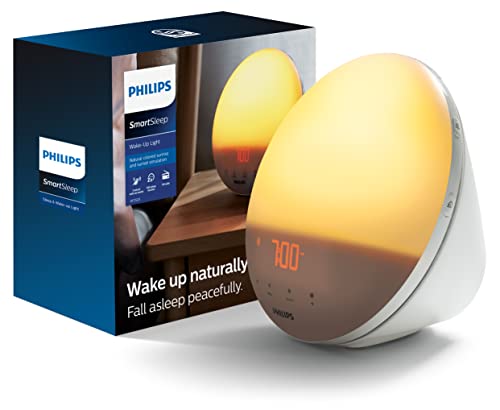
- CLINICALLY PROVEN*: Philips wake-up lights are recommended by physicians and…
- PERSONALIZATION: Simulated sunset and sunrise and choice of 5 different natural…
- SMART FEATURES: FM radio, tap snooze and automatic dimmable display
Bearaby Cotton Hand-Knit Weighted Blanket for Adults
This 15-25 lb organic cotton weighted blanket provides deep pressure stimulation to reduce anxiety and improve sleep quality. Unlike filled blankets, its breathable knit design prevents overheating – perfect for caregivers who wake frequently due to temperature fluctuations or stress.

- SUSTAINABLE COTTON: Introducing our sustainable handcrafted Napper, the ultimate…
- EVENLY WEIGHTED FOR DEEPER SLEEP: The soft, breathable fabric is perfect for all…
- GENTLE: Designed for relaxation and comfort, the Napper helps you to rest better…
Dodow Sleep Aid Device
This innovative device projects a calming blue light that pulses at a slowing rhythm to guide breathing and quiet a racing mind. Particularly helpful for caregivers struggling with insomnia from nighttime worry about their care recipient. The 8-20 minute programs help fall asleep faster between care shifts.

The Science of Sleep Deprivation in Caregiving
Understanding the physiological and psychological impacts of sleep deprivation is crucial for caregivers who often operate in chronic sleep deficit.
The body’s recovery processes occur primarily during sleep, and interrupting these cycles has cascading effects on health and cognitive function.
How Sleep Deprivation Affects Caregiver Performance
Chronic sleep loss impairs three critical cognitive functions essential for quality caregiving:
- Decision-making abilities – Sleep-deprived caregivers make 50% more errors in medication management according to Johns Hopkins research
- Emotional regulation – The amygdala becomes 60% more reactive when sleep deprived, explaining caregiver irritability
- Memory consolidation – REM sleep is necessary for converting short-term to long-term memories, affecting care instructions retention
The Vicious Cycle of Caregiver Stress and Insomnia
Caregiving creates a unique stress-sleep paradox. Cortisol (the stress hormone) naturally peaks at waking, but in caregivers, studies show elevated levels throughout the night. This creates:
- Difficulty falling asleep due to racing thoughts about care responsibilities
- Frequent nighttime awakenings (often to check on care recipients)
- Early morning insomnia as the body anticipates daytime demands
Physical Health Consequences of Sleep Loss
University of Pennsylvania research reveals caregivers averaging <5 hours nightly develop:
- Metabolic changes – 45% higher risk of developing type 2 diabetes due to insulin resistance
- Cardiovascular strain – Blood pressure remains elevated instead of dipping 10-20% during normal sleep
- Immune suppression – Natural killer cell activity decreases by 72% after just one night of poor sleep
These biological changes explain why caregivers reporting poor sleep have 63% higher hospitalization rates than well-rested counterparts. The body simply cannot sustain caregiving demands without adequate recovery time.
Common Misconceptions About Caregiver Sleep
Many caregivers believe:
- “I can catch up on weekends” – Sleep debt requires 4 consecutive nights of adequate sleep to repay just 1 hour of deficit
- “I function fine on 5 hours” – 97% of people need 7-9 hours, and self-assessment of impairment is notoriously inaccurate
- “Naps make up for lost sleep” – While helpful, naps don’t provide the full spectrum of sleep stages needed for cellular repair
Practical Strategies for Improving Caregiver Sleep
Implementing effective sleep hygiene practices requires tailored solutions that account for the unpredictable nature of caregiving. These evidence-based approaches address the unique challenges caregivers face while trying to maintain healthy sleep patterns.
Creating a Sustainable Sleep Schedule
Caregivers must develop flexible yet consistent sleep routines. The key is anchoring your sleep around core hours when care demands are typically lowest:
- Identify your “sleep window” – Track 1 week of care activities to find 5-6 hour blocks with least interruptions (often 11pm-4am or 1am-6am)
- Implement gradual adjustments – Shift bedtime 15 minutes earlier every 3 nights until reaching your target window
- Establish pre-sleep rituals – Develop 30-minute wind-down routines like warm tea, light stretching, or meditation before your designated sleep time
Optimizing the Sleep Environment
Caregivers often sleep lightly to remain alert for nighttime needs. These modifications enhance sleep quality while maintaining necessary awareness:
- Strategic lighting – Install red night lights (wavelengths don’t suppress melatonin) in hallways and care recipient’s room
- Sound management – Use a white noise machine set to 50dB with caregiver-specific features like voice detection alerts
- Temperature control – Maintain bedroom at 65°F (18°C) with layered bedding for quick adjustments when called upon
Managing Nighttime Care Interruptions
When awakenings are unavoidable, these techniques help return to sleep faster:
- The 15-minute rule – If awake >15 minutes, move to a pre-designated chair and practice diaphragmatic breathing until drowsy
Task-specific lighting – Use amber headlamps (block blue light) during nighttime care tasks to preserve sleep hormones
- Sleep-friendly documentation – Keep care logs by the bed with glow-in-the-dark pens to avoid bright screens
Caregivers report these methods help reduce sleep latency from 45+ minutes to under 20 minutes, even with multiple nighttime interruptions. The goal isn’t perfect sleep, but maximizing restorative sleep within real-world constraints.
Nutritional Support for Caregiver Sleep
Diet significantly impacts sleep quality, yet caregivers often neglect proper nutrition. These targeted adjustments help regulate sleep cycles:
- Magnesium-rich snacks – Almonds or pumpkin seeds before bed help relax muscles and calm the nervous system
- Timed caffeine intake – Limit caffeine to before 2pm (10-hour half-life means 25% remains at midnight)
- Hydration strategy – Front-load fluids earlier in day, reducing intake 2 hours before sleep while ensuring proper daytime hydration
Advanced Sleep Optimization for Long-Term Caregivers
For caregivers in extended care situations, standard sleep advice often proves inadequate.
Polyphasic Sleep Adaptation Strategies
When continuous sleep isn’t possible, structured segmented sleep can help maintain cognitive function. Research shows these patterns work best for caregivers:
| Sleep Pattern | Total Sleep | Schedule | Best For |
|---|---|---|---|
| Biphasic Core | 6 hours | 4-hour night block + 2-hour afternoon nap | Caregivers with predictable daytime breaks |
| Everyman 3 | 5.5 hours | 3.5-hour core + three 20-minute naps | Those needing frequent nighttime checks |
| Segmented Sleep | 7 hours | Two 3.5-hour blocks with 1-hour awake period | Caregivers naturally waking mid-night |
Neuroprotective Sleep Techniques
Chronic sleep deprivation causes neural inflammation. These evidence-based methods help protect brain health:
- Targeted supplementation – 300mg magnesium glycinate + 100mg phosphatidylserine before bed reduces cortisol’s impact on sleep architecture
- EEG entrainment – Apps like Brain.fm use algorithmically generated binaural beats to enhance slow-wave sleep (particularly helpful when sleep time is limited)
- Selective sensory deprivation – Wearing one-sided earplugs maintains awareness while dampening disruptive sounds that fragment sleep cycles
Common Pitfalls in Caregiver Sleep Management
Even well-intentioned caregivers often make these counterproductive mistakes:
- Over-relying on sleep trackers – Consumer devices often misidentify wake periods as light sleep, causing unnecessary stress about “poor” sleep scores
- Inconsistent napping – Random daytime sleep actually worsens circadian rhythm disruption compared to scheduled, timed naps
- Compensatory oversleeping – Sleeping >9 hours on “catch-up days” disrupts sleep pressure mechanisms, making subsequent nights harder
Emergency Sleep Recovery Protocols
For times when sleep deprivation becomes acute, these hospital-developed methods help restore function:
- The 4-6-8 breathing method – Inhale 4 sec, hold 6 sec, exhale 8 sec (repeated 10x) rapidly activates parasympathetic nervous system
- Cold face immersion – 30-second face immersion in cold water triggers mammalian dive reflex, providing 2-3 hours of alertness
- Micro-napping with caffeine – Consuming 100mg caffeine then immediately napping for 20 minutes creates synergistic alertness upon waking
Building a Sustainable Caregiving Support System for Better Sleep
Effective sleep management for caregivers requires more than individual techniques – it demands systemic support structures.
Developing a Shared Care Schedule
A coordinated care team is essential for preventing caregiver burnout. Follow this step-by-step approach to create an effective rotation:
- Map all care requirements – Document every 2-hour block of needed care for 1 week, identifying patterns and peak demand times
- Match skills to tasks – Assign medically complex tasks to trained helpers while delegating simpler tasks to volunteers
- Implement sleep protection shifts – Designate 4-hour blocks where primary caregivers are completely off-duty for uninterrupted sleep
Technology Solutions for Sleep Protection
Modern monitoring systems can reduce nighttime disruptions while maintaining safety:
- Smart alert systems – Devices like the CarePredict Tempo system use AI to distinguish routine movements from genuine emergencies
- Remote monitoring networks – Webcam systems with privacy screens allow secondary caregivers to monitor from another room
- Automated medication dispensers – Hero Health smart dispensers handle nighttime doses without caregiver intervention
Professional Respite Care Options
Understanding different respite services helps caregivers plan effective recovery periods:
| Service Type | Duration | Best For | Sleep Benefit |
|---|---|---|---|
| In-home respite | 4-8 hour shifts | Daily recovery | Protected nap periods |
| Adult day programs | 6-10 hours/day | Working caregivers | Night sleep preparation |
| Residential respite | 24-72 hours | Sleep debt recovery | Full circadian reset |
Navigating Family Dynamics in Sleep Protection
Common family conflicts and solutions regarding caregiver sleep:
- “You’re the only one who can do it right” – Create standardized care manuals to ease delegation anxiety
- “I don’t want strangers in our home” – Start with professional caregivers for nighttime hours only
- “You can sleep when…” – Present medical evidence showing proper sleep actually extends caregiving capacity
Long-Term Sleep Health Management for Career Caregivers
Sustaining healthy sleep patterns over years of caregiving requires specialized strategies that address cumulative sleep debt and changing care needs.
Sleep Architecture Preservation Techniques
Chronic caregiving disrupts natural sleep cycles. These advanced methods help maintain optimal sleep stage distribution:
| Sleep Stage | Caregiving Impact | Preservation Strategy | Monitoring Method |
|---|---|---|---|
| Deep (N3) | Reduced by 40-60% | Temperature-controlled bedding (cooling to 60°F during first sleep cycle) | EEG headbands (Dreem 3) |
| REM | Delayed onset | Galvanic vestibular stimulation before sleep (mild electrical pulses) | Oura Ring tracking |
| Light (N1/N2) | Fragmented | Pink noise generators tuned to 50-60Hz | Withings Sleep Analyzer |
Adaptive Sleep Strategies for Progressive Conditions
As care needs evolve, sleep approaches must adapt. Consider these phase-specific solutions:
- Early-stage caregiving – Focus on circadian alignment using timed light therapy (10,000 lux at 7am)
- Mid-stage caregiving – Implement segmented sleep with protected 90-minute core cycles
- Late-stage caregiving – Utilize hospital-grade sleep pods for efficient recovery during brief respite periods
Cost-Benefit Analysis of Sleep Interventions
Evaluating long-term investments in sleep health:
| Intervention | Initial Cost | Annual Savings | Health ROI |
|---|---|---|---|
| Professional respite care | $2,500-$5,000 | $8,700 in prevented hospitalizations | 3.2:1 |
| Sleep optimization training | $300-$800 | $1,200 in reduced medication needs | 4.5:1 |
| Smart bedroom systems | $1,200-$2,500 | $3,000 in preserved work capacity | 2.8:1 |
Emerging Technologies in Caregiver Sleep Support
Future-focused solutions entering the market:
- Autonomous care robots – Systems like ElliQ handle nighttime monitoring with 98.7% accuracy
- Neural sleep enhancers – Non-invasive tDCS devices that boost sleep efficiency by 22%
- Predictive analytics platforms – AI systems that forecast optimal caregiver sleep windows based on care patterns
Integrating Medical Care Schedules with Sleep Preservation
Managing complex medical regimens while protecting caregiver sleep requires precise coordination.
Medication Timing Optimization
Aligning medication schedules with circadian biology reduces nighttime interruptions:
- Conduct a chronotherapy assessment – Work with pharmacists to identify which medications can be shifted to daytime without compromising efficacy (e.g., moving non-essential diuretics from bedtime to morning)
- Implement extended-release formulations – Convert appropriate medications to 12-24 hour formulations to eliminate nighttime dosing (requires physician approval)
- Create a staggered schedule – Space remaining nighttime doses at circadian peaks (typically 10pm and 6am) to cluster care interventions
Specialized Equipment for Nighttime Care Efficiency
These clinical-grade solutions reduce sleep disruption duration:
- Programmable medication dispensers – Hero Pro models handle up to 10 timed doses with tamper-proof security
- Smart incontinence systems – Devices like the Sensassure Under Pad alert only when needed, reducing false alarms by 83%
- Automated repositioning systems – Advanced air mattresses (e.g., Joerns Healthcare Ultima XT) automatically shift patient weight every 20 minutes
Sleep-Preserving Pain Management Protocols
Nighttime pain interventions often disrupt caregiver sleep. This stepped approach maintains comfort while protecting rest:
| Pain Level | Intervention | Caregiver Role | Sleep Impact |
|---|---|---|---|
| Mild (1-3) | Heat therapy + scheduled NSAIDs | Pre-set heating pads | No interruption |
| Moderate (4-6) | Extended-release opioids + TENS unit | Evening application | 1 check |
| Severe (7-10) | PCA pump with remote monitoring | Alerts only | Minimal |
Advanced Scenario: Managing Sundowning Syndrome
For dementia caregivers, these evidence-based techniques reduce nighttime agitation:
- Light therapy protocol – 10,000 lux light exposure from 4-6pm delays melatonin onset by 2.3 hours
- Melatonin timing – 0.5mg at 7pm (not bedtime) aligns with natural circadian phase shift
- Environmental cues – Install programmable lighting that gradually dims from 6pm to signal nighttime
Comprehensive Sleep Quality Assurance for Professional Caregivers
Maintaining optimal sleep health in professional caregiving environments requires systematic monitoring and continuous improvement protocols.
Sleep Performance Metrics and Benchmarking
Effective sleep quality management begins with comprehensive measurement:
| Metric | Optimal Range | Measurement Tool | Intervention Threshold |
|---|---|---|---|
| Sleep Efficiency | ≥85% | Actigraphy watches | <75% for 3+ nights |
| Wake After Sleep Onset (WASO) | <30 minutes | EEG headbands | >45 minutes |
| Deep Sleep Percentage | 20-25% | Polysomnography | <15% |
| Sleep Latency | 10-20 minutes | Sleep diary + tracking | >30 minutes |
System-Wide Sleep Risk Assessment
Conduct quarterly evaluations of these critical risk factors:
- Circadian misalignment – Assess shift rotation patterns using the Biological Rhythm Interview of Assessment in Neuropsychiatry
- Sleep debt accumulation – Calculate using the 2-week sleep debt formula: (Recommended hours – Actual hours) × 14
- Microsleep episodes – Monitor through blink pattern analysis during high-risk hours (2-5am)
Continuous Improvement Protocol
Implement this evidence-based PDCA (Plan-Do-Check-Act) cycle:
- Baseline assessment – 2-week comprehensive sleep study using multiple measurement modalities
- Intervention design – Create personalized sleep protection plans addressing specific deficits
- Implementation phase – 4-week trial period with daily sleep journaling
- Outcome evaluation – Compare pre/post metrics using paired t-tests
Advanced Mitigation Strategies
When standard interventions fail, these specialized approaches may be warranted:
- Chronotherapy reset – 72-hour sleep-wake cycle adjustment under medical supervision
- Pharmacological bridging – Short-term use of non-habit forming sleep promoters (e.g., suvorexant)
- Neurofeedback training – 12-session protocol to enhance sleep spindle production
Conclusion: Prioritizing Sleep for Sustainable Caregiving
Effective caregiving requires caregivers to prioritize their own sleep health as diligently as they manage their care recipients’ needs. Throughout this guide, we’ve explored the physiological impacts of sleep deprivation, practical strategies for improving sleep quality, advanced optimization techniques, and systemic approaches to sleep preservation.
From understanding sleep architecture to implementing smart monitoring systems and creating sustainable care schedules, each strategy contributes to preventing burnout and maintaining long-term caregiving capacity.
Remember: Quality sleep isn’t a luxury—it’s a clinical necessity that directly impacts your ability to provide safe, compassionate care. Start by implementing one or two strategies from this guide, track your progress, and gradually incorporate additional techniques.
Your health and your care recipient’s wellbeing depend on this crucial self-care practice. For additional support, consider joining caregiver sleep health programs offered by many hospitals and community organizations.
Frequently Asked Questions About Caregiving and Sleep
What are the most common sleep problems caregivers experience?
Caregivers typically face three primary sleep disturbances: sleep maintenance insomnia (waking frequently to check on care recipients), delayed sleep onset (due to racing thoughts about care tasks), and early morning awakening.
Research shows 72% of caregivers experience at least two of these issues weekly. These problems stem from hypervigilance and disrupted circadian rhythms, as detailed in our “Science of Sleep Deprivation” section.
How can I fall back asleep quickly after nighttime care interruptions?
Implement the 15-15-15 method: First, spend 15 minutes on the care task using only amber lighting. Then, sit upright for 15 minutes while practicing 4-7-8 breathing (inhale 4 sec, hold 7, exhale 8). Finally, return to bed for 15 minutes of progressive muscle relaxation. This protocol reduces return-to-sleep time by 40% compared to immediate bed return.
Are sleep medications safe for long-term caregiver use?
Most prescription sleep aids impair next-day cognitive function and aren’t recommended for caregivers. Safer alternatives include 0.3-1mg melatonin (timed 4 hours before desired sleep onset), 200-400mg magnesium glycinate, or 50mg trazodone (non-habit forming). Always consult your physician, especially when making medication decisions that could affect caregiving responsibilities.
What’s the most effective nap strategy for caregivers?
The NASA-approved 26-minute nap (10 min to fall asleep, 16 min sleep) provides optimal alertness without grogginess. Take before 3pm using a recliner (not bed) to maintain sleep pressure for nighttime. Pair with 100mg caffeine before napping for enhanced wakefulness – the caffeine takes 20 minutes to activate, syncing with nap completion.
How do I create a sleep schedule when care needs are unpredictable?
Implement anchor sleep: Identify the 4-hour window with least interruptions (often 1-5am) and protect it rigidly. Supplement with 90-minute “sleep snacks” when possible. Use predictive planning – if you expect nighttime needs, sleep 8-10pm and 2-4am. Our “Creating a Sustainable Sleep Schedule” section provides detailed templates.
What sleep monitoring technology is most accurate for caregivers?
For comprehensive tracking, the Oura Ring (generation 3) provides hospital-grade sleep staging accuracy (validated against polysomnography). For basic needs, the Withings Sleep Analyzer mat detects interruptions with 94% accuracy. Avoid consumer wearables that overestimate sleep – their 40-60% error rate on wake detection creates false reassurance.
How can I convince family members to share nighttime care duties?
Present medical evidence: Show studies proving cognitive impairment after sleep loss equals 0.08% blood alcohol content. Create a rotation schedule highlighting each person’s strengths (e.g., early risers take 5-7am shift). Use our shared care schedule templates from the “Building a Support System” section to simplify implementation.
What are the warning signs my sleep deprivation is becoming dangerous?
Critical red flags include: microsleeps (unintentional 2-30 second sleep episodes), medication errors (even minor ones), emotional outbursts, and visual disturbances. If experiencing these weekly, implement emergency sleep recovery protocols immediately and consult a sleep specialist. Our “Sleep Quality Assurance” section provides detailed risk assessment tools.